This individual is a guest contributor. MEI is not able to assist with contact requests.
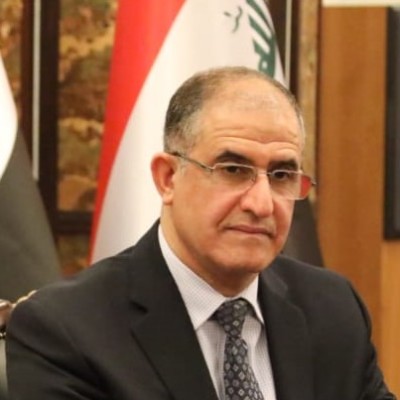
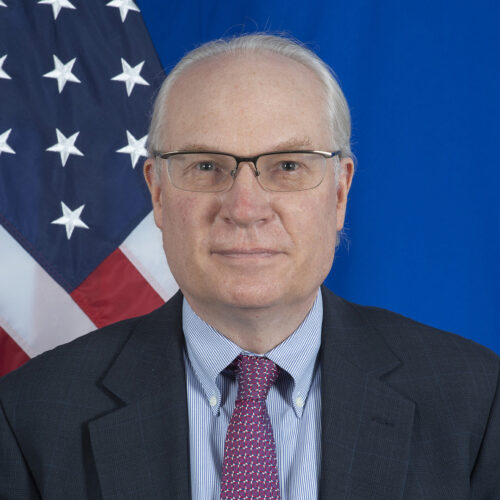
Dr. Naufel Alhassan is a researcher in institutional reform and social economic policy. He is also the co-founder and CEO of Euphrates Consulting Group (ECG). Formerly, he served in many high executive and advisory positions in the Iraqi government, including as chief of staff and senior advisor for Prime Minister Haider al-Abadi. He played a prominent role in designing and implementing the government’s economic reform agenda as head of the Economic Reform Unit (ERU) in the Prime Minister’s Office in partnership with the World Bank, IMF, EU, UNDP, USAID, and other G7 missions in Iraq. He participated in key governmental committees such as the National Security Council, Energy Committee, Reconstruction and Investment Committee, and the High Committee for Coordination between Federal and Local Governments. Dr. Alhassan also led the “Ta’heel” project for job creation and vocational training to facilitate weapons reduction for Iraqi society in partnership with the government of Japan and participated in writing the “Iraq Vison 2030 and Development Strategy” with a team of local and international experts.
Between 2008 and 2014, Dr. Alhassan served as commercial counselor for the Iraqi Government in Washington, DC. Prior to his service in the government, he worked in the semiconductor sector for a decade in engineering and management positions.
رائحة الثورة: آفاق الإصلاح في ظل الحكومة العراقية المقبلة
وستجد الحكومة الجديدة في جلستها الأولى على مكتبها عددًا من الملفات الشائكة ، تتفاوت في درجة أهميتها وخطورتها وإلحاحها. ستكون المهمة الأولى للحكومة هي ترتيب أولوياتها.
The smell of the revolution: The prospects for reform under the next Iraqi government
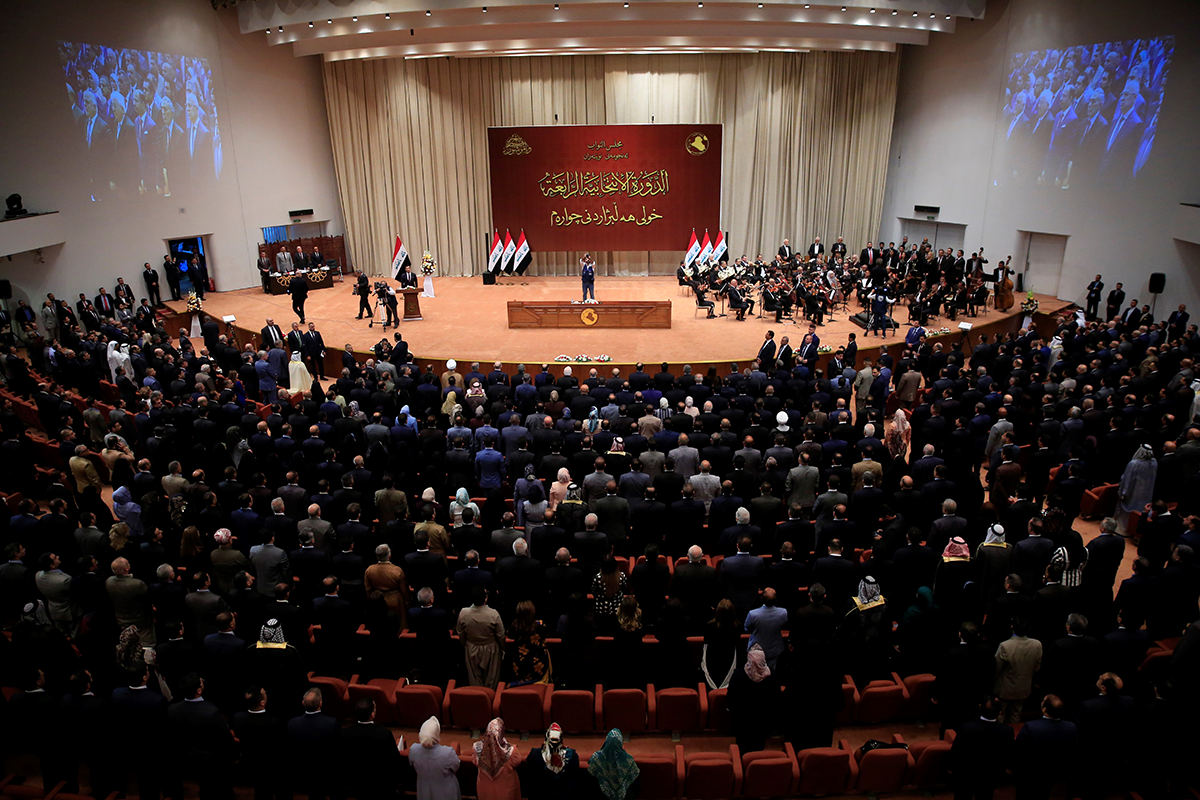
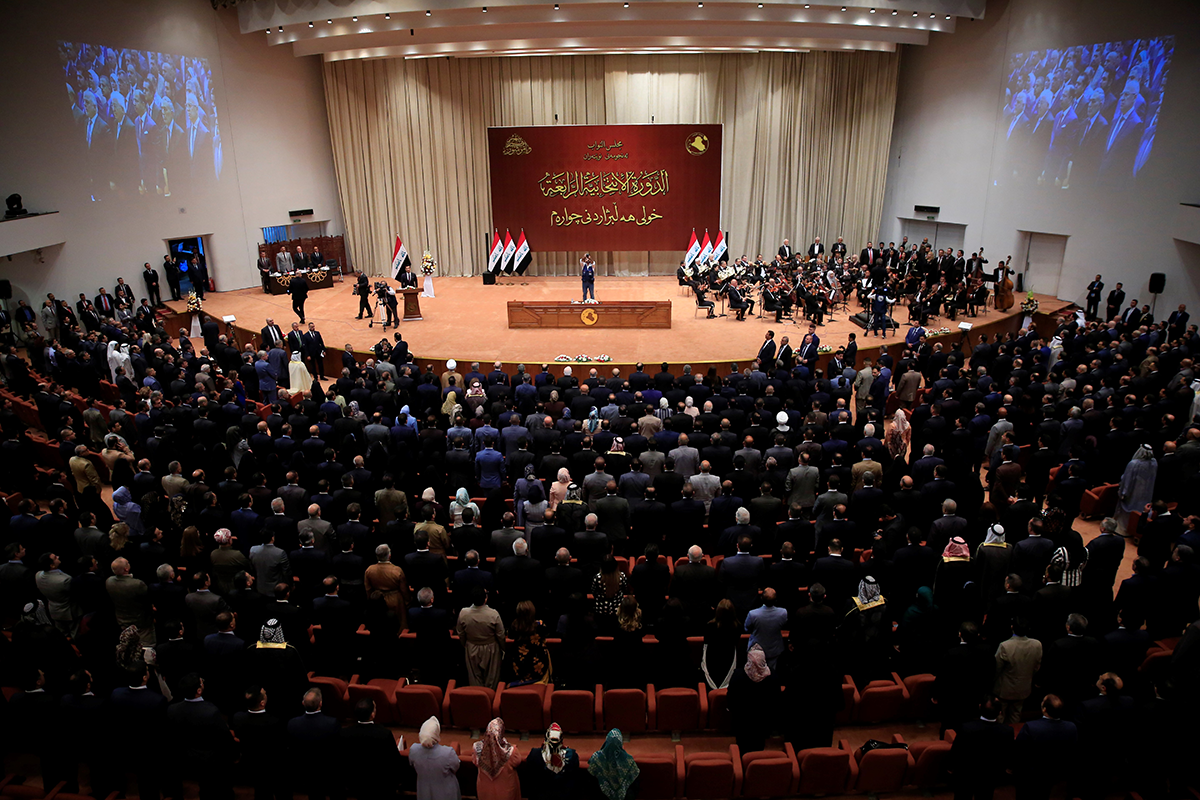
In its first session the new Iraqi government will find on its desk a number of thorny files, which vary in their degree of importance, danger, and urgency. Its first task will be to prioritize them. How it chooses to do so will be shaped by several sets of factors, including intrinsic internal ones, as well as regional and international developments. Its priorities when it comes to the security, economic, and service files will play an important role in determining if the government will be able to remain in office and complete its constitutional term.
Changing the rules of the game: Reforming the party system in Iraq
The performance of Iraqi political parties over the past two decades can be assessed in how they manage three major transformations: the transition from an authoritarian political system to a democratic and pluralistic one, the participation of these parties in managing the transformation of the state from a central to a federal system and the smooth transition from a directed economy to a free market one, and the social transformation from an oppressed society to a free, productive, and reconciled one. Despite the great challenges faced by the various governments since 2003, the parties that participated in the political process (to varying degrees) were unable to succeed in managing these three transformations.
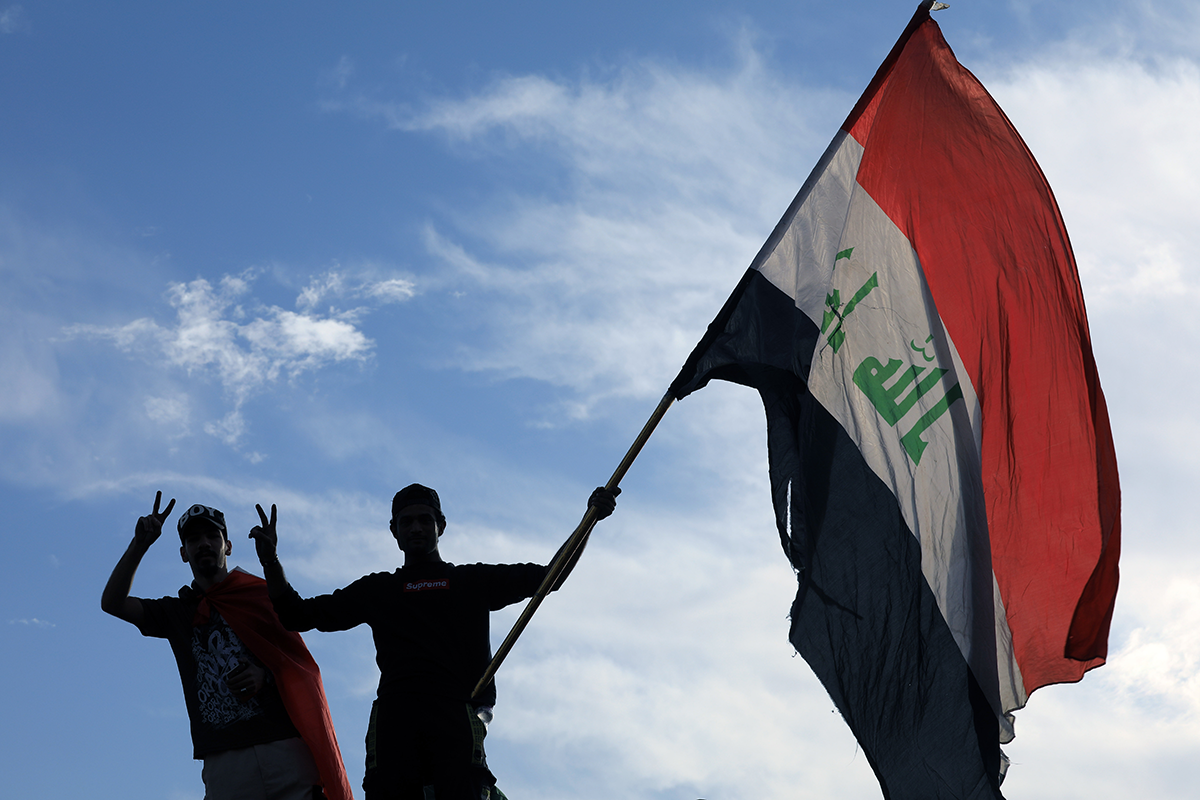
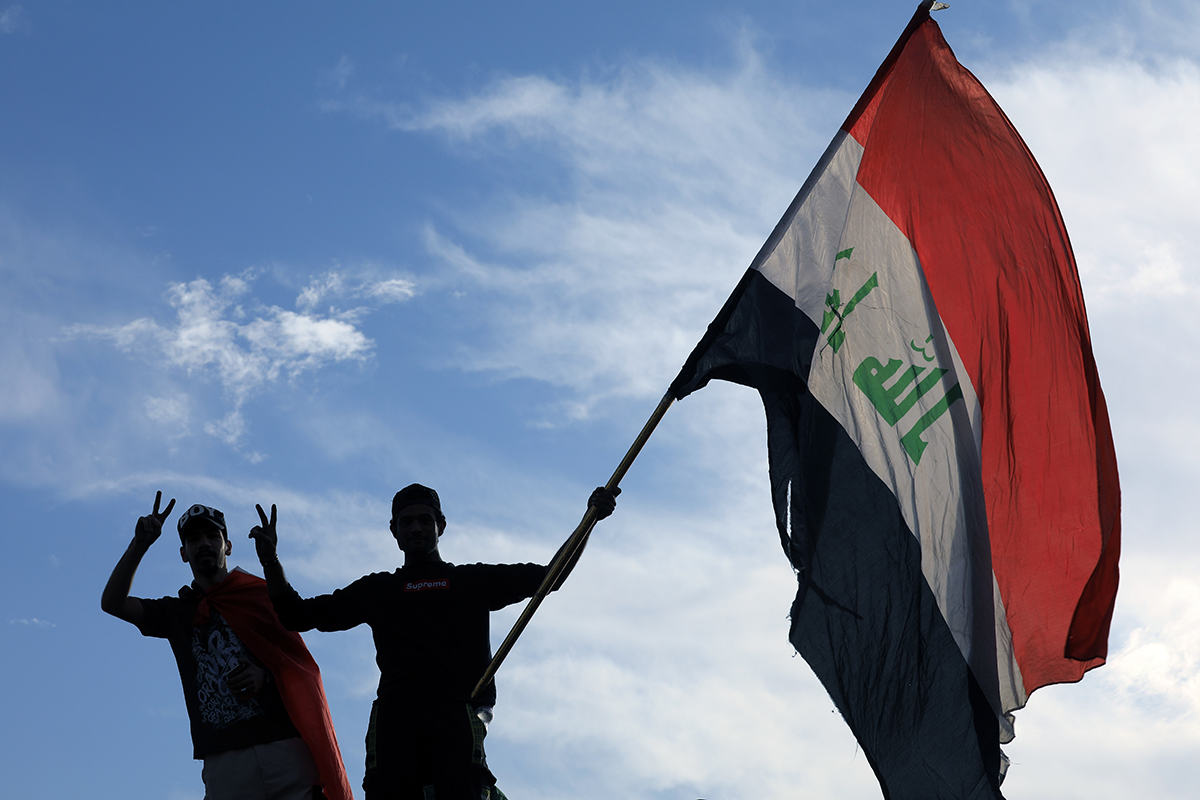
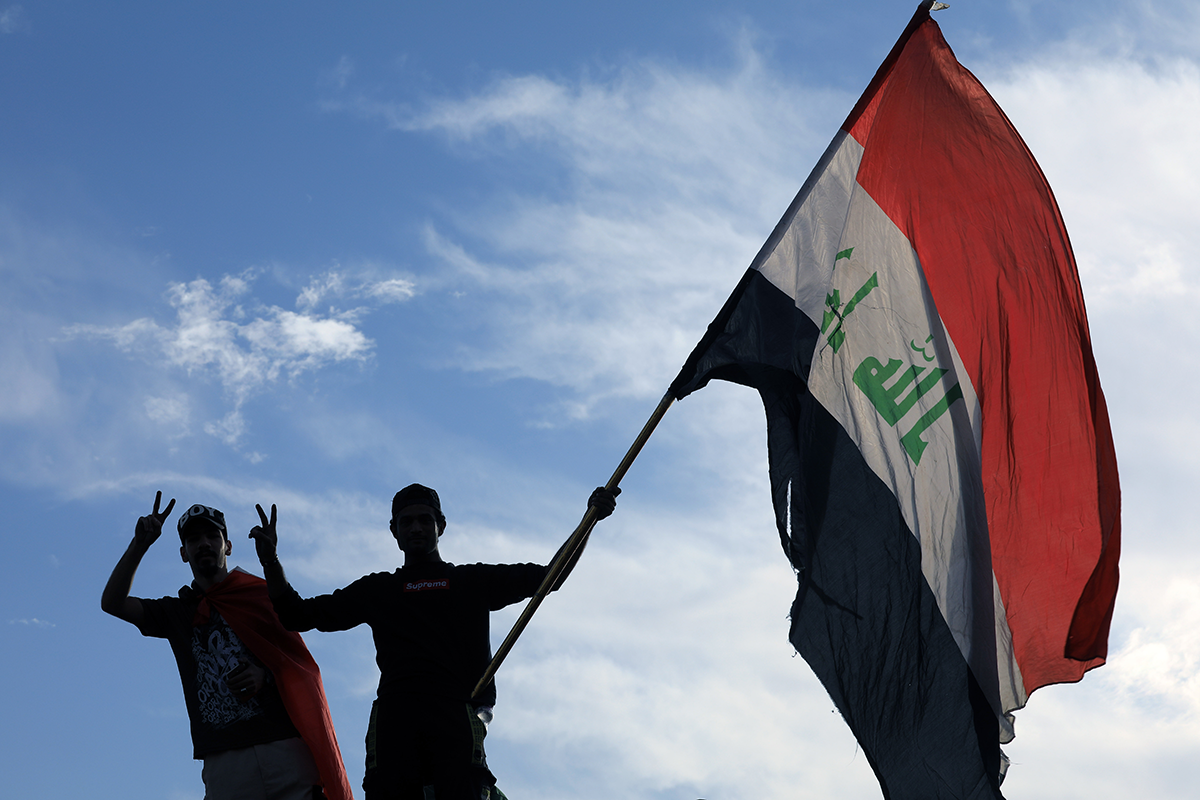
Although it has been more than 18 months since Iraq’s October 2019 protests, many of the big questions raised remain unanswered, most of which revolve around the sustainability of the post-2003 political system and its ability to correct itself over time.
في عام 2003 ، بعد الإطاحة بنظام صدام حسين ، كان لدى العراقيين آمال كبيرة في إحداث تغيير جوهري في حياتهم بعد ثلاثة عقود ونصف من الاستبداد. لكن في السنوات التي تلت ذلك ، لم تتحقق الكثير من هذه التوقعات.