This individual is a guest contributor. MEI is not able to assist with contact requests.
Dr. Nimrod Goren was formerly a Senior Fellow for Israeli Affairs at the Middle East Institute. He is the President and Founder of Mitvim – The Israeli Institute for Regional Foreign Policies, Co-Founder of Diplomeds – The Council for Mediterranean Diplomacy, and Co-Chair of a regional initiative at President Isaac Herzog’s Israeli Climate Forum. Nimrod holds a Ph.D. in Middle Eastern Studies from the Hebrew University of Jerusalem and was a Hubert Humphrey Fellow at Syracuse University’s Maxwell School of Citizenship and Public Affairs. He was a Teaching Fellow on Middle Eastern Studies at the Hebrew University, and has also worked at the Harry S. Truman Research Institute for the Advancement of Peace, the Jerusalem Institute for Israel Studies and the Nehemia Levtzion Center for Islamic Studies. Nimrod is a past recipient of the Victor J. Goldberg Prize for Peace in the Middle East and the Centennial Medal of the Institute of International Education, and was selected as a Vamik Volkan Scholar by the International Dialogue Initiative. He serves on the steering committees of the Geneva Initiative and the Turkish-Israeli Civil Society Forum, and is a member of the Global Diplomacy Lab. Nimrod’s fields of expertise include Israel’s foreign policy and regional relations, as well as the Middle East peace process.
Expert Views: How do we restart the Middle East peace process?
What would it take to start a new Israeli-Palestinian peace process that could actually have the prospect for enduring success? MEI has asked a group of regional and U.S. experts to weigh in.
Despite the unprecedented Israeli-Palestinian crisis, new opportunities for peace emerge
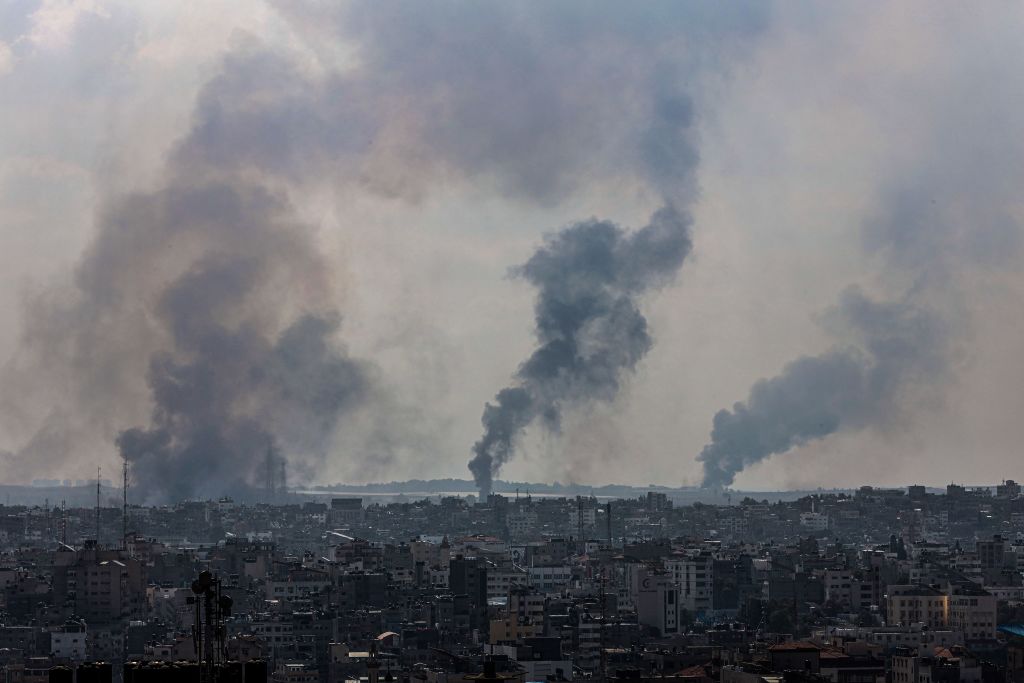
More than a month since the deadly Hamas terror attack on Israel on 7 October, Israelis are processing the horrors, working to bring home more than 200 hostages, mobilising in mass numbers to support those in need, wishing for the safe return of soldiers and reservists, and yearning for a leader who can take responsibility, show compassion, and reassure them about the future.
Assessing the resilience of Israel’s regional ties, one month into the Israel-Hamas war
The deadly and unprecedented Hamas terrorist attack on Israel on Oct. 7 came as a surprise not only to Israel but also to its neighbors. A strong Israeli retaliation came next, causing much damage to Palestinians in Gaza and putting Israel’s relations in the broader Middle East to the test. Nearly a month into the fighting, it is possible to initially assess the resilience of Israel’s regional ties in light of the Israel-Hamas war.
When assessing the Netanyahu government's foreign policy, Israelis do not like what they see
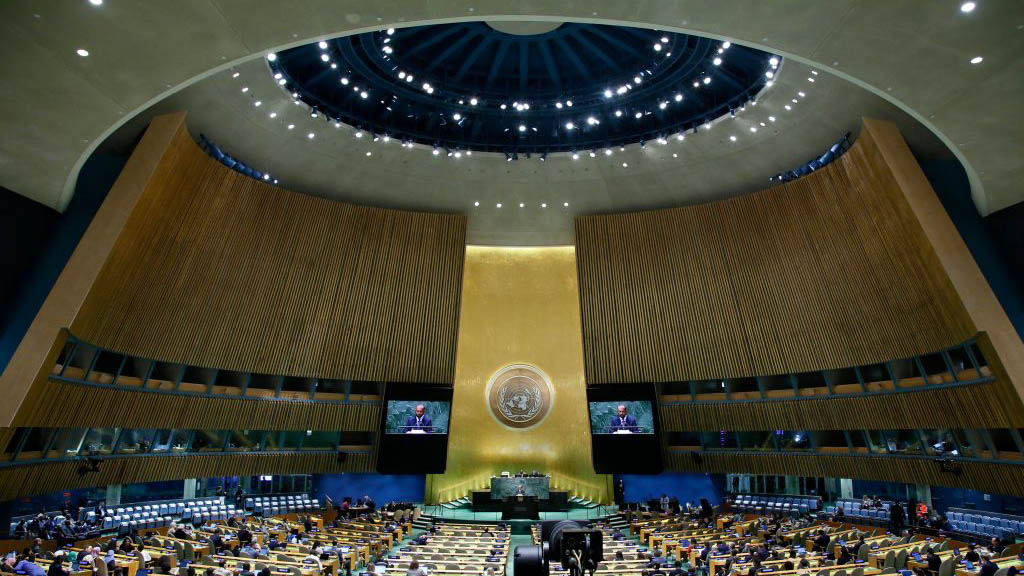
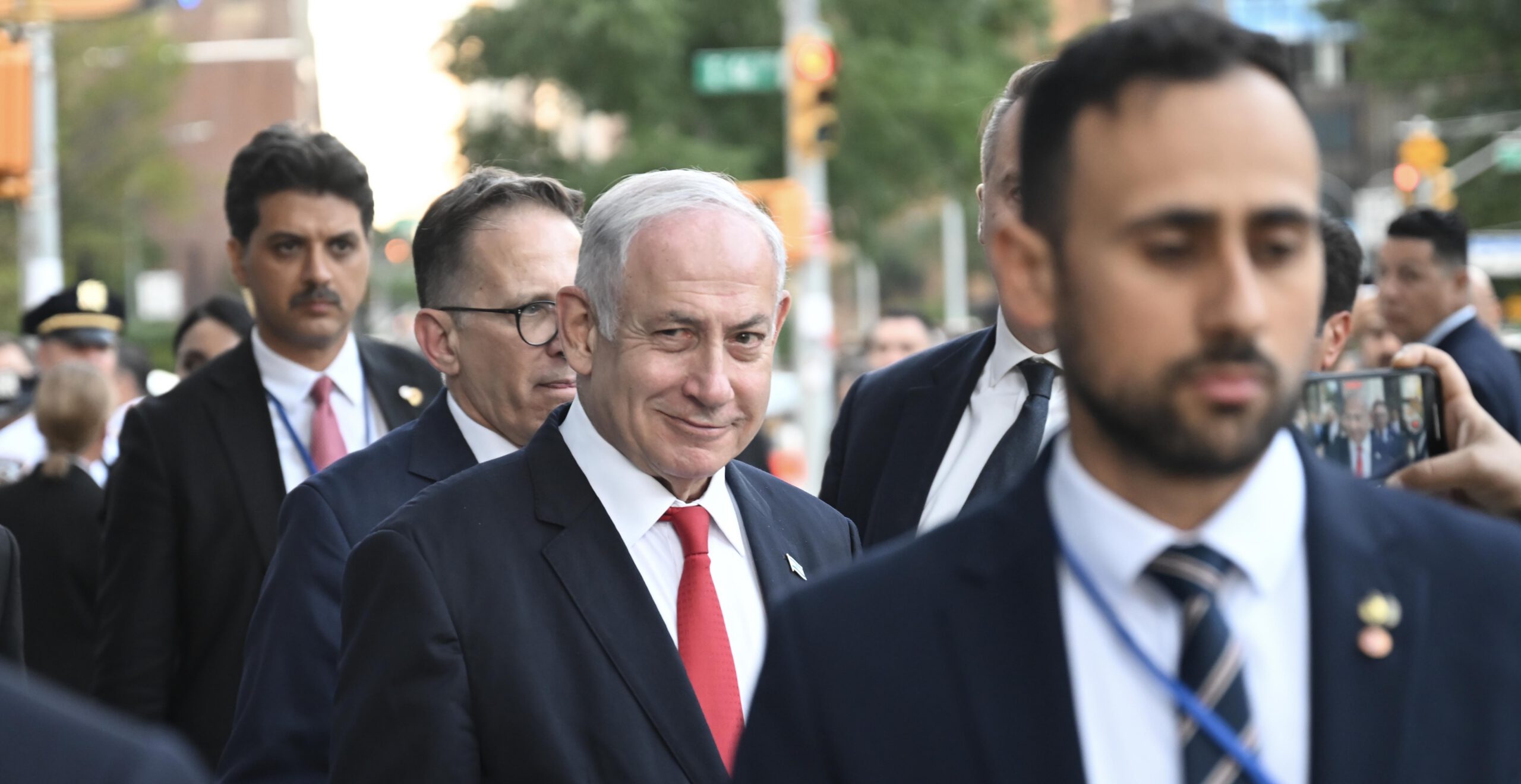
When Netanyahu takes the stage in this year’s UNGA, much fewer Israelis will see him as their country’s diplomatic savior. Rather, he will be met with unprecedented demonstrations in the streets of New York, showcasing once again the extent to which Israelis are concerned about the damage the current far-right government is causing to their country’s democracy and standing in the world.
A US security guarantee to Israel should help to advance Israeli-Palestinian peace, not avoid it
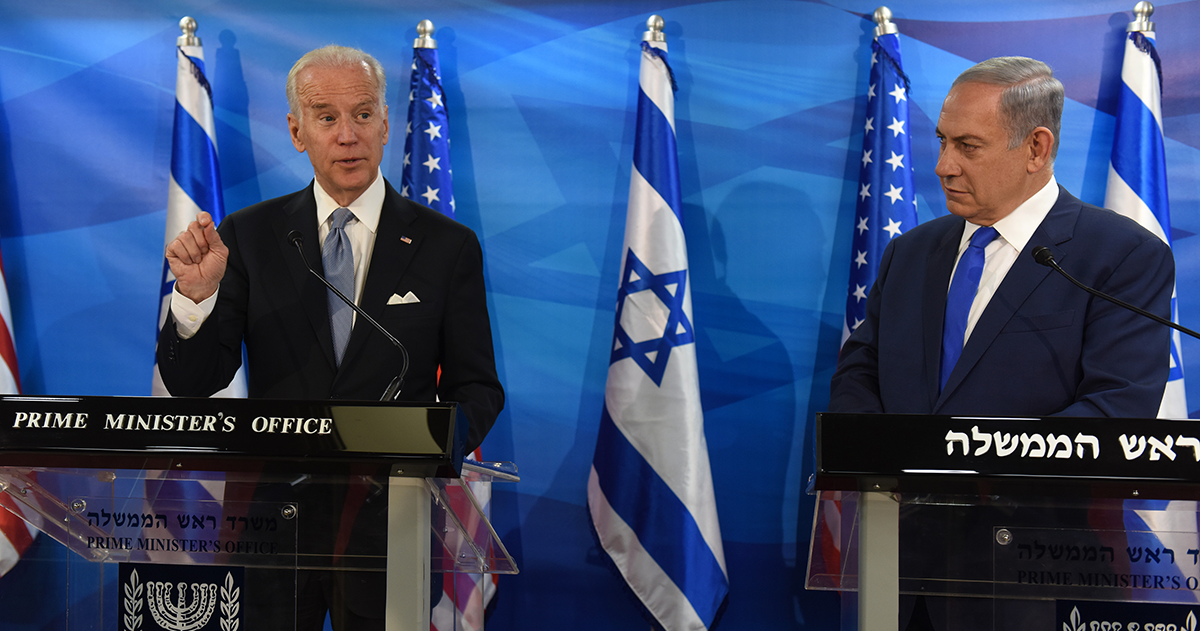
It has been nearly 70 years since Israel first asked the U.S. to sign a bilateral defense treaty. Ever since then, the idea of a formal security agreement has resurfaced from time to time, only to be struck down, due to an understanding that it does not serve the two sides’ actual needs. Prime Minister Netanyahu is currently floating the idea once again, but the U.S. can make use of his interest in a security upgrade to revive a different idea instead: the decade-old security plan for the two-state solution, known as the Allen Plan.
Amid a long, hot summer, Israel finds itself in uncharted territory
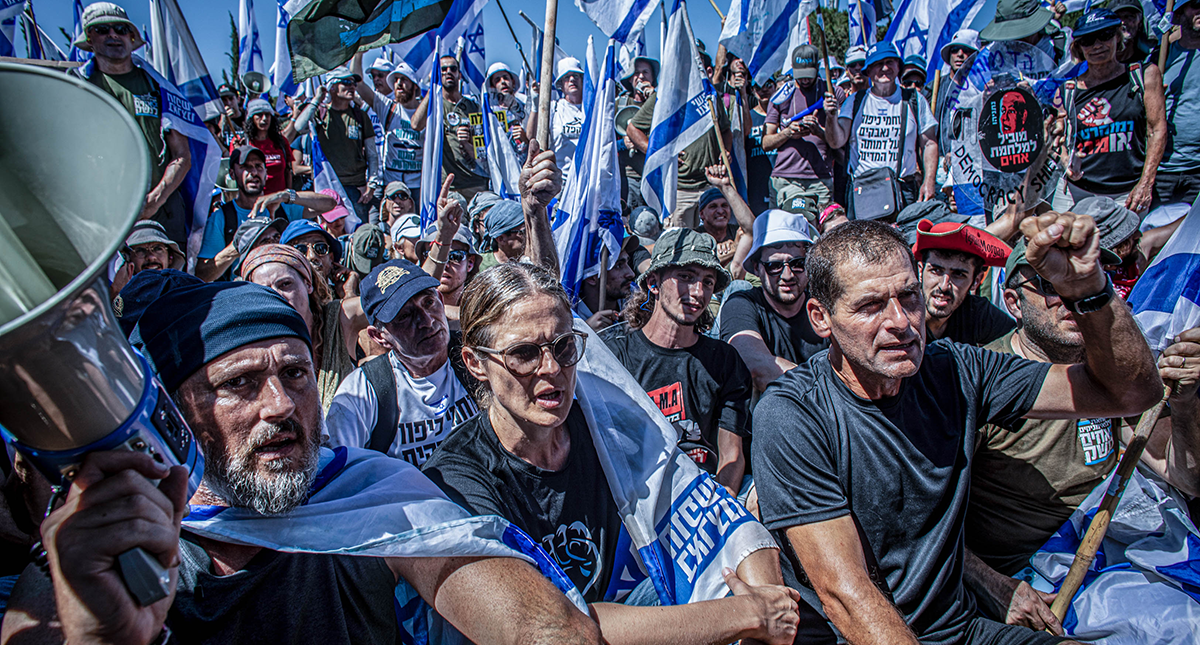
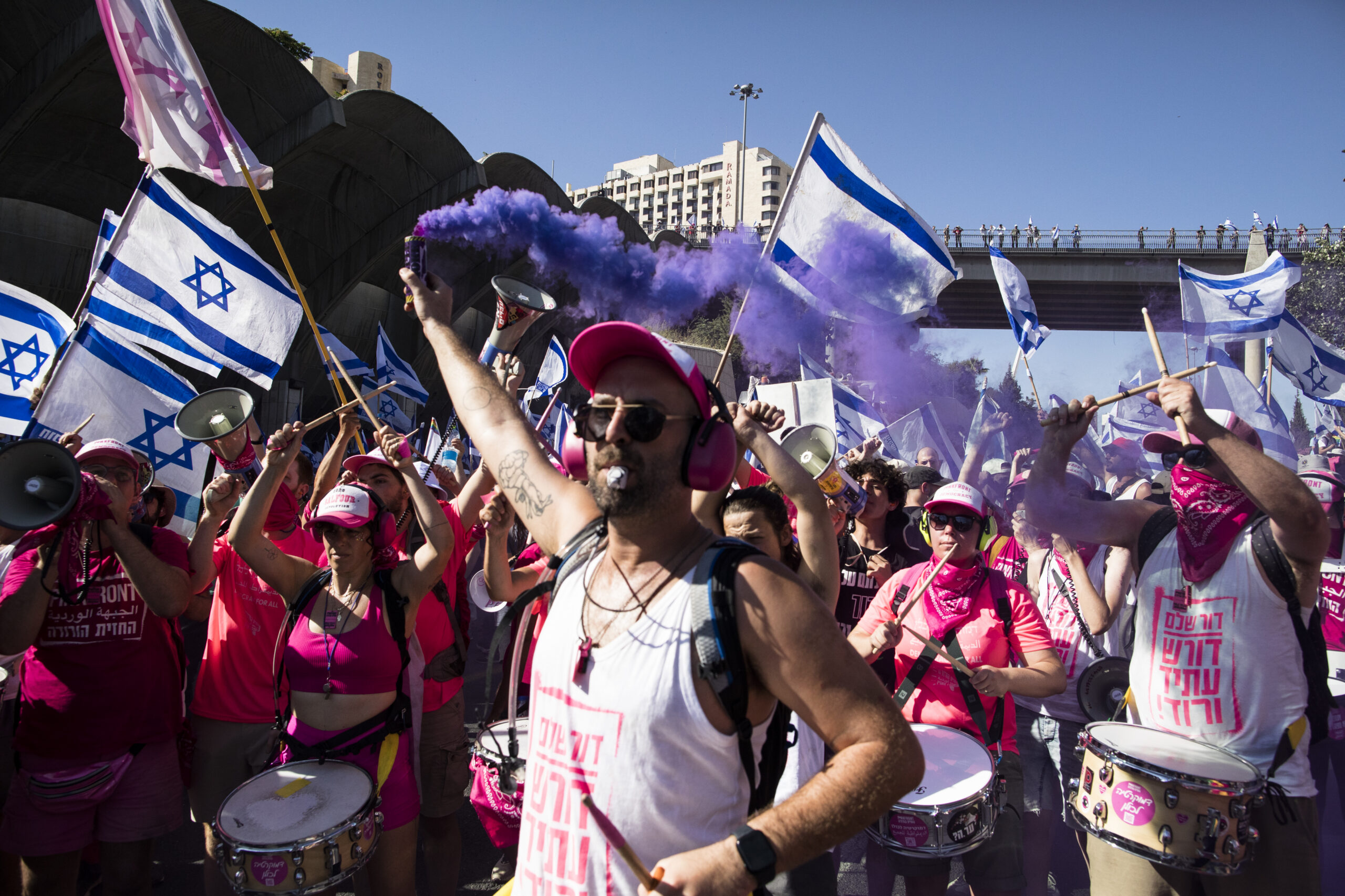
It’s been a long, hot summer in Israel, not only because of the multiple heat waves, but also due to the domestic political developments that have been heating up throughout 2023 and are now reaching a boiling point. With the Supreme Court gearing up to make highly consequential decisions in September and the Knesset in recess until mid-October, it is a good time to look back at all that Israel has gone through since the beginning of the year. For some on the Israeli right, it is a midsummer night’s dream come true, but for a large number of Israelis, it seems like more of a nightmare.