This individual is a guest contributor. MEI is not able to assist with contact requests.
Dr. Nimrod Goren was formerly a Senior Fellow for Israeli Affairs at the Middle East Institute. He is the President and Founder of Mitvim – The Israeli Institute for Regional Foreign Policies, Co-Founder of Diplomeds – The Council for Mediterranean Diplomacy, and Co-Chair of a regional initiative at President Isaac Herzog’s Israeli Climate Forum. Nimrod holds a Ph.D. in Middle Eastern Studies from the Hebrew University of Jerusalem and was a Hubert Humphrey Fellow at Syracuse University’s Maxwell School of Citizenship and Public Affairs. He was a Teaching Fellow on Middle Eastern Studies at the Hebrew University, and has also worked at the Harry S. Truman Research Institute for the Advancement of Peace, the Jerusalem Institute for Israel Studies and the Nehemia Levtzion Center for Islamic Studies. Nimrod is a past recipient of the Victor J. Goldberg Prize for Peace in the Middle East and the Centennial Medal of the Institute of International Education, and was selected as a Vamik Volkan Scholar by the International Dialogue Initiative. He serves on the steering committees of the Geneva Initiative and the Turkish-Israeli Civil Society Forum, and is a member of the Global Diplomacy Lab. Nimrod’s fields of expertise include Israel’s foreign policy and regional relations, as well as the Middle East peace process.
Israelis’ evolving pushback to democratic erosion under Netanyahu
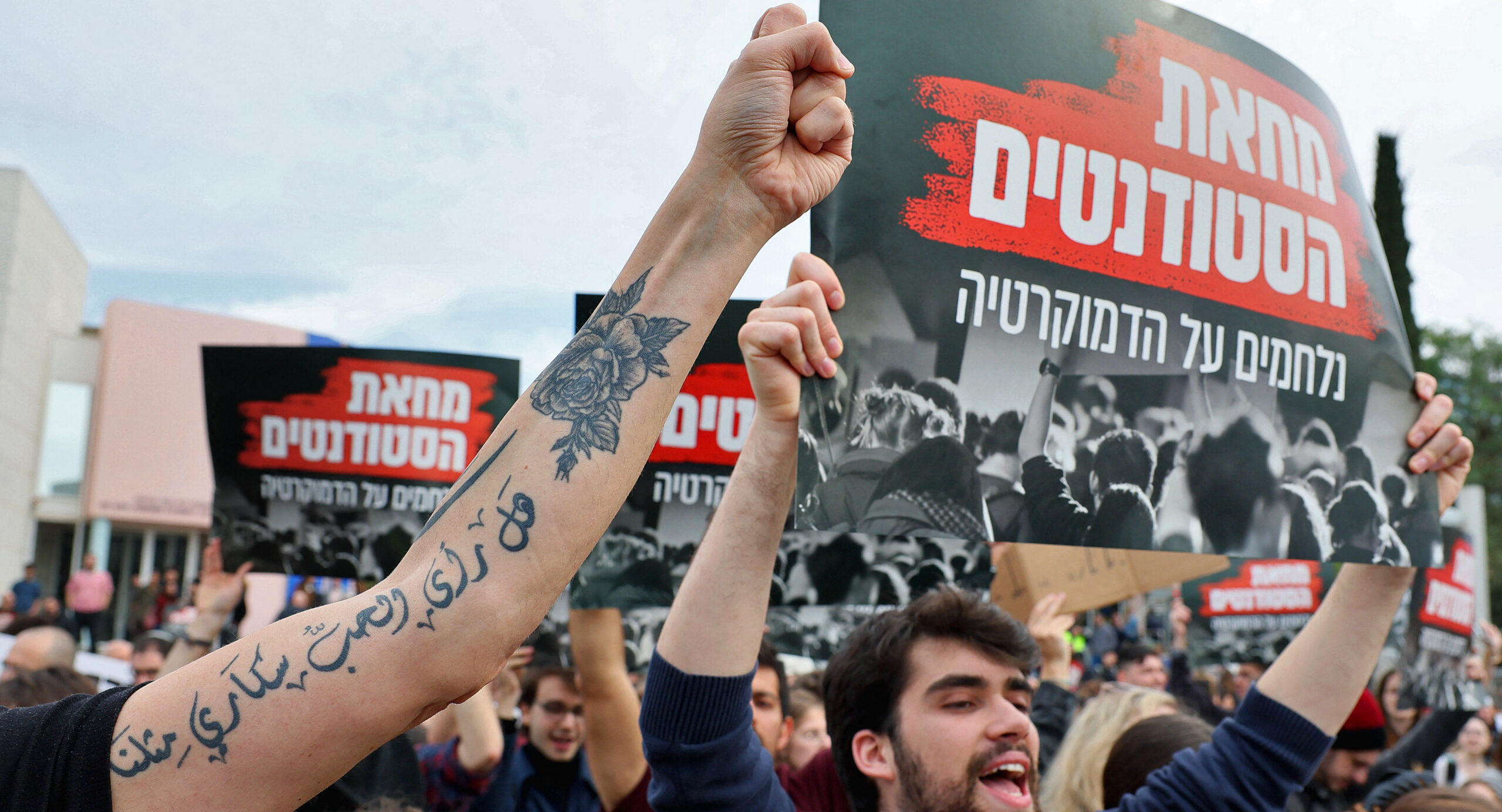
A movement of Israelis who resist the new Netanyahu government is crystallizing and taking initial steps to push back against democratic erosion. It will need to evolve quickly and effectively to make an impact and could benefit from some international helping hands along the way.
What the UN vote tells us about international sentiments and Israeli diplomacy
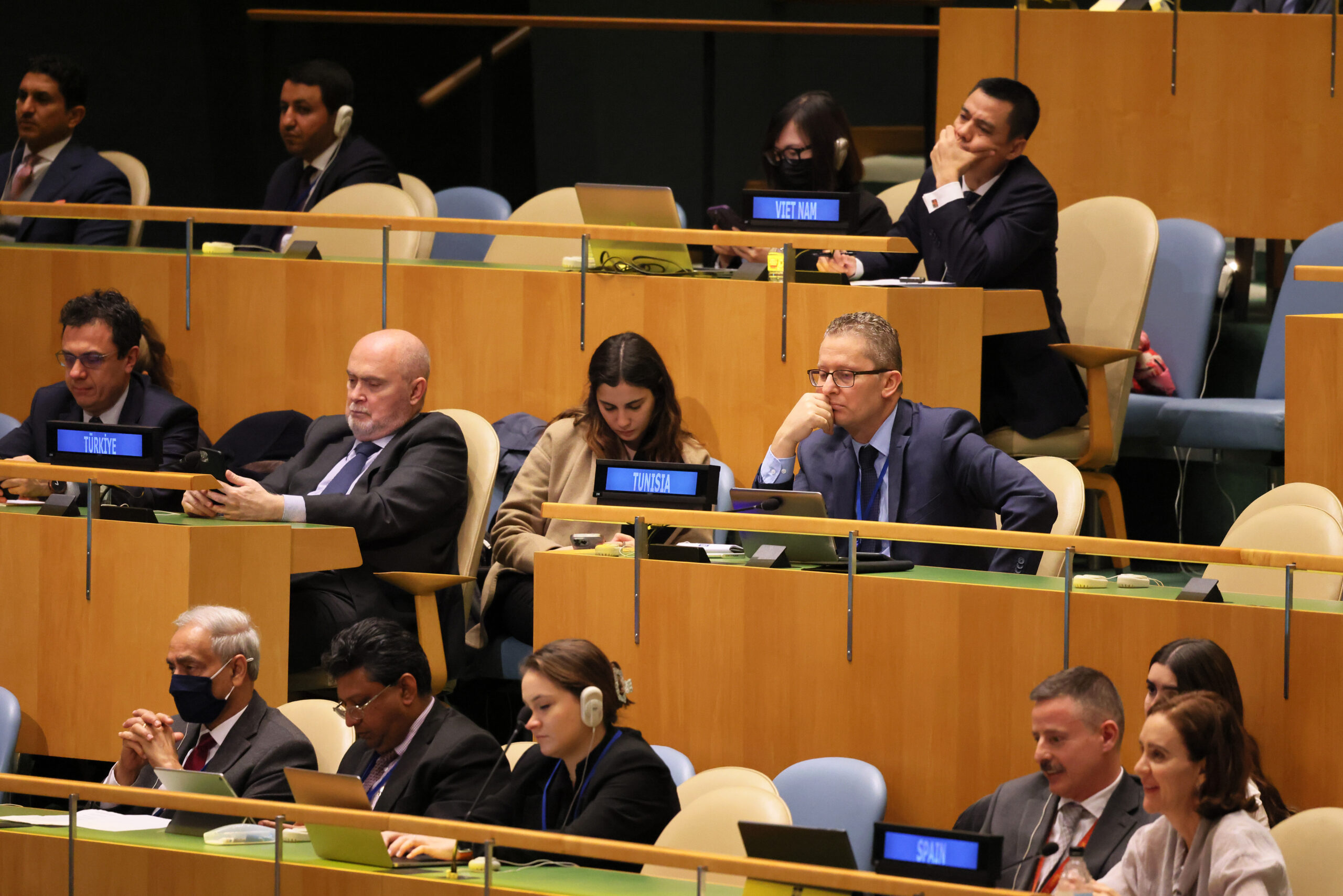
The Dec. 30 vote at the United Nations General Assembly (UNGA) regarding Israel reflected once again that the international community does not generally accept the Israeli narrative regarding the Palestinian issue. It also highlights that the Palestinian issue, while not a top priority on the global agenda, is still one of concern around the world.
With Netanyahu gone, the Abraham Accords will not only survive, they might even flourish
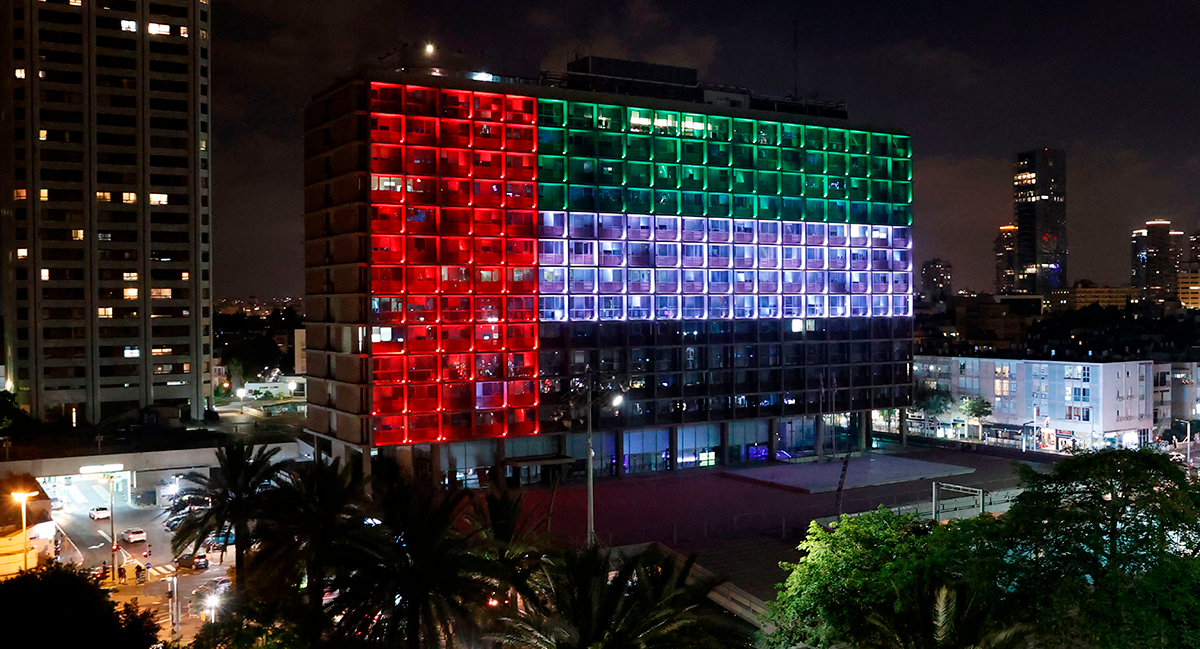
Some international concern has been voiced about the future prospects of the Abraham Accords under Israel’s new government. This stems from the perception that the normalization agreements Israel signed in 2020 with the UAE and Bahrain were the personal achievements of two former leaders — Donald Trump and Benjamin Netanyahu — and would not have happened without them. The question thus arises of whether the agreements can survive their departure from power. Not only will the Abraham Accords survive, they will now be able to flourish and reach new heights. Foreign Minister Yair Lapid’s statement that his first visit abroad will be to the UAE is a good indicator.
Biden could generate momentum for Israeli-Palestinian peace
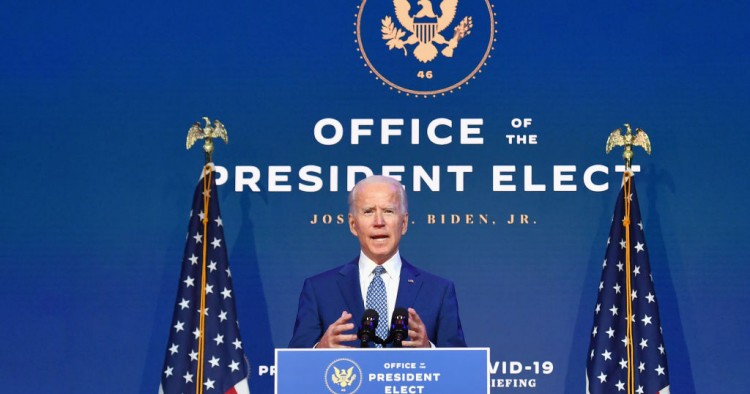
While the Israeli-Palestinian issue and renewal of negotiations is unlikely to feature prominently on his agenda anytime soon, Biden’s election generates renewed positive momentum.
The Bahrain workshop and the dwindling prospects for Israeli-Palestinian peace under Trump
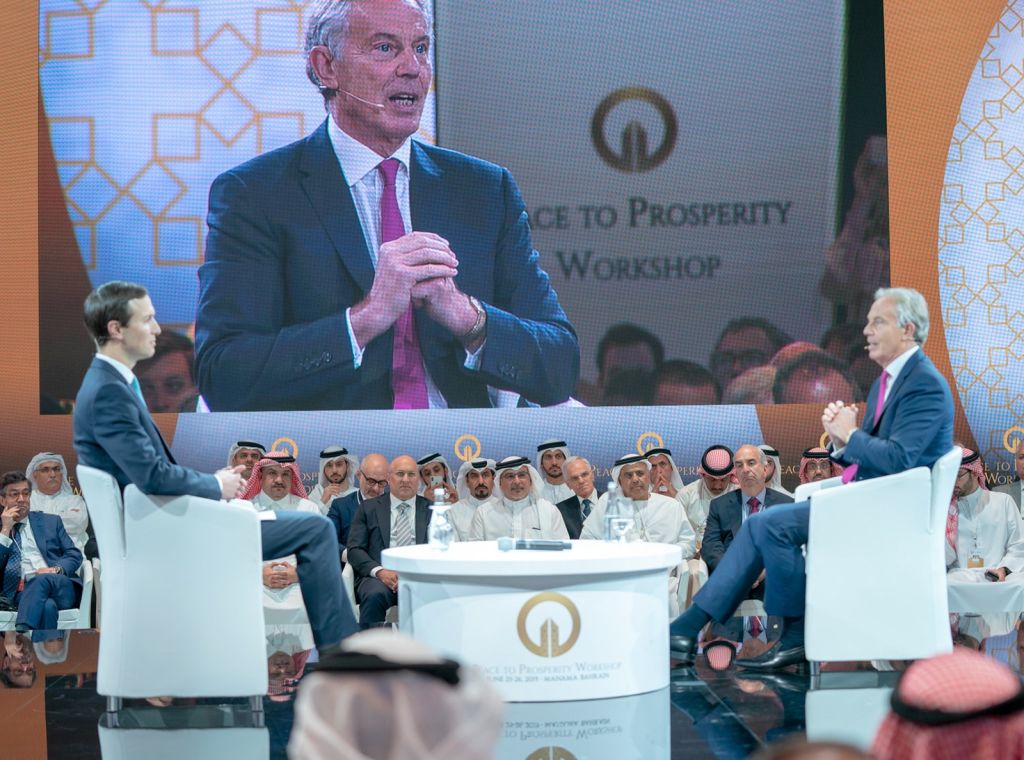
The Trump administration’s economic workshop in Bahrain produced some noteworthy moments that reflected recent changes in Israeli-Gulf relations, but it fell well short of its original declared intent. Neither Israeli nor Palestinian officials attended, and it did not conclude with any tangible steps to advance the peace process.