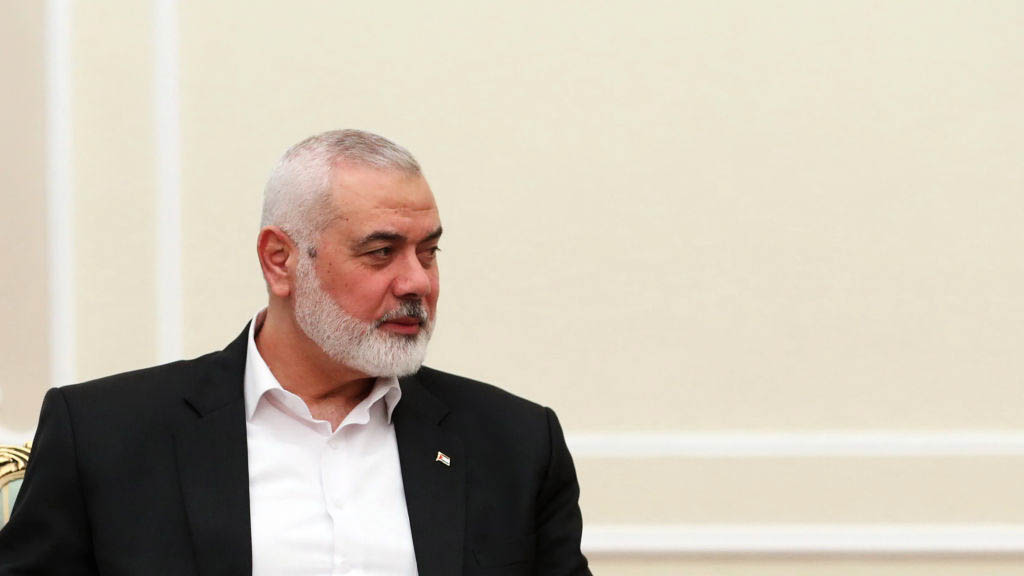
Special Briefing: The regional impact of Ismail Haniyeh’s assassination
In a new special briefing, scholars from across MEI weigh in with their thoughts on the assassination of Hamas political leader Ismail Haniyeh and the potential regional impact.
Democracy and Human Rights, Governance, Reform, and State Capacity, Great Powers in the Middle East, US Policy in the Middle East, Egypt, Iraq, Lebanon, Palestine, Qatar, Saudi Arabia, Syria, United Arab Emirates (UAE)
This individual is a guest contributor. MEI is not able to assist with contact requests.
Paul Salem is a former Senior Fellow at the Middle East Institute (MEI). He previously served as MEI’s president and CEO and as vice president for international engagement. His research focuses on political change, democracy and governance, social and economic policy, as well as regional and international relations in the Middle East.
Prior to joining MEI, Dr. Salem was the founding director of the Carnegie Middle East Center in Beirut, Lebanon (2006–2013). From 1999 to 2006, he served as director of the Fares Foundation, and earlier founded and led the Lebanese Center for Policy Studies (1989–1999), Lebanon’s premier public policy think tank.
Dr. Salem is the author and editor of several books and reports, including Escaping the Conflict Trap: Toward Ending Civil Wars in the Middle East (Middle East Institute, 2019), Winning the Battle, Losing the War: Addressing the Conditions that Fuel Armed Non-State Actors (Middle East Institute, 2019), and From Chaos to Cooperation: Toward Regional Order in the Middle East (Middle East Institute, 2017). His earlier works include Broken Orders: The Causes and Consequences of the Arab Uprisings (in Arabic, 2013), Bitter Legacy: Ideology and Politics in the Arab World (1994), and Conflict Resolution in the Arab World (ed., 1997).
Dr. Salem is also a musician and composer of Arabic-Brazilian jazz, with his music available on iTunes. He writes regularly on his Substack blog, Thinking Middle East.
He holds a BA, MA, and PhD from Harvard University.
In a new special briefing, scholars from across MEI weigh in with their thoughts on the assassination of Hamas political leader Ismail Haniyeh and the potential regional impact.
اقرأ تقرير MEI الأسبوعي الذي يتضمن تحليلات الخبراء للتطورات الإقليمية الرئيسية للأسبوع المقبل.
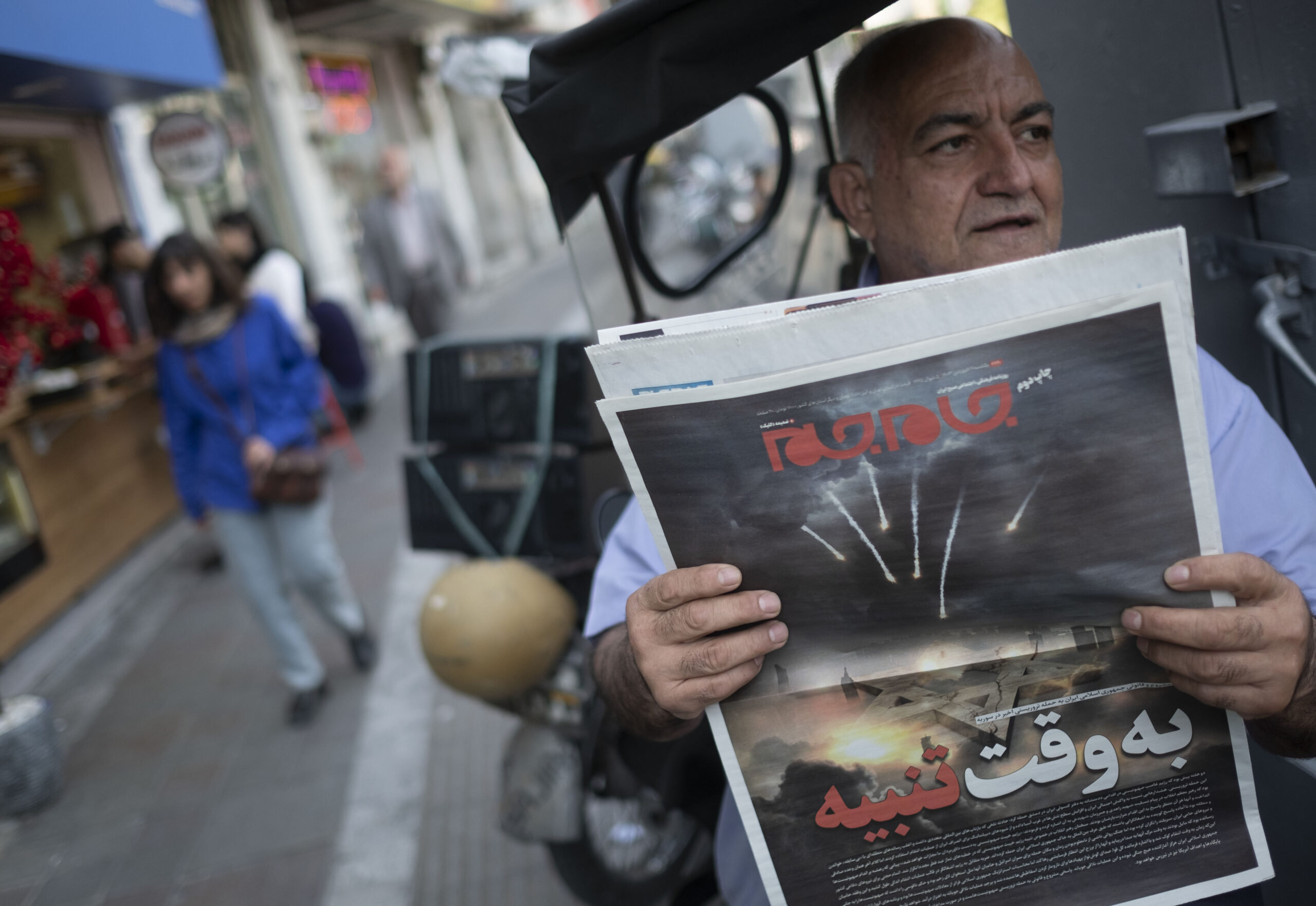
شهد شهر أبريل سلسلة من التصعيدات غير المسبوقة في الصراع الإيراني-الإسرائيلي الذي طال أمده، حيث شن كلا البلدين هجمات صاروخية وطائرات مسيرة على أراضي بعضهما البعض لأول مرة في التاريخ.
في أعقاب هذه الضربات، ماذا سيكون تأثيرها على الأمن الإقليمي والبيئة السياسية في المستقبل، وما هو المطلوب لتثبيت قواعد اللعبة الجديدة، وكيف يمكن للدبلوماسية الأمريكية أن تساعد في تسهيل هذه العملية؟ طلب معهد الشرق الأوسط (MEI) من خبرائه إبداء آرائهم في هذا الشأن.
A version of this article was originally published on the Substack “Thinking Middle East.”
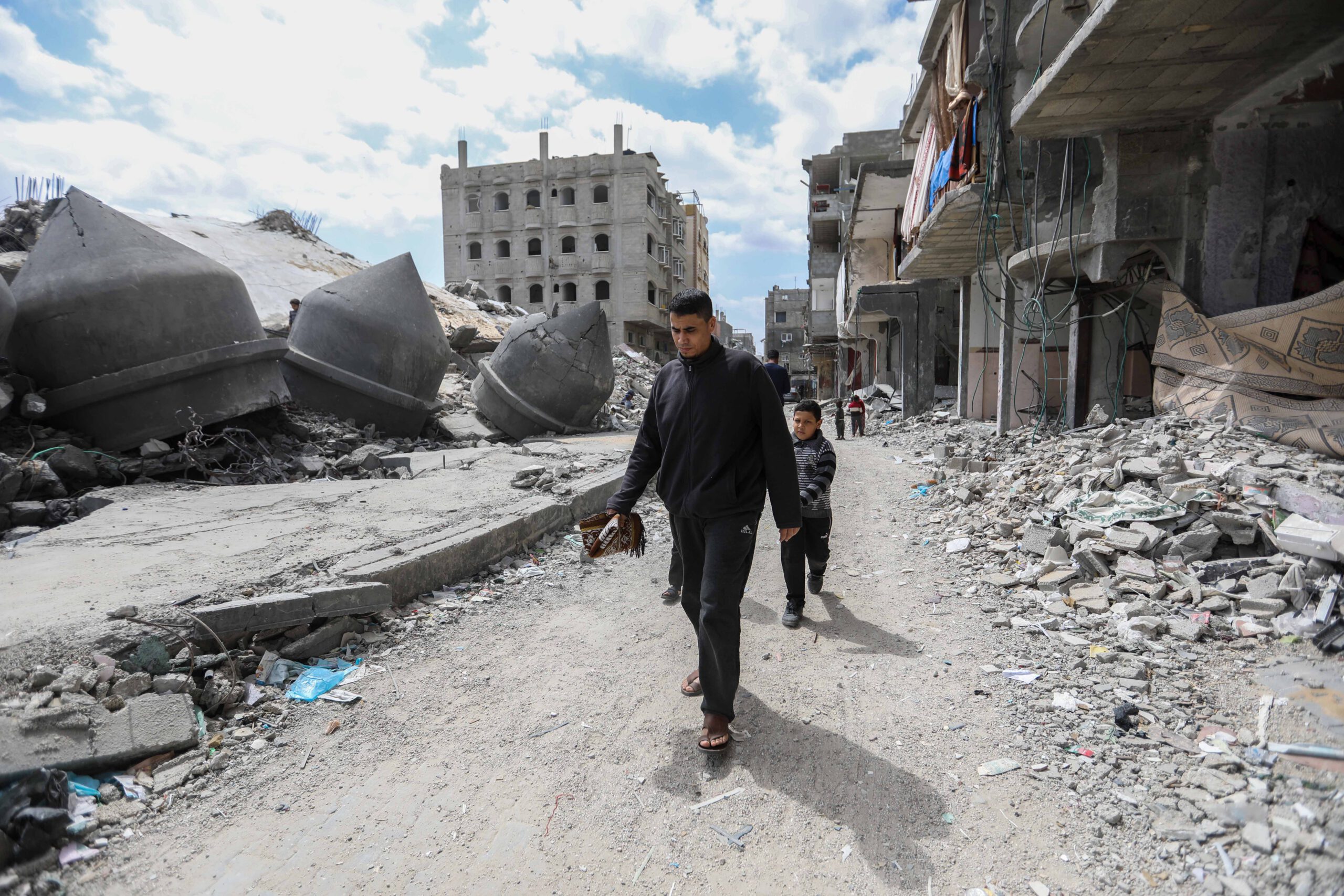
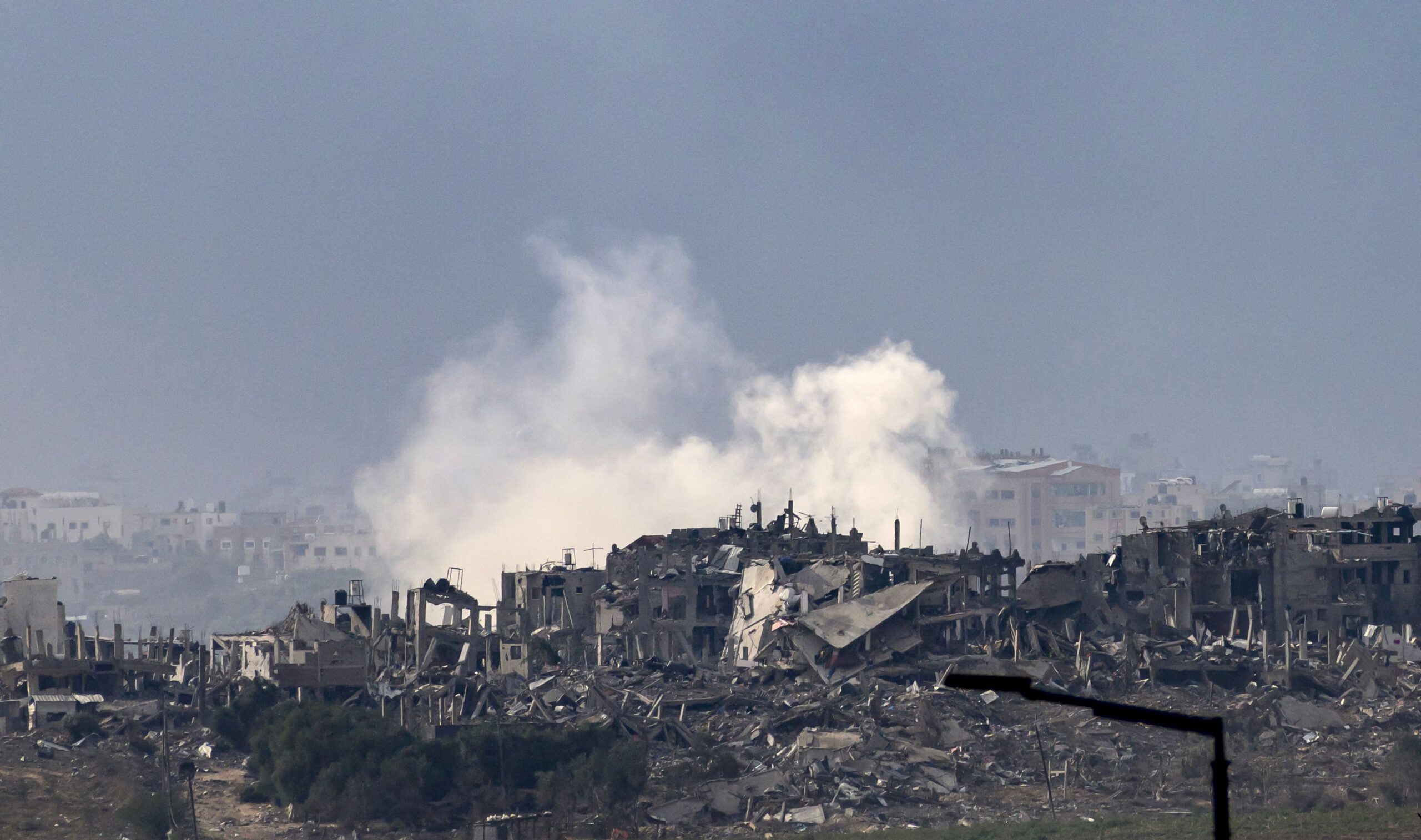
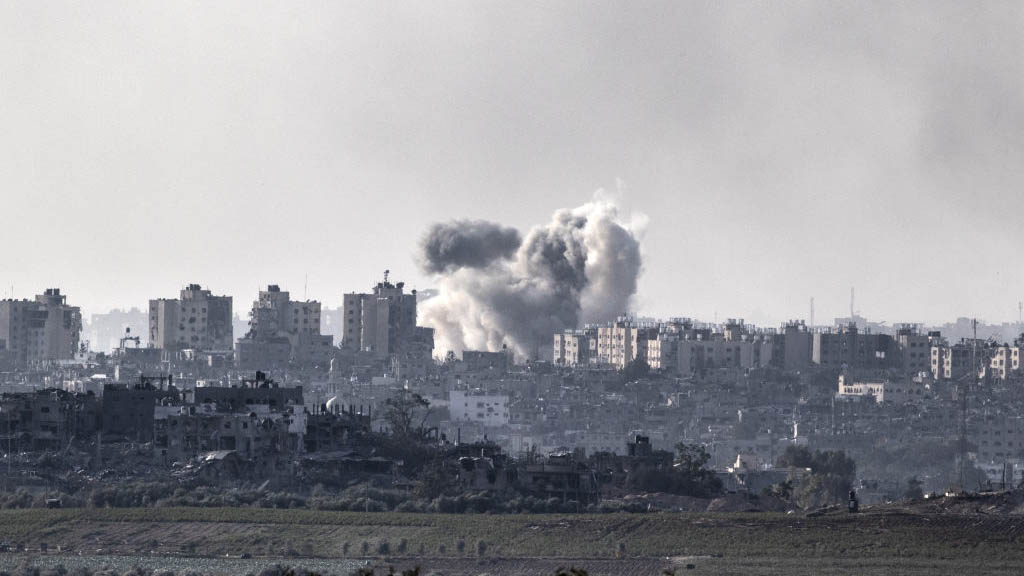
Six months since the October 7 Hamas attacks on Israel and subsequent outbreak of war in Gaza, the deadly and devastating conflict looks no closer to concluding. Is it still possible to achieve a sustainable cessation of hostilities and restart the conflict-resolution process? To get there, what are the incentives and disincentives that could be constructed for the two main combatants, Israel and Hamas?
اقرأ تقرير MEI الأسبوعي الذي يتضمن تحليلات الخبراء للتطورات الإقليمية الرئيسية للأسبوع المقبل.
تحليل إقليمي متخصص من قبل باحثي ومساهمي معهد الشرق الأوسط.
اقرأ تقرير MEI الأسبوعي الذي يتضمن تحليلات الخبراء للتطورات الإقليمية الرئيسية للأسبوع المقبل.
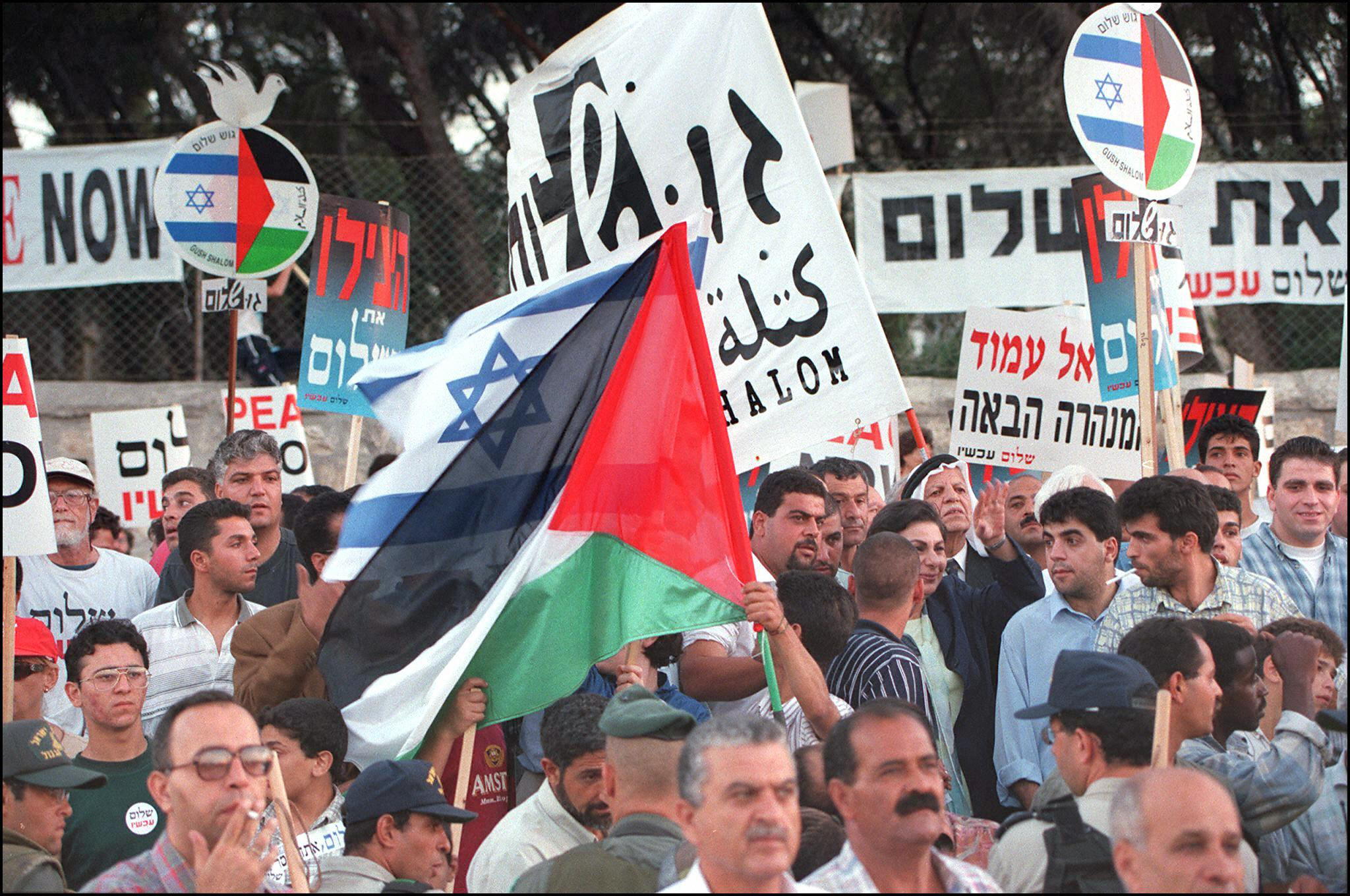
What would it take to start a new Israeli-Palestinian peace process that could actually have the prospect for enduring success? MEI has asked a group of regional and U.S. experts to weigh in.
اقرأ تقرير MEI الأسبوعي الذي يتضمن تحليلات الخبراء للتطورات الإقليمية الرئيسية للأسبوع المقبل.