Paul Salem is a former Senior Fellow at the Middle East Institute (MEI). He previously served as MEI’s president and CEO and as vice president for international engagement. His research focuses on political change, democracy and governance, social and economic policy, as well as regional and international relations in the Middle East.
Prior to joining MEI, Dr. Salem was the founding director of the Carnegie Middle East Center in Beirut, Lebanon (2006–2013). From 1999 to 2006, he served as director of the Fares Foundation, and earlier founded and led the Lebanese Center for Policy Studies (1989–1999), Lebanon’s premier public policy think tank.
Dr. Salem is also a musician and composer of Arabic-Brazilian jazz, with his music available on iTunes. He writes regularly on his Substack blog, Thinking Middle East.
He holds a BA, MA, and PhD from Harvard University.
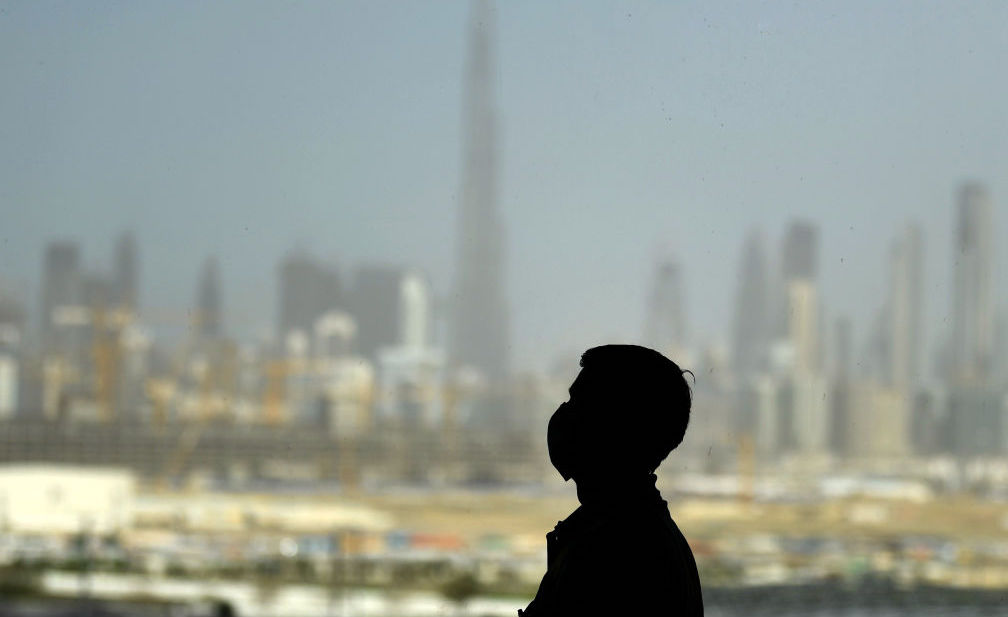
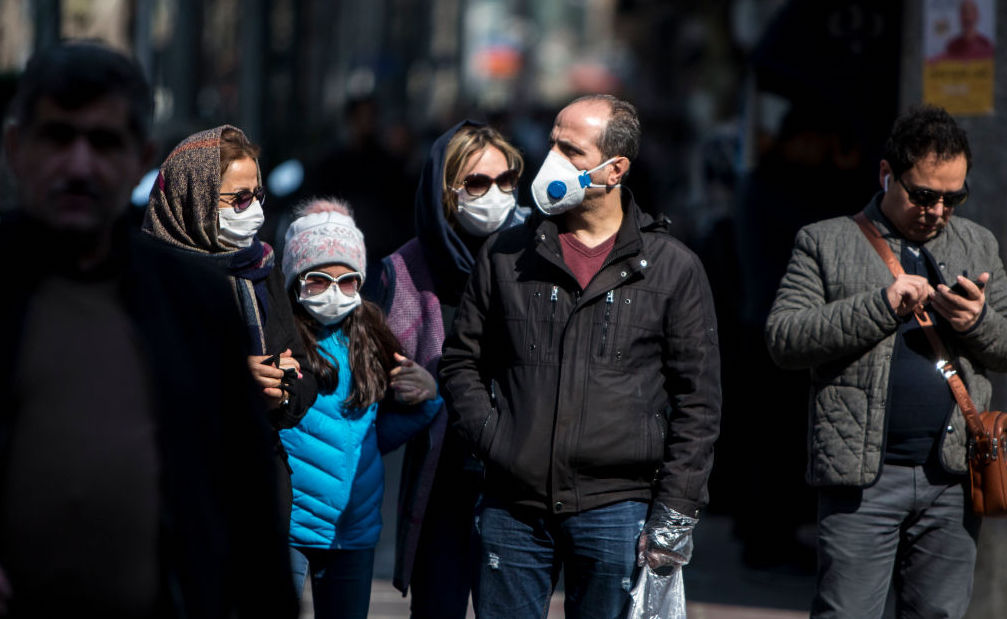
The COVID-19 crisis could be deadlier than all the wars and civil wars in the modern Middle East. This should spur regional leaders to act urgently and cooperatively.
Despite the physical closure of MEI’s offices on N St., including the Policy Center, the MEI Art Gallery, Education Center, and Oman Library until further notice, MEI’s staff and experts are teleworking from home and busier than ever. Given our mission to educate and inform, coupled with the dramatic impact of COVID-19 on life in the Middle East, MEI is more committed than ever to providing our readers, viewers and supporters with unique insights, policy analysis and stories of creativity and hope from the region.
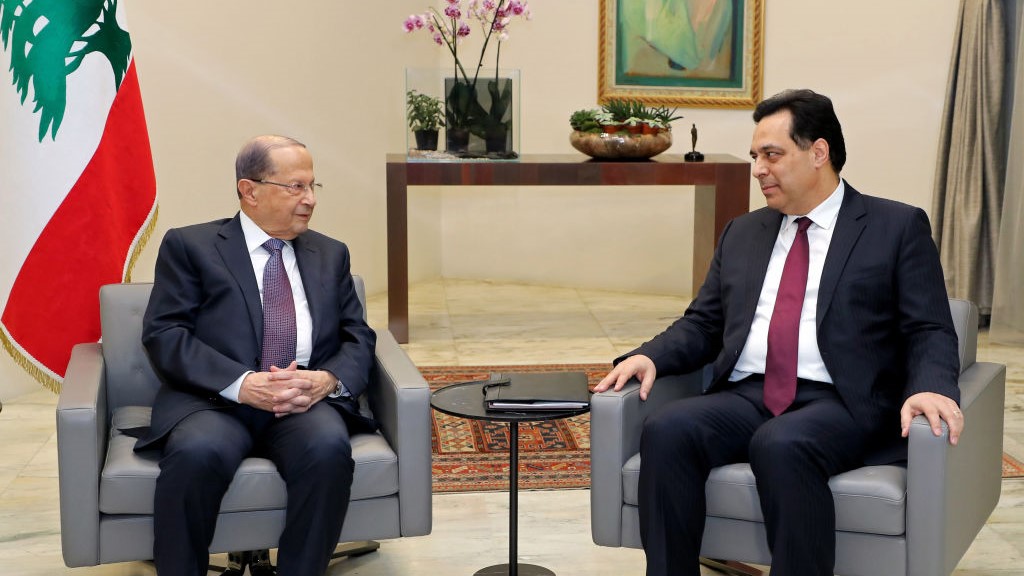
Lebanese oligarchs approve technocratic shadow government
The new government is politically aligned with the pro-Hezbollah and pro-Syrian axis in Lebanon, and is very unlikely to drum up international and regional support.
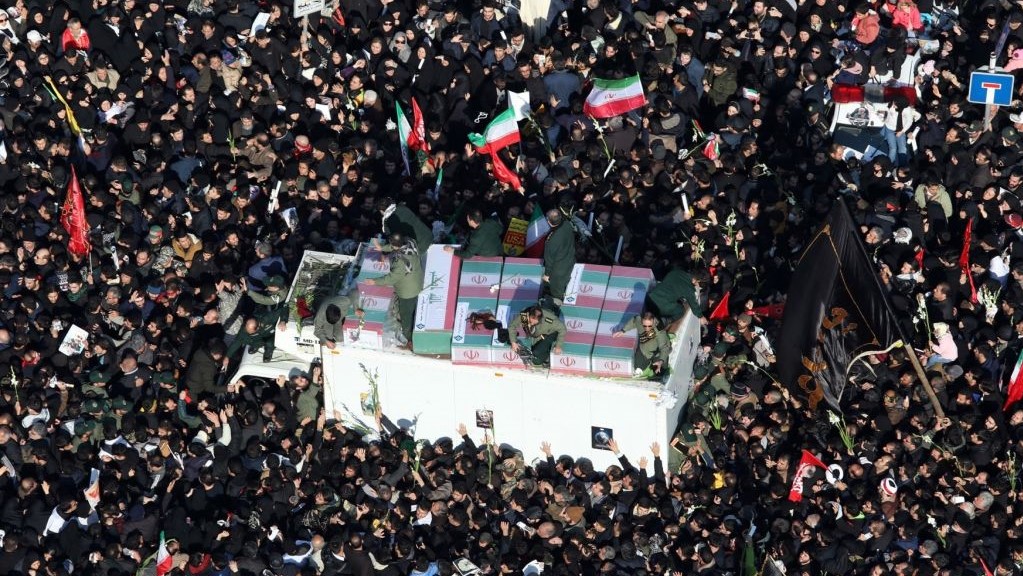
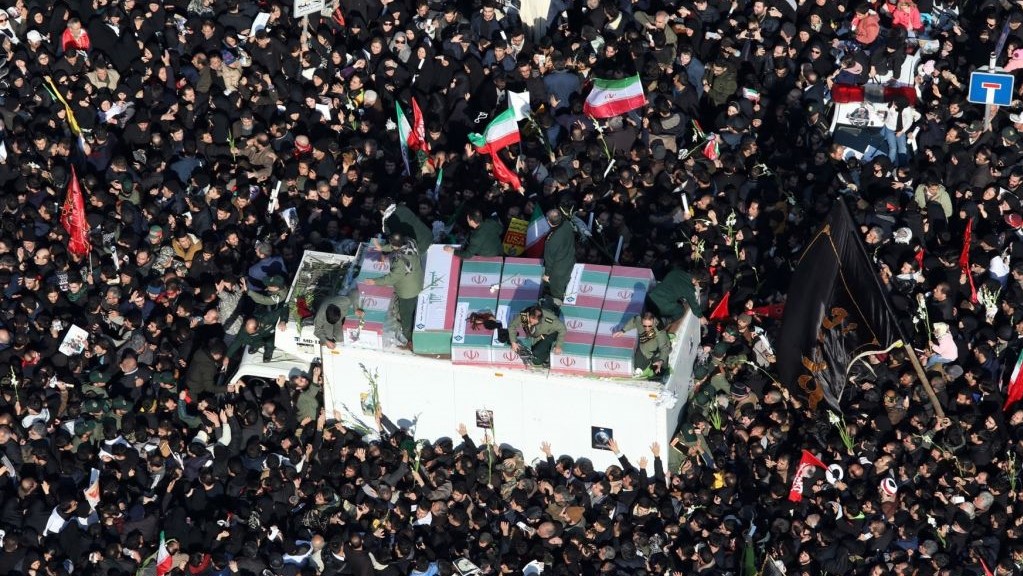
Trump has taken such a forward-leaning and aggressive position now that he has set himself, and the U.S., in a conflict trap that he might not be able to defuse.
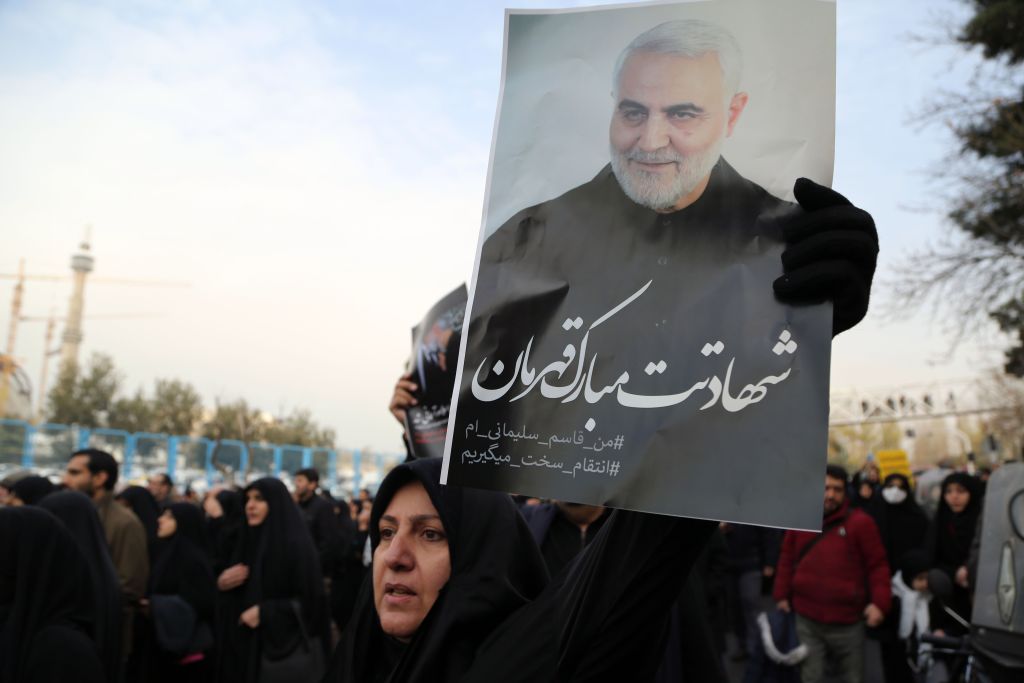
We must keep in mind that Iran exercises what Barack Obama liked to call “strategic patience.” They pursue strategies and tactics that serve their interests, not emotions. Their interests remain to get Trump to ease off on crippling economic sanctions; to maintain or increase their influence in Iraq, Syria, and Lebanon; and to maintain regime security at home. The death of a senior military officer of theirs is significant but doesn’t change their institutional relations, their interests, or their overall strategy.
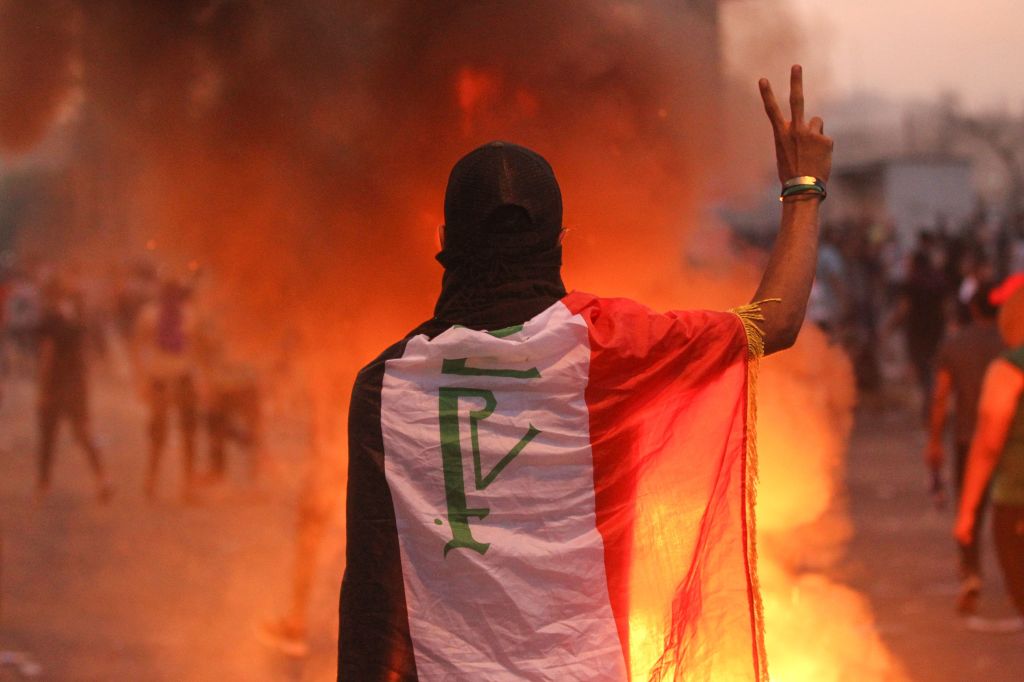
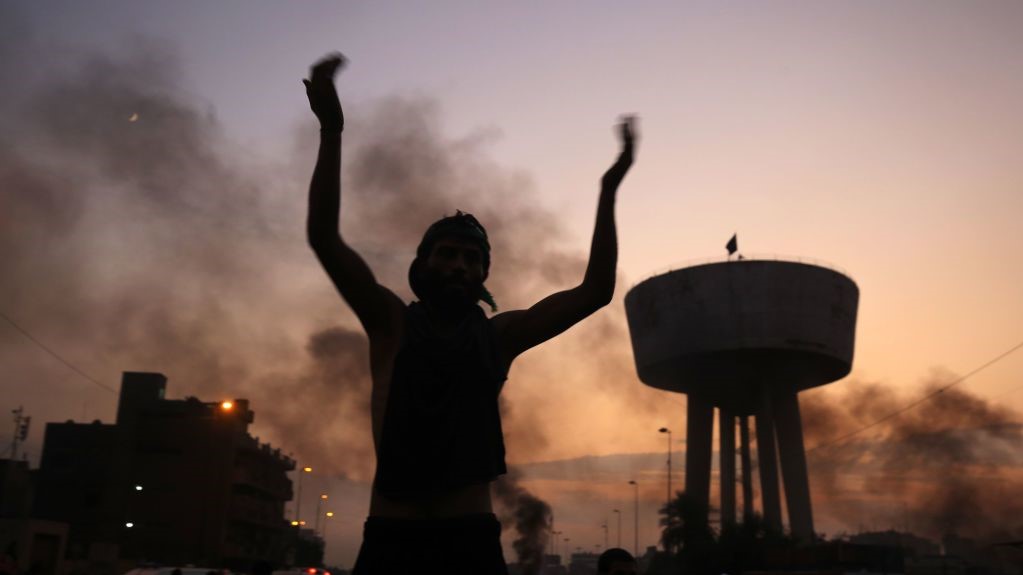
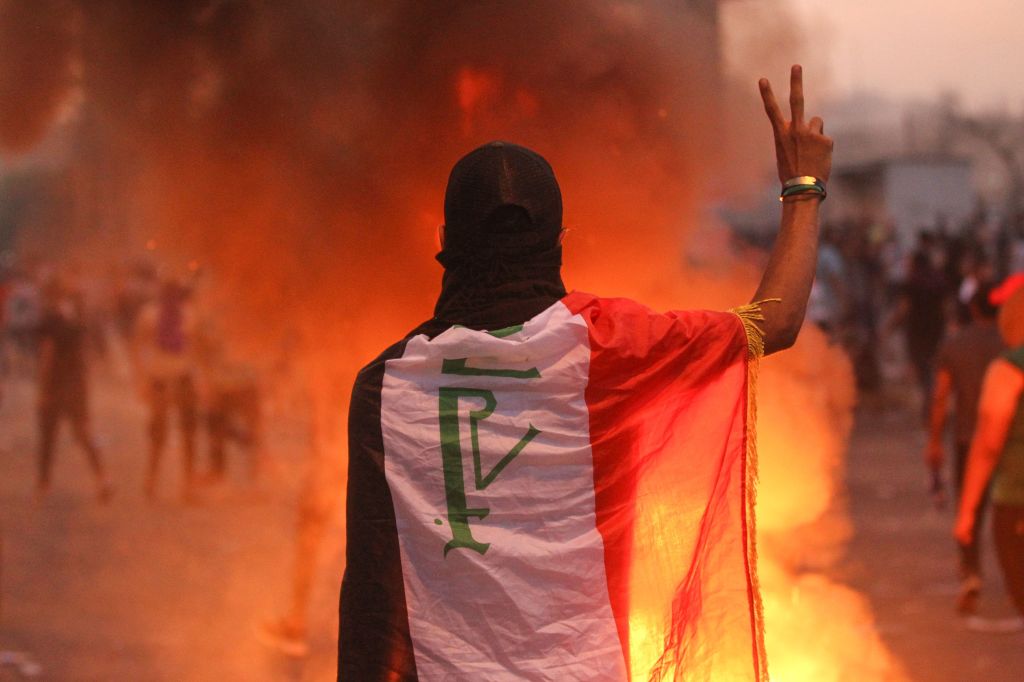
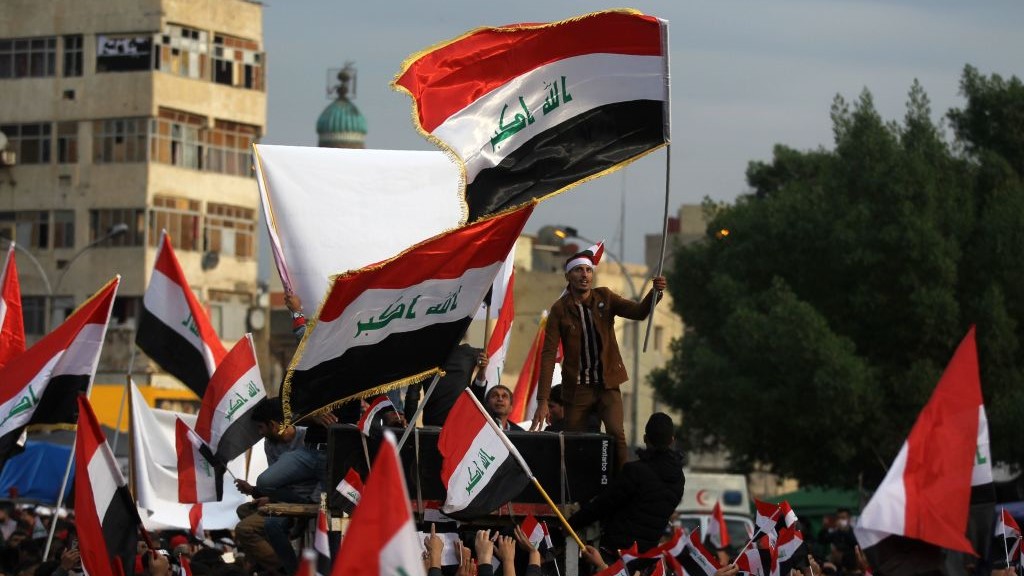
The three uprisings in Iran, Iraq, and Lebanon represent the revolt of a new generation seeking to build a better future for itself. Since 2011, there have been 11 uprisings in the Middle East and North Africa. All 11 uprisings have similar drivers: the explosive dysfunction of high demographic growth, low levels of economic development and job creation, poor government performance and services, and high levels of corruption and inequality.
Leveraging the Current Uprising for Sustained Political Change
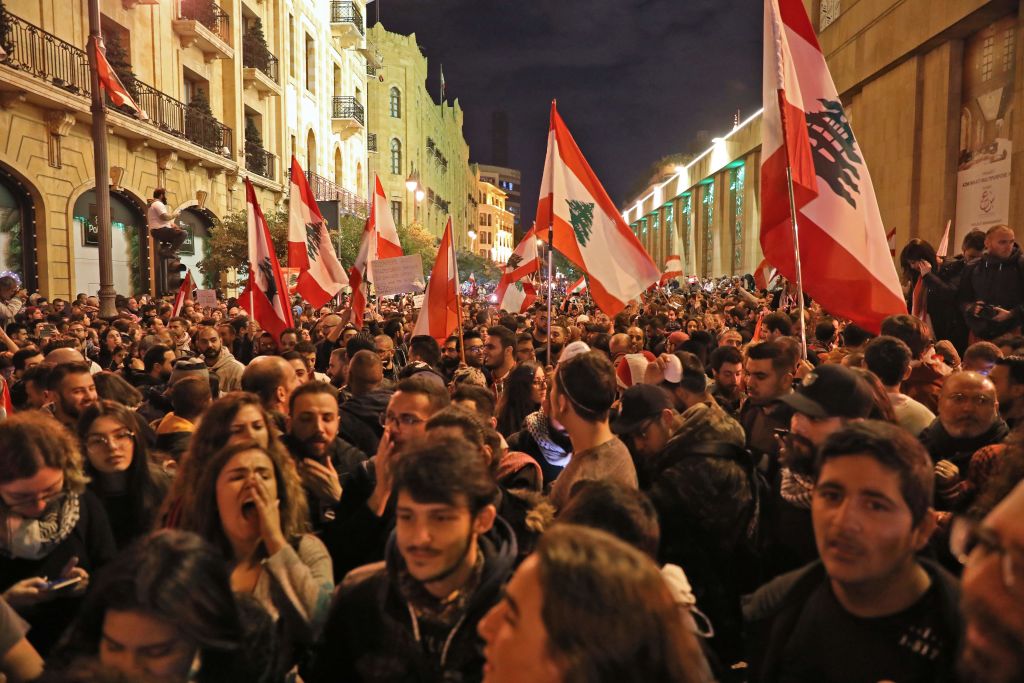
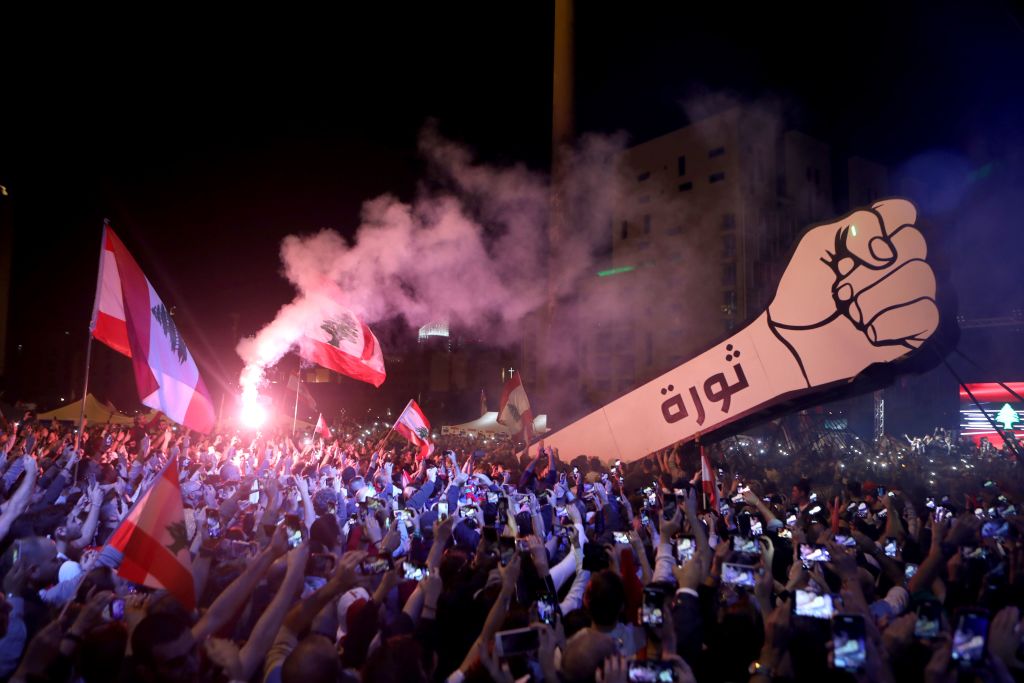
The nationwide protests are the most significant domestic political development in Lebanon since the end of the civil war. It would be useful to examine both the short and long term political potential of this new awakening.
In the short term, the protests have already mobilized the power of the public to bring down a corrupt and ineffective government, and to gain great leverage on the rejection or acceptance of any new government. They have also raised urgent national demands and forced the ruling class to confront these demands.