This text has been translated by AI and may contain errors.
Skip to Content

Priyanka Debnath

This individual is a guest contributor. MEI is not able to assist with contact requests.

The Latest from Priyanka Debnath

Filter by
10096 Results
Secular Sectarians
Middle East Institute
  • Analysis
  • Secular Sectarians

    A common dichotomy that emerges in discussions of Sunni-Shi‘i “sectarianism” in the contemporary Middle East is that of secular versus sectarian. The logic underlining this false duality is obvious enough: a sect is, after all, a subgroup of a religious denomination that exists as a result of theological or jurisprudential peculiarity as shaped by history, politics, and geography. Therefore, logic would suggest that “secularism” is a plausible antonym for “sectarianism:” a temporal, civic approach to public space rooted in modern understandings of the nation-state and its master institutions and the need to separate church from state. As intuitive as this undoubtedly seems, it remains a false dichotomy that misrepresents sectarian identities and sectarian dynamics in the Arab world and overlooks the role played by class, politics, and power in what is ostensibly a religious issue.

    June 17, 2014

    Fifth Annual Conference on Turkey

    Fifth Annual Conference on Turkey

    June 16 – January 1, 1970, June 16 - 9:00 AM – 12:00 AM
    January 1 - 9:00 AM – 12:00 AM

    National Press Club, 529 14th Street, NW 13th Floor, Washington, District of Columbia 20045

    Iraq — So What to Do?
  • Analysis
  • Iraq — So What to Do?

    This article was originally posted on Charles Duelfer’s blog.

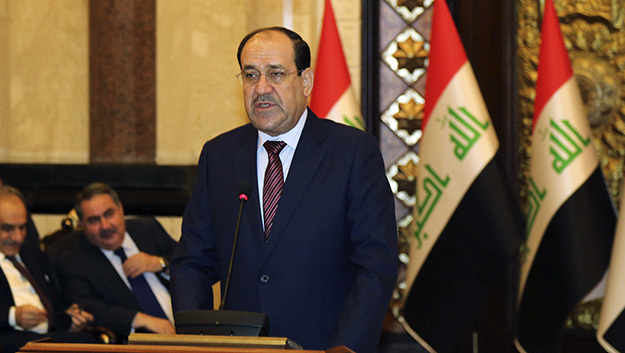
    A possible path ahead is to take advantage of the post-election negotiations and configure a leadership that accommodates Sunni interests. This would by necessity mean someone other than Maliki becoming prime minister.

    June 13, 2014

    Robert Ford on the ISIS Offensive in Iraq
  • Analysis
  • Robert Ford on the ISIS Offensive in Iraq

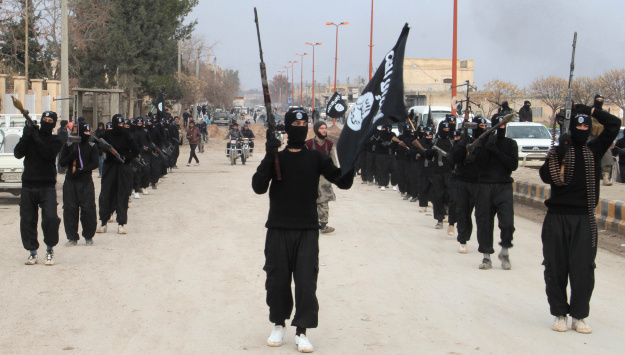
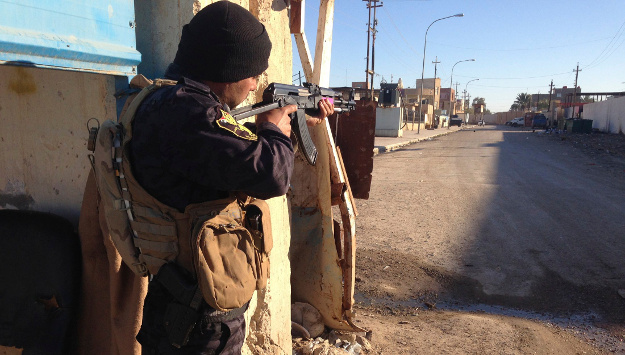
    The Islamic State of Iraq and Syria (ISIS), a Sunni militant group controlling territory spanning the border between the two country’s northern regions, made a rapid advance toward Baghdad this week, seizing control of Mosul, Iraq’s second largest city, and Tikrit, and attacking the refinery town of Baiji. Forces from Iraqi Kurdistan have since moved to secure Kirkuk as the Iraqi central government’s military has fled in disarray. Robert Ford, former U.S.

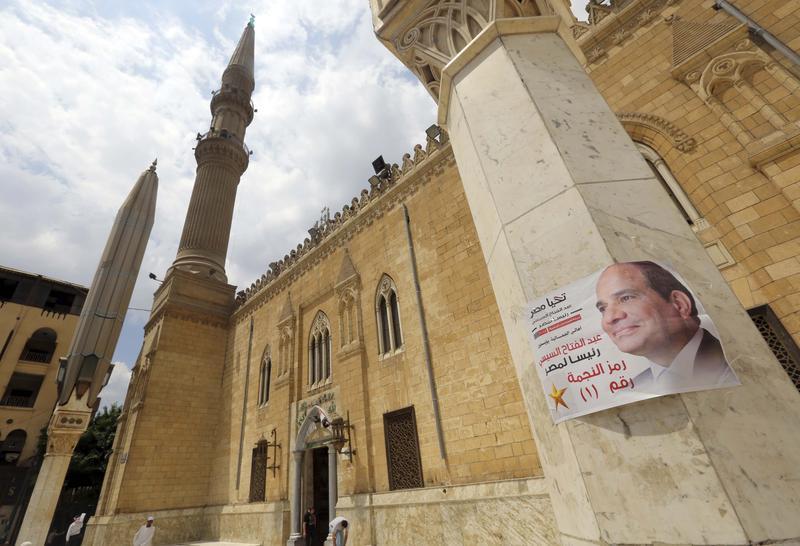
    Social Media and Economic Development in Egypt
  • Analysis
  • Social Media and Economic Development in Egypt

    In a country of deteriorating economic conditions, young Egyptians are using social media to create opportunities and change the way business is done.

    June 11, 2014

    The Energy Revolution’s Impacts on the Arab World
  • Analysis
  • The Energy Revolution’s Impacts on the Arab World

    Profound changes are occurring throughout the global energy system, including an increase in the production of hydrocarbons in the Americas and a shift in demand in which oil is giving way to gas and, to a lesser extent, coal. How are these changes affecting the Middle East and North Africa (MENA) region, and what might the MENA countries do to meet the challenges posed by this “energy revolution?” Robert Springborg addresses these issues in this MEI Policy Focus.

    June 10, 2014

    Korea and the Middle East: Religious Encounters
    Middle East Institute
  • Analysis
  • Korea and the Middle East: Religious Encounters

    On the surface, it is difficult to identify the common ground between Korea and the Middle East in terms of religious heritage: Shamanism, Buddhism, Confucianism, and Christianity are the major religions of Korea, while Islam predominates in the Middle East. However, rapid globalization and the increased frequency of exchange between Koreans and the peoples of the Middle East are beginning to challenge common assumptions about the religious composition of each region. This essay will describe the history and current status of Islamic expansion in Korea, as well as Korean Christian missions in the Middle East.

    June 10, 2014

    1,500 Years of Contact between Korea and the Middle East
    Middle East Institute
  • Analysis
  • 1,500 Years of Contact between Korea and the Middle East

    Islamic history in Korea and Korea-Middle East relations predate the Korean War by more than a millennium. Yet, many Koreans are not aware of this long history of cultural and commercial interaction. Furthermore, there are widespread misconceptions in Korea about the Middle East and aspects of Islam.

    June 7, 2014

    Korea and the GCC: Reaching a Sustainable Economic Partnership
    Middle East Institute
  • Analysis
  • Korea and the GCC: Reaching a Sustainable Economic Partnership

    Over the past four decades, economic relations between the Republic of Korea (hereafter Korea) and the Gulf Cooperation Council (GCC) countries have been focused on two sectors. Given the lack of energy resources in Korea, the GCC countries have provided oil and gas for Korean manufacturing, electricity, transport, and related activities. These countries have also provided Korea with business opportunities in the construction sector, including the building of expressways, seaports, and industrial plants.

    June 6, 2014

    Egypt After the Elections

    Egypt After the Elections

    June 6 – January 1, 1970, June 6 - 10:00 AM – 12:00 AM
    January 1 - 10:00 AM – 12:00 AM

    SEIU Conference Center, 1800 Massachusetts Avenue NW, Washington, District of Columbia 20036

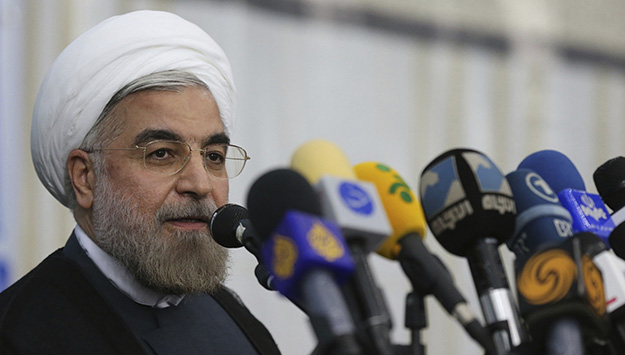
    Rouhani’s Saudi Challenge
  • Analysis
  • Rouhani’s Saudi Challenge

    This week’s visit to Tehran by the Kuwaiti emir, Sheik Sabah al-Ahmad al-Sabah, is about more than Iranian-Kuwaiti relations. It might even be a pivotal moment in the shaping of Iran’s ties with the Arab countries across the Gulf. Kuwait, which currently holds the rotating presidency of the Gulf Cooperation Council (GCC), is acting as a conduit for the collective unease that the GCC’s six member states, particularly Saudi Arabia, have about Iran’s regional policies.

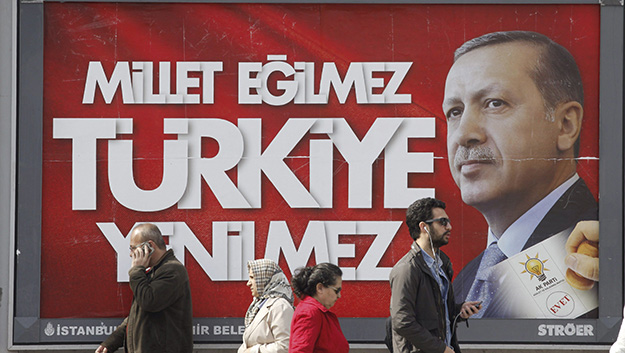
    Turkey at a Crossroads
  • Analysis
  • Turkey at a Crossroads

    Turkish Prime Minister Recep Tayyip Erdogan secured his eighth big win in 14 years when his ruling AK Party won over 45 percent of the vote in local elections on March 30. After facing down corruption charges, mass protests, and accusations of authoritarianism, Erdogan may feel emboldened to run for president in Turkey’s first direct presidential election in August.

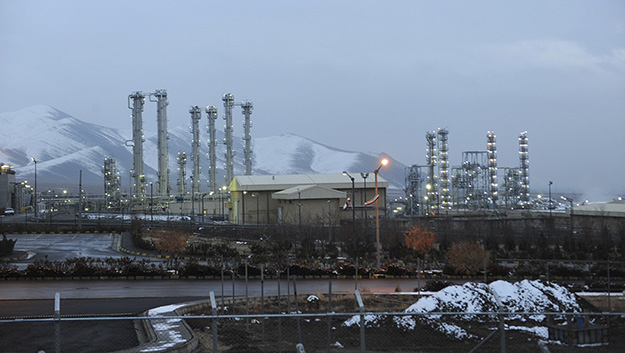
    Prospects for an Iran Nuclear Agreement
  • Analysis
  • Prospects for an Iran Nuclear Agreement

    Allen Keiswetter is a scholar at the Middle East Institute and an analyst at the law firm of Dentons. This is an updated version of a paper originally published by Dentons-GPS.

    June 3, 2014