This individual is a guest contributor. MEI is not able to assist with contact requests.
Rebecca Anne Proctor is an independent journalist, editor, author, and broadcaster based in Dubai and Rome, from where she covers the Middle East and North Africa. She is the former editor-in-chief of Harper’s Bazaar Art and Harper’s Bazaar Interiors.
The Strategies and Struggles of the Turkish Opposition under Autocratization
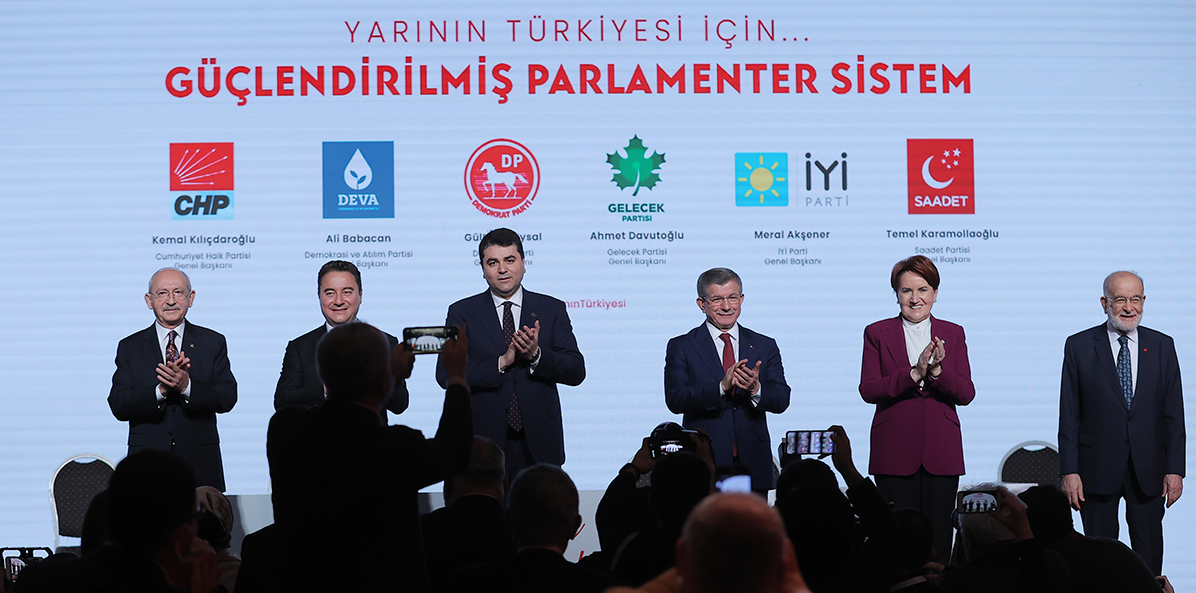
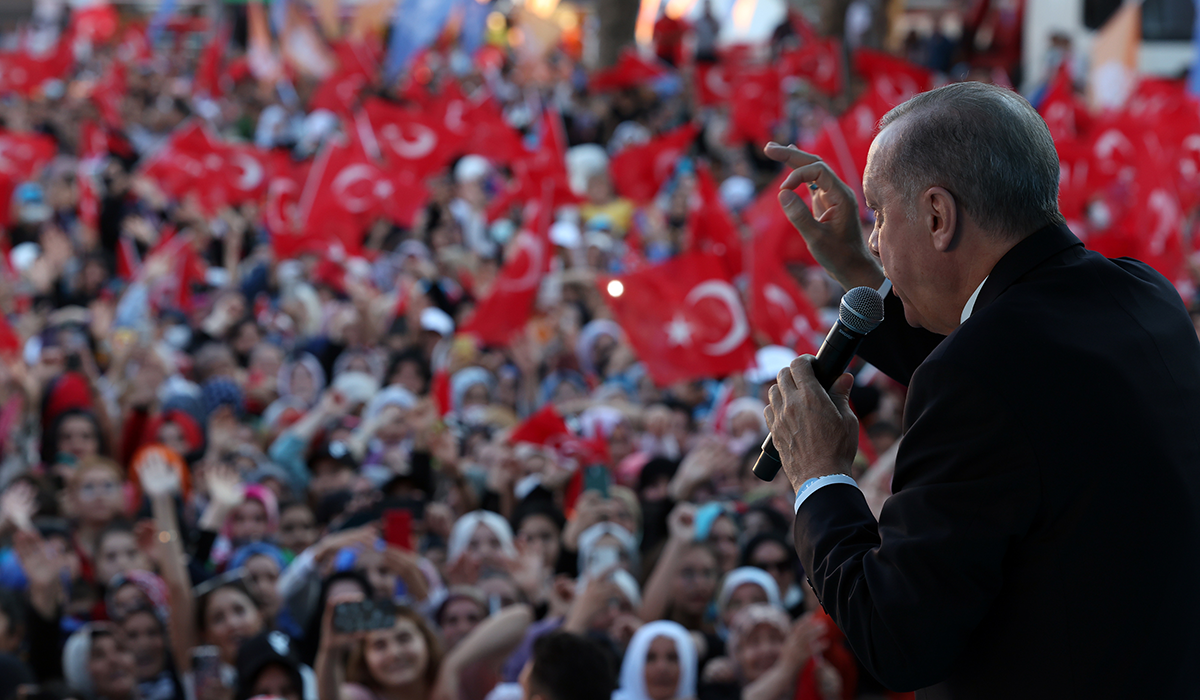
President Recep Tayyip Erdoğan has thus far enjoyed a fragmented opposition and utilized polarization to cement divisions. However, the introduction of a hyper-presidential system after the 2017 constitutional referendum and Erdoğan’s 2018 election victory have provided the necessary impetus for the opposition parties to form an alliance. This paper charts Turkey’s autocratization under AKP rule, addresses the strategies adopted by its political opposition, and maps out the opportunities and risks they face in the run-up to the June 2023 presidential elections.
Turkish Views: Crisis and Opportunities for Turkey in 2023
As the Turkish Republic enters its centennial year, it seems to be at an inflection point. What has been the impact of the AKP’s rule and how might the opposition change Turkey’s direction if they manage to come to power? In this series of papers, seven prominent Turkish scholars weigh in on these questions, thinking about this from a wide variety of perspectives and focusing on a range of specific fields of policy, explaining how we got to the current juncture and where Turkey might go from here.
Is Red Sands the future of Middle East defense cooperation?
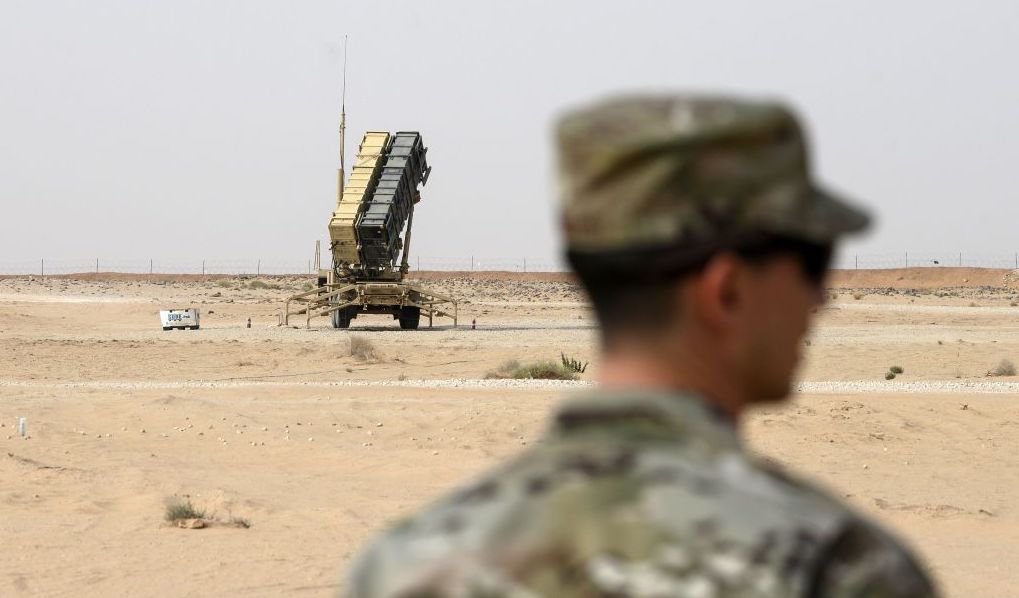
Drawing comparisons to the U.S. Army’s White Sands Missile Range in New Mexico, the Red Sands Integrated Experimentation Center will increase US-Saudi cooperation to counter two of the greatest threats emanating from Iran and its proxies — drone and missile attacks.
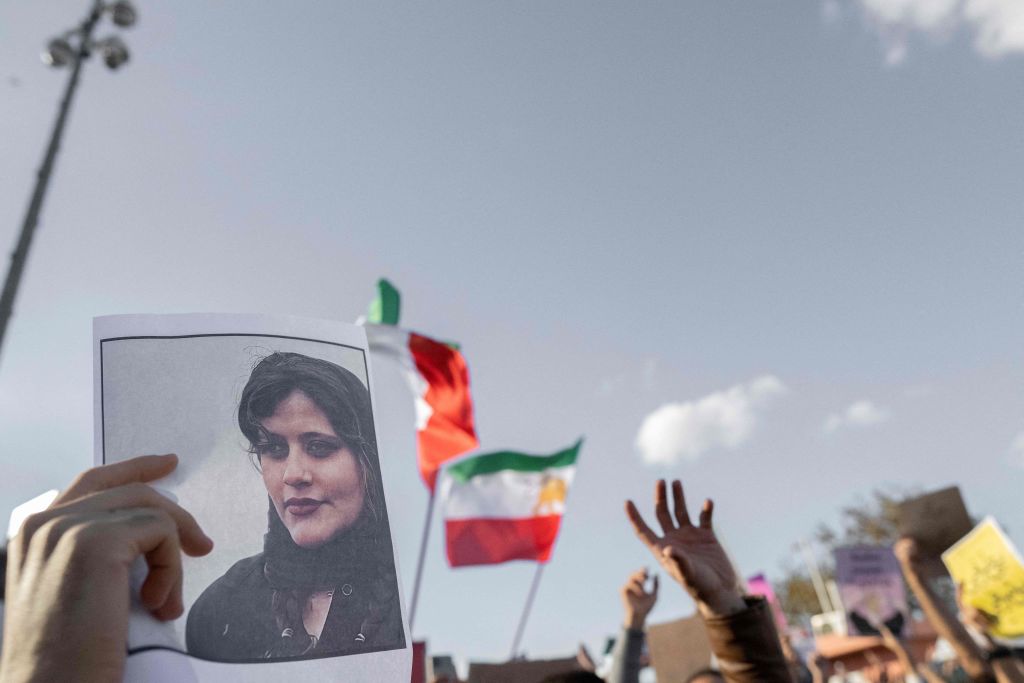
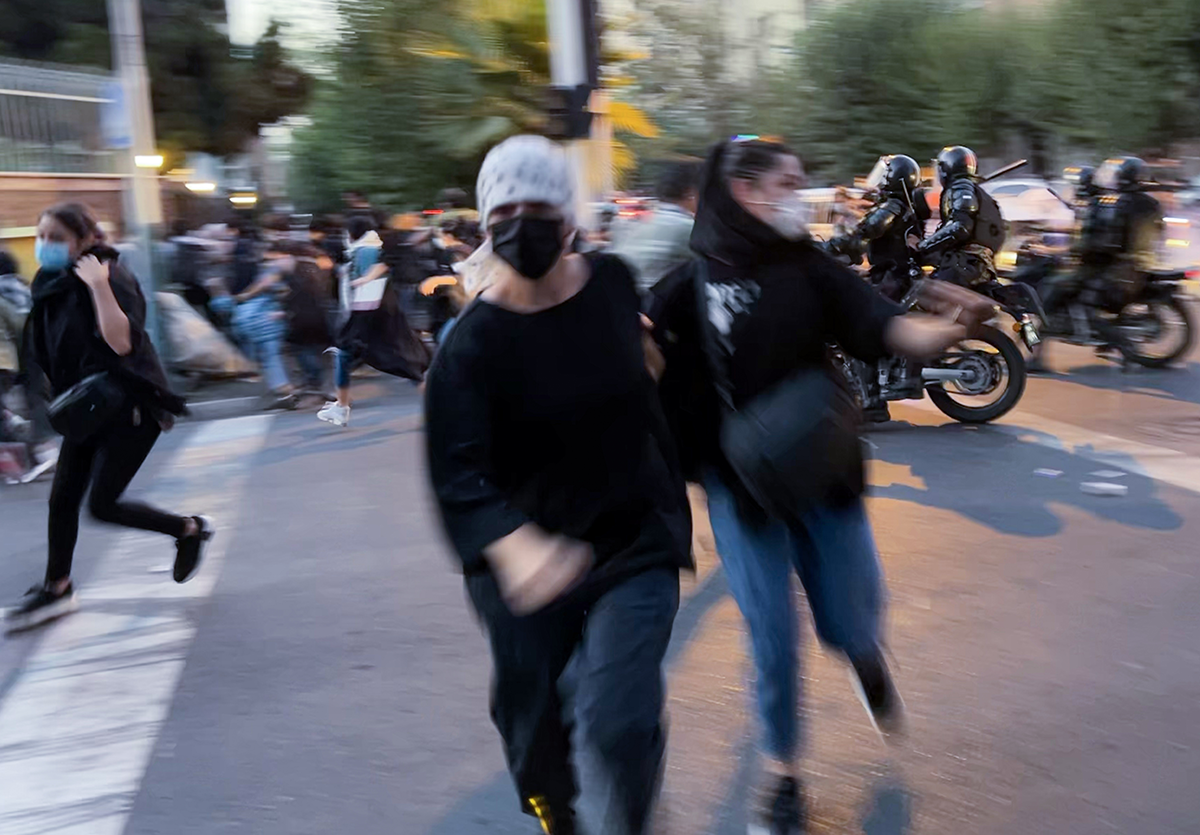
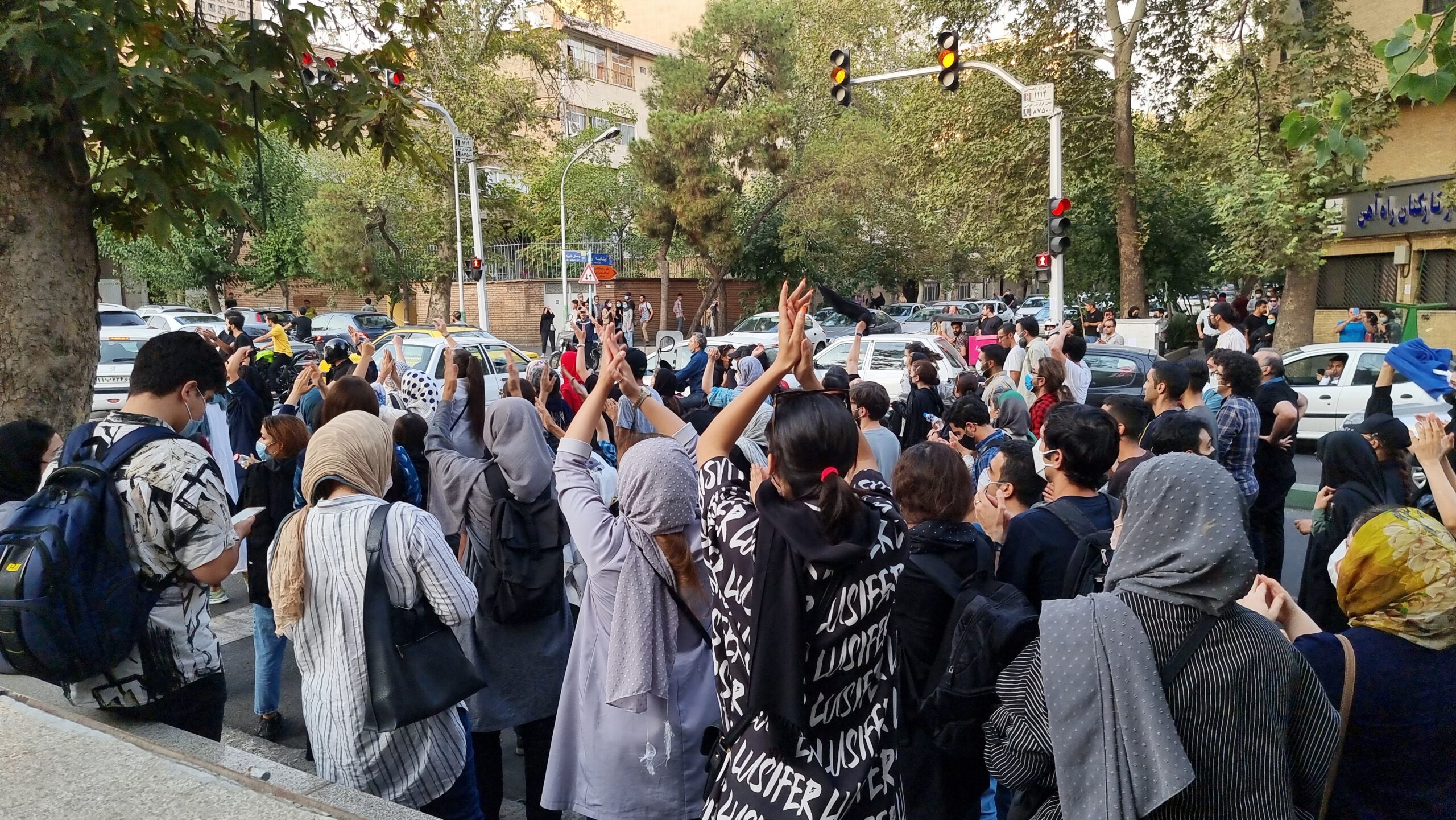
Opinion: How the Biden administration can respond effectively to Iran’s crackdown on protests
The last few weeks in Iran arguably have been as tumultuous as the final days before the fall of the Shah. And they could be just as consequential — if the West and regional powers respond appropriately. While Iran is undeniably at the center of this escalating conflict, what external actors do matters.
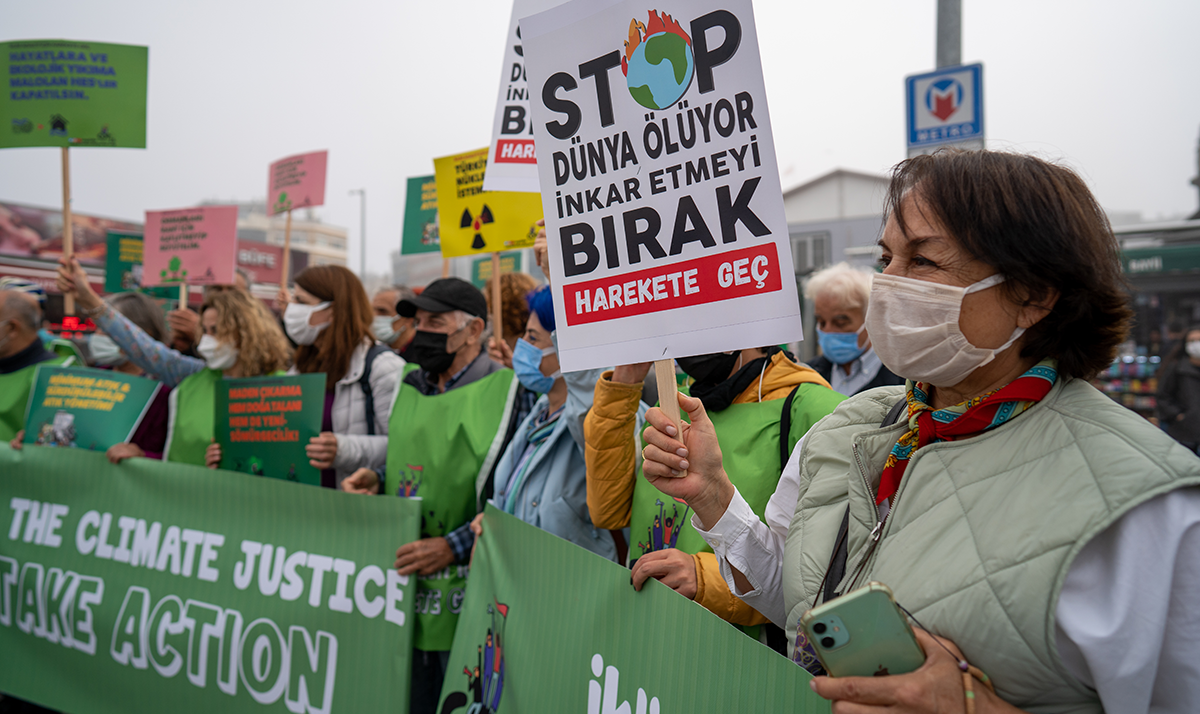
Since the founding of the UNFCCC at the Rio de Janeiro Earth Summit in 1992, climate justice has been a contentious issue that has divided developed and developing countries. The concept of climate justice is crucial for negotiating the diverse responsibilities of different nations and actors, and for shaping climate policies, and it has arguably come a long way since the early days of global climate change negotiations.
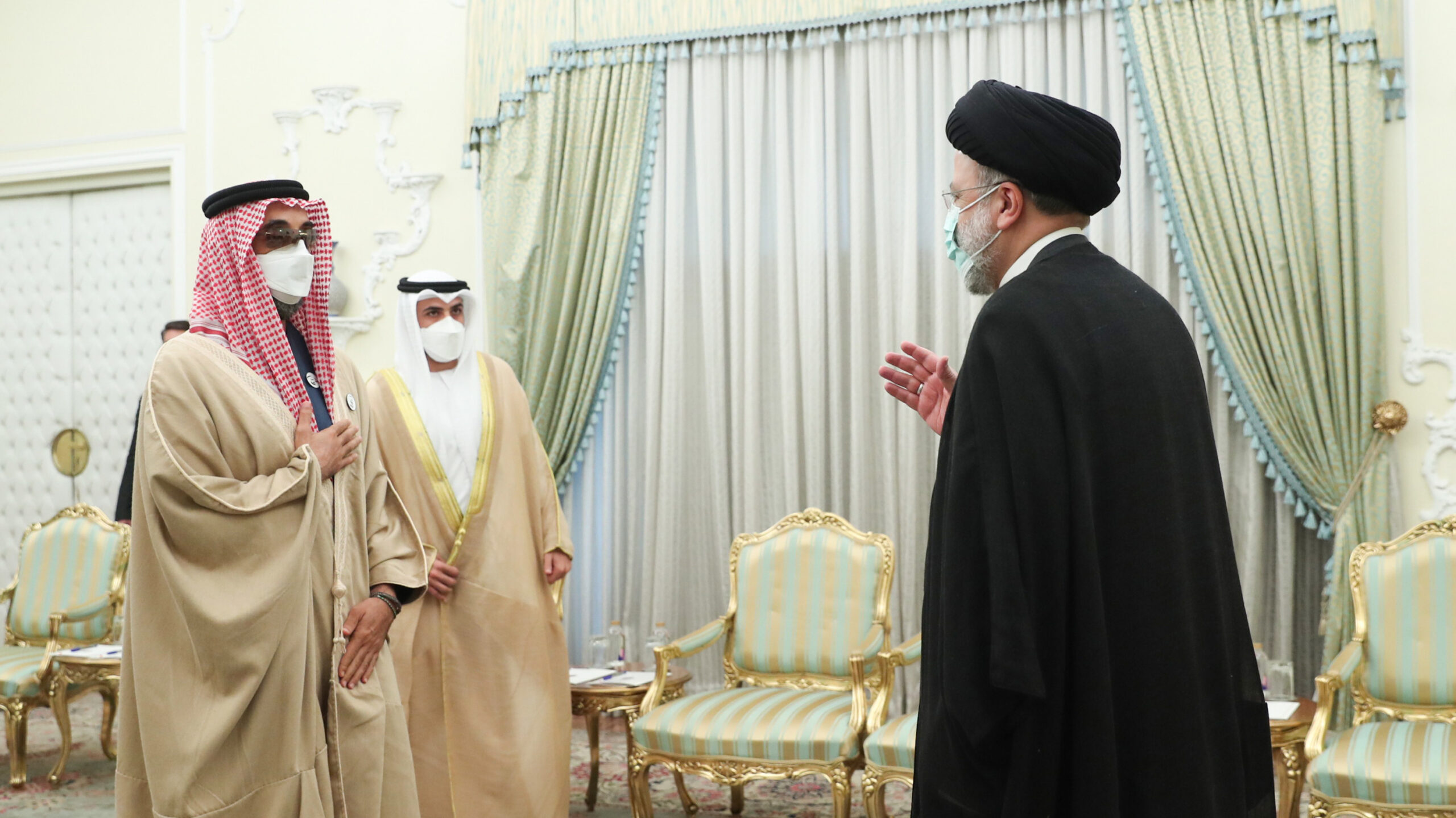
Structural impediments to Iranian-Gulf Arab reconciliation
As welcome as recent moves toward Iranian-Gulf détente have been, extensive obstacles continue to stand in the way of a real and sustained relaxation of tensions, cause by what international relations scholars call the “security dilemma.”
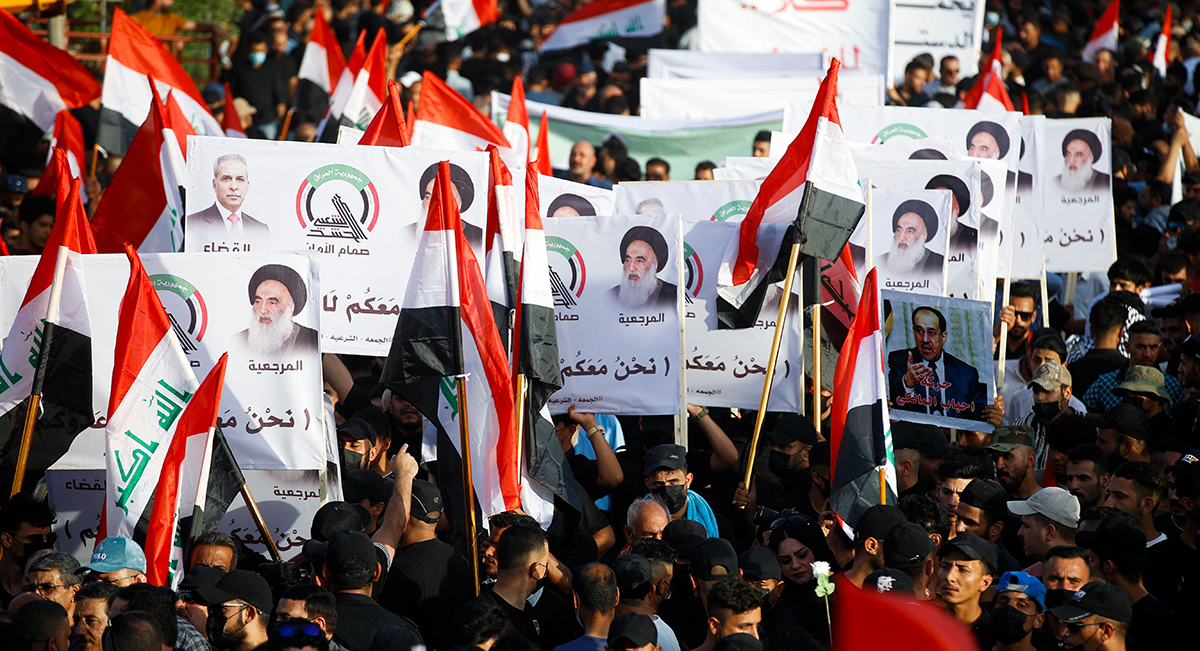
Iraq’s crisis of elite, consensus-based politics turns deadly: The Coordination Framework
Iraq’s ongoing government formation power struggle pits the Sadrist Movement, led by populist Shi’a cleric Sayyid Muqtada al-Sadr, against the Coordination Framework (CF), a loose association of Shi’a parties, united mostly by their opposition to the Sadrist Movement. This piece explores the perspectives of members of the CF and their supporters toward the crisis.
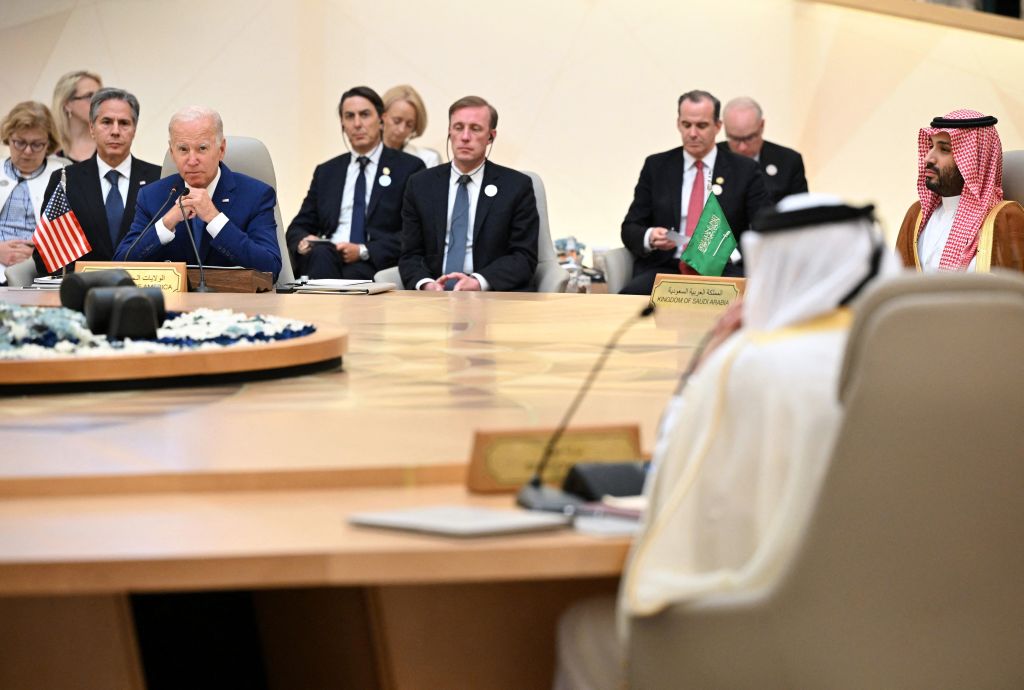
How to Overcome the Pitfalls of the Saudi-Iran Dialogue
The Saudi-Iran dialogue continues, but has produced little progress. As James Jeffrey of the Wilson Center and Bilal Saab of the Middle East Institute argue, part of the reason is that the two powers have fundamentally different objectives for the negotiations and that the power imbalance in Iran’s favor is profound. They suggest ways that Saudi Arabia might improve its bargaining power and argue that the United States can help strengthen Riyadh’s position.