This individual is a guest contributor. MEI is not able to assist with contact requests.
Rebecca Anne Proctor is an independent journalist, editor, author, and broadcaster based in Dubai and Rome, from where she covers the Middle East and North Africa. She is the former editor-in-chief of Harper’s Bazaar Art and Harper’s Bazaar Interiors.
We need it yesterday: Air-defense missile sales in a period of maximum demand
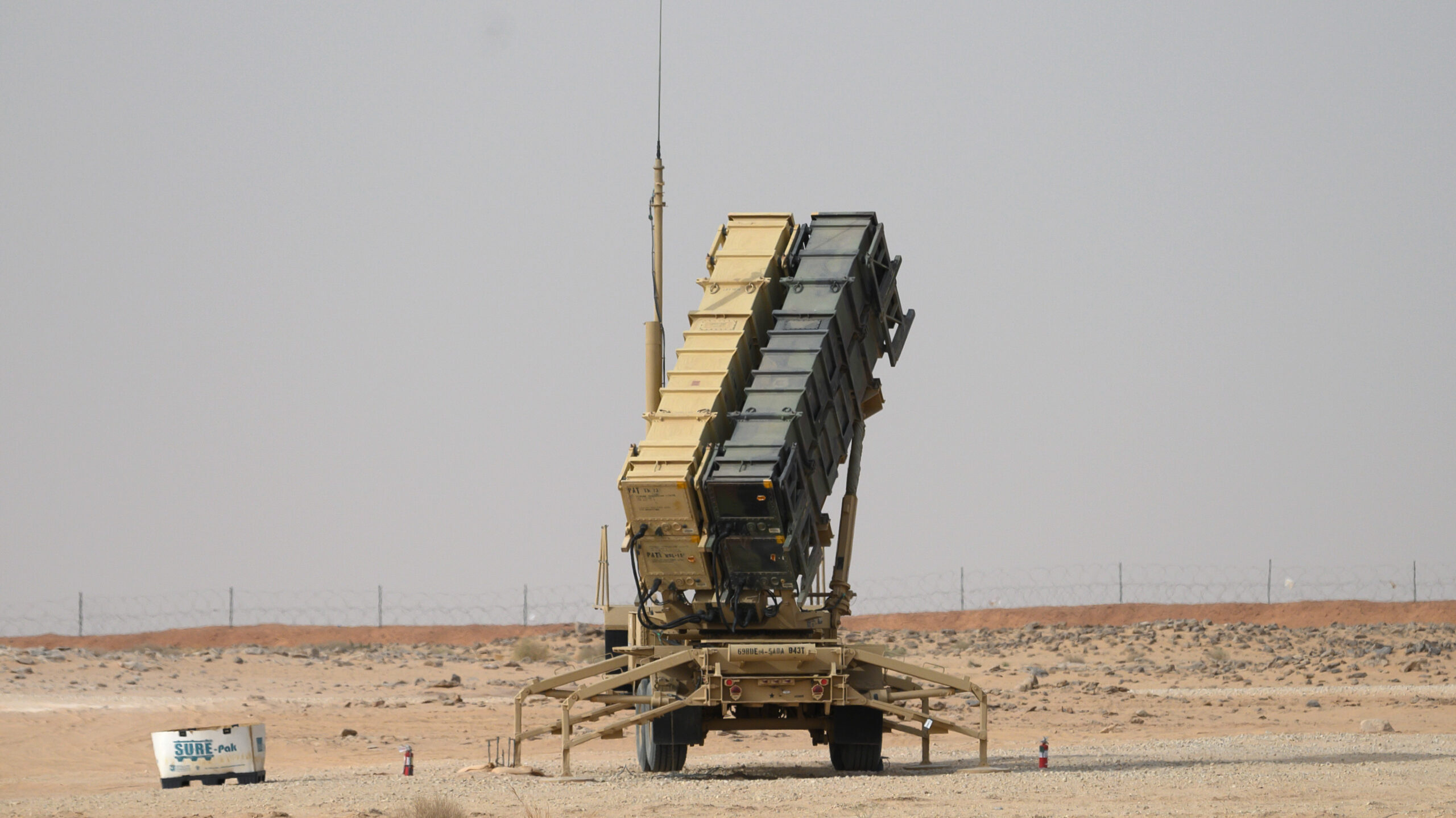
Saudi Arabia and the UAE purchased $5 billion of U.S. air-defense missiles at a time when multiple American partners around the world are also looking to buy the same systems. The main effort in the Gulf will continue to be training and provisions of the material to develop an indigenous missile-defense capability.
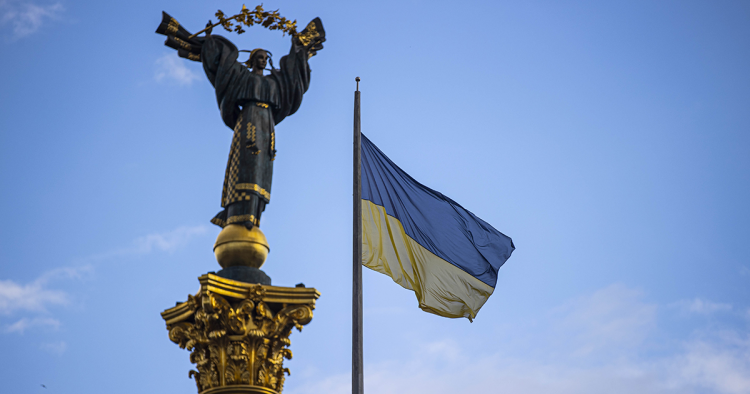
“Fauda” is the name of the gripping Israeli television series about to launch its fourth season on Netflix. Fauda means “chaos” in Arabic and is the word Israeli special forces use when they lose control of an operation. Russian President Vladimir Putin is now creating chaos to snatch victory from the jaws of defeat.
On this week’s episode, host Alistair Taylor explores the ramifications of the CIA drone strike that killed al-Qaeda leader Ayman al-Zawahiri in Kabul, Afghanistan on July 31. Joining the program are three MEI experts — Mick Mulroy, Javid Ahmad, and Douglas London — who bring with them a variety of perspectives, from intelligence to diplomacy.
Gulf economies should use the available fiscal space to ensure a soft landing
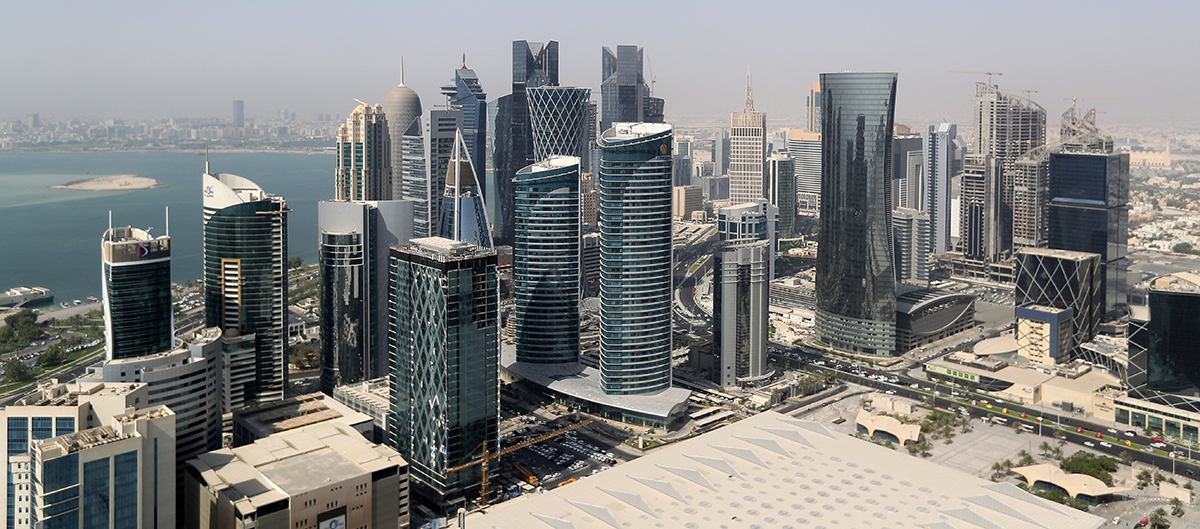
After achieving respectable growth in 2021, the GCC member states now face the risk of monetary (over) tightening due to the need to follow the U.S Federal Reserve’s interest rate adjustments. These increases are not warranted, however, as the GCC economies currently face relatively moderate inflation. Instead, they should use the available fiscal space to mitigate the negative fallout of monetary tightening and make greater use of PPPs for future infrastructure development.
Afghanistan adrift one year after the Taliban takeover
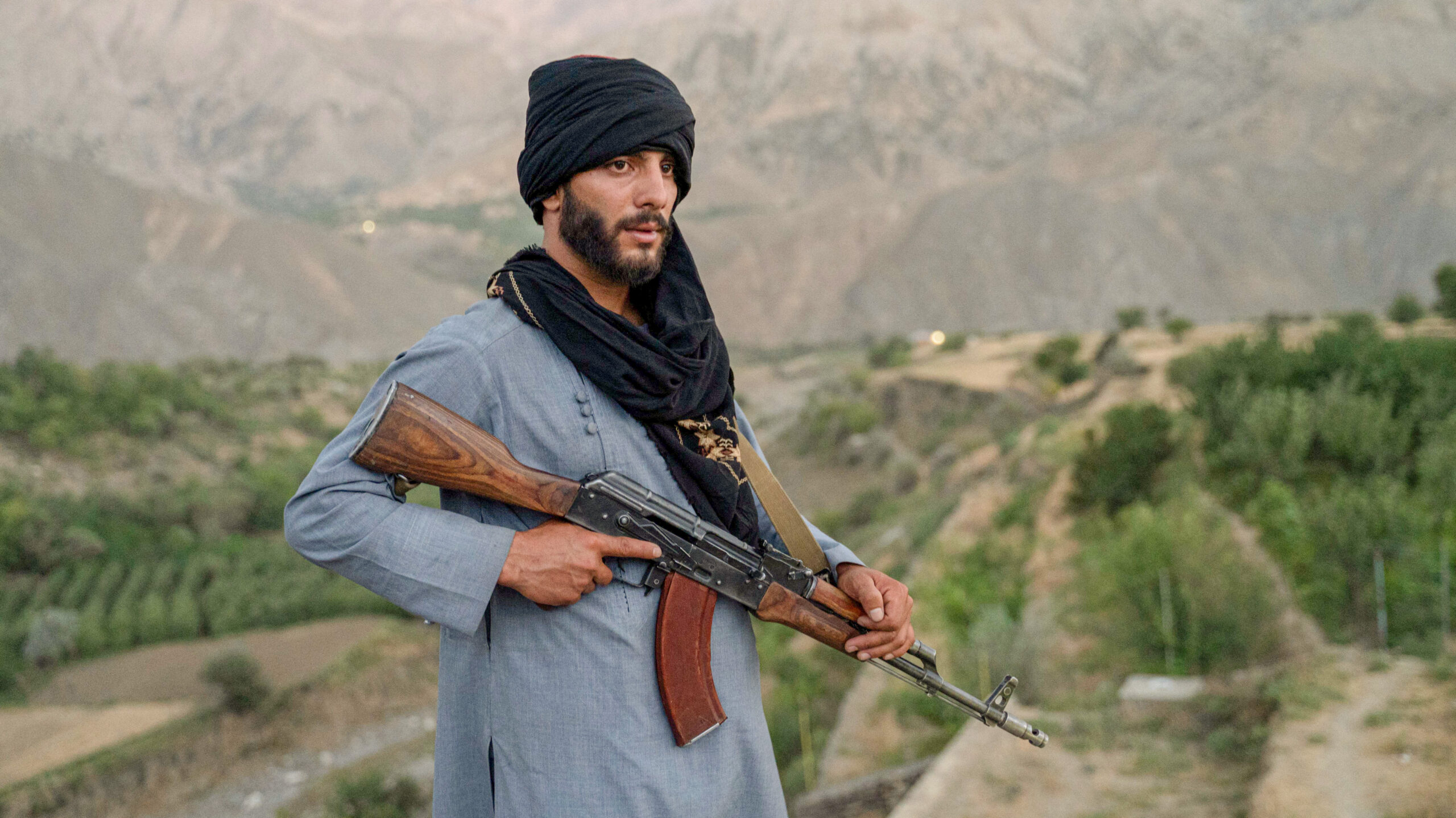
Even prior to al-Qaeda leader Ayman al-Zawahiri’s death in a CIA drone strike on July 31, the last few months have mostly underscored the Taliban’s global isolation and the anguish of the Afghan people. A year on from the Taliban’s takeover of Kabul in August 2021, no foreign government has officially recognized the regime.
Yemen cease-fire extension: The glass is still half-empty
Although the latest two-month extension of the Yemeni cease-fire was welcomed by all, the conflict will not end until meaningful pressure is applied on the Houthis to deny them a military victory and force them to accept a political resolution to the war they launched in 2014.
Sisi’s call for dialogue cautiously welcomed by Egypt’s opposition
On Apr. 26, Egyptian President Sisi launched a call for political dialogue with all opposition parties except for the Muslim Brotherhood. Many opponents remain skeptical of the government’s recent change of heart. But some regime opponents have started being released from prison, and state media has again begun allowing critics of Sisi back on the air.
When he declared his presidential candidacy in May 2021, Ebrahim Raisi was already recognized as a favorite of Iran’s supreme leader, Ayatollah Ali Khamenei. A month later, Raisi was handed the job on a silver platter of an election that was carefully engineered by Khamenei. Voter turnout hit a historical low, making clear that Iranian voters saw the sham for what it was. From the get-go, then, Raisi’s primary concern was not Iranian public opinion but Khamenei’s continued patronage.
Egypt’s President Sisi makes a comeback on the world stage with a three-stop European tour
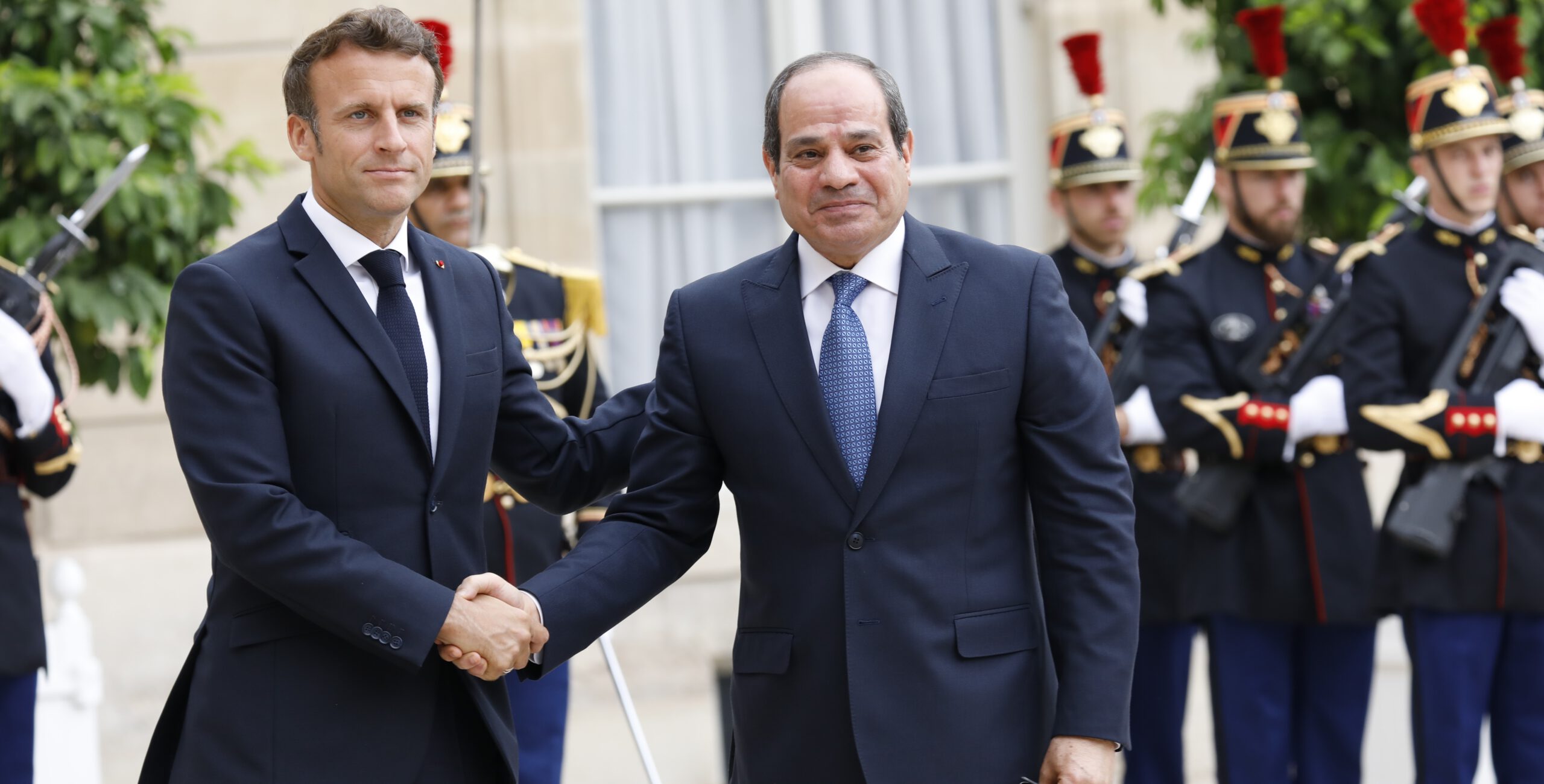
Egyptian President Abdel-Fattah el-Sisi’s recent, six-day European tour, which took him to Germany, Serbia, and France, aimed to boost his image and status as a central player on the world stage despite widespread criticism of his regime’s human rights record.
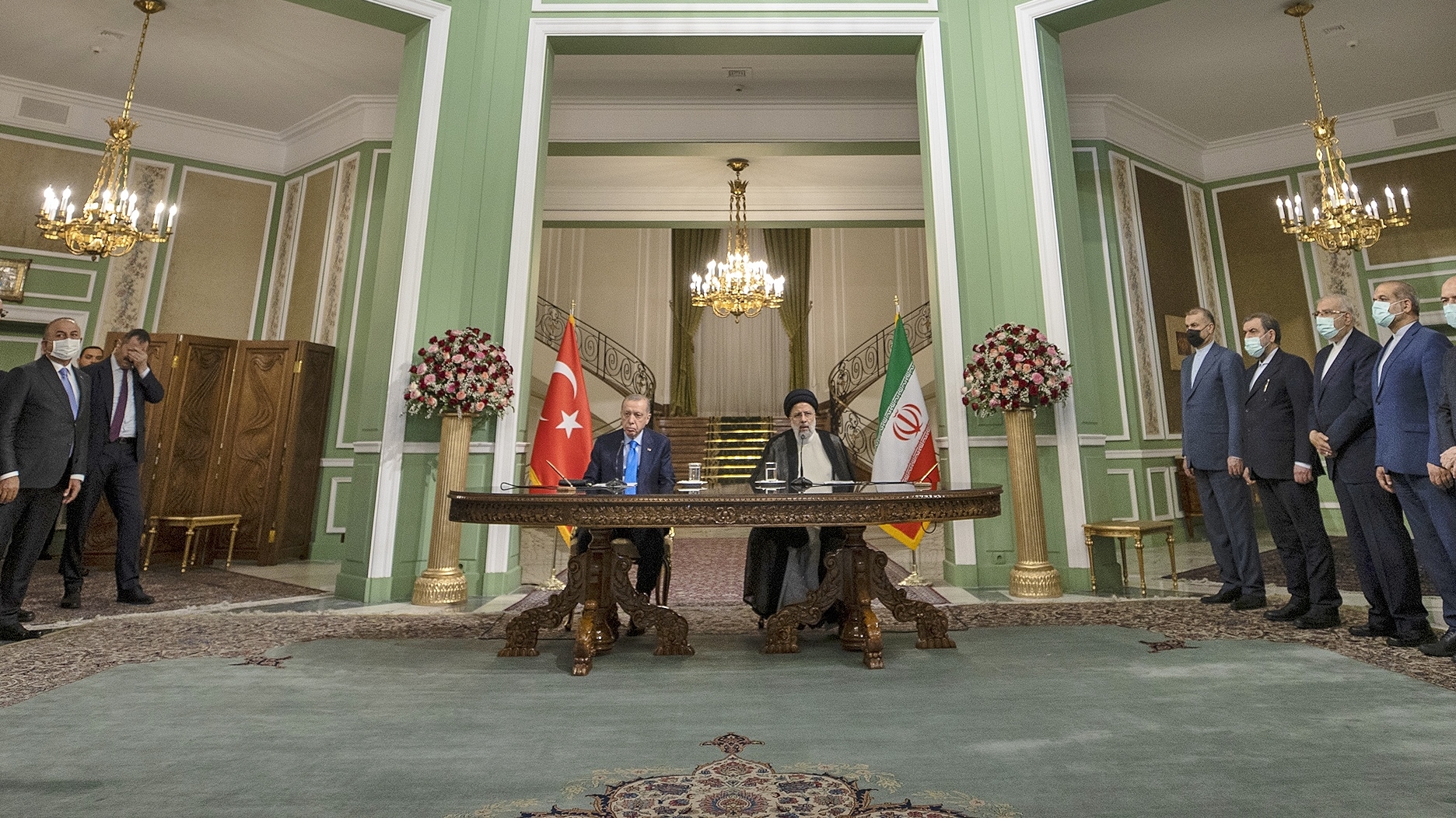
Erdoğan in Tehran, but Turkey and Iran have plenty of mistrust to overcome
Iranian-Turkish trade and economic cooperation has been the all-important platform on which otherwise often tense bilateral relations could survive. With trade and economic ties now weakening, their geopolitical rivalry could sharply re-intensify.
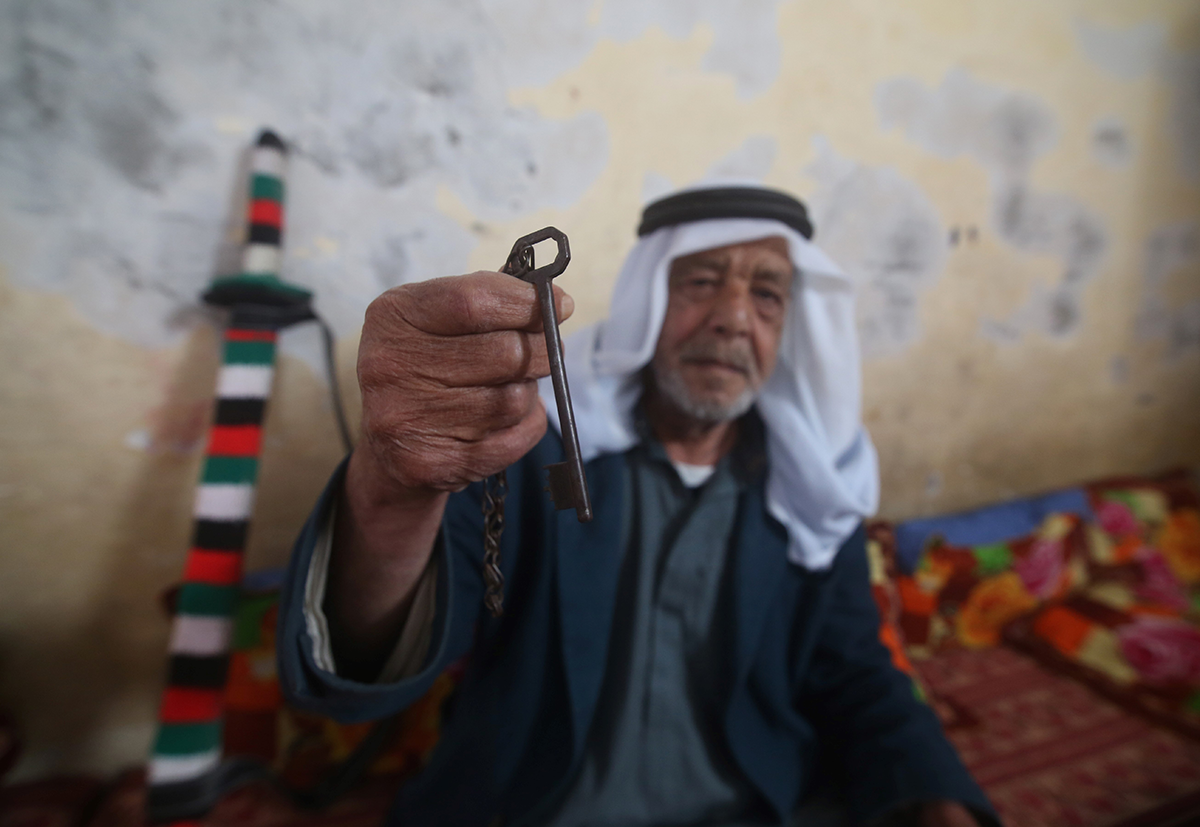
Refugees First: A New Approach to Middle East Peace
According to UNRWA, there are approximately 6.3 million registered Palestinian refugees across the Arab world. The majority of these are the descendants of the 750,000 Palestinians who were displaced between 1947 and 1949 over the course of Israel’s creation, an event known among Palestinians as the Nakba or “catastrophe.” This paper aims to evaluate past proposals on the refugee question and promote a new refugee-first framework that could produce tangible solutions for Palestinian refugees and for the conflict at large.
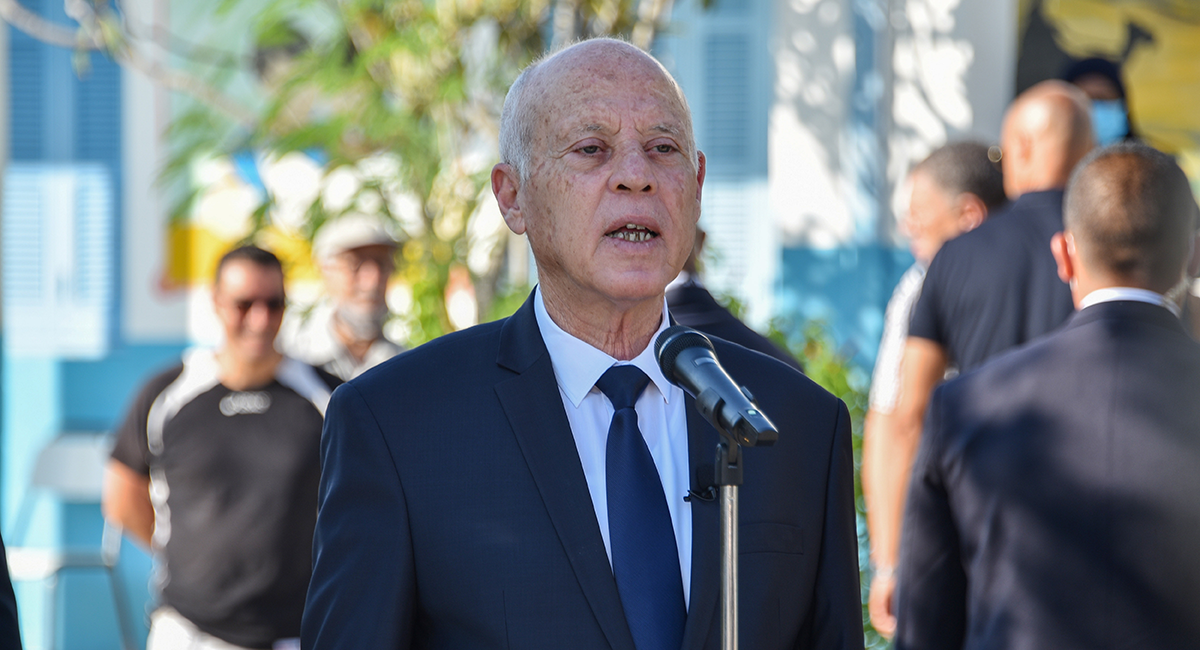
What's next for Tunisia after the constitutional referendum?
On July 25 Tunisians approved a new constitution that will give the president, Kais Saied, expansive new powers, centralizing control of the country while removing many of the existing checks and balances. According to figures from the state electoral body, an estimated 94% of those who voted in the national referendum approved the measure, although turnout, which officials put at 30.5%, was relatively light. Following on from the vote, here’s what can be expected moving forward.
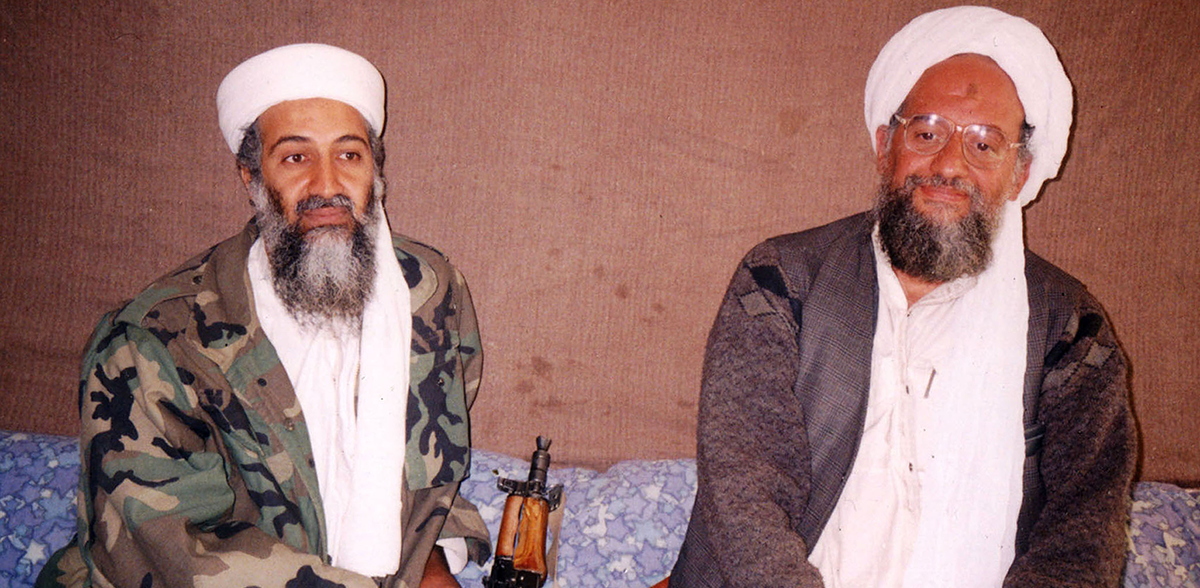
Strike on al-Qaeda leader Zawahiri is a major win for US counterterrorism
The death of al-Qaeda leader Ayman al-Zawahiri in a U.S. drone strike outside Kabul over the weekend is a major counterterrorism achievement — and a much-needed triumph for the Biden administration, for whom anything to do with Afghanistan has become an issue of acute discomfort. Since late 2019, Zawahiri has been thought to have been based in eastern Afghanistan, and a number of U.S. officials have suggested that in public. That by itself would seem to indicate a certain level of awareness of his probable whereabouts, but his death in the capital Kabul is astounding.