This individual is a guest contributor. MEI is not able to assist with contact requests.
Rebecca Anne Proctor is an independent journalist, editor, author, and broadcaster based in Dubai and Rome, from where she covers the Middle East and North Africa. She is the former editor-in-chief of Harper’s Bazaar Art and Harper’s Bazaar Interiors.
Lebanon’s economic crisis: A tragedy in the making
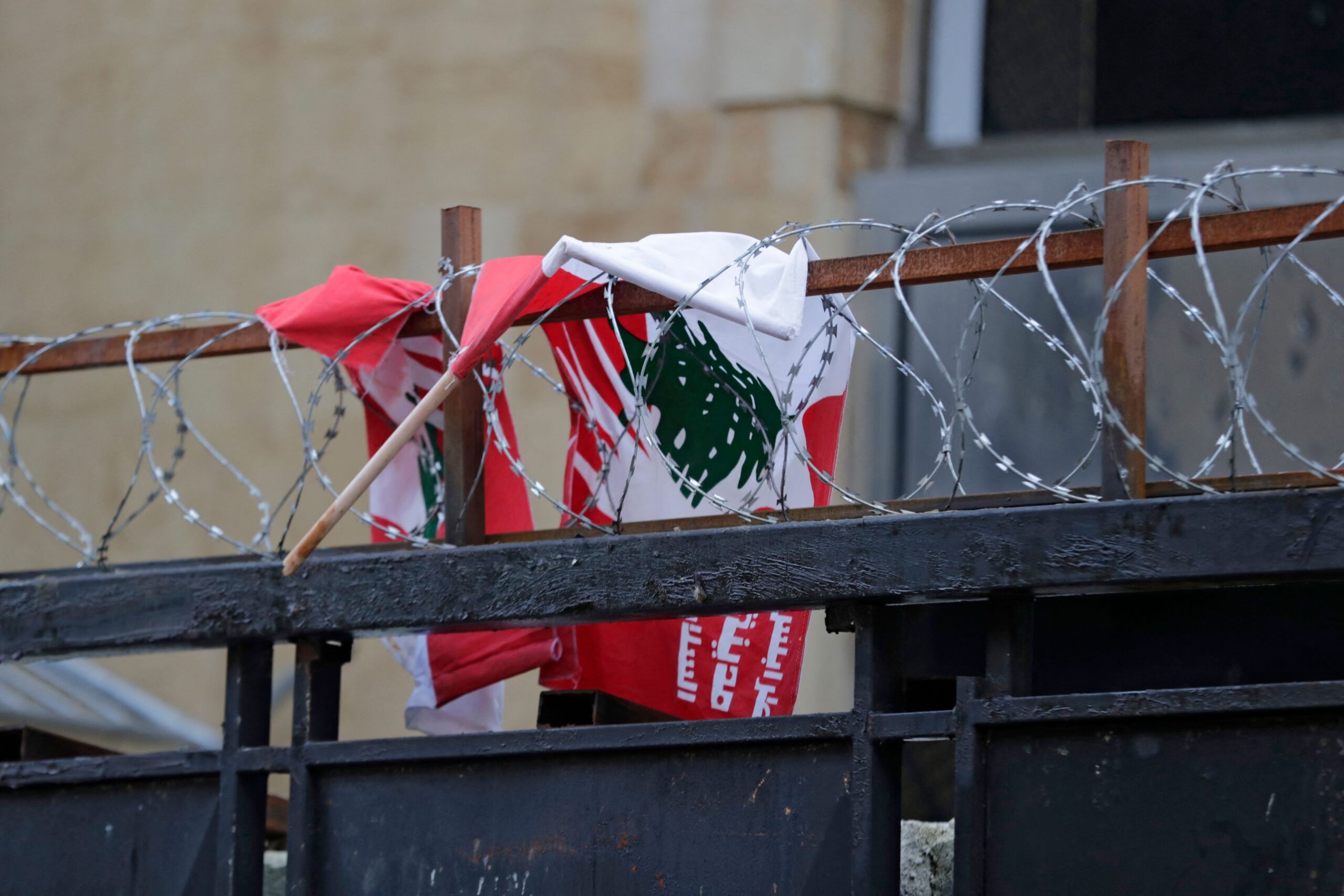
For the past 18 months, Lebanon has been reeling from a wrenching economic crisis. This essay deciphers the crisis’s origin, describes the current juncture, and reflects on the likely outcomes in the proximate future.
Political risk vs. risk to force: How policy decisions impact risk and capability in partner operations
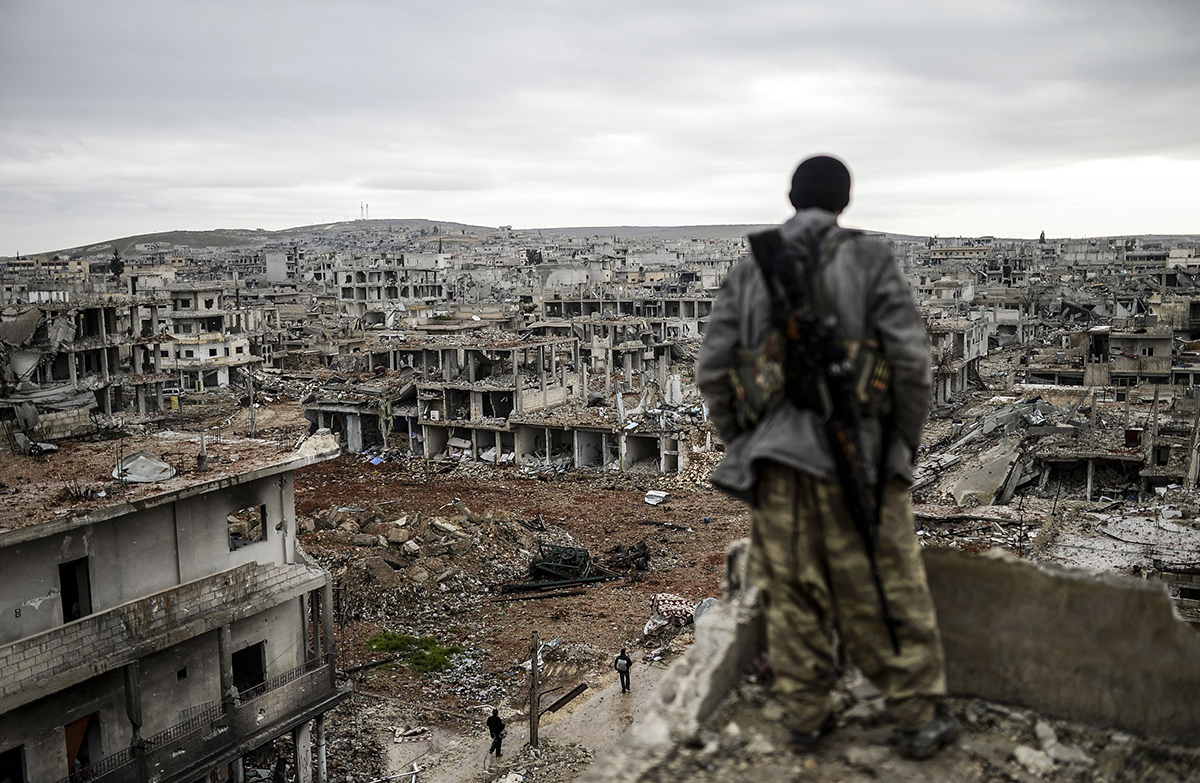
Operation Inherent Resolve (OIR) is the U.S. military’s name for the international intervention to defeat ISIS in Syria and Iraq starting in 2014. While OIR has been a success, it has necessarily been imperfect. Throughout the campaign, cost-benefit calculations made by policymakers led to missed opportunities and possibly a longer conflict. These decisions will have lasting repercussions that could undermine the hard-won victory against ISIS, as well as the ability to partner in future interventions. In particular, the United States mishandled its partner relationships in the war to defeat ISIS. Political considerations apparently won out against supporting and sustaining the SDF, our military partner forces.
Russia’s growing ties with Iran-aligned militia groups
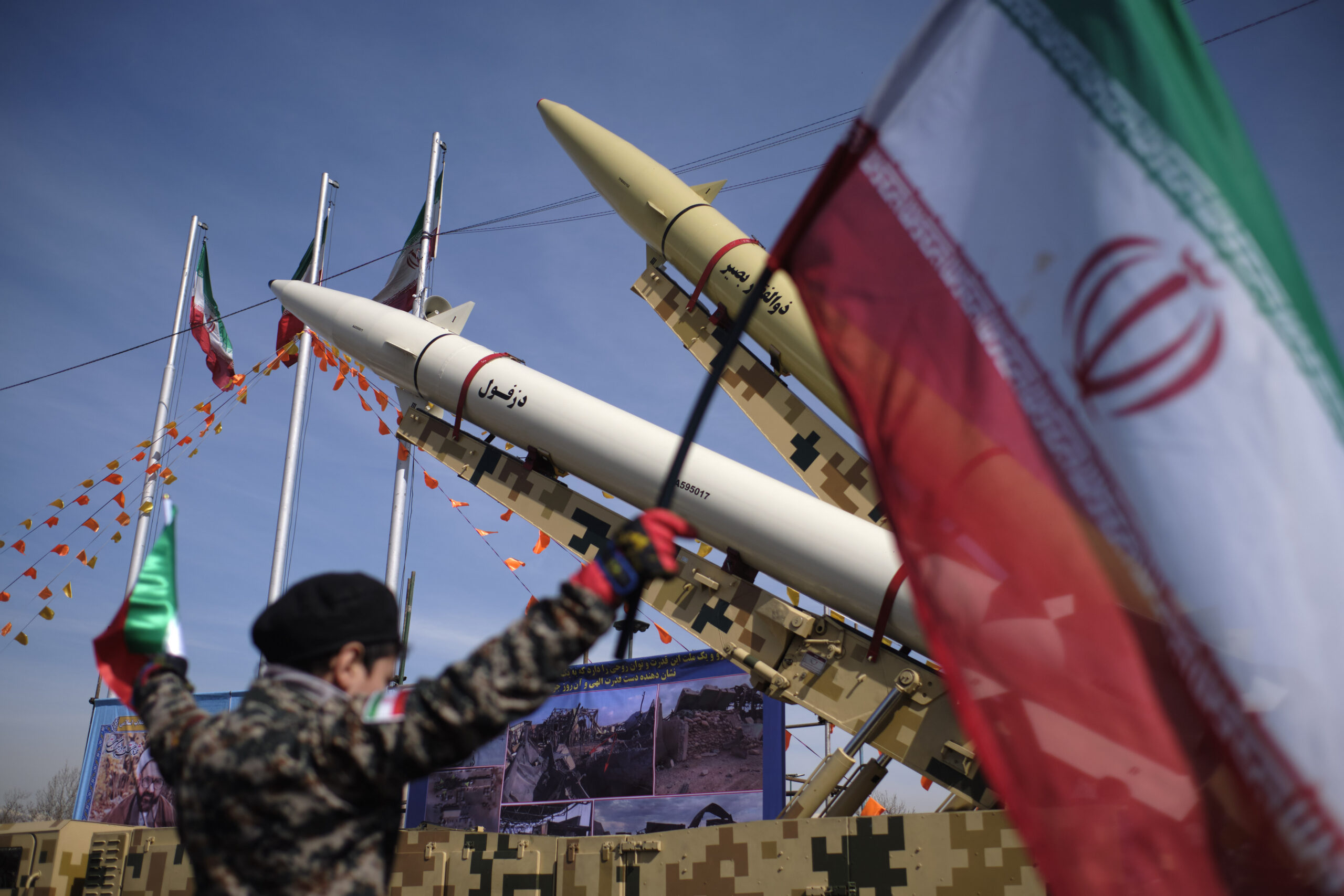
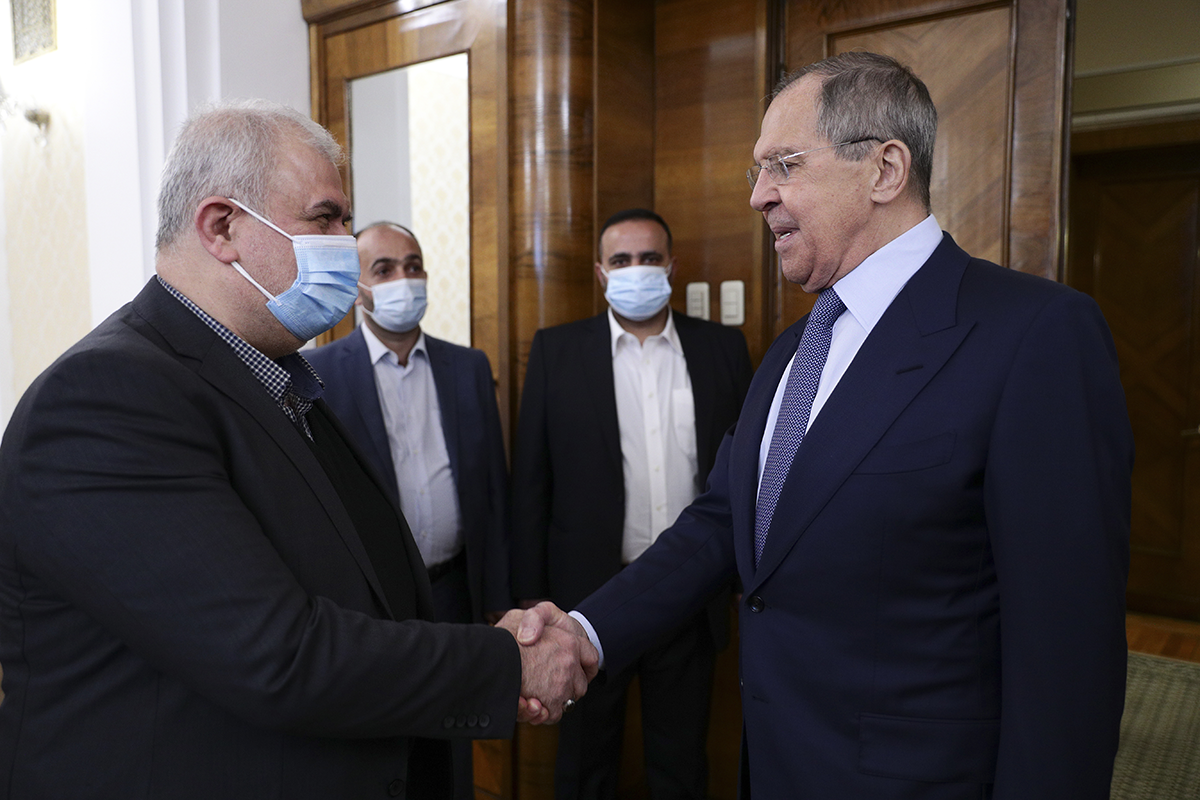
Russia is quietly strengthening its partnerships with Iran-aligned militia groups throughout the Middle East. While Russia’s military alliance with Hezbollah in Syria is well-documented, its relationships with Iran-aligned militias elsewhere in the MENA region are often overlooked. Russia engages with Hashd al-Shaabi in Iraq on security challenges, defends Hezbollah from terrorism allegations, and holds negotiations with the Houthis on ending the Yemen war. These relationships bolster the Russia-Iran partnership, further Moscow’s regional ambitions, and help Iran-aligned militias diversify their array of global partners.
For Yemen’s Houthis, the status quo is the key to power
On Monday, March 22, Saudi Arabia’s foreign minister, Prince Faisal bin Farhan al-Saud, proposed an initiative to end the war in Yemen in an offer that addressed various long-standing issues that the Houthis wanted to resolve, including lifting land and sea restrictions, and allowing fuel and food imports to the Houthi-held port of Hodeidah. The initiative proposed engaging the parties to the conflict to find a comprehensive peace agreement. The problem, however, is that the Houthis have no incentive to accept any peace proposal for the time being because a resolution to Yemen’s war, at least for now, is at odds with their political and military strategy.
Energy transition and climate change efforts in the Black Sea
The aim of COP21 in Paris was to establish global consensus and a binding agreement for climate change mitigation. And it did so, setting a goal to limit global warming to “well below 2 degrees Celsius” compared to preindustrial levels while pursuing efforts to stay even within the 1.5 degrees Celsius threshold.
No kingmaker – and no king following Israel’s latest election
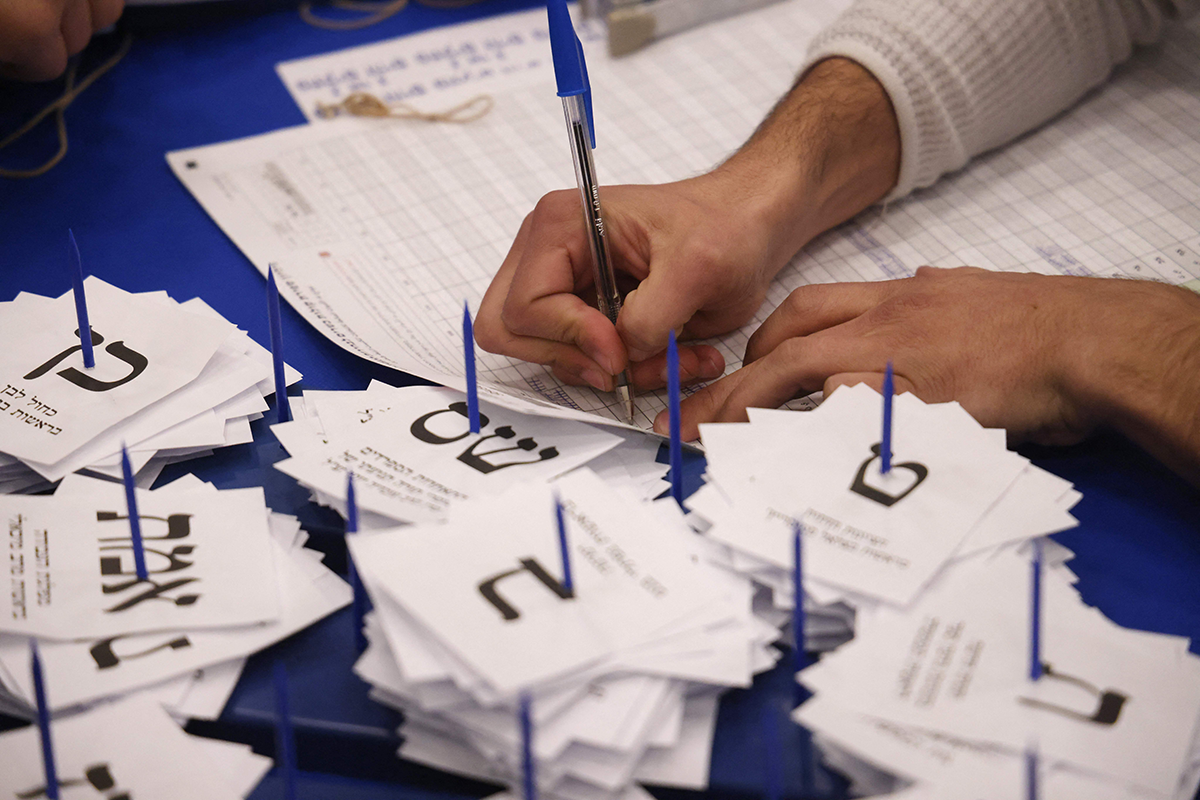
With virtually all of the vote in and results unlikely to change, it is clear: Not only will there be no kingmaker in Israel’s latest election, there will probably be no king.
The geopolitics of space: Why did the UAE send a probe to Mars?
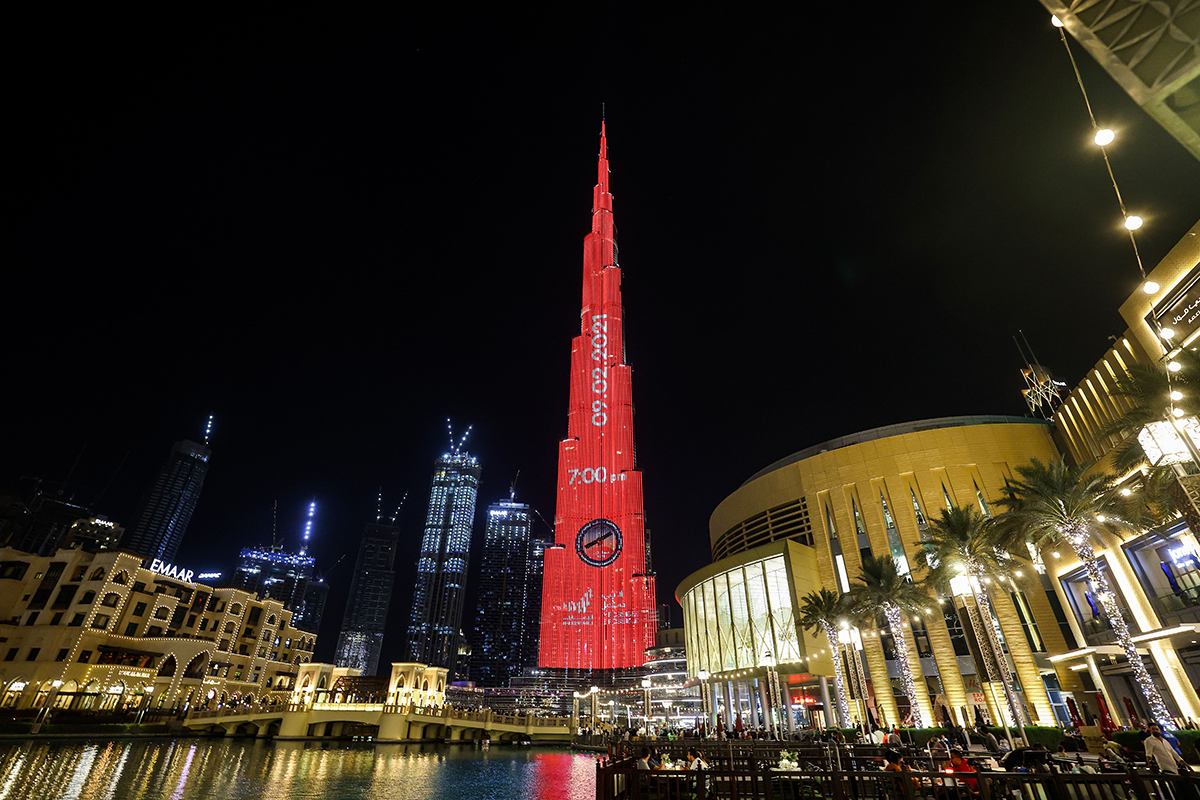
On Feb. 9, 2021, the UAE made history when its Hope Probe reached Mars and communicated back to Earth. This made it just the sixth member of the elite group of countries that have reached the Red Planet, and the first Arab nation to do so. The UAE stressed that the Mars mission is a success for all Arabs and this significant scientific feat positions Abu Dhabi not just as a leader in the Middle East, but also as an important global player in space.
6 Key Steps for Targeted US Diplomacy to Stabilize Lebanon and Advance US Foreign Policy
The Middle East Institute and the American Task Force on Lebanon (ATFL) have collaborated with the Lebanese International Finance Executives (LIFE) to produce an urgent Lebanon-focused policy brief. The brief outlines recommendations to the Biden Administration for empowering an international coalition to support the Lebanese people and strengthen their capability to promote real change.