Rebecca Anne Proctor is an independent journalist, editor, author, and broadcaster based in Dubai and Rome, from where she covers the Middle East and North Africa. She is the former editor-in-chief of Harper’s Bazaar Art and Harper’s Bazaar Interiors.
The Latest from Rebecca Anne Proctor
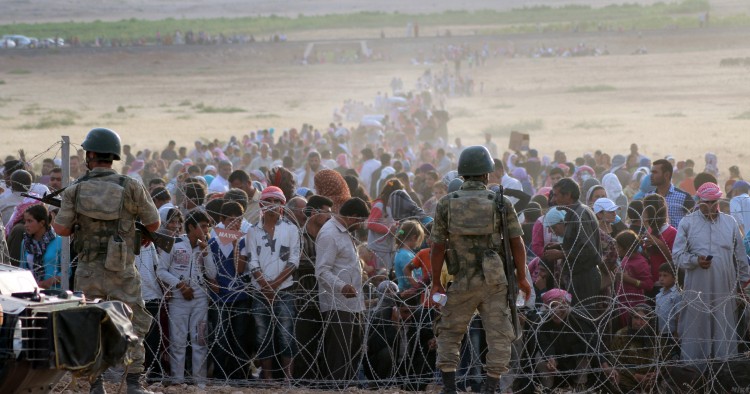

Yemen's dire crisis continues
MEI’s Gerald Feierstein and Mick Mulroy join host Alistair Taylor to discuss the ongoing conflict in Yemen and the country faces crises on multiple fronts, from the unchecked spread of COVID-19 and widespread hunger to renewed fighting and a lack of international funding.
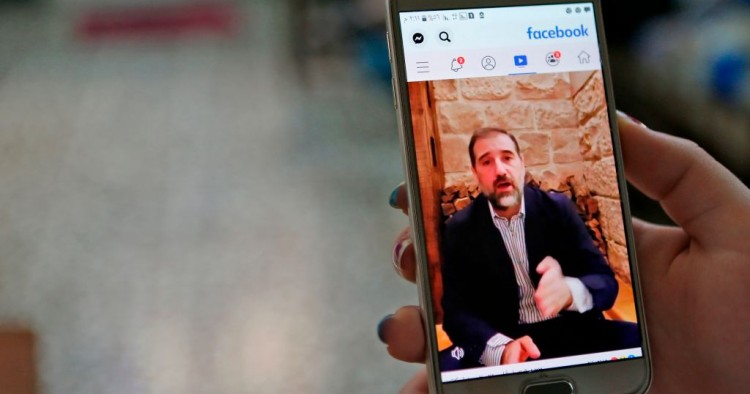
Assad tends to his base by making amends with the Makhloufs
Reports emerged this week that President Bashar al-Assad traveled on Sunday to his ancestral hometown and Alawi stronghold of Qardaha for a meeting with members of the powerful Makhlouf family.
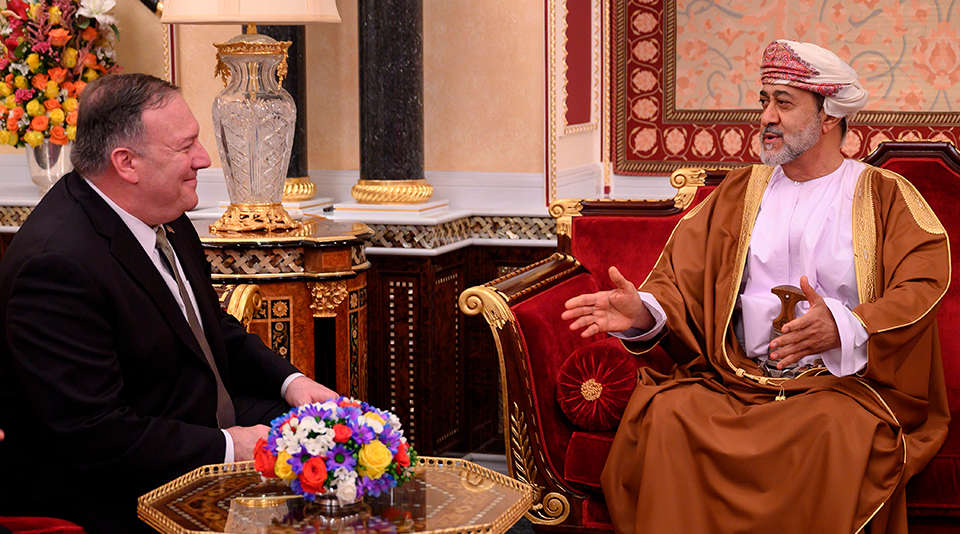
Oman’s regional role in a time of challenge and change
Oman’s independent and creative foreign policy has been a boost to a region fraught with instability, but the combination of a new sultan and an adverse regional environment means Muscat’s trademark foreign policy may be diminished.
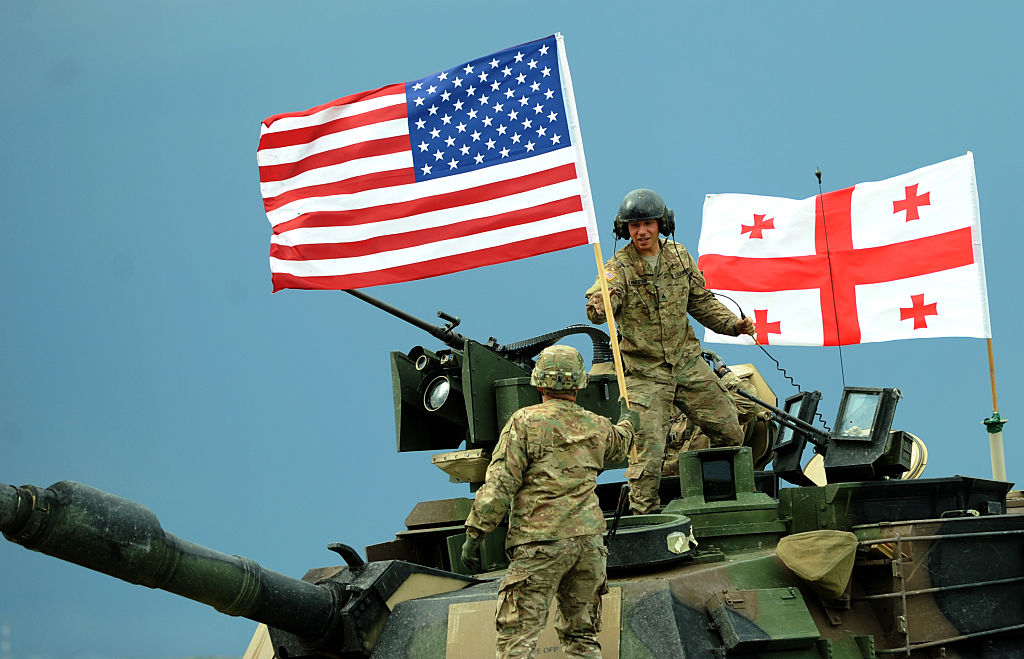
Georgian Defense Forces: The role of military partnerships
Following the dissolution of the Soviet Union, an independent Georgia found itself challenged by the separatist movements backed by the Russian Federation in the Abkhazia and Tskhinvali regions, leading to civil war in the early 1990s.
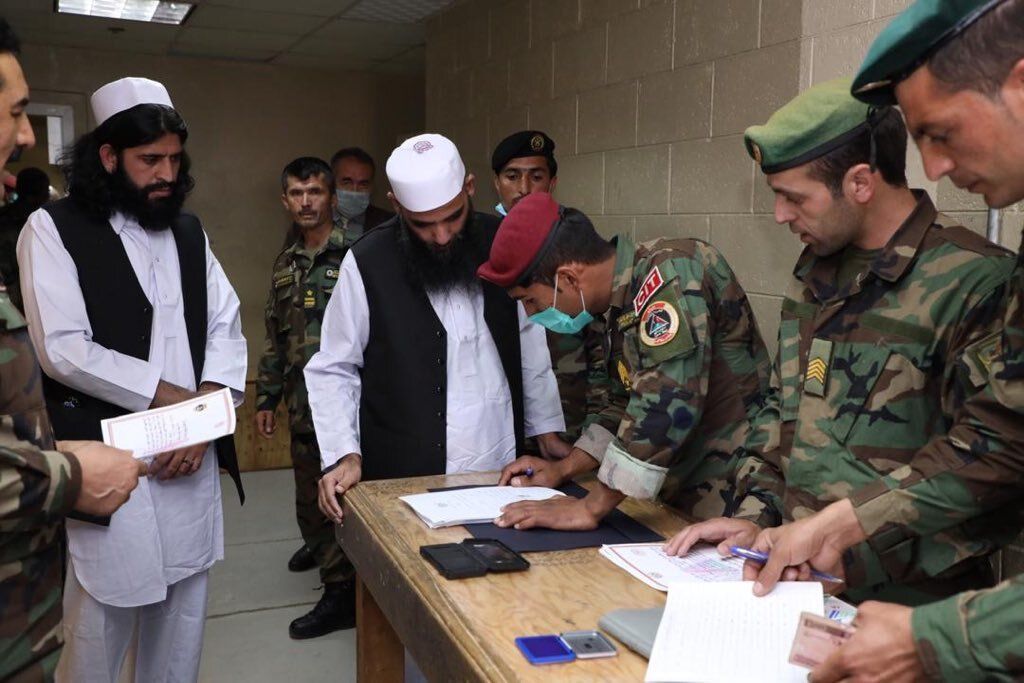
Hurdles on the road to peace in Afghanistan
The hurdles encountered in kick-starting the intra-Afghan talks seem to be more daunting than anticipated. This has not only delayed a process that was scheduled to begin immediately after the Doha agreement in February, but has also underlined the bumpy road that lies ahead for various stakeholders to reach a consensus on Afghanistan’s national destiny.
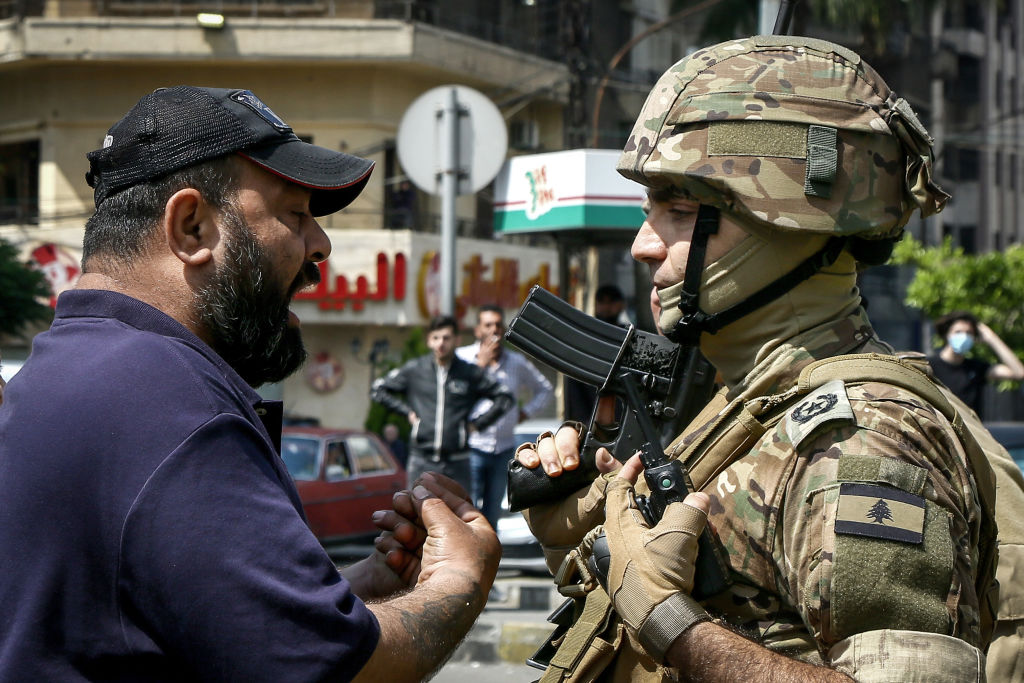
After deadly Beirut explosion, Lebanese army must maintain neutrality
Soldiers refuse to stand with protesters amid growing criticism from Hezbollah.
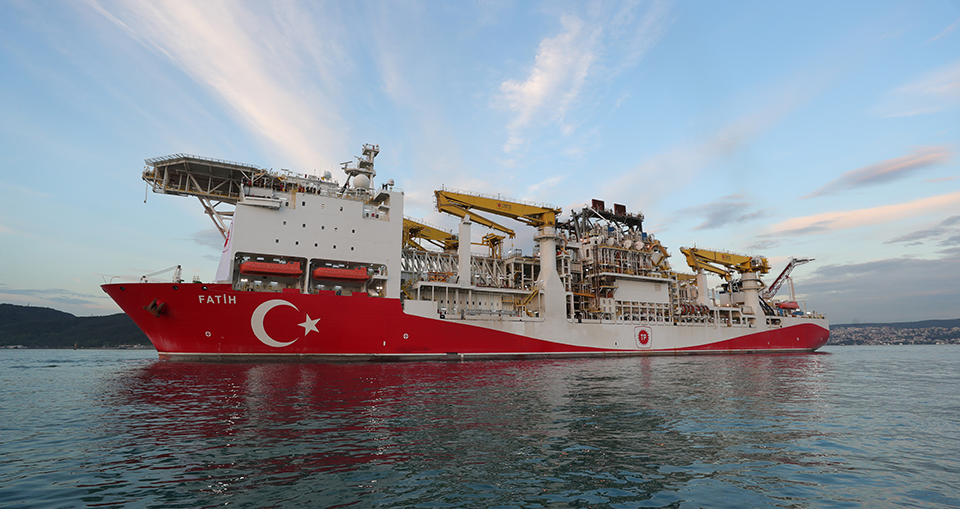
Erdogan pulls a rabbit out of his hat with Black Sea gas find, but is it all it seems?
“God has opened the door to unprecedented wealth for us,” said an enthusiastic Recep Tayyip Erdogan as he announced that Turkey had made its biggest-ever discovery of natural gas on Aug. 21. He promised that gas from the 320-billion-cubic-meter deep-sea find would reach consumers in 2023, but industry experts are skeptical and have raised questions about the feasibility of the discovery.
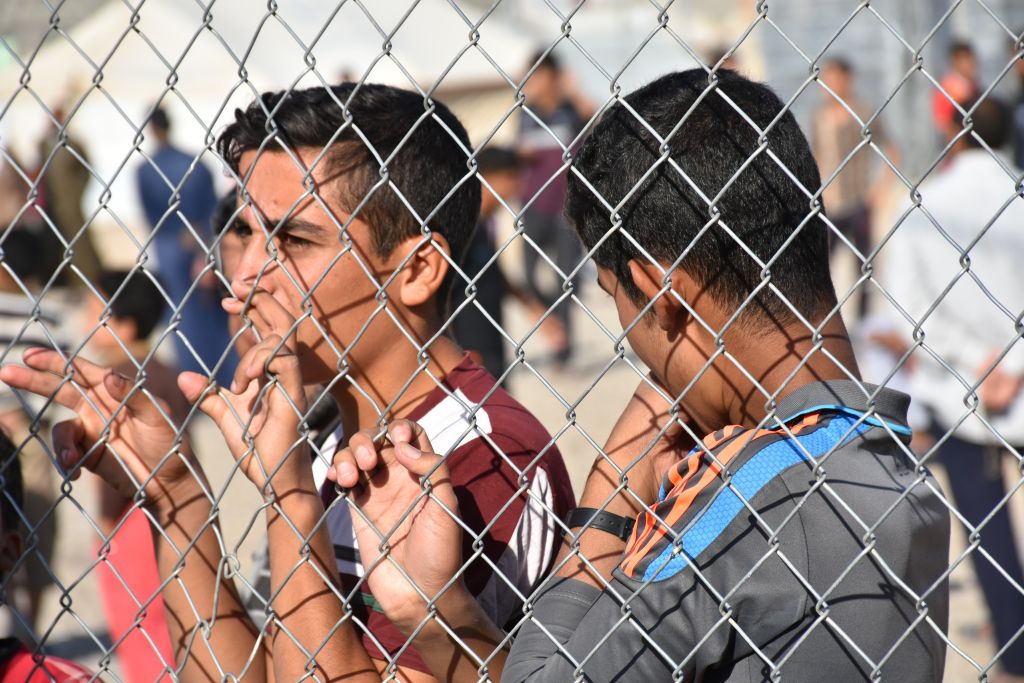
Biometrics, refugees, and the Middle East: Better data collection for a more just future
The increasing adoption of biometric technology by governments, aid organizations, and other stakeholders in the Middle East has critical implications for regional developments in business, governance, and society. And while some observers and stakeholders have noted the potential for such tools to streamline security infrastructure and provide opportunities for sectors as diverse as mobile payment and financial security, a growing chorus of voices has raised concern about the potential of biometric data to similarly streamline violations of human rights, particularly those of the region’s most vulnerable populations.
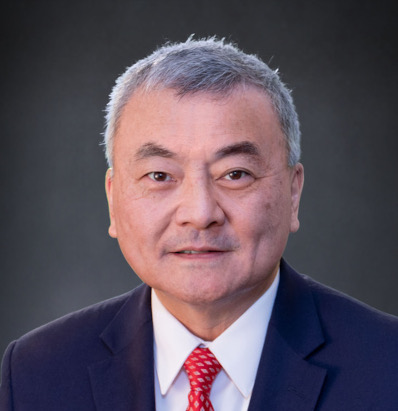
MEI Defense Leadership Series: Episode 6 with Lieutenant General (Ret.) Michael K. Nagata
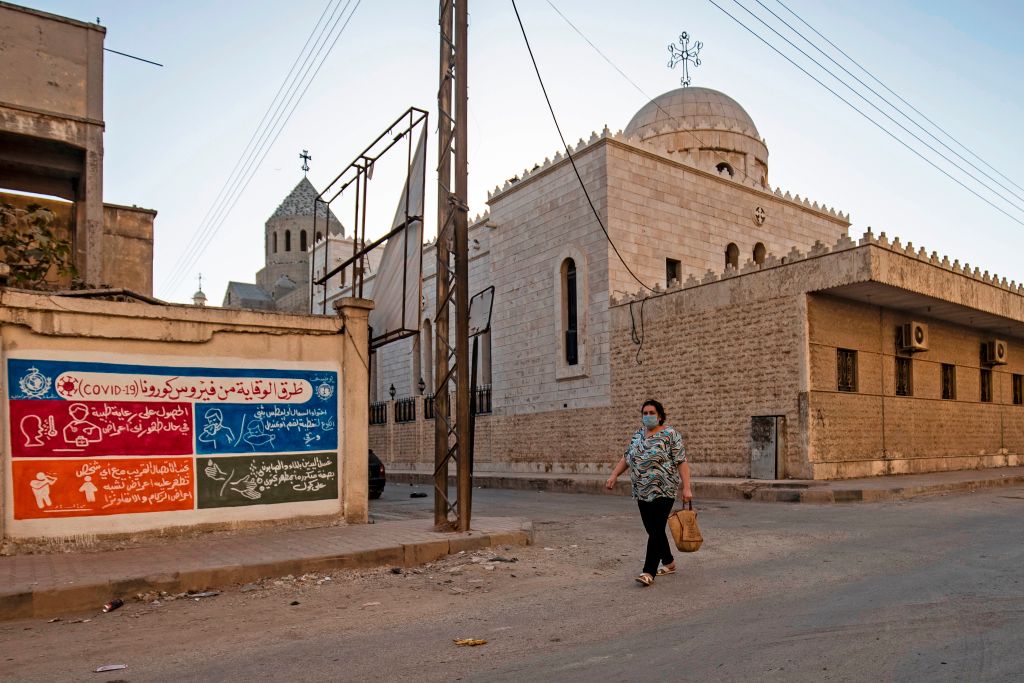
Monday Briefing: Constitutional Committee talks highlight Syria’s spiraling COVID crisis
This week’s briefing on recent news and upcoming events in the region featuring Charles Lister, Randa Slim, Jonathan M. Winer, Alex Vatanka, Marvin G. Weinbaum, Robert S. Ford, Mirette F. Mabrouk, and Syed Mohammad Ali.
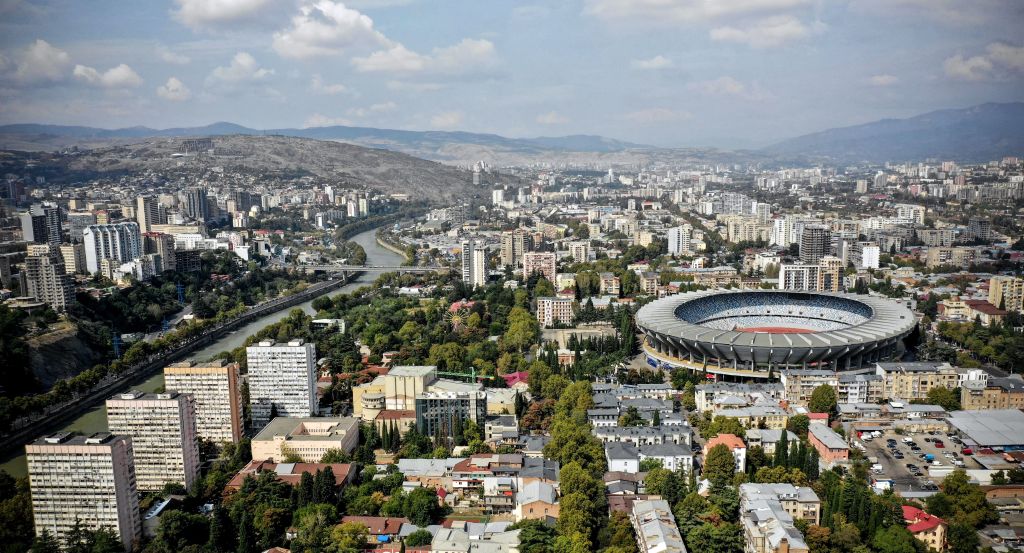
Petrodollars and pandemic: GCC tourism in Georgia
In one of the interesting turnarounds in recent years, travel flows between the Black Sea region and the Middle East have undergone a silent change. During the past decade, this southward flow of shuttle migrants was replaced by Middle Easterners heading northwards in search of promising business opportunities and alternative holiday destinations.
بما أن حفتر يرفض وقف إطلاق النار في ليبيا، فإن تجديد الدبلوماسية بات أمرا حتميا
في 21 من شهر أغسطس الجاري تم الاتفاق على وقف إطلاق النار في ليبيا من قبل رئيس المجلس الرئاسي فايز السراج، ورئيس مجلس النواب في شرق ليبيا، عقيلة صالح.
كان من المفترض أن يكون الاتفاق خطوة ملموسة لوقف الصراع العسكري الذي تصاعدت حدته في 4 أبريل 2019، عندما بدأ الدكتاتور الليبي المحتمل خليفة حفتر، حملة عسكرية لغزو طرابلس التي كانت تعد بمثابة العاصمة الوطنية للبلاد.
تم دعم الاتفاق على الفور من قبل الأمم المتحدة، والولايات المتحدة، وبعض الأطراف الأجنبية التي تدعم كل جانب على حدة.
Conflict in the South Caucasus
Tom de Waal, Nicole Grajewski, and Theodore Karasik join host Alistair Taylor to discuss the recent border hostilities between Azerbaijan and Armenia and the role that Russia, Turkey, and Iran are playing in the geostrategically important South Caucasus.
حلقة 6: إقتصاد لبنان قبل وبعد الانفجار— مع علياء المبيّض
ما هي صورة الاقتصاد الكلّي في لبنان اليوم؟
ما هي التحديات الأساسية بعد الانفجار، وخصوصاً في قطاع الخدمات والأعمال؟
لم انهار القطاع المصرفي بشكل كبير، وكيف سيؤثر ذلك على قدرة لبنان على استلام المساعدات الدولية؟
ما هي احتمالات أن يستلم لبنان مساعدات أو قروض من صندوق النقد الدولي؟
ما هي المؤشرات أو المسائل الأساسية التي يجب أن نركّز عليها لنستطيع تقييم اذا ما كانت الحالة تتحسّن أو تزداد سوءاً؟
ما هو دور المجتمع المدني في الجانب الاقتصادي، وكيف يمكن أن يكون محفّز للإصلاحات في لبنان؟



