This individual is a guest contributor. MEI is not able to assist with contact requests.
Rebecca Anne Proctor is an independent journalist, editor, author, and broadcaster based in Dubai and Rome, from where she covers the Middle East and North Africa. She is the former editor-in-chief of Harper’s Bazaar Art and Harper’s Bazaar Interiors.
لماذا يعد رد طهران على اعتراض الولايات المتحدة لطائرة الركاب الإيرانية أكثر من مجرد حملة علاقات عامة
“تهدف السلطات الإيرانية إلى الاستفادة من هذه الحلقة كوسيلة للضغط على دول المنطقة التي توفر قواعد عسكرية للجيش الأمريكي.”
تشعر طهران بقلق شديد من اعتراض طائرة مدنية إيرانية فوق سوريا في 23 من شهر يوليو من طرف طائرتان أمريكيتان من طراز F-15. وما أثار انتباه وسائل الإعلام الغربية هو اتهام إيران للولايات المتحدة بالقيام بأعمال “قرصنة” و”إرهاب” في المجال الجوي السوري.
اتهامات طهران كانت متوقعة وتعد مجرد حلقة أخيرة في سلسلة الاتهامات والاتهامات المضادة بين الولايات المتحدة وإيران.
حلقة 4: الأصوات الأمريكية المسلمة ومعادلة الانتخابات — مع وائل الزيات
خاطب جو بايدن المجتمع المسلم-الأمريكي بشكل مباشر في حملته الانتخابية، في خطوة غير مسبوقة من المرشحين الرئاسيين. هل يرمز ذلك لمرحلة جديدة من العلاقة بين الإدارة الأمريكية والمجتمع المسلم الأمريكي؟
هل كانت وعود جو بايدن كافية بالنسبة للمسلمين الأمريكيين؟ ما الذي أغفله؟
ما هي أولويات العرب والمسلمين الأمريكيين في الولايات المتحدة على الصعيد السياسي؟ ما هي متطلباتهم الأساسية والقضايا التي تؤثر على حياتهم اليومية؟
Syria’s 2020 parliamentary elections: The worst joke yet
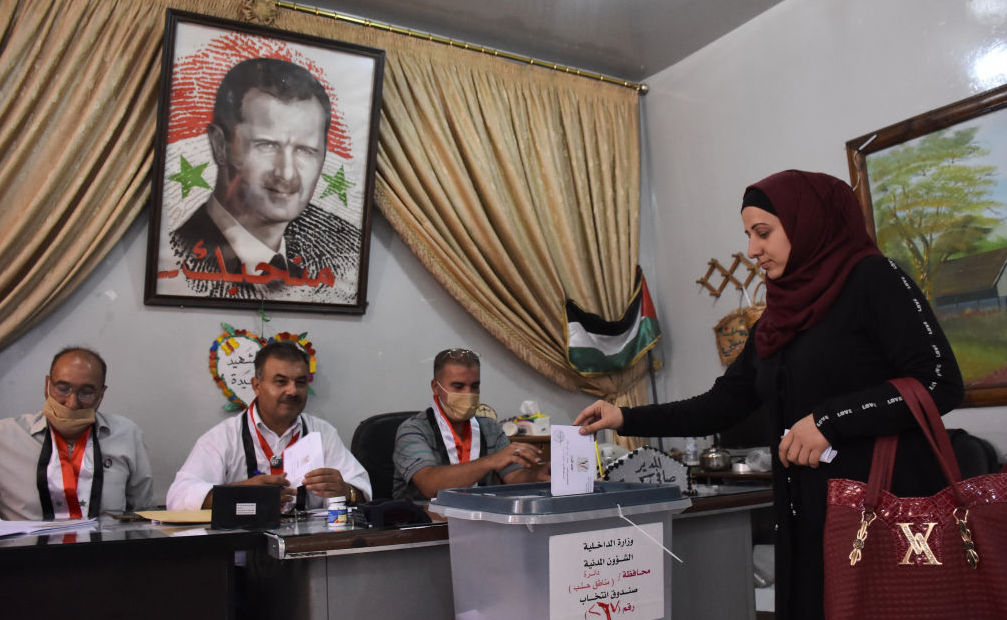
Syria’s recent parliamentary elections, held on July 19, set a new precedent for the Assad regime, and there were 10 key differences from the previous elections that have been held since they were first introduced by Hafez al-Assad in 1973.
Azerbaijan-Armenia clashes put an end to cautious optimism
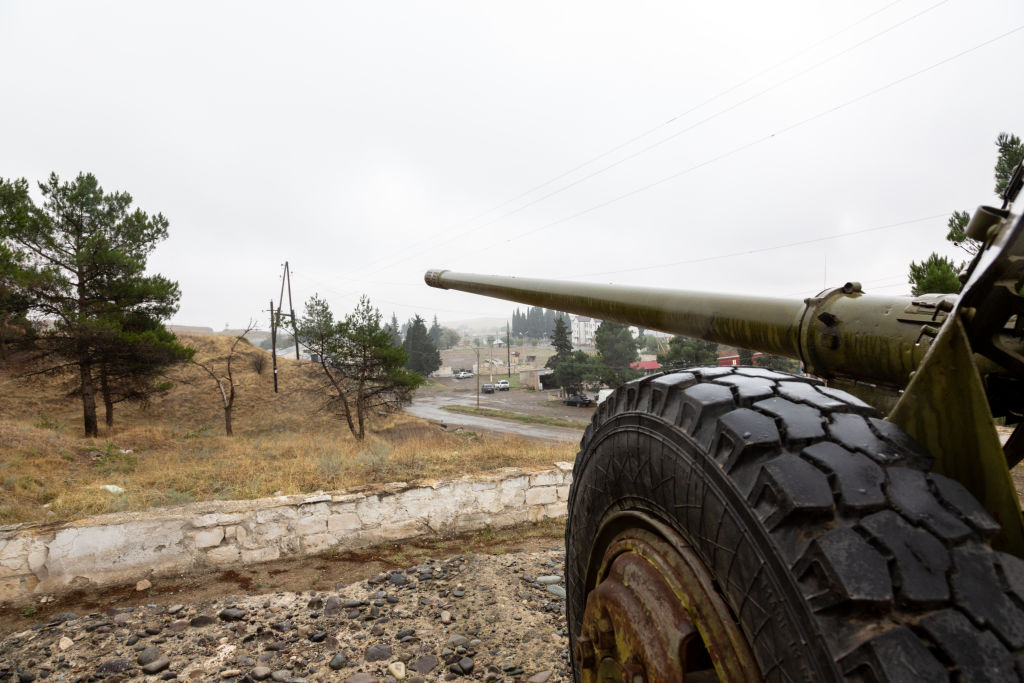
On July 12, military clashes broke out between Armenia and Azerbaijan, quickly escalating into the single deadliest incident since the “four-day war” of April 2016. While violent outbreaks between the two sides are common, they usually occur on the Line of Contact around Nagorno-Karabakh and its surrounding territories. This time, however, fighting erupted along the internationally recognized Armenia-Azerbaijan border, far away from the actual conflict zone. With heavy use of artillery, drones, cyberattacks and disinformation – causing at least 17 combined casualties, including a well-known Azerbaijani army general – the violence risked spiraling into a major war.
Linking the past to the future: Economic diversification and tourism in Oman
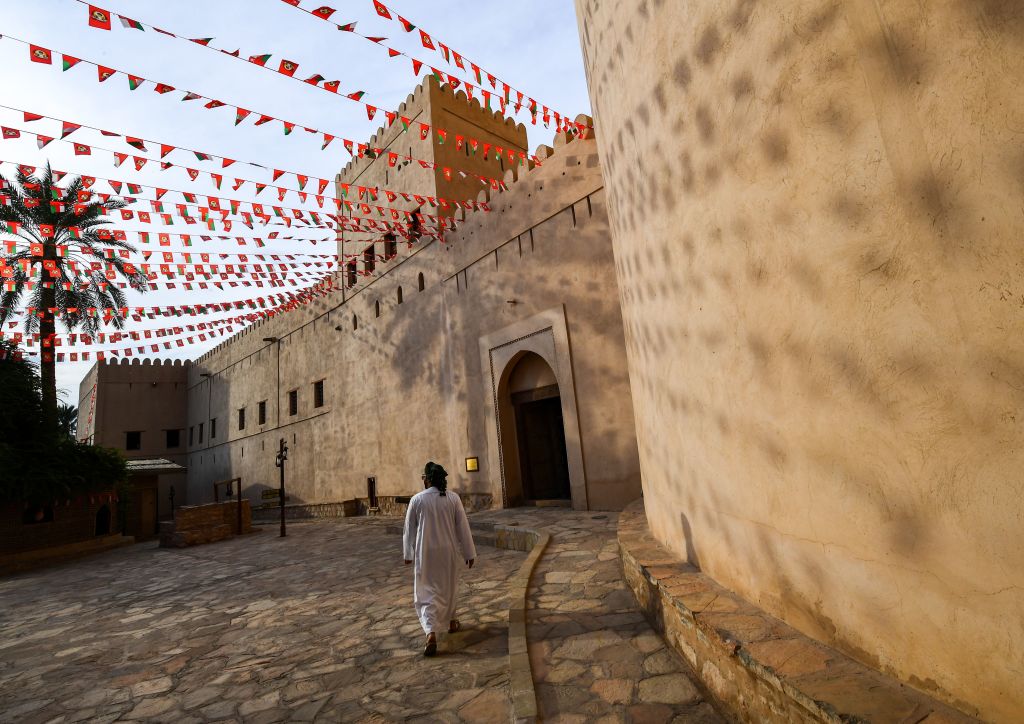
Oman’s new ruler, Sultan Haitham, only has a short timeframe in which to aggressively diversify the country’s economy and reduce its dependency on hydrocarbon exports. This already difficult task is further complicated by the twin challenges of the global coronavirus pandemic and low oil prices, both of which limit the government’s fiscal room for maneuver. One obvious sector that Oman should consider expanding rapidly is its tourism industry.
Jerry Feierstein, Karen Young, and Dania Thafer join host Alistair Taylor to discuss the political, economic, and foreign policy challenges facing the sultanate and its new ruler, Sultan Haitham bin Tariq, who ascended to the throne following the death of Sultan Qaboos, Oman’s long-time ruler, in early January.
Somaliland’s ports: The Horn of Africa’s most valuable real estate
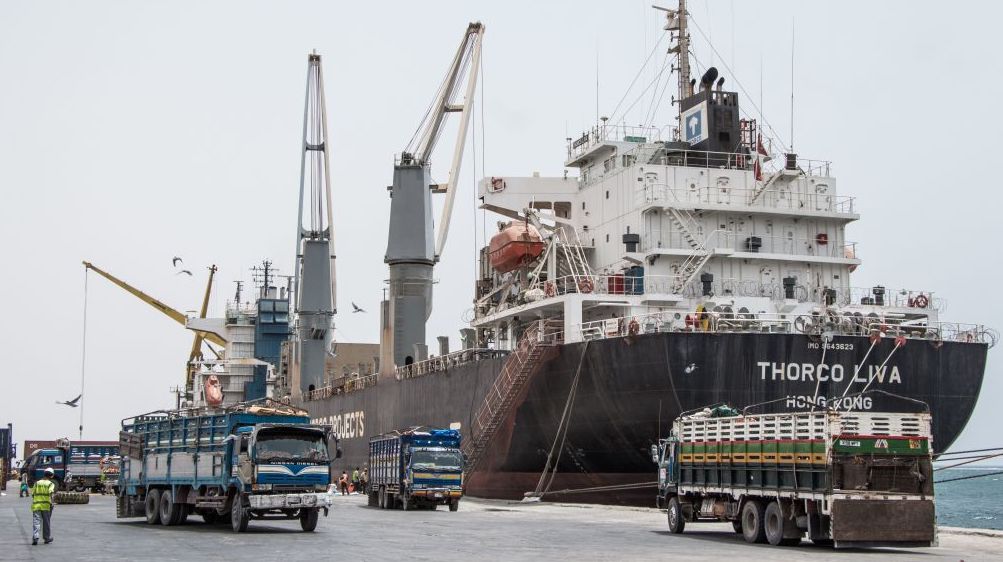
Berbera and Zeila, two of the Horn of Africa’s ancient trading cities, have long attracted the interest of global powers because of their strategic location near the Bab el-Mandeb Strait connecting the Gulf of Aden and the Red Sea. This location makes Somaliland’s coastal ports among the region’s most valuable real estate.
Positioning the Provinces Along China’s Maritime Silk Road
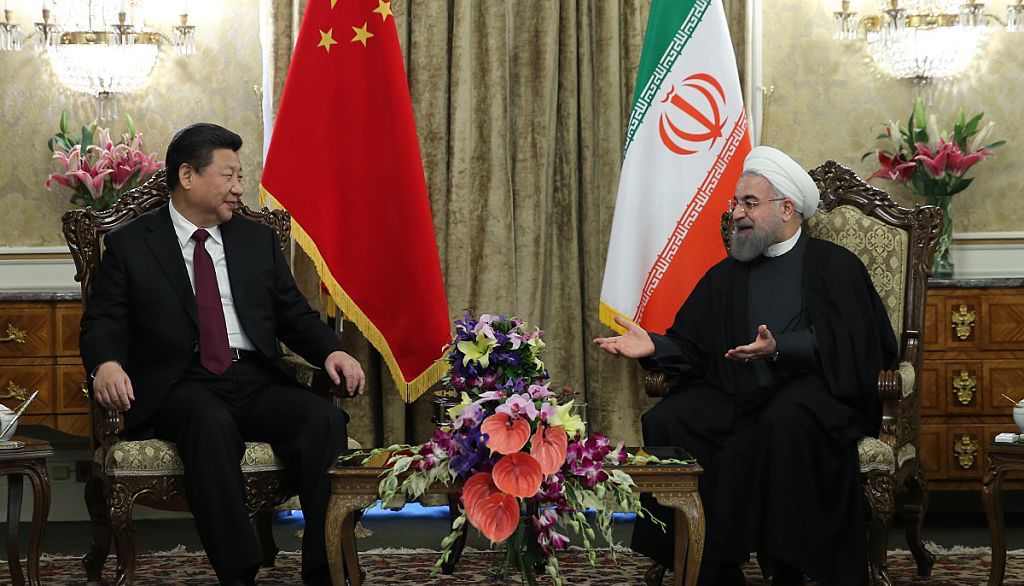
China’s Belt and Road Initiative (BRI) is a central policy framework with decentralized initiatives. Under the BRI’s Silk Road Economic Belt (SREB) and the Maritime Silk Road (MSR), China’s inland provinces and coastal peers have been obliged to implement the top-down national strategy while at the same time having been granted the latitude to interpret the strategy to suit their commercial interests. This article looks at how Fujian and Jiangsu provinces have sought to position themselves along the Maritime Silk Road with respect to their relations with Middle Eastern partners.
While the US is not a Black Sea country, it needs to be a Black Sea power
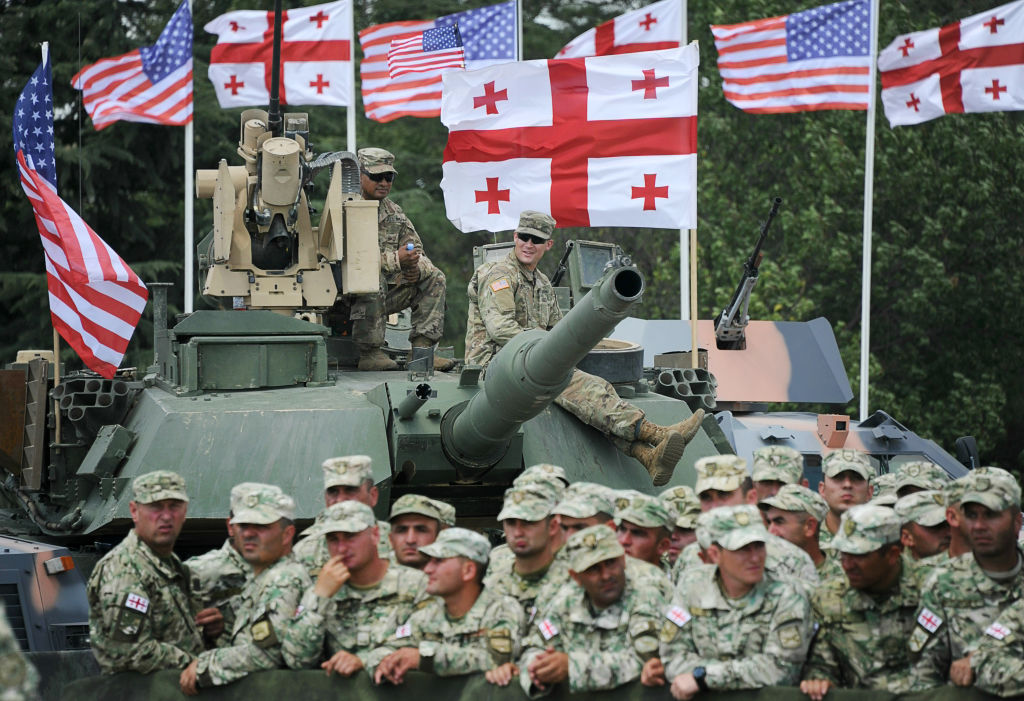
For many policymakers the Black Sea is a secondary consideration when it comes to transatlantic security. A lack of resources by NATO members meant that initiatives taken to bolster territorial defense were limited geographically after Russia’s invasion of Ukraine. At the time, Baltics were seen as the most pressing priority. Instead of bolstering NATO’s frontline from the Baltic to the Black Sea, the alliance instead focused most of its energy and resources on northeastern Europe.
The potential cyber consequences of Israeli annexation of Palestinian territory
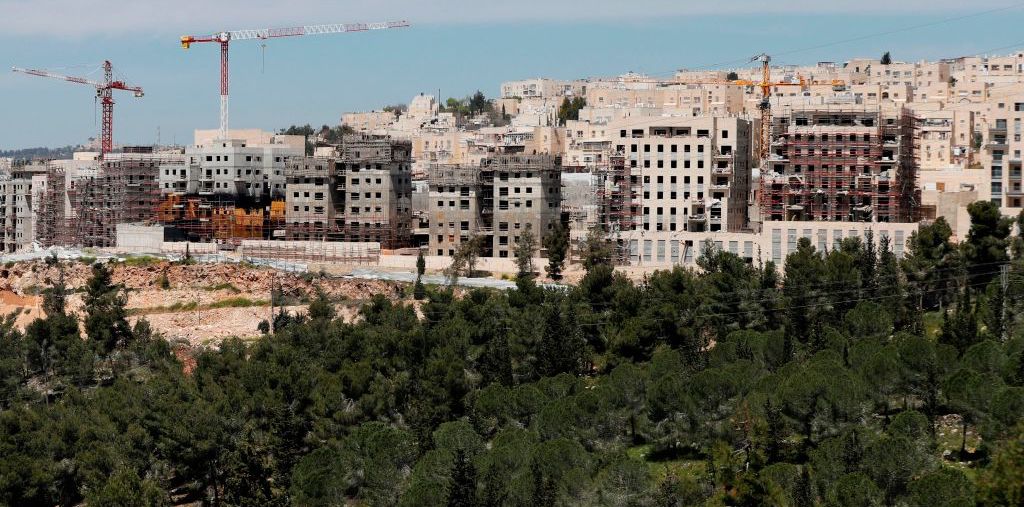
While it seems as though the immediate threat of Israeli annexation has, for the time being, faded, the incident raises an interesting new set of questions about how this particular battle will continue to play out in an increasingly digitized Middle East and the potential for retaliation by Palestinian and other actors in cyberspace, whether or not such an annexation takes place.
Monday Briefing: Red lines and rising tensions in Libya
In this week’s Monday Briefing, MEI experts Mirette F. Mabrouk, Robert S. Ford, Nazila Fathi, and Marvin G. Weinbaum provide analysis on recent and upcoming events including rising tensions in Libya, economic turmoil and anti-regime protests in Iran, and the Jordanian high court’s decision to dissolve the Muslim Brotherhood.
الأزمات الاقتصادية وعمليات الإعدام المتكررة تسببت في اندلاع احتجاجات جديدة في إيران
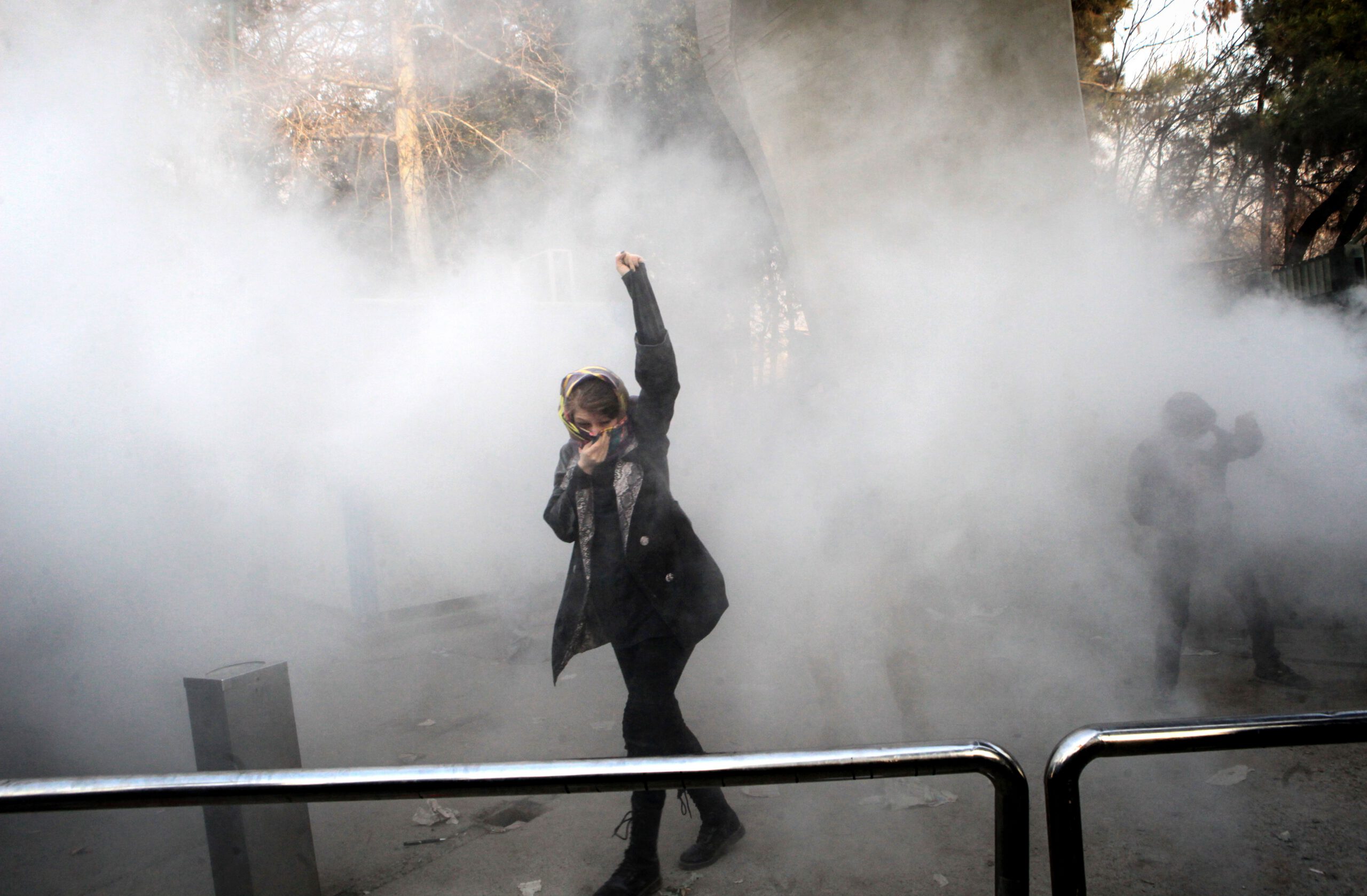
اندلعت احتجاجات مناهضة للنظام الإيراني في عدة مدن إيرانية أواخر الأسبوع الماضي وسط تزايد البؤس الاقتصادي، وبعد أن أيدت محكمة محلية أحكام الإعدام في حق ثلاثة شبان، مما أثار غضب الشارع.
وأظهرت مقاطع فيديو منشورة على منصة تويتر، وجودًا كثيفًا لقوات الأمن في عدة محافظات، بما في ذلك طهران، خراسان، وخوزستان التي شهدت اشتباكات دموية خلال احتجاجات نوفمبر الماضي.