This text has been translated by AI and may contain errors.
Skip to Content

Rebecca Anne Proctor

This individual is a guest contributor. MEI is not able to assist with contact requests.

Rebecca Anne Proctor is an independent journalist, editor, author, and broadcaster based in Dubai and Rome, from where she covers the Middle East and North Africa. She is the former editor-in-chief of Harper’s Bazaar Art and Harper’s Bazaar Interiors.

The Latest from Rebecca Anne Proctor

Filter by
9993 Results
Tragedy and farce in Libya
Photo by Hazem Turkia/Anadolu Agency via Getty Images
  • Commentary
  • Tragedy and farce in Libya

    Last week Libya witnessed one of the oldest tricks in the book: unilaterally declare a cease-fire at exactly the moment when your opponents are poised to gain territory.

    May 4, 2020

    Sudan, Hong Kong, and Venezuela: Key takeaways from popular protest movements
    KHARTOUM, SUDAN - June 30: Protesters calling for a civilian government held large protests in Khartoum to commemorate those who were killed June 30, 2019 in Khartoum, Sudan. The protesters stopped in the main airport road facing off with armed forces.(Photo by David Degner/Getty Images).
  • Commentary
  • Sudan, Hong Kong, and Venezuela: Key takeaways from popular protest movements

    The COVID-19 pandemic has delayed elections and brought about a surge in disinformation and rising authoritarianism worldwide. Popular protest movements are seeking ways to adapt to this new reality, and their survival is perhaps more important than ever in ensuring governments take a citizen-centered approach to the management of this crisis.

    May 1, 2020

    Is Idlib set for internal strife?
    Photo by OMAR HAJ KADOUR/AFP via Getty Images
  • Analysis
  • Is Idlib set for internal strife?

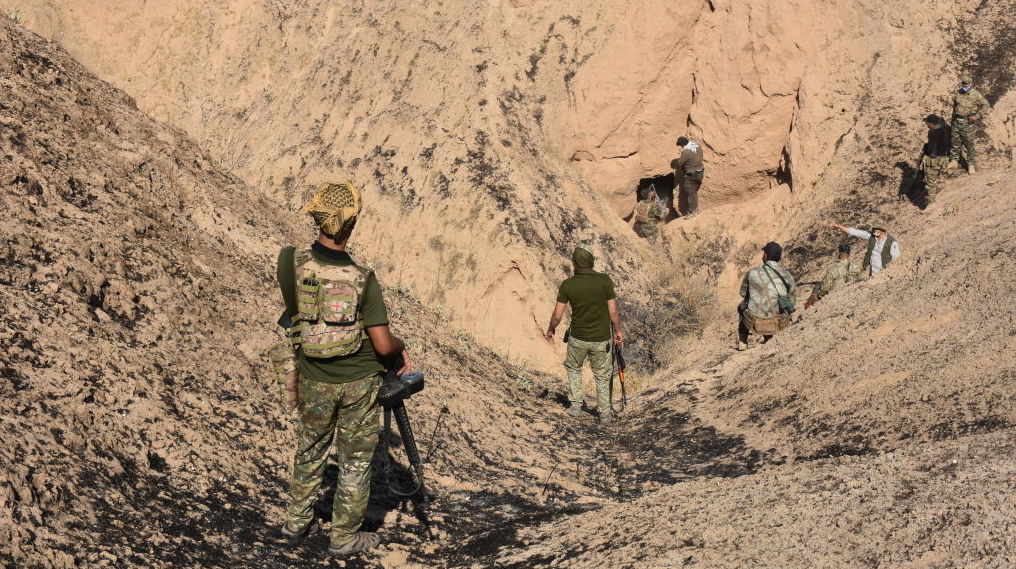
    With its territory under increasing pressure, its finances dwindling, and manpower more challenged than ever, HTS’s ability to balance its extremism with controlled uses of pragmatism is under strain. Internally, its leadership is bitterly divided over decisions of the past, present, and future and externally, its rivals and enemies all appear to be conspiring against it. In an attempt to protect internal cohesion, HTS has become determinedly self-assertive in recent weeks, pursuing unpopular policies such as trading with the regime and lashing out at those brave enough to express their dissatisfaction. In response to HTS aggressions, a wider array of opposition voices — both moderate and Islamist — are declaring loudly that HTS now represents a threat to their revolution.

    Waiting for the bad to get worse: Lebanon in the time of corona
    Photo by PATRICK BAZ/AFP via Getty Images
  • Analysis
  • Waiting for the bad to get worse: Lebanon in the time of corona

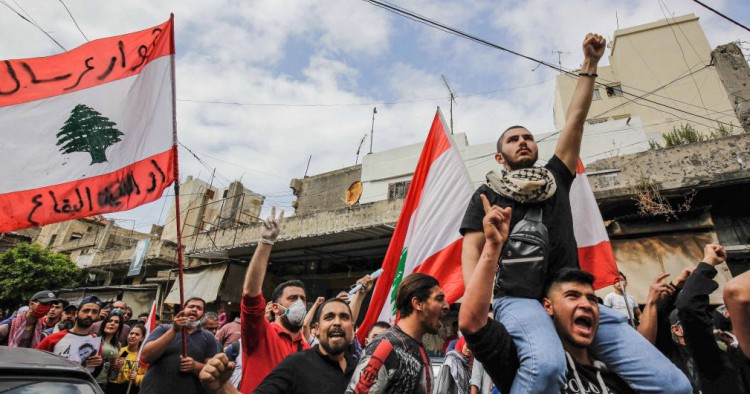
    In a country already beset by economic and financial crises, COVID-19-related lockdown measures, without accompanying government assistance, are increasingly pushing impoverished residents to the brink. Lockdown measures will gradually start to lift this week. But the lockdown only accelerated the inevitable economic freefall and lifting the measures will not solve the country’s economic woes. “There is a predicament coming that is much bigger than corona … the economy is the bigger crisis,” a political activist in Dahiyeh says.

    April 30, 2020

    Protest movements in Algeria, Iraq, and Lebanon during COVID-19
    Middle East Institute
  • Podcast
  • Protest movements in Algeria, Iraq, and Lebanon during COVID-19

    Vish Sakthivel, Hafsa Halawa, and Nour El-Achi join host Alistair Taylor to discuss the impact of the coronavirus pandemic on protest movements in Algeria, Iraq, and Lebanon. While each case is unique, all three movements are pushing for sweeping reforms of the corrupt political system, a change in the ruling elite, and improved state services.

    April 30, 2020

    Can corona diplomacy cure Turkey’s foreign policy isolation?
    Photo by Ali Balikci/Anadolu Agency via Getty Images
  • Analysis
  • Can corona diplomacy cure Turkey’s foreign policy isolation?

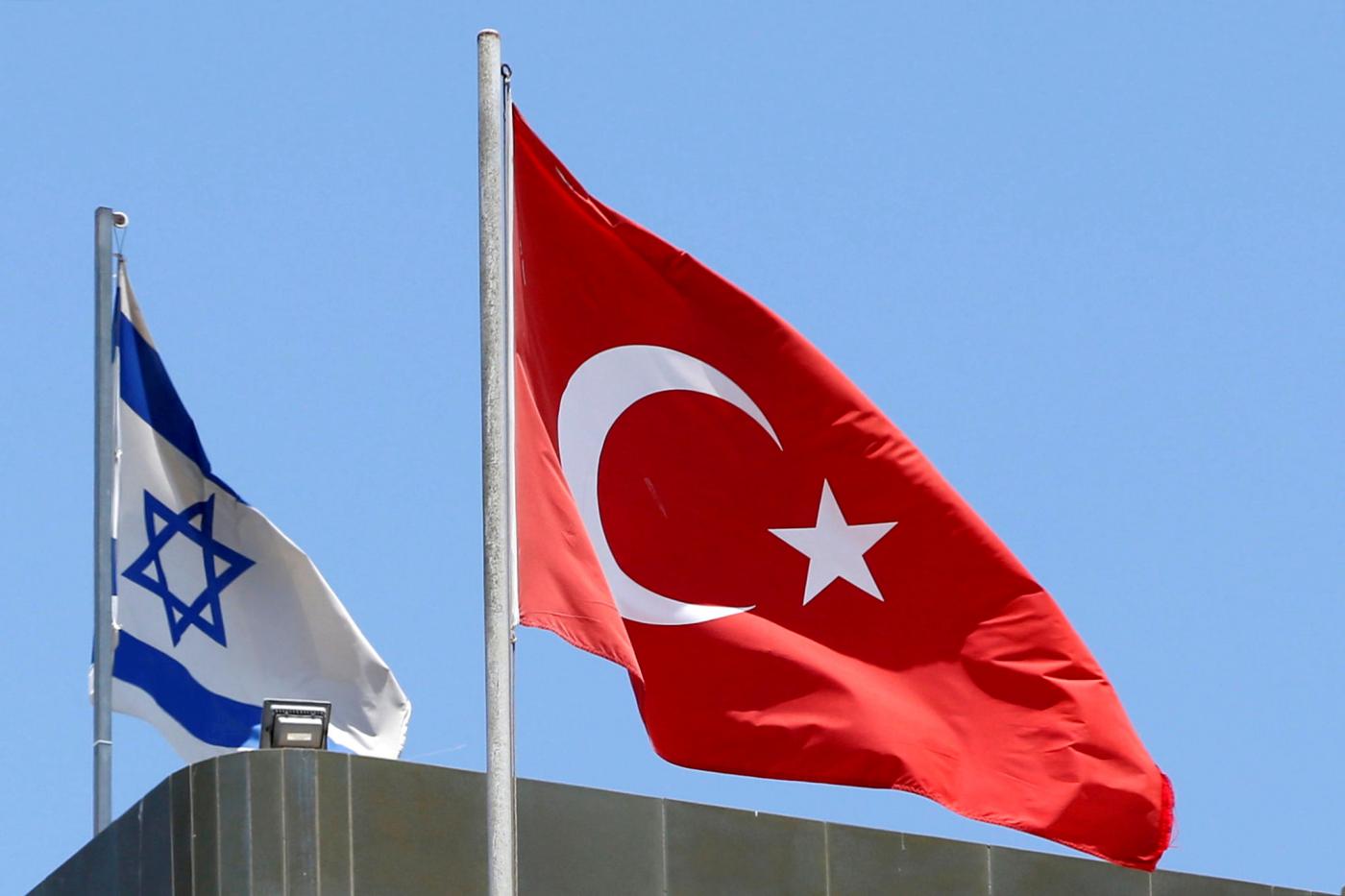
    Even before the coronavirus upended life around the world, Turkey’s President Recep Tayyip Erdogan was already grappling with a host of problems. Then COVID-19 hit the country. Many argue the virus will exacerbate Erdogan’s problems but where others see a problem, Turkey’s president sees an opportunity. He is using the crisis to undercut the opposition, distribute government contracts to his loyalists, and punish his critics. Erdogan is relying on the virus to score foreign policy points as well. Sending medical aid to its neighbors and beyond helps assert Turkey’s leadership and improves its shattered image. The coronavirus likewise provides an excuse to remove a long-time irritant in Ankara’s ties with Washington and perhaps end its isolation in the region.

    “Self-rule” in Aden and the implications for Russia
    Fighters with Yemen's separatist Southern Transitional Council (STC) deploy in the southern city of Aden, on April 26, 2020, after the council declared self-rule in the south. - Yemeni separatists declared self-rule of the country's south as a peace deal with the government crumbled, complicating a long and separate conflict with Huthi rebels who control much of the north. (Photo by Mohamed Abdelhakim / AFP)
  • Analysis
  • “Self-rule” in Aden and the implications for Russia

    Russia acts as a “key if quiet player” in southern Yemen, where its approach has been based on strategic neutrality. The goal has been to position Moscow as a greater stakeholder in mediation between the various Yemeni parties and outside players. Moscow has engaged the Southern Transitional Council, the UN-recognized Yemeni government led by President Abed Rabbo Mansour Hadi, the Houthi rebels, as well as the three main regional powers intervening in Yemen — Saudi Arabia, the UAE, and Iran.

    April 29, 2020

    Yemen's competition for Saudi patronage heats up as the STC declares self-rule
    Photo by SALEH AL-OBEIDI/AFP via Getty Images
  • Analysis
  • Yemen's competition for Saudi patronage heats up as the STC declares self-rule

    On April 25, the Southern Transitional Council declared self-administration and claimed authority over state institutions in the interim capital of Aden. The declaration demonstrates the region’s volatility, the limited reach of Yemen’s government, and the difficulty of imposing a solution to the problem of secessionism. It is also sparking political competition for Saudi patronage, and all of this poses a major diplomatic challenge for the Saudis.

    April 29, 2020

    EU-MENA relations in a time of pandemic
    BRUSSELS, BELGIUM - APRIL 22: High Representative of the European Union for Foreign Affairs and Security Policy Josep Borrell Fontelles talks to the media at the end of the meeting of the EU Foreign affairs Ministers on April 22, 2020 in Brussels, Belgium. The Coronavirus (COVID-19) pandemic has spread to many countries across the world, claiming over 178,000 lives and infecting over 2.5 million people. (Photo by Thierry Monasse/Getty Images)
  • Analysis
  • EU-MENA relations in a time of pandemic

    Everything is changing rapidly amid the COVID-19 pandemic. These changes are occurring primarily at the national level, affecting politics, society, and economics, but the pandemic is also having a major impact on international relations.

    April 28, 2020

    The Impact of the Coronavirus Pandemic on China’s Belt and Road Initiative in the Middle East
    (Photo by Ziad Ahmed/NurPhoto via Getty Images)
  • Analysis
  • The Impact of the Coronavirus Pandemic on China’s Belt and Road Initiative in the Middle East

    The coronavirus has hit the Middle East at a time when the region is already burdened with multiple problems, including a series of long-running conflicts, sectarian tension, economic crises, and widespread political unrest. This article provides a preliminary assessment of the effects of the covid-19 virus on China’s Belt and Road partners and activities in the region.

    April 28, 2020

    Israel: Sliding toward annexation
    Photo by AHMAD GHARABLI/AFP via Getty Images
  • Commentary
  • Israel: Sliding toward annexation

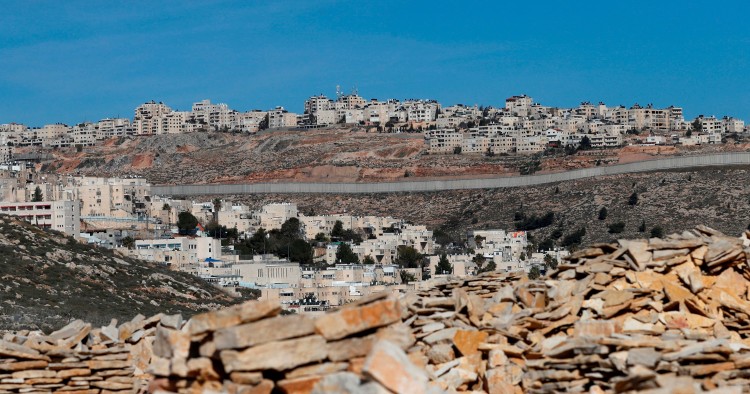
    While there is no shortage of rhetorical opposition to Israeli annexation from all corners, the question now is whether any of them intend to follow up their strong words with concrete actions.

    April 27, 2020