Rebecca Anne Proctor is an independent journalist, editor, author, and broadcaster based in Dubai and Rome, from where she covers the Middle East and North Africa. She is the former editor-in-chief of Harper’s Bazaar Art and Harper’s Bazaar Interiors.
The Latest from Rebecca Anne Proctor

Libya and the Region’s Civil Wars
MEI’s Jonathan Winer and Ross Harrison join host Alistair Taylor to discuss the conflict in Libya and how it fits into the broader context of civil wars in the Middle East.
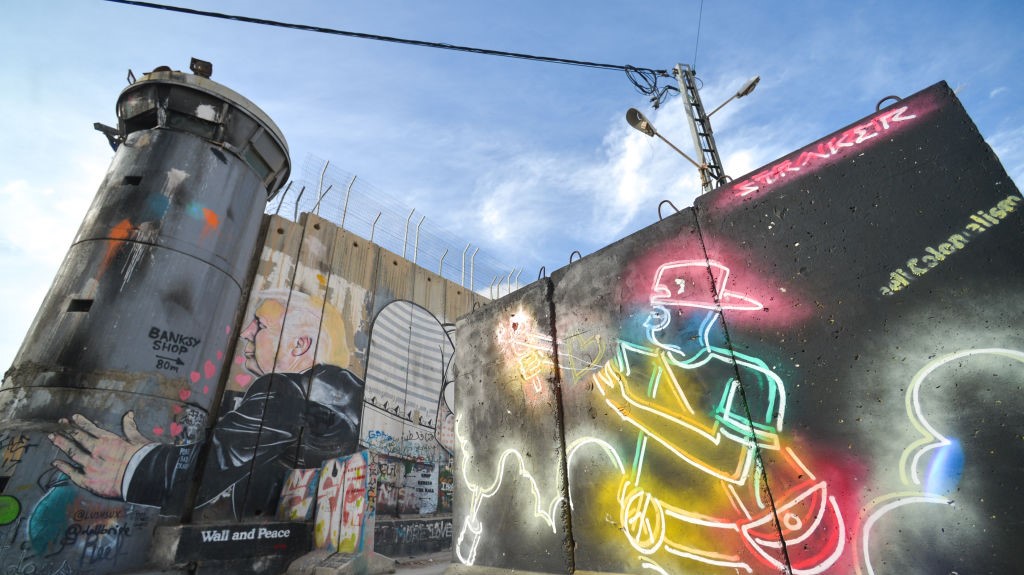
Truth is stranger than science fiction: Palestine +100
As the world increasingly resembles a dystopian film from the 1970s and television news blurs ominously with scenes from Soylent Green, a recent collection of Palestinian science fiction proves both prescient and eerily contemporary.
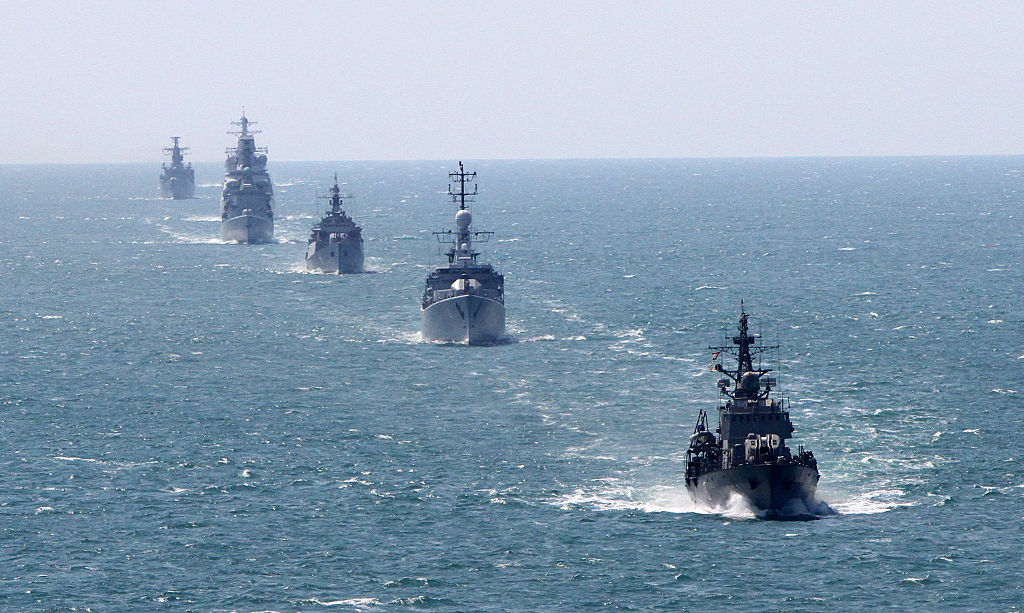
The Black Sea should be a US and NATO priority
The Black Sea is a very important region for NATO, and has not received the attention it deserves; a separate focused NATO strategy and support for countries in the Black Sea would send a message that the Alliance takes the region seriously.
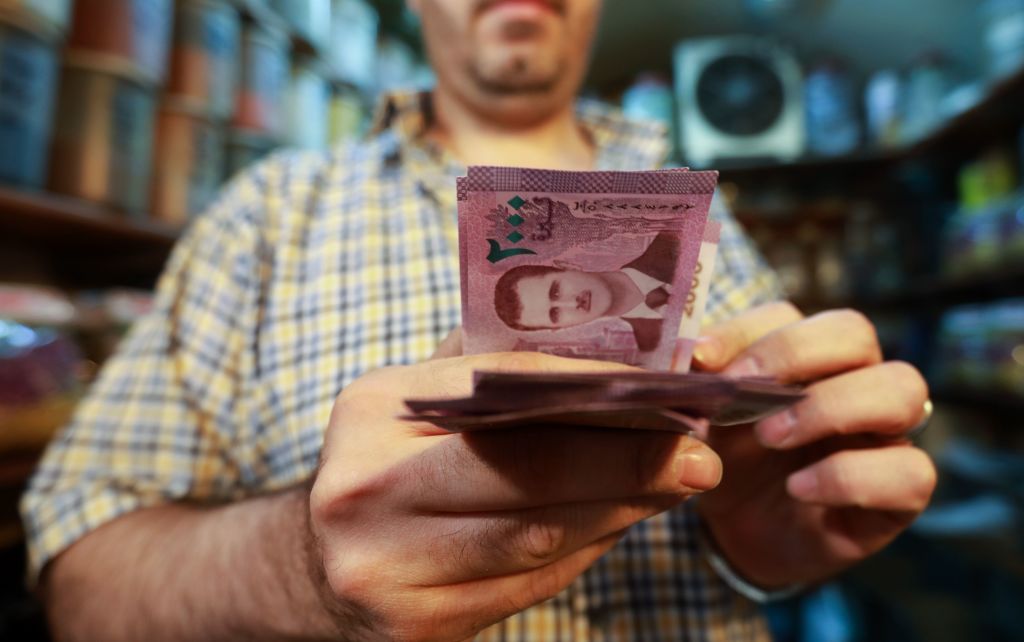
Damascus battles economic collapse as the Syrian pound plummets
Faced with the threat of further sanctions, a volatile situation in neighboring Lebanon, and a brutally tough winter, the only thing currently rising from the embers of war-torn Syria is the value of the dollar against the struggling Syrian pound. This marks the beginning of a dangerous new phase in the Syrian conflict as the government, fresh from its eight-year-long war for survival, tries to fend off an economic collapse from within.
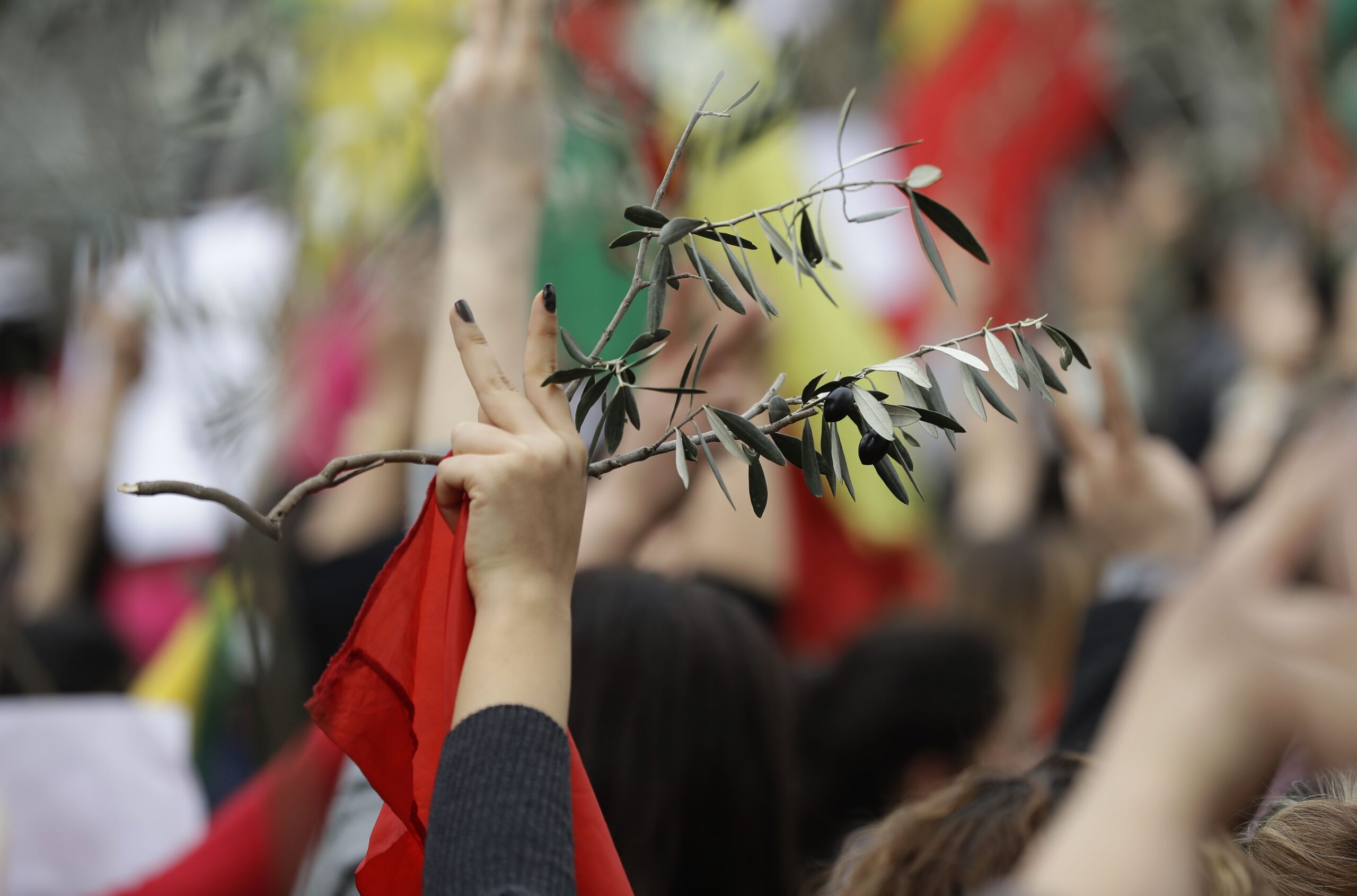
Escaping the Conflict Trap: Towards Ending Civil Wars in the Middle East
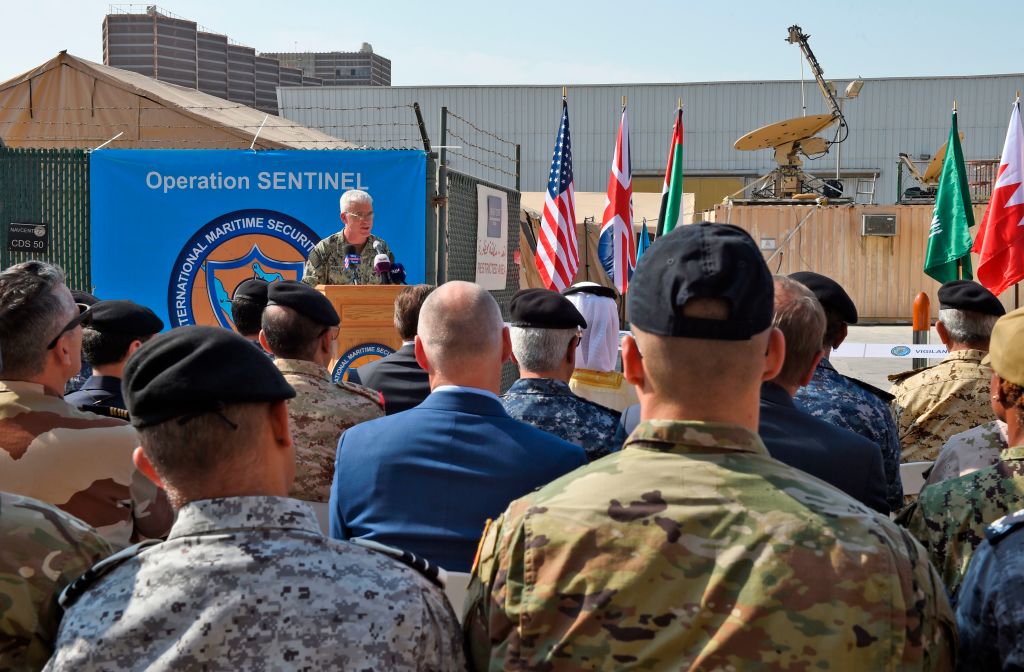
Trump’s Curious Multilateralism
His administration may end up besting its predecessors’ records in bringing partners together in the Persian Gulf.
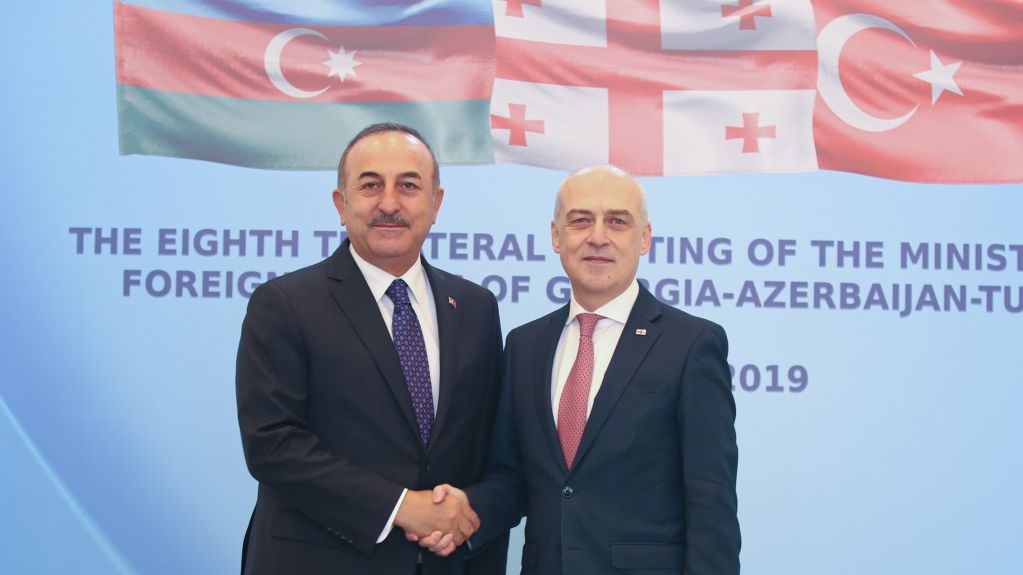
As Turkey-Russia ties warm, will Georgia be left out in the cold?
Turkey’s blossoming relationship with Russia has not only raised eyebrows in Washington and Western European capitals, it has also caused a great deal of discomfort in countries like Georgia that have borne the brunt of Russian aggression. A few recent scattered signals from Ankara, however, might comfort Turkey’s northeastern neighbor.
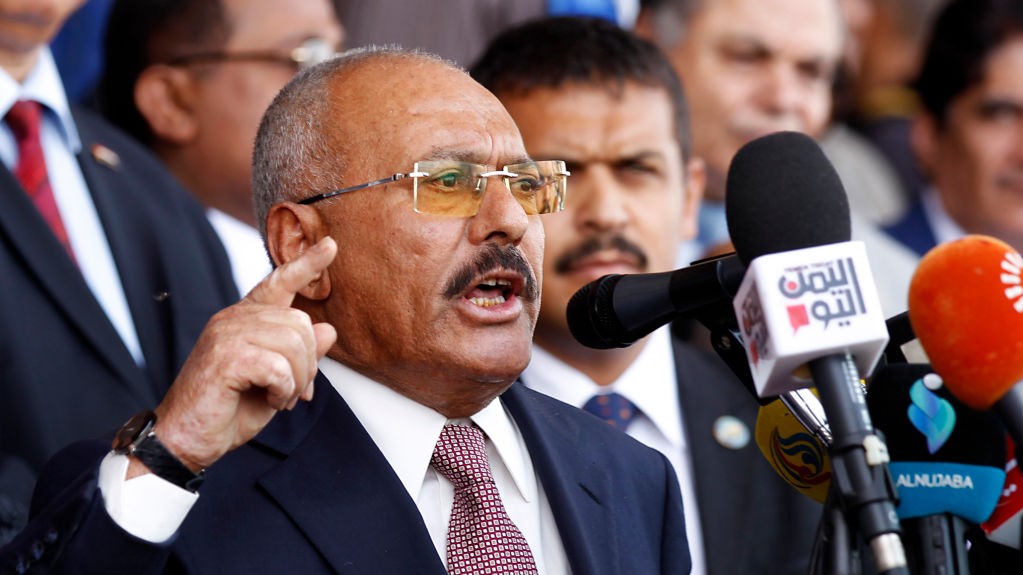
A fight for survival in a new landscape: Can Yemen’s GPC recover after Saleh?
Since the death of its founder Ali Abdullah Saleh on Dec. 4, 2017, the General People’s Congress (GPC) — Yemen’s dominant political party for the past four decades — has faced a test in attempting to reunify its divided wings in Riyadh, Cairo, Abu Dhabi, and Sanaa amid a shifting strategic landscape. The GPC’s factions have competed over the party leadership, failed to elect a transitional leader, and exchanged accusations following the Saudi-brokered meeting in Jeddah in July 2019. Nevertheless, Abu Dhabi and Riyadh’s attempts to revive Saleh’s damaged old political vehicle continue, both politically and militarily.
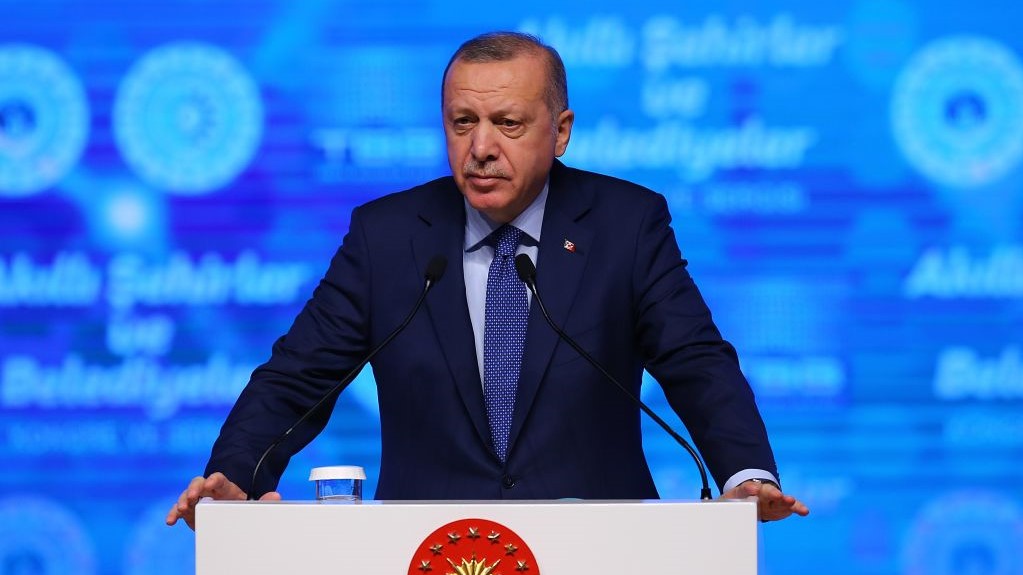
Turkey: All dressed up with nowhere to go
With its clash with Syrian forces on Feb. 3, Turkey is being forced to realize that it has very limited leverage over its foreign policy priorities.
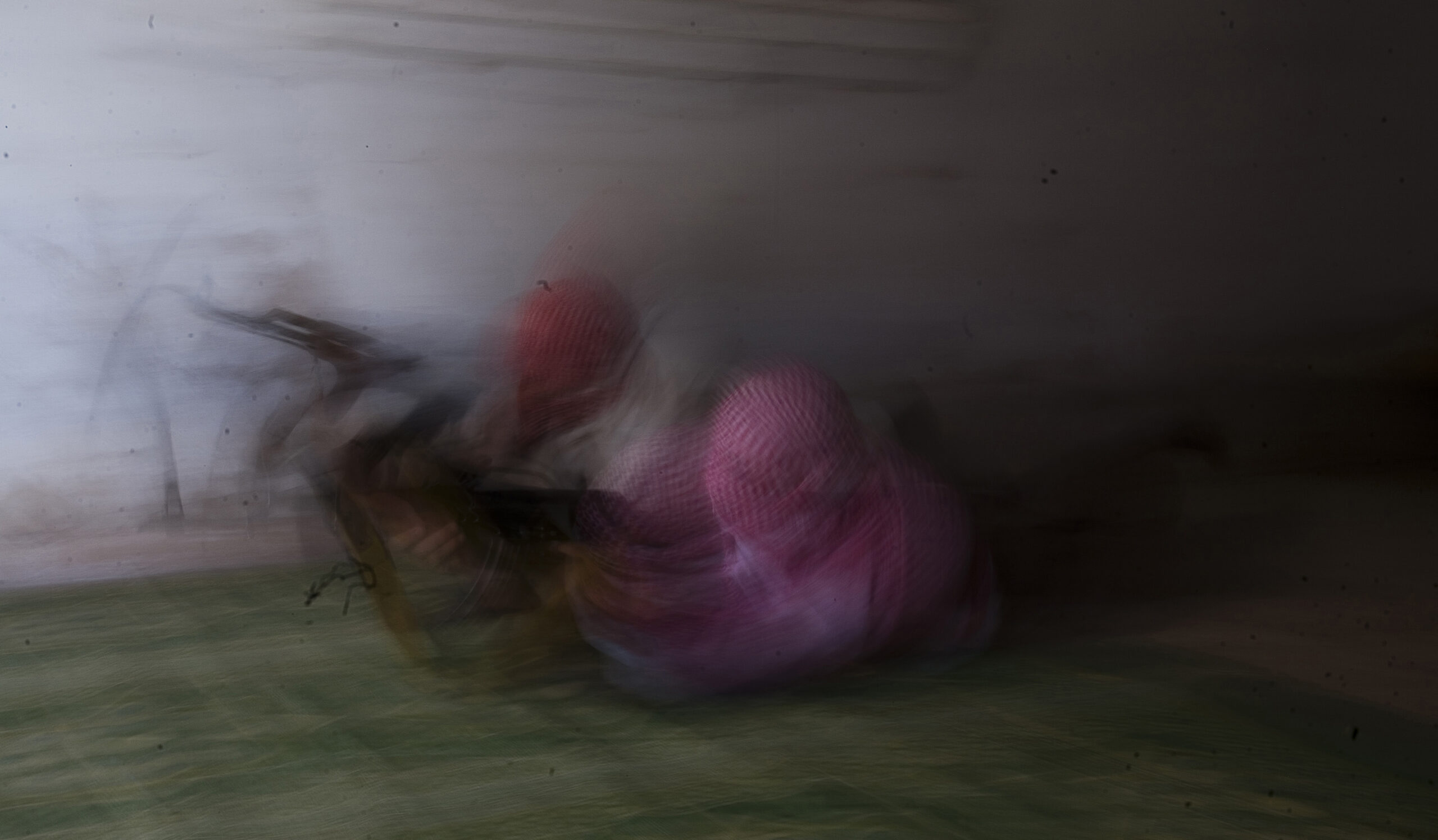
What Makes a Movement Violent: Comparing the Ahle Hadith (Salafists) in India and Pakistan
This article examines the Salafist movements in Pakistan and North India (known as the Ahle Hadith movement), which originated in the colonial era in India. The article seeks to explain what led Salafist/Ahle Hadith organizations in Pakistan, though not those in India, to adopt violence.
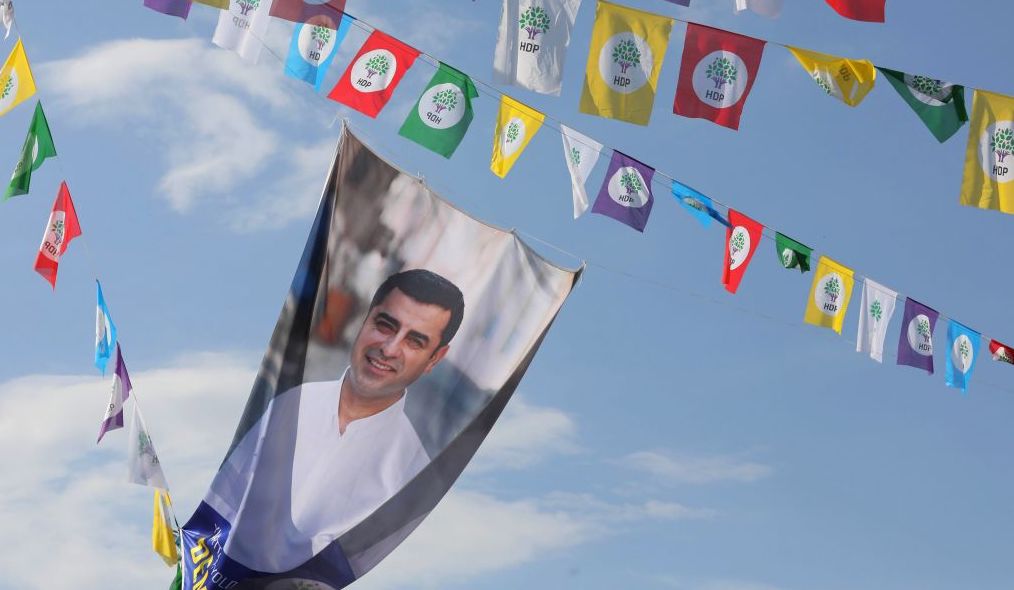
Turkey’s Parliamentary Purge and the HDP’s Dilemma
In 2016 the Turkish parliament voted to revoke parliamentary immunity and initiated the ruling Justice and Development Party’s (AKP) political purge of MPs with the Peoples’ Democratic Party (HDP). Despite the introduction of a new assembly in 2018, Turkey’s October invasion of northeast Syria provided ample incentives for the launch of new investigations into HDP members protesting the operation. The targeting of the HDP has set new legal and political precedents that could undermine the political capacity of the opposition coalition as a whole and create ideological divisions over the so-called “Kurdish Question.” This report records documented arrests of HDP MPs from June 2016 to January 2018 in order to identify prominent trends and waves of arrests that correspond to political and legal events.
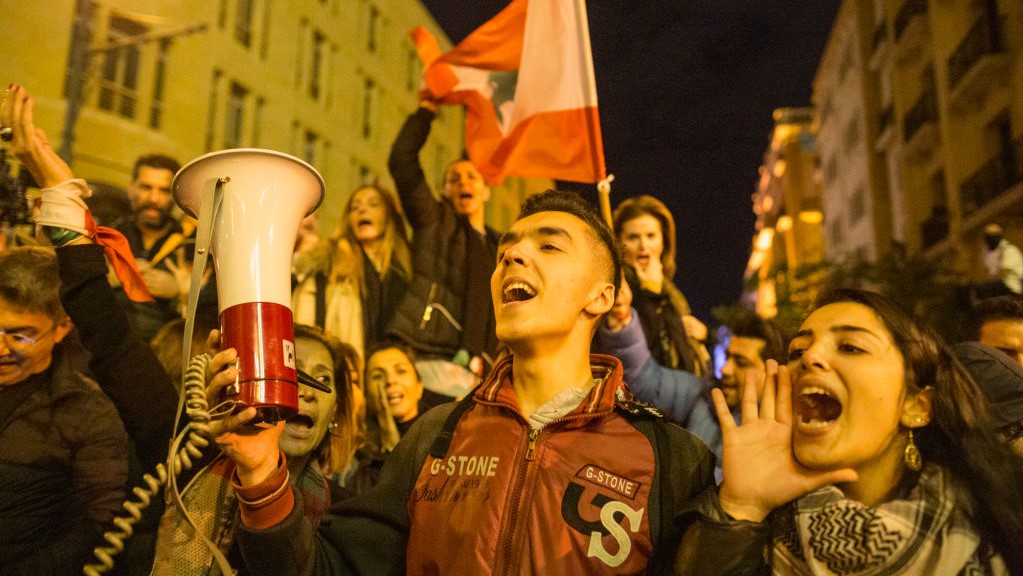
Lebanon’s inconvenient truths: A brief rejoinder
In response to numerous comments from readers about his article “Lebanon’s inconvenient truths,” author Bilal Saab has published a brief rejoinder.
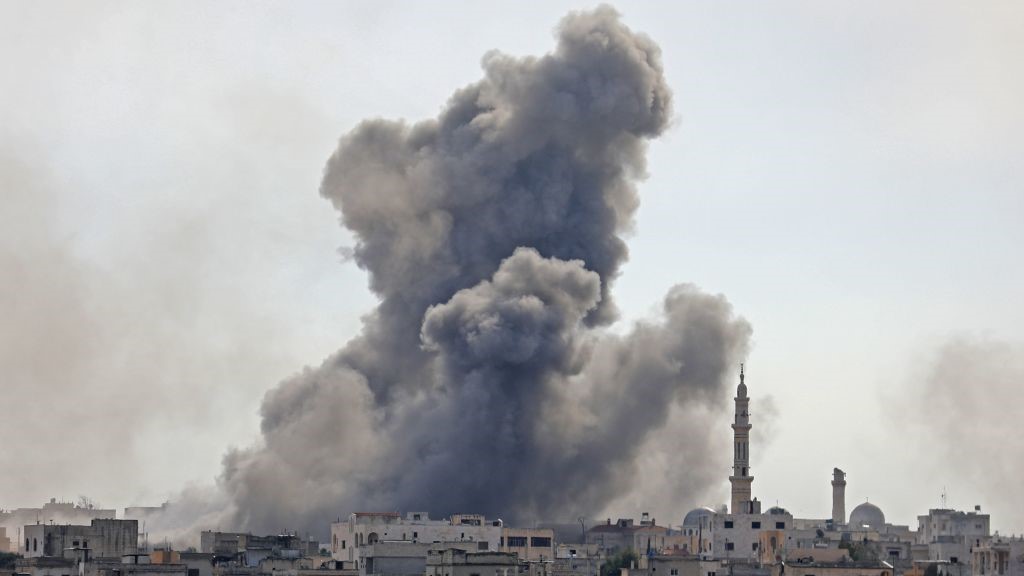
Escalation and retaliation in Idlib as violence spirals
If Turkish efforts to stop the regime’s advance on Saraqeb fail, the humanitarian crisis will escalate uncontrollably.
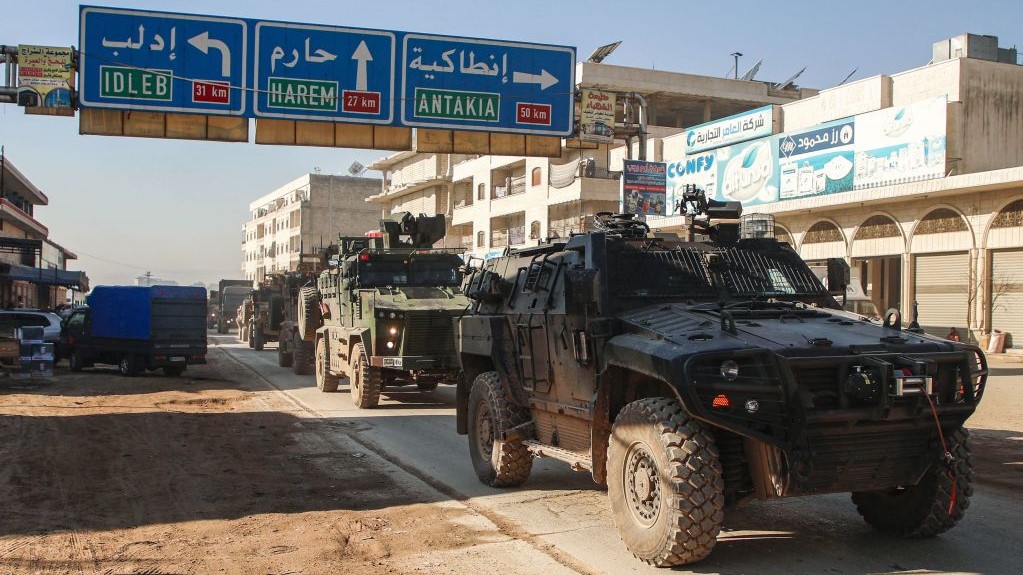
Idlib tests Turkey-Russia ties
The escalating tensions between Turkey and Russia over Idlib did not come as a surprise to many outside the Turkish capital.



