This individual is a guest contributor. MEI is not able to assist with contact requests.
Rebecca Anne Proctor is an independent journalist, editor, author, and broadcaster based in Dubai and Rome, from where she covers the Middle East and North Africa. She is the former editor-in-chief of Harper’s Bazaar Art and Harper’s Bazaar Interiors.
Origins of the Libyan Conflict and Options for Its Resolution
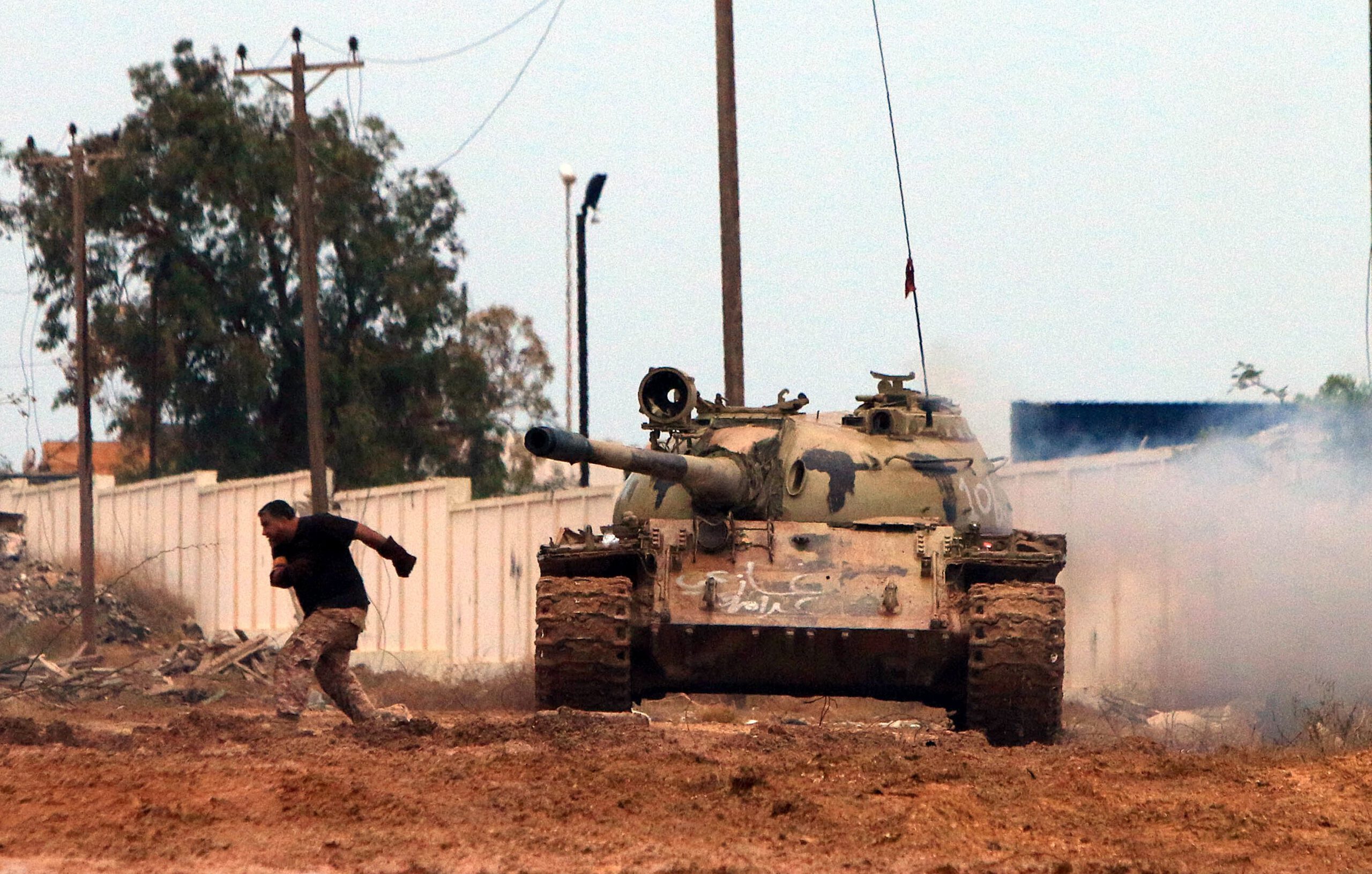
Muammar Gaddafi controlled all power in Libya for 42 years before the 2011 uprising. Since then, Libyans have been unable to rebuild national institutions and restore stability. Despite General Khalifa Hifter’s ongoing attempt in 2019 to conquer Tripoli by military force, Libya’s best chance for progress remains a unified international approach built on near complete alignment among international actors, supporting Libyans convening as a whole to address political, security, and economic issues at the same time.
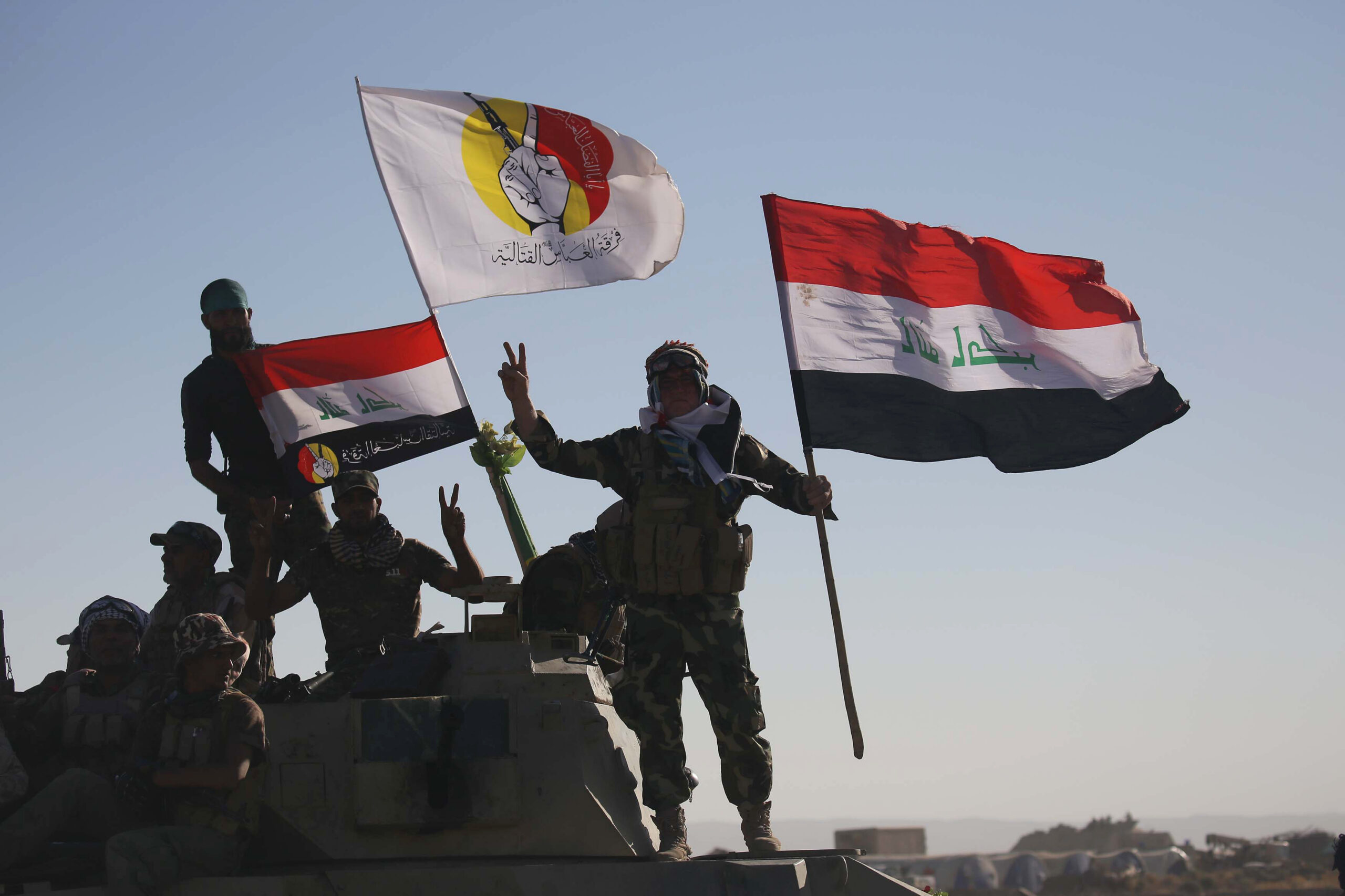
The growing economic and political role of Iraq’s PMF
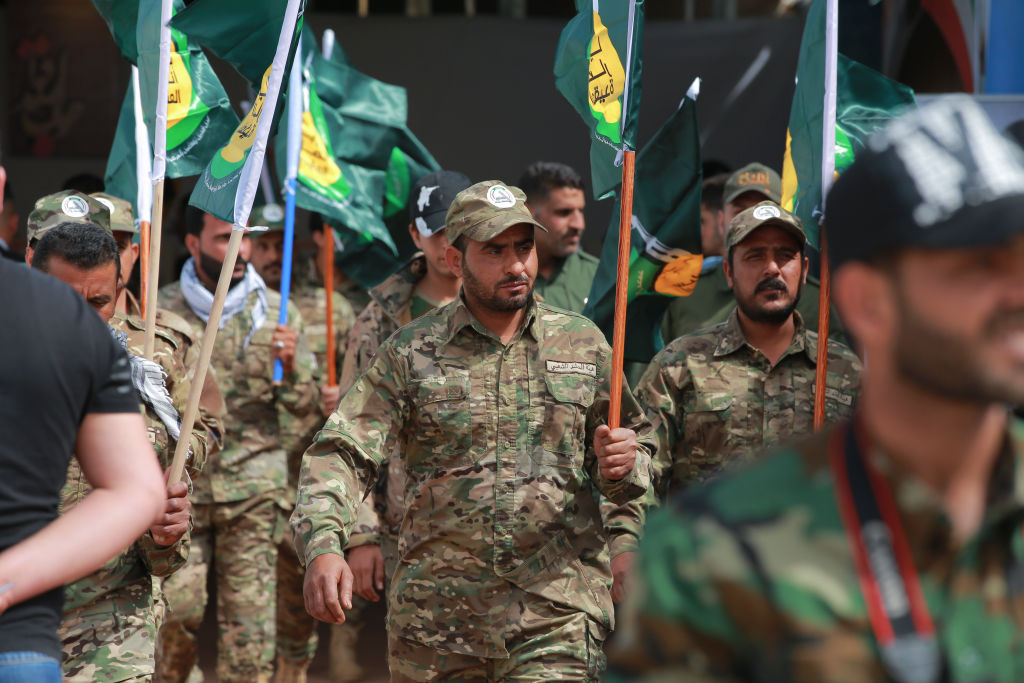
Conditions in Iraq since the defeat of ISIS’s territorial “caliphate” justify both optimism and concern at the same time. One issue where there has been much hand wringing but few practical suggestions for what to do is that of the popular mobilization forces (PMF). As the main campaign against ISIS drew to a close, many of the PMF’s leaders sought to translate their fighters’ battlefield sacrifices into political and economic gains.
Monday Briefing: Iraq back in the eye of the storm
In this week’s Monday Briefing, MEI experts Randa Slim, Gerald Feierstein, Zubair Iqbal, Marvin G. Weinbaum, Mirette F. Mabrouk, Robert S. Ford, and Rauf Mammadov provide analysis on recent and upcoming events including the escalating tensions between the United States and Iran with Iraq caught in between, Jared Kushner’s economic development plan for Palestinians, the IMF’s bailout deal with Pakistan, political turmoil ahead of the Afghan presidential election, developments in the Egyptian media landscape following recent constitutional amendments, debate over how to approach elections in Algeria, and the impact of US-Iran tensions on the oil market.
In 2014, a professor and former U.S. diplomat approached The Middle East Institute (MEI) with a remarkable offer: he would donate to MEI’s Oman Library nearly 20,000 meticulously annotated Kodachrome slides of photographs he had taken throughout the Middle East over half a century.
Is Trump’s “Deal of the Century” really a peace plan?
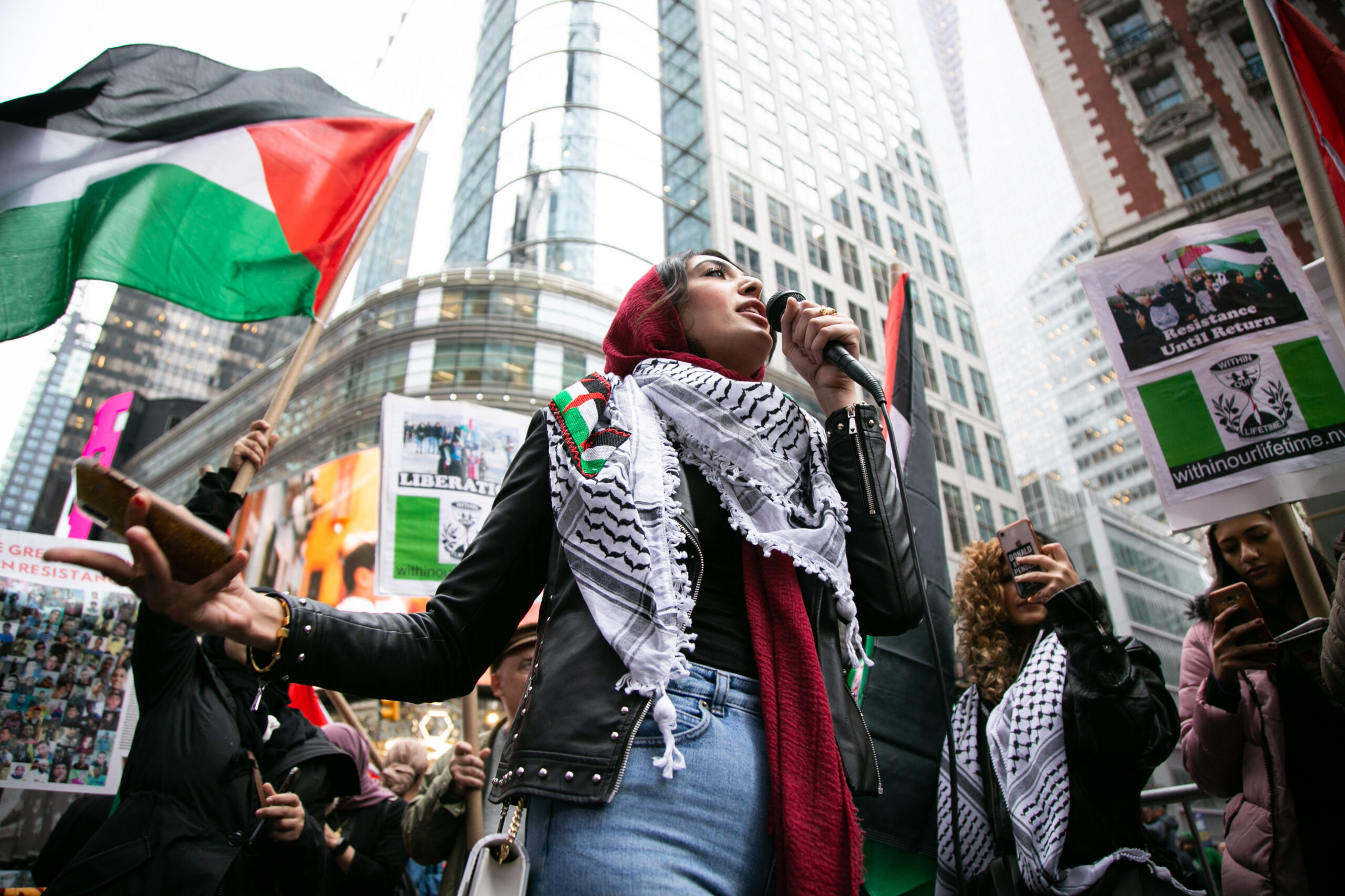
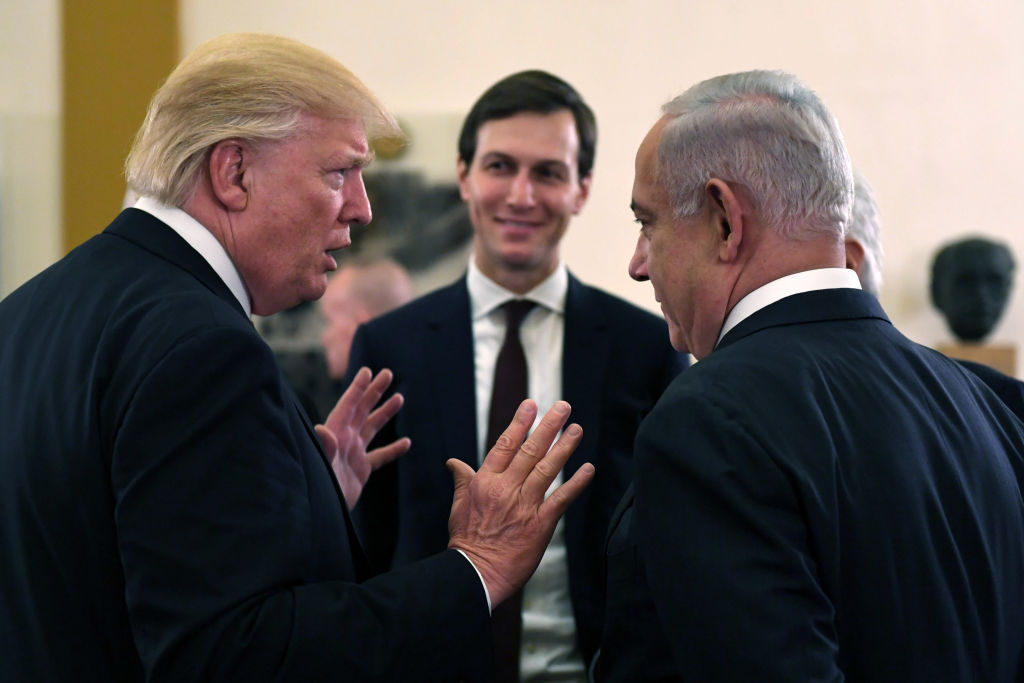
The Trump administration is preparing to present the “Deal of the Century,” proposing an outline for an Israeli-Palestinian agreement. Very little is known about the plan so far. However, it is important to discuss the context and the conditions under which it has been formulated, and to highlight some basic elements that are required for a third party to promote a peace plan — which are absent in this case.
MEI Senior Vice President Gerald Feierstein and Senior Fellow Alex Vatanka join host Alistair Taylor to discuss the rapid rise of tensions between the US and Iran this week, the political calculations being made by each side, and where things could go from here.
With tensions rising, are we heading toward conflict in the Gulf?
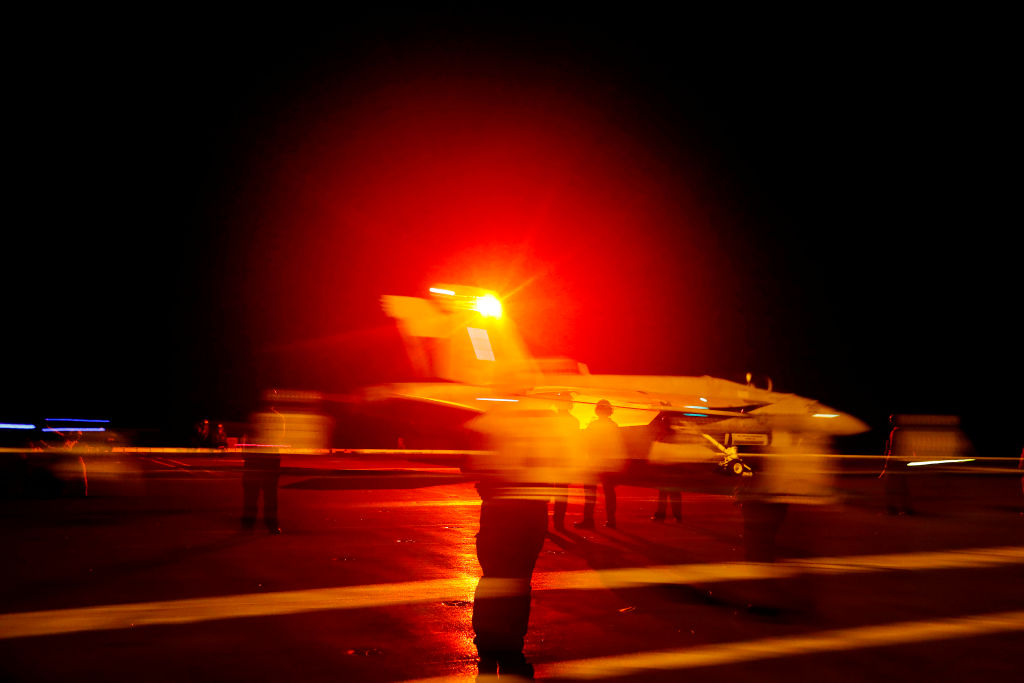
Since the Trump administration refused to extend waivers for Iranian oil exports expiring on May 2nd, the U.S. and Iran have engaged in a cycle of escalating threats and actions. The U.S. has further ratcheted up its “maximum pressure” campaign by adding new sanctions, and in the last few days, the turmoil has deepened as the region absorbed reports of mysterious sabotage against tankers in Emirati ports, apparent Houthi drone attacks on Saudi oil facilities, and news that the Trump administration is contemplating substantial deployments of U.S. military personnel to the region.
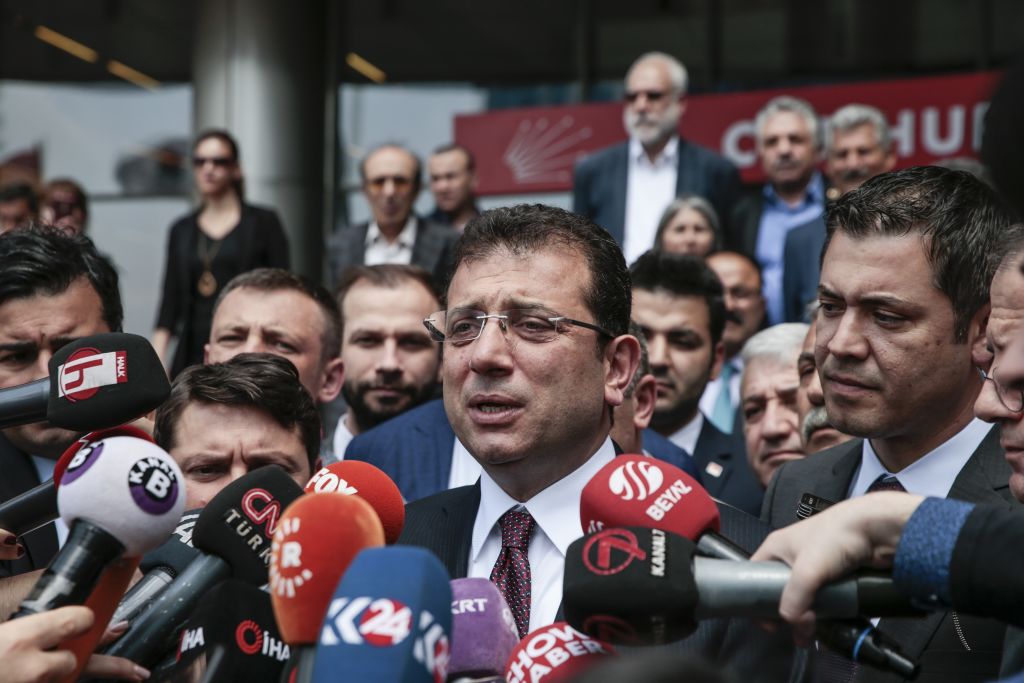
If at first you don’t succeed: Turkey gears up for Istanbul election rerun
The March 31st local elections in Turkey were a breath of fresh air for those long resigned to the fact that the ballot box doesn’t matter anymore and that President Recep Tayyip Erdogan was invincible. To the surprise of many, the opposition captured all of Turkey’s major cities, but the decision by the Supreme Election Council on May 6th to nullify the results of the Istanbul mayoral election and call for a new vote quickly changed the mood. The election is now set to be rerun on June 23rd.
Iraq: A Conflict Over State Identity and Ownership
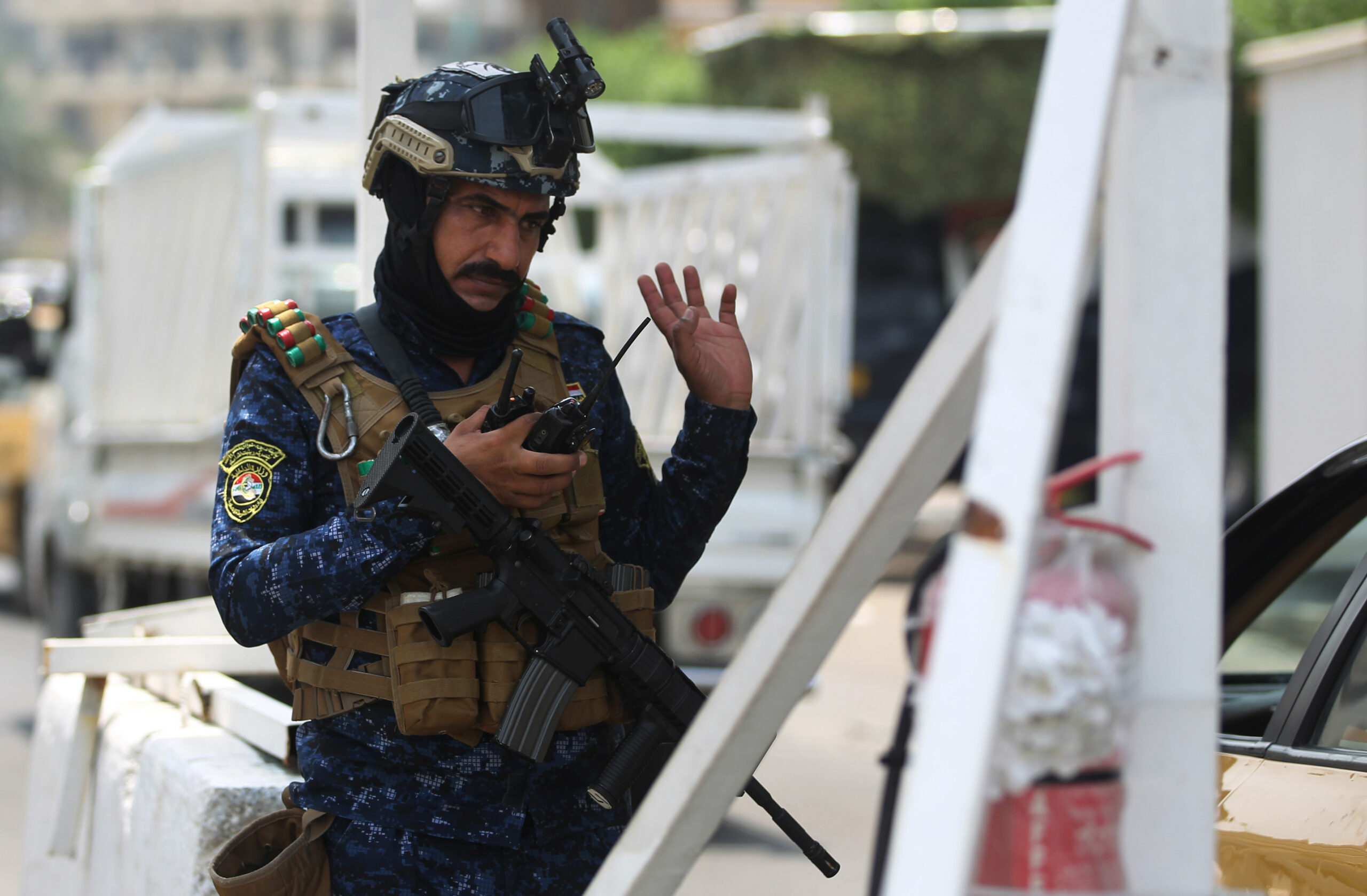
At the heart of the conflict in Iraq has been a clash of visions over the identity and ownership of the Iraqi state. The post-2003 conflict was, in effect, a violent renegotiation of both the political compact in place since the 1960s and of the balance of power among regional and international players.
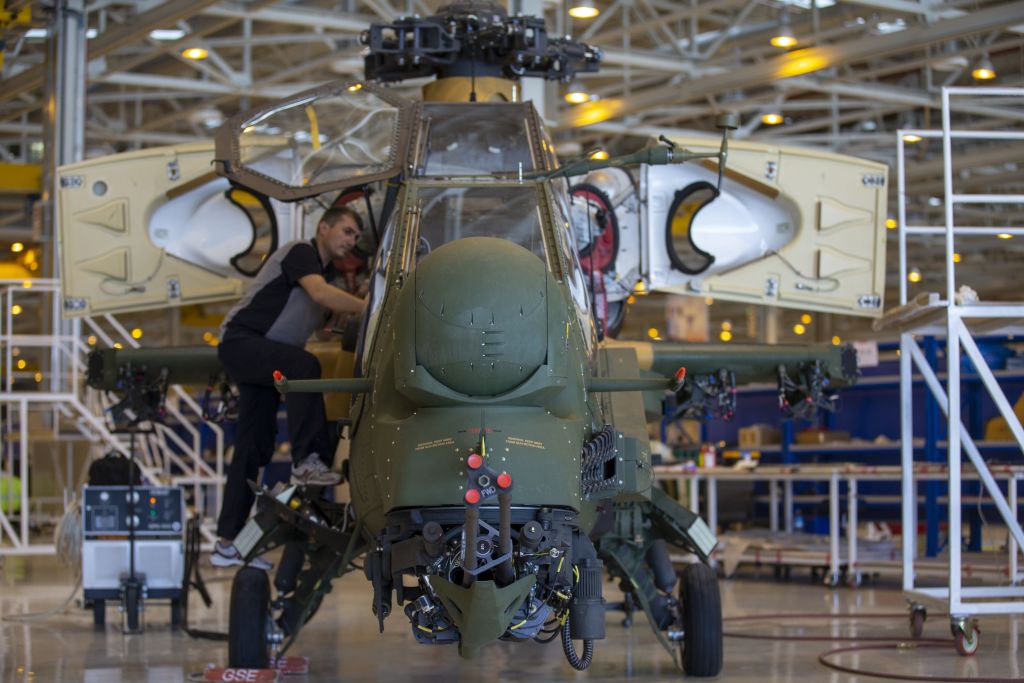
Challenges threaten the rise of Turkey’s defense industry
Building up Turkey’s defense industry has long been a priority for the government, and it has made considerable progress. Turkey is now the world’s 14th largest defense exporter. Despite its success to date, the industry is facing growing pains, and challenges like brain drain, a currency crisis, dependence on foreign suppliers, and regional political disputes could hamper growth going forward.
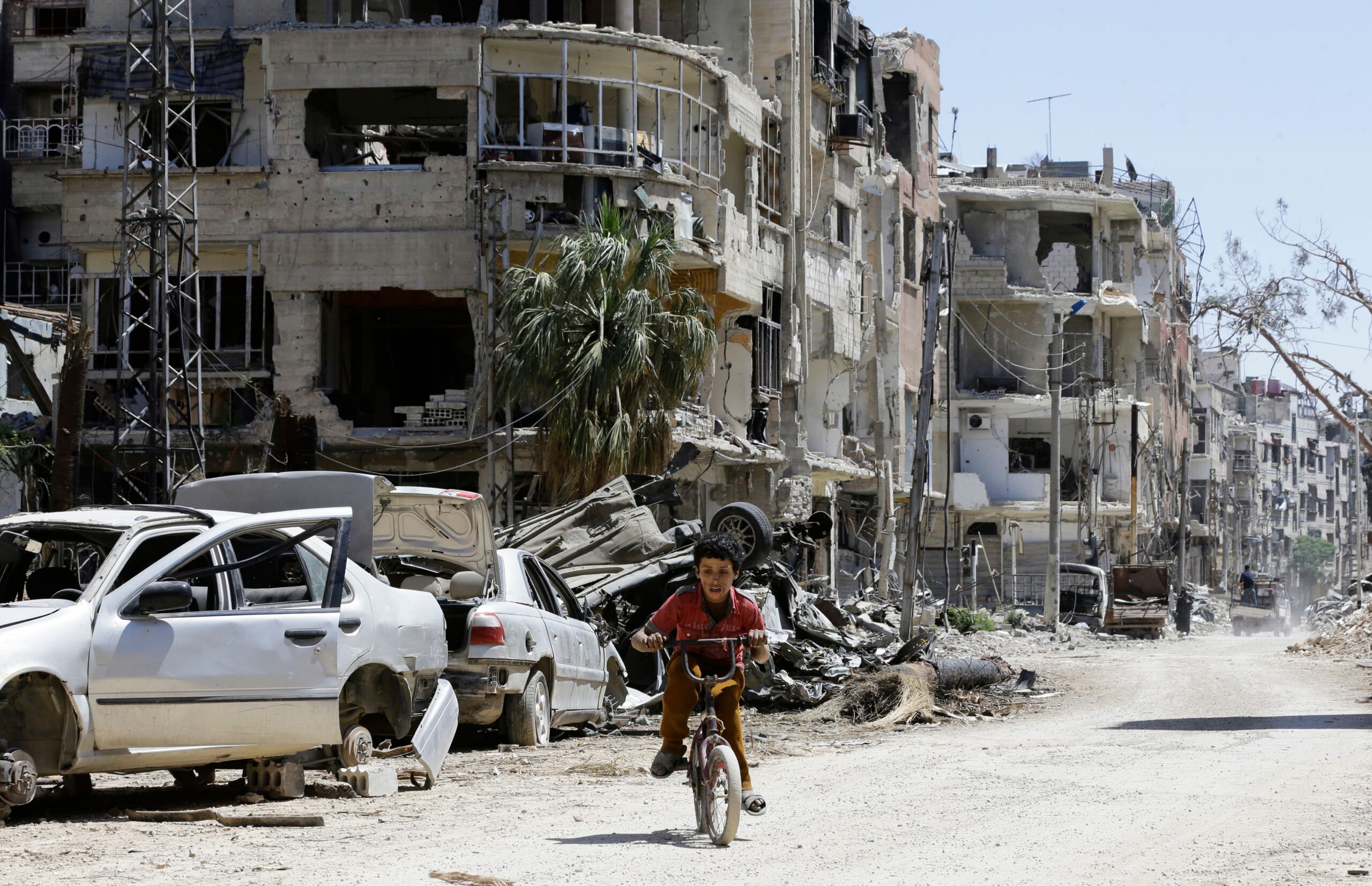
Forgotten Lives: Life Under Regime Rule in East Ghouta
A “black hole” of information, East Ghouta is a dark example of the reimposition of the Assad regime’s rule over a community once controlled by the opposition. This paper, produced in association with ETANA Syria, shines a light on what the regime’s military rule looks like on the ground and the resulting human rights violations against the population, and details the scale of the Iranian presence in key strategic locations around Damascus.
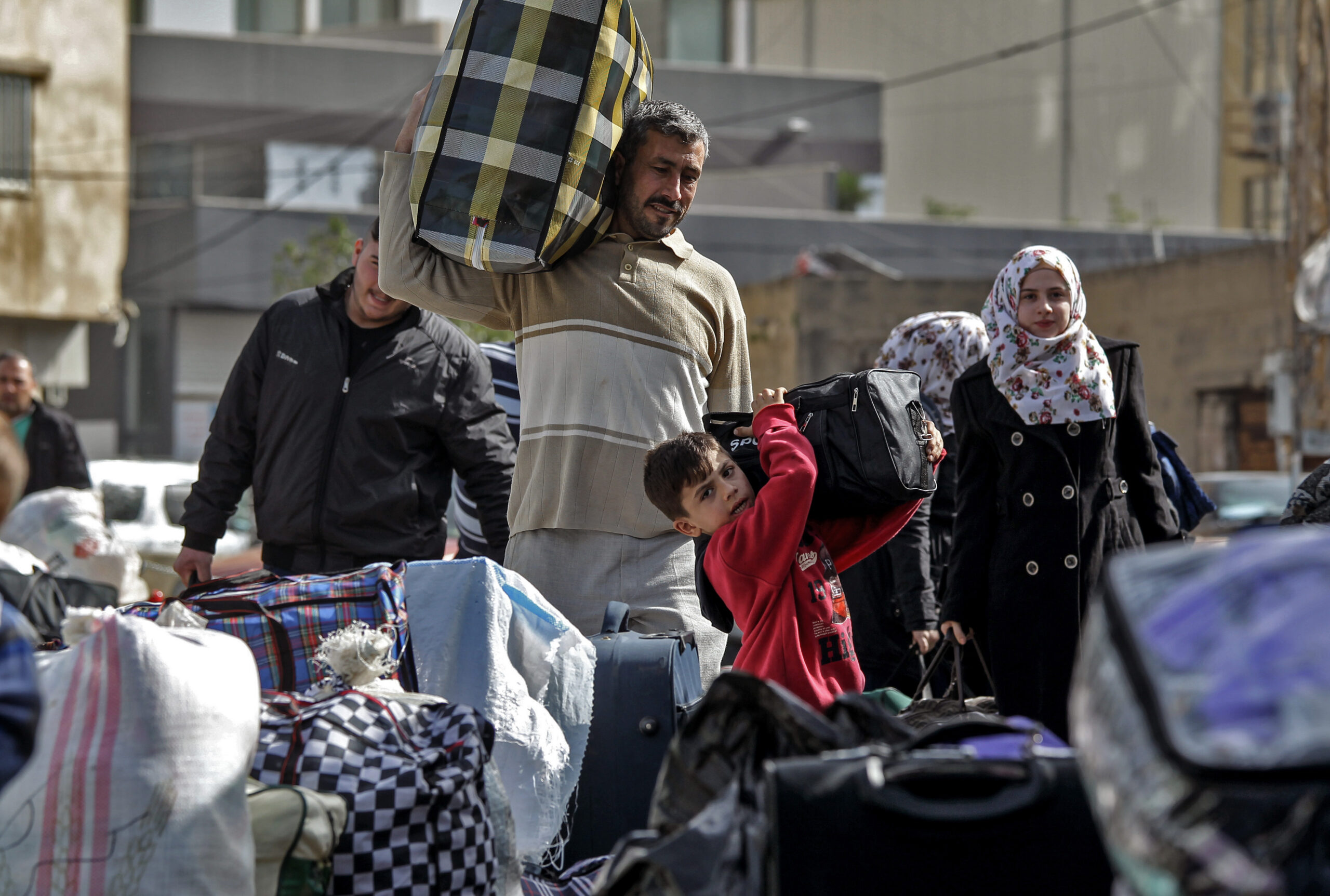
Political Complexities of Return: Syrian Refugees in Lebanon
This essay explores political complexities of the country hosting the highest number of refugees per capita worldwide: Lebanon. Rampant corruption and sectarian rhetoric paired with political complexities now threaten the lives and futures of Syrians residing in Lebanon. This article discusses two of these major complexities below and explain their implications on Lebanese and Syrians residing in some of the country’s most impoverished areas.