
Ross Harrison is a senior fellow and book series editor at the Middle East Institute (MEI). He is also a faculty member in the Political Science Department at the University of Pittsburgh, where he teaches courses on Middle East politics and US foreign policy in the Middle East. From 2004 to 2020, he was the Professor in the Practice of International Affairs at Georgetown University’s Walsh School of Foreign Service.
He has published extensively on Middle Eastern regional dynamics in leading journals such as Foreign Affairs, Foreign Policy, and The National Interest. Harrison is the author of Strategic Thinking in 3D: A Guide for National Security, Foreign Policy and Business Professionals (Potomac Books, 2013), as well as the co-editor of From Chaos to Cooperation: Toward Regional Order in the Middle East (Middle East Institute, 2017) and Escaping the Conflict Trap: Toward Ending Civil Wars in the Middle East (IB Tauris/Bloomsbury, 2023). Most recently, Harrison published Decoding Iran’s Foreign Policy: Strategic Interests, Power and Influence (Bloomsbury 2025) outlining the strategic thinking behind Iran’s foreign policy. For this book, Harrison met with two Iranian Presidents, four Foreign Ministers, Prime Ministers from neighboring countries, and dozens of lower level officials in Iran and the broader region.
He has been quoted in the New York Times and interviewed during the 2025 and 2026 Iran wars by Al Jazeera, BBC, NPR, NBC News among other outlets. In 2026 he traveled to Doha to work with Al Jazeera English on its coverage of the war and Iran.
The Latest from Ross Harrison
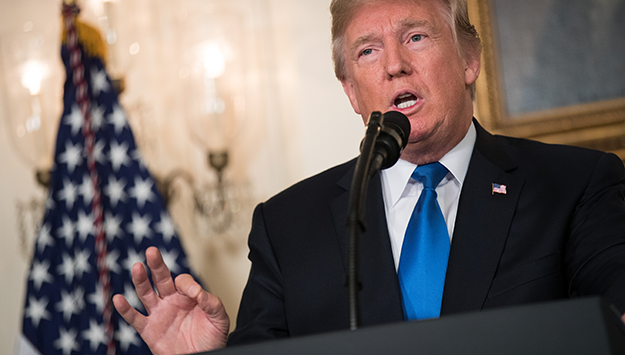
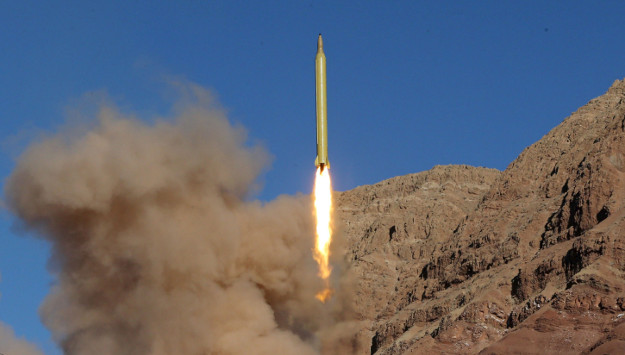
Why Killing the Iran Deal Could Start the next War in the Middle East
Read the full article on The National Interest.
Iran's Trump Cards: How Washington Should Deal With Tehran's Leverage in the Middle East
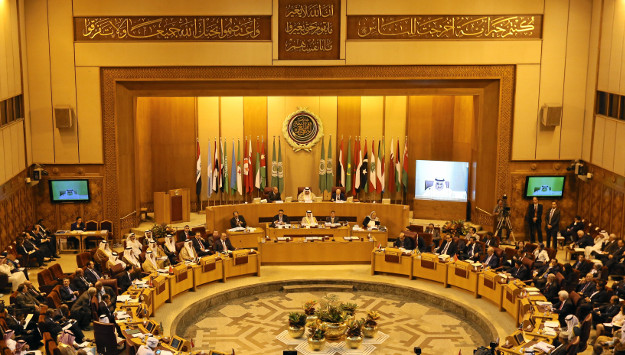
Toward a Regional Framework for the Middle East: Takeaways from other Regions
Regional Cooperation Series
This Policy Paper is part of the Middle East Institute’s Regional Cooperation Series. Throughout 2016, MEI will be releasing several policy papers by renowned scholars and experts exploring possibilities to foster regional cooperation across an array of sectors. The purpose is to highlight the myriad benefits and opportunities associated with regional cooperation, and the high costs of the continued business-as-usual model of competition and intense rivalry.
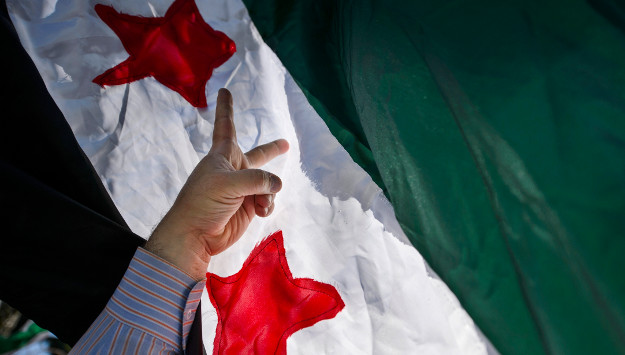
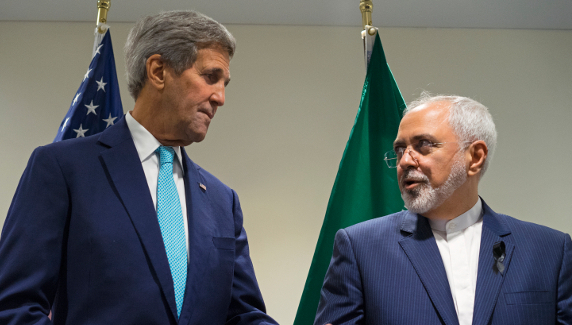
Too Big to Fail: The Iran-Saudi Relationship
The latest escalation in tensions between Iran and Saudi Arabia has set off alarm bells across the globe.
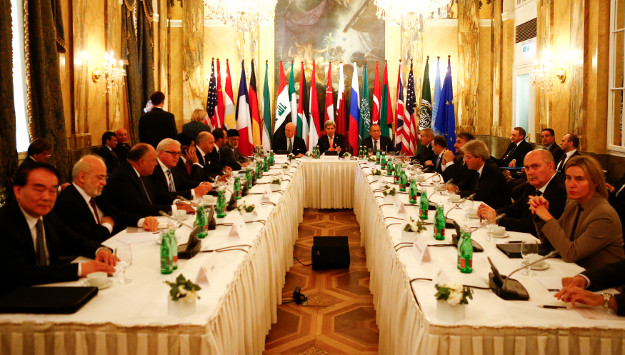
Getting from Syrian Peace Talks to Syrian Peace
This piece was co-authored by Chester Crocker, the James R. Schlesinger Professor of Strategic Studies at Georgetown University’s Walsh School of Foreign Service. Read the full article at The National Interest.
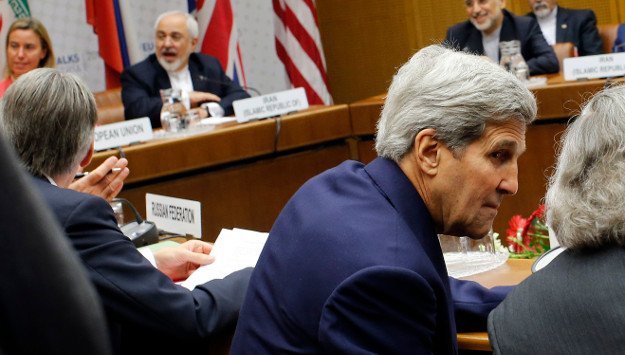
Syria's Peace Talks Would Be Nowhere without the Iran Nuclear Deal
Read the full article at The National Interest.
Critics of the July 14 nuclear deal with Iran railed against it on the grounds that it would embolden what they argue is Tehran’s destabilizing behavior in the Middle East. The reasoning goes like this: lifting sanctions gives Iran access to tens of billions of dollars that will flow to fund disruptive activities and lets Iran freely pursue its regional ambitions without fear of reprisals.

Defying Gravity: Working Toward a Regional Strategy for a Stable Middle East
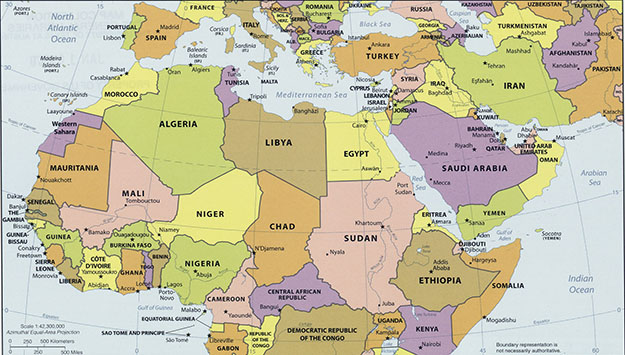
In this MEI Policy Paper, Ross Harrison asserts that a new regional order is emerging out of the conflicts of the Middle East. The relationships among the pillars of this order–Egypt, Saudi Arabia, Turkey, and Iran–are crucial, as they will largely determine “whether the future of the Middle East will be a continuation of the current chaos and destruction or a more positive transition toward stability and prosperity.” Harrison argues that global powers must concentrate on creating conditions conducive to cooperation among the pillars.
Defeating the Islamic State Militarily is Only Half the Battle
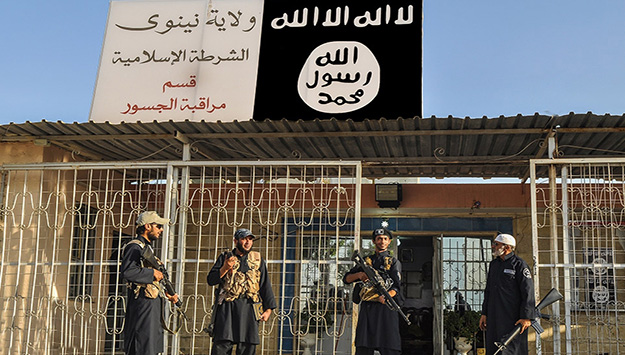
In his speech on September 10 President Obama characterized the Islamic State (ISIS) as a terrorist group.[1] There were clear political benefits to using this label, not the least of which was to facilitate the formation of a broad-based military coalition against the organization.



