The U.S. withdrawal from Afghanistan
Marvin Weinbaum and David Sedney join host Alistair Taylor to discuss the recently announced U.S. military withdrawal from Afghanistan and what it means for the country, the U.S., and the region as a whole.
This individual is a guest contributor. MEI is not able to assist with contact requests.
Marvin Weinbaum and David Sedney join host Alistair Taylor to discuss the recently announced U.S. military withdrawal from Afghanistan and what it means for the country, the U.S., and the region as a whole.
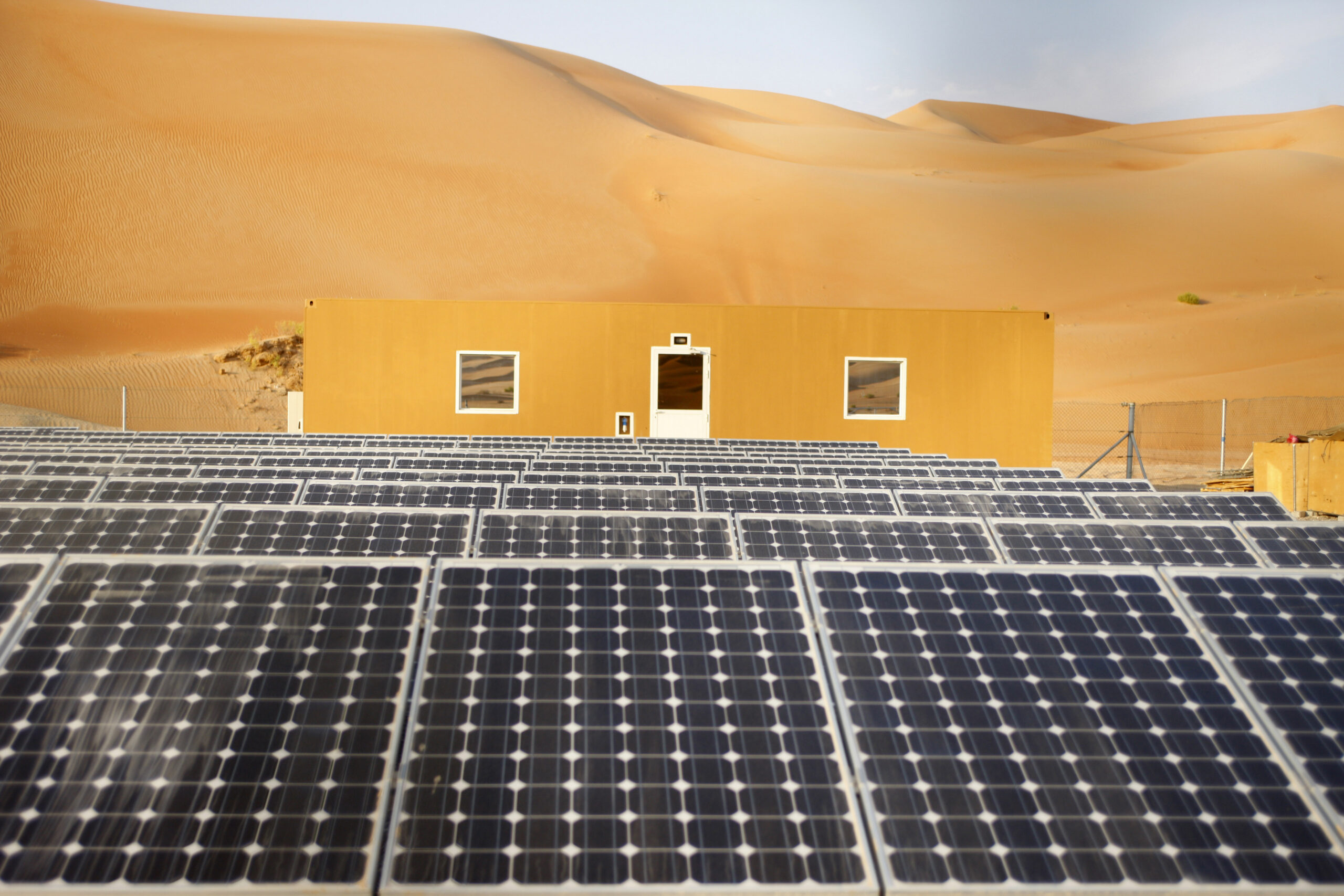
The Middle East and North Africa (MENA) region is grappling with many challenges on several fronts. Air pollution, water scarcity, and climate change in general are some of the serious challenges facing the MENA economies and residents that have been overshadowed by energy, security, and political debates surrounding the region. Nonetheless, considering their significant negative impact on the economic development of the MENA countries, inclusive, sustainable, and stable economic growth will require timely and effective solutions for the region’s environmental challenges.
The Tehreek-e-Labbaik Pakistan (TLP) has exposed the Pakistani state’s vulnerability to ultra-conservative Islamist groups that have been mainstreamed for narrow political and strategic purposes by the country’s security establishment and self-serving politicians. Only a week after declaring the TLP a terrorist group and banning it, the Imran Khan-led Pakistan Tehreek-e-Insaf (PTI) government gave in to the group’s demands in the face of violent protests by its supporters
“في حين أنه من المفهوم أن نرغب في عودة كافة قواتنا إلى الوطن، فلا ينبغي أن يكون ذلك على حساب خسارة ما حاربنا لكي نربحه”.
The Middle East and North Africa faces a host of major environmental challenges, from water scarcity and food insecurity to climate change adaptation. In recognition of Earth Day on April 22 and in conjunction with MEI’s Climate Week 2021 events, we asked experts and scholars to weigh in with their thoughts on the most pressing environmental issues facing the region.
The response of the Russian government to the Arab uprisings that began in January 2011 has aimed primarily at protecting its interests in the Middle East, including security and economic objectives.[1] Nonetheless, it has pursued different approaches over time: an initial period of observation and political pressure between 2011 and 2015, followed by more active policies thereafter. This essay explains the reasons for this shift and argues that Russia’s policies since 2015 are likely to continue, despite domestic and external challenges.
The U.S.-Israel relationship is a close partnership founded on shared national security interests as well as democratic values. Washington’s commitment to the security and wellbeing of the state of Israel is exceptional, and bilateral ties remain strong despite the erosion of support for Israel among progressive and isolationist circles in the U.S. In spite of all this, the Iran issue presents many pitfalls for miscalculation that could derail even the most well-intended efforts at formulating a coordinated U.S.-Israel strategy.
Overfishing in the Gulf waterway is an acute problem, and Iran and China might not be enforcing proper restrictions on commercial trawlers. In recent years, the introduction of industrial-scale fishing has harmed local fishermen off the coast of Iran. Equipped with sonar systems, commercial trawlers are responsible for a 50% decline in yields for local fishermen in the past five years.
“عملية انفراج تدريجية هي أفضل ما يمكن أن نأمله في العلاقات الإيرانية السعودية”.