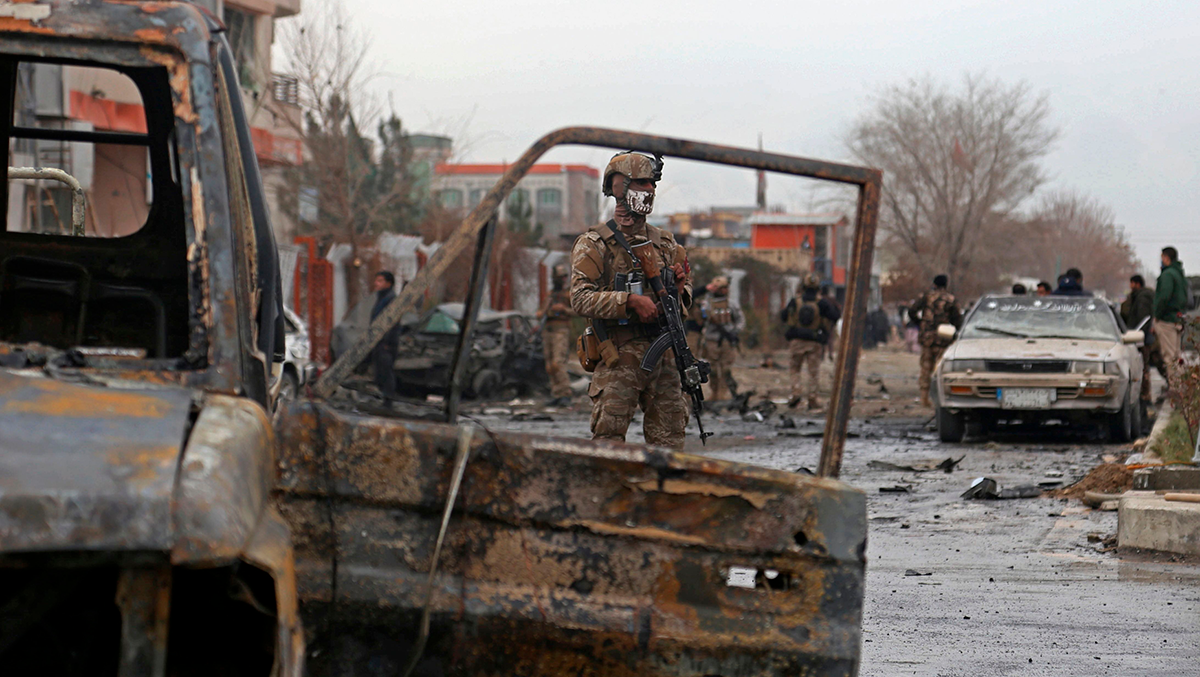
Peace talks between the Kabul government and the Taliban resumed in Doha on Jan. 5 amid a sharp resurgence in violence and controversy over a video shared on various social media platforms by pro-Taliban elements.
Syria’s Constitutional Committee: The Devil in the Detail
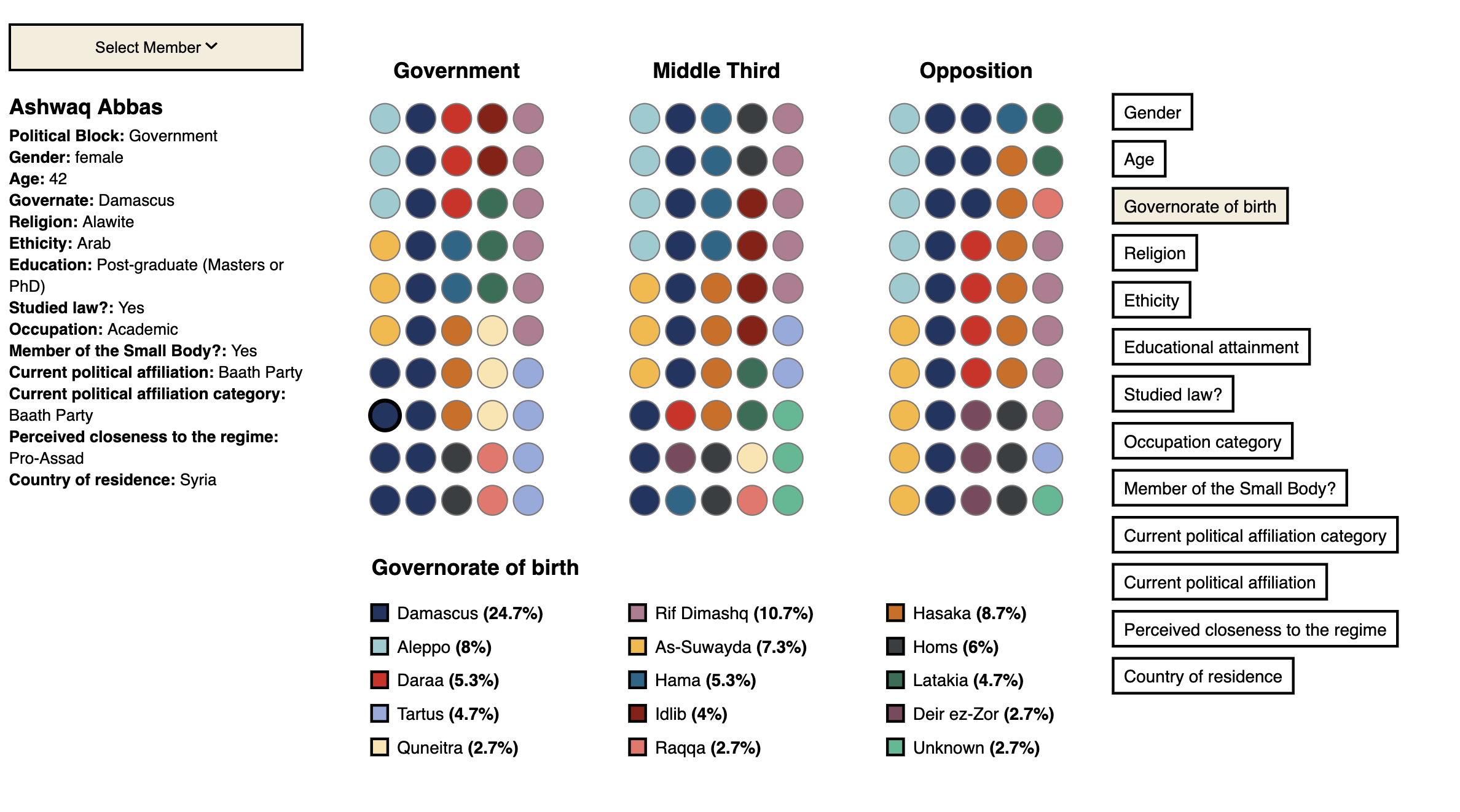
This interactive data visualization and accompanying article provide background information on the members of the Syrian Constitutional Committee as well as analysis of its dynamics and policy recommendations on how to improve it.
This calendar lists key dates in the MENA region in 2021, broken down by month. It is subject to change and will be updated over the course of the year.
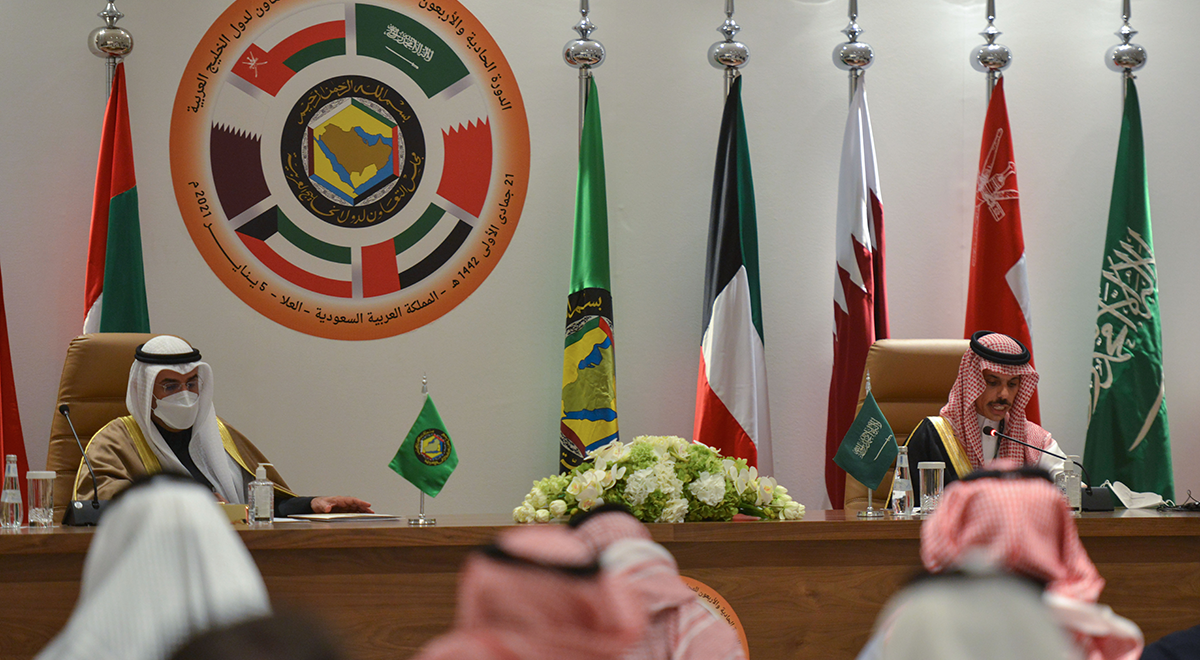
The GCC al-Ula Statement: Perhaps a step, but not a solution
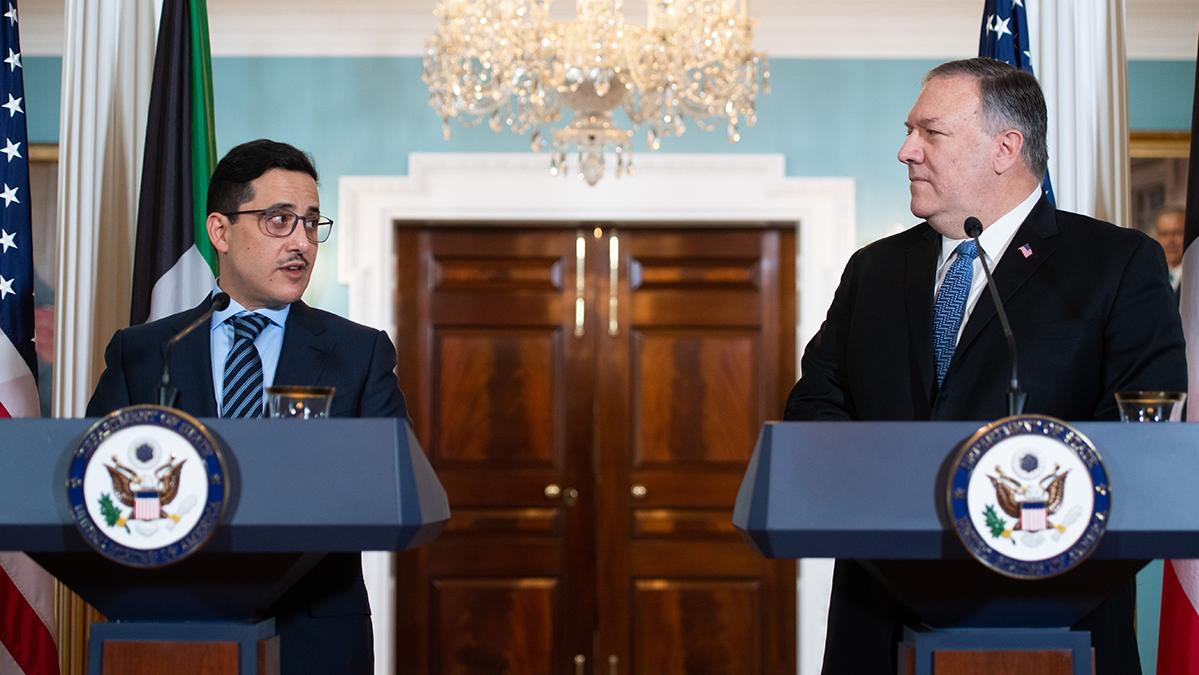
The leaders of the six Gulf Cooperation Council (GCC) member states — Saudi Arabia, the United Arab Emirates, Oman, Kuwait, Bahrain, and Qatar — signed a “solidarity and stability” agreement, dubbed the “al-Ula Statement” after the Saudi city in which it was inked, at their Jan. 5 summit meeting.
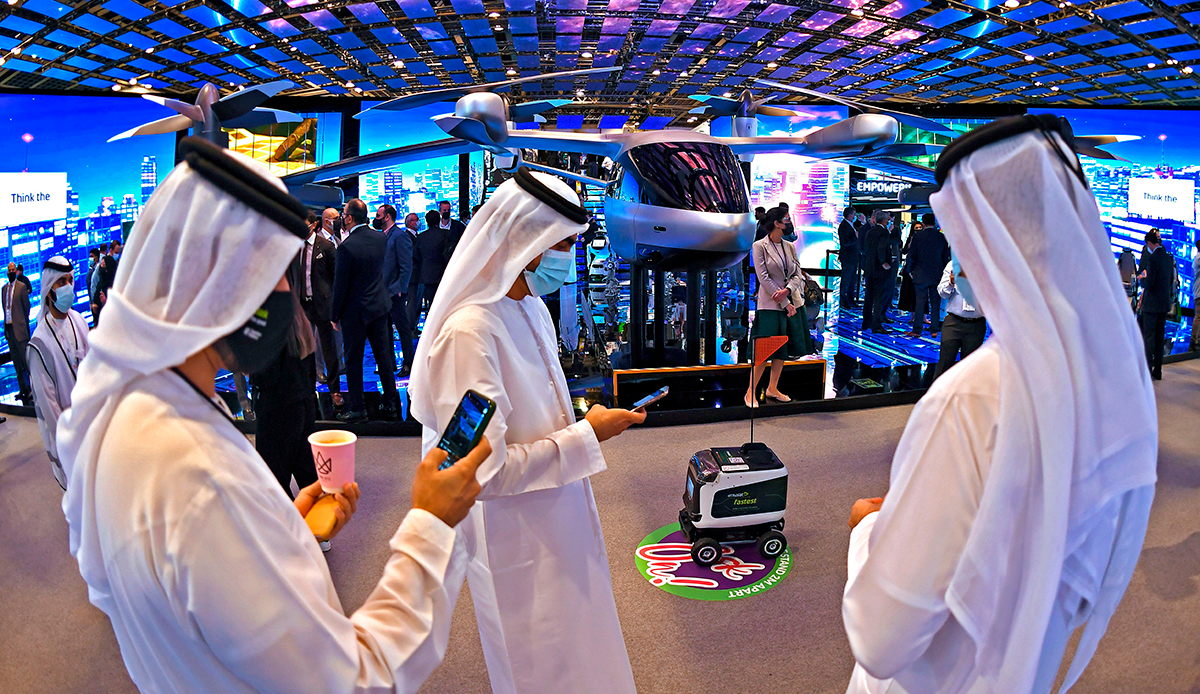
In the Middle East, cyber sovereignty hampers economic diversification
Rapid and unprecedented transformation in the Middle East, whether political, social, or technological, is forcing governments to reckon with enormous changes. Many governments are responding by attempting to pursue two contradictory paths forward — cyber sovereignty and digital transformation — and they might end up not achieving either.
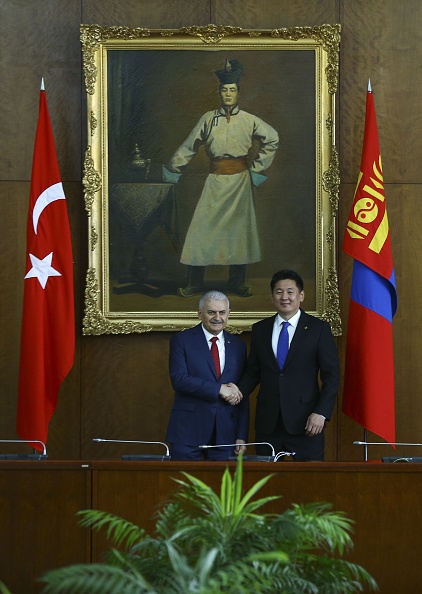
Turkey and Mongolia — unlikely partners? Mongolia’s outreach to Turkey as a potential “third neighbor” has converged with the reorientation of Ankara’s efforts under the Islamist Justice and Development (AK) Party to expand trade links and enhanced relations with countries that were either part of the former Ottoman Empire or have shared ethnic background or cultural histories.
Justice Psychotherapy: Approaching mental health in humanitarian contexts
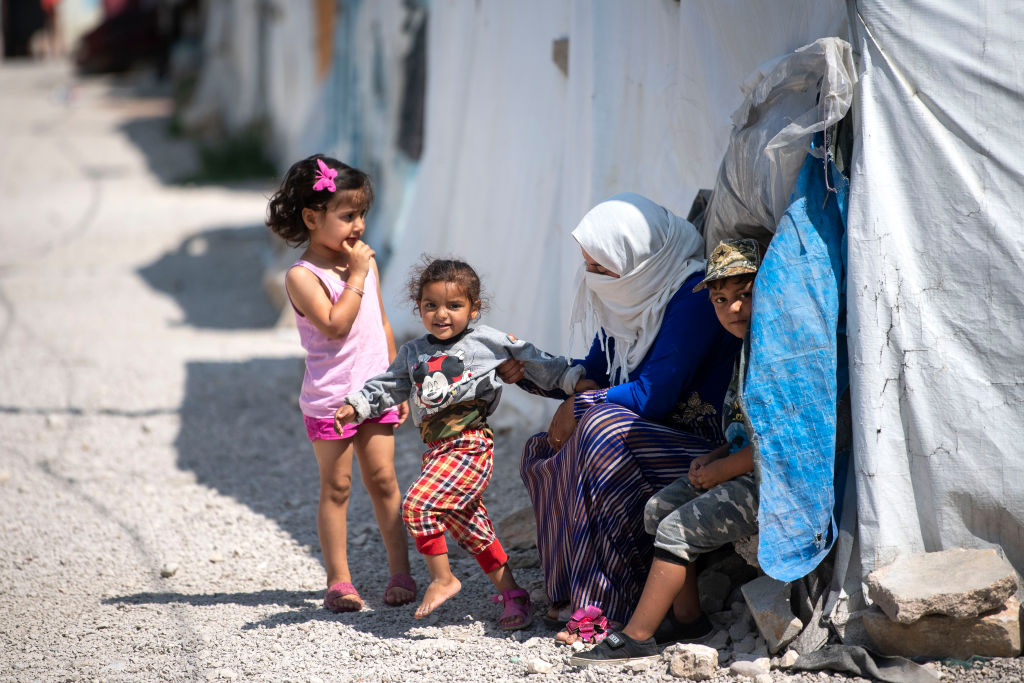
Armed conflicts and natural disasters cause significant psychological and social suffering. The affects are acute in the short term, and can also undermine long-term mental health and psychosocial well-being. As these impacts may threaten peace, human rights, and development, one priority in emergencies must be the protection and improvement of mental health and psychosocial well-being.
دول مجلس التعاون الخليجي تستعد لوضع إقليمي وعالمي مُختلف تماما
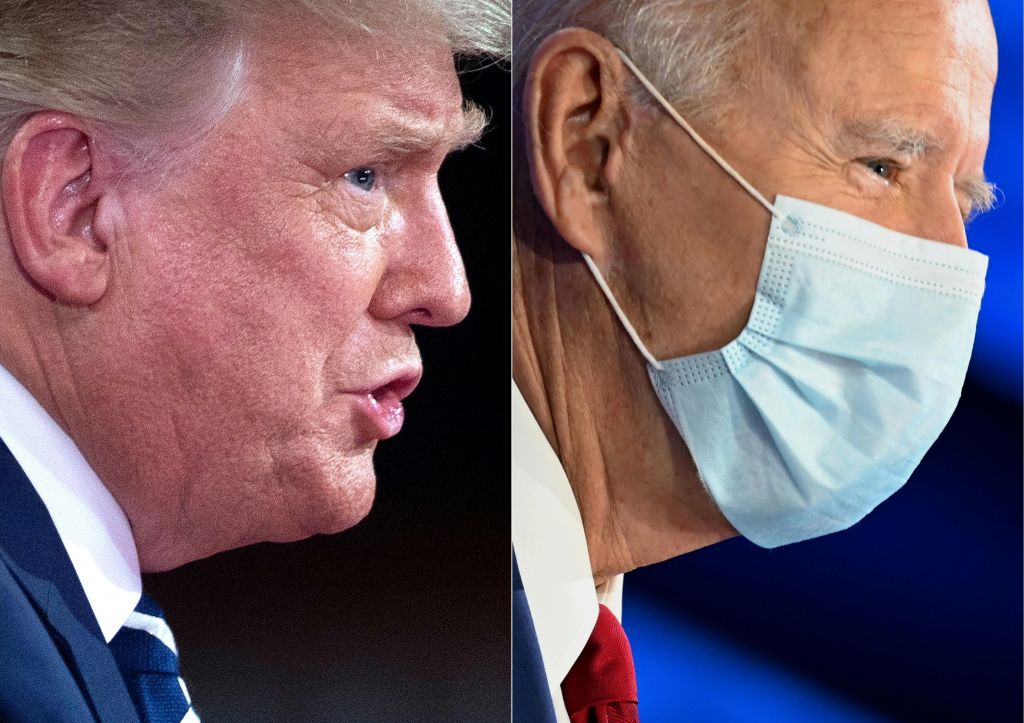
مع بداية عام 2021، تستعد دول مجلس التعاون الخليجي لبيئة عمل مُختلفة بشكلٍ كبير، عما واجهته في الأعوام الماضية. فالتحول من إدارة ترامب إلى إدارة بايدن سيأتي بمجموعة من اللاعبين أكثر تشككًا، في مراكز صُنع القرار في البيت الأبيض، ووزارتي الخارجية والدفاع، وتقريبا في كل مناصب واشنطن. توجد بالفعل بعض الإشارات التي تدل على أن دول مجلس التعاون الخليجي تتأقلم مع الواقع الجديد.
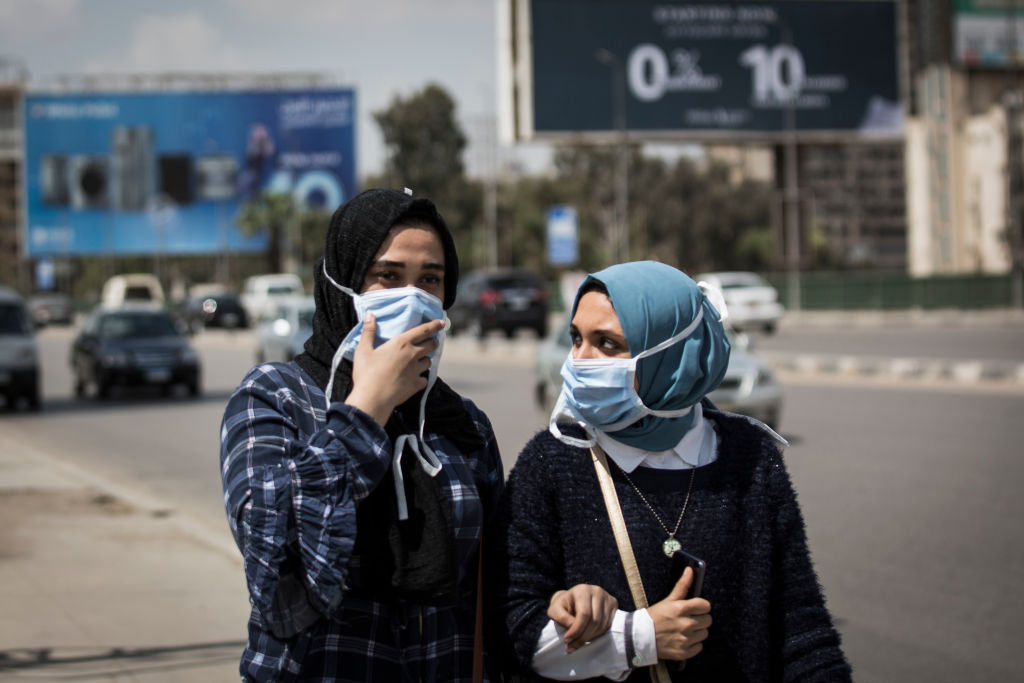
مثل الكثير من دول العالم، وقعت مصر في مُستنقع الجائحة في عام 2020. ومع ذلك، فإن قدرتها على إخراج نفسها من المُستنقع ستعتمد بشكل شبه كامل على حكومتها، وعلى الطريقة التي تختار بها مُعالجة مجموعة المُشكلات المُؤسسية التي كشفتها الجائحة.
The United States and the Gulf: Trapped in transition?
The mixed messages and pendulum swings in U.S. Gulf policy in recent years are rooted in and have further fueled deep questioning and a largely unresolved debate within the United States about America’s role in the region, and indeed in the world. Like the U.S., relations between the GCC and Iran are locked in confrontation. Breaking this impasse requires decisive U.S. reengagement in Gulf affairs led by vigorous, sustained diplomacy that promotes intra-GCC reconciliation and supports efforts aimed at tempering the Saudi-Iran strategic rivalry.
“Civilianizing” the State in the MENA and Asia Pacific Regions
There are numerous past and present cases around the world where security institutions — armed forces, police, intelligence services, militias and paramilitaries — have played important, if not decisive roles in buttressing or undermining the prolongation of authoritarian rule or conflict.
Turkey lies at the crossroads of Europe and Asia. Fueled by a dynamic economy, Turkey has emerged in recent years as an important geopolitical actor not just within the surrounding region but in the global arena as well. Turkey’s foreign and economic policy horizons today extend to the Far East. These essays explore the development of cultural, political, and economic links between Turkey and Asia.