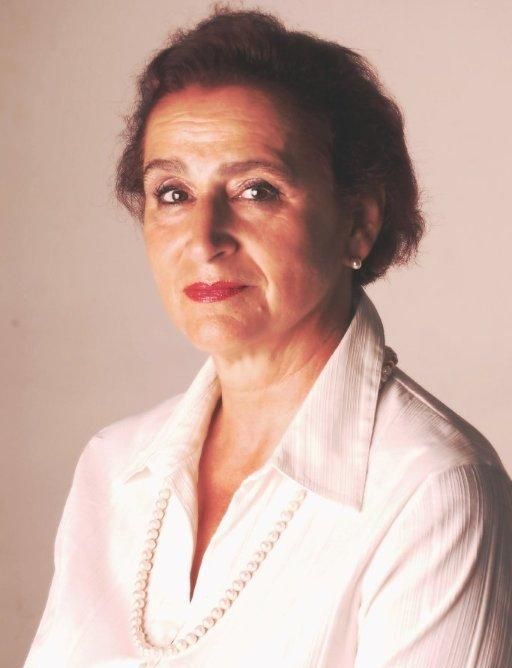
Dr. Selçuk Esenbel is Professor of History at Boğaziçi University, and the Director of the Asian Studies Center at the same institution. After studying at International Christian University Tokyo and George Washington University, she obtained her Ph.D. in Japanese history from the Columbia University. Since 1982, she has been teaching Japanese and Asian history at Boğaziçi University, where she is also in charge of the Asian Studies Center, Asian studies graduate program and Asian language courses. Esenbel has published many articles in various professional journals as well as a number of books on history of Asia with particular focus on Japanese history. Her research interests cover Japan and the world of Islam, Japanese pan-Asianism, modernization in Japan and Ottoman Turkey, peasant uprisings in Meiji Japan, and Japanese-Ottoman/Turkish relations. Esenbel is the recipient of various awards, like the Order of the Rising Sun, Japan Foundation Special Prize for Japanese Studies, Japanese Ministry of Foreign Affairs special award for the promotion of Japanese-Turkish academic relations, and the Alexander von Humboldt Foundation George Forster research award.
Turkey and Indonesia: Historical Roots, Contemporary Business Links
Though sympathy between Turkey and Indonesia has a long tradition, in part based on their shared experience of being Muslim-majority countries that successfully executed anti-imperialist struggles, for years this sympathy has failed to translate into a closer relationship. This is now changing. New economic linkages and the relative absence of thorny political issues are bringing them closer together. As President Abdullah Gül stated during a meeting in Jakarta in 2011, “A new era is beginning with Indonesia.” Economic agents such as businessmen and entrepreneurs are the pioneers of this era.
Turkey’s Changing Foreign Policy Stance: Getting Closer to Asia?
Turkey’s foreign policy under the current Justice and Development Party (AKP) government continues to attract widespread attention by scholars and policy circles alike. Over the past decade, the way Turkey has formulated and implemented its policies toward the rest of the world has transformed from a traditionally status quo-ist and reactive stance that emphasizes maintaining close relations with the West to a more assertive, multidimensional, and proactive approach with a broader geographical scope. While the process of accession to the European Union (EU) remains the main axis of its foreign policy, Turkey is now showing greater interest in regions hitherto neglected, including Asia, and this interest is materializing in the form of greater dialogue between countries, expanding economic and commercial relations, and frequent exchanges between peoples.
Interview with Professor Selçuk Esenbel, Director of the Asian Studies Center, Boğaziçi University, Istanbul, Turkey
Although Turkey has a long history of continuing interaction with European intelligentsia, politicians and opinion makers, and also with the United States, there is very little experience and background with which to communicate with Asian countries. The Asian Studies Center is now recognized as the institution that can form viable academic connections and develop projects accordingly which will “bring the world to Turkey.”