This individual is a guest contributor. MEI is not able to assist with contact requests.
Shahmahmood Miakhel is the Country Director in Afghanistan for the US Institute of Peace (USIP). Prior to that he was a Governance Advisor for the United Nations Assistance Mission in Afghanistan (UNAMA), and, from 2003–2005, a Deputy Minister of the Interior in the Government of Afghanistan. In 1994–1995 he worked for the United Nations Development Programme (UNDP) and United Nations Office for Project Services (UNOPS) in South and Southeast Afghanistan helping to establish District Rehabilitation Shuras (DRS). He also worked as a reporter for the Pashto service of the Voice of America from 1985–1990.
تنقسم الحكومات العربية إلى ثلاثة معسكرات حول موقفها من الغزو الروسي لأوكرانيا: المعسكر الأول الموالي لروسيا، وكما هو متوقع فإنه يضم سوريا، التي سارعت إلى الاعتراف باستقلال المنطقتين الانفصاليتين المنشقتين في شرق أوكرانيا وأبدت استعدادها للانضمام إلى القتال الروسي؛ والمعسكر الثاني المناهض للغزو والذي يضم لبنان والكويت؛ أما الفريق الثالث فيضم الدول المترددة ويشمل القوى الإقليمية مثل السعودية والإمارات ومصر.
يعكس بيان جامعة الدول العربية في 28 فبراير/شباط موقف المترددين: فهو لا يذكر روسيا، ويشير إلى الغزو على أنه “أزمة”، ويدعو إلى حل دبلوماسي.
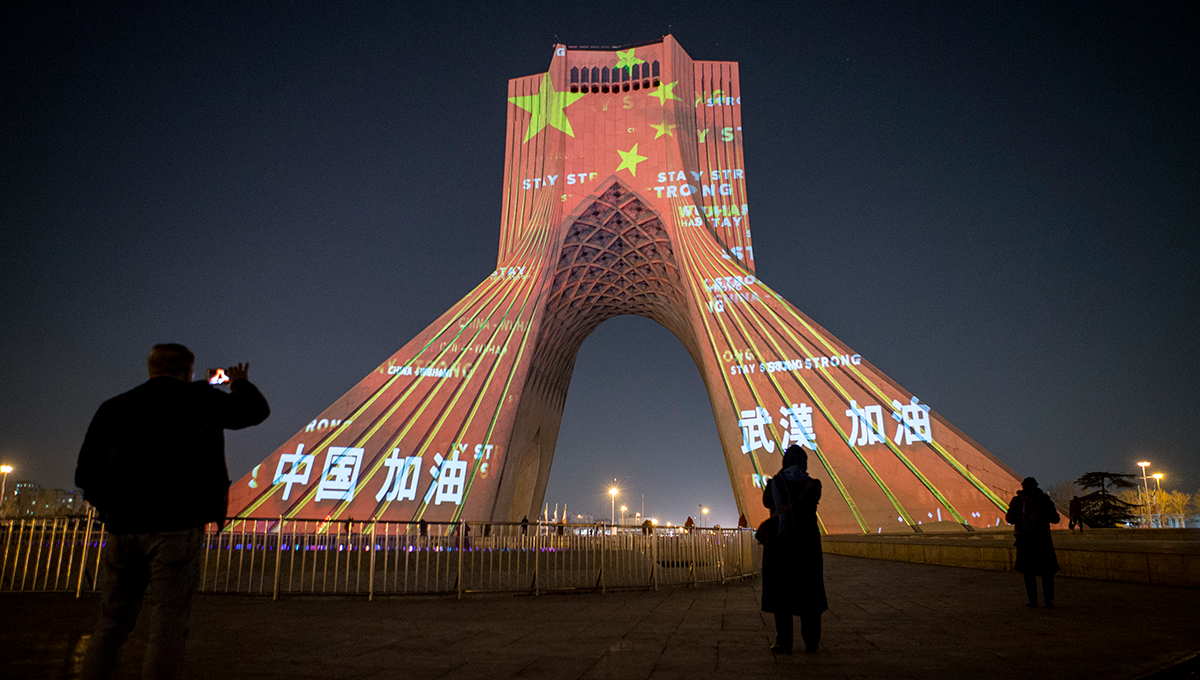
The 25-year Iran-China agreement, endangering 2,500 years of heritage
The 25-year strategic cooperation agreement between Iran and China, signed in March 2021, is coming to fruition, sparking debate among Iranians about the potential effects of deepening ties with Beijing.
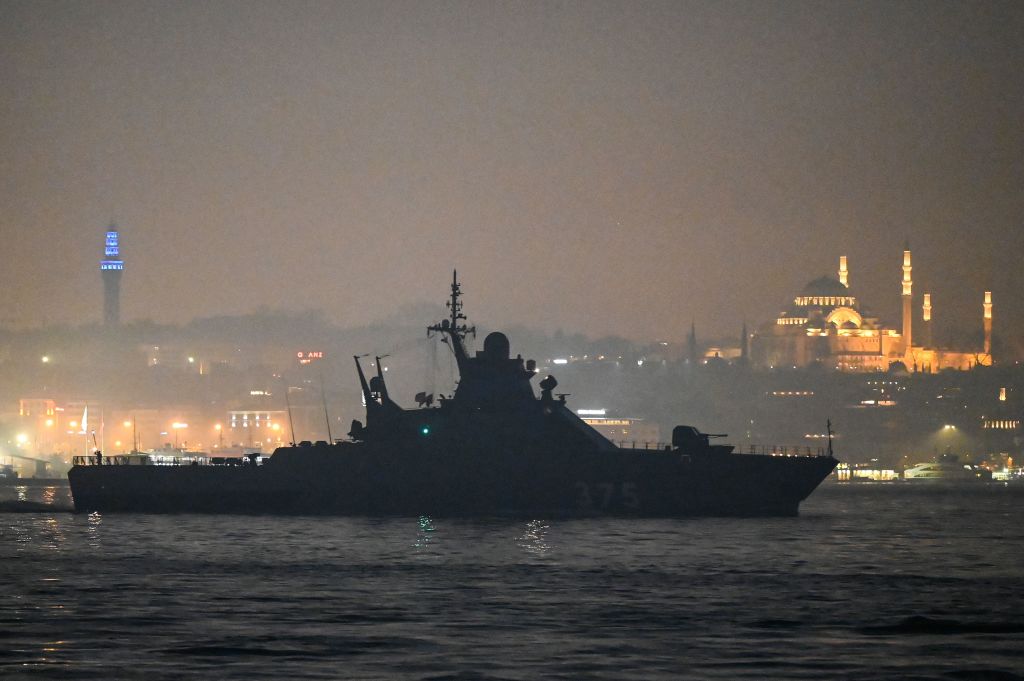
ليس شرقًا ولا غربًا: حسابات تركيا في أزمة أوكرانيا
تحمل الأزمة في أوكرانيا، من وجهة نظر أنقرة، مخاطر كبيرة، لكنها تنطوي أيضًا على بعض الفرص. إنها ليست أزمة من صنعهم، ولا أزمة رحبوا بها. ومع ذلك، من الواضح أن أنقرة جهَّزت مخططًا أساسيًا لتجاوز العاصفة. من وجهة نظر صانعي السياسة في واشنطن، من المرجح أن تجلب استراتيجيتهم إحباطًا أكثر من تطمينًا.
وفي نفس الوقت، فإن الفهم الأفضل لكيف تأمل تركيا أن تتجاوز الأزمة الأوكرانية يمكن أن يساعد في توضيح بعض النقاشات الجارية داخل واشنطن حول كيفية تصور السياسة الخارجية الجديدة لأنقرة ومكانها داخل حلف الناتو.
Roundtable on Energy Transitions in MENA: IDRC-MEI Report
The first International Development Research Centre (IDRC)-Middle East Institute (MEI) Roundtable on Energy Transitions in the Middle East and North Africa (MENA), held on January 20, 2022, explored the challenges and opportunities facing the region as a result of the global energy transition. As it accelerates over the course of the century, this global transition will provide new opportunities for economies to evolve while putting a strain on the current economic model of many nations in MENA.
Integrating logistics and engineering into Middle East deterrence
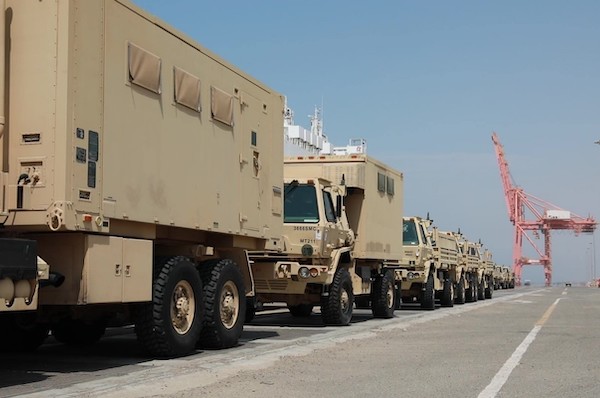
As the Pentagon funnels more military assets and capabilities into the U.S. Indo-Pacific Command theater, U.S. commanders in the Middle East must now adjust their strategy using an economy of force approach. They need to achieve security and deterrence outcomes by proverbially “doing more with less,” including considering new and creative approaches to achieving results for regional deterrence, such as integrating theater logistics and engineering capabilities more prominently into the deterrence campaign.
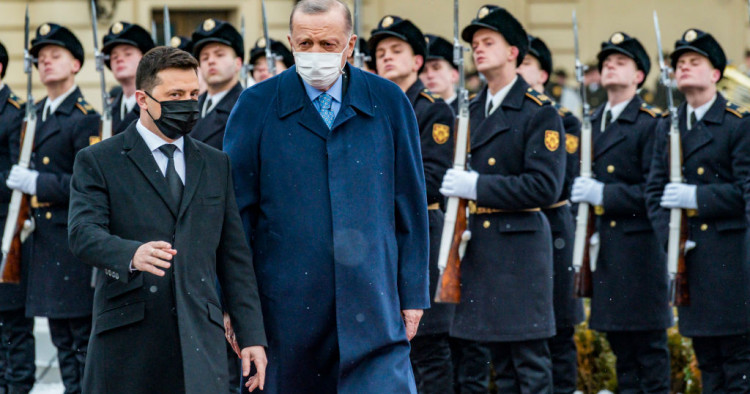
Neither East nor West: Turkey’s calculations in the Ukraine crisis
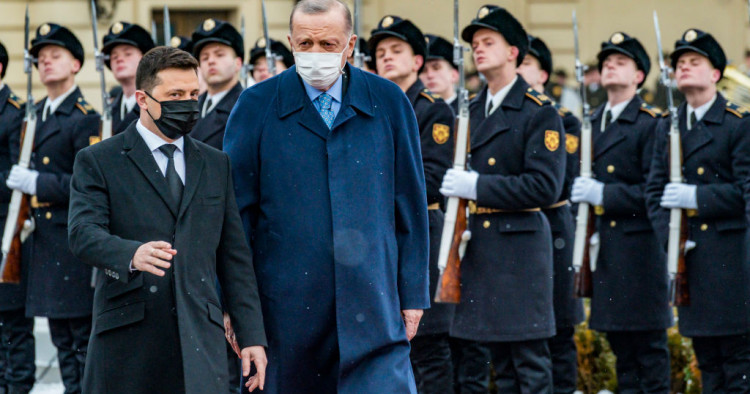
The crisis in Ukraine, from the perspective of Ankara, carries significant risks, but also some opportunity. It is neither a crisis of their own making, nor one that they welcomed; nevertheless, Ankara has clearly developed a basic blueprint for weathering the storm. From the perspective of Washington policymakers, their strategy is likely to hold more frustration than reassurance.
Marvin Weinbaum and Sayed Madadi discuss Afghanistan’s worsening economic and humanitarian crises six months after the Taliban reclaimed control of the country.
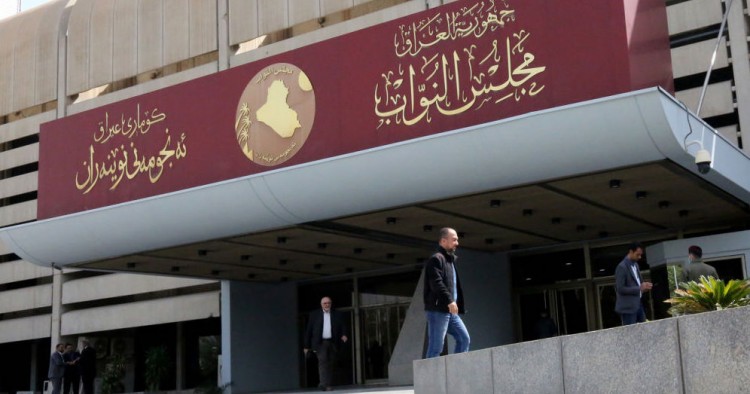
رائحة الثورة: آفاق الإصلاح في ظل الحكومة العراقية المقبلة
وستجد الحكومة الجديدة في جلستها الأولى على مكتبها عددًا من الملفات الشائكة ، تتفاوت في درجة أهميتها وخطورتها وإلحاحها. ستكون المهمة الأولى للحكومة هي ترتيب أولوياتها.
The smell of the revolution: The prospects for reform under the next Iraqi government
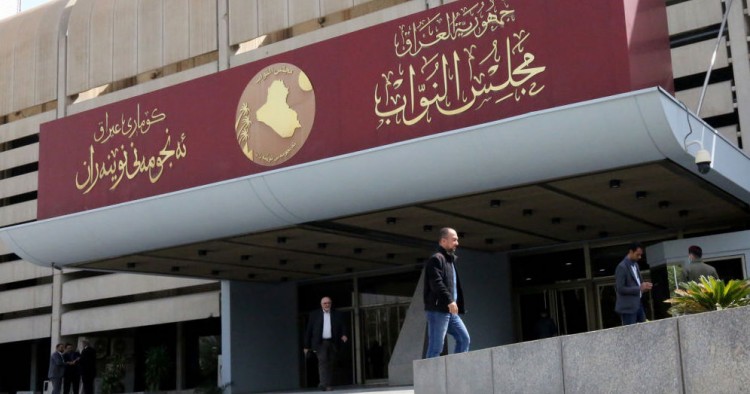
In its first session the new Iraqi government will find on its desk a number of thorny files, which vary in their degree of importance, danger, and urgency. Its first task will be to prioritize them. How it chooses to do so will be shaped by several sets of factors, including intrinsic internal ones, as well as regional and international developments. Its priorities when it comes to the security, economic, and service files will play an important role in determining if the government will be able to remain in office and complete its constitutional term.
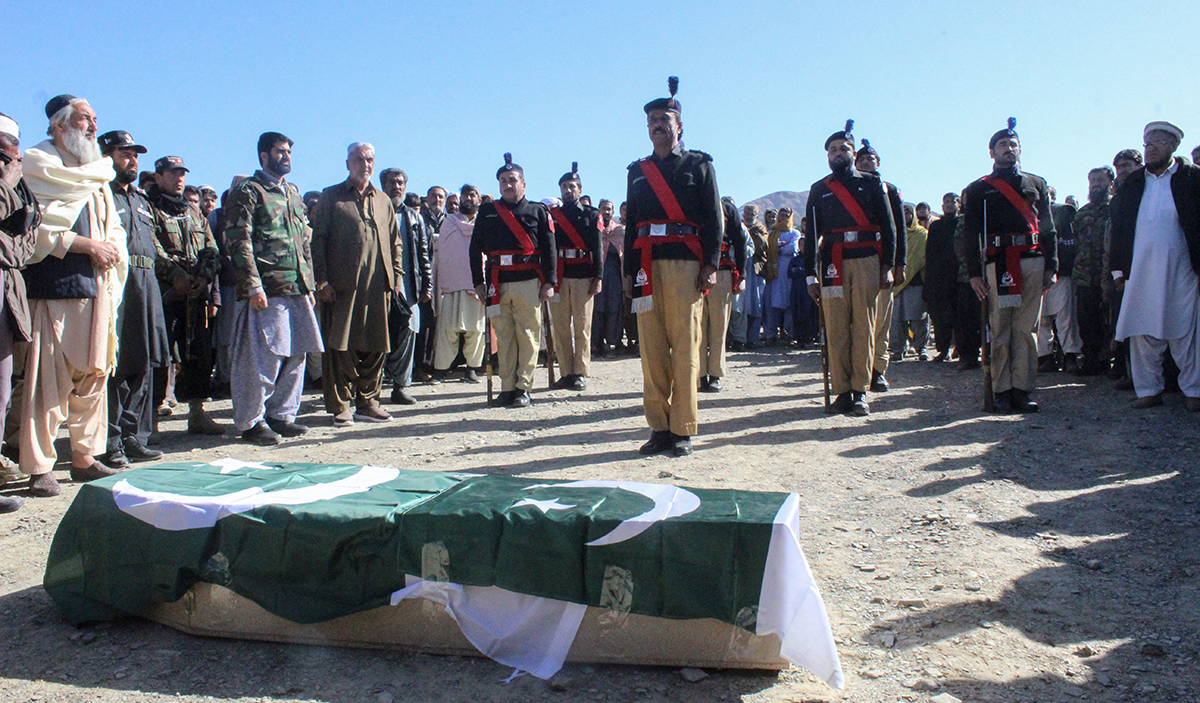
The Pakistani Taliban’s radical rebranding: Is there more than meets the eye?
In a statement released on Feb. 12, the Tehreek-e Taliban Pakistan (TTP) distanced itself from international terrorism, declaring that its violence was singularly focused on Pakistan. While the TTP’s recent comments on America are unprecedented, they do fit into its broader rebranding effort under the leadership of Noor Wali Mehsud, who took over the group in 2018.
حتى كتابة هذه السطور، ليس من الواضح ما هو النهج الذي ستتخذه روسيا في أوكرانيا: الضغط، أو التقسيم، أو البلع. يمكن للرئيس فلاديمير بوتين أن يواصل ويُصعّد من سياسة الضغط الشديد على أوكرانيا، دون غزو كبير، الأمر الذي يمكن أن يجعل أوكرانيا تخضع وتستسلم، ويفرض تغييرًا في سياسات كييف أو مساراتها، ويضمن هدف بوتين المتمثل في مواءمة أوكرانيا مع روسيا. أو يمكنه أن يواصل ما بدأه في دونباس وشبه جزيرة القرم وأن يستولى ببساطة على قطعة أخرى من أوكرانيا، مما يزيد الضغط على كل من كييف والغرب. الاحتمال الثالث الواضح هو غزو شامل لابتلاع البلد كله.
Algeria rings in the old: Civil society under assault
The Algerian authorities are intensifying repression against the last voices of dissent, hoping to put an end to the Hirak once and for all. Human rights in Algeria are under serious threat; the pattern toward a more authoritarian, less competitive regime is clear.