This text has been translated by AI and may contain errors.
Skip to Content

Shahmahmood Miakhel

Country Director, Afghanistan

Expertise

Afghanistan

This individual is a guest contributor. MEI is not able to assist with contact requests.

Shahmahmood Miakhel is the Country Director in Afghanistan for the US Institute of Peace (USIP). Prior to that he was a Governance Advisor for the United Nations Assistance Mission in Afghanistan (UNAMA), and, from 2003–2005, a Deputy Minister of the Interior in the Government of Afghanistan. In 1994–1995 he worked for the United Nations Development Programme (UNDP) and United Nations Office for Project Services (UNOPS) in South and Southeast Afghanistan helping to establish District Rehabilitation Shuras (DRS). He also worked as a reporter for the Pashto service of the Voice of America from 1985–1990.

The Latest from Shahmahmood Miakhel

Filter by
9991 Results
Preparing for advancements in Russian warfare in the Black Sea region
Photo by Sergei MalgavkoTASS via Getty Images
  • Analysis
  • Preparing for advancements in Russian warfare in the Black Sea region

    Suddenly and seemingly without warning, Russian forces amassed in Crimea and near the Ukrainian border in April 2021. Heavy armor, long-range missiles and artillery, modern air forces, and elite airborne infantry units deployed into positions that raised alarm in Ukraine and throughout Europe. The situation today appears stable, but reports of new and upgraded hardware, including unmanned vehicles, demand a fresh evaluation of the Russian way of war.

    August 23, 2021

    Biden Must Keep U.S. Operatives in Afghanistan To Enable the Counterterrorism Mission
  • Commentary
  • Biden Must Keep U.S. Operatives in Afghanistan To Enable the Counterterrorism Mission

    We can and must provide that assistance not to help defeat the Taliban, fix Afghanistan, or remove our moral stain, but to achieve a much more limited objective, one that’s stated by the President himself, which is to ensure that no major attack against the U.S. or U.S. strategic interests is launched from Afghanistan.

    تهديدات جديدة وبيئة أخطر كثيرًا في أفغانستان
  • Commentary
  • تهديدات جديدة وبيئة أخطر كثيرًا في أفغانستان

    مع تكثيف جهود الإجلاء من قِبَل الولايات المتحدة وحلفائها في مطار كابول، تزداد معها التهديدات الإرهابية للمطار ومجاله الجوي. فلمدة 48 ساعة على الأقل، أشارت المعلومات الاستخباراتية إلى وجود تهديد “خطير” و”مستمر” بشن هجمات من قِبَل فرع تنظيم الدولة الإسلامية في أفغانستان، المعروف باسم ولاية خراسان الإسلامية (ISKP). وللمرة الأولى، بدأت طائرات النقل العسكرية يوم السبت بإطلاق مشاعل حرارية مضيئة أثناء الإقلاع – في مؤشر واضح على تهديد محتمل للاستهداف بصاروخ أرض – جو.

    Hezbollah, America, and the race to supply Lebanon with power
    Photo by DYLAN COLLINS/AFP via Getty Images
  • Analysis
  • Hezbollah, America, and the race to supply Lebanon with power

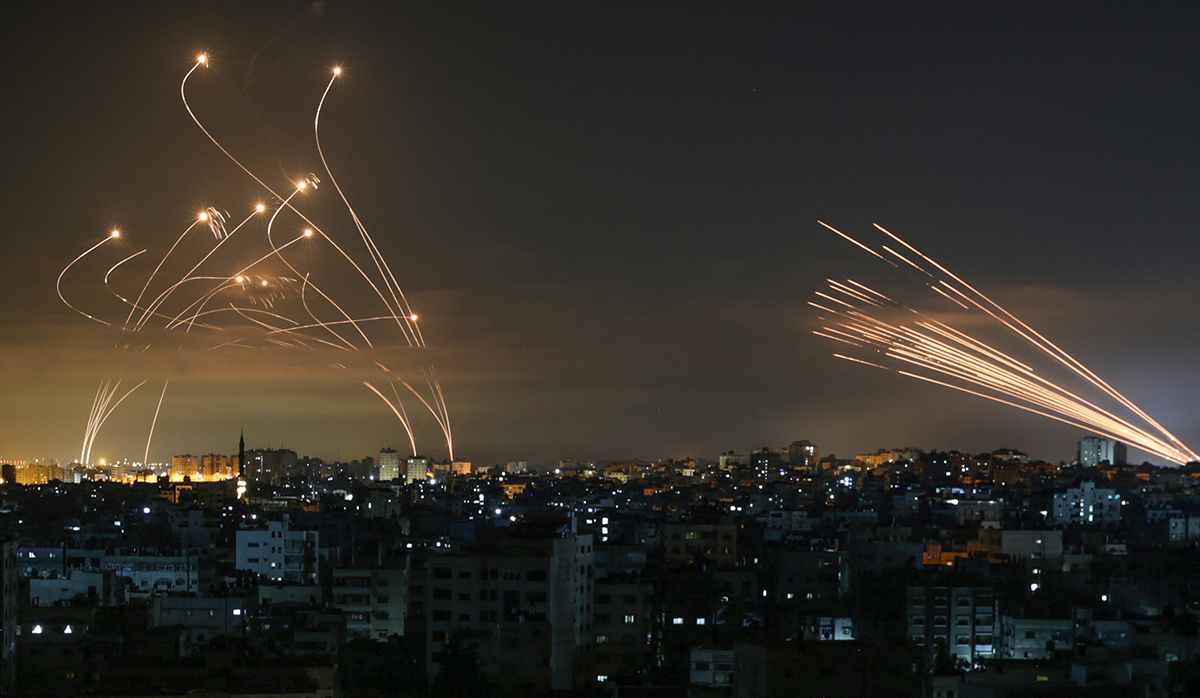
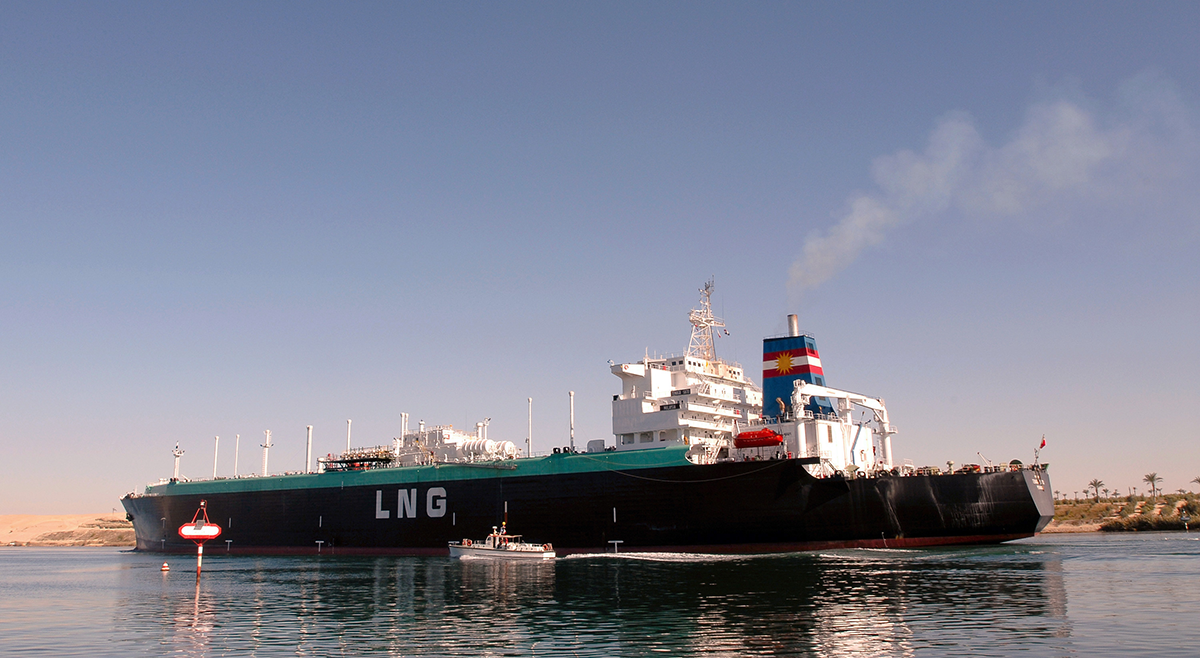
    Amid typical governmental absenteeism, Hezbollah’s Secretary-General Hassan Nasrallah announced on Aug. 19 that the party had secured fuel shipments from Iran. He asserted that the first of many fuel tankers would set sail to Lebanon that same day. Hours later, U.S. ambassador to Lebanon Dorothy Shea declared that the U.S. was working closely with Egypt, Jordan, and the World Bank to find solutions to Lebanon’s crippling fuel shortages. Shea’s comments imply a U.S. willingness to loosen Caesar Act restrictions that would otherwise prevent Lebanon from importing natural gas and electricity through Syria from Egypt and Jordan respectively. The two announcements have been in the making for weeks, but both come at a time when Lebanon’s physical and human infrastructure is crumbling in the absence of essential fuel supplies and energy sources.

    August 20, 2021

    حلقة 44: آراء (20) – الغرب يضغط على تونس دون عقوبات
  • Podcast
  • حلقة 44: آراء (20) – الغرب يضغط على تونس دون عقوبات

    تجنّبت ردود أفعال الدول الغربية تجاه تجميد الرئيس التونسي قيس سعيّد البرلمان والحكومة فرض أو التهديد بالعقوبات. يستعرض إبراهيم الأصيل رأياً للسفير روبرت فورد حول التطورات الأخيرة.

    August 20, 2021

    حلقة 45: آراء (21) – طموح بغداد في دور إقليمي
  • Podcast
  • حلقة 45: آراء (21) – طموح بغداد في دور إقليمي

    هل يمكن أن يتحقق طموح بغداد في لعب دور إقليمي؟ يناقش إبراهيم الأصيل رأياً للباحث يسار المالكي حول الدور الذي تحاول بغداد لعبه في المنطقة.

    August 20, 2021

    حلقة 47: الرئيس سعيّد ومستقبل تونس — مع انتصار فقير
  • Podcast
  • حلقة 47: الرئيس سعيّد ومستقبل تونس — مع انتصار فقير

    أسئلة الحلقة: ما الذي دفع الرئيس التونسي إلى تجميد البرلمان وتولّي السلطة التنفيذية، وما الذي يقوم به منذ 25 يوليو؟  ما هي الأطراف الداخلية الفاعلة في تونس وما هي مواقفها الحالية؟  ما هو مستقبل المؤسسات المُنتخبة في تونس ومستقبل الدستور؟ ما الدور الإيجابي الذي يمكن أن تقوم به الأطراف الخارجية لمساعدة تونس؟ ما هي السيناريوهات المُحتملة للمستقبل القريب في تونس وما يجب أن نتابعه لنعرف إلى أين تتوجّه تونس. — إبراهيم الأصيل انتصار فقير

    August 20, 2021

    Lebanon is a tinderbox, and Lebanese politicians have started dropping matches
    Photo by Sam Tarling/Getty Images
  • Commentary
  • Lebanon is a tinderbox, and Lebanese politicians have started dropping matches

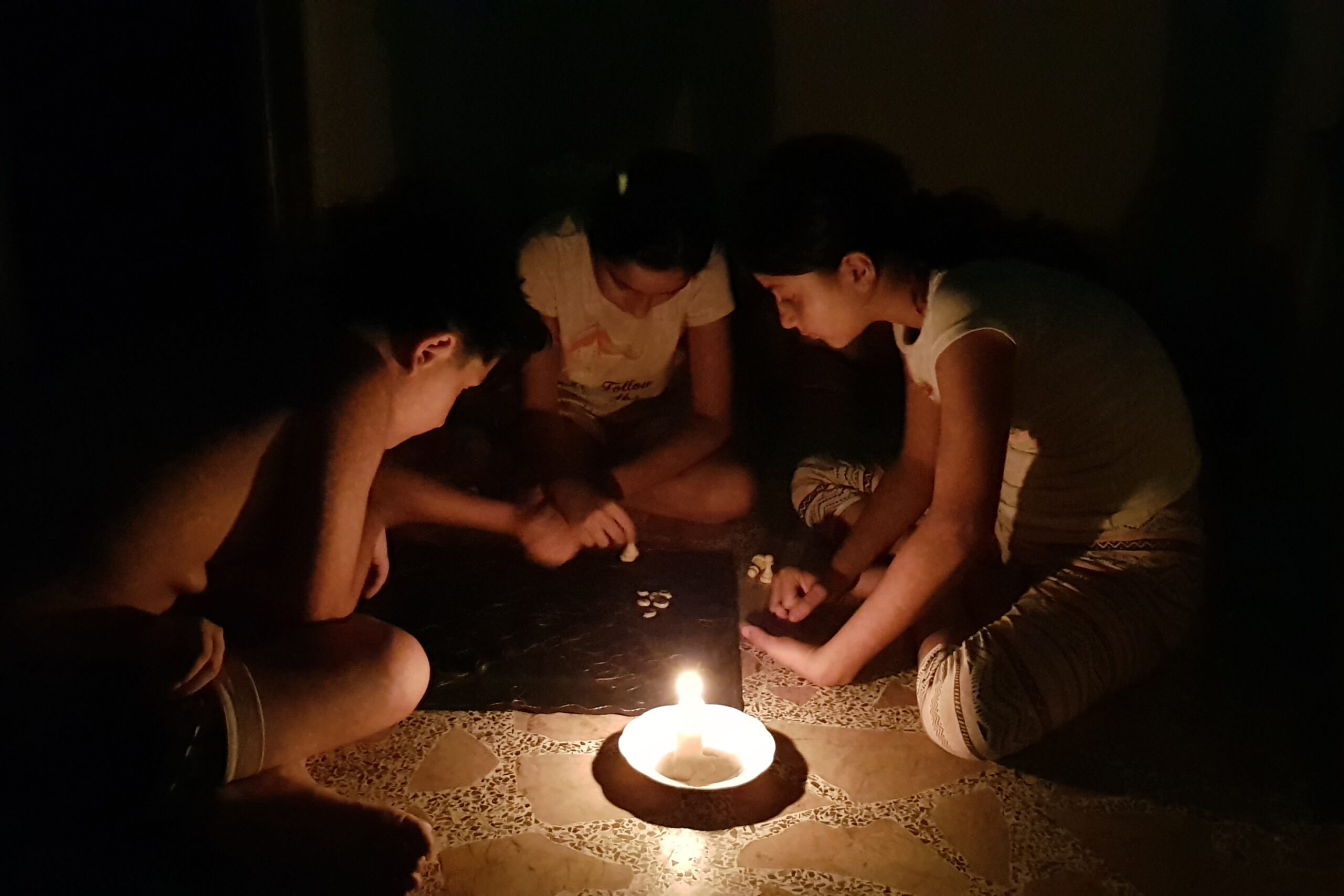
    Premeditated political paralysis and the absence of economic leadership have brought Lebanon to its knees. Critical infrastructure has collapsed. Reliable electricity and safe water provision are rare. Hospitals and medical services are crippled by the lack of power, medications, and supplies. Food security is at risk for the majority of the population. Desertions from the ranks of security forces are growing. A nationwide security collapse is increasingly likely. The humanitarian collapse is already here.

    August 19, 2021

    What’s next in Afghanistan? The prospects for future political violence
    Photo by MARCUS YAM/LOS ANGELES TIMES/Getty Images
  • Analysis
  • What’s next in Afghanistan? The prospects for future political violence

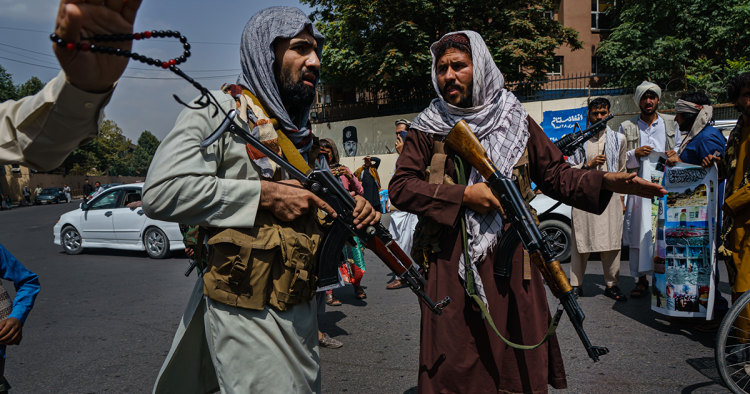
    As the U.S. withdrew troops from Afghanistan, the Taliban pushed through large portions of the country, capturing strategic regional centers and ultimately securing the capital city of Kabul. In its pursuit, the Taliban faced relatively little resistance as it seized government strongholds. Rather than widespread fighting, reports indicate that Taliban fighters often cut deals with soldiers, offering payoffs or demanding surrenders. At the same time and as of the time of writing, the Taliban announced a general amnesty, encouraging former government officials and women to support the group.
    Whether and how long this period of limited resistance and amnesty might last are unclear. What are the prospects for future political violence both within and outside the country?

    August 19, 2021

    The Abraham Accords one year on
    Photo by Alex Wong/Getty Images
  • Analysis
  • The Abraham Accords one year on

    On Sept. 15, 2020, Emirati Foreign Minister Abdullah bin Zayed al-Nahyan, Bahraini Foreign Minister Abdullatif bin Rashid al-Zayani, then-Israeli Prime Minister Benjamin Netanyahu, and then-U.S. President Donald Trump met on the South Lawn of the White House to sign the Abraham Accords, normalizing relations between the two Gulf Arab states and Israel. Morocco followed suit several months later, signing a similar agreement with Israel on Dec. 22, and a week and a half after that, on Jan. 6, 2021, Sudan and Israel also agreed to normalize relations. A year on, these accords have had a significant, if not yet fully realized, impact on the Middle East, affecting everything from geopolitics and economics to tourism and people-to-people (P2P) ties, and they also reflect the changing dynamics in the region and beyond, particularly with the U.S. and China.

    August 19, 2021

    The race to reset the Middle East's maritime map
    Photo by Xinhua/Wu Lu via Getty Images
  • Analysis
  • The race to reset the Middle East's maritime map

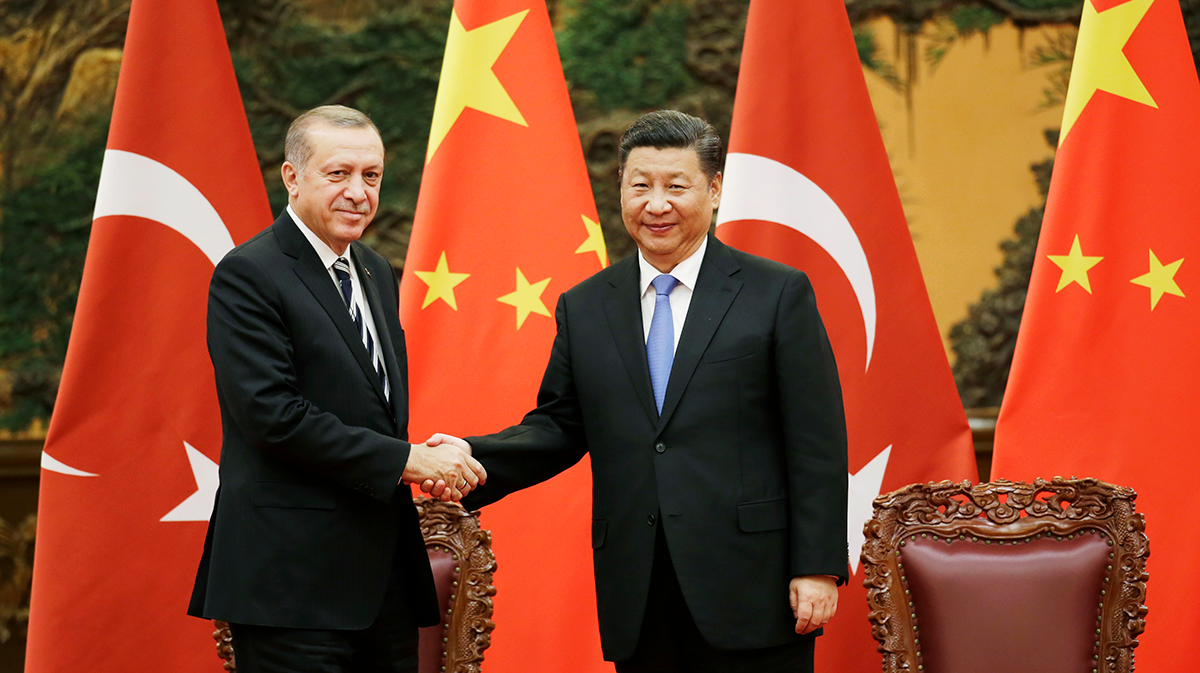
    One of the most consequential changes in the Middle East’s geopolitical map is happening at the water’s edge. Along the entire eastern rim of the Mediterranean basin, global and regional actors are engaging in a spate of port capacity expansions, new private port construction, and the sell-off of major state-owned ports that will determine who sits atop the region’s global trade flows for decades to come. The international competition to rebuild Beirut’s port is one key puzzle piece in this larger process that is reconfiguring the Levant’s maritime commercial architecture and, as a consequence, the geopolitical contours of the Middle East.

    The possibility that the Lebanese government could opt for China to reconstruct Beirut’s port has raised alarm in Washington and European capitals given China’s already outsized commercial port presence in Egypt, Israel, and Greece. Increased Chinese involvement in Lebanon’s port operations could consolidate Beijing’s hold over the commercial connectivity architecture of the Levant. Re-orienting global commercial flows between Europe, the Middle East, and Asia according to Beijing’s priorities would make China’s Belt and Road Initiative a dominant organizing principle in the international relations of the Middle East. The most effective way to offset China’s ambition may be to facilitate Mediterranean rivals France and Turkey to jointly rebuild Beirut’s port.

    A view from the Hill: Congressional actions targeting MENA, April-June 2021
    Photo by Aurora Samperio/NurPhoto via Getty Images
  • Analysis
  • A view from the Hill: Congressional actions targeting MENA, April-June 2021

    Six months into the 117th Congress, legislators continued to grapple with the complexities of a region in the midst of change. The reasons for this phenomenon were myriad. The Biden administration espoused a divergent worldview from that of its predecessor, the balance of power in Congress shifted, the international community continued to struggle with the ramifications of COVID-19, the Abraham Accords altered the dynamics between Israel and other regional actors, while the outbreak of violence between Israel and Gaza attracted attention from both sides of the aisle. Legislators offered an increased number of proposals to address these and other realities in the second quarter of 2021, marking a sharp uptick in legislation focused on MENA compared to the first quarter of the year.

    August 18, 2021

    Hossein Amirabdollahian: A Quds Force favorite becomes Iran’s new foreign minister (Part 2)
    Photo by AFP via Getty Images
  • Analysis
  • Hossein Amirabdollahian: A Quds Force favorite becomes Iran’s new foreign minister (Part 2)

    Due to his divergent views on Iran’s international and regional policies, Hossein Amirabdollahian had various disagreements with then-Foreign Minister Mohammad Javad Zarif while serving as deputy foreign minister beginning in 2011, and these ultimately led to his removal from the post in June 2016. The official reason announced for the change was Amirabdollahian’s appointment as Iran’s new ambassador to Oman, although he refused to accept the position.

    August 18, 2021