Shahmahmood Miakhel is the Country Director in Afghanistan for the US Institute of Peace (USIP). Prior to that he was a Governance Advisor for the United Nations Assistance Mission in Afghanistan (UNAMA), and, from 2003–2005, a Deputy Minister of the Interior in the Government of Afghanistan. In 1994–1995 he worked for the United Nations Development Programme (UNDP) and United Nations Office for Project Services (UNOPS) in South and Southeast Afghanistan helping to establish District Rehabilitation Shuras (DRS). He also worked as a reporter for the Pashto service of the Voice of America from 1985–1990.
The Latest from Shahmahmood Miakhel
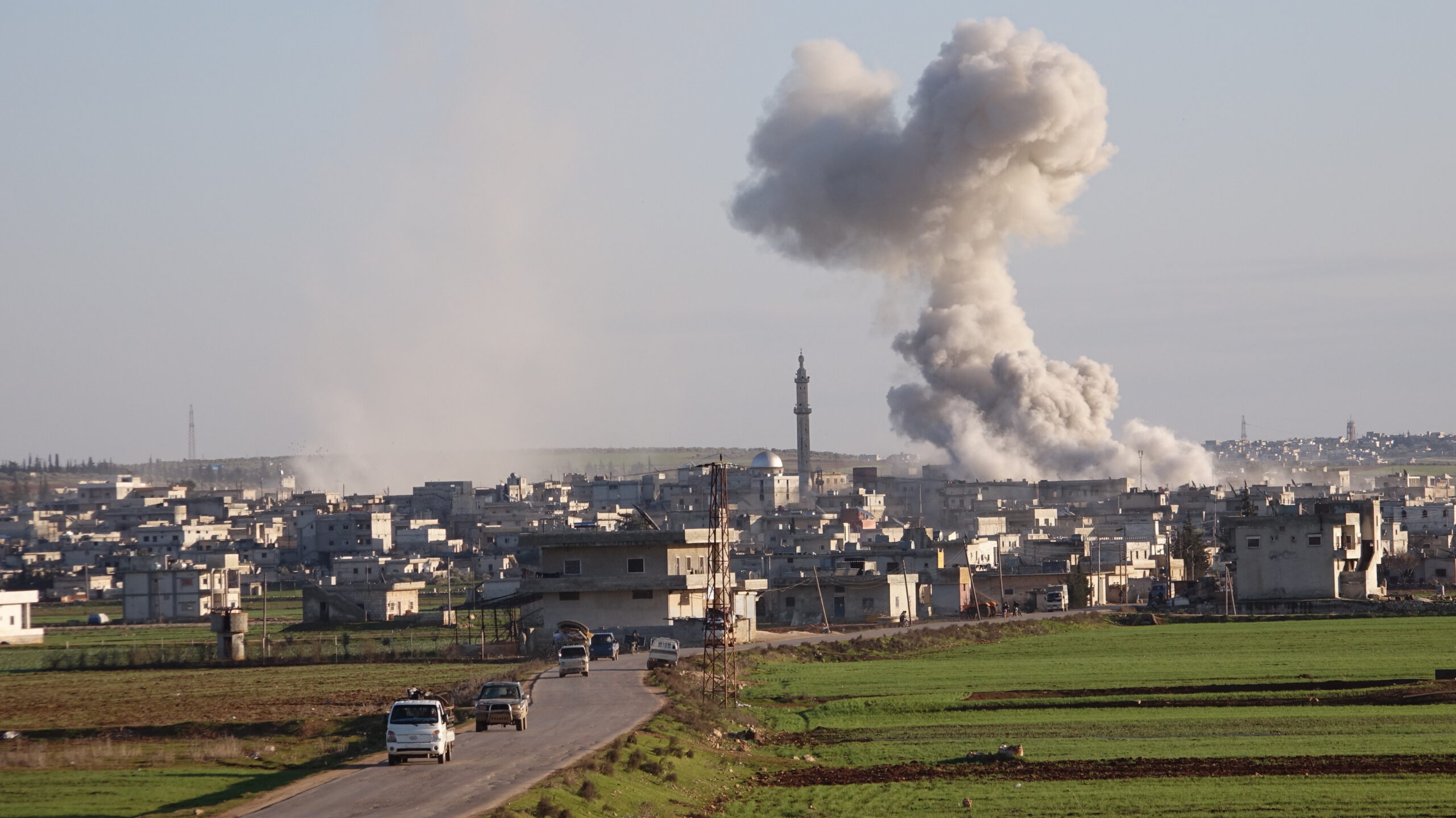

EU and the Middle East
MEI scholar Przemysław Osiewicz joins host Alistair Taylor to discuss EU-Middle East relations and key policy issues, from Iran and Israel-Palestine to Libya and Syria.
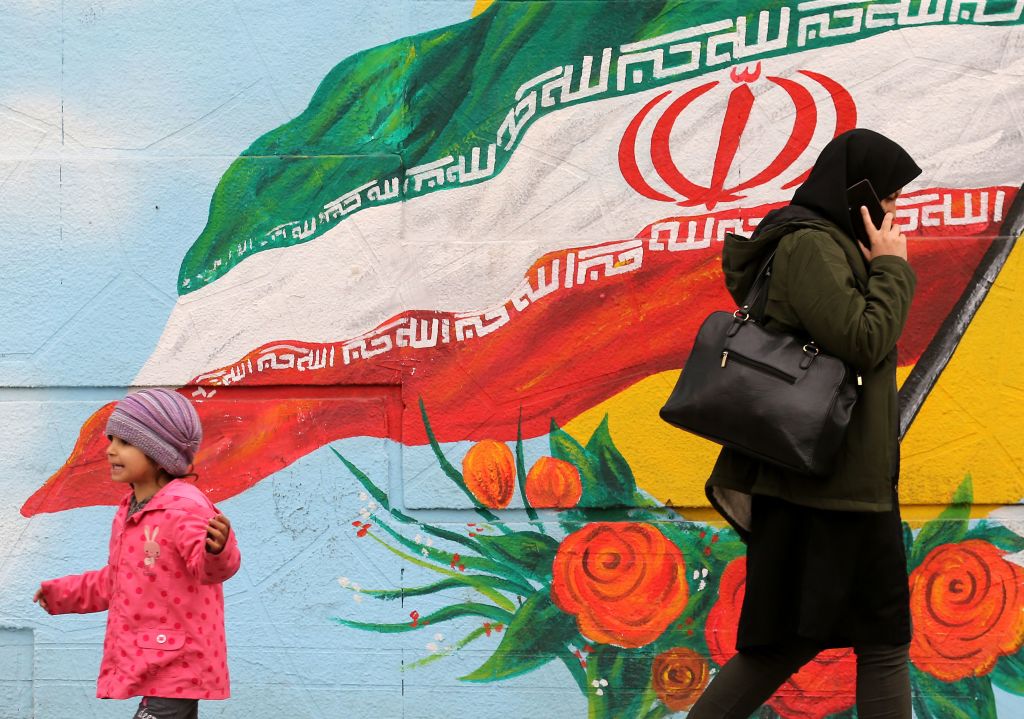
How the Iranian regime has boxed itself in ahead of the crucial parliamentary elections
A low voter turnout at the weekend will be the latest indication that ordinary Iranians are just not happy with the regime in Tehran
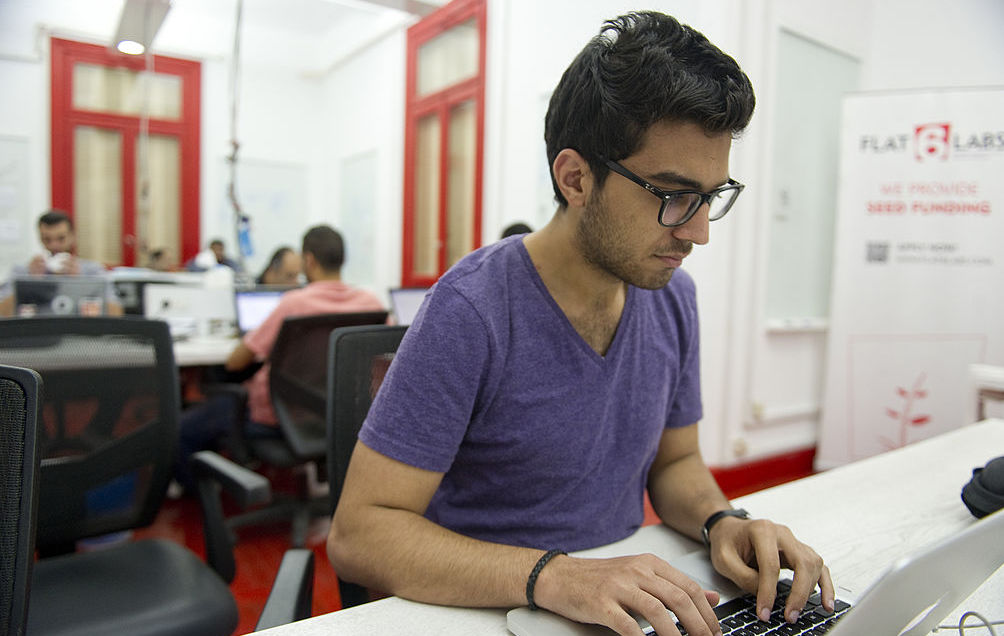
How can Egypt capitalize on its start-up boom?
There has been a largely overlooked yet significant trend in entrepreneurship in Egypt, the Arab world’s most populous country. Much of this has been concentrated in the country’s two main economic centers, Cairo and Alexandria, but there are also signs of a broader and more inclusive trend. Despite this boom, few start-ups seem to have left much of a mark beyond the early development stages. A lack of access to finance has long been recognized as a key obstacle, yet the approaches taken by the government and international development lenders have proven largely ineffective. If this, along with other obstacles, can be addressed, the country’s nascent start-up scene could become a catalyst for economic development.
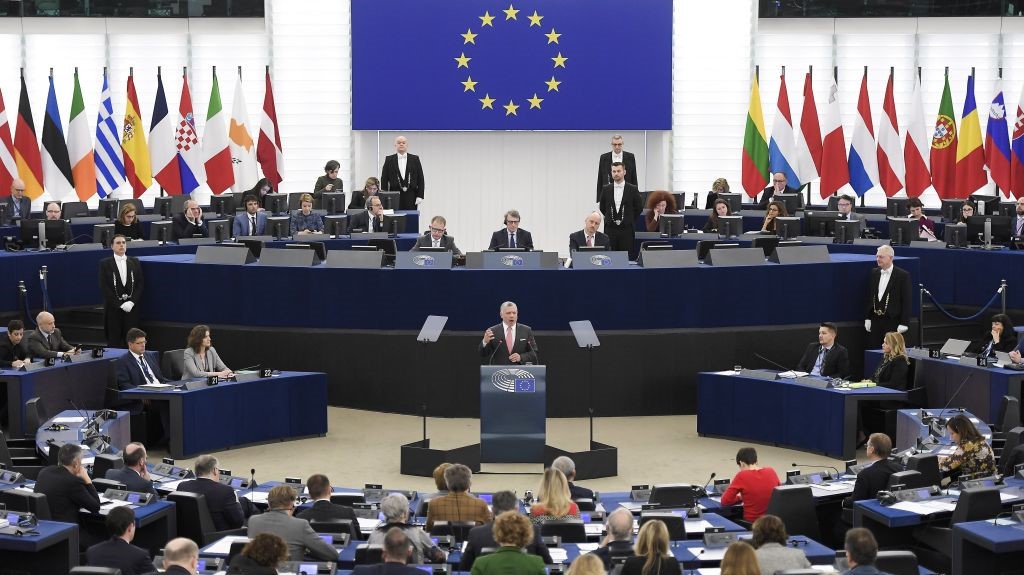
Understanding EU-MENA relations: Current and changing dynamics
This year could mark a turning point in the European Union’s relations with the countries of the MENA region. If the EU is to realize the objectives laid out in its 2016 global foreign and security policy strategy and become a major world power, it has to be more proactive and creative, especially in the Middle East.
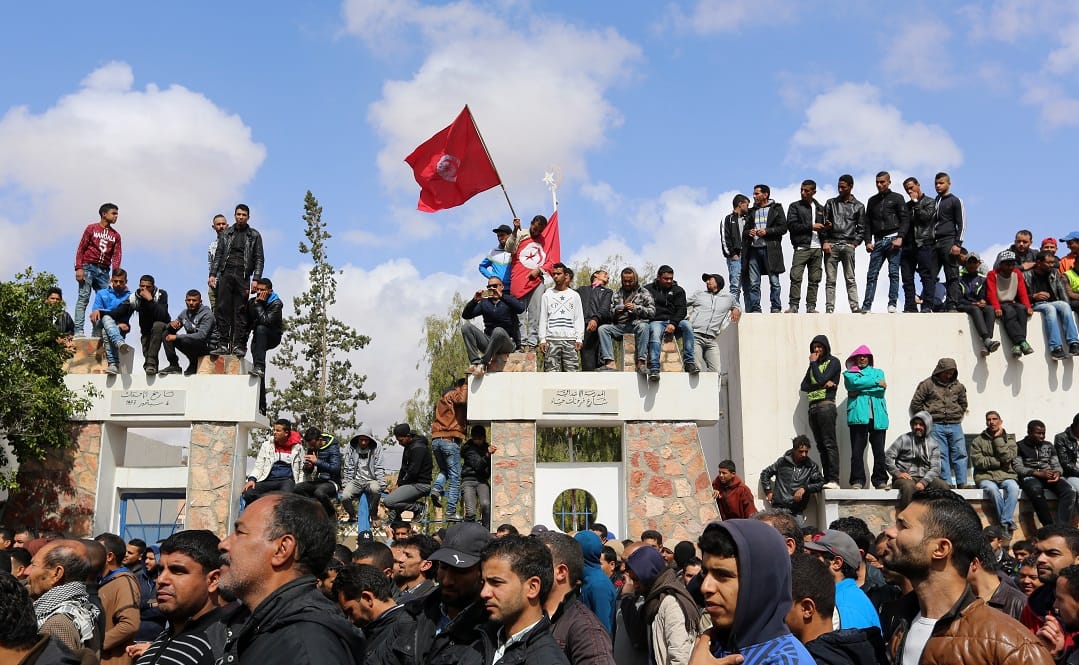
The State of Tunisia's Democratic Transition and the Power and Perils of Consensus Politics
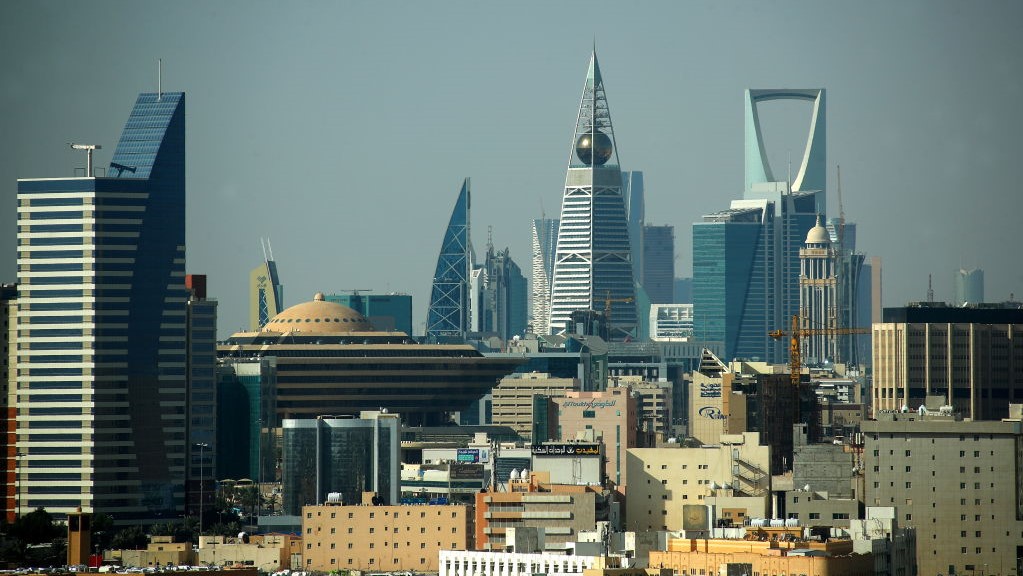
After Aramco IPO, Saudi Arabia hopes to create an investor-friendly economy
The main takeaway from the Saudi Aramco IPO in December 2019 is that the Saudi leadership is willing to fully support private investors.
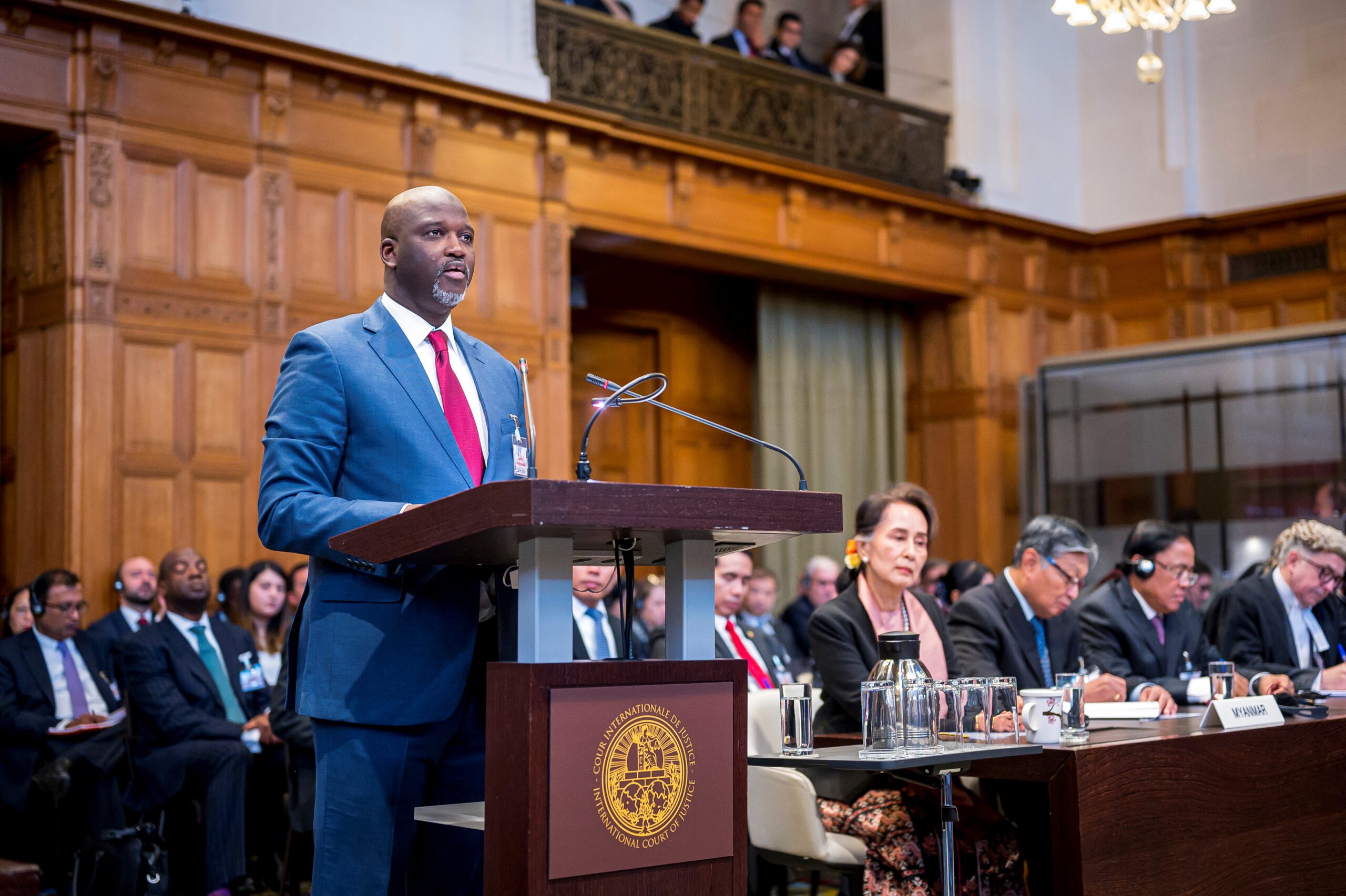
The Gambia Charges Genocide at the World Court: Pursuing and Achieving Justice for the Rohingya
This article discusses the efforts taken by The Gambia on behalf of the 57-member Organization of Islamic Cooperation (OIC) to obtain provincial measures from the International Court of Justice (ICJ) directing Myanmar to cease-and-desist ongoing genocide, to cease destroying evidence of genocide, and to “take all measures within its power” to prevent any acts of genocide against the Rohingya occurring in the future.
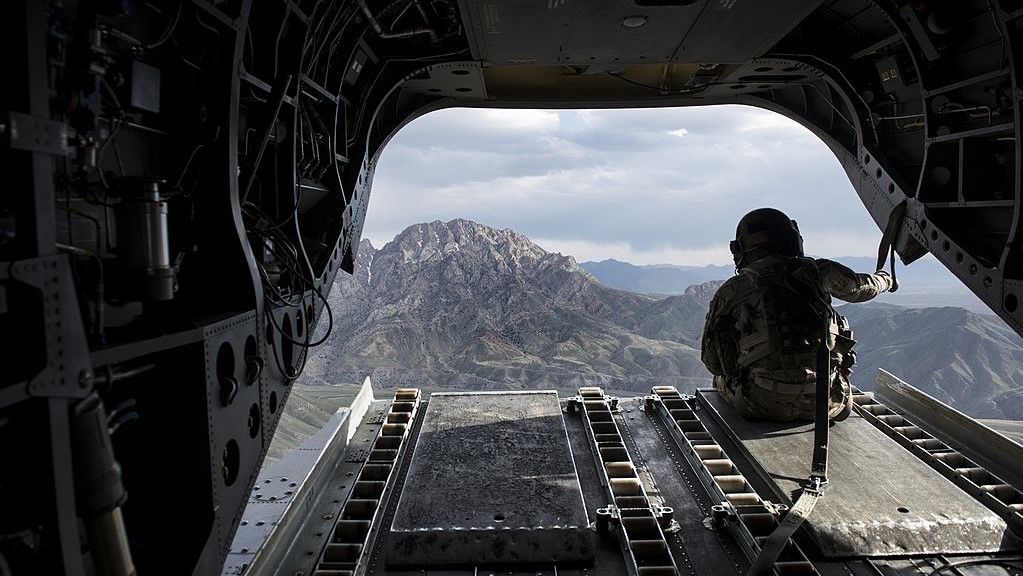
US and Taliban move closer to a deal, but major questions remain
Whatever else it may do, the pending agreement is intended to provide the political cover for a U.S. departure from Afghanistan at an opportune time with this an election year.
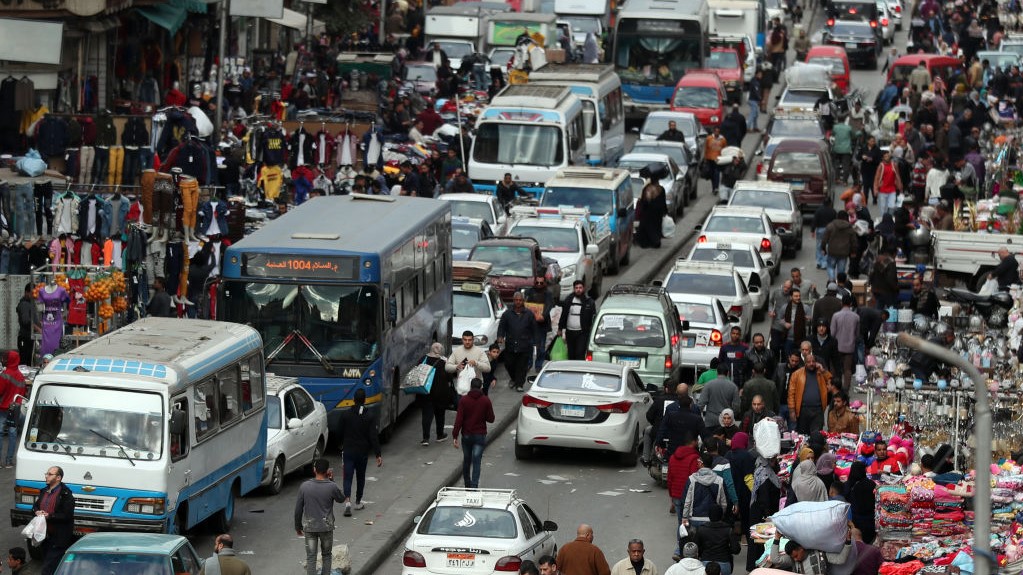
Growing challenges as Egypt’s population hits the 100 million mark
Egypt’s burgeoning population is one of the biggest threats to its future.
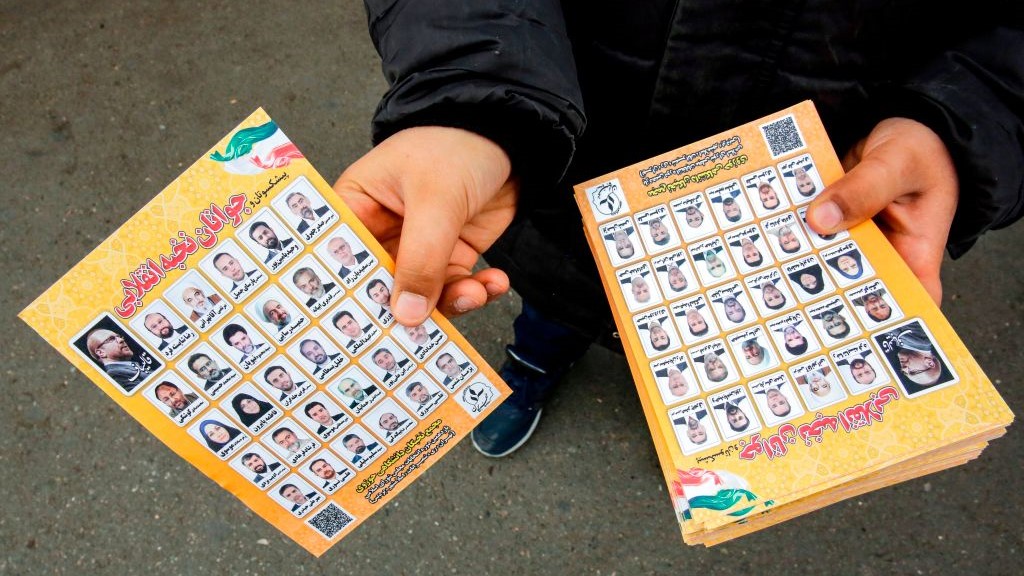
Iran’s parliamentary election is nothing but political theater
The sense in Tehran is that Khamenei has decided the Islamic Republic can only survive if the entire regime is in the hands of the hardliners.
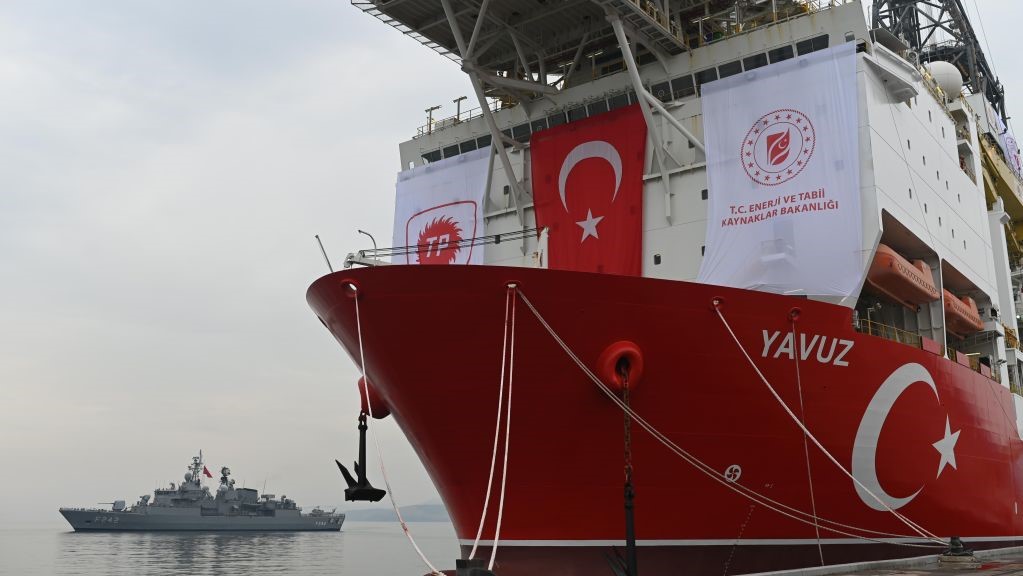
Turkey’s eastern Mediterranean quagmire
The eastern Mediterranean has become an increasingly important focus for Turkey’s foreign and security policy, but the interlocking of new issues like energy politics and sovereignty rights with old problems like Cyprus has created significant challenges for Ankara.
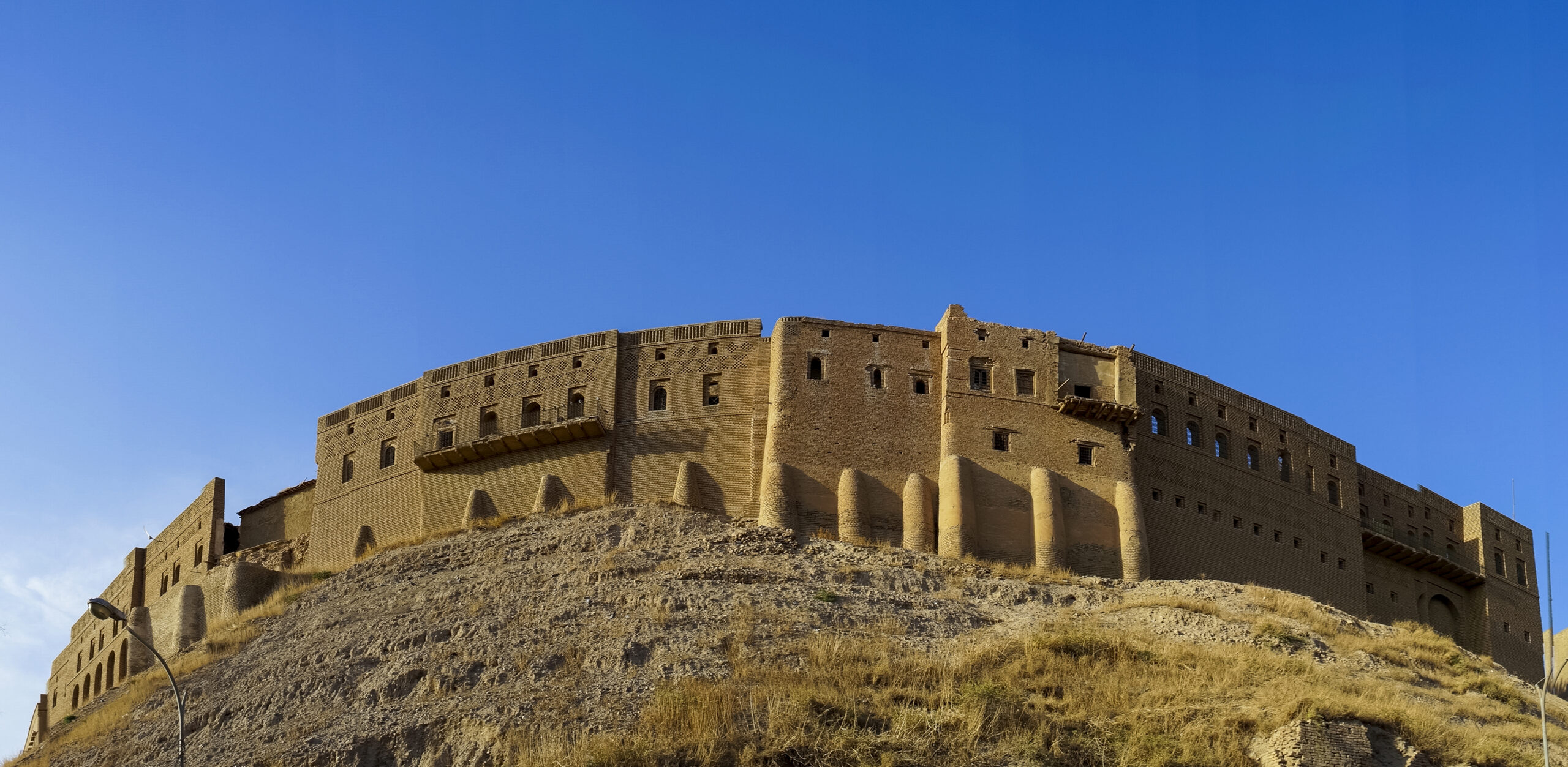
The 6,000-year saga of the Citadel of Erbil
The history of Erbil’s citadel reads like a cinematic epic worthy of Cecil B. DeMille
Possibly one of the world’s oldest continuously inhabited human settlements, the citadel is built on a series of archaeological layers crowned by Ottoman-era houses. It may have been the site of a temple to Ishtar, was an important center of Nestorian Christianity, and survived both the 13th-century Mongol invasion and an 18th-century siege by Nader Shah. It was home to the Medians and the Assyrians (who called it Arbela), Muslims and Jews, and has housed Sufi shrines and displaced squatters. Its mound-like form has been shaped by successive generations of inhabitants and invaders who simply built on top of the rubble of their predecessors.
Understanding EU-MENA Relations: Current and Changing Dynamics
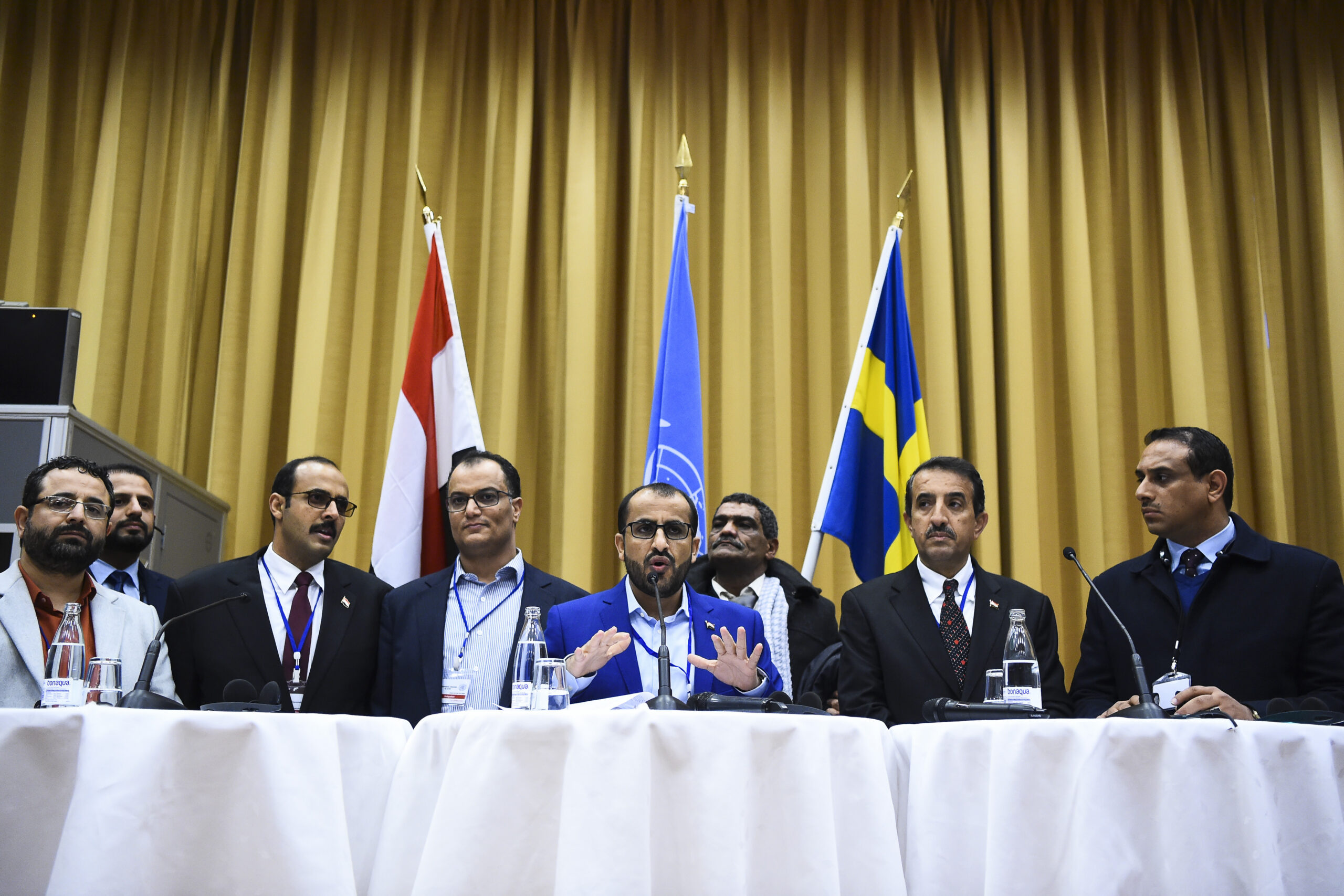
From Stockholm to Riyadh: Breaking the Yemen peace process deadlock
Over the past 14 months, there have been moments when it seemed like progress was being made toward de-escalation in Yemen, but there have also been significant setbacks as well. Peace efforts thus far have been largely fragmented and frail, and two primary lessons from the past failures have become clear.