This individual is a guest contributor. MEI is not able to assist with contact requests.
Shahmahmood Miakhel is the Country Director in Afghanistan for the US Institute of Peace (USIP). Prior to that he was a Governance Advisor for the United Nations Assistance Mission in Afghanistan (UNAMA), and, from 2003–2005, a Deputy Minister of the Interior in the Government of Afghanistan. In 1994–1995 he worked for the United Nations Development Programme (UNDP) and United Nations Office for Project Services (UNOPS) in South and Southeast Afghanistan helping to establish District Rehabilitation Shuras (DRS). He also worked as a reporter for the Pashto service of the Voice of America from 1985–1990.
War and Peace in the Middle East: A View from Qatar
In this special bonus episode of Taking the Edge Off the Middle East, host Brian Katulis sits down with Dr. Majed Al-Ansari, adviser to the Prime Minister of Qatar and spokesman for Qatar’s Ministry of Foreign Affairs. Dr. Al-Ansari offers insights into the small country’s unique role in mediating conflicts worldwide.
تحول استراتيجي في سياسة الولايات المتحدة تجاه الشرق الأوسط مع خطاب ترامب على الساحة العالمية
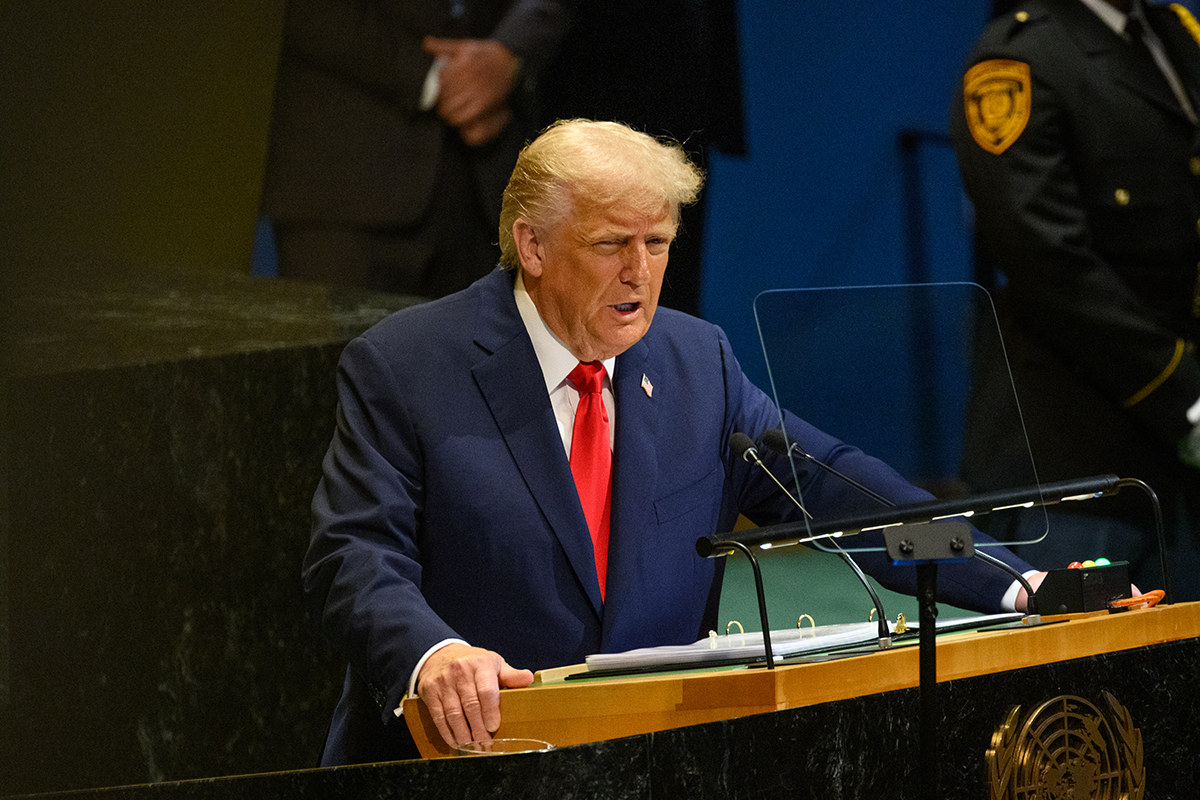
استغل الرئيس دونالد ترامب خطابه هذا الأسبوع أمام الجمعية العامة للأمم المتحدة لتعزيز أسلوبه الفريد في صنع السياسة الخارجية الأمريكية وانتقاد الآخرين، بما في ذلك الأمم المتحدة نفسها. لكن ترامب لم يفعل الكثير لخلق إطار عمل لصياغة حلول لمعالجة المشاكل والتحديات الأمنية الشائكة.
كان لبنان يُعتبر في الماضي ديمقراطية نادرة في الشرق الأوسط، لكنه انزلق الآن إلى مصاف الأنظمة الاستبدادية المغلقة. لقد تركت عقود من الفساد والحكم الطائفي والتدخل الأجنبي البلاد في حالة من الاضطراب، وشهد العام الماضي اغتيالات وتشريد جماعي وحرباً شاملة شنتها إسرائيل ضد حزب الله في الجنوب. مع اقتصاده في حالة انهيار حر ونظامه السياسي على أجهزة الإنعاش، يقف لبنان عند مفترق طرق: هل يمكن أن تمهد التغيرات في القوى الإقليمية والجهود لنزع سلاح حزب الله وتغيير القيادة الطريق للانتعاش، أم أن عدم الاستقرار سيتعمق؟
Unconventional Wisdom: The Search for America’s Soul
Former Assistant Secretary of Defense for Public Affairs and longtime Democratic National Security and Communications strategist Doug Wilson joins Brian for an expansive conversation about what’s at stake in US foreign policy at a time of global upheaval. Drawing on decades of experience in government, the private sector, and political campaigns, Wilson reflects on how Trump’s second term has upended America’s role in the world — from dealing with autocrats to the collapse of US credibility abroad.
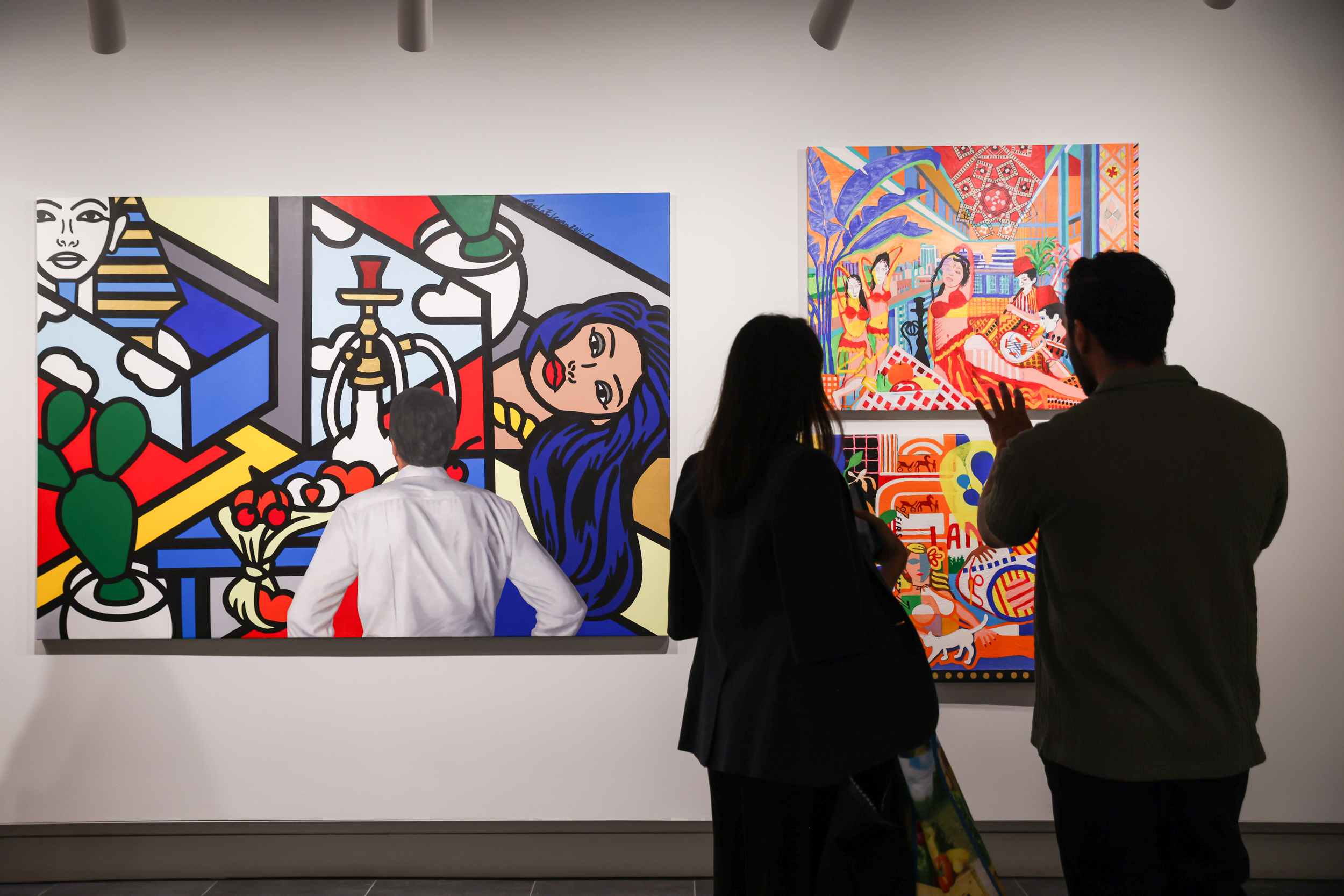
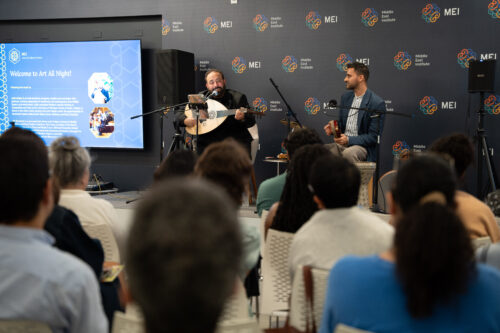
A Moveable Feast of MENA Pop Art at the MEI Gallery
معرض جديد في معرض الفنون التابع لمعهد الشرق الأوسط بعنوان "الفن الشعبي العربي: بين الشرق والغرب" يقدم تذكيراً في الوقت المناسب بأنه على الرغم من الصراع والاضطرابات في المنطقة، هناك ثقافة حيوية ومتنوعة وعالمية تزدهر في جميع أنحاء الشرق الأوسط وشمال أفريقيا.
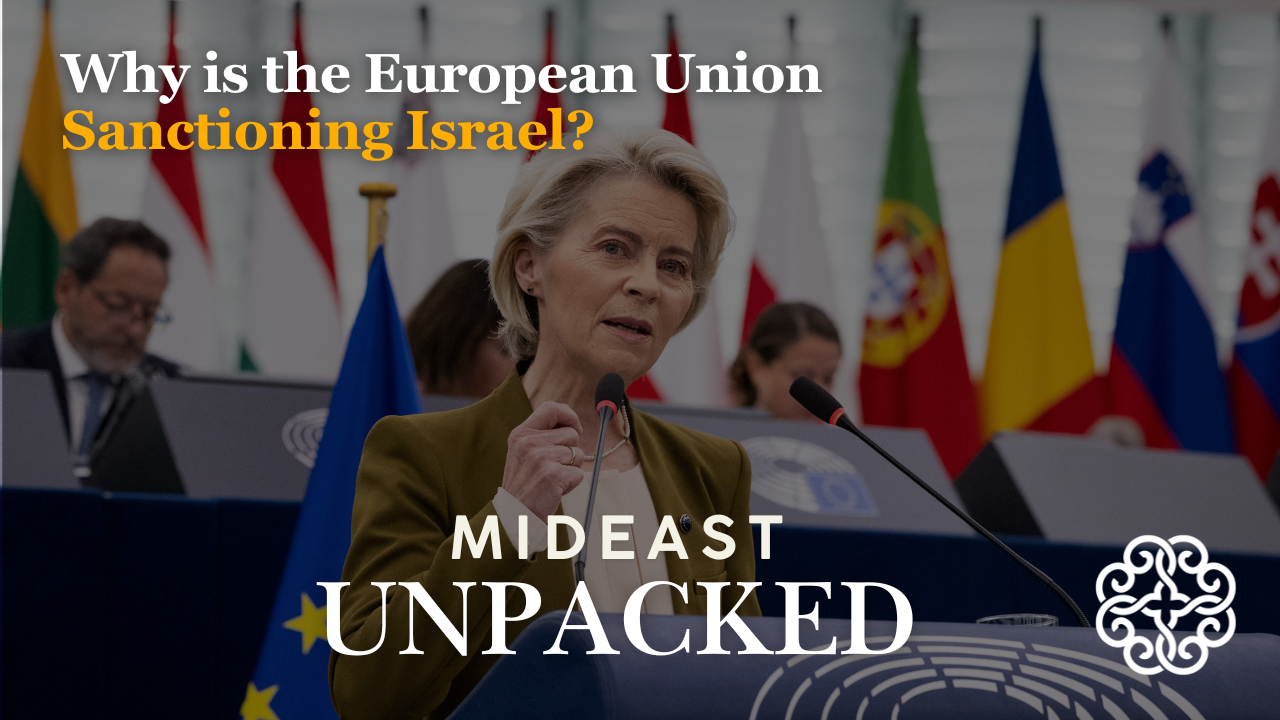
أعلن الاتحاد الأوروبي عن خطط لفرض عقوبات على إسرائيل بسبب الأزمة الإنسانية في غزة. إذا تم اعتماد هذه الخطوة، فستشكل تحولاً تاريخياً في العلاقات بين الاتحاد الأوروبي وإسرائيل. تشرح يوليا جوجا من معهد الشرق الأوسط (MEI) خلفية الاقتراح، وما ستترتب عليه العقوبات، وتأثيرها المحتمل على موقف الاتحاد الأوروبي في الشرق الأوسط.
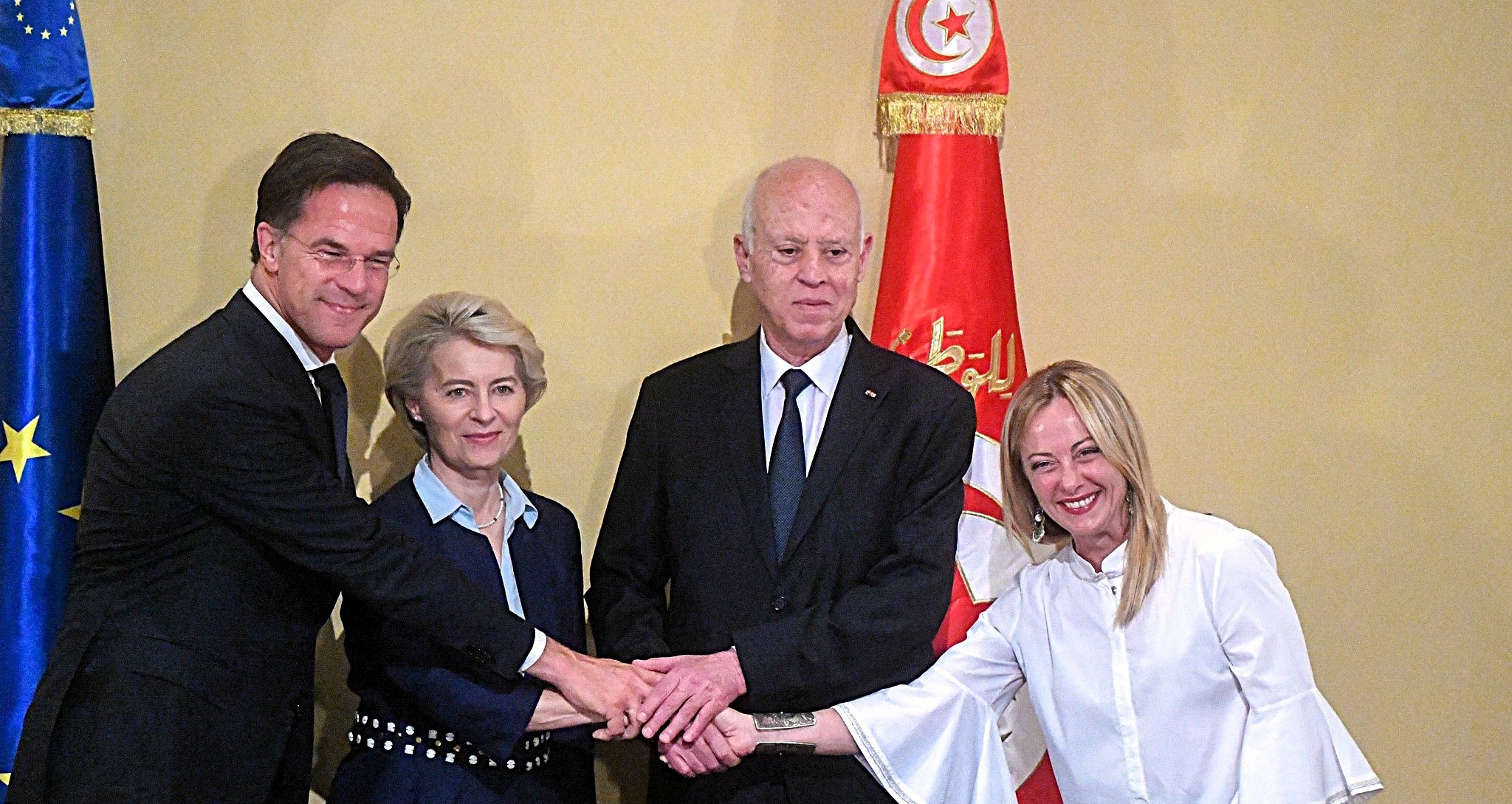
تحول دول شمال أفريقيا علاقاتها الدبلوماسية الطويلة الأمد إلى فرص جديدة للضغط، مستخدمة تدفقات الهجرة وإمدادات الطاقة والشراكات الأمنية كورقة مساومة. تعمل هذه التكتيكات والاستراتيجيات الجديدة على إعادة تشكيل الدبلوماسية الإقليمية.
Crossing Red Lines: Israel's Doha Strike and What Comes Next
Israel’s strike on Hamas officials in Qatar frustrated Washington, outraged Arab partners, and underscored Prime Minister Benjamin Netanyahu’s choice to prioritize destroying Hamas over carrying on hostage talks. MEI Senior Fellow Natan Sachs joins hosts Alistair Taylor and Matthew Czekaj to unpack the fallout. They discuss the immediate consequences of the strike, its impact on future negotiations with Hamas, and political repercussions at home. Additionally, they get into the Israeli government’s broader calculations, the ramifications for its regional and international partnerships, and Netanyahu’s warning that Israel may face a new era of isolation.
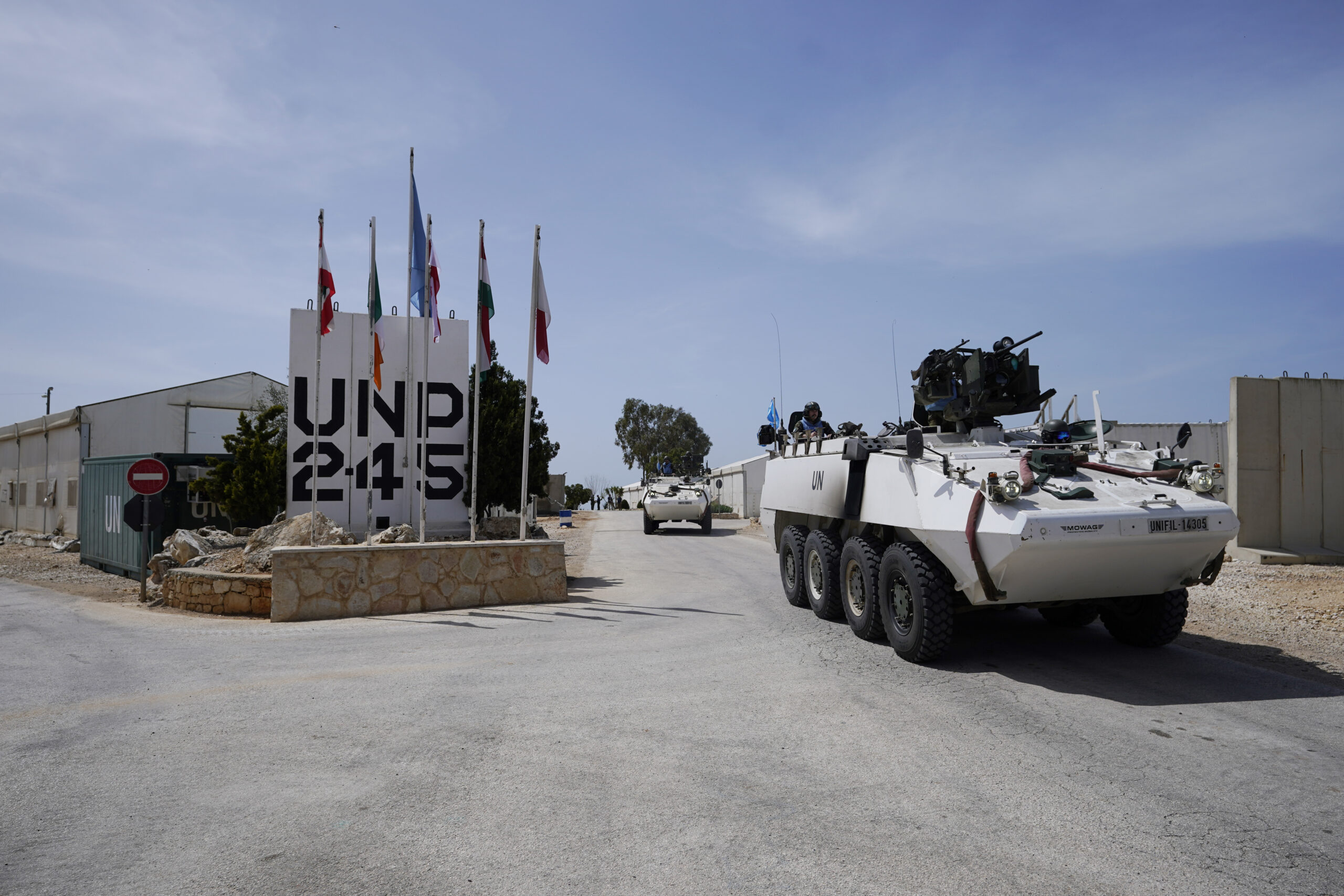
At the end of August, the United Nations Security Council renewed the mandate of the United Nations Interim Force in Lebanon (UNIFIL) for the final time. For nearly half a century, blue helmets have been a fixture in South Lebanon, an extraordinary tenure for a country only eight decades old. In many ways, UNIFIL’s longstanding presence served as a reminder of Lebanon’s struggle to assert its sovereignty, which has had destabilizing consequences for international peace and security.
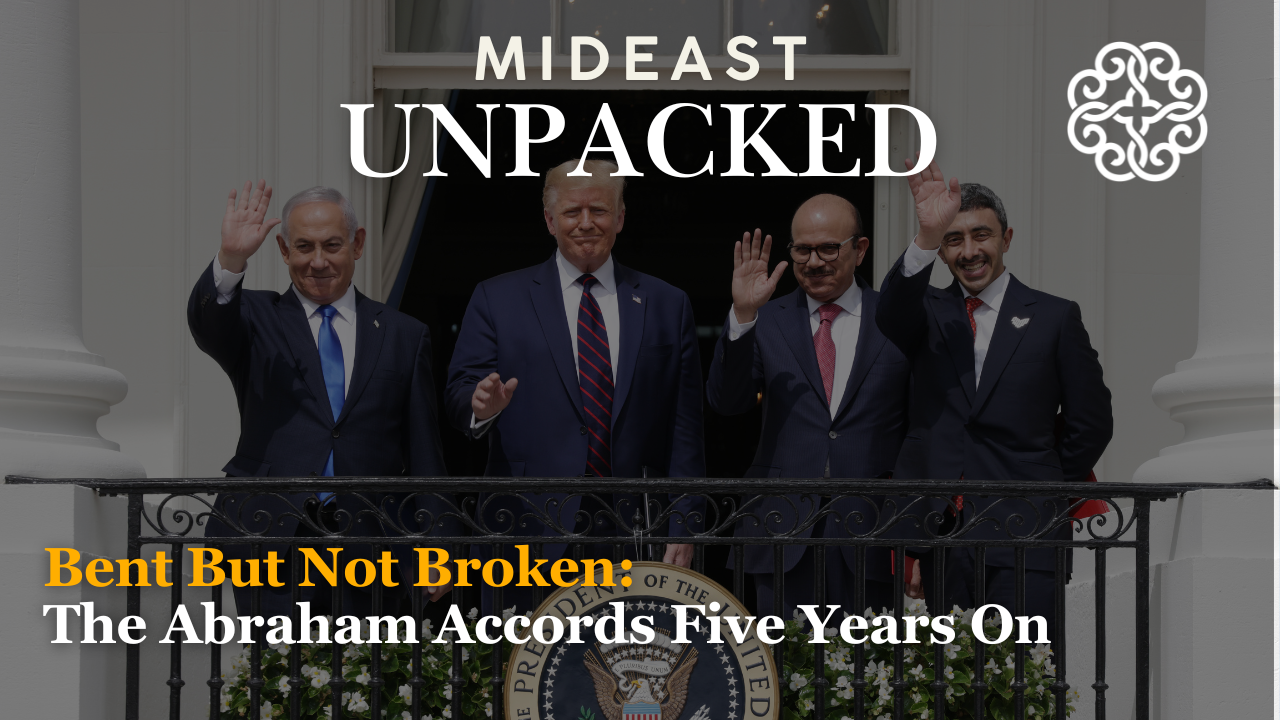
منحنية لكن غير مكسورة: اتفاقيات أبراهام بعد خمس سنوات
في الذكرى الخامسة لاتفاقيات أبراهام، يتأمل براين كاتوليس من معهد الشرق الأوسط (MEI) في مدى استمراريتها ومستقبلها: "لن يتم خرق اتفاقيات أبراهام. قد تتعرض للانحراف، لكنني أعتقد أنها ستبقى سارية. لكنها لن تتوسع بأي شكل من الأشكال حتى يتم إحراز تقدم في القضية الفلسطينية". ويحلل كاتوليس أصل الاتفاقيات ونقاط قوتها وقيودها والتحديات الرئيسية التي يجب معالجتها حتى تصبح أقوى.
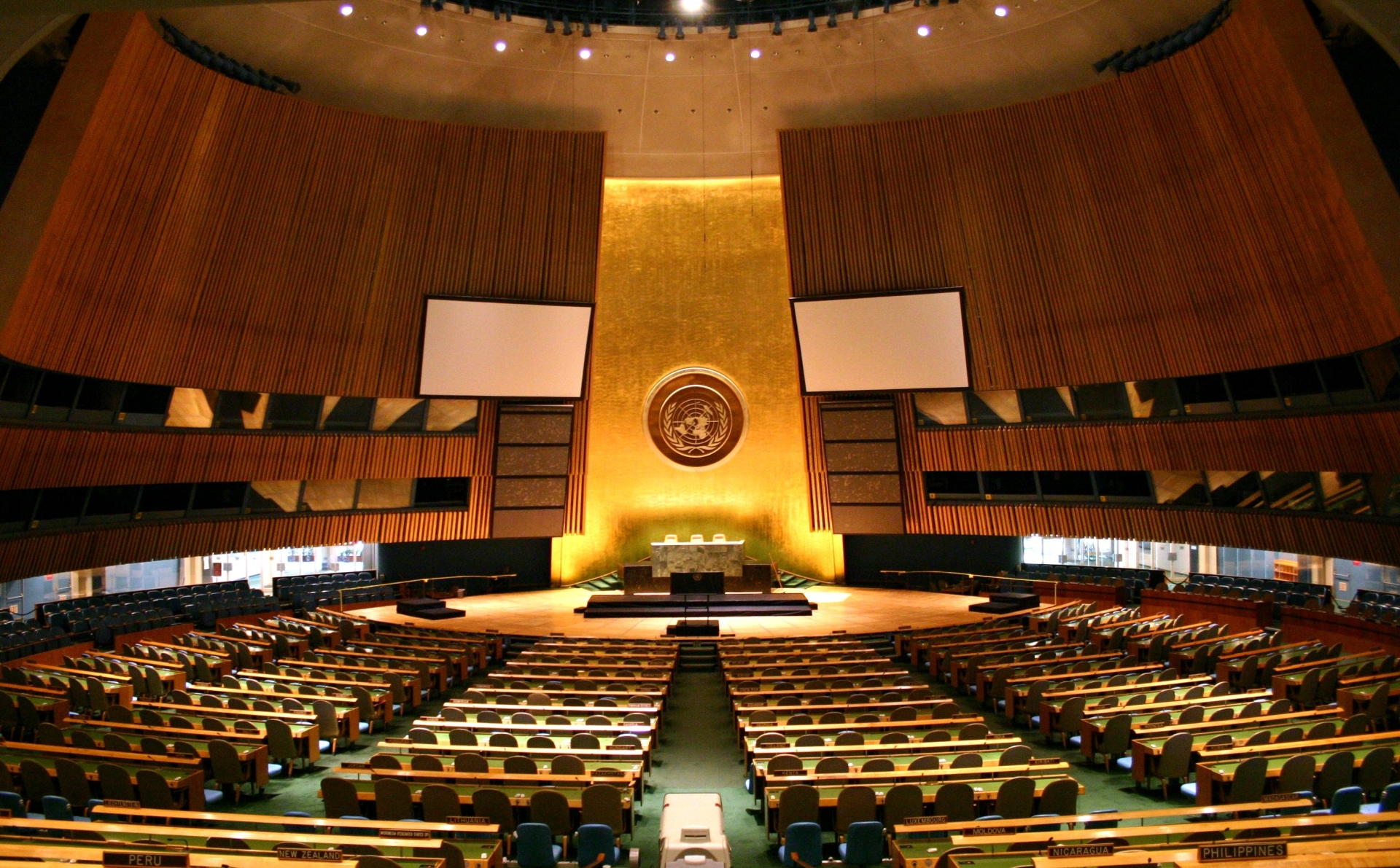
This month brings world leaders together to mark the annual opening of the United Nations General Assembly. Their formal speeches in front of the assembly vary in interest, as many contain more pious platitudes than meaty information. The real work of interest often happens behind-the-scenes, as world leaders meet bilaterally or in small groups to discuss the issues of the day away from the glare of media or the pressure for summits to deliver results. The occasion also provides opportunities for the unexpected to happen. The Middle East will figure largely in these talks. Here are some po
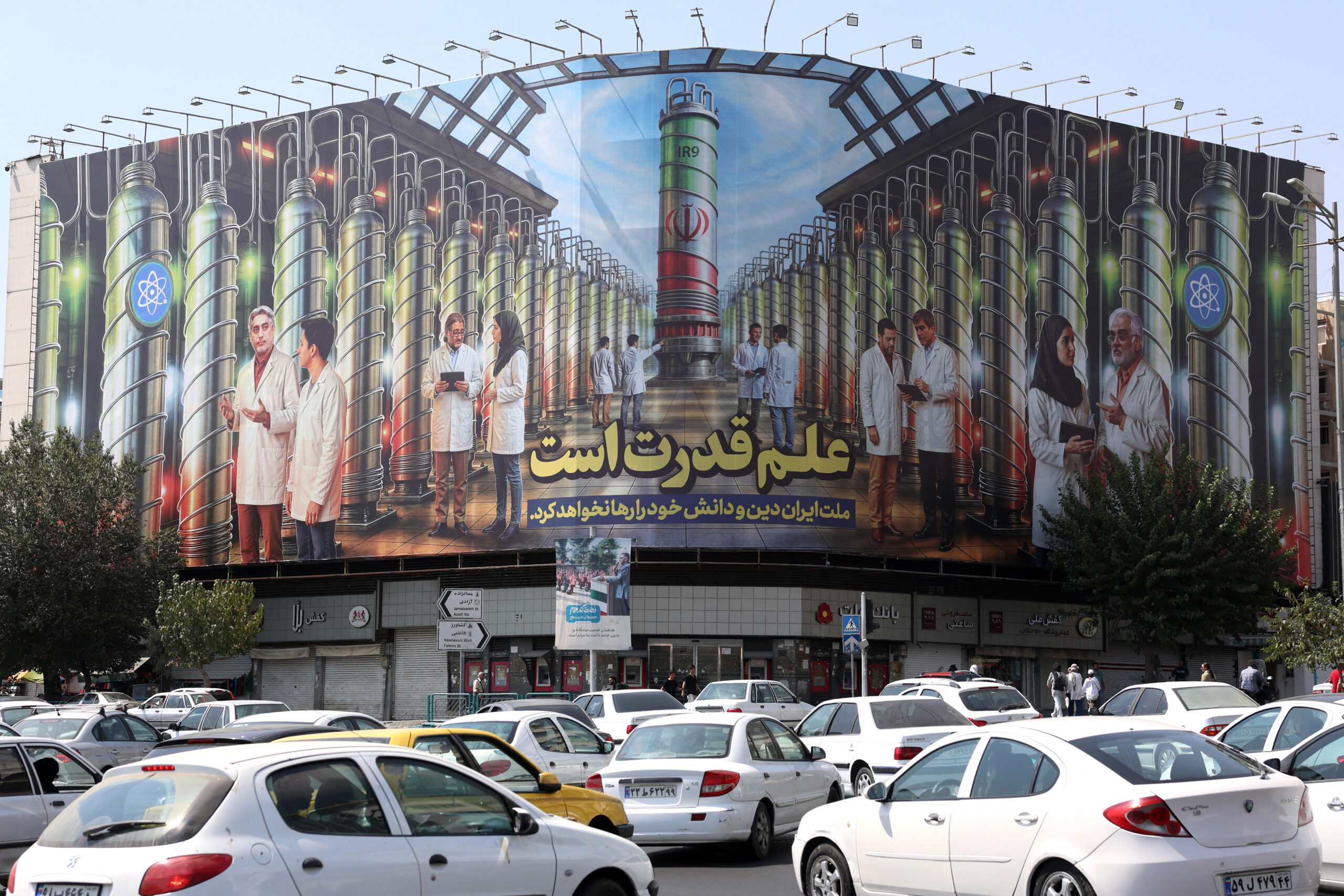
Under Pressure: Will Snapback Sanctions Bring Iran Back to the Table?
With Iran’s nuclear program devastated, the reimposition of UN sanctions looming, and Tehran grappling with the fallout of the 12-Day War, is the time ripe for Iran to return to the negotiating table? MEI Distinguished Diplomatic Fellow Alan Eyre — former senior US diplomat and member of the 2015 JCPOA negotiating team — joins hosts Alistair Taylor and Matthew Czekaj to assess whether meaningful US-Iran talks are still possible and what they could achieve amid deep mistrust and escalating pressure.