This individual is a guest contributor. MEI is not able to assist with contact requests.
Shahmahmood Miakhel is the Country Director in Afghanistan for the US Institute of Peace (USIP). Prior to that he was a Governance Advisor for the United Nations Assistance Mission in Afghanistan (UNAMA), and, from 2003–2005, a Deputy Minister of the Interior in the Government of Afghanistan. In 1994–1995 he worked for the United Nations Development Programme (UNDP) and United Nations Office for Project Services (UNOPS) in South and Southeast Afghanistan helping to establish District Rehabilitation Shuras (DRS). He also worked as a reporter for the Pashto service of the Voice of America from 1985–1990.
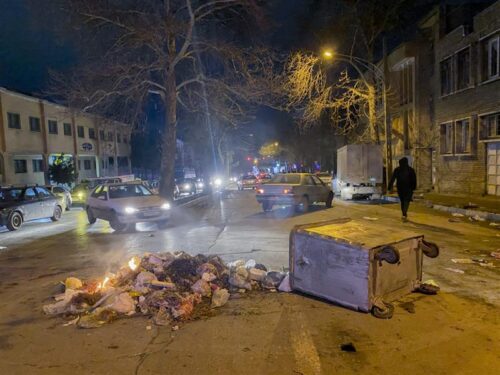
This bonus episode of Middle East Focus features a conversation from MEI’s Virtual Briefing Series. Director of Communications Zeina Al-Shaib is joined by Distinguished Diplomatic Fellow Alan Eyre and Senior Fellow Alex Vatanka to discuss the ongoing protests in Iran. The street demonstrations, sparked by the country’s economic nosedive and at times turning violent, are the largest in three years. As regime arrests and killings of protesters have intensified, US President Donald Trump has threatened to intervene, his remarks potentially taking on a more vivid significance in light of the American military extraction over the weekend of Venezuela’s President Nicolás Maduro, an ally of Tehran. Eyre and Vatanka discuss what these latest developments mean for an Iranian regime already under intense internal and international pressure; the political impact of President Trump’s threats; the limits of Iranian President Masoud Pezeshkian’s power to de-escalate the situation at home; and how the instability inside Iran may affect the wider region.
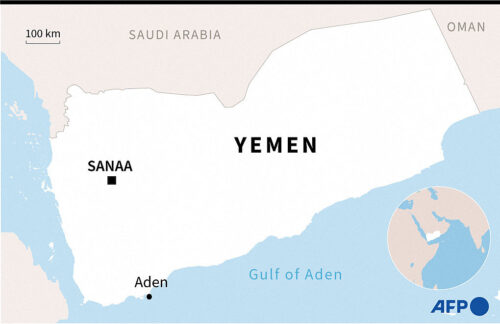
Yemen’s Southern Front: Strategic Leverage, Fragmentation, and Regional Risk
Beginning in early December 2025, UAE-backed Southern Transitional Council (STC) forces launched an offensive in eastern Yemen, seizing Seiyun and key military and administrative sites across Wadi Hadhramaut before advancing into al-Mahrah, as Saudi-aligned tribal and government units withdrew under mounting political and military pressure.
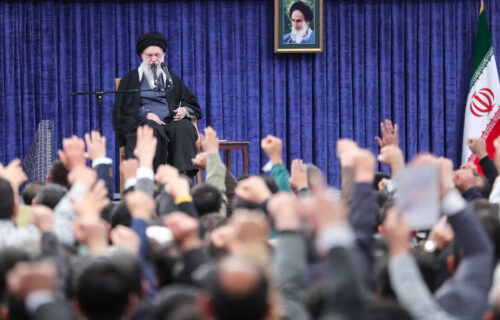
Iran’s political deadlock — and a way out the regime is unlikely to take
On Sunday, December 28, Iran’s latest wave of unrest began not on a university campus or in a symbolic political square, but in the very heart of the country’s economic sphere: the Grand Bazaar commercial center in downtown Tehran. What distinguishes the current moment is not simply the persistence of unrest but its emotional register. Iranian commentary increasingly describes not just hardship but a collapse of expectations of a better future.
From coalition to confrontation: Saudi-UAE rivalry in Yemen and its regional implications
The final days of 2025 marked a turning point in the Middle East, as competition between Saudi Arabia and the United Arab Emirates in Yemen spilled out into the open. Tensions between the two coalition partners, which jointly launched a military intervention in Yemen in 2015, have simmered for years and are now rapidly escalating, with far-reaching implications for both Yemen and regional security more broadly.
Iran’s Axis of Resistance After the 12-day War: Adaptation, Restructuring, and Reconstitution
منذ حرب إسرائيل التي استمرت 12 يوماً ضد إيران، دخلت طهران وشبكة وكلائها الإقليميين وحلفائها غير الحكوميين، ما يُعرف باسم محور المقاومة، في مرحلة من السكون الاستراتيجي — هدوء ظاهري يخفي إعادة التسلح والتكيف المالي والتجديد الأيديولوجي.
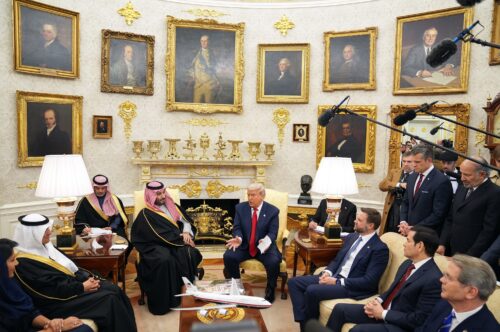
العلاقات الأمريكية السعودية في أعقاب زيارة محمد بن سلمان
استضاف معهد الشرق الأوسط الدكتور غريغوري غوس والسفير مايكل راتني والدكتورة كارين يونغ لتقييم السياسة السعودية والعلاقات الأمريكية-السعودية في أعقاب زيارة محمد بن سلمان.
فقدان البوصلة الأخلاقية: السياسة الخارجية الأمريكية في عام 2025
US President Donald Trump is scheduled to deliver a prime time address to the nation this evening at a moment when public support for his second term has hit new lows. No matter the topic Trump chooses to frame the national conversation as America heads into the holiday season, it is worth taking a step back and reflecting on the bigger story of what has occurred in the United States in 2025 and how these dynamics affect America’s relations with the rest of the world, including the Middle East.
الأعمال غير المنجزة ستحدد أجندة الشرق الأوسط في عام 2026
بعد عام آخر من التطورات المحورية والتغييرات الجذرية، قد يكون الشرق الأوسط على وشك طي صفحة العديد من الصراعات الطويلة الأمد ومصادر عدم الاستقرار. لكن تحقيق نتائج دائمة للعمليات التي بدأت في عام 2025 سيتطلب تركيزًا حازمًا ومدروسًا من قبل الجهات الفاعلة الإقليمية والولايات المتحدة. بالنظر إلى الاتجاهات الحالية، يقيّم خبراء معهد الشرق الأوسط (MEI) الاتجاه الذي قد تسير فيه المنطقة في عام 2026.
يجلس براين مع روبرت مالي، وهو مسؤول أمريكي سابق اشتهر بدوره كمفاوض رئيسي في خطة العمل الشاملة المشتركة لعام 2015. يناقش مالي الدوافع وراء كتابه الجديد، "غدًا هو أمس: الحياة والموت والسعي لتحقيق السلام في إسرائيل/فلسطين"، ويقدم تقييمه للوجهات النظر الأمريكية بشأن الحرب في غزة. تستكشف المحادثة أيضًا خلفيته الشخصية باعتباره ابنًا لأب مصري يهودي وأم أمريكية يهودية - وكلاهما من أشد المنتقدين لليسار السياسي - وكيف شكلت تربيته هذه نظرته للعالم، إلى جانب مسيرته المهنية التي امتدت عبر إدارات كلينتون وأوباما وبايدن.
أصدرت إدارة ترامب استراتيجيتها الجديدة للأمن القومي، ويقول المحللون إنها تشير إلى انفصال حاسم عن دور أمريكاكقائدة للعالم الحر. وبدلاً من ذلك، تقدم الوثيقة رؤية للسلطة غير ليبرالية بشكل صريح وتركز على الرجل القوي. ويذهب أحد المسؤولين الأمريكيين السابقين إلى أبعد من ذلك، حيث يجادل بأن الاستراتيجية لا تكتفي بالتخلي عن تعزيز الديمقراطية فحسب، بل تجعل واشنطن تعمل على تعزيز الاستبداد.
بعد مرور عام على سقوط الأسد، تواجه سوريا لحظة حاسمة. على واشنطن أن تقود المسيرة.
بعد مرور عام على سقوط نظام الأسد، لا تزال سوريا تمر بمرحلة انتقالية هشة للغاية نحو نظام سياسي جديد. وتواجه البلاد تحديات هائلة في مجال إعادة الإعمار، تقدر بتعابير تصل إلى مئات المليارات من الدولارات، وهو ما يتجاوز بكثير قدرات الحكومة السورية الجديدة. وبدون قيادة واستثمارات أمريكية مستدامة، سيكون انتقال سوريا بطيئاً وهشاً وقابلاً للانعكاس بشكل خطير.
استراتيجية إسرائيل العشائرية في غزة: استخدام الفوضى لخلق النظام؟
ركزت هذه المناقشة المتعمقة على استخدام إسرائيل للجهات الفاعلة غير الحكومية في الحروب الحديثة. استناداً إلى مقال الدكتور يانيف فولر "استراتيجية إسرائيل العشائرية في غزة"، وهو مقال جديد مثير للجدل نُشر في مجلة The Middle East Journal، كشفت هذه المحادثة كيف حاولت إسرائيل الاعتماد على عشائر غزة وما تعنيه هذه السياسة بالنسبة للاستقرار وإعادة الإعمار.