This individual is a guest contributor. MEI is not able to assist with contact requests.
Shahmahmood Miakhel is the Country Director in Afghanistan for the US Institute of Peace (USIP). Prior to that he was a Governance Advisor for the United Nations Assistance Mission in Afghanistan (UNAMA), and, from 2003–2005, a Deputy Minister of the Interior in the Government of Afghanistan. In 1994–1995 he worked for the United Nations Development Programme (UNDP) and United Nations Office for Project Services (UNOPS) in South and Southeast Afghanistan helping to establish District Rehabilitation Shuras (DRS). He also worked as a reporter for the Pashto service of the Voice of America from 1985–1990.
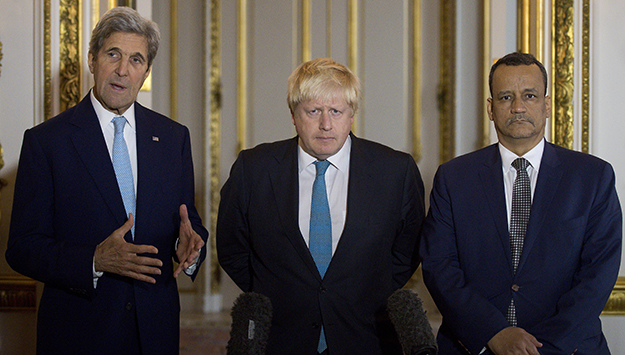
The State Department has welcomed an agreement among all Yemeni parties and the Saudi-led coalition to observe a 72-hour cease-fire beginning on October 19. The warring factions agreed to “implement a full and comprehensive halt to military activities of any kind and help facilitate the delivery of humanitarian assistance to Yemenis across the country.”[i]
Iran’s Oil Minister Comes Out Swinging in Showdown with Hardliners
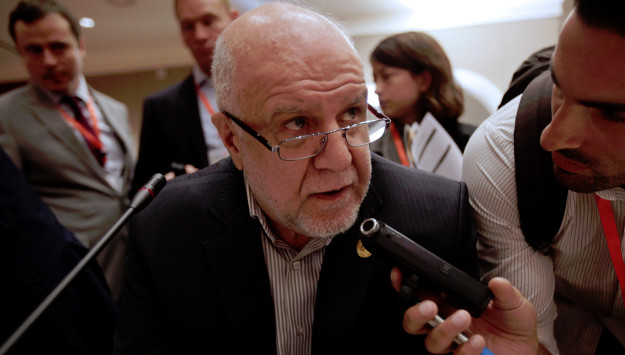
Just a few days after President Hassan Rouhani removed three of his ministers under pressure from his domestic critics, Oil Minister Bijan Zangeneh has come out on the offensive against his critics.
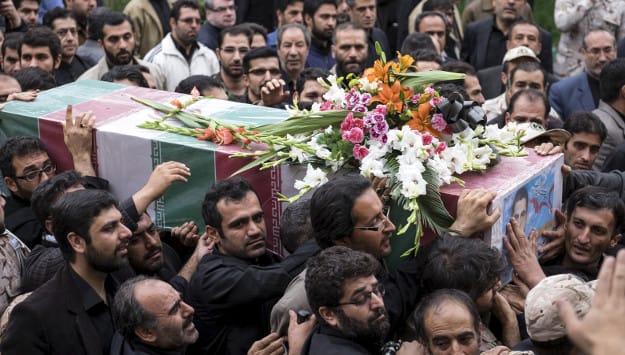
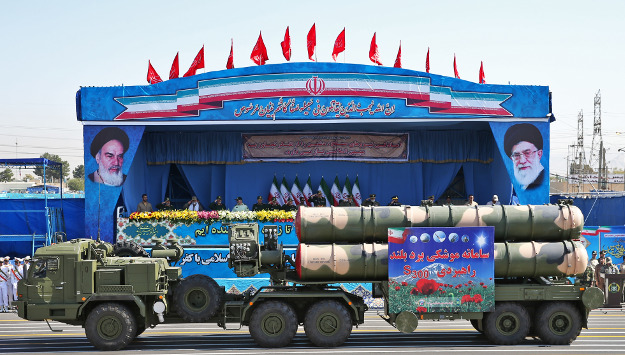
The leadership of the IRGC in Iran has unveiled a new policy of recruiting local volunteers among Iranians to fight on the side of Bashar al-Assad’s forces in Syria.
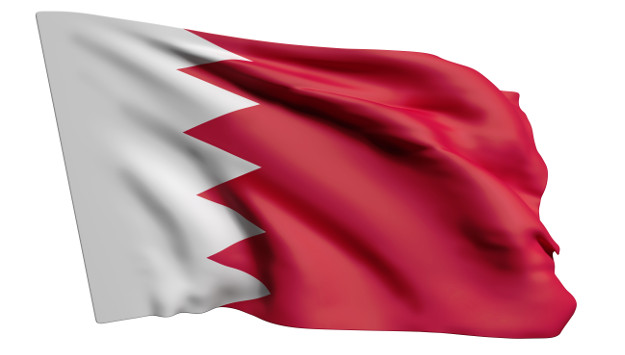
A number of Iranian hardline media outlets are presently running articles condemning the Bahraini government for its treatment of the country’s Shiite political leadership. On October 20, the offices of Al-Wefaq National Islamic Society, a large Shiite political party, were reportedly raided by the Bahraini authorities. Calling it a “historical and strategic mistake,” the Iranian foreign ministry is urging Manama to reach a political settlement on the issue of Shiite political representation in Bahrain.
“Together for Tunisia”: Tribal Structures and Social and Political Mobilization
This essay demonstrates that national unity was constructed and utilized as a tool by the Tunisian state for the purpose of consolidating power, and that traditional kin-based and family ties have existed parallel to the formal structures of both the state and civil society as frames for social and political activity.The essay shows that these historical frames for organization were revitalized and renewed after the popular uprising in 2011.
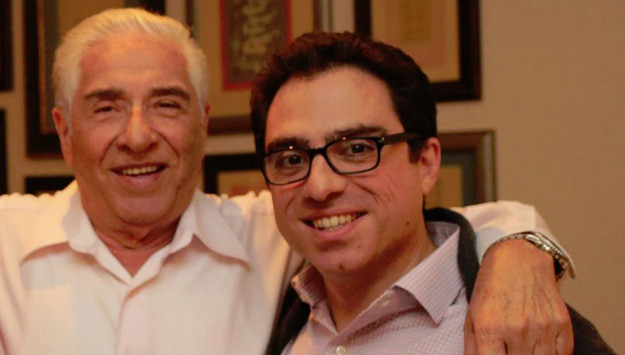
Iran Wrongfully Arrests Iranian-Americans for Potential Prisoner Swap
Fars News, a hardline outlet that promotes the views and interests of the Islamic Revolution Guard Corps (IRGC), ran a so-called exposé on the latest arrests of six individuals charged with collaborating with the United States with the aim of toppling the Iranian regime.
On September 23-24, the Middle East Institute’s Initiative for Track II Dialogues convened its ninth meeting of the Middle East Dialogue in Muscat, Oman. Participants included current and former officials and senior experts from Saudi Arabia, Lebanon, Egypt, Turkey, United Arab Emirates, Syria, Iraq, the Kurdistan Regional Government, Iran, Russia, China, the United States, and the United Nations.
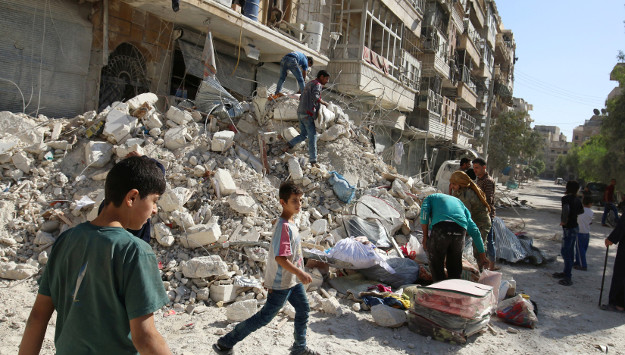
Monday Briefing: Huge Humanitarian Challenges in Mosul
In this week’s Monday Briefing, MEI experts Randa Slim, Gonul Tol, Charles Lister, and Paul Salem provide analysis on recent and upcoming events including potential fallout from the battle for Mosul, how the row between Turkey and Iraq will complicate the operations in Mosul, the implications of ISIS’ loss of Dabiq, and recent military cooperation between Egypt and Russia.
Indonesia’s Nahdlatul Ulama: A Tolerant, Inclusive Message to the Arab Middle East
The current initiative by Nahdlatul Ulama (N.U.)—a traditionalist organization with an estimated membership of over 40 million—to promote globally the notion of Islam Nusantara (Islam of the Indonesian Archipelago) aims to spread, both locally and globally—and to the Arab Middle East in particular—a multifaceted message of a tolerance and moderation in an effort to counter religious extremism and terror. This essay examines the background, substance, and significance of this initiative.