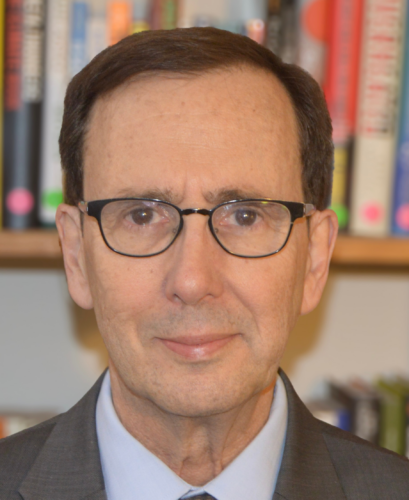
Shahmahmood Miakhel is the Country Director in Afghanistan for the US Institute of Peace (USIP). Prior to that he was a Governance Advisor for the United Nations Assistance Mission in Afghanistan (UNAMA), and, from 2003–2005, a Deputy Minister of the Interior in the Government of Afghanistan. In 1994–1995 he worked for the United Nations Development Programme (UNDP) and United Nations Office for Project Services (UNOPS) in South and Southeast Afghanistan helping to establish District Rehabilitation Shuras (DRS). He also worked as a reporter for the Pashto service of the Voice of America from 1985–1990.
The Latest from Shahmahmood Miakhel

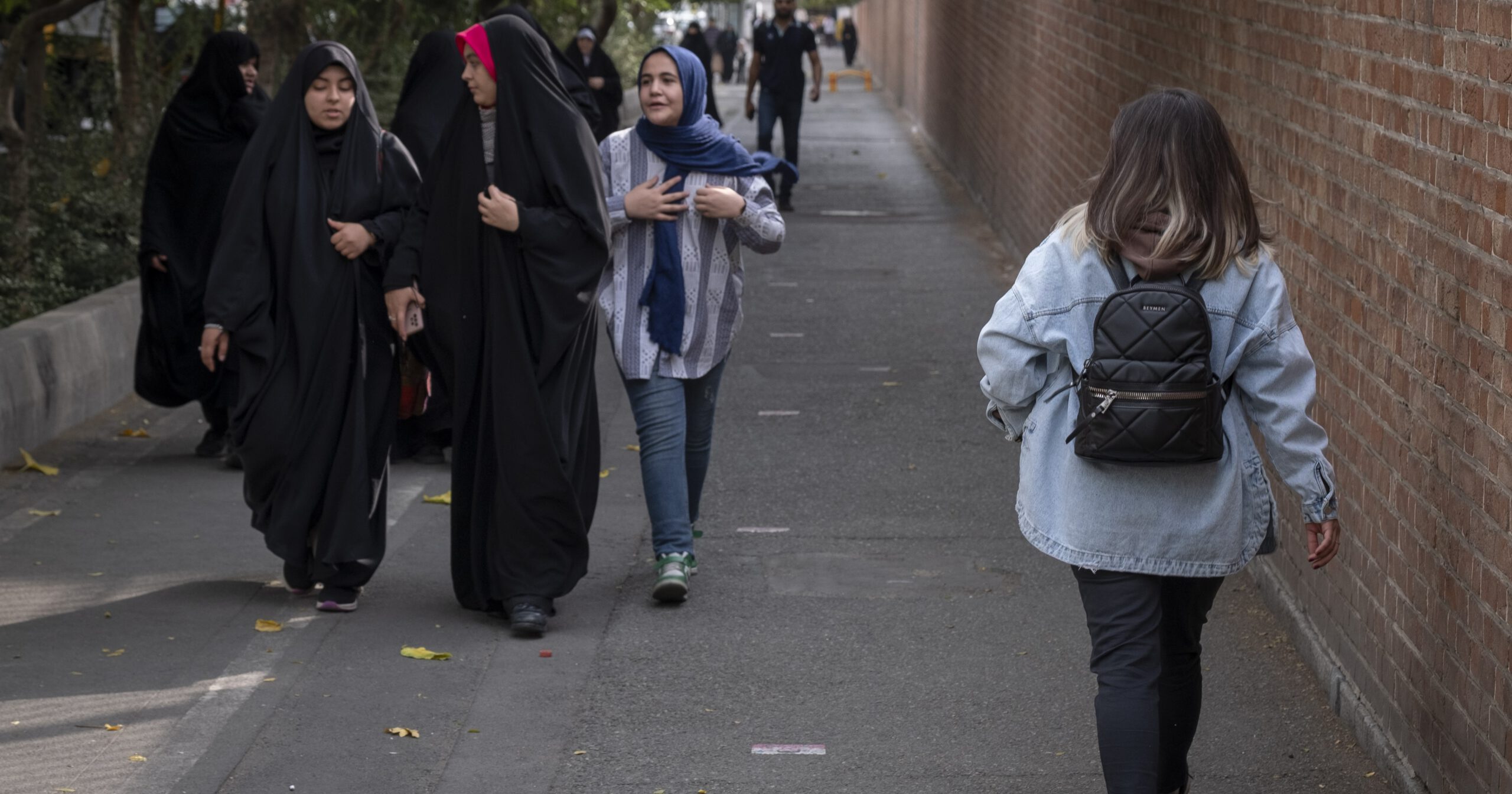
Iranian youth and the protest movement in 2023: Drivers and limitations
Since the height of the protests in 2022, the government cracked down with a new degree of severity on the protesters, reducing their numbers on the street. Many leave if they can. Those who stay have adopted less visible shows of political and social dissatisfaction against the regime’s aggression.
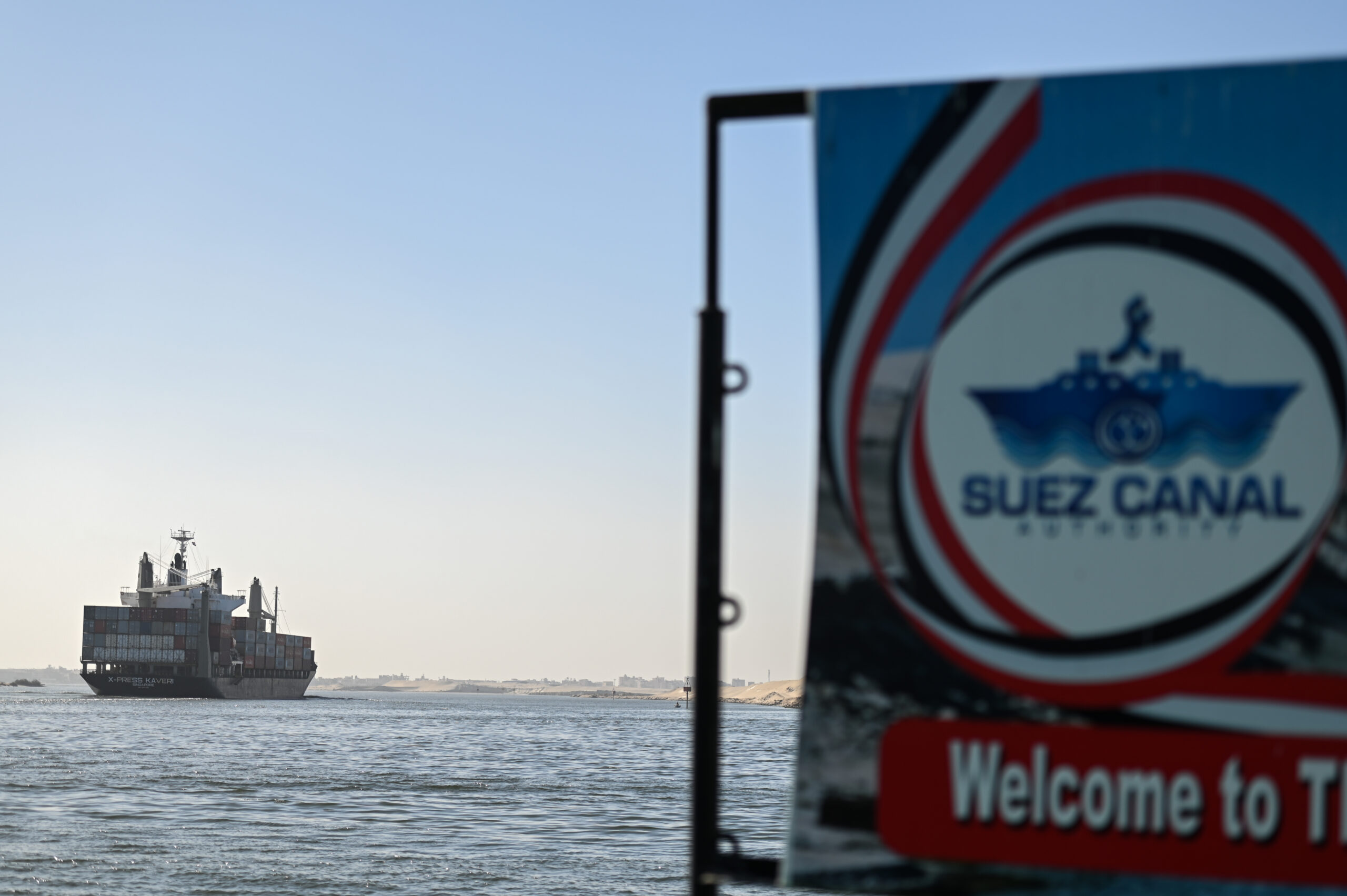
Weekly Briefing: US wrestles with friends and foes as regional crisis continues
تحليل إقليمي متخصص من قبل باحثي ومساهمي معهد الشرق الأوسط.
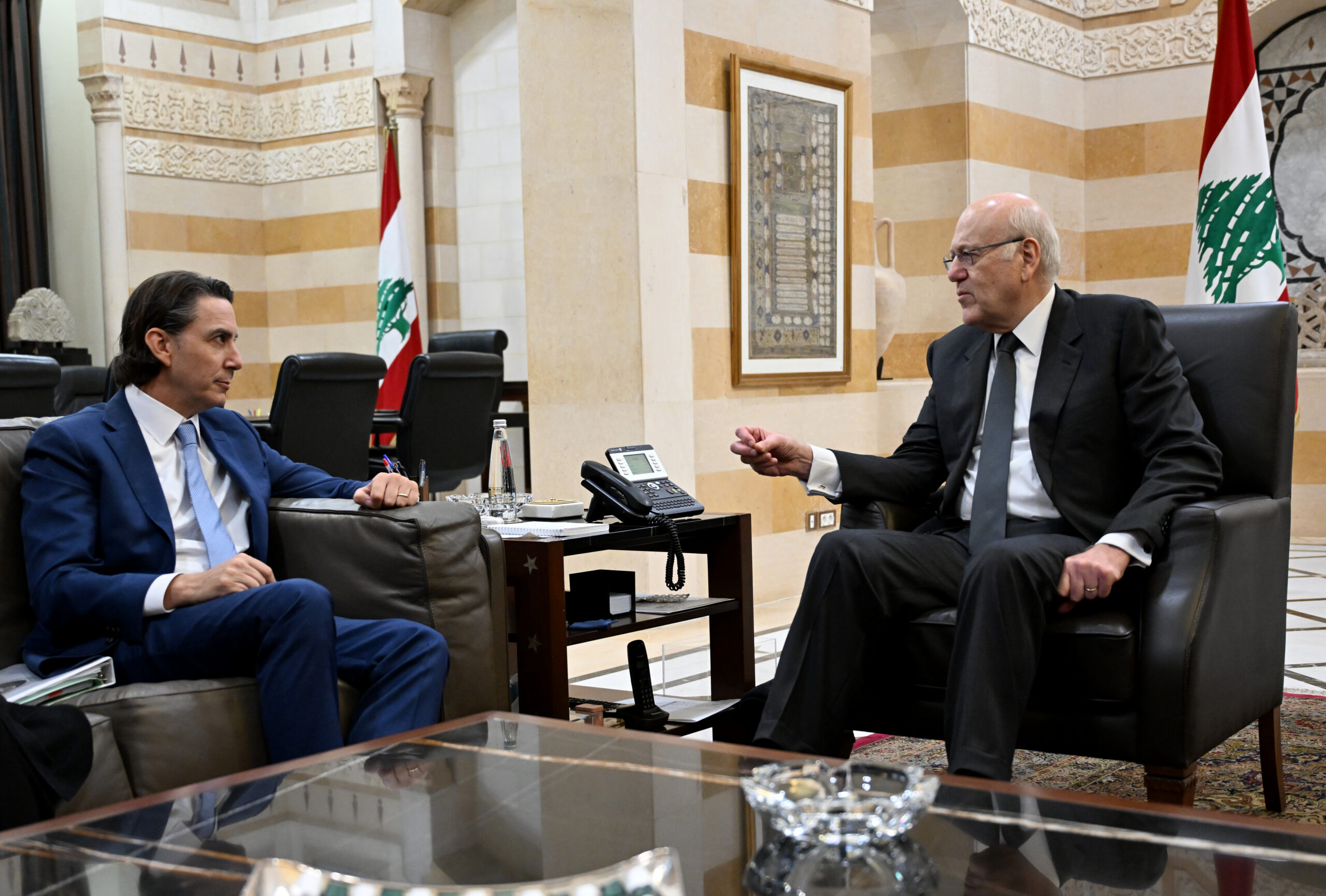
Robust diplomacy is Washington’s only chance to stop a Lebanon-Israel war
In navigating the thickening fog of war, ongoing US-led mediation must actively take two critical steps to pull Lebanon and Israel back from the brink and avoid a direct US-Iran confrontation: secure credible guarantees on compliance and endorse local efforts to elect an independent president.
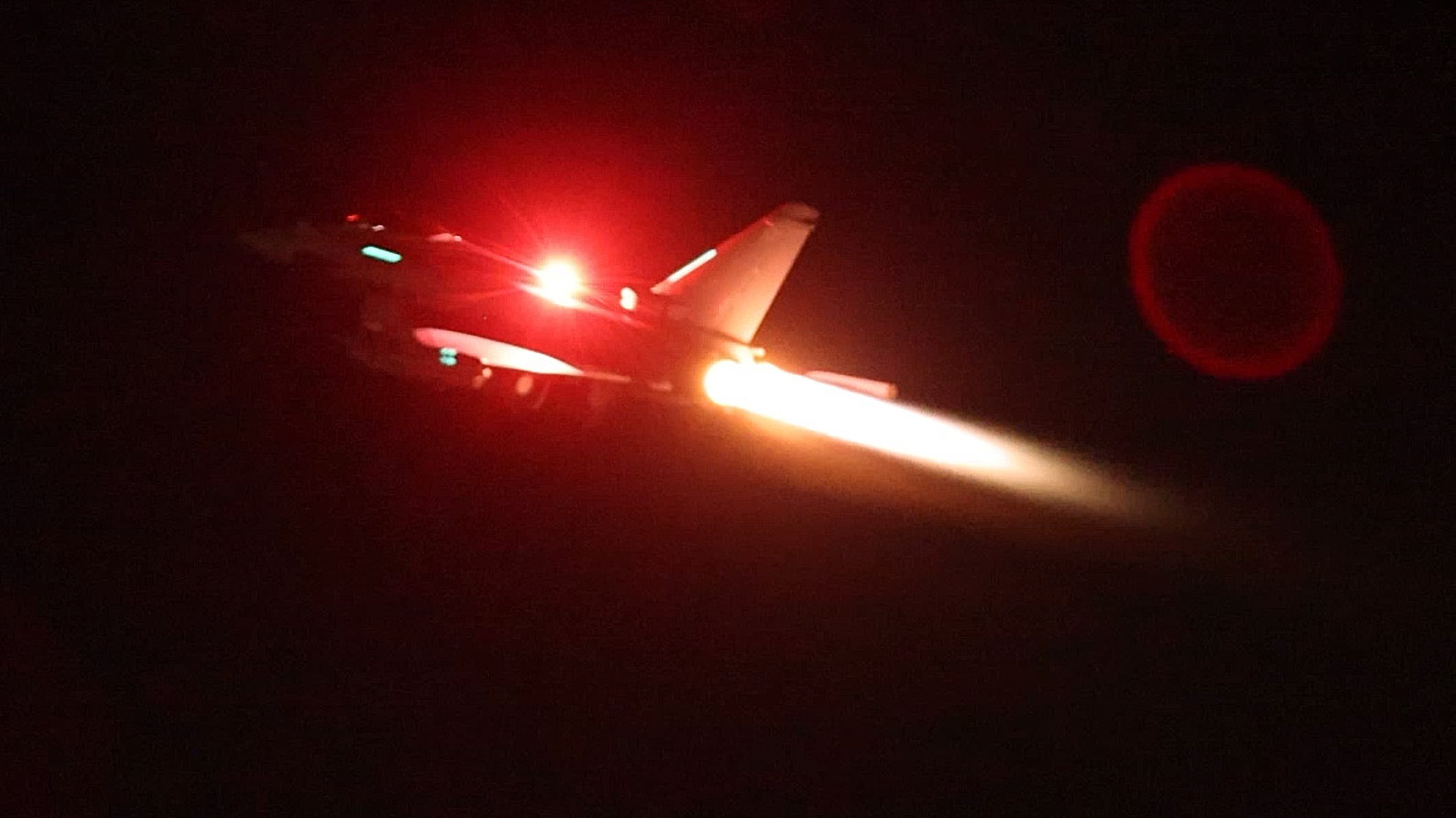
US options to counter Houthi threat to global shipping
Overnight US and UK strikes on Thursday delivered a strong message to the Houthis: their attacks on global shipping in the Red Sea will not go unpunished.
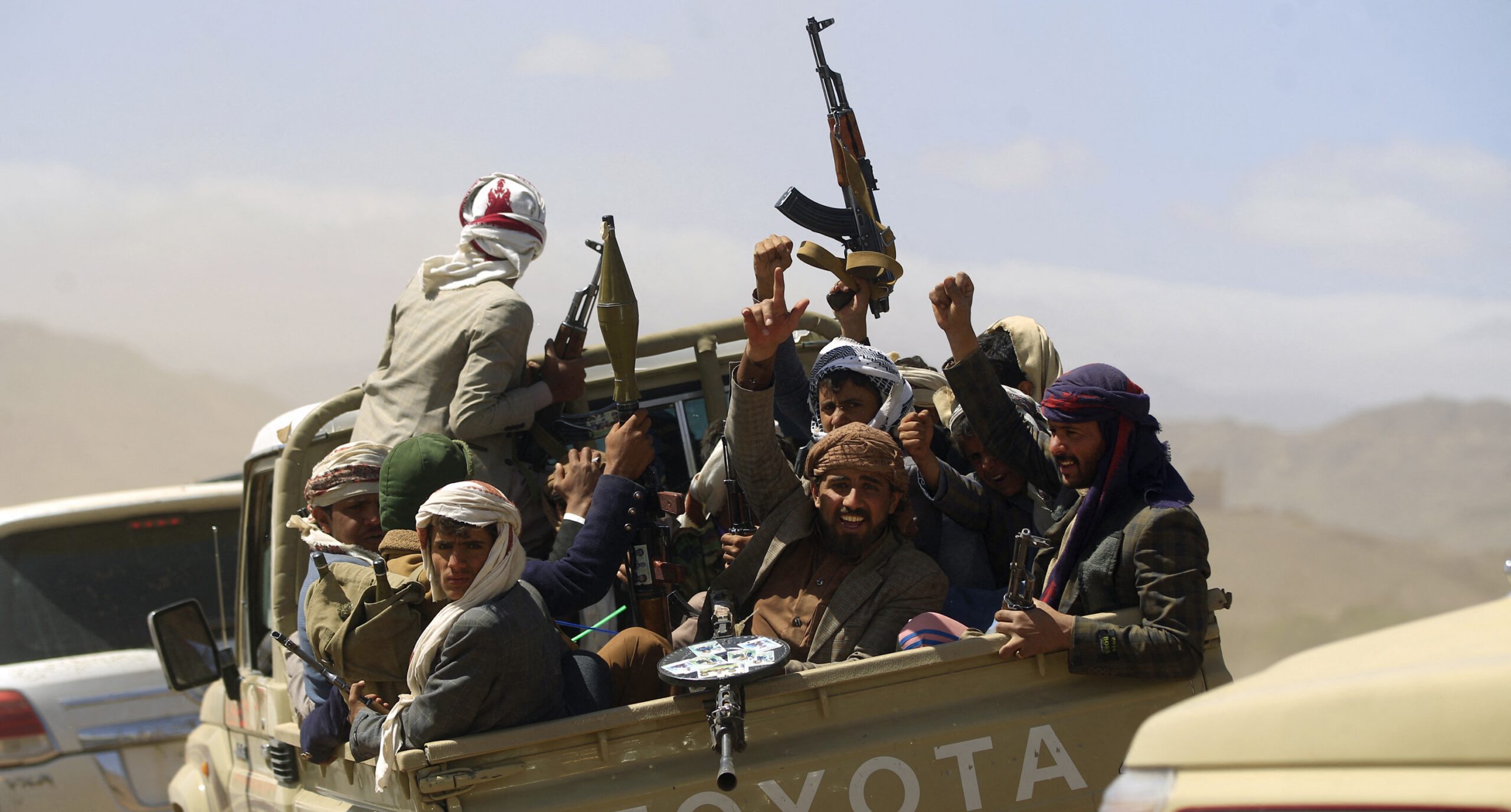
The Houthis, Iran, and tensions in the Red Sea
Ansar Allah, the Yemen-based militant group commonly referred to as the Houthis, is arguably the latest and largest addition to the Iran-led Axis of Resistance. Present tensions in the Red Sea illustrate both the utility of the Houthis for Tehran’s anti-American and anti-Israel regional agenda as well as the challenges their actions can create for the Iranians.
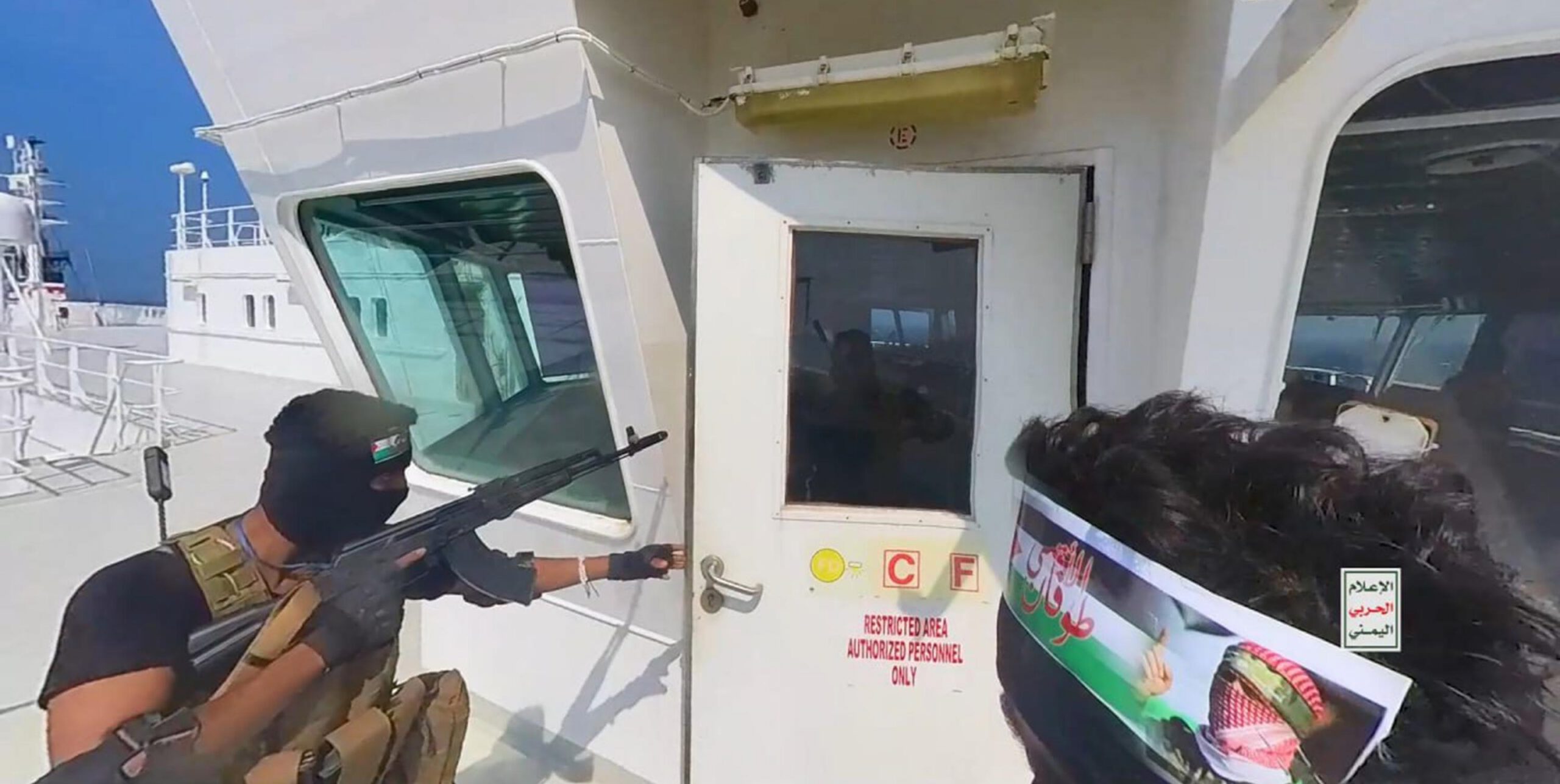
Houthis see domestic and regional benefit to continued Red Sea attacks
Since the outbreak of the Israel-Hamas conflict in October, Yemen’s Houthi rebels have sought means to capitalize on the war in Gaza to raise their profile, enhance their pan-Arab legitimacy, and burnish their credentials both domestically and in the region. In their effort to insert themselves into the Gaza conflict, the Houthis believe their actions will strengthen their support base at home while also cementing their movement more firmly into the Iranian “Axis of Resistance.”
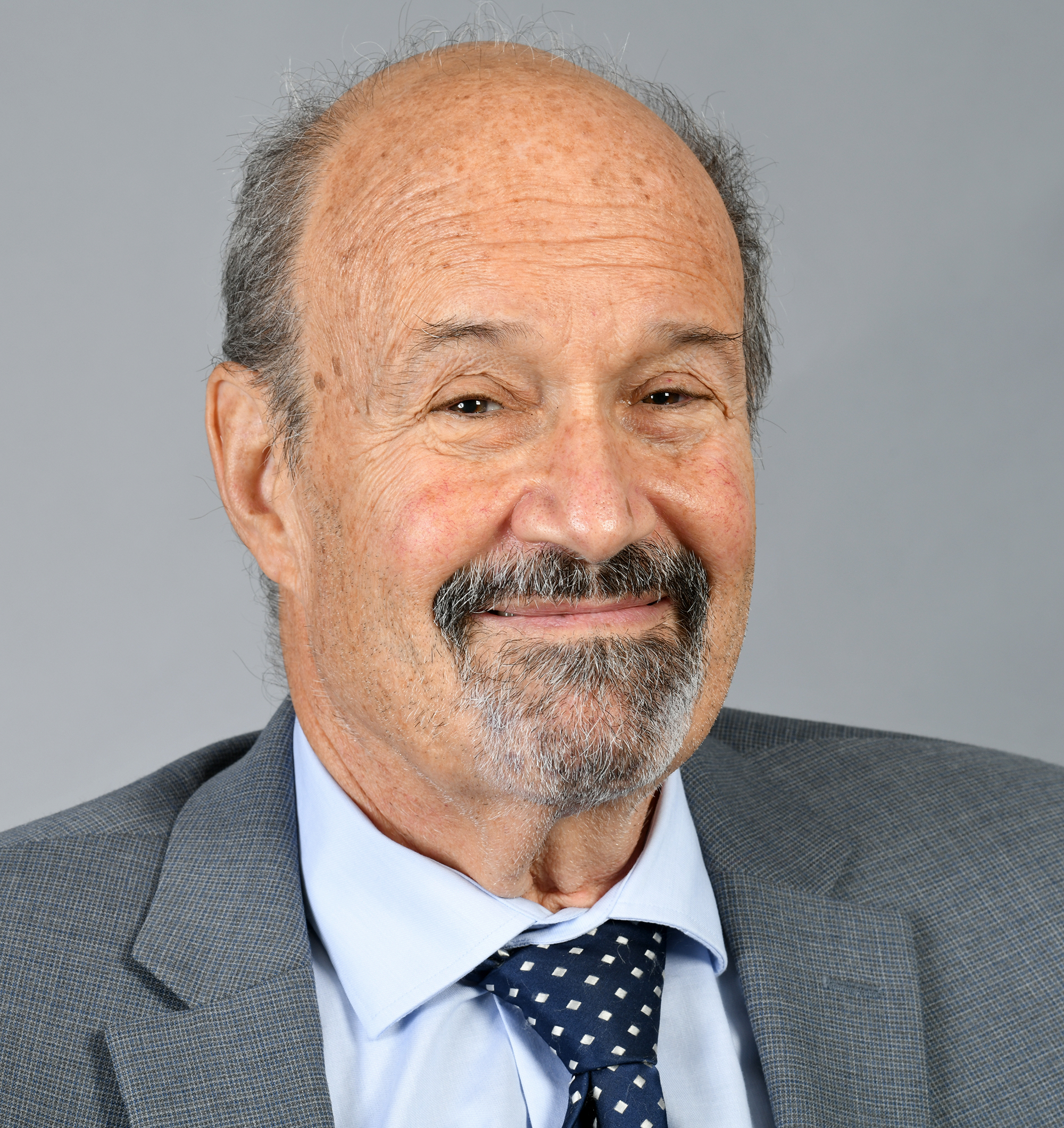
In Memoriam: Dr. David Pollock
The Middle East Institute (MEI) mourns the passing of Dr. David Pollock (1950-2024), a respected scholar and Bernstein Fellow at The Washington Institute for Near East Policy.
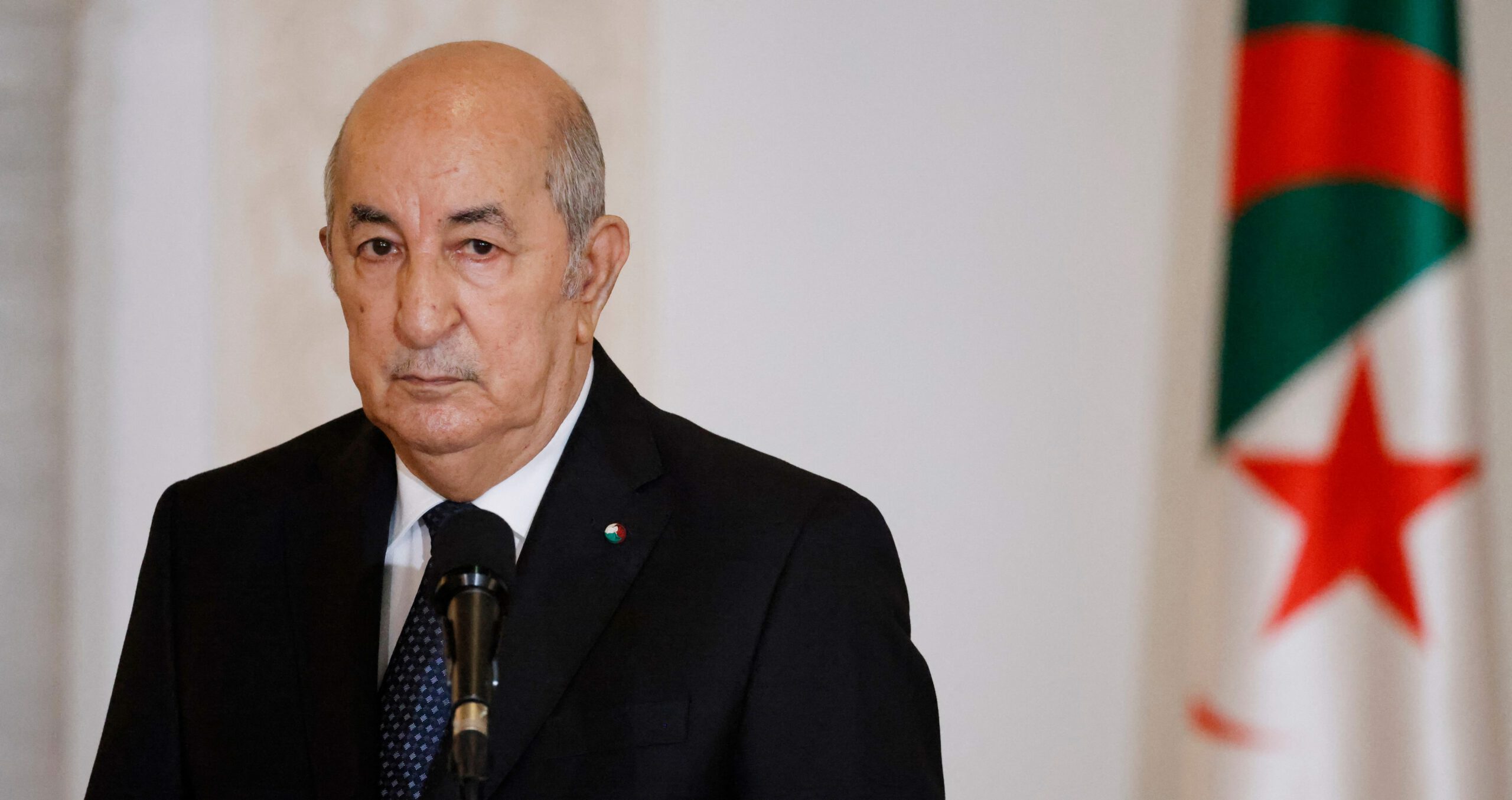
Policy shifts and political challenges as Algeria prepares for upcoming elections
A closer look at the impact of domestic and international developments on Algeria’s agenda as the country prepares for a complicated and critical presidential race in December 2024.
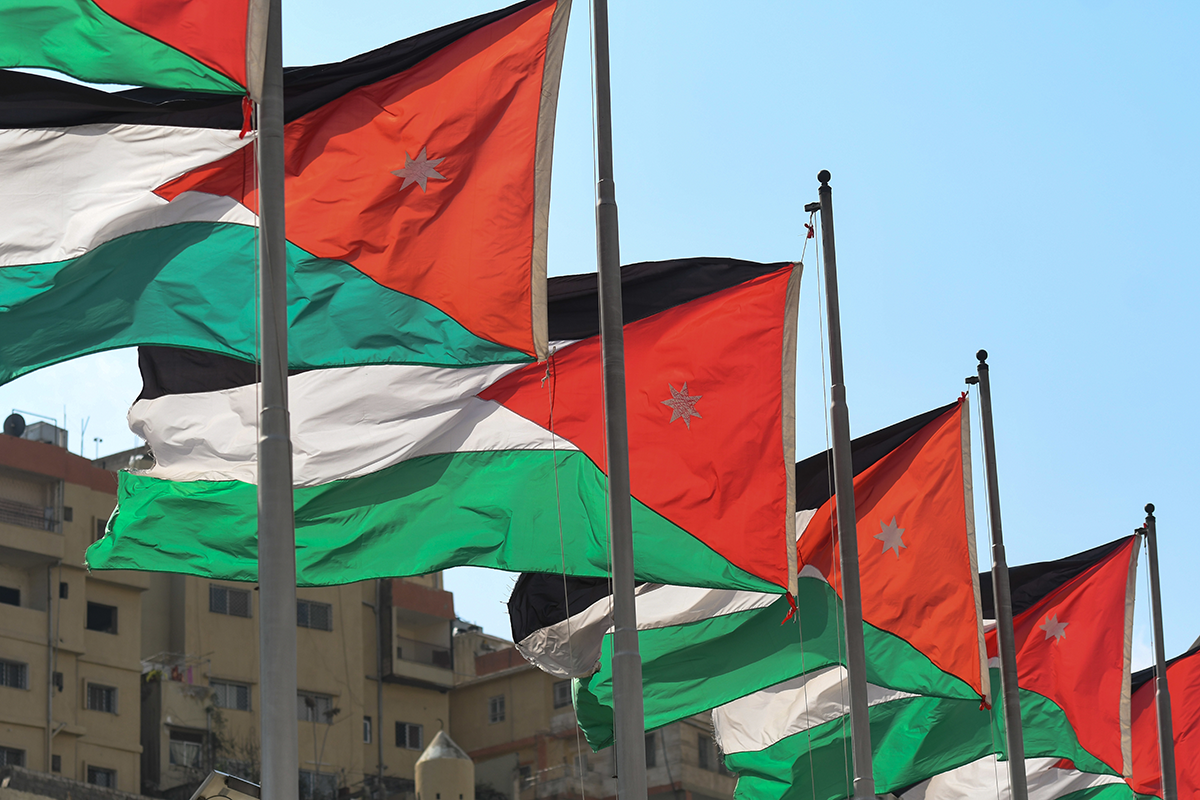
طموحات الأردن وأموال السعودية: نظرة على الاستثمارات السعودية في الأردن
في عام 2017، أنشأ صندوق الاستثمارات العامة السعودي وعدد من البنوك الأردنية صندوق الاستثمار السعودي الأردني لتوجيه 3 مليارات دولار إلى الاقتصاد الأردني. ويقدم مشروعان من مشاريع صندوق الاستثمار السعودي الأردني دراسات حالة ذات صلة بالتحديات التي تواجه الجهود الأردنية الأوسع نطاقاً لجذب المزيد من الاستثمار الأجنبي المباشر ودفع عجلة التنمية الاقتصادية.

Reinventing a square wheel: Can a revitalized Palestinian Authority lead the way to a better “day after?”
As questions about regarding who can take over governance of the war-torn Gaza Strip, Washington and other are pinning their hopes on a revitalized Palestinian Authority. But such “revitalization,” if limited to “strengthening” the PA cabinet and making only minor improvements in governance, will ensure that Gaza will remain a “super camp” and a source of recurring/persistent instability for Palestine and Israel.

Antisemitism and Islamophobia in the US Political Discourse on Israel/Palestine
Sahar Aziz and Mitchell Plitnick discuss their study “Presumptively Antisemitic: Islamophobic Tropes in the Palestine Israel Discourse” with MEI’s Palestine and Palestinian-Israeli Affairs Program Director Khaled Elgindy.


Another Israel-Hezbollah war? It’s likelier than ever
If both Israel and Hezbollah stand to lose from escalation, then why does it feel like war between them is imminent?
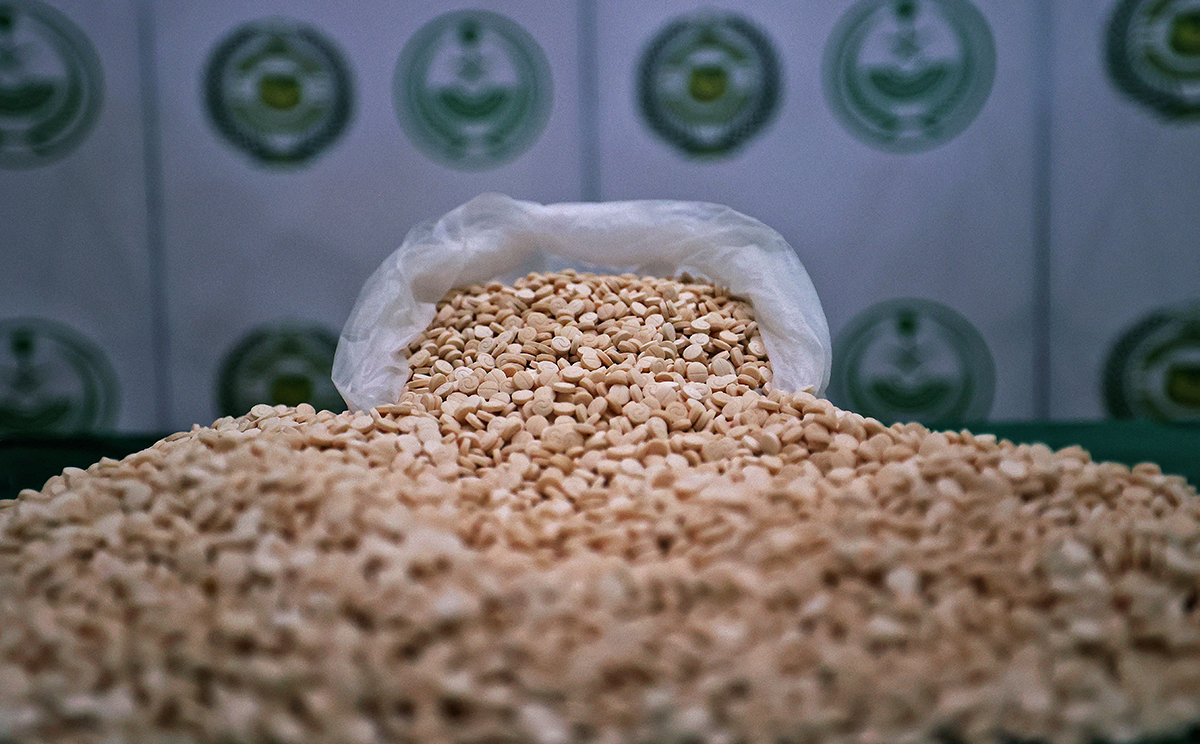
Locals fight their own war on drugs in Syria’s Daraa Province
Since early last year there has been a surge in drug-related assassinations in Syria’s southwestern Daraa Province, adding a new layer to the region’s persistent violence. The regime’s complicity, driven by financial and political motives, has fostered a climate where drug networks operate with impunity, spurring locals to take matters into their own hands.