Finding Lebanon: Hope, dignity, and the right to know
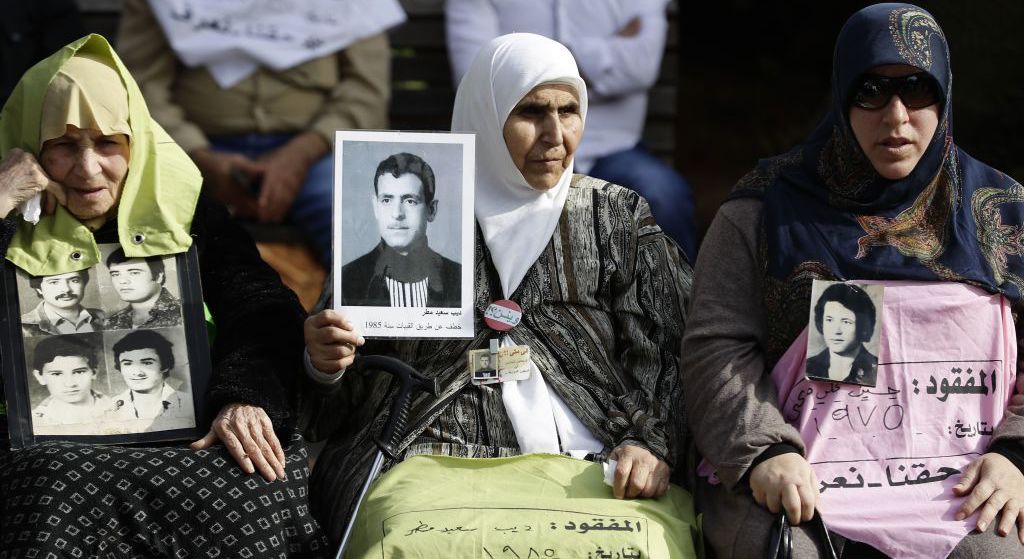
As many as 17,000 people “disappeared” during the Lebanese civil war. From 1975 to 1990, Lebanese factions, Palestinian militias, and the Syrian and Israeli militaries waged war in Lebanon. In that time, they and associated actors — be they Syrian security services, or armed Lebanese gangs using the war to turn a profit — “disappeared” people. Now, 30 years after the war ended, Lebanon has finally created a national commission for the disappeared, and in doing so, has taken a small step toward helping families grapple with the consequences of a conflict that has never, really, ended — certainly not for them.
Hafsa Halawa, Burcu Karakas, and Lina AbiRafeh join host Alistair Taylor to discuss the ways in which the coronavirus pandemic affects women and girls in the MENA region. While the virus has affected everyone, its gendered impact has been outsized and the fallout will likely exacerbate a host of existing issues affecting everything from health and education to politics and the economy.
Digitization and the future of Middle East economies
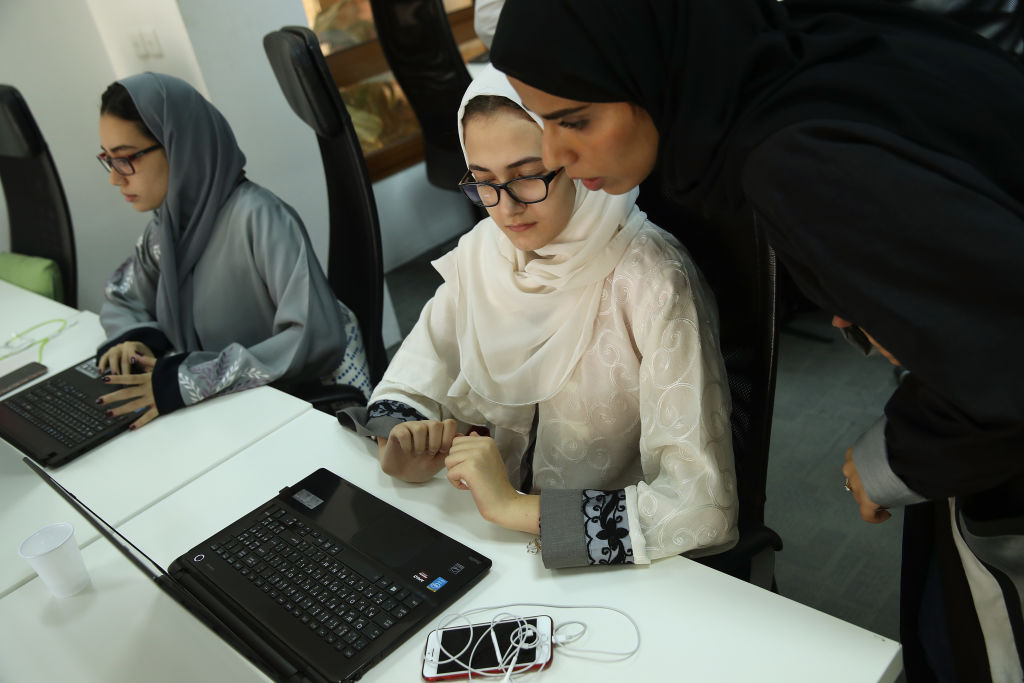
The digitization of business in the Middle East has enormous implications for the future of regional economies, as well as for education, employment, and beyond. The way this digital transition shapes the region will be influenced by the degree to which policymakers consider this shift in its context and with an eye toward the future, as the opening session of the MEI Cyber Program’s recent conference explored.
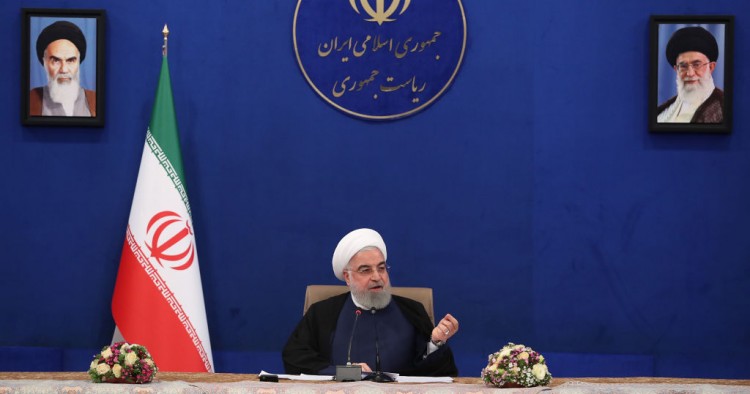
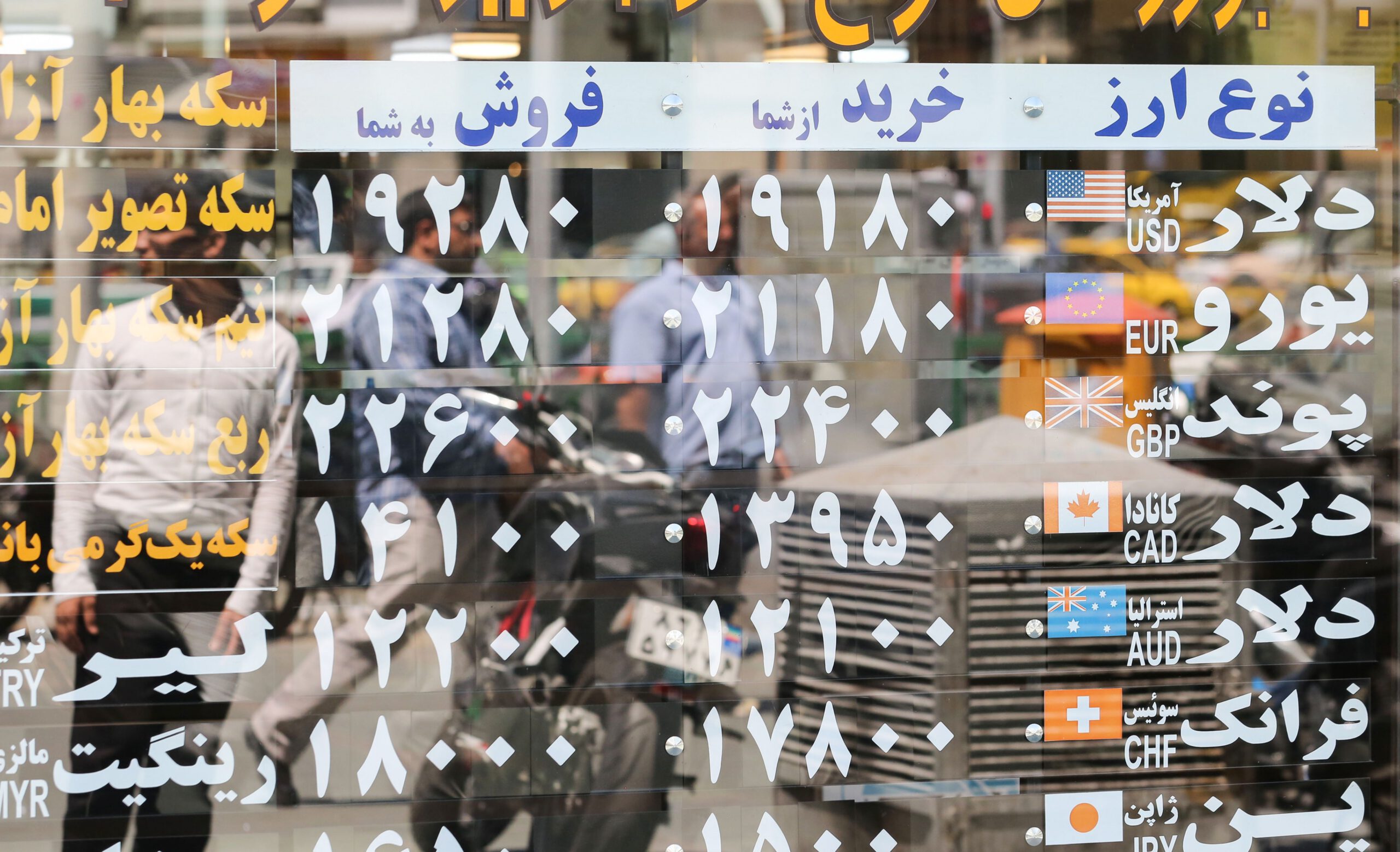
Officials in Tehran have a lot to worry about. But they are particularly irked at the speed by which Asian states have dropped Iran as a trading partner. Iran had hoped that the East would save the country’s economy from the barrage of sanctions enacted by the administration of U.S. President Donald Trump. In early 2018, at a time when Trump and his team were about to unveil the most punishing sanctions regime ever imposed on a country, Supreme Leader Ali Khamenei explicitly urged Tehran to look east for trading partners.
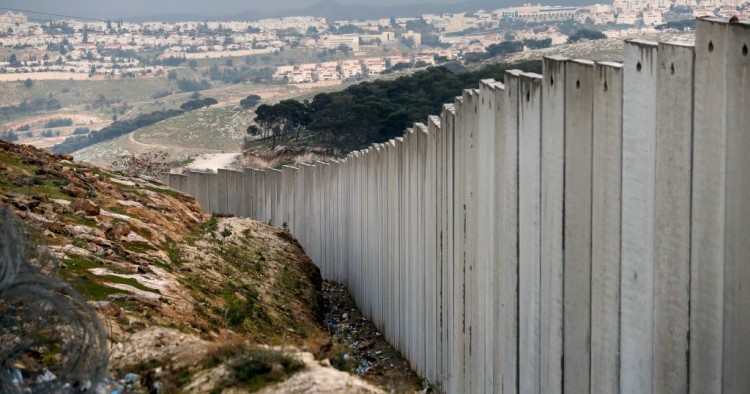
Gulf regimes may oppose annexation, but they helped bring it about
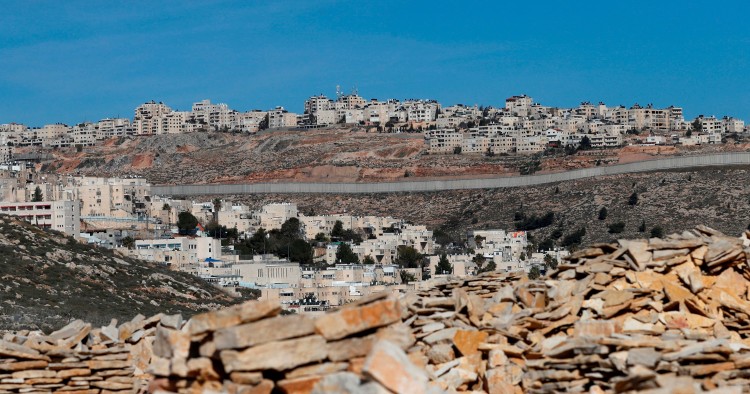
Leaders of Arab Gulf regimes now decry the attempt to implement the vision of the Israeli Right, which aims to prevent the establishment of a Palestinian state. But it is exactly the policies of the Arab Gulf regimes, through their normalization of ties with Israel at the expense of the Palestinians, that directly contributed to the rise of the Israeli Right and made this annexation more likely.
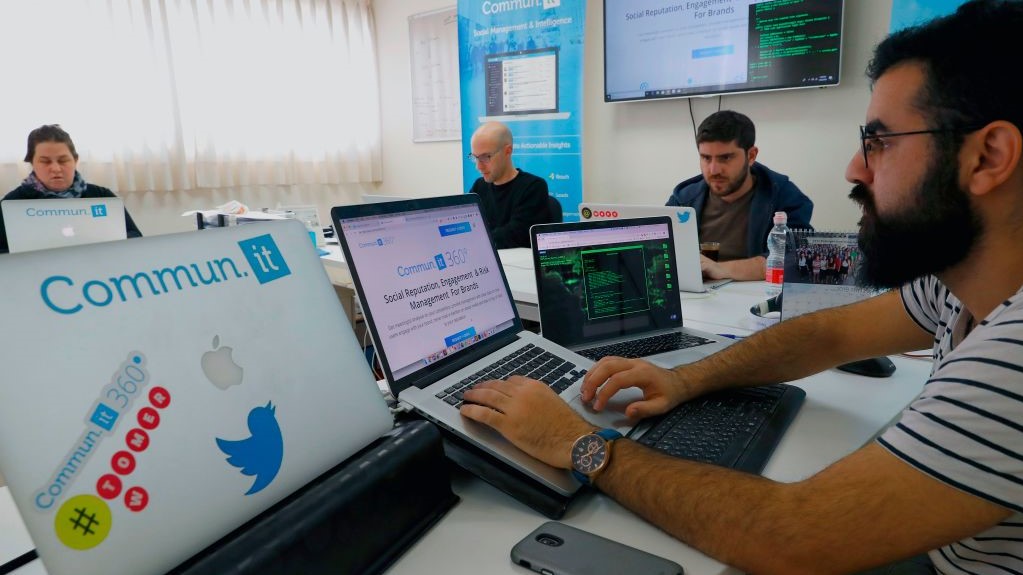
Free speech, civil society, and equity in cyberspace
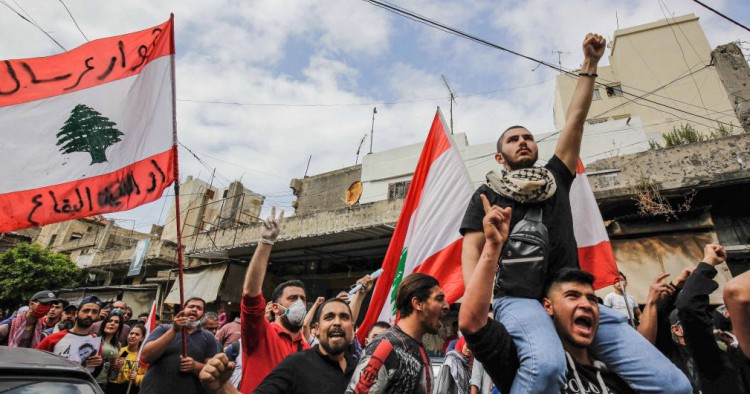
From the growing impact of social media on popular movements and politics in the Middle East to the changing face of journalism and civil society online, the intersection of digital spaces with politics is one of the most critical emerging areas for examining the future of dissent, human rights, and democracy in the region. This issue was a central focus during the second panel of the MEI Cyber Program’s inaugural June conference, with experts highlighting several critical areas for consideration and examination in the years to come.
Public diplomacy and influence campaigns in the Middle East
Despite the empowering and liberating potential of new communications technologies, the growing power and influence of autocrats is undermining pressure for human rights and good governance. Authoritarian regimes have embraced new technologies and influence campaigns have become one of the many ways in which they seek to reassert their control over the media and civilians. During the third panel of the MEI Cyber Program’s inaugural June conference, experts examined the development of online manipulation campaigns and discussed how governments conduct these operations, as well as the campaigns’ dangers, limits, and the best policies to encourage free speech online in the Middle East.
Cyber conflict in the Middle East: Considerations for the future
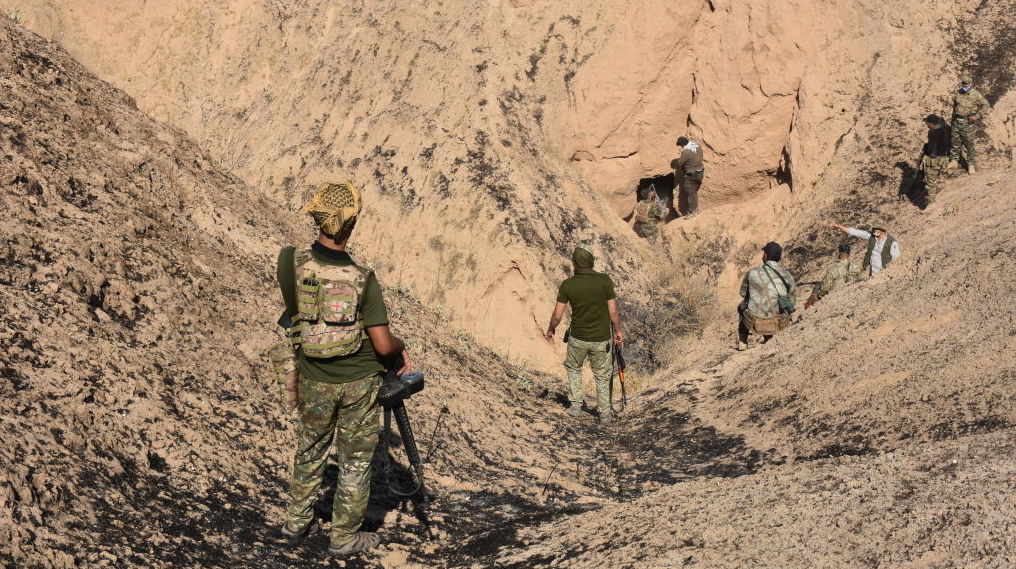
The growing role of cyber conflict in the Middle East continues to raise questions about the future of regional relations, national security, and defense. A diverse group of experts provided a close-up perspective on the region’s cyber threat landscape and its major players and tools during the fourth panel of MEI’s Cyber Program conference, shedding light on how these threats are shaped by specific regional dynamics.