Expert Views: Opportunities to enhance water security in MENA
Water resources are a key component of global sustainability, especially in light of the mounting environmental challenges posed by climate change. We asked some of MEI’s Climate and Water Program scholars to share their perspective on strategies and opportunities that could most readily alleviate the region’s water security concerns.
Tracking water resources from space: Challenges for the MENA region
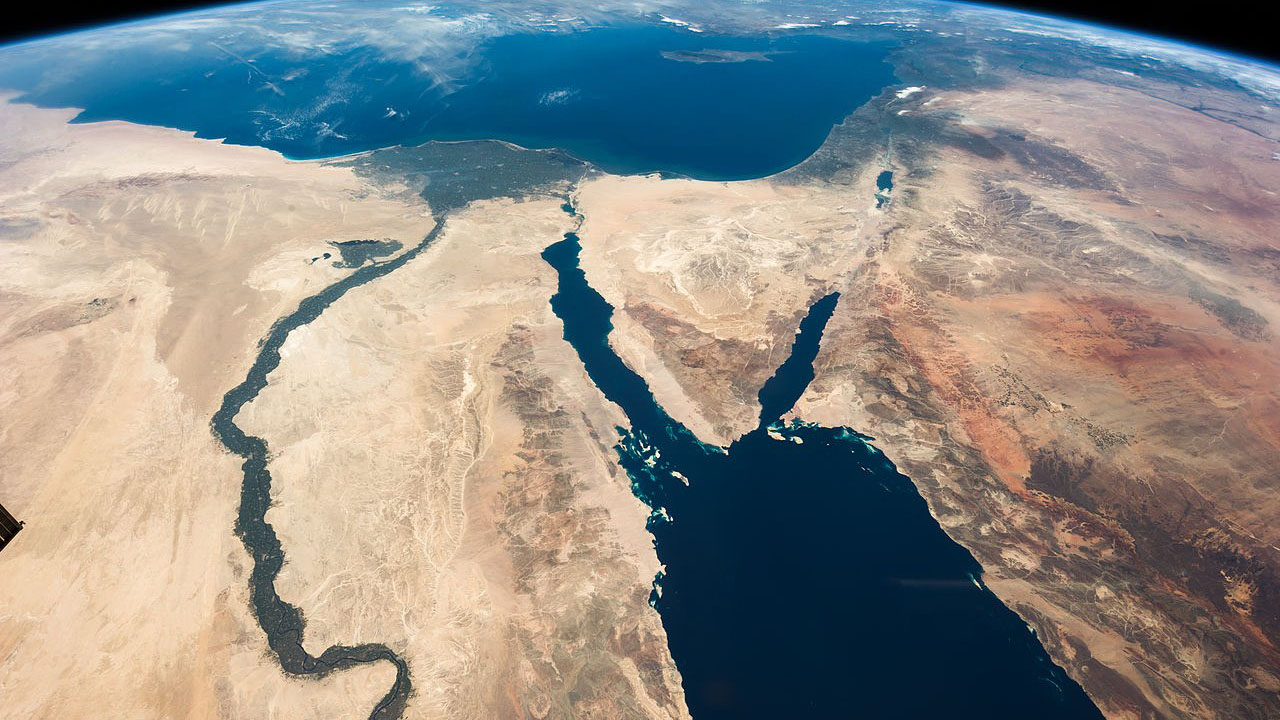
In the Middle East and North Africa, water is a scarce resource with uneven distribution, resulting in geo-environmental problems at the national level and conflicts between countries that share access to key rivers and water resources that straddle state borders. The stress on the region’s limited water resources is exacerbated by an increasing reliance on groundwater. In such context, monitoring precipitation — the sole renewable water source — is essential yet also challenging. But space-based monitoring can provide a promising technological solution.
Looking to the skies: The growing interest in cloud seeding technology in the Gulf
In response to water shortages exacerbated by population growth and climate change, an increasing number of countries have invested in weather modification technologies over the past decade, including precipitation enhancement, or cloud seeding. The UAE has been a leader in exploring this technology within the arid Gulf region, launching a cloud seeding program in 2002.