As it fights on four separate but connected fronts, Pakistan’s military is employing more force and less tolerance for public dissent. The result is not strength, but instead a widening set of vulnerabilities that will undermine Pakistan.
The Mecca Joint Défense Agreement: A New Geometry of Middle Eastern Power?
On August 7, 2026, Saudi Arabia, Turkey, and Pakistan signed the Mecca Joint Défense Agreement, a collective-defense pact widely compared to NATO’s Article 5. This essay argues that the comparison is misleading. Mecca borrows NATO’s language of solidarity without yet possessing NATO’s institutional machinery, and the Houthi offensive against Saudi Arabia in September 2026 provided an early and revealing test of what the agreement actually means in practice. Neither Pakistan nor Turkey automatically entered the fight on Saudi Arabia’s behalf, and Washington, despite an initial reluctance to strike directly, remained indispensable through intelligence support and a major proposed F-35 sale. Drawing on realist alliance theory — Hans Morgenthau, Kenneth Waltz, Stephen Walt, Glenn Snyder, and Steven David — and on the precedent of the Central Treaty Organization (CENTO), the essay contends that the Middle East is not dividing into rival blocs but moving from hierarchy toward a looser, overlapping geometry of hedged partnerships, in which American exclusivity is eroding considerably faster than American primacy.
The Mecca Alliance Meets the Red Sea – Saudi Arabia’s New Defense Pact Faces Its First Major Test
When Saudi Arabia, Turkey and Pakistan agreed to a mutual defense pact in August, it was principally seen as a political commitment. The “Mecca alliance,” as it was dubbed, stipulated that an armed attack on one would be treated as an attack on all three, accompanied by deeper military cooperation.
Marvin Weinbaum, Madiha Afzal, and Syed Mohammad Ali discuss the recent political upheaval in Pakistan, which comes against the backdrop of mounting economic problems.
Pushed over the edge: Political and military dynamics at the Afghanistan-Pakistan border
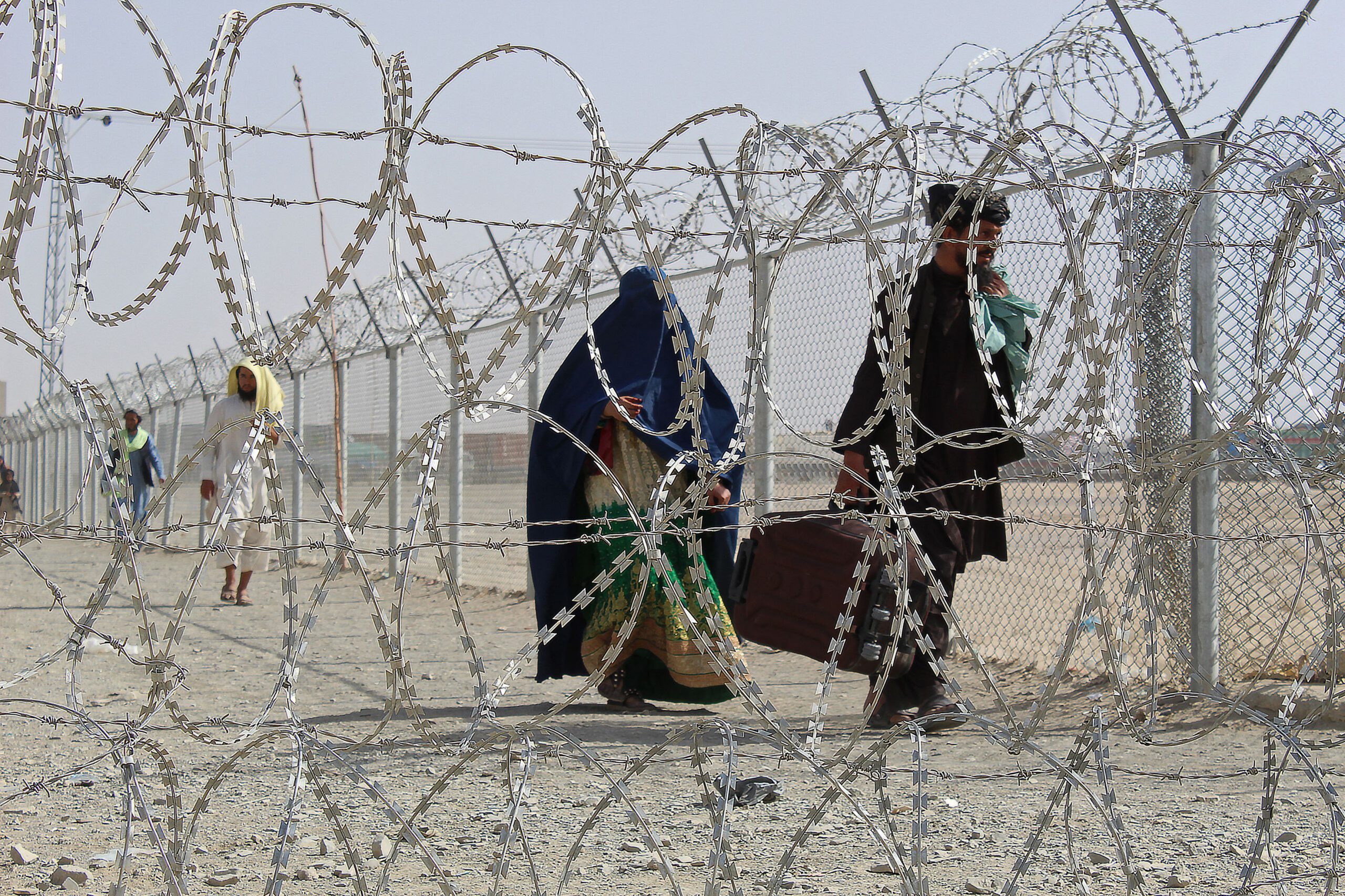
Frequent and violent border clashes have created political tensions between Pakistan and Afghanistan. This may surprise observers, since Afghanistan is being ruled by the Afghan Taliban, long supported by Pakistan’s security establishment. Recent incidents illustrate, however, that while the interests of Pakistan and its clients in Kabul may often converge they are hardly identical. Divergent political ideologies, national histories and strategic aims are driving them apart on many crucial issues.
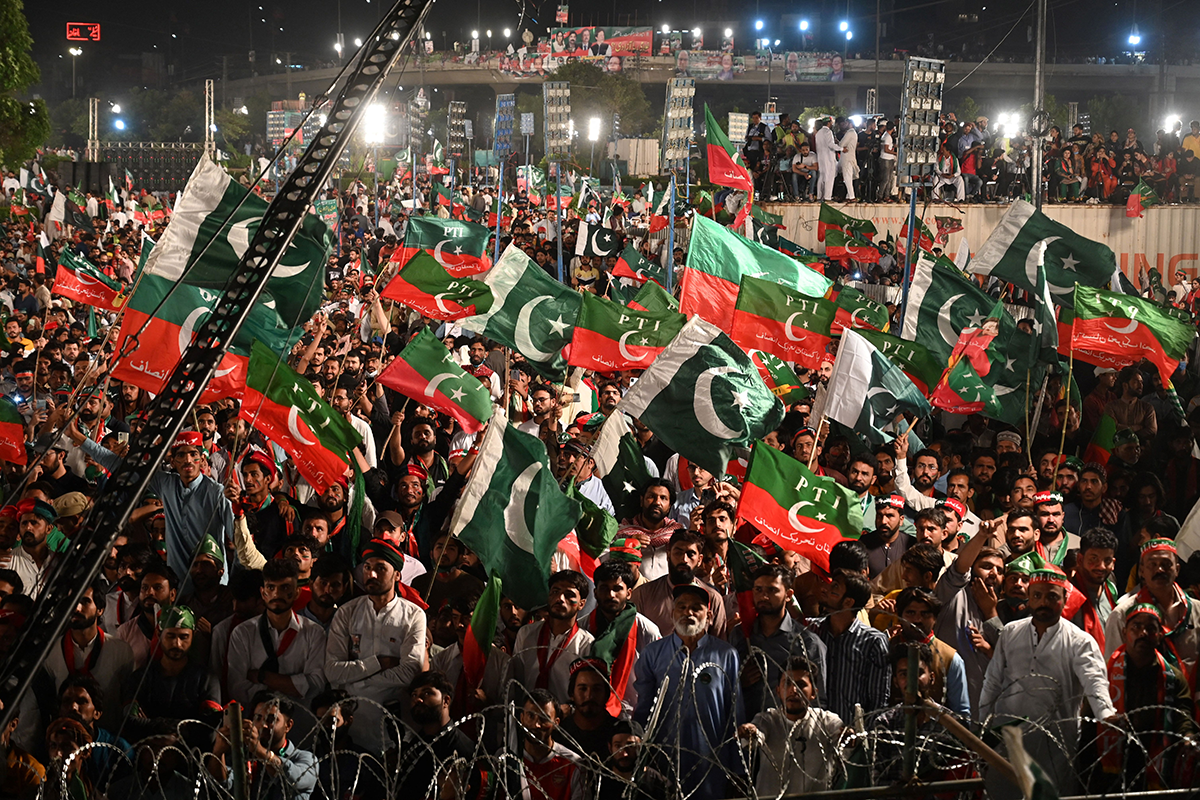
Has Imran Khan’s ouster opened a Pandora’s box in Pakistan?
Khan’s removal has served to galvanize and perhaps even expand his support base and his opponents among the senior brass of the army and in the political class have unwittingly rehabilitated his public image. As Khan’s political fortunes have improved, the new coalition government is struggling to handle the hot potato of a deteriorating economy and the army is facing criticism unprecedented in recent years.
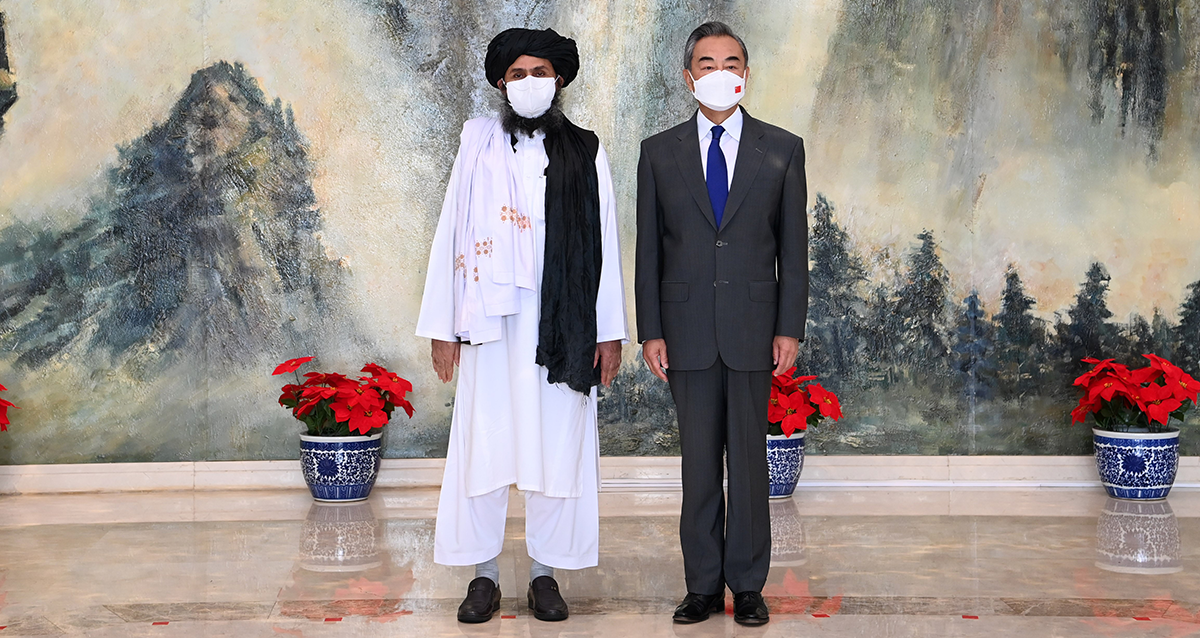
Despite expectations that China, Russia, and other states would try to exploit the Western military departure from Afghanistan, the Taliban’s regime remains unrecognized by any other government. Neighboring countries have not gone beyond limited diplomatic engagement, economic detachment, and security containment.
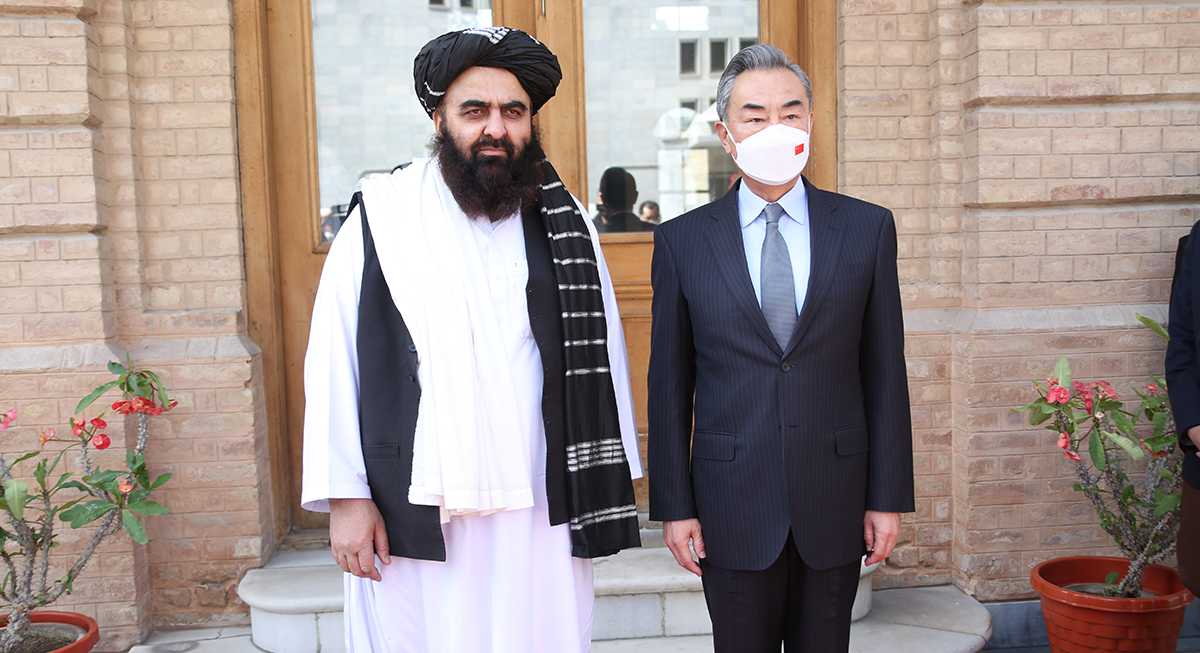
China draws closer to the Taliban as regional foreign ministers prepare to meet in Beijing
Despite the loss of crucial foreign aid, a deepening food crisis, and a sinking economy, little attention has been given to the effects of Afghanistan’s current political instability on the Taliban’s international relations. The international community has certainly taken an interest in Afghanistan, urging the Taliban to implement reforms, such as political representation for all Afghan ethnicities and respect for women’s rights, particularly when it comes to education and work. For its part, however, China has not let such concerns get in the way of establishing strong ties with the Afghan Taliban.
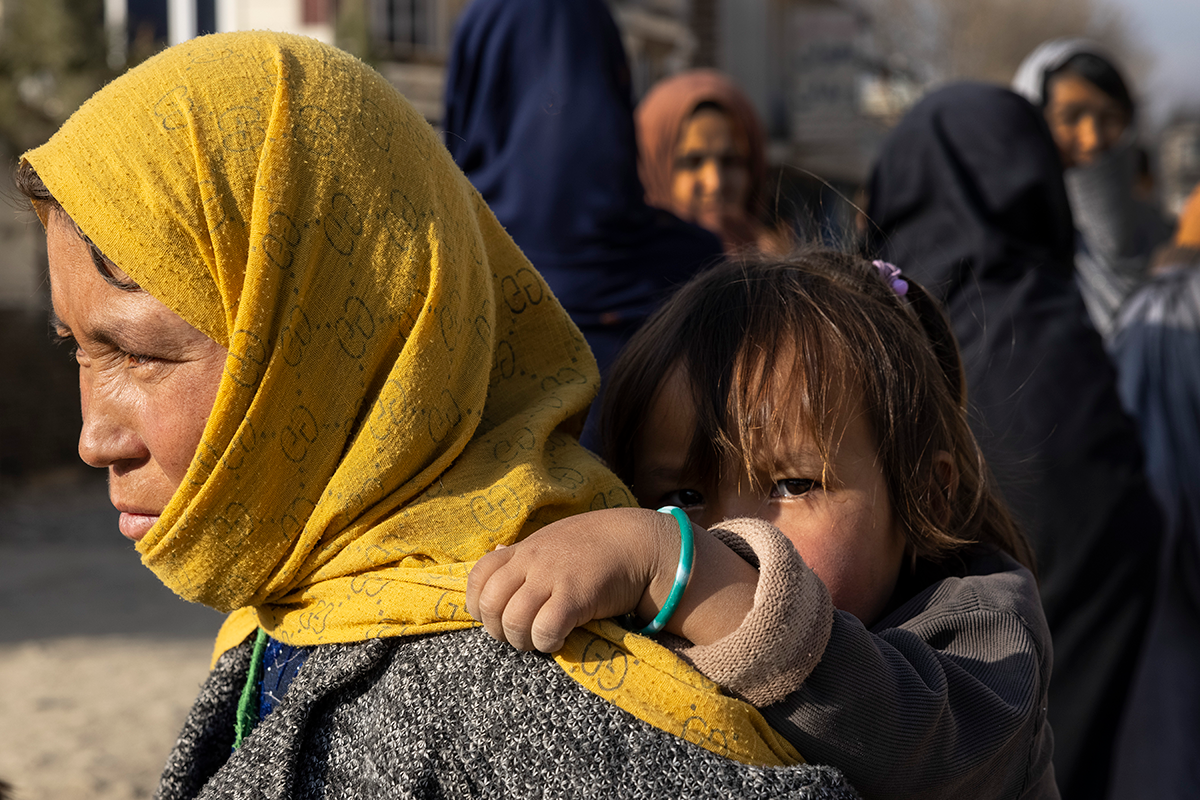
As global attention shifts further away from Afghanistan to Ukraine and elsewhere, time is running out to change course before the country’s freefall under the Taliban becomes irreversible. The international community needs a two-pronged, interlinked approach to normalize the economy and stabilize the political scene.
Connecting Beijing’s global infrastructure: The PEACE Cable in the Middle East and North Africa
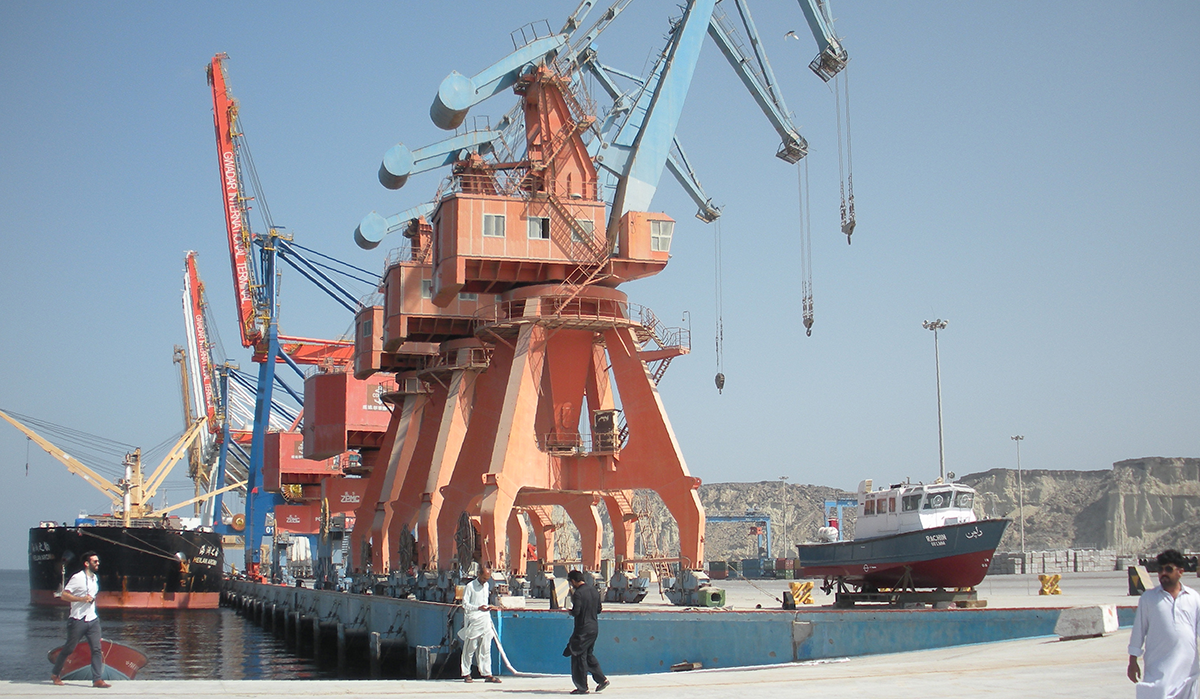
One of the most ambitious elements of China’s Digital Silk Road is the Pakistan & East Africa Connecting Europe (PEACE) fiber-optic cable. China has long expressed its ambition to connect the greater Middle East, Africa, and Europe with Chinese fiber optics in order to expand its presence in the region, and Beijing now boasts strategic infrastructure assets in geopolitical hotspots, such as the Pakistani port of Gwadar.