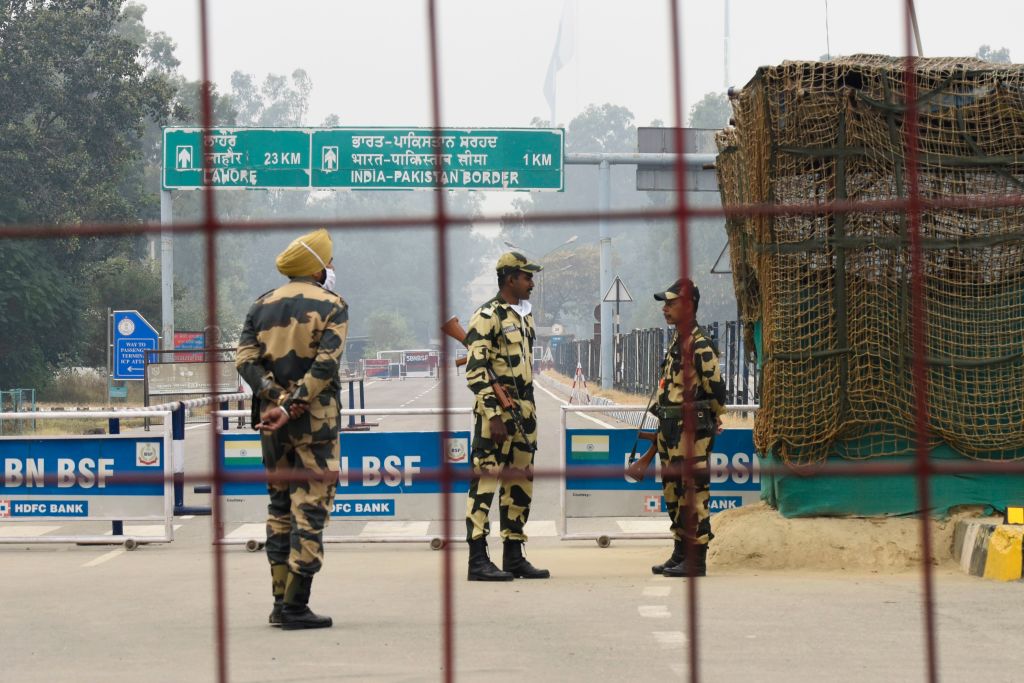
As it fights on four separate but connected fronts, Pakistan’s military is employing more force and less tolerance for public dissent. The result is not strength, but instead a widening set of vulnerabilities that will undermine Pakistan.
The Mecca Joint Défense Agreement: A New Geometry of Middle Eastern Power?
On August 7, 2026, Saudi Arabia, Turkey, and Pakistan signed the Mecca Joint Défense Agreement, a collective-defense pact widely compared to NATO’s Article 5. This essay argues that the comparison is misleading. Mecca borrows NATO’s language of solidarity without yet possessing NATO’s institutional machinery, and the Houthi offensive against Saudi Arabia in September 2026 provided an early and revealing test of what the agreement actually means in practice. Neither Pakistan nor Turkey automatically entered the fight on Saudi Arabia’s behalf, and Washington, despite an initial reluctance to strike directly, remained indispensable through intelligence support and a major proposed F-35 sale. Drawing on realist alliance theory — Hans Morgenthau, Kenneth Waltz, Stephen Walt, Glenn Snyder, and Steven David — and on the precedent of the Central Treaty Organization (CENTO), the essay contends that the Middle East is not dividing into rival blocs but moving from hierarchy toward a looser, overlapping geometry of hedged partnerships, in which American exclusivity is eroding considerably faster than American primacy.
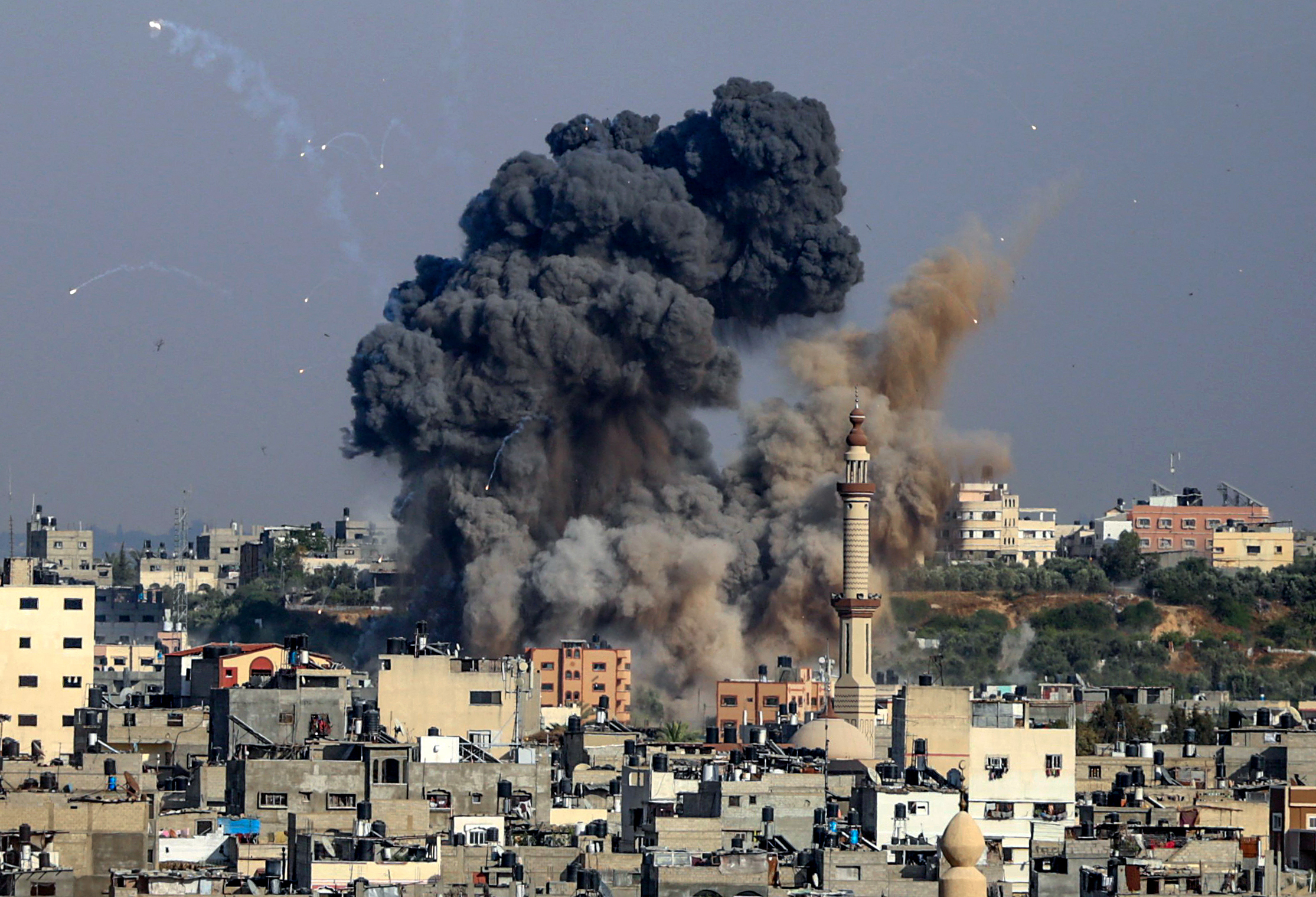
The Mecca Alliance Meets the Red Sea – Saudi Arabia’s New Defense Pact Faces Its First Major Test
When Saudi Arabia, Turkey and Pakistan agreed to a mutual defense pact in August, it was principally seen as a political commitment. The “Mecca alliance,” as it was dubbed, stipulated that an armed attack on one would be treated as an attack on all three, accompanied by deeper military cooperation.
Pakistan needs to reframe its regional connectivity push
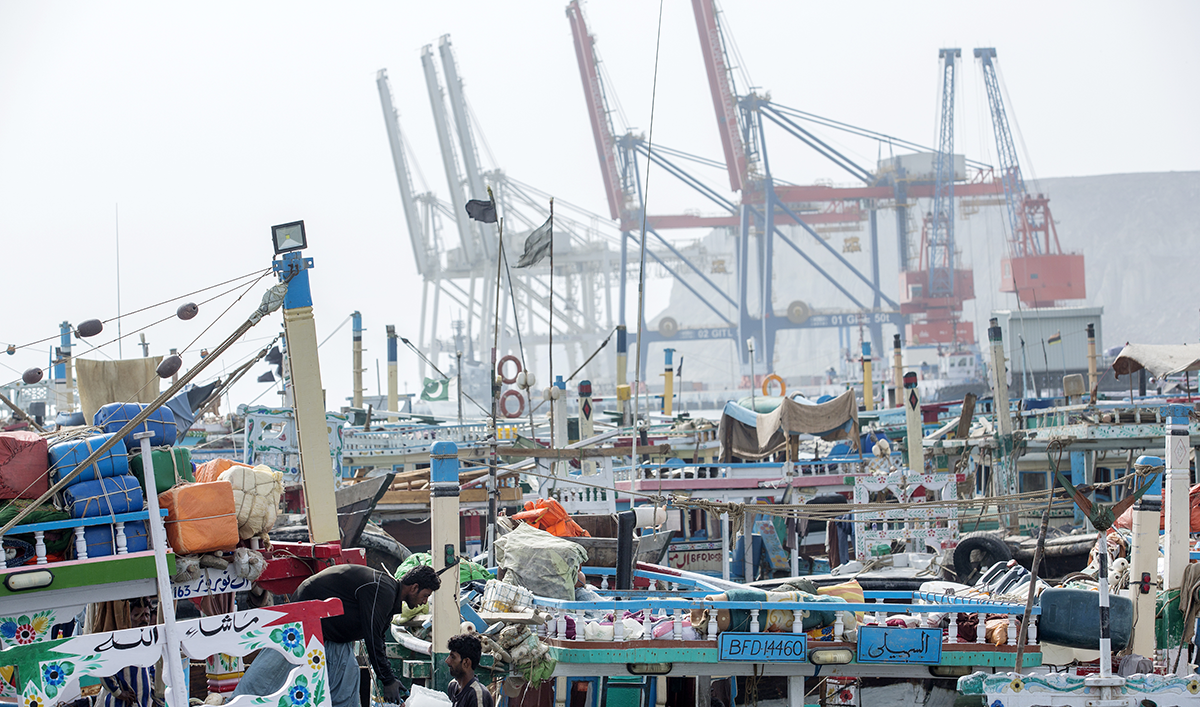
On April 8, the top U.S. diplomat in Pakistan visited the Chinese-operated port of Gwadar — the first such visit by an American official in 15 years. The move appears to be part of a campaign by Pakistan to promote its regional connectivity agenda and simultaneously signal that this effort isn’t solely wedded to China and its Belt and Road Initiative.
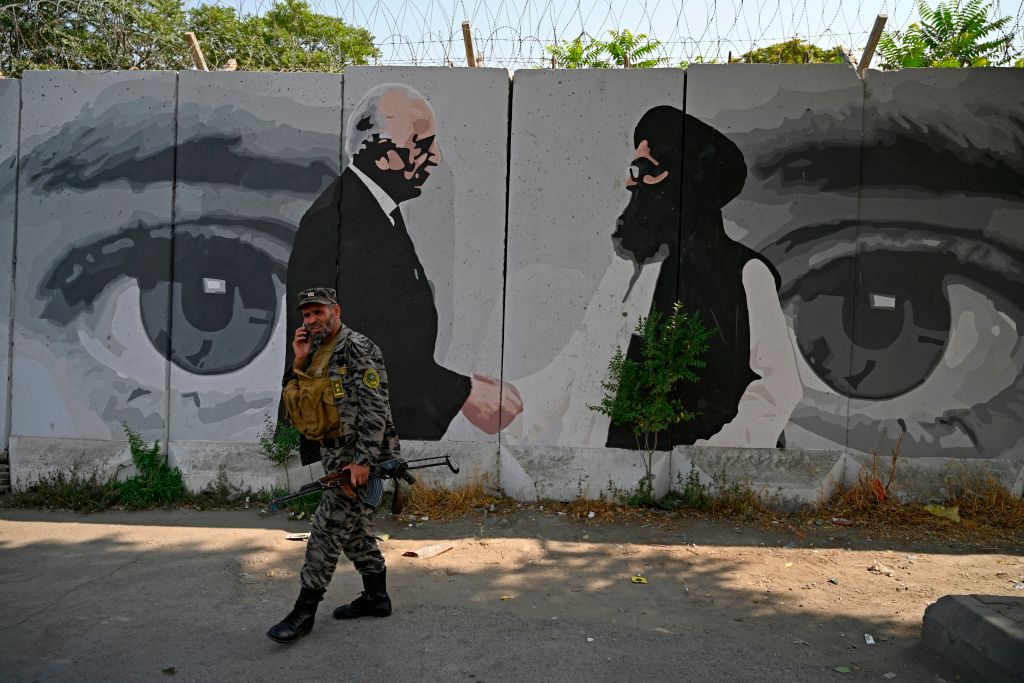
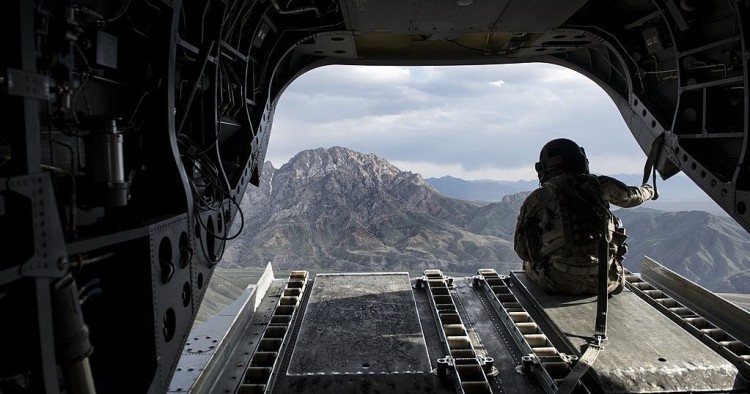
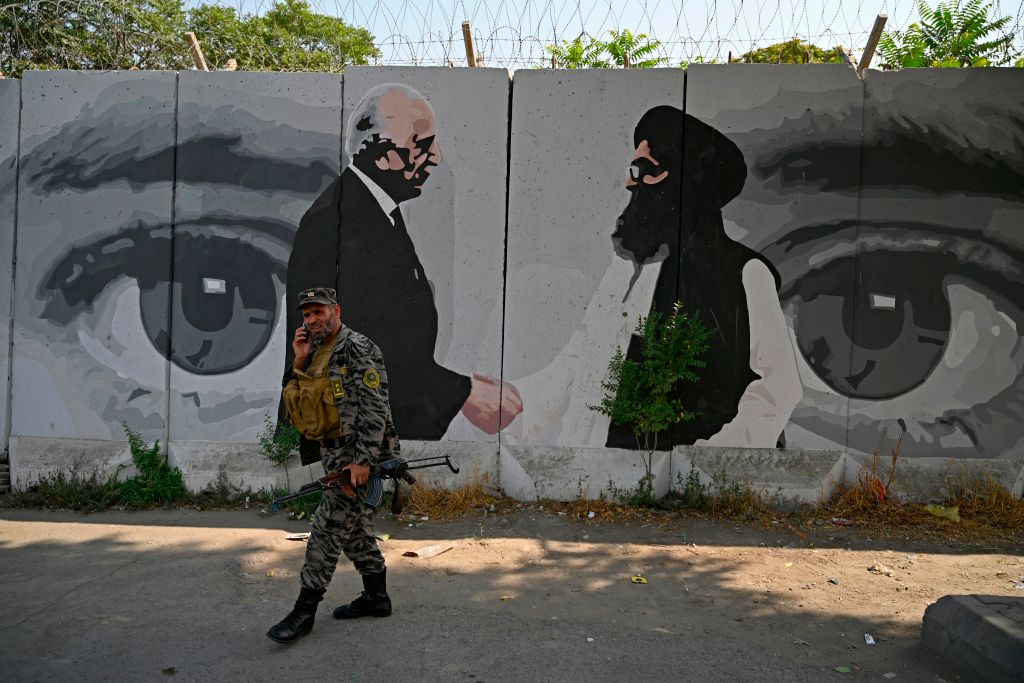
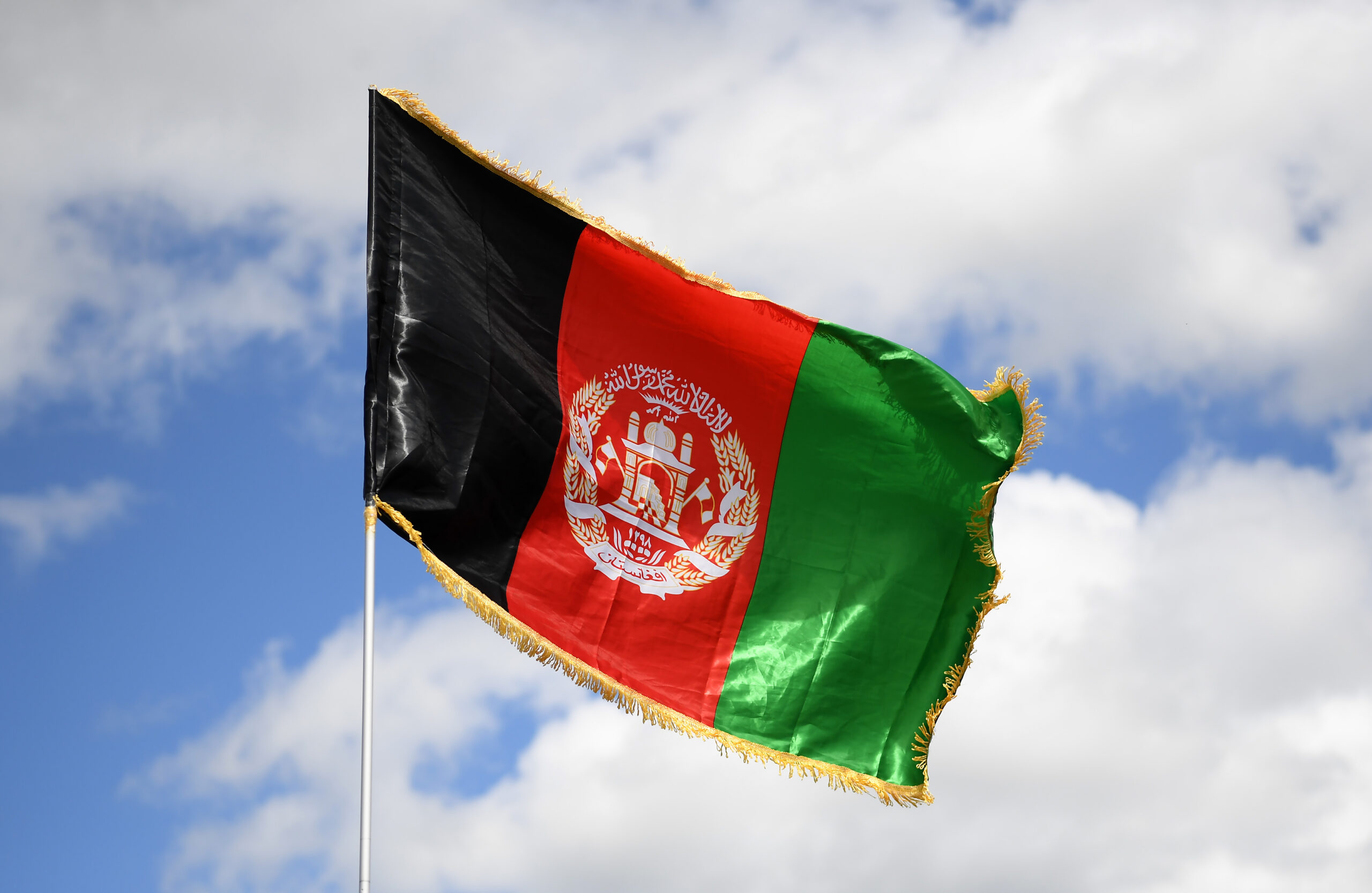
Marvin Weinbaum and David Sedney join host Alistair Taylor to discuss the recently announced U.S. military withdrawal from Afghanistan and what it means for the country, the U.S., and the region as a whole.
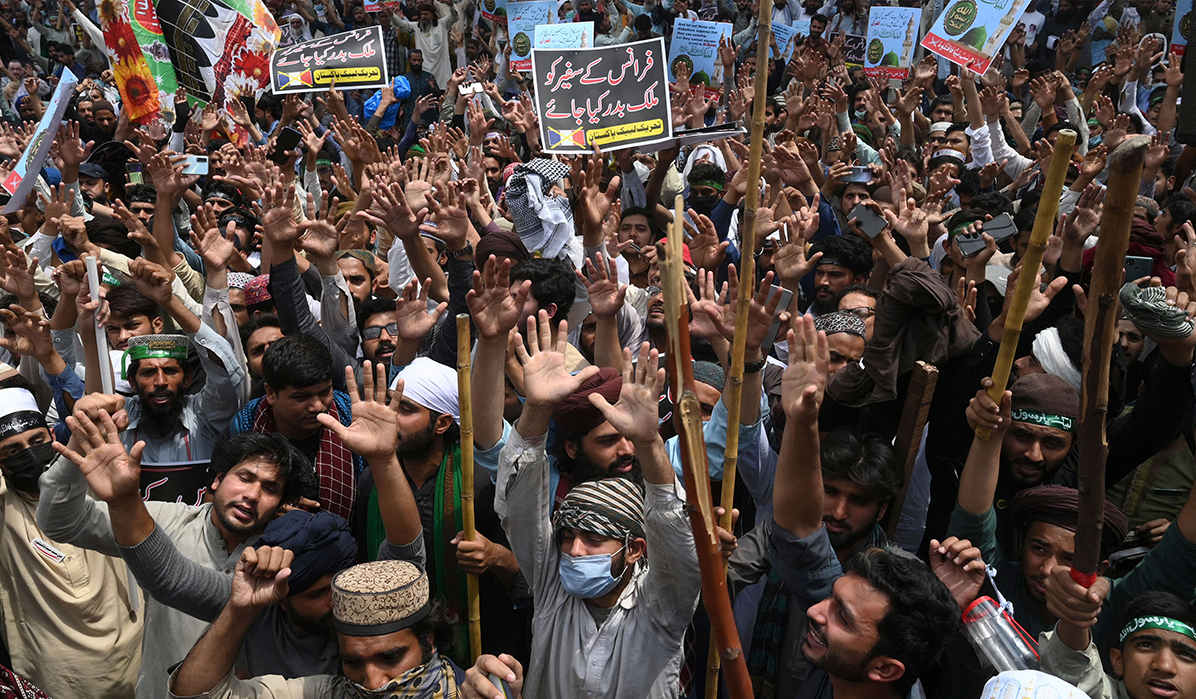
Failing to learn from past mistakes, Pakistan caves to the TLP
The Tehreek-e-Labbaik Pakistan (TLP) has exposed the Pakistani state’s vulnerability to ultra-conservative Islamist groups that have been mainstreamed for narrow political and strategic purposes by the country’s security establishment and self-serving politicians. Only a week after declaring the TLP a terrorist group and banning it, the Imran Khan-led Pakistan Tehreek-e-Insaf (PTI) government gave in to the group’s demands in the face of violent protests by its supporters
The cyclical futility of governance by TikTok in the Middle East
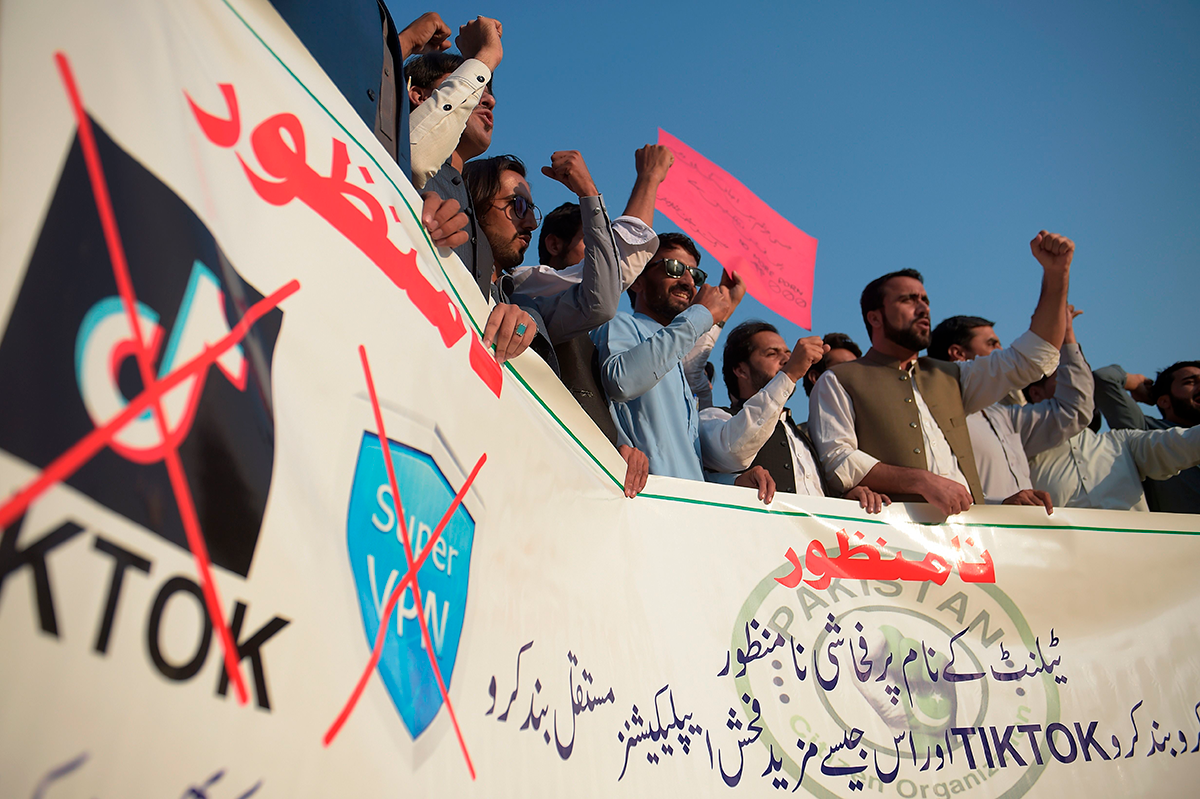
When headlines flashed this month about the Peshawar High Court’s decision in Pakistan to yet again ban the controversial video-sharing app TikTok, you might have been tempted to scroll away in boredom. After all, who hasn’t banned TikTok these days?