The Americans Are Gone. Will Iraq’s Militias Disarm?
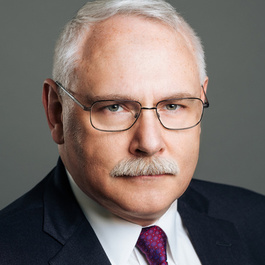
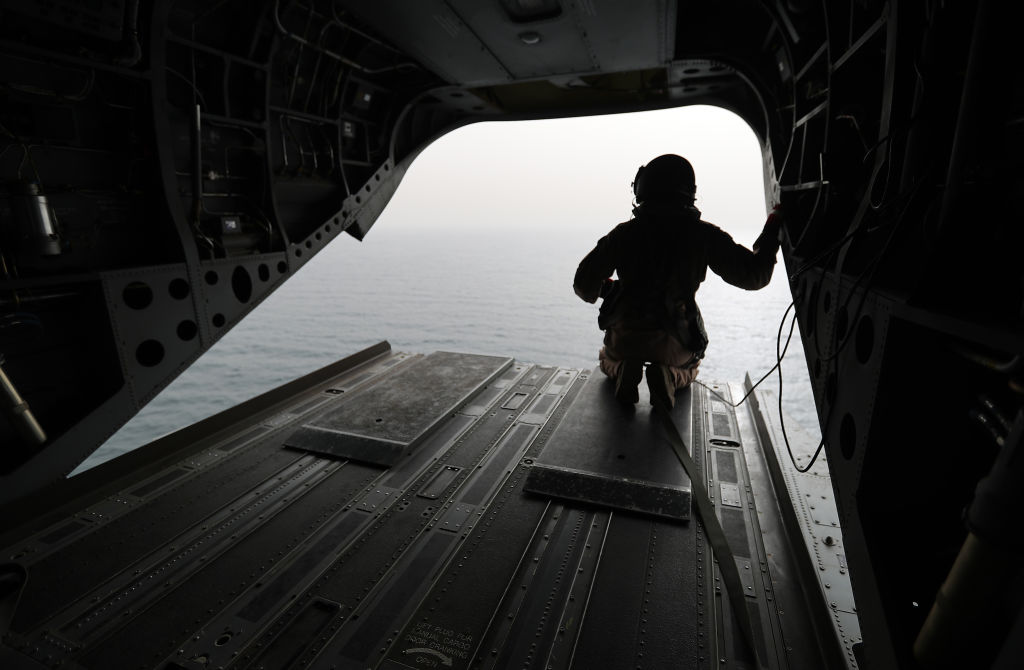
On September 30, the US completed its military withdrawal from Iraq, ending a 12-year-long mission to combat ISIS that began in 2014. The date was also meant to be the deadline for disarming the largely Iranian-backed militias known as the Popular Mobilization Forces (PMF), but Prime Minister Ali al-Zaidi has now pushed that cutoff back to June 30, 2027. MEI Distinguished Diplomatic Fellow Amb. (ret.) Robert S. Ford joins hosts Alistair Taylor and Matthew Czekaj to discuss what the US military withdrawal means for Iraqi security and the nature of the bilateral relationship going forward. They also speak about what it will take for Baghdad to bring the PMF militias to heel, and how Iraq may navigate the post-Iran war era.
Jordan’s Economy Weathers Iran War’s Shocks and Finds New Opportunities
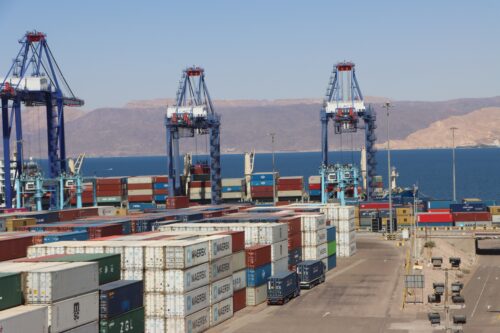
In the summer of 2003, King Abdullah II told Bloomberg Jordan sits “between Iraq and a hard place,” a play on words designed to describe the kingdom’s challenging environment to an American audience amid the US-led Iraq war to the east and the lingering Palestinian-Israeli conflict to the west. Jordan is grappling with a much “harder place” today.
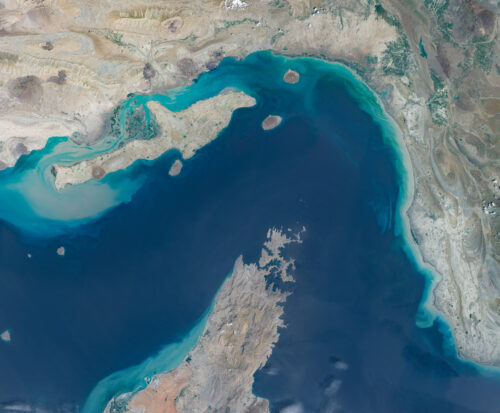
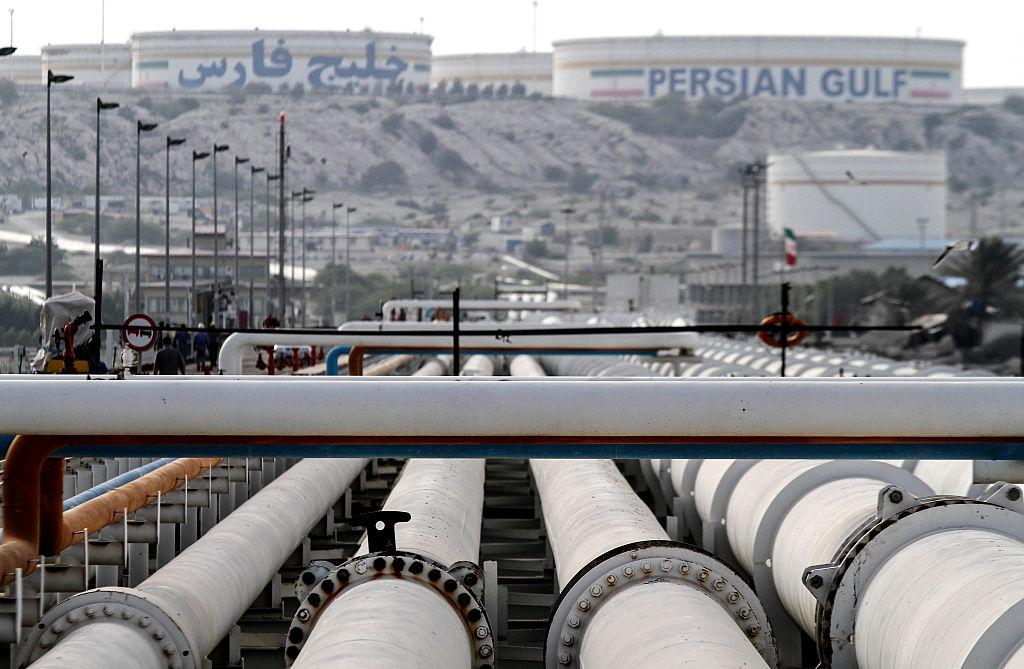
Proponents of the war with Iran have taken recent increases in crude-oil flows through the Strait of Hormuz as proof that the US strategy is finally working. President Trump is so confident in this that he recently rejected a seven-day plan, set forward by Iran’s foreign ministry, to end the war and open the strait. The United States is “winning tremendously,” Trump boasted.
The United Arab Emirates’ decision to draw down its troops in Yemen has led to cautious hope in the war-torn country. Fatima Abo Alasrar, senior analyst at the Arabia Foundation; Katherine Zimmerman, AEI research fellow and research manager for AEI’s Critical Threats Project; and Jerry Feierstein, MEI senior vice president and former U.S. ambassador to Yemen, join host Alistair Taylor to discuss what the drawdown means on the ground and what ramifications the move might have.
Iran's IRGC reshuffle and its security implications
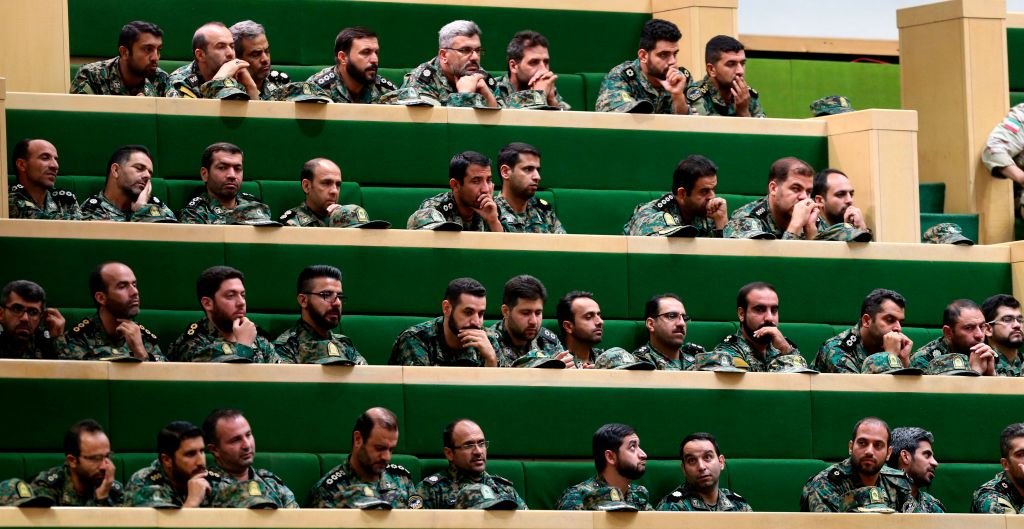
As the Islamic Republic shifts to a more muscular foreign policy in the face of mounting external pressure, its defense and security apparatus is also undergoing key changes. This includes a reshuffling within the Islamic Revolutionary Guards Corps (IRGC) and the creation of a separate “air defense force” within the regular Army. Much less publicized, however, are reports of high-profile removals and replacements within the IRGC and more broadly, the armed forces, as part of a systematic effort to enhance their operational efficacy at a time of growing internal and external threats.
The Gulf states, the “deal of the century,” and the Iranian threat
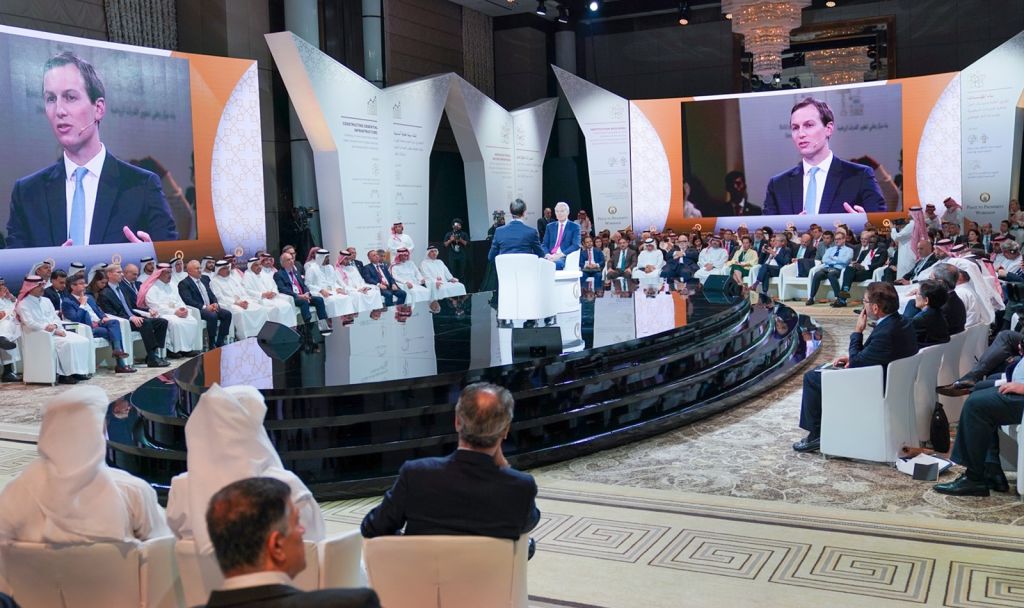
Many analysts have been dismissive of the plan’s prospects, but for Gulf states like Saudi Arabia, the UAE, and Bahrain, there’s at least one major reason to line up with Washington on the issue: Iran.
Divided over narratives: The new fault line in the Arab World
Many of the divisions in the Arab World today are ideological and revolve around narratives — carefully constructed ontological representations of both how the world works and how it is supposed to work conforming to clearly set out interests and values. While the old sectarian narratives might still play an underlying role, what divides Arabs from Morocco to Oman are different grand-strategic visions of the region’s future after the Arab Spring.
OPEC+ agrees to production-cut extension and new charter amid rising Middle East tensions
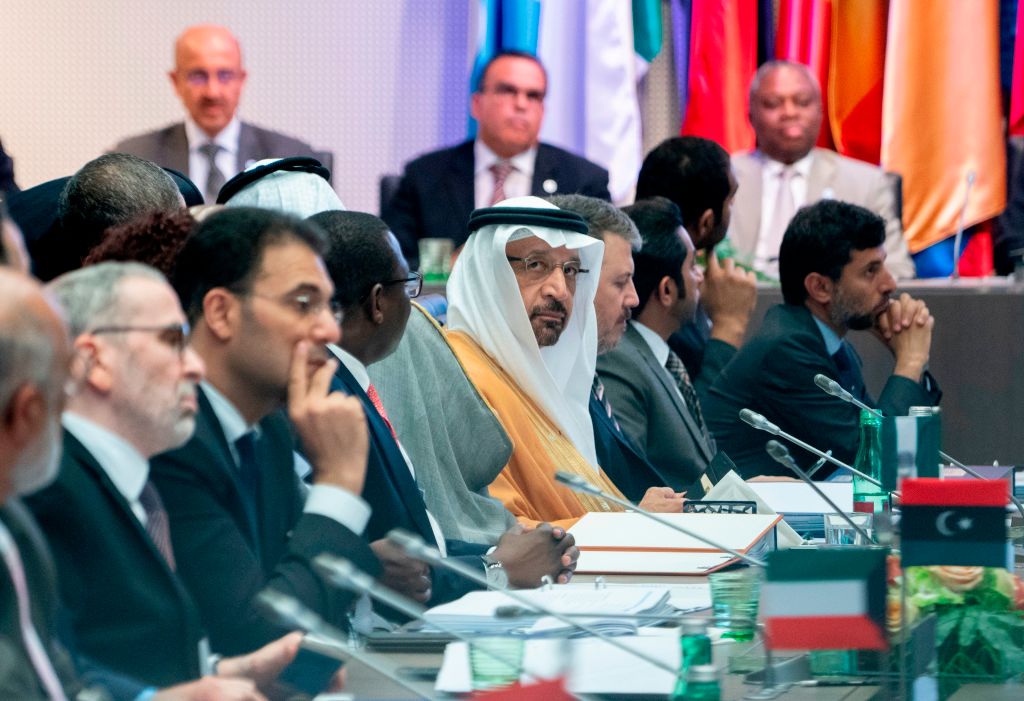
OPEC+ nations have ended speculation about whether they would continue oil production cuts by agreeing to a nine-month extension. Led by the global petroleum powers Saudi Arabia and Russia, the group agreed on July 2 to extend the current level of cuts until the second quarter of 2020.
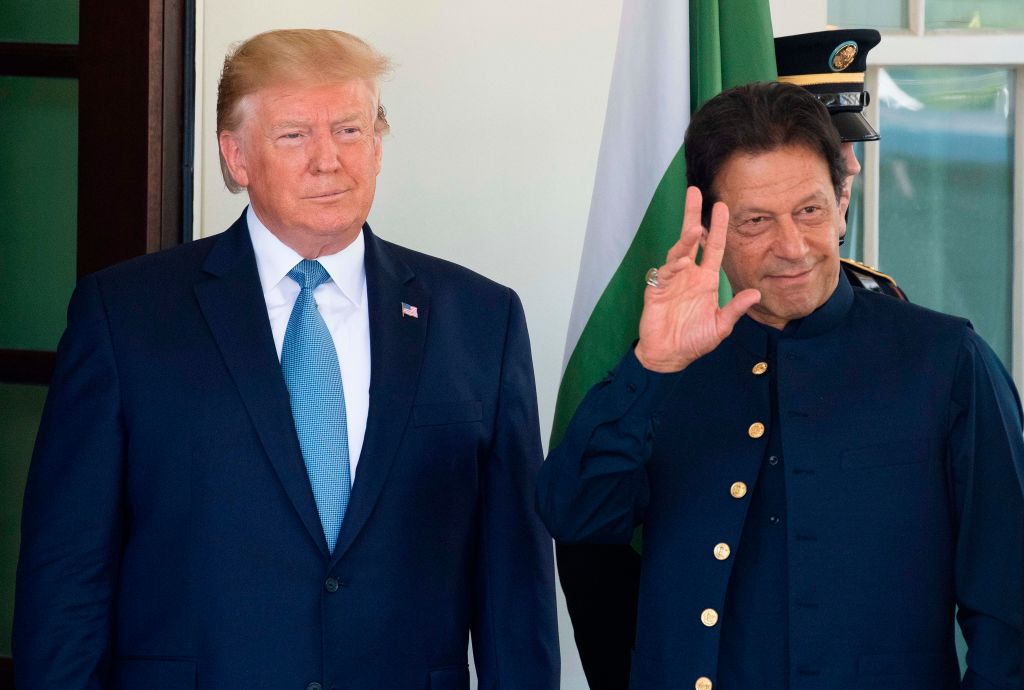
Monday Briefing: Pakistani PM Khan heads to the White House
This week’s briefing on recent news and upcoming events in the region including Imran Khan’s visit to the White House, tensions between President Trump and Congress over Turkey’s new S-400 system, escalation in the Straits of Gibraltar and Hormuz, military restructuring in Iraq, increased collaboration on the region’s power supply, and changes to Egypt’s social safety net, featuring Arif Rafiq, Gonul Tol, Ruba Husari, Robert S. Ford, Dr. Ibrahim Saif, and Mirette F. Mabrouk.
When it was signed four years ago, the Iran nuclear deal was widely perceived as a diplomatic triumph, a move that would help reintegrate Iran into the global economy and restore its relations with the West. Things haven’t quite turned out that way, however.
The Abu Dhabi Policing Laboratory: Building Security, Forging Community
Over the past decade, police reform in the Gulf Cooperation Council (GCC) region has been mainly implemented through community policing programs, gender inclusion, and youth and expatriates outreach, with the overarching purpose of promoting a positive image of the police. This article discusses the case of Abu Dhabi, the re-branding of whose police forces aims to boost a carefully tailored nation-building process in the United Arab Emirates (UAE) while supporting the federal messages of tolerance and happiness.
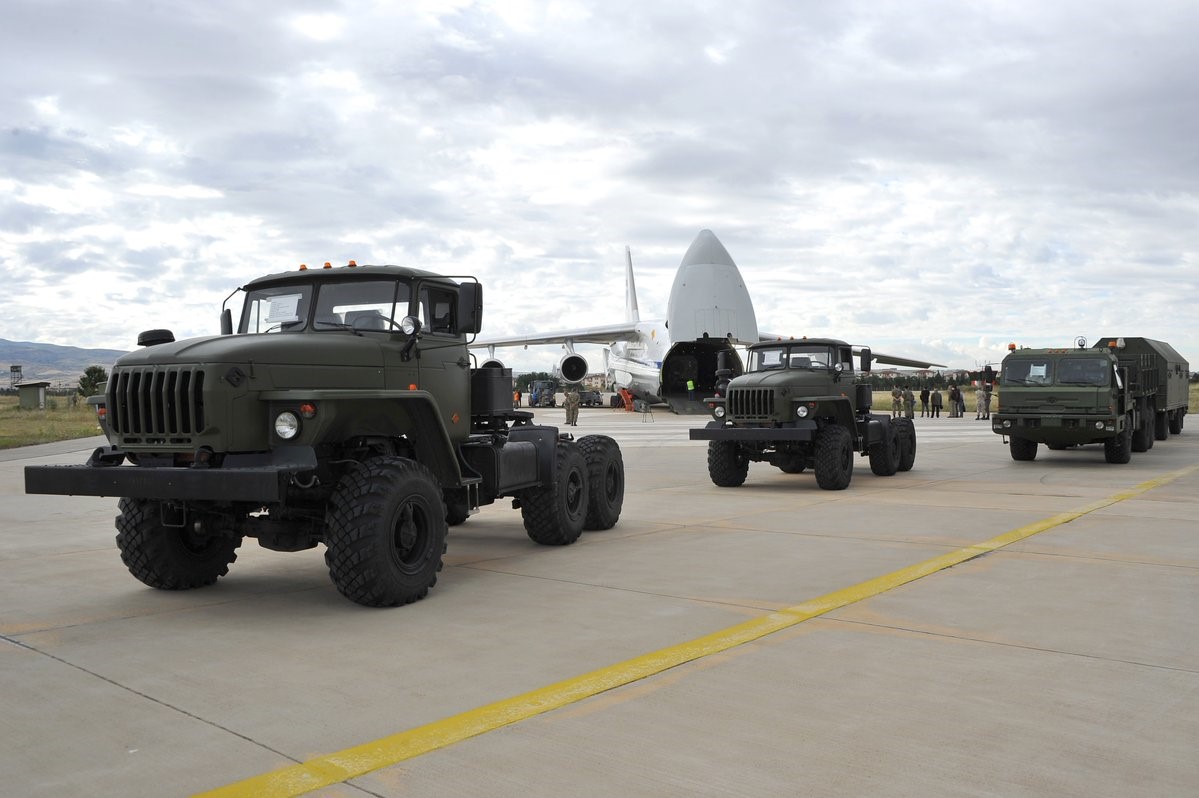
Monday Briefing: US and Turkey face S-400 confrontation
This week’s briefing on recent news and upcoming events in the region including Turkey’s confrontation with the U.S. over its S-400 defense system, the latest round of Afghan peace talks, the UAE’s drawdown in Yemen, Turkey’s media signaling on Syria, and the 21st consecutive week of protests in Algeria, featuring W. Robert Pearson, Marvin G. Weinbaum, Ibrahim Jalal, Guney Yildiz, and Robert S. Ford.
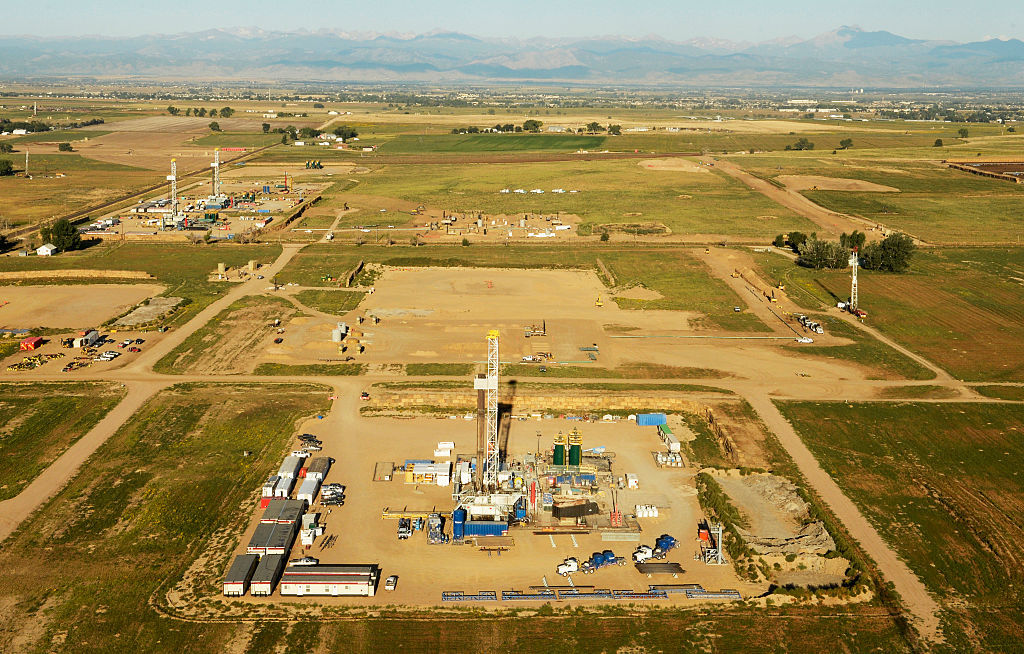
Shale oil and the illusion of US energy independence
U.S. crude oil and energy product exports surged to an all-time high in the third week of June, making the country a net exporter of oil and products for the third time since November 2018. This change lends credence to American officials’ presumption that amid growing U.S.-Iran tensions in the Persian Gulf, Washington is less compelled to police oil transit routes in the region, especially the Strait of Hormuz, than it was during the 1980s. However, while the U.S. is less reliant on oil imports than in the past, it still remains dependent on Gulf producers, albeit in different ways.
The idea of establishing a Levant Union — one not unlike the European Union (EU), but composed of the Levantine states of Lebanon, Syria, Iraq, Palestine, Jordan, and by extension, Egypt and Cyprus — is one that ought to be explored. Such an arrangement would offer untapped potential for trade, supported by the growing trend toward greater regionalization, fueled by the rise in protectionism, increasing multipolarity, and corporate regionalization.
The UAE drawdown in Yemen is a welcome step, but it needs to be reciprocated
Reports that the UAE, a key member of the Saudi-led coalition fighting in Yemen, has decided to draw down and reposition its troops should be welcomed and taken seriously. It is not a small or symbolic move, but rather a serious, strategic, and thoughtful military and political decision. If reciprocated by the Iranian-backed Houthi militia, it could serve as the long-awaited breakthrough in the five-year-old Yemen war.
Freshwater Resources in the MENA Region: Risks and Opportunities
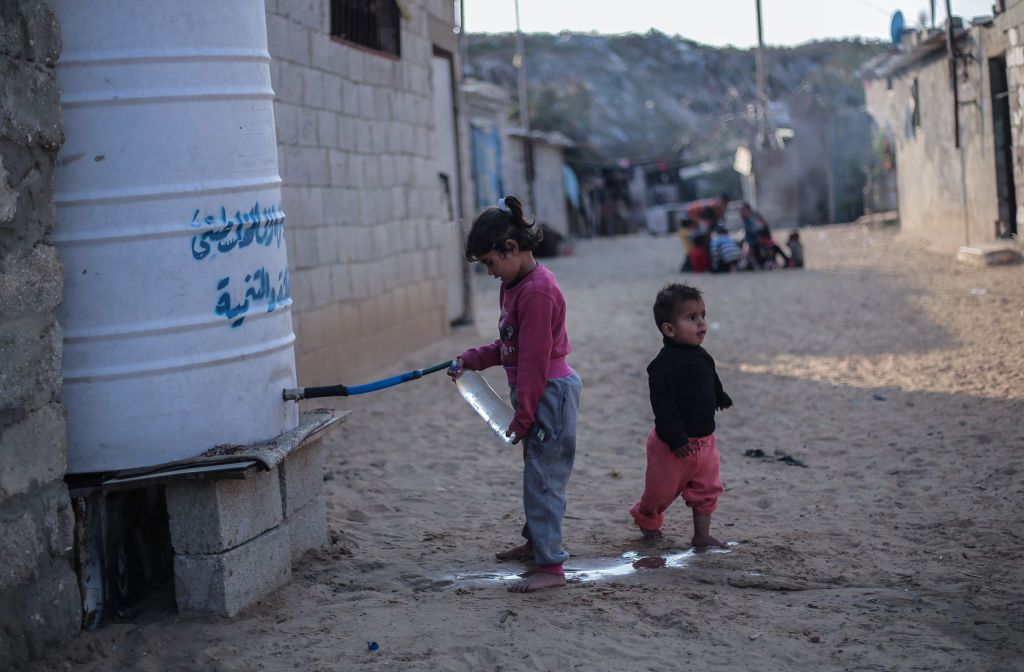
A reliable supply of freshwater is a prerequisite for sustainable socioeconomic development, as well as for sociopolitical stability and human prosperity, especially in semi-arid and arid regions of the world. The Middle East and North Africa’s freshwater resources are under immense pressures and are facing significant risks to their sustainability due to overexploitation, climate change, and interstate competition over their use that extends beyond the region’s boundaries.
Interconnected: Trade, food security, and stability in the GCC and MENA
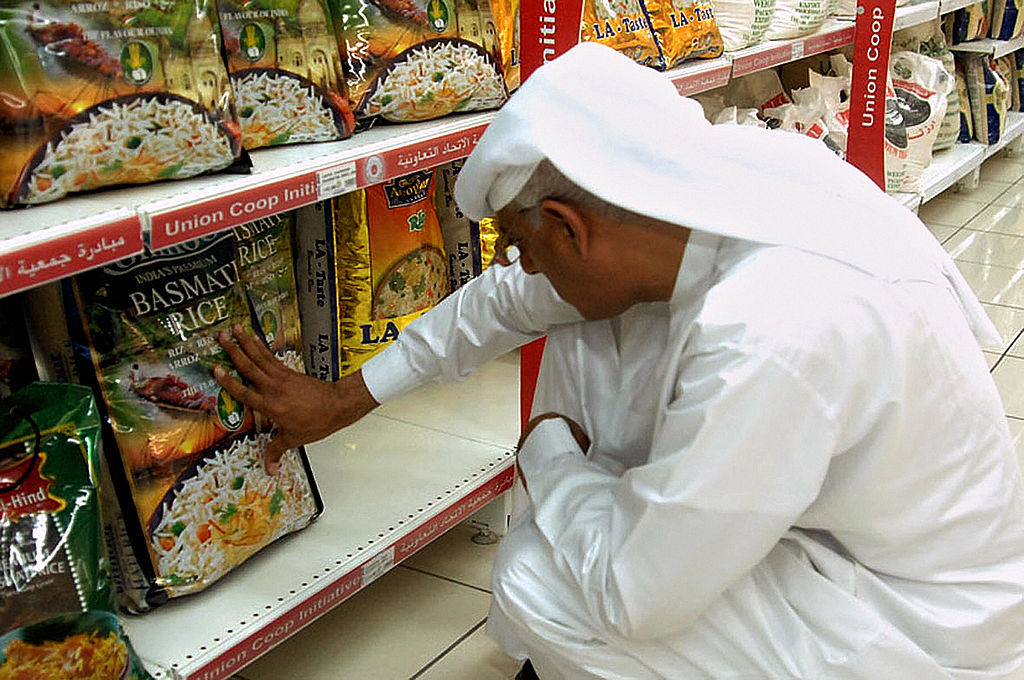
It is easy to overlook the fact that food security could be an issue of concern in the Gulf Cooperation Council. After all, its member states have some of the world’s highest per capita income levels. Food supplies in the Gulf are normally abundant and stable. Were they to be disrupted, however, it could lead to food security challenges and a chain of adverse consequences for human security throughout the region.
Monday Briefing: Strengthening Egypt’s ties with Africa
In this week’s Monday Briefing, MEI experts Mirette F. Mabrouk, Charles Lister, Gonul Tol, and Alex Vatanka provide analysis on recent and upcoming events including Egypt’s engagement with Africa to boost trade and investment, the reshuffling of leadership of Syria’s security apparatus, the firing of Turkey’s central bank governor, and Russia’s positioning to act as mediator between Iran and the Gulf states.
The oldest peer-reviewed publication dedicated to the study of the modern Middle East, MEI’s flagship journal covers politics, society, and culture in the region.