The Americans Are Gone. Will Iraq’s Militias Disarm?
On September 30, the US completed its military withdrawal from Iraq, ending a 12-year-long mission to combat ISIS that began in 2014. The date was also meant to be the deadline for disarming the largely Iranian-backed militias known as the Popular Mobilization Forces (PMF), but Prime Minister Ali al-Zaidi has now pushed that cutoff back to June 30, 2027. MEI Distinguished Diplomatic Fellow Amb. (ret.) Robert S. Ford joins hosts Alistair Taylor and Matthew Czekaj to discuss what the US military withdrawal means for Iraqi security and the nature of the bilateral relationship going forward. They also speak about what it will take for Baghdad to bring the PMF militias to heel, and how Iraq may navigate the post-Iran war era.
Jordan’s Economy Weathers Iran War’s Shocks and Finds New Opportunities
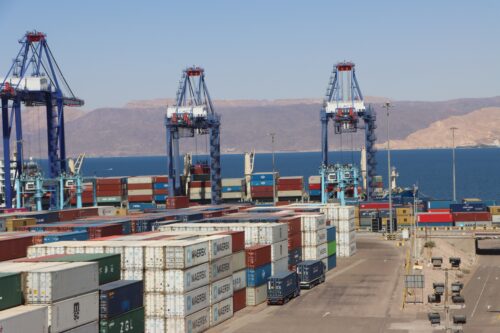
In the summer of 2003, King Abdullah II told Bloomberg Jordan sits “between Iraq and a hard place,” a play on words designed to describe the kingdom’s challenging environment to an American audience amid the US-led Iraq war to the east and the lingering Palestinian-Israeli conflict to the west. Jordan is grappling with a much “harder place” today.
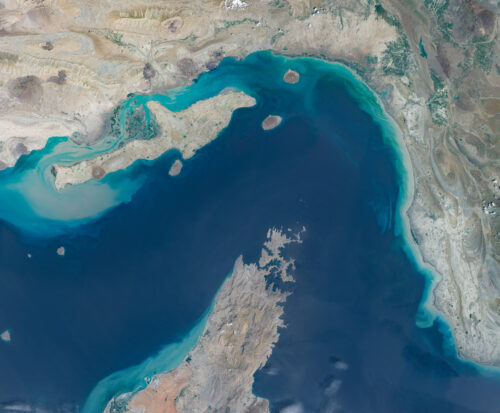
Proponents of the war with Iran have taken recent increases in crude-oil flows through the Strait of Hormuz as proof that the US strategy is finally working. President Trump is so confident in this that he recently rejected a seven-day plan, set forward by Iran’s foreign ministry, to end the war and open the strait. The United States is “winning tremendously,” Trump boasted.
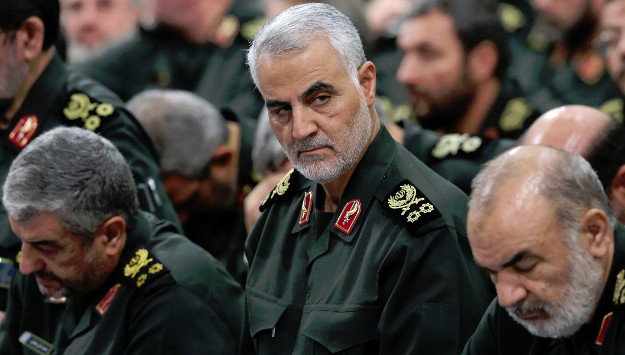
Suleimani's Role in Iraq Raises Fear of Sectarianism after Islamic State's Ouster from Mosul
As the Iraqi security forces are fighting the Islamic State to retake Mosul, a top Iranian general and his aides are reportedly playing a key role on the battlefield.
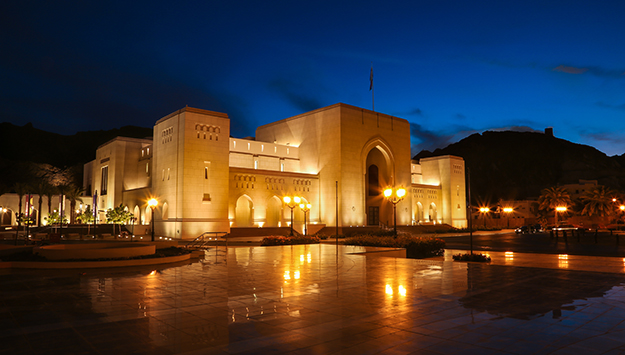
Director Jamal al-Moosawai wanted the new National Museum of Oman to be a space that grows and expands with its knowledge base, and is in tune with ongoing archaeological discoveries in the Arab country.
The result of a ten year collaboration between the Ministry of Heritage and Culture, the Royal Estate Affairs of Oman, Jasper Jacob Associates (J.J.A.), and Arts Architecture International Ltd (A.A.I.), the museum’s blend of the traditional and the contemporary, as well as its high-tech research facilities, make it unique in the region.
Iran-Backed Iraqi Militias Mulling Post-Mosul Role in Syria
As the Iraqi security forces are moving deeper into eastern districts of Mosul, the Iranian media reports that militia groups from the Popular Mobilization Forces (PMF) are making territorial gains against the Islamic State in Mosul’s western region.
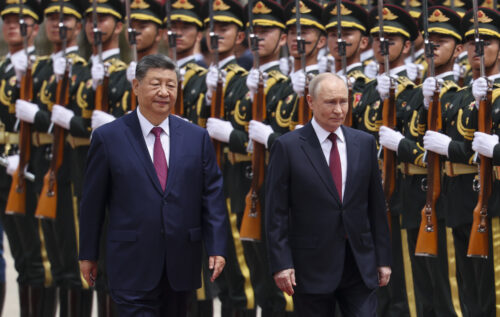
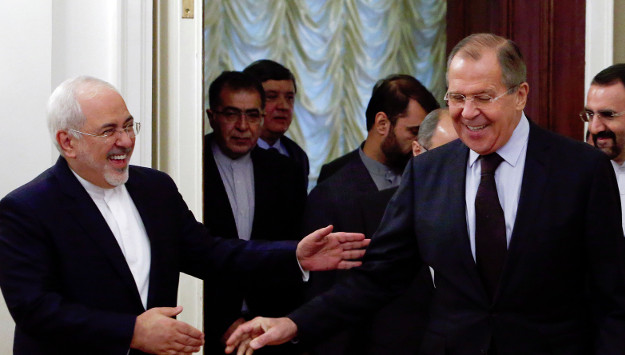
Tehran-Moscow Ties Growing but Alliance Remains Shaky
At the invitation of Iran’s Parliament Speaker Ali Larijani, the chairwoman of the Federation Council of Russia, the country’s upper house of parliament, is
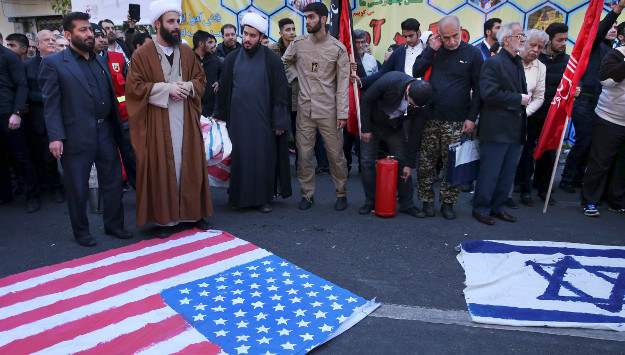
Iran Marks Embassy Seizure Anniversary with "Death to America" Slogan
Tens of thousands of Iranians marched across Iran to mark the anniversary of the seizure of the US Embassy in Tehran following the Islamic Revolution in the country in 1979.
Iran Hails Aoun’s Election as Victory for Resistance
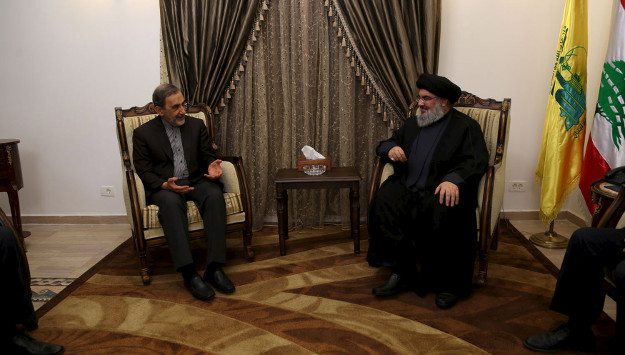
On Monday, Lebanon’s lawmakers ended more than two years of political gridlock and elected Michel Aoun as the country’s president. The news was greeted with elation in Tehran as Aoun, a former general from Lebanon’s Christian community, is a close ally of Iran-backed militia and political party Hezbollah.
When Osama bin Laden carefully recruited a number of Saudis to carry out the 9/11 attacks, his intention was to drive a wedge between his two enemies, the United States and the Saudi government. Fifteen years after the attacks, the JASTA legislation appears to be doing just that.
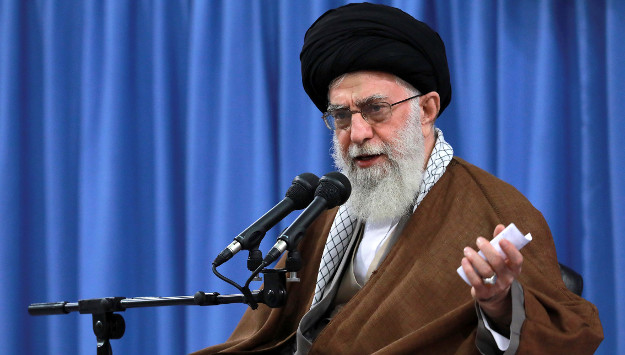
On November 2, Iran’s Supreme Leader Ali Khamenei warned that compromise with the United States would only aggravate the country’s problems. He accused Washington of continuing hostile policies against Tehran and not abiding by the terms of the 2015 nuclear agreement.
The most senior Shiite clerics in Iran met on October 27 with the leadership of the Supreme National Security Council (SNSC). The meeting included Ali Shamkhani, who is the Secretary General at the SNSC. According to reports, the top clerics are urging the SNSC officials to prevent deep political splits from emerging in the Iranian society.
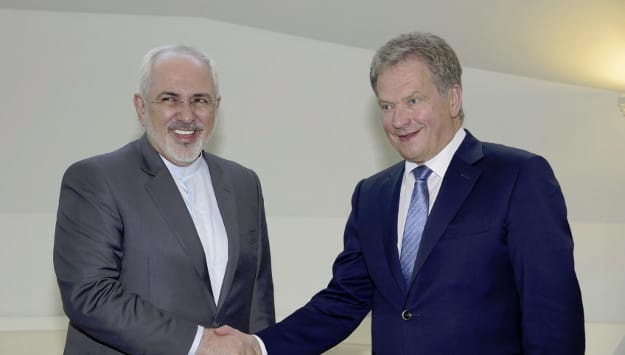
Pursuant to talks between Iran and the European Union to normalize relations, the president of Finland, Sauli Niinisto, was in Tehran on October 26. There, he was greeted by a number of Iranian officials who harshly attacked the policies of Western states in the Middle East.
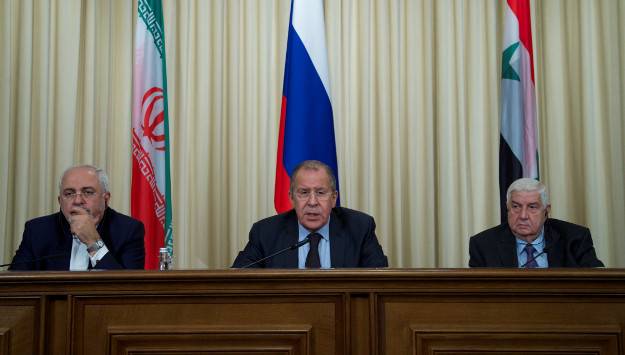
Iranian Foreign Minister Javad Zarif is due to be in Moscow on October 28. There, he will meet with his Russian and Syrian counterparts to assess the military campaign against the Syrian opposition.
The oldest peer-reviewed publication dedicated to the study of the modern Middle East, MEI’s flagship journal covers politics, society, and culture in the region.