The Strategic Cost of Palestinian Powerlessness
This report considers the lack of Palestinian political agency as a driver of regional insecurity that must be resolved before wider conflicts can be settled. The author analyses the conditions that contributed to the destruction of Palestinian political capacity, including Israeli policies, Palestinian shortcomings, and exploitation by Iran, and makes recommendations for an Arab strategic initiative.
Iran’s New Grand Design: The Next Evolution of the Axis of Resistance
Iran is transforming its Axis of Resistance into a decentralized, Yemen-centered network that leverages the Houthis to threaten both the Strait of Hormuz and the Bab el-Mandeb, extending Tehran’s coercive reach over the world’s key maritime chokepoints and reshaping the post-war balance in the Middle East and Red Sea.
الخبراء البارزون
MEI Art Gallery – August First Friday Open House
We need a new “Big Stick” policy for Iran
President Theodore Roosevelt said, “Speak softly and carry a big stick; you will go far.”1 Roosevelt used the image of the big stick to popularize his philosophy, but he offered a subtler interpretation in other venues. It represented a quiet threat that would only rarely need to be used if accompanied by steady diplomacy.
Iran-Iraq competition in regional maritime and overland transit corridors
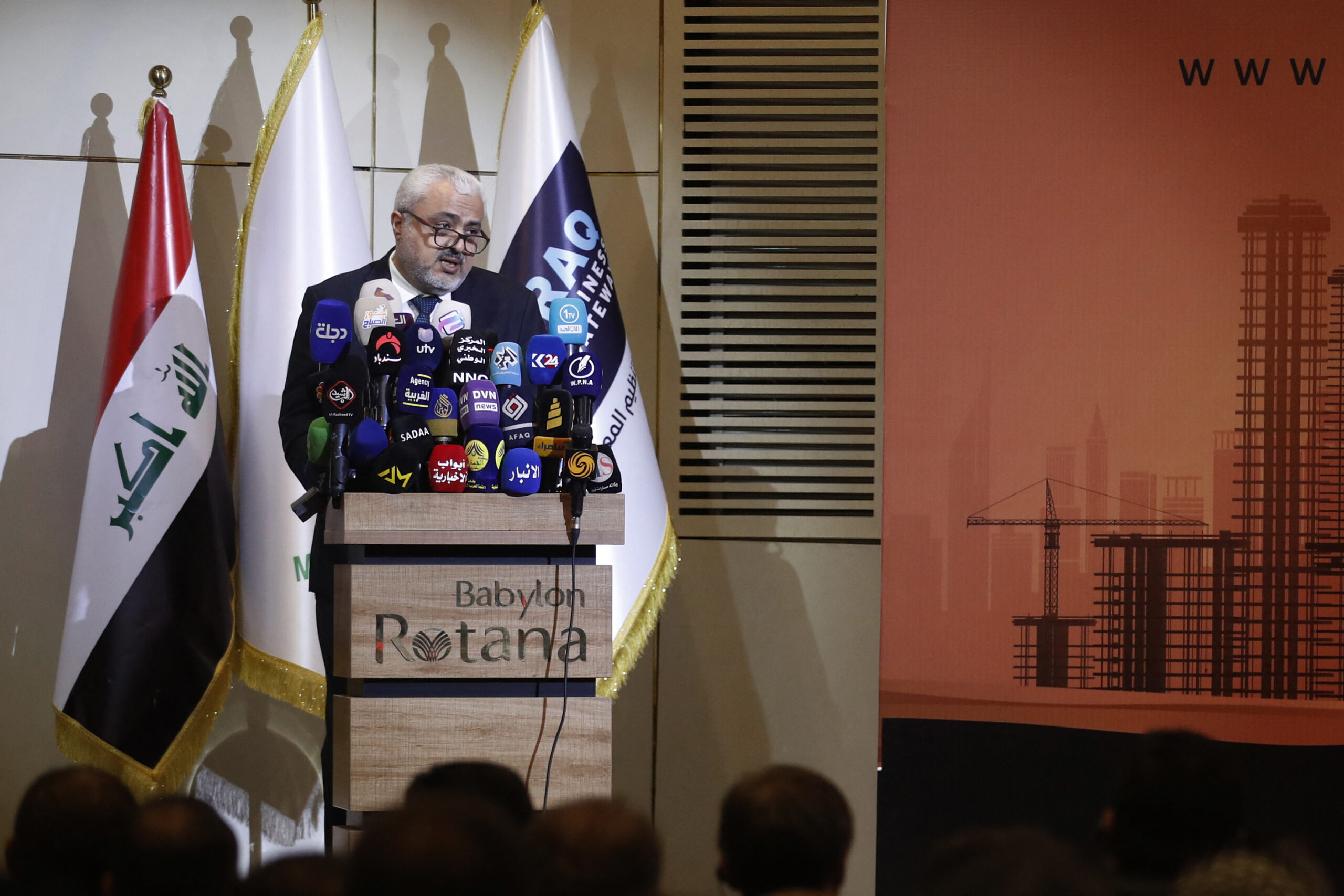
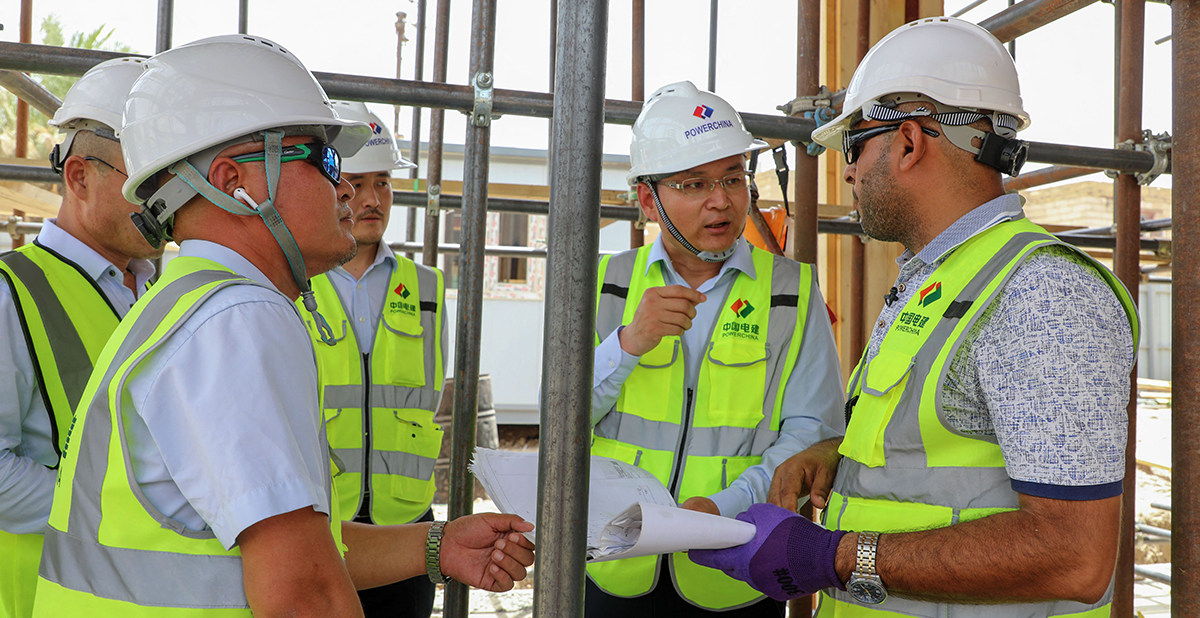
In recent years, Iraq has become one of the leading destinations for Chinese investments in the Middle East and a crucial link in Beijing’s Belt and Road Initiative. To capitalize on its geostrategic location and central position within the Chinese BRI, Iraq is seeking to develop a sprawling new 54-square-kilometer port project, known as al-Faw Grand Port, which will reduce the country’s reliance on Arab Gulf ports and overland transit from Iran and Turkey. The project also underscores Iraq’s growing economic rivalry with neighboring Iran, as both countries seek to carve out a similar niche in handling regional transit traffic.
إحاطة يوم الاثنين: انطلاق محادثات السعودية والحوثيين في صنعاء في ظل سعي الرياض لإنهاء الحرب في اليمن
اقرأ تقرير MEI الأسبوعي الذي يتضمن تحليلات الخبراء للتطورات الإقليمية الرئيسية للأسبوع المقبل.
Qatar doubles down on LNG amid energy market volatility
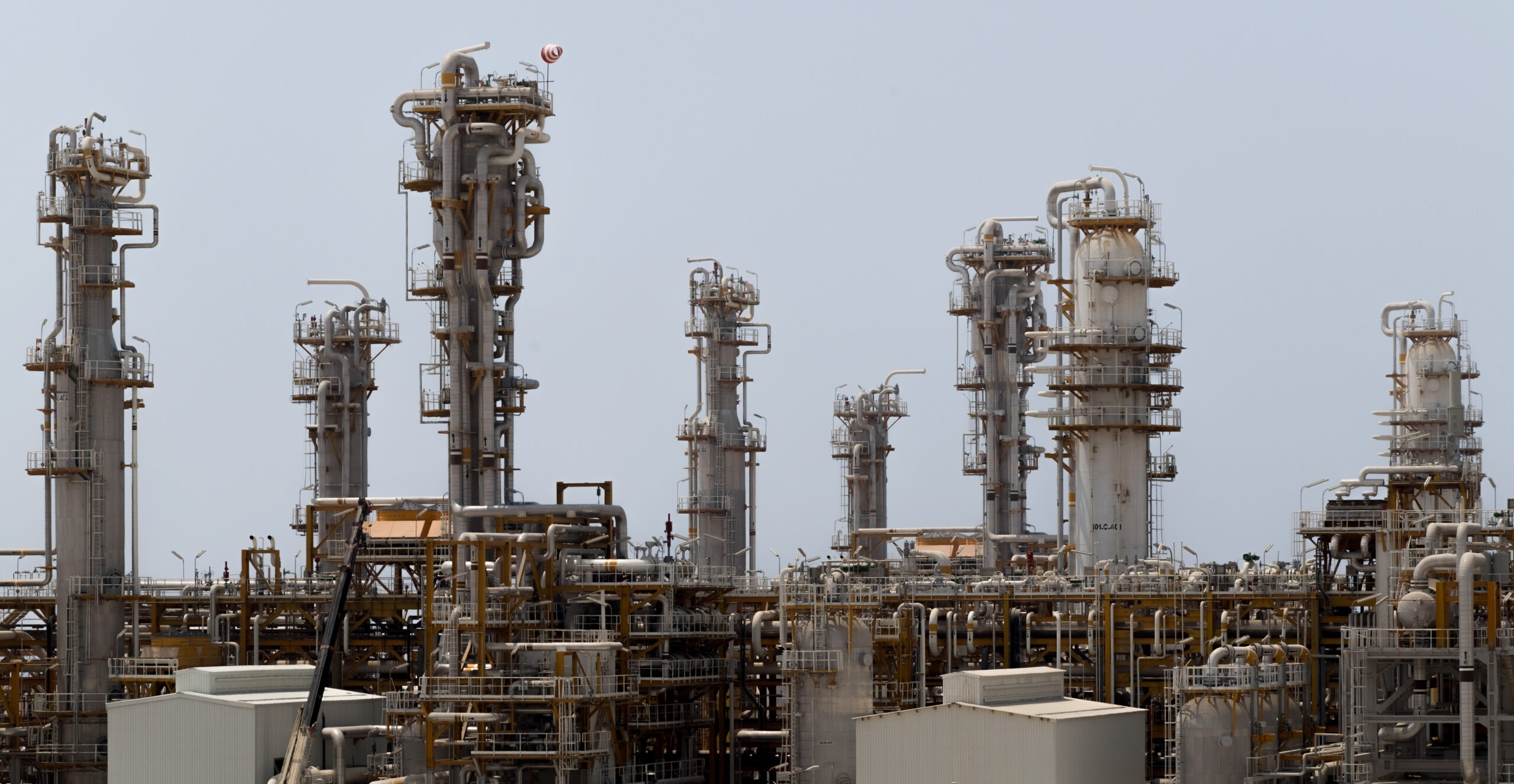
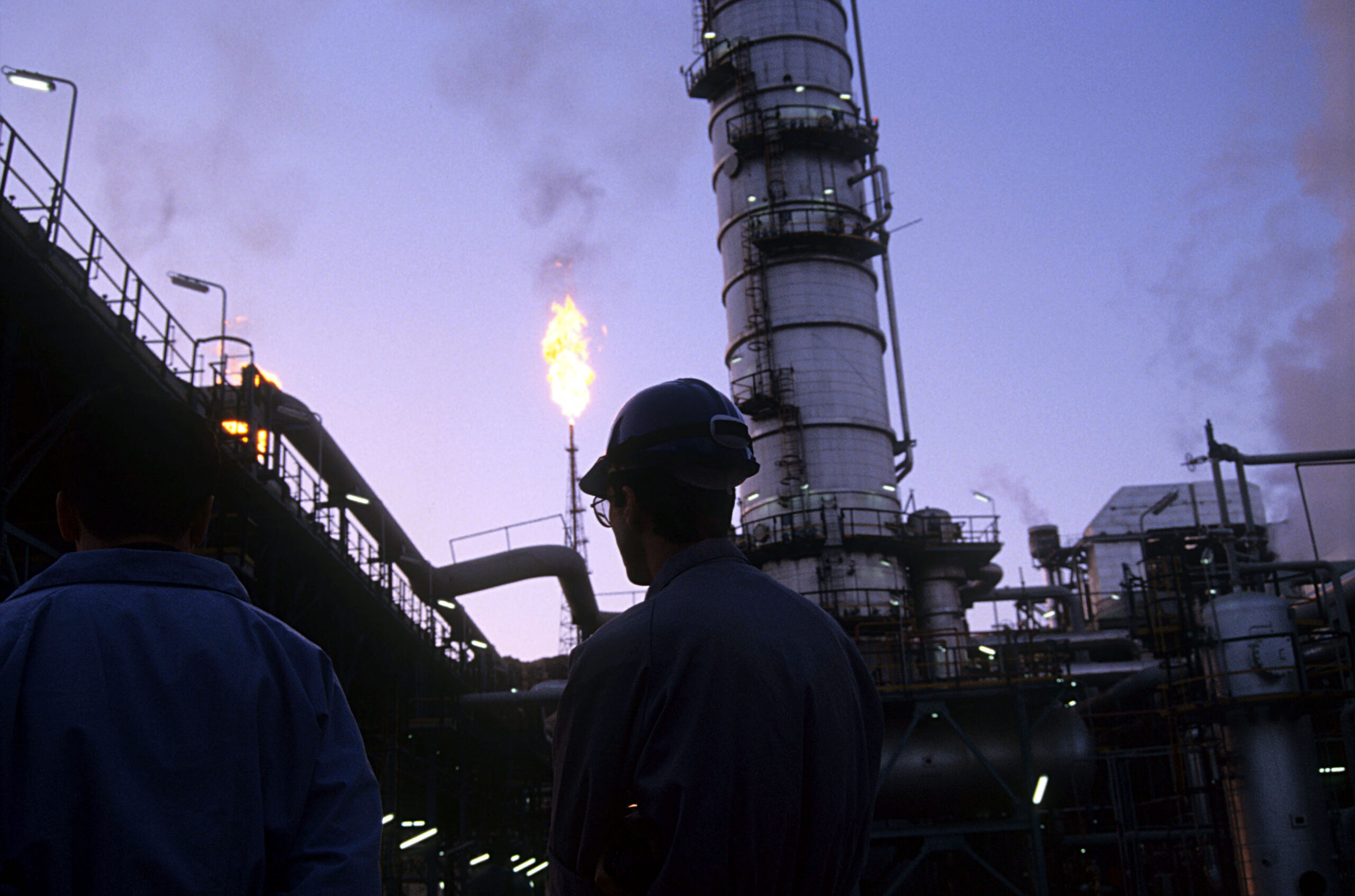
The oil and gas sector has been the dominant driver of Qatar’s economy. Over the years, although that sector has remained the major focus of Qatari investments, the emphasis has increasingly shifted towards the expansion of the country’s gas production and LNG export capacity. While the construction boom ahead of the 2022 FIFA World Cup powered the Qatari economy in recent years, income generated by the expansion of the country’s LNG production and export capacity is likely to drive the economy for many years to come — both despite and partly because of the market turmoil caused by the fallout from Russia’s invasion of Ukraine in February 2022.
How to Advance US-Saudi Defense Cooperation
Saudi Arabia has made it clear that it wants a defense pact with the United States in return for normalizing ties with Israel. However, that isn’t a price Washington is able or willing to accept, for both political and strategic reasons. But the conversation about improved U.S.-Saudi defense cooperation shouldn’t stop here. There’s plenty of room for achieving that objective without having to upgrade the relationship to a full-fledged alliance.
Iranian-Saudi detente and "Asianization" of the Persian Gulf: China fills the gap
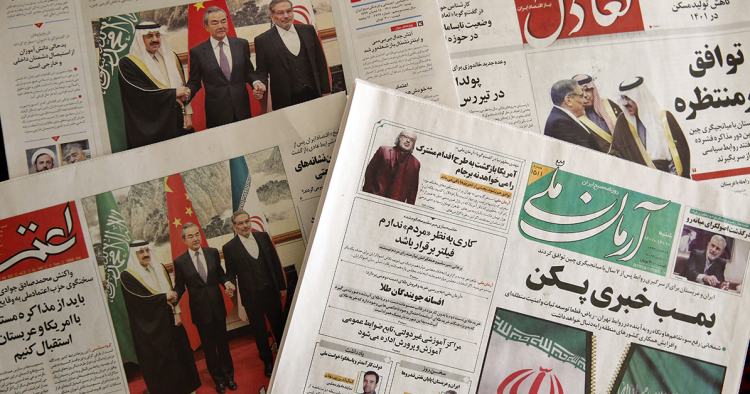
After an intense round of secret negotiations between Iranian and Saudi representatives, facilitated by Chinese mediation, Tehran and Riyadh announced in mid-March that they would resume diplomatic relations. It is unclear if the Saudi-Iranian détente will last, but at least for now, China’s role in resolving this diplomatic stalemate seems to indicate the beginning of a multi-faceted de-Westernization process in the region.
China and the Saudi-Iran rapprochement: Implications for Yemen
The conclusion of the China-brokered Saudi-Iranian détente on March 10, which aims to thaw long-standing enmity and manage competition between the two regional arch rivals, has multi-layered implications for Yemen.
Azar Nafisi – "The Republic of the Imagination"
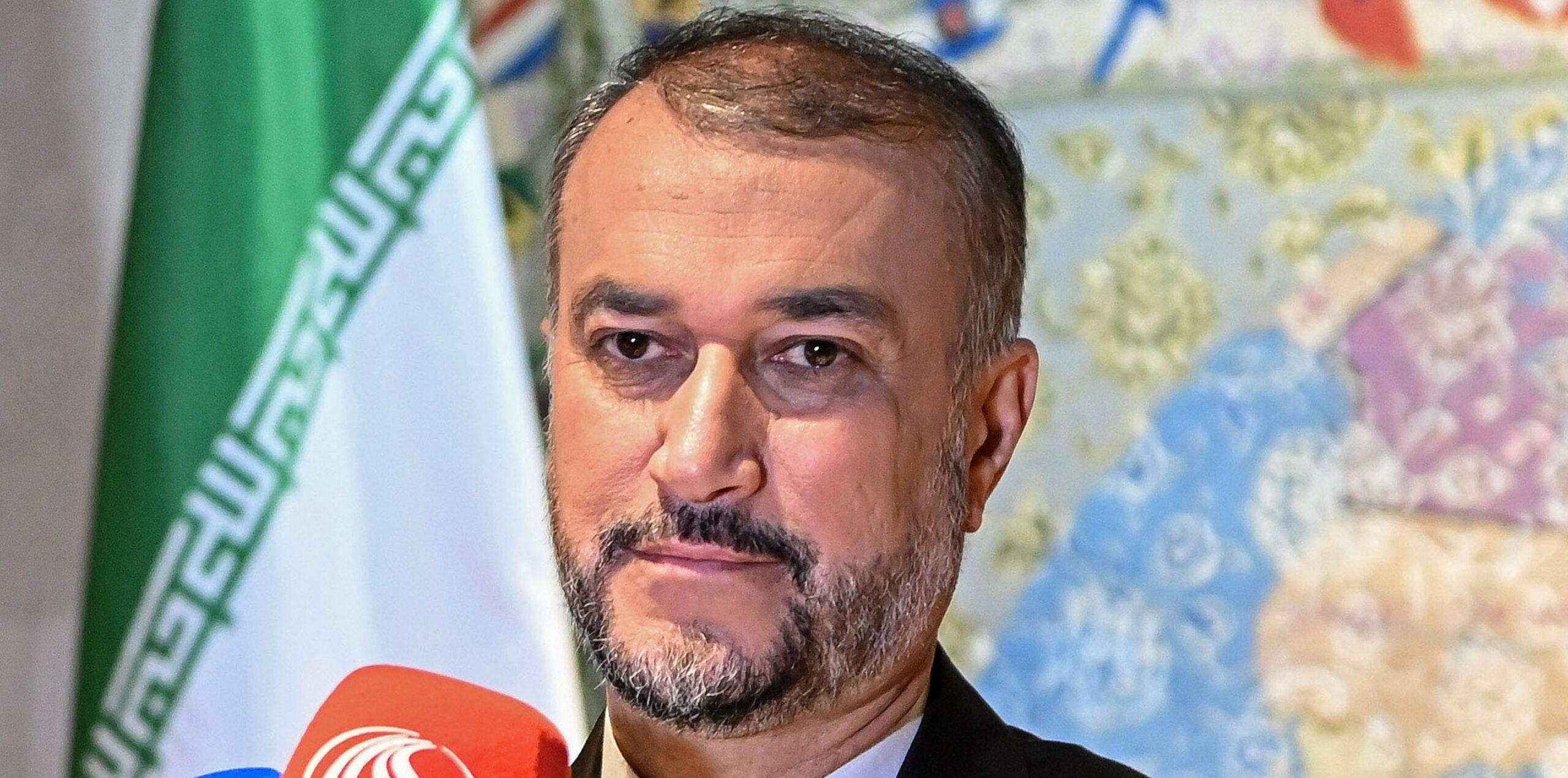
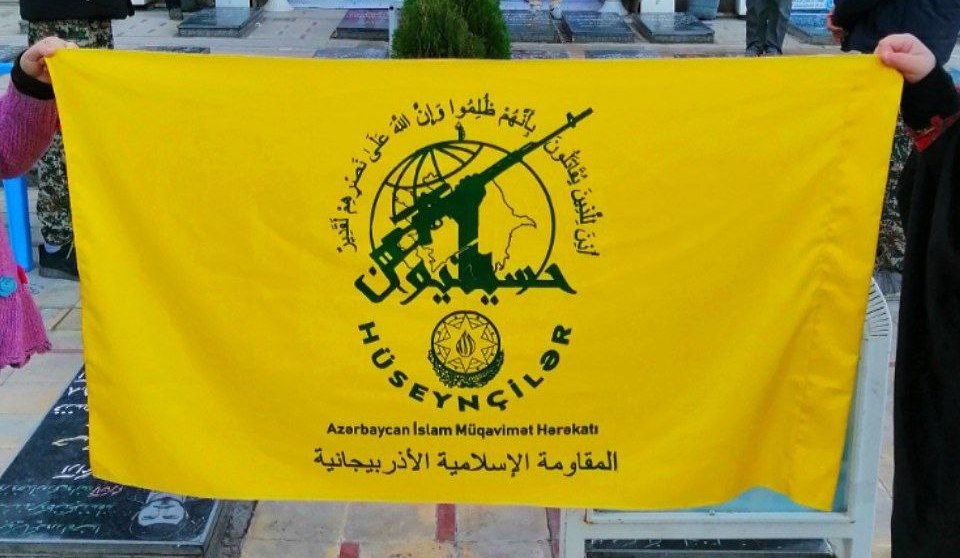
The complex web of interdependence and threat balancing that prevents war between Iran and Azerbaijan
Relations between Tehran and Baku have long had their ups and downs, but a recent series of events in late March have once again brought tensions to a boil. However, despite the mutual threat perceptions, the recurring tensions between the two countries have not gotten out of control and led to military conflict. In fact, over the past three decades, relations between Tehran and Baku have consistently followed a cycle of escalating and de-escalating tensions.
Can the West Stop Russian-Iranian Convergence?
More than a year on from the beginning of the Ukraine war in February 2022, there is no more business as usual for Russia-Iran relations. While bilateral ties are still characterized by an intense focus on security and defense, the two sides are opening multiple new areas of cooperation as well. But what has motivated Moscow and Tehran to invest in strengthening their bilateral relations given all the potential risks and costs? Could conflicts of interest and competition put a crack in this burgeoning relationship? And what can the West do about it?
Monday Briefing: Saudi Arabia takes new steps to further strengthen ties to China
اقرأ تقرير MEI الأسبوعي الذي يتضمن تحليلات الخبراء للتطورات الإقليمية الرئيسية للأسبوع المقبل.
Unexpected beneficiary: The implications of the China-brokered Saudi-Iran deal for Pakistan
The implications of the apparent rapprochement between Saudi Arabia and Iran are likely to have significant consequences for vital neighboring regions like South Asia and other populous Muslim countries, including, notably, Pakistan.
Why the Iranian public remains silent in the face of Israeli attacks
The silence from Iran is deafening. Judging by social media reactions and media reports from Iran, few, if any, members of the Iranian public seem to care that, since 2011, the Israeli air force has attacked Iranian and Iranian-affiliated positions in Syria on more than a thousand occasions, reportedly killing a number of Iranian members of the IRGC.
Arab women break boundaries and stereotypes in Middle Eastern militaries
As Women’s History Month in the U.S. draws to a close, women in the armed forces of several Middle Eastern countries continue to achieve historic milestones, with many now serving as pilots, engineers, peacekeepers, and in special forces units. The role of women is steadily increasing as the result of new initiatives, policies, and gradually changing mindsets in the Middle East.
اقرأ مجلة الشرق الأوسط
أقدم مطبوعة محكمة مخصصة لدراسة الشرق الأوسط المعاصر، تغطي مجلة MEI الرائدة السياسة والمجتمع والثقافة في المنطقة.