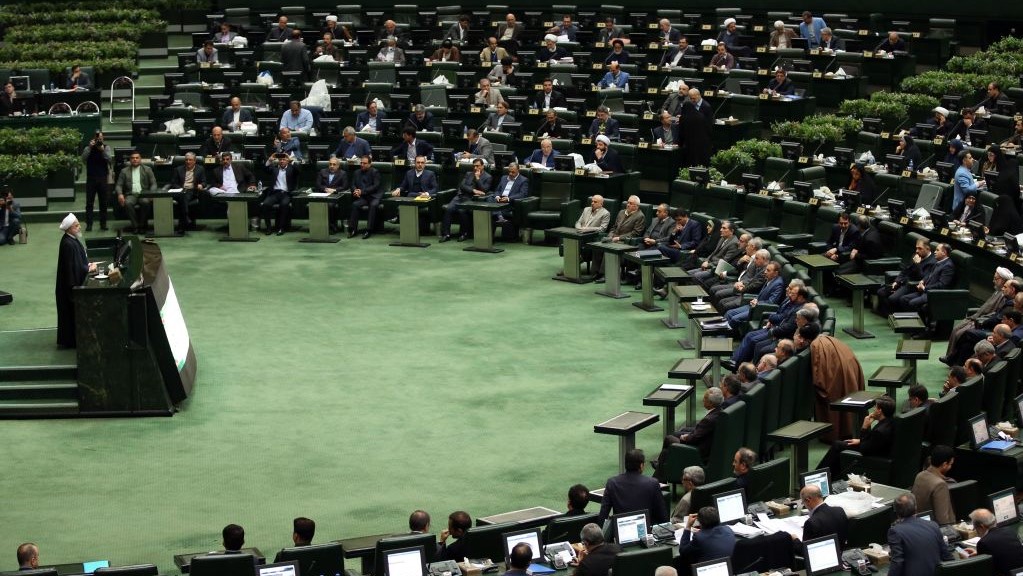
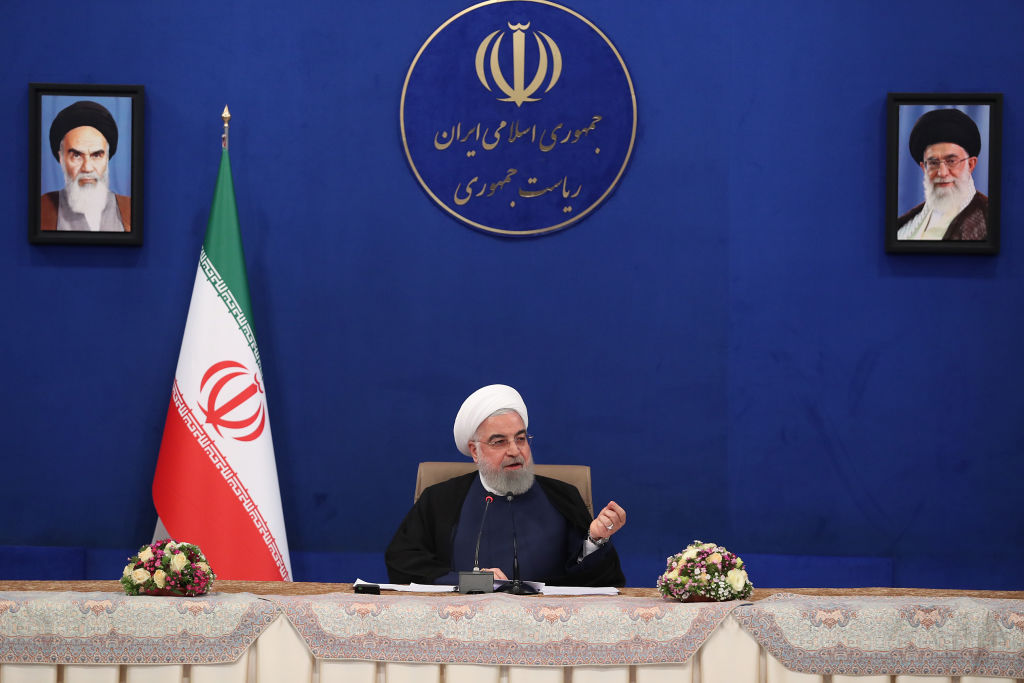
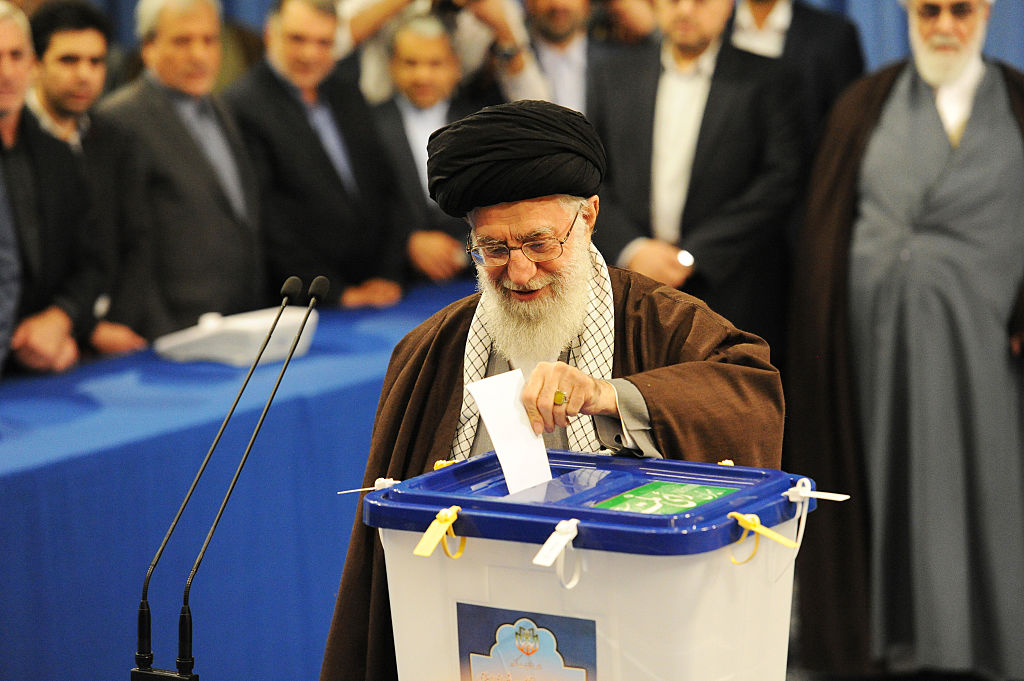
Washington says it doesn’t know who runs Iran. Tehran insists its leadership is united. MEI Senior Fellow Alex Vatanka joins hosts Alistair Taylor and Matthew Czekaj to sort out where the truth lies. They look at the small circle of political and military figures now steering the war effort in Tehran: who they are, how they make decisions, and how unified they really are. They also discuss the current state of US-Iran negotiations, the role of the upcoming midterm elections in the United States, and how the Islamic Republic is preparing for a potential renewal of conflict afterward.
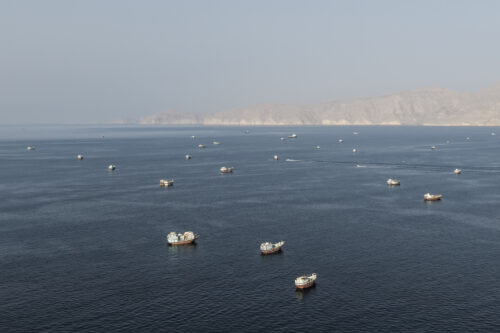
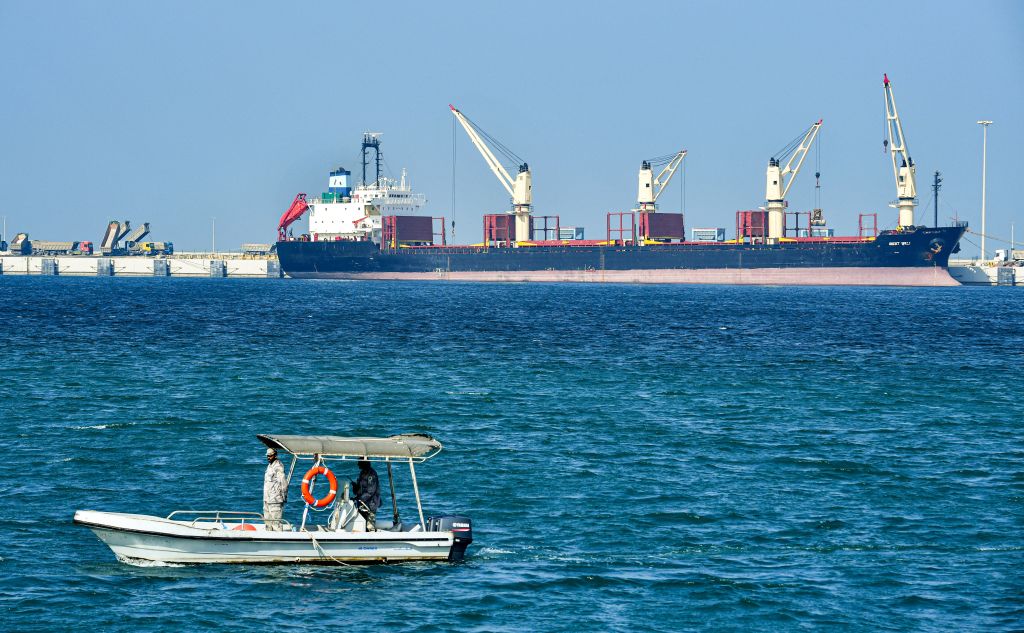
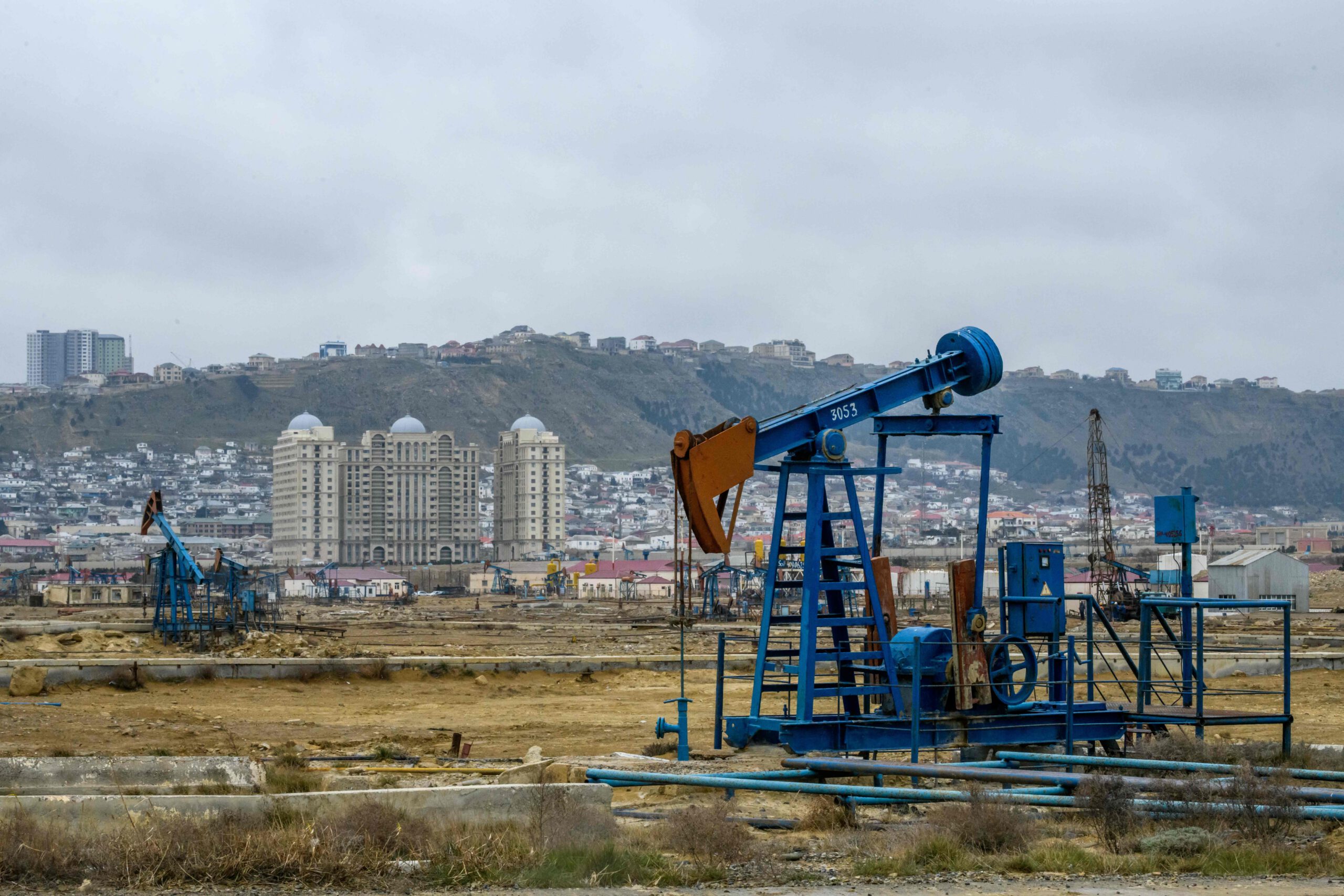
Crude oil is flowing out of the Gulf again, but the market is no better prepared for another disruption in the Strait of Hormuz. It has assembled a temporary system for managing one. Crude exports from the Gulf, excluding Iran, returned to pre-war levels in September, while total Gulf shipments reached 15.5 million barrels a day, more than 80% of the pre-conflict volume.
Many of the immediate consequences of the Israeli-American war with Iran are already clear. The further emergence of drones and missiles as dominant weapons of war; the danger to the global economy from the threats to vital chokepoints such as the Strait of Hormuz and the Bab el-Mandeb; and the inadequacy of US weapons procurement, among other issues, have garnered widespread and entirely merited attention.
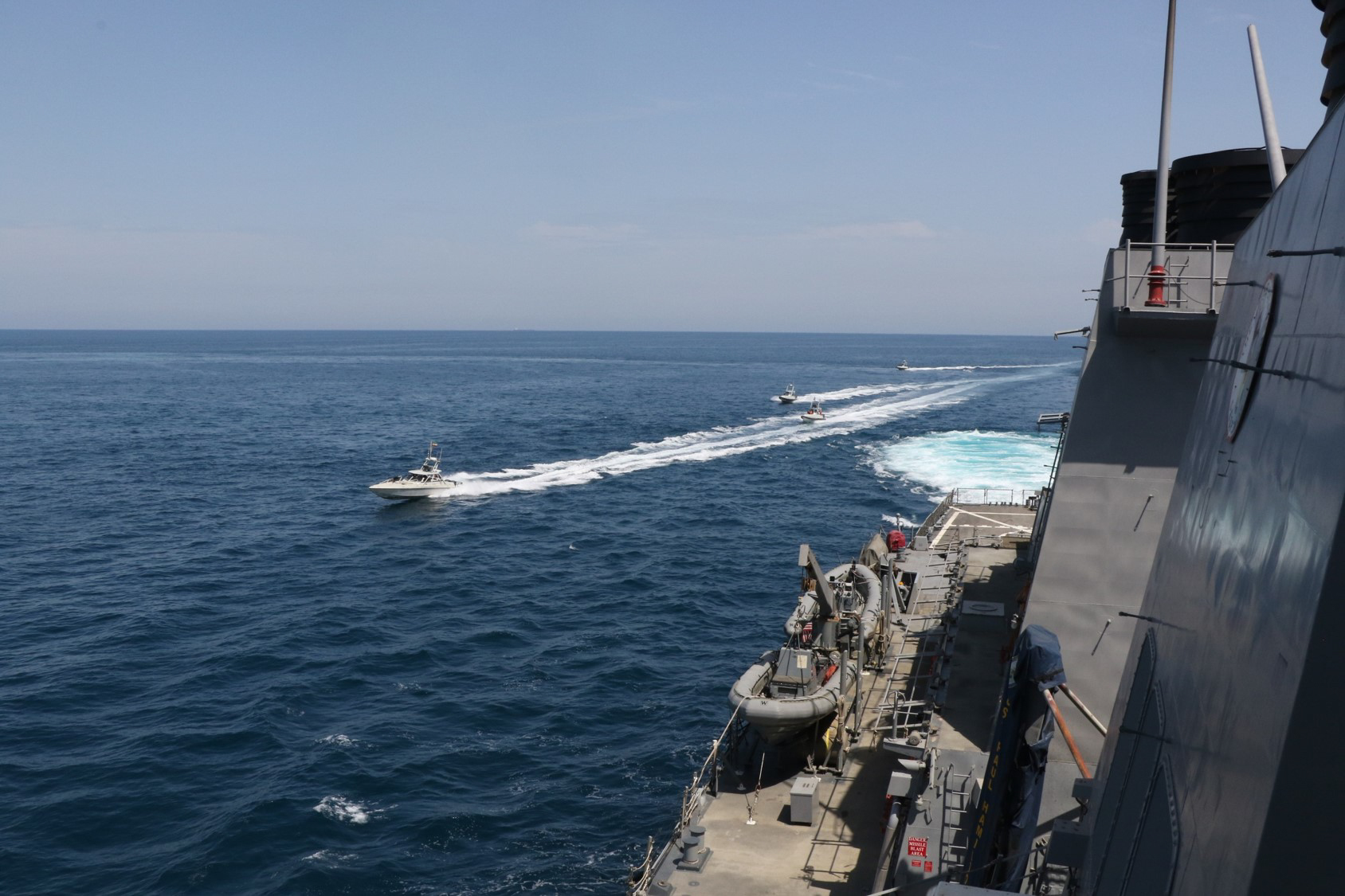
US-Iranian relations remain on track for escalation
Iran is currently facing an incredibly unlucky alignment of pressure sources that are interrelated and will force the regime to engage in risky or experimental behavior, most likely in 2020. The COVID-19 epidemic simply exacerbates the combined challenges of a regime squeezed by an international sanctions network and a restive population reaching a breaking point with economic hardship. A continued acceptance of the status quo is untenable; thus, the regime will likely begin to undertake various initiatives in the coming months, more likely military than diplomatic in nature, that could force the United States to ease the isolation of the country.
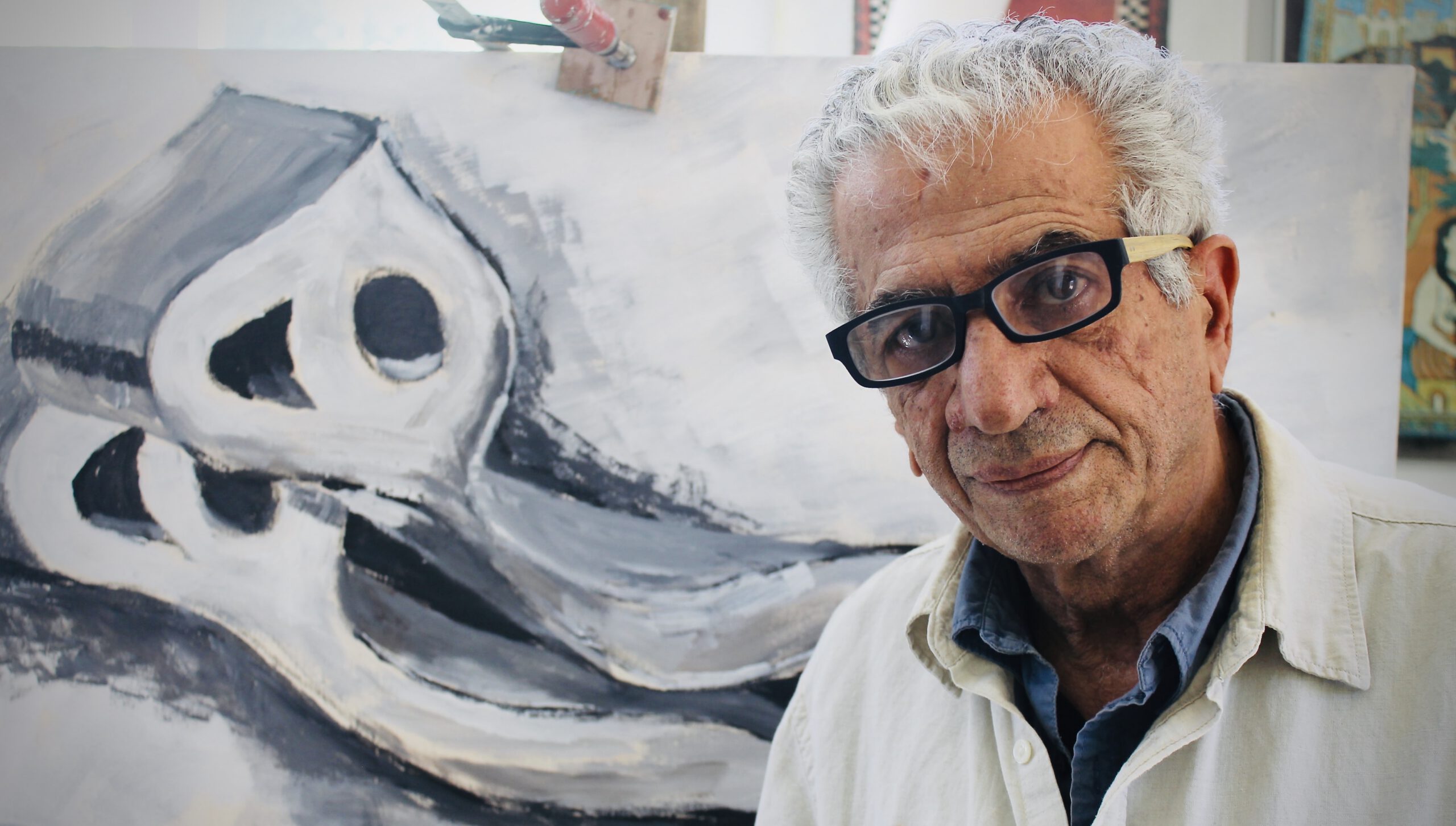
Far from his native Tehran in bucolic West Vancouver, Parviz Tanavoli, the 83-year-old “father of modern Iranian sculpture,” contemplates the fate of his homeland. “My heart breaks when I see what is happening in Iran now,” says the renowned artist, who divides his time between a life of relative obscurity on Canada’s Pacific coast, and Tehran, where he is referred to simply as “Master Tanavoli.”
Gulf Partners Can No Longer Afford To Stay The Course With U.S. Iran Policy
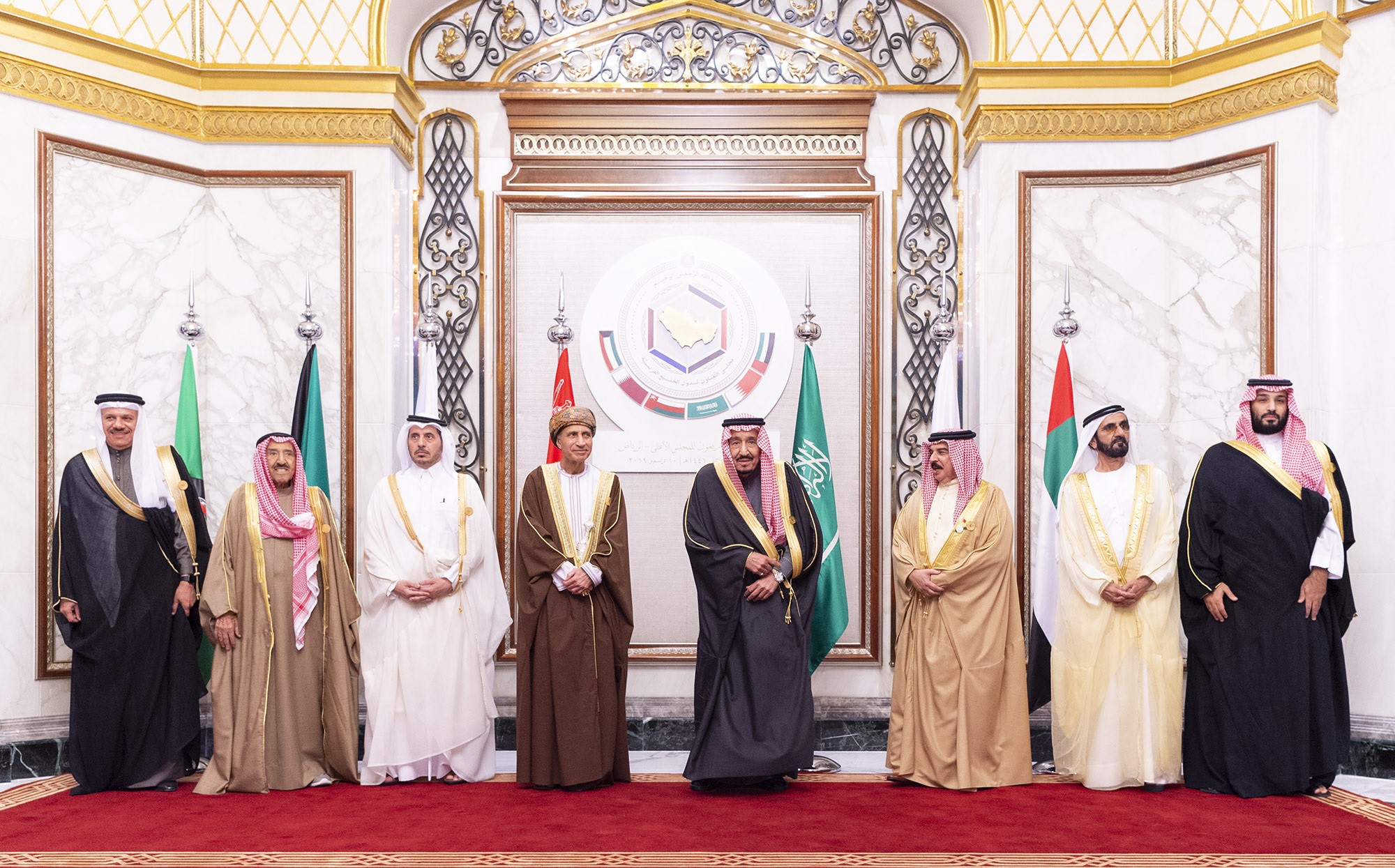
To help prevent a U.S.-Iran war in their neighborhood, the countries of the Gulf Cooperation Council have called for diplomacy. They have reached out to Iranian officials to de-escalate. And they have provided Tehran with humanitarian assistance to deal with the coronavirus pandemic.
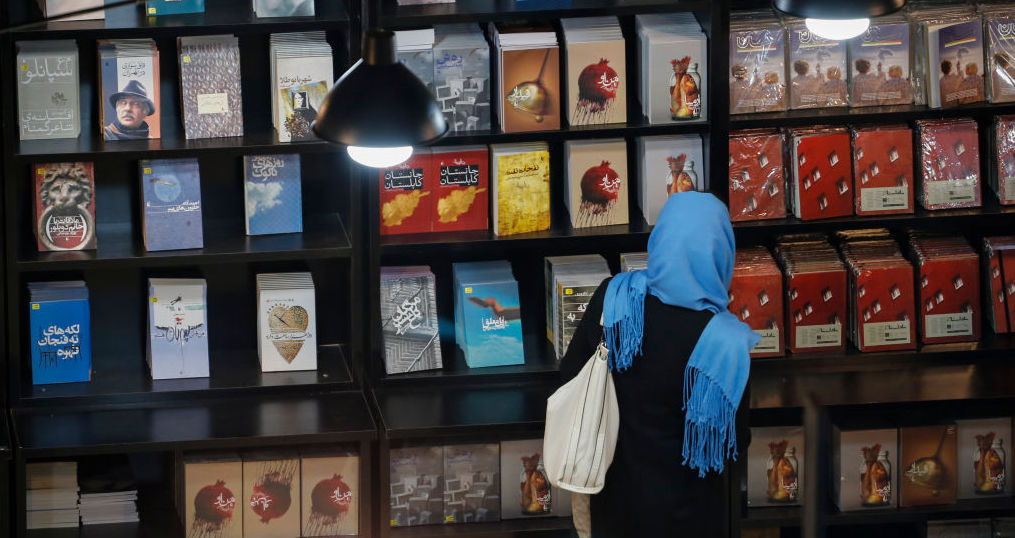
Unfortunately, many distinguished Arab writers are unknown to the majority of Iranian readers and their works are not available in Persian. Arab literature has largely been neglected in the Iranian literary translation market.
Iraq special briefing: The challenges facing Prime Minister Mustafa al-Kadhimi
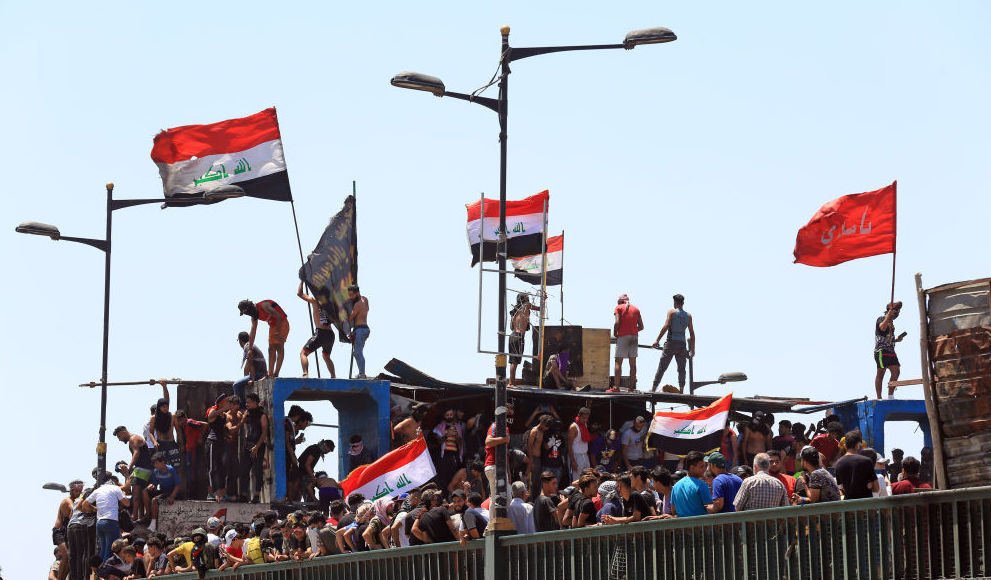
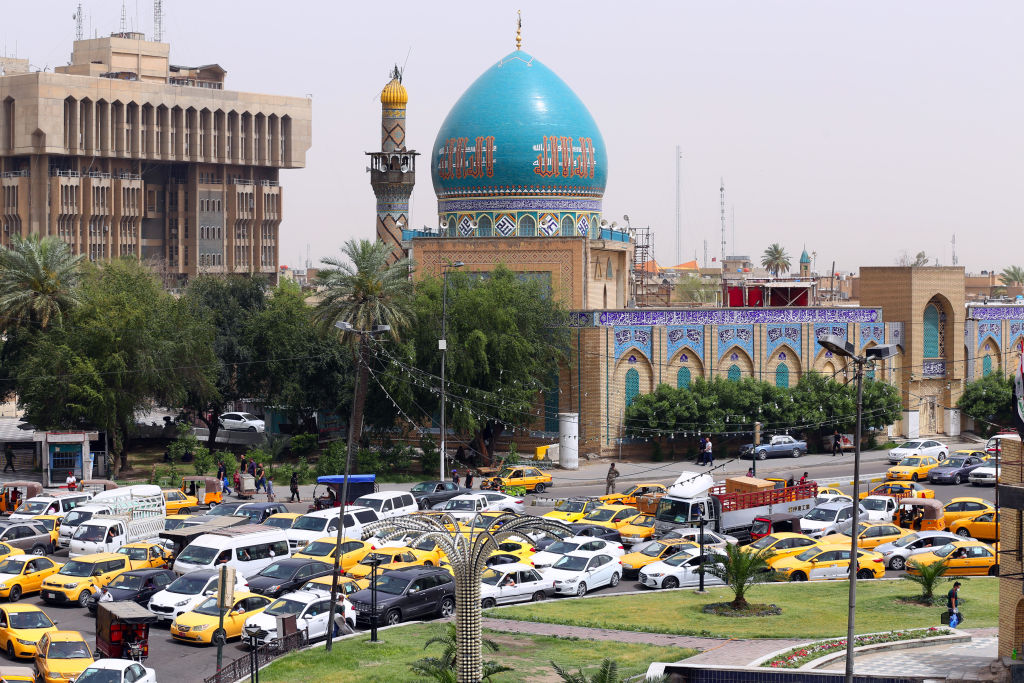
Six scholars from across MEI take a closer look at the challenges facing Iraq’s new prime minister, from the protest movement and Baghdad-Erbil relations to the balancing act between Washington and Tehran.
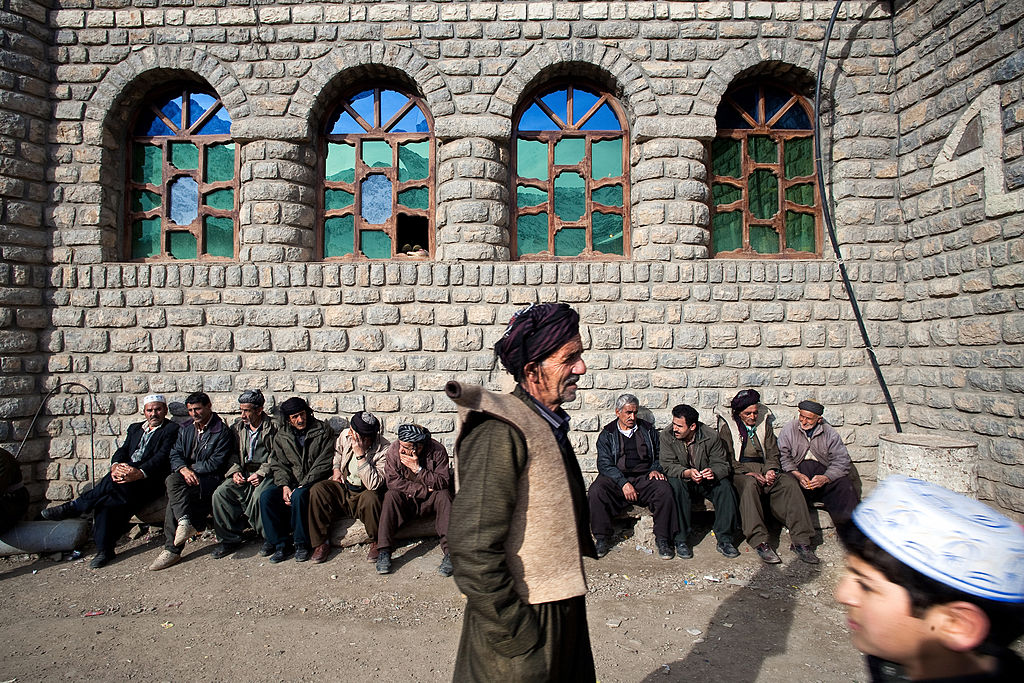
Initial data of Covid-19 mortality rates in the United States suggest that in several regions and cities, the virus hits minority communities harder than the general population. A similar trend has emerged in the Islamic Republic of Iran where published data indicates Iran’s ethnic minorities have higher Covid-19 fatality rates than the general Iranian population.
The U.S.-Iran showdown: Clashing strategic universes amid a changing region
The United States and Iran are poised for a showdown. Understanding where we are today with this conflict and where we are likely to go in the future requires that we look at the conflicting strategic doctrines between the United States and Iran against a backdrop of a shifting Middle East.
The oldest peer-reviewed publication dedicated to the study of the modern Middle East, MEI’s flagship journal covers politics, society, and culture in the region.