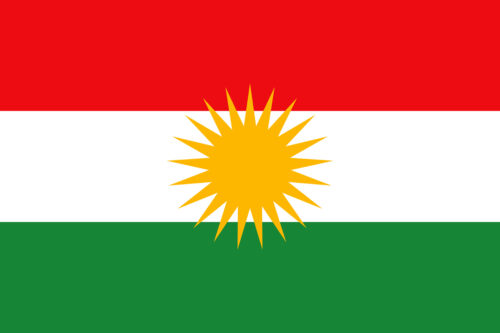
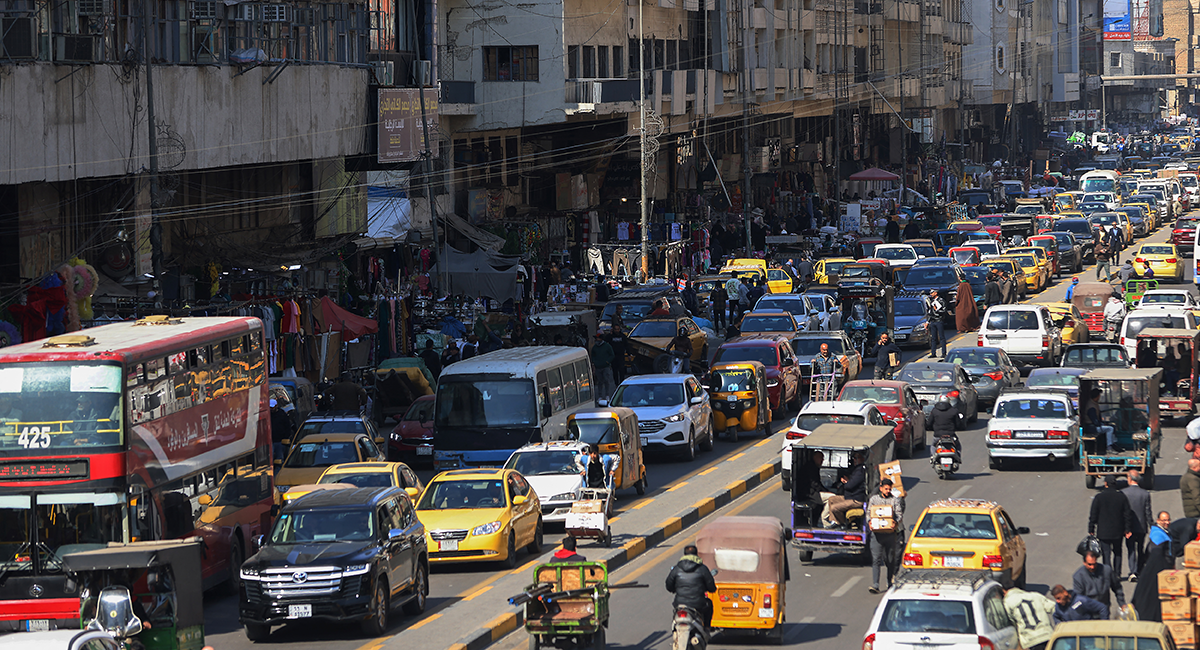
The Kurdistan Region of Iraq (KRI), also known as Iraqi Kurdistan, is a semi-autonomous region in northeastern Iraq with a population of approximately 6.5 million. The KRI’s contemporary politics are rooted in a century of Kurdish efforts to achieve self-rule.
Reflections on a Diplomatic Career in the Middle East: A Conversation With Ambassador Yael Lempert
Brian is joined by Amb. (ret.) Yael Lempert, Vice President for Outreach at MEI, to discuss her career in diplomacy and the importance of US diplomatic efforts abroad. She shares stories from postings across the Middle East in Baghdad, Cairo, Tripoli, Jerusalem, and Amman and examines how her personal and professional experiences shaped her approach to the work. Together, Brian and Yael discuss the realities of life in the Foreign Service, the core tenets of American diplomacy, and why it matters in today’s Middle East.
It has become a commonplace for Americans to describe our current war with Iran as stuck in a kind of limbo, neither full war nor real peace. We’re not the only ones. Iraq finds itself caught in a limbo of its own, between America and Iran, between the tolerable and the intolerable, between progress and relapse.
كيف سيشكل تصويت العراق المرحلة المقبلة من المنافسة بين الولايات المتحدة وإيران
بالنسبة لإيران، يمثل العراق عمقاً استراتيجياً وملاذاً سياسياً وشرياناً اقتصادياً في آن واحد. وستحدد نتائج الانتخابات العراقية التي جرت في 11 نوفمبر من سيتحكم في بغداد بزمام الميزانية والتعيينات الأمنية الداخلية واللجان التي يمكن أن تقنن أو تقيد الميليشيات العراقية المدعومة من إيران.
من صناديق الاقتراع إلى المساومات: النضال من أجل الديمقراطية العراقية
لقد توجه العراقيون للتو إلى صناديق الاقتراع في انتخابات برلمانية حاسمة قد تعيد تحديد المسار السياسي للبلاد. ماذا تخبرنا النتائج عن حالة الديمقراطية العراقية؟ ماذا سيحدث بعد ذلك؟ وهل لا يزال هناك مجال لإصلاح ديمقراطي ذي مغزى؟
مع اقتراب أيام الصيف الحارة في شهر أغسطس، يسعدنا أن نشارككم قائمة مختارة من الكتب الصيفية التي تضم بعضًا من الكتب المفضلة لدى نائب الرئيس لشؤون السياسات كين بولاك عن المنطقة. تغطي القائمة مجموعة متنوعة من الموضوعات المهمة والمثيرة للاهتمام، وتقدم توصيات لأي شخص مهتم بتعميق فهمه للشرق الأوسط.
Inflection point or continuing spiral in the Middle East?
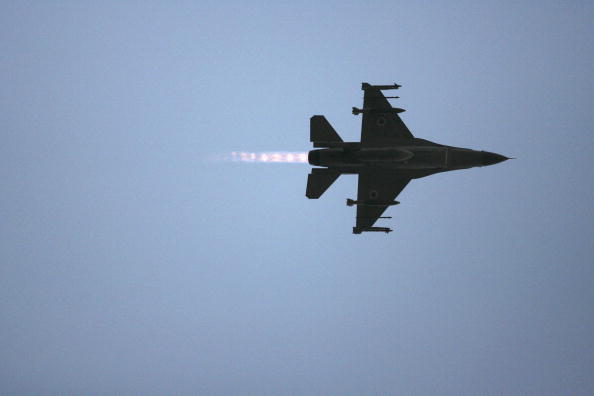
After almost two years of fighting in Gaza, and after the decimation of Hizballah, the fall of Bashar al-Assad’s regime in Syria, and the 12-day Israeli-American war on Iran, the Middle East is in new strategic and political territory. Two pathways lie ahead: the first is one in which the gains and changes brought about by war are turned, through intense diplomacy and negotiation, into new international and political arrangements that bring about a period of security and stability in the region; the second is one in which that corner is not turned, and the wars in Gaza, Iran, and potentially Yemen, Syria, and Lebanon, continue indefinitely. The trajectory will depend on the choices of key actors — above all Iran, Israel, and the United States.
أزمة المياه في الخليج: لماذا التعاون أمر بالغ الأهمية — ومعقد في الوقت نفسه
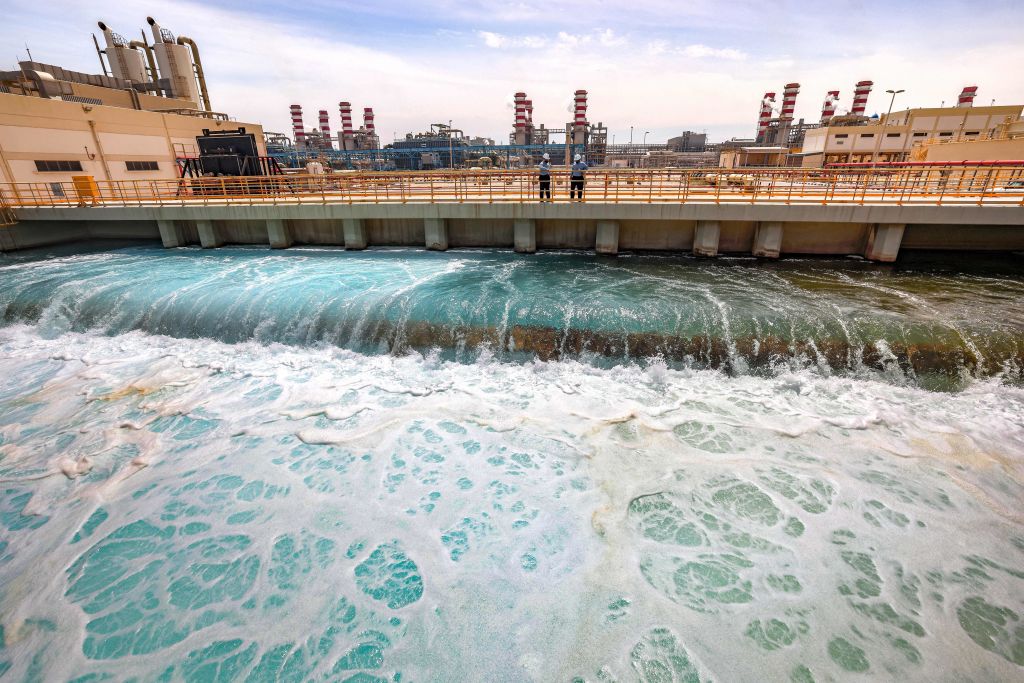
في 19 يونيو، أثارت تقارير كاذبة عن قيام إسرائيل بشن هجوم على محطة بوشهر النووية الإيرانية حالة من الذعر في جميع أنحاء الخليج. وعلى الرغم من نفي المسؤولين الإسرائيليين لهذه المزاعم، فإنها تعود إلى تحذير رئيس وزراء قطر من كارثة محتملة في حالة حدوث تلوث نووي — انقطاع المياه والغذاء والحياة — بسبب اعتماد دول الخليج على مياه البحر المحلاة. سارعت حكومات دول الخليج إلى طمأنة الجمهور بأنه لم يتم الكشف عن أي إشعاع، لكن هذه الحادثة أبرزت الشعور المتزايد بالضعف في المنطقة. ويمكن أن يساعد اتباع نهج إقليمي لأمن المياه في التخفيف من هذه المخاطر.
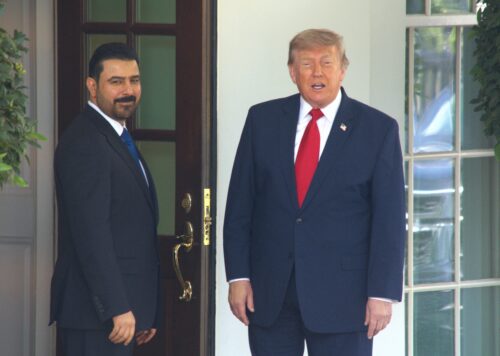
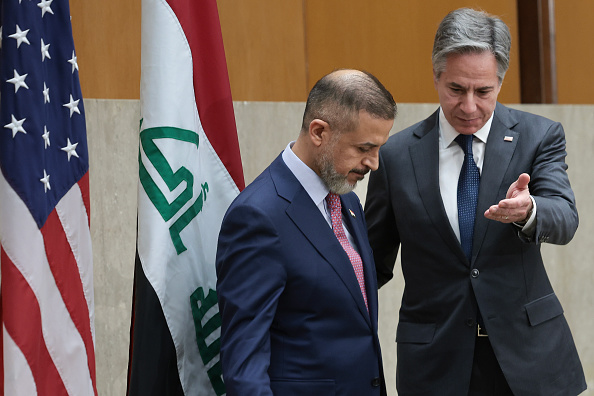
The Iraqi government has long navigated a path between maintaining political ties with its Iranian neighbor and Tehran’s allies inside Iraq on the one hand, and preserving its security relationship with the United States on the other. Unsurprisingly, it quickly welcomed US President Donald Trump’s June 23 Israel-Iran cease-fire agreement.
ما وراء "الضغط الأقصى" في سياسة الولايات المتحدة تجاه إيران: الاستفادة من الشركاء الإقليميين لاحتواء تصرفات إيران وتشكيل خياراتها المستقبلية
في ولايته الثانية، يواجه الرئيس دونالد ترامب منطقة الشرق الأوسط التي تشهد اضطرابات متعددة الأوجه وجمهورية إيران الإسلامية التي تمر حالياً بأضعف وأكثر مواقفها عزلة منذ تأسيس النظام في عام 1979. ومع ذلك، وبعيداً عن الخضوع الدائم، تواصل طهران الاقتراب من بناء سلاح نووي، وتحاول الحفاظ على شبكتها الإقليمية من الوكلاء والحلفاء غير الحكوميين. يواجه ترامب الآن خيارًا استراتيجيًا مهمًا بشأن سياسة إيران. يحلل هذا التقرير ثلاث ديناميات شاملة: التغيرات الاستراتيجية في الشرق الأوسط في 2023-2024؛ وتأثير هذه التغيرات على إيران وشبكة محور المقاومة؛ وموقف إيران الحالي ومكانتها في الداخل وفي المنطقة. ويختتم التقرير بسلسلة من التوصيات الاستراتيجية للإدارة الجديدة.
A different Middle East: How should Washington respond?
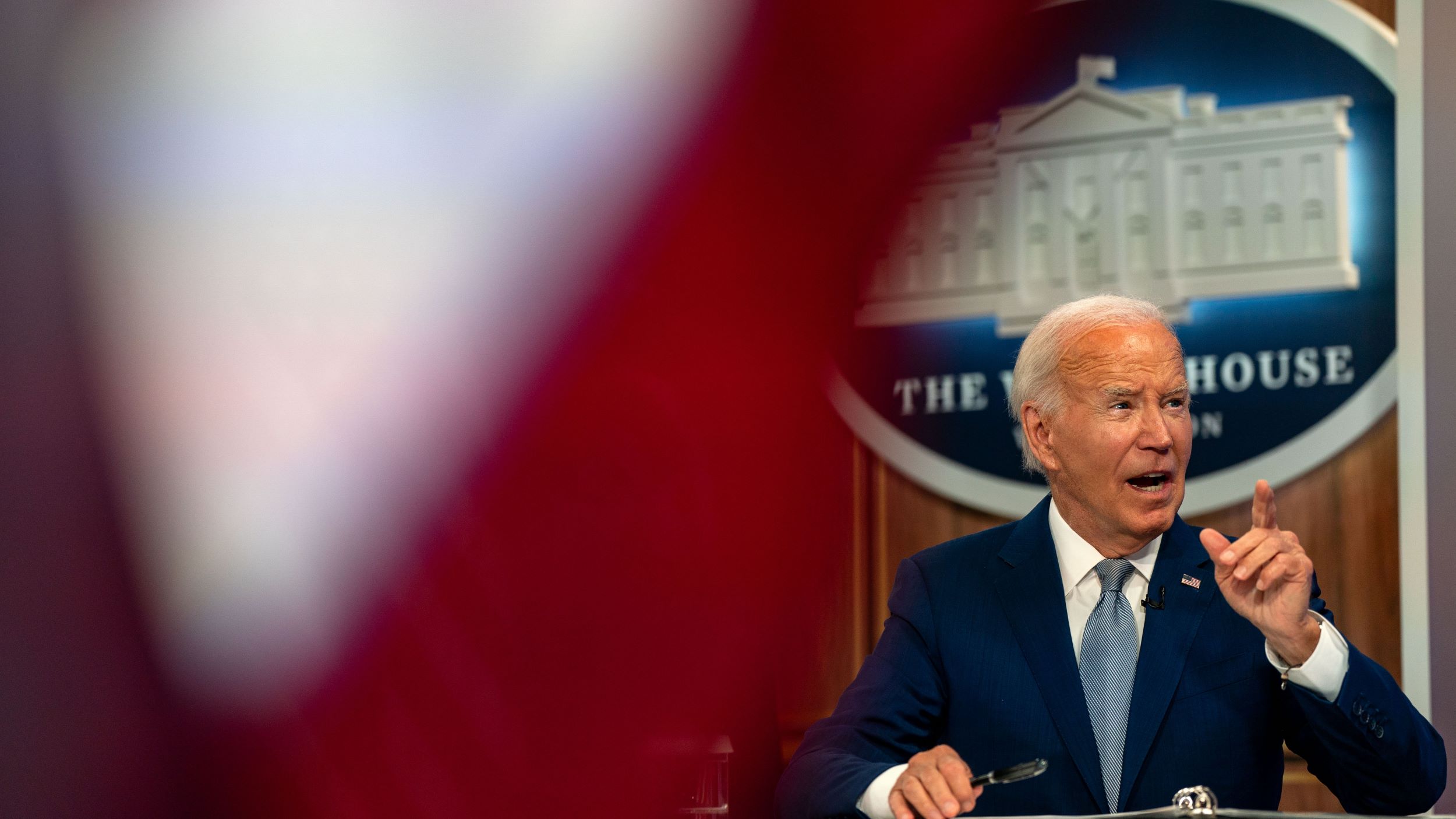
A very different Middle East will greet President-elect Trump this month compared to the region he experienced during his first term. However, there are opportunities to advance American interests for a more stable and less conflictual Middle East, which might not require the kind of intense US commitment we have seen over the last quarter-century.
US success in Iraq means being a more reliable partner than Iran
There is no quick path to limiting or reducing Iranian influence in Iraq. Tehran will react fiercely to American efforts to destroy the militias and zero-out its influence, and it would have multiple avenues to escalate through the porous 900-mile-long border between the two countries. Moreover, domestic Iraqi reaction, especially among elements of the Shi’a population, would be reticent at best and hostile at worst to intensified American military actions. Nor should it be an American goal to stoke a civil war among Iraq’s Shi’a that would give Iran new access points.
The multiple wars that have erupted since Oct. 7, 2023, have already changed the strategic landscape in the Middle East — and more change is likely to follow.
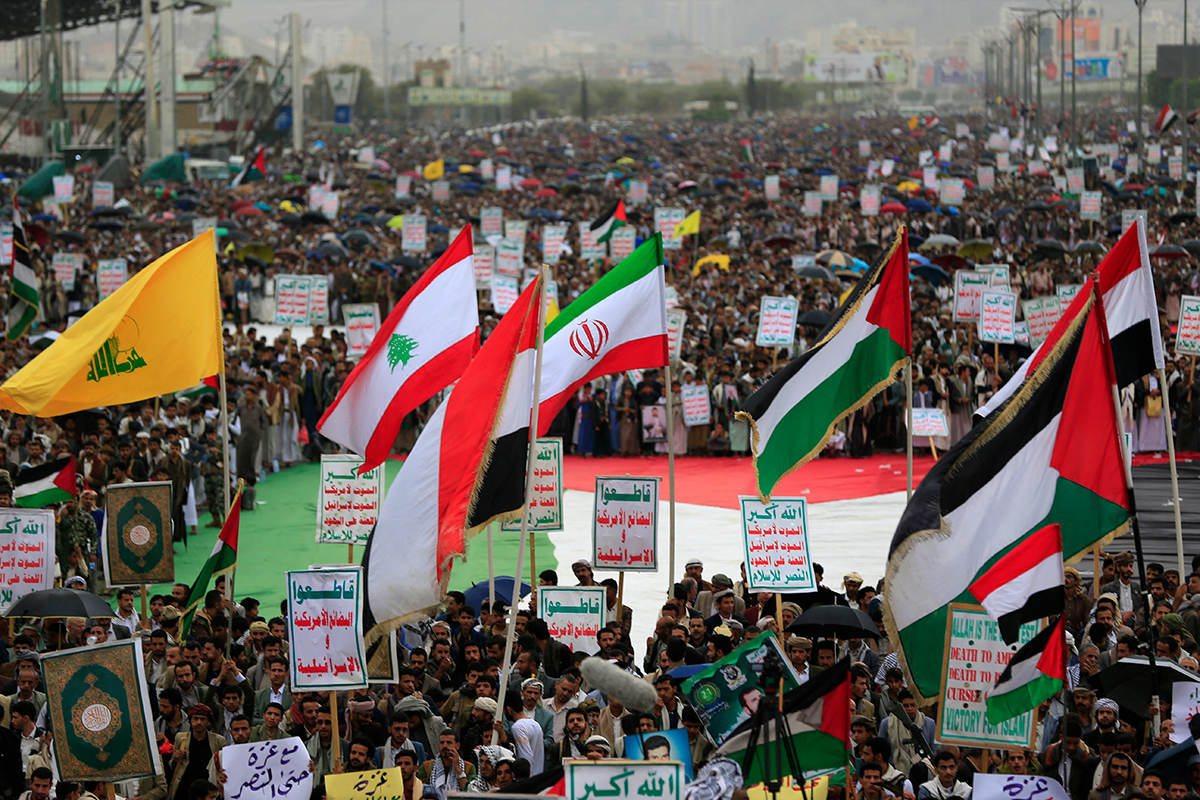
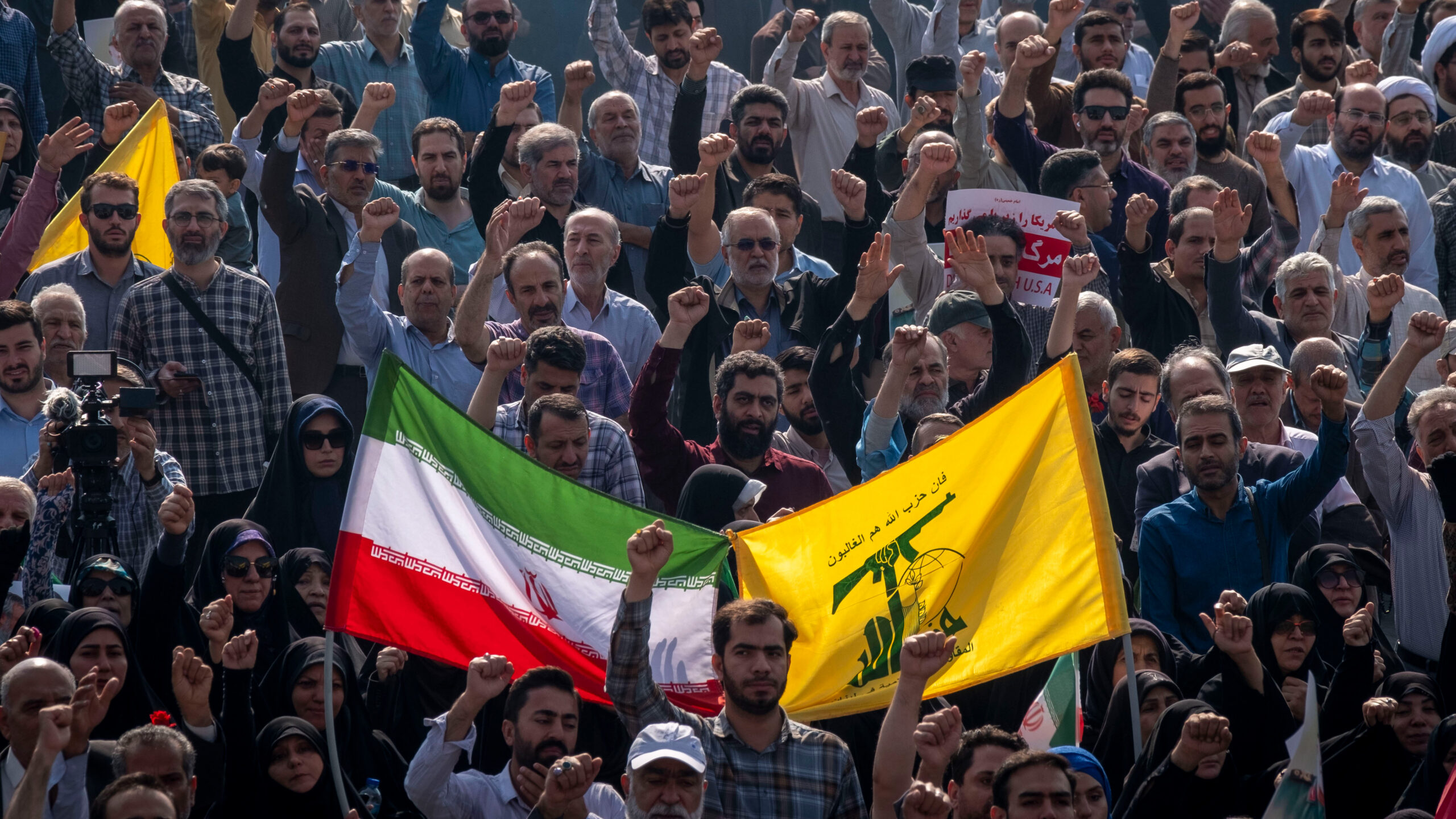
خلال الشهر الماضي، عانت إيران وشبكة حلفائها ووكلائها الإقليميين – محور المقاومة – من سلسلة من الخسائر والهزائم الدراماتيكية. ما هو مستقبل المحور وأعضائه، وما الذي يمكن أن تفعله الولايات المتحدة وحلفاؤها لمواجهة وتعطيل هذه الشبكة التي تقودها إيران؟
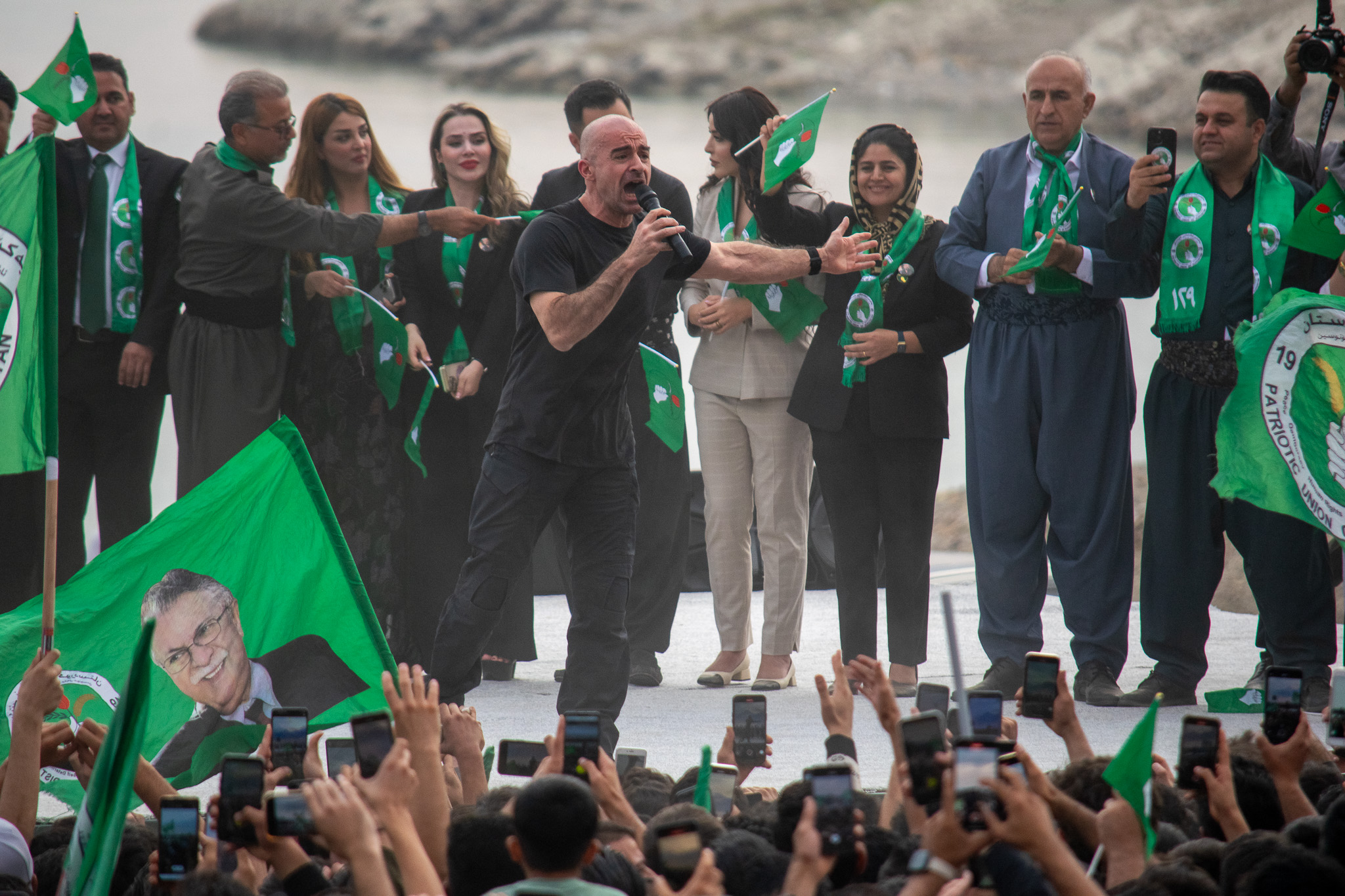
Kurdish elections arrive — finally, and with challenges
Iraq’s Kurdistan Region will hold elections for its devolved parliament for the first time since 2018, on Oct. 20. The polls are more than two years late and come at a time of major economic and political challenges for the semi-autonomous zone.