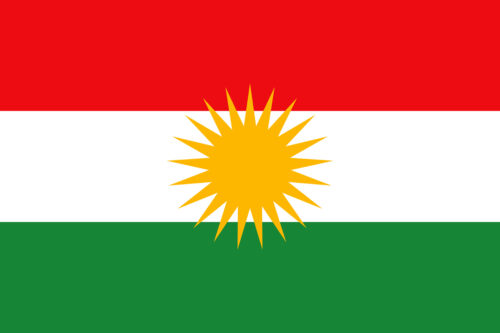
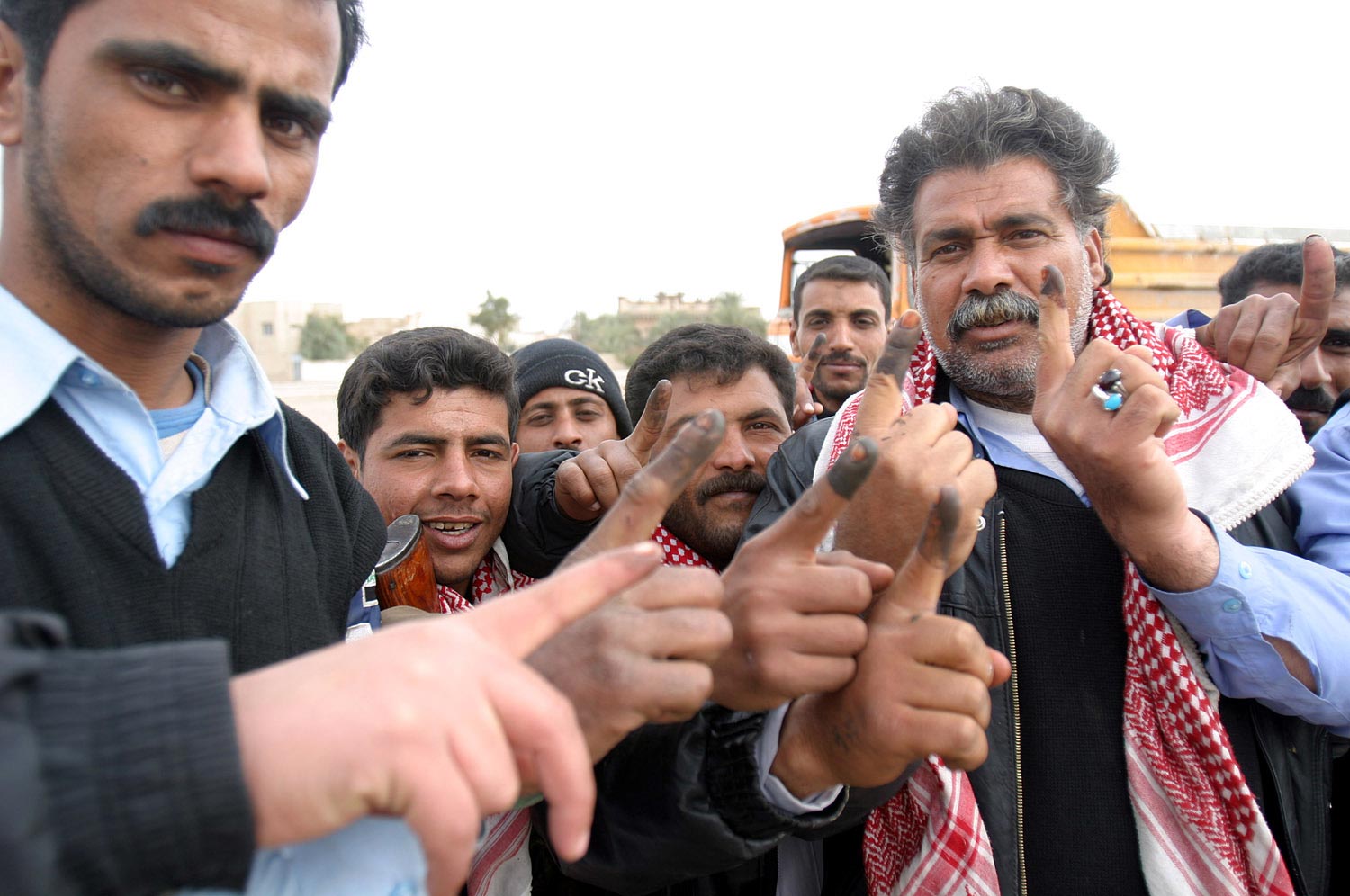
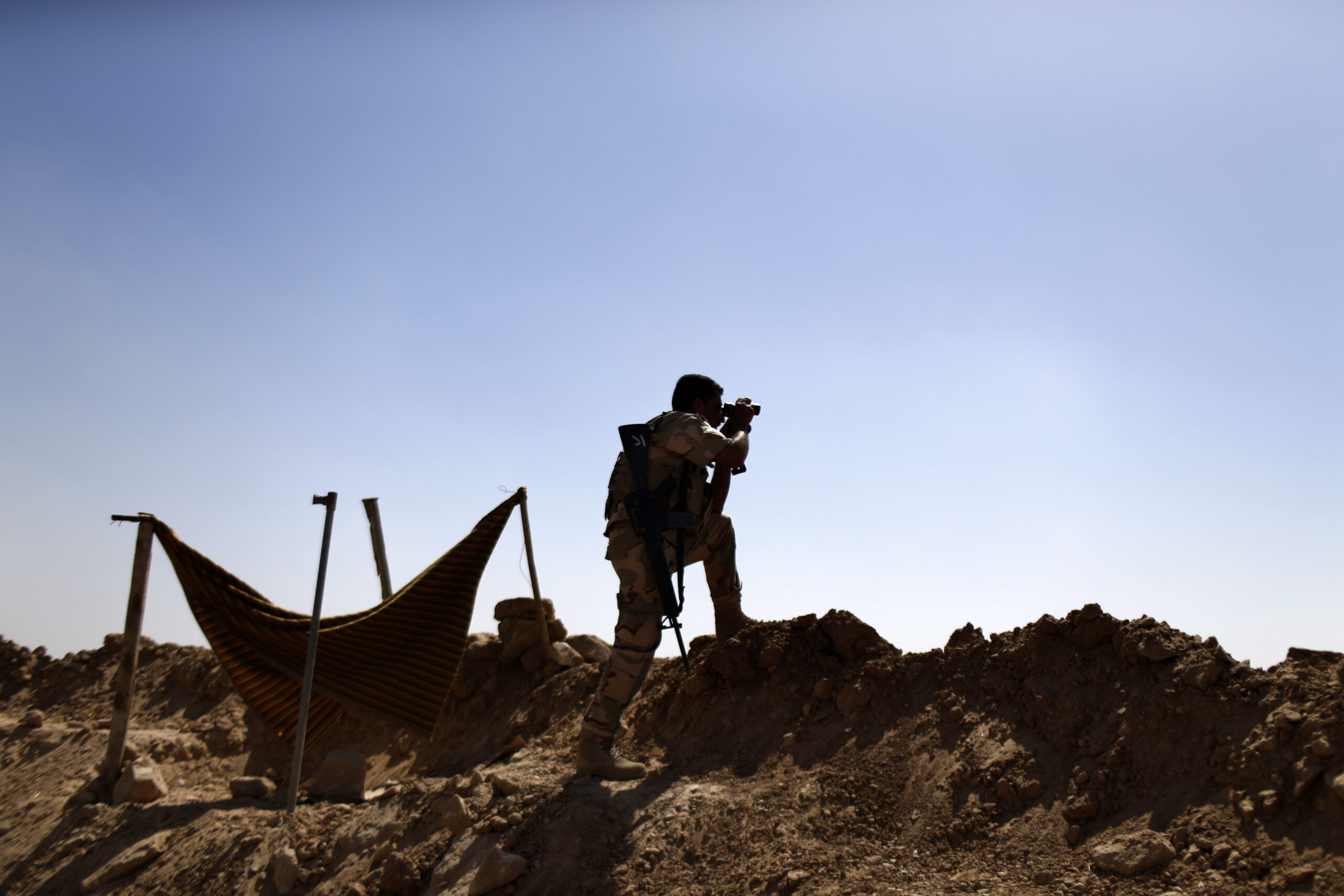
The Kurdistan Region of Iraq (KRI), also known as Iraqi Kurdistan, is a semi-autonomous region in northeastern Iraq with a population of approximately 6.5 million. The KRI’s contemporary politics are rooted in a century of Kurdish efforts to achieve self-rule.
Reflections on a Diplomatic Career in the Middle East: A Conversation With Ambassador Yael Lempert
Brian is joined by Amb. (ret.) Yael Lempert, Vice President for Outreach at MEI, to discuss her career in diplomacy and the importance of US diplomatic efforts abroad. She shares stories from postings across the Middle East in Baghdad, Cairo, Tripoli, Jerusalem, and Amman and examines how her personal and professional experiences shaped her approach to the work. Together, Brian and Yael discuss the realities of life in the Foreign Service, the core tenets of American diplomacy, and why it matters in today’s Middle East.
It has become a commonplace for Americans to describe our current war with Iran as stuck in a kind of limbo, neither full war nor real peace. We’re not the only ones. Iraq finds itself caught in a limbo of its own, between America and Iran, between the tolerable and the intolerable, between progress and relapse.
Monday Briefing: Tenuous promise in Pakistan and Afghanistan
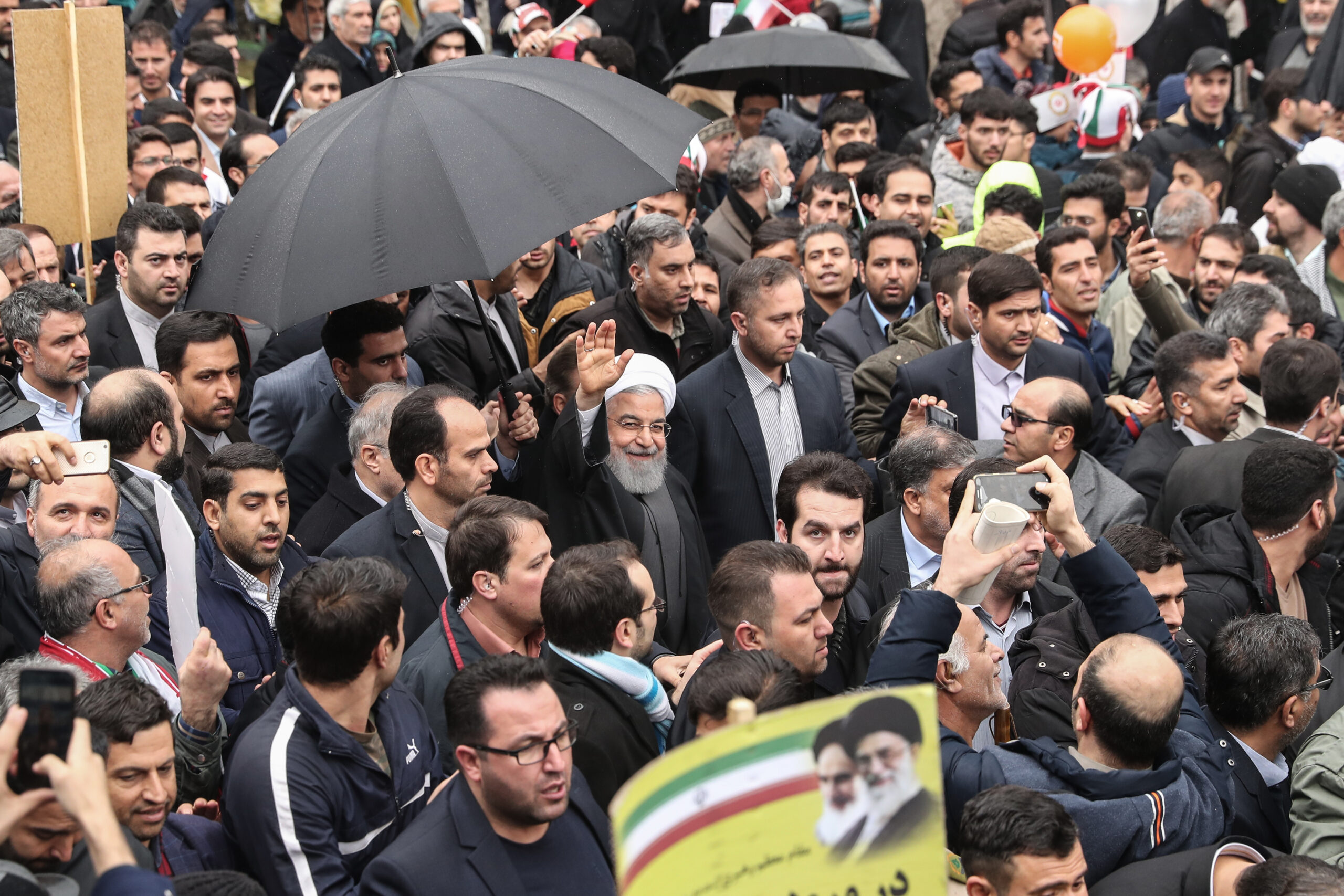
In this week’s Monday Briefing, MEI experts Marvin G. Weinbaum, Robert S. Ford, Alex Vatanka, and Birol Baskan provide analysis on recent and upcoming events including a potential agreement between Pakistan and Afghanistan, protests in Algeria, Rouhani’s planned trip to Baghdad, and recent Turkish naval exercises.
In this week’s Monday Briefing, MEI experts Ahmad Majidyar, Mirette F. Mabrouk, and Hassan Mneimneh provide analysis on recent and upcoming events including the 40th anniversary of Iran’s Islamic Revolution, a proposal for constitutional amendments in Egypt, and Iraqi PM Abdul-Mahdi’s first 100 days in office.
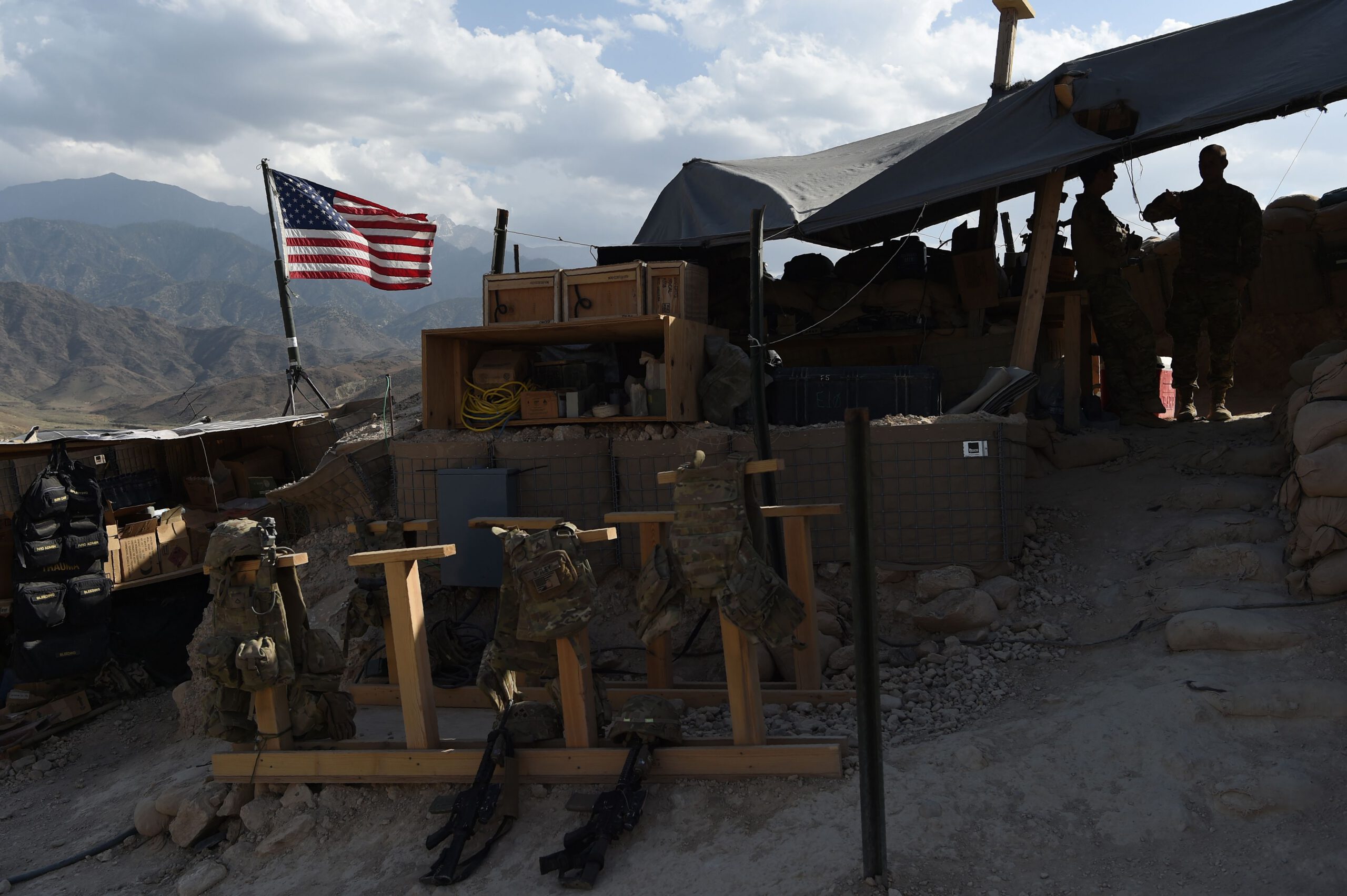
In this week’s Monday Briefing, MEI experts Randa Slim, Paul Salem, Ahmad Majidyar, and Marvin G. Weinbaum provide analysis on recent and upcoming events including President Trump’s comment about keeping U.S. troops in Iraq “to be able to watch Iran,” Pope Francis’s trip to the UAE, the EU’s maneuvers to defy U.S. sanctions on Iran, and intra-Afghan talks in Moscow.
Iraq: Stuck in the middle again
Randa Slim Senior Fellow, Director of Conflict Resolution and Track II Dialogues program
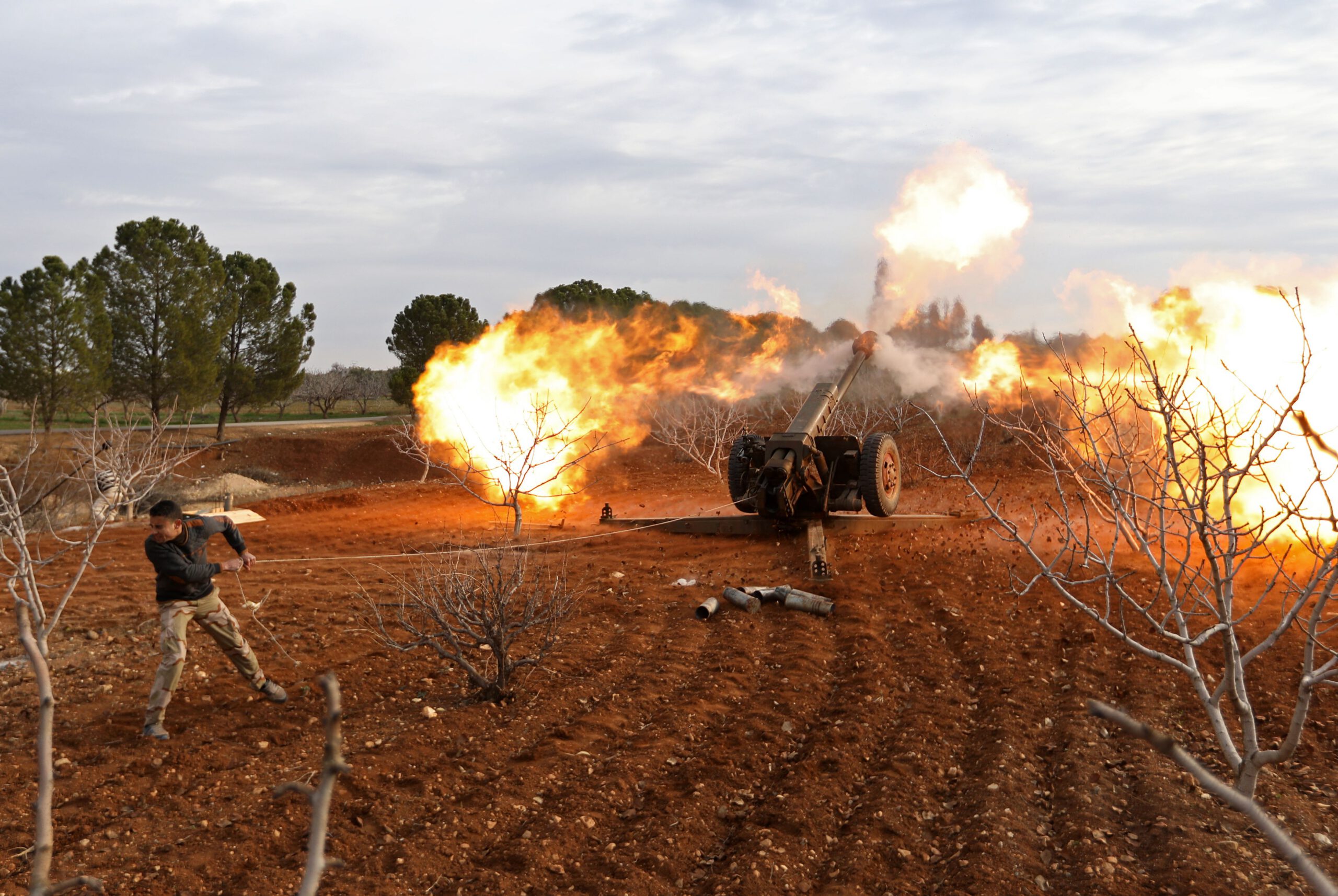
The Global and Regional Geopolitics of Civil War in the Middle East
Power dynamics between the major global and regional powers have indirectly influenced the civil wars currently plaguing the Middle East. The distribution of power caused by end of the Cold War facilitated the creation of two opposing camps that later competed for regional primacy in the civil wars of Iraq, Syria, and Yemen.
Zmkin Ali and Mac Skelton of the Institute of Regional and International Studies (IRIS) at the American University of Iraq Sulaimani, join host Alistair Taylor for a discussion on Iraq’s political climate, Baghdad’s relations with Erbil in the aftermath of the 2017 referendum, and other regional dynamics.
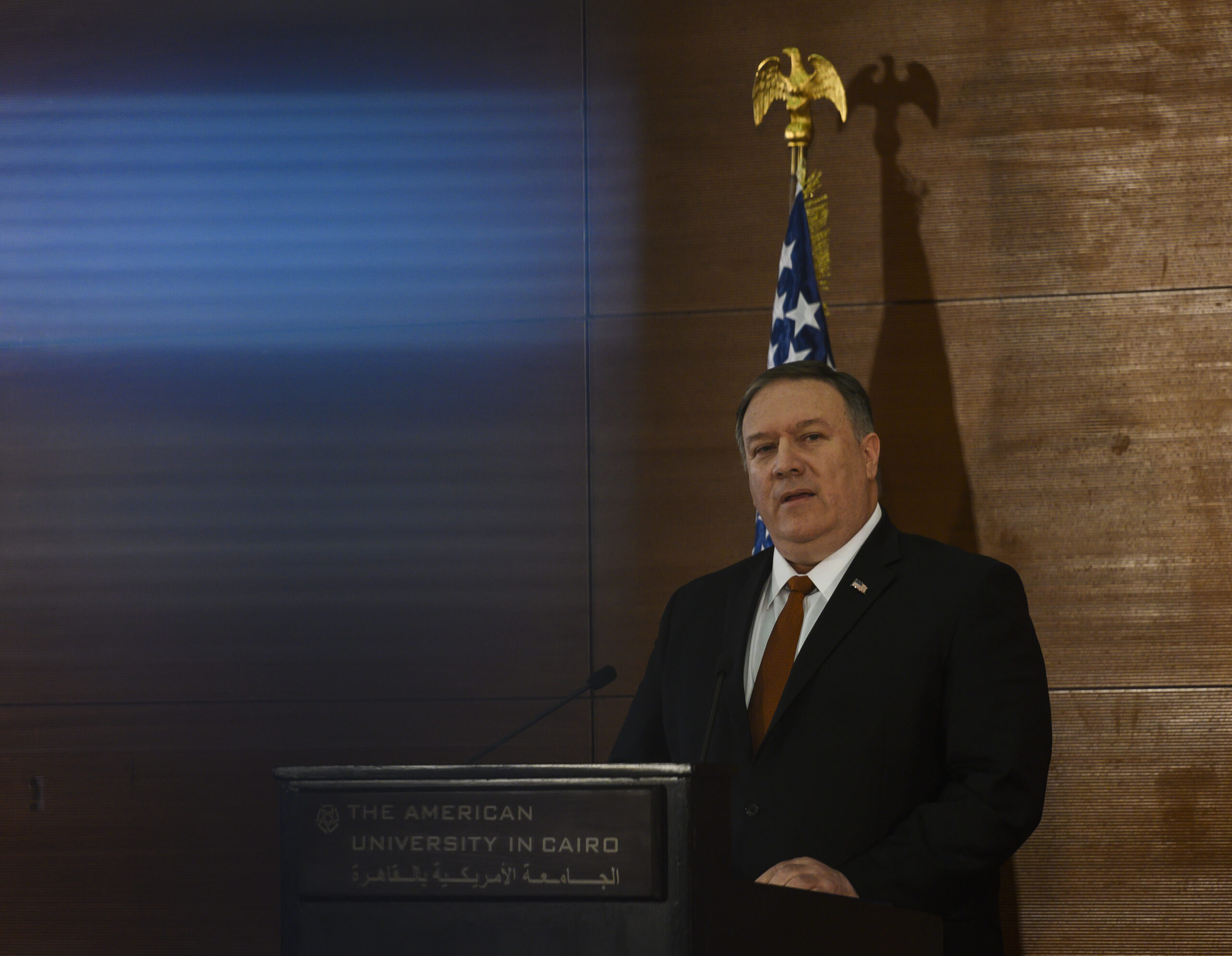
Weekly Briefing: Pompeo’s visit raises more questions than it answers
In this week’s Monday Briefing, MEI experts Gerald Feierstein, Paul Salem, Alex Vatanka, W. Robert Pearson, and Mirette F. Mabrouk provide analysis on recent and upcoming events including Secretary of State Mike Pompeo’s recent visit to the Middle East, recent protests in Sudan, Iranian outreach to Baghdad, President Trump’s discussion with President Erdogan on treatment of the Kurds, and the first meeting of the East Mediterranean Gas Forum.
In our first episode of 2019, MEI experts Paul Salem, Charles Lister, Ahmad Majidyar, Randa Slim, Gonul Tol, Robert Pearson, and Gerald Feierstein discuss the significant policy developments and announcements of the past few weeks and outline the major issues to watch in the year ahead.
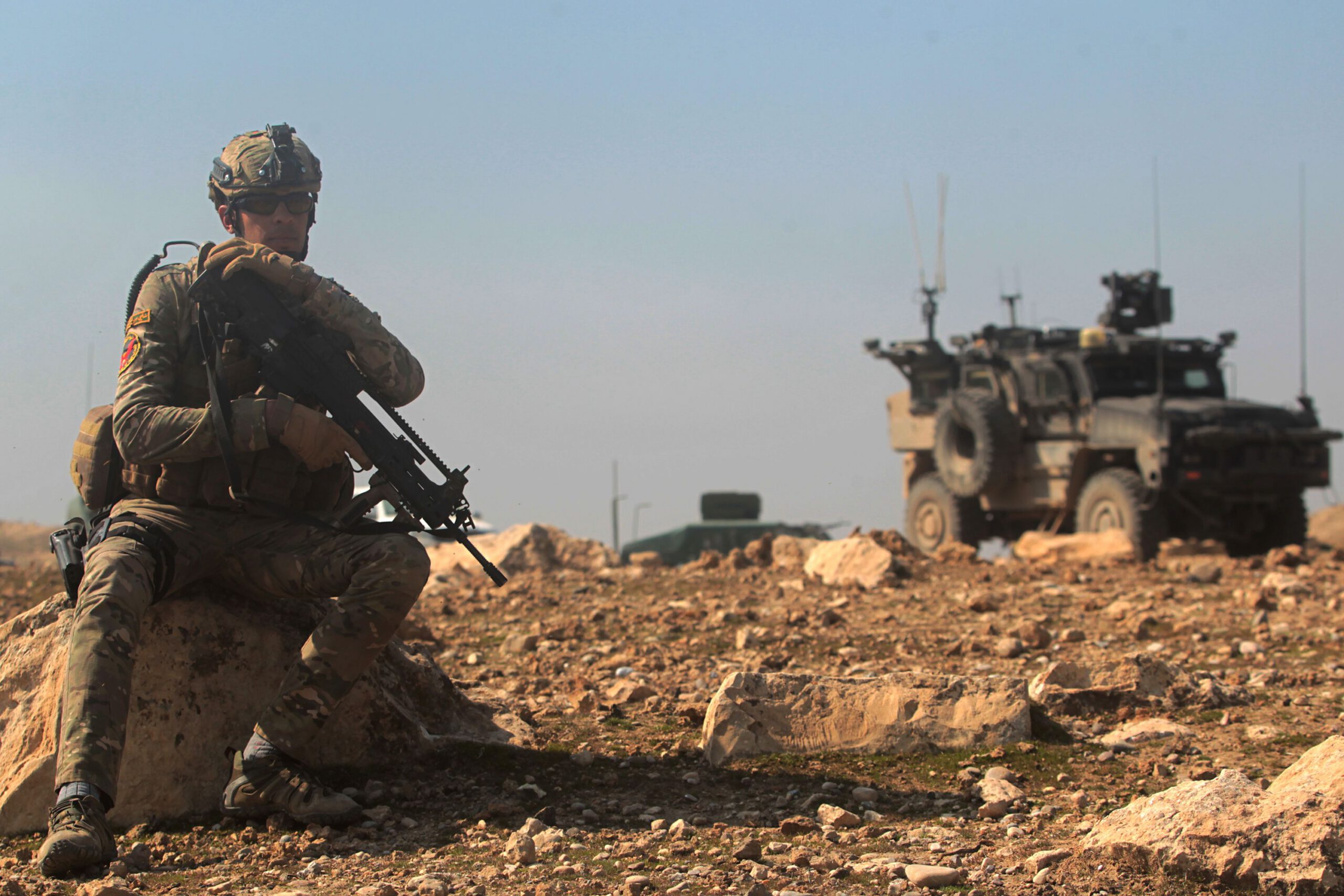
A year after the defeat of ISIS in Iraq, what has changed?
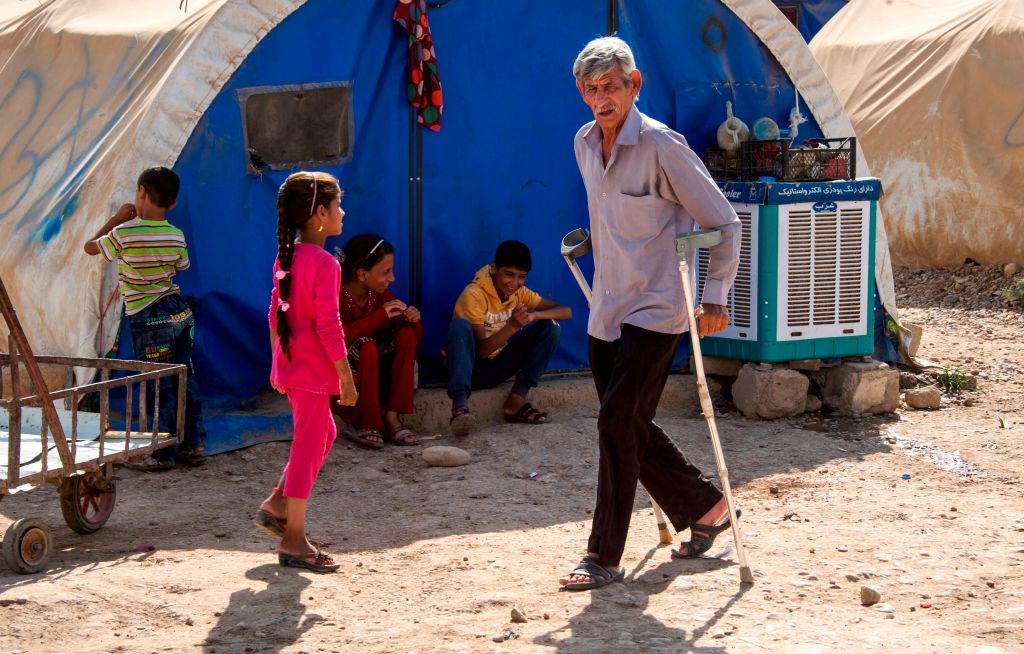
On Dec. 9, 2017, Iraq’s then prime minister, Haider al-Abadi, declared victory over ISIS. However, in the year since then Iraq has continued to face critical challenges, including an internally displaced person crisis and the legitimization of militia groups.
In Iraqi Kurdistan, there’s more than just tea brewing in the teahouse
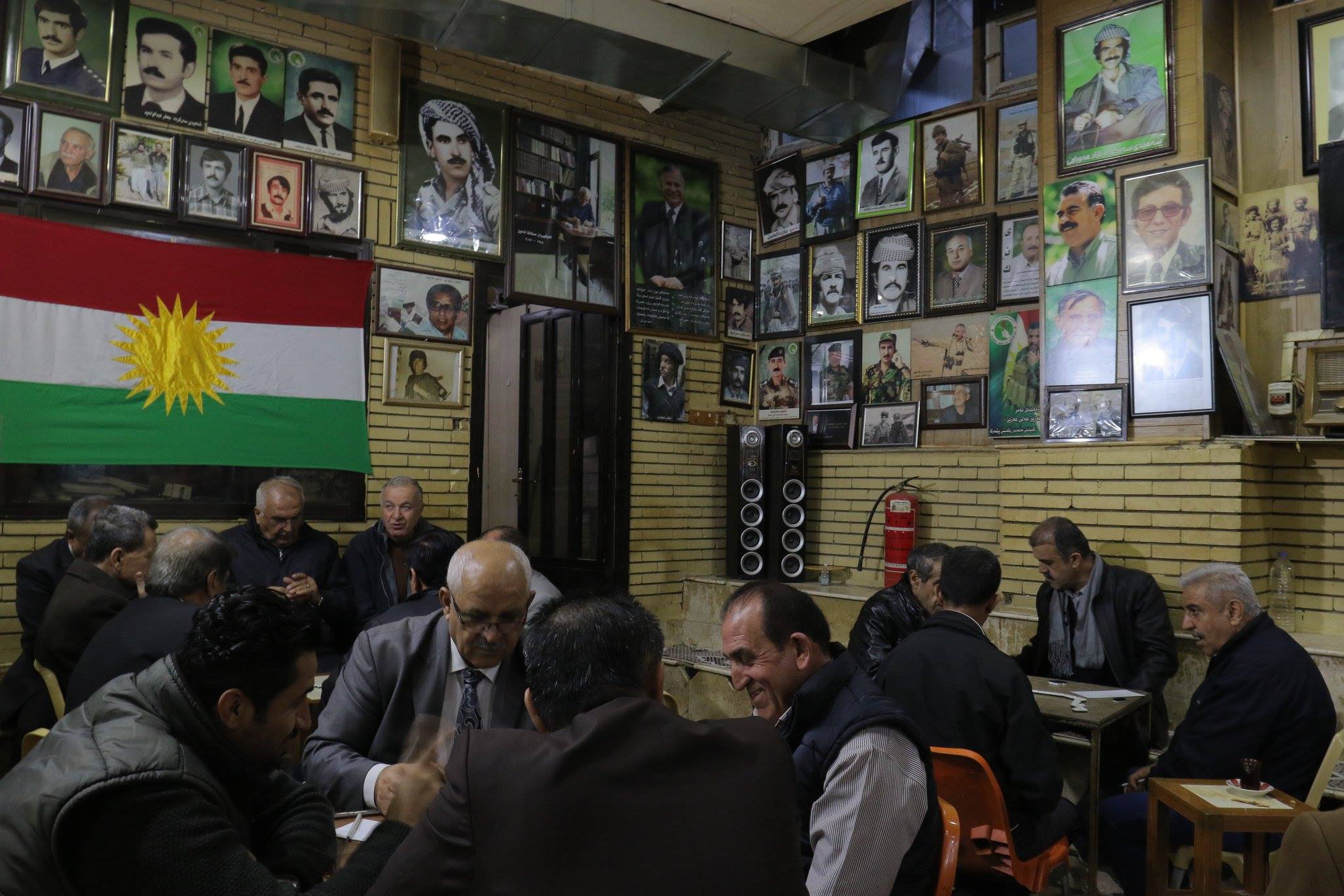
Teahouses are at the heart of Kurdistan’s culture and are linked to the Kurdish collective memory of struggle and oppression, making them a central part of contesting narratives about progress, change, and tradition.
New OPEC+ deal shows Saudis’ oil-market grip continues to slip
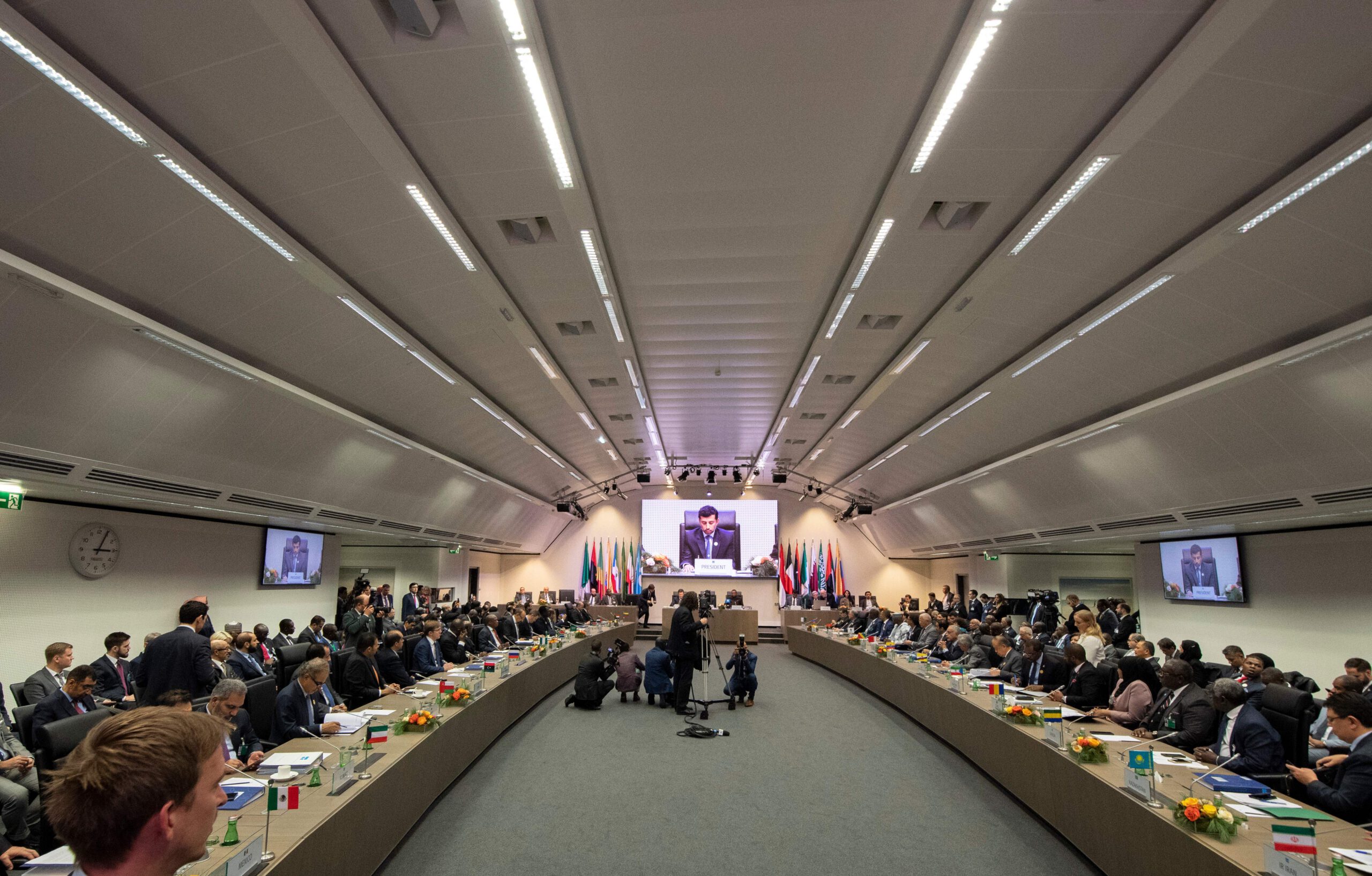
While OPEC and Russia-led non-OPEC members agreed to cut oil production last week by 1.2 million bpd, Riyadh’s ability to control the cartel and global oil prices is waning.
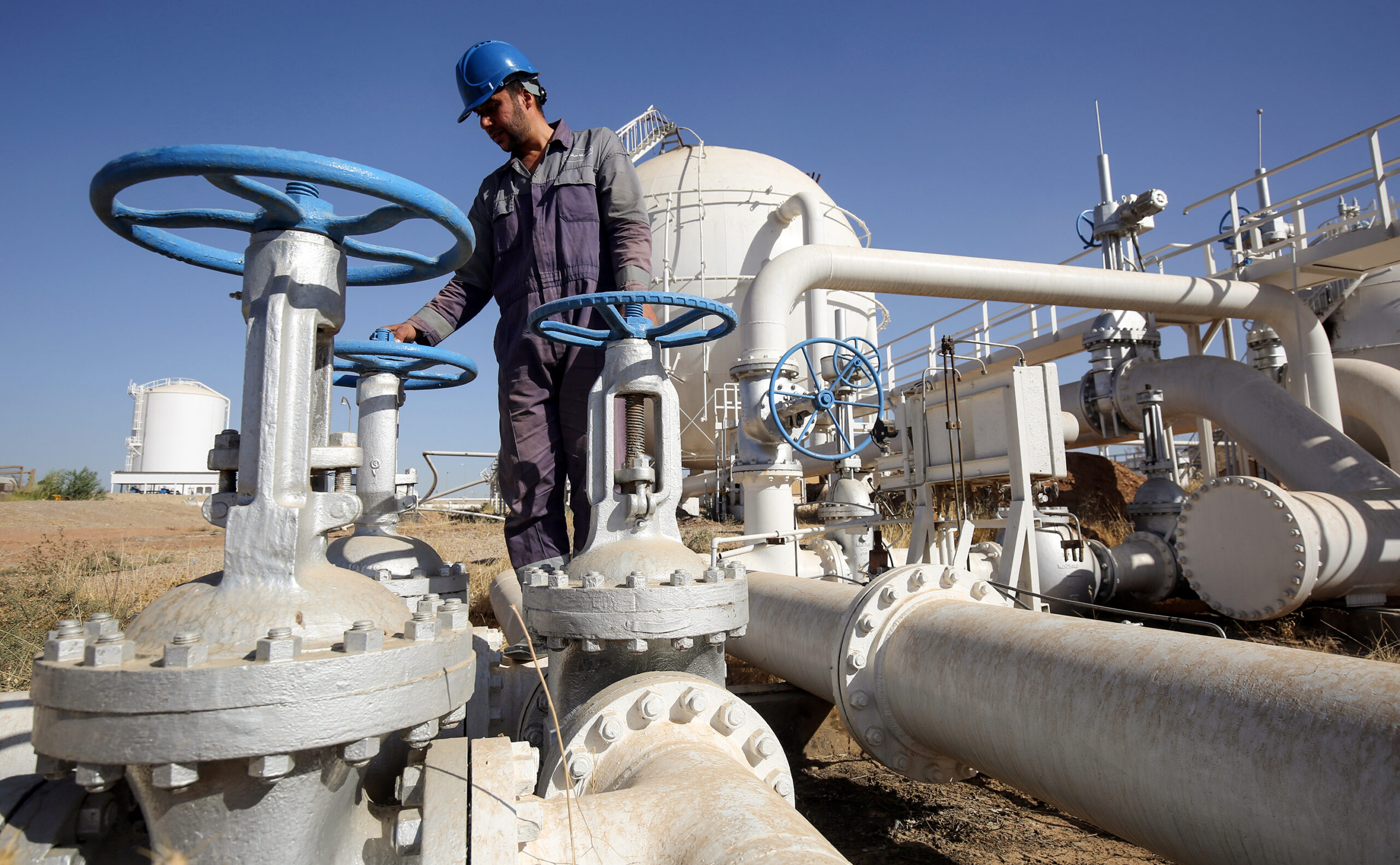
In this week’s Monday Briefing, MEI experts discuss recent and upcoming events including the Iraq-Kurdistan pipeline deal, how the YPG partnership affects US-Turkey ties, and the new Russia-Turkey gas pipeline.