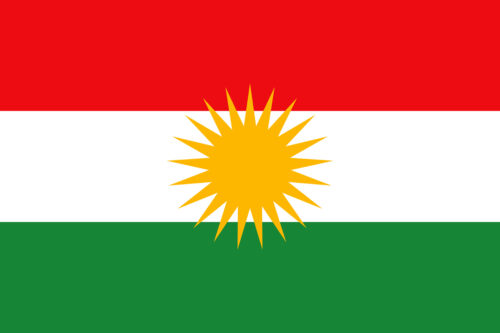
The Kurdistan Region of Iraq (KRI), also known as Iraqi Kurdistan, is a semi-autonomous region in northeastern Iraq with a population of approximately 6.5 million. The KRI’s contemporary politics are rooted in a century of Kurdish efforts to achieve self-rule.
Reflections on a Diplomatic Career in the Middle East: A Conversation With Ambassador Yael Lempert
Brian is joined by Amb. (ret.) Yael Lempert, Vice President for Outreach at MEI, to discuss her career in diplomacy and the importance of US diplomatic efforts abroad. She shares stories from postings across the Middle East in Baghdad, Cairo, Tripoli, Jerusalem, and Amman and examines how her personal and professional experiences shaped her approach to the work. Together, Brian and Yael discuss the realities of life in the Foreign Service, the core tenets of American diplomacy, and why it matters in today’s Middle East.
It has become a commonplace for Americans to describe our current war with Iran as stuck in a kind of limbo, neither full war nor real peace. We’re not the only ones. Iraq finds itself caught in a limbo of its own, between America and Iran, between the tolerable and the intolerable, between progress and relapse.
I.R.G.C. Outlet: U.S. Eyes Post-ISIS Military Presence in Iraq and Syria to Counter Iran
A lengthy report in Fars News Agency (F.N.A.), an outlet close to the Islamic Revolution Guards Corps (I.R.G.C.), claims that the United States is seeking to contain the growing influence of Iran and its proxies in Iraq and Syria by increasing its military presence in northern and southern Syria and keeping
Escalating Tension between Iran-Backed P.M.F. Groups and Peshmerga Forces in Sinjar
A commander of Kurdish peshmerga forces in the Iraqi town of Sinjar, Sarbast Lazkeen, has cautioned that any further expansion of Iran-backed Popular Mobilization Forces (P.M.F.) toward the Syrian border and into Kurdish regions could prompt a direct military intervention by Turkey, Saudi Arabia or the United States.
I.R.G.C. Outlet: U.S. Military Build-up along Iraq-Syria Border Aimed at Countering "Shiite Crescent"
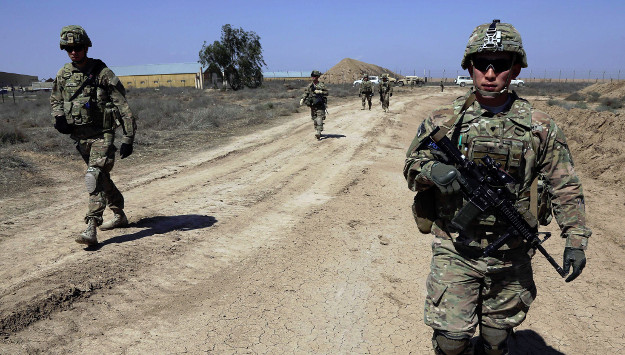
Recent reports that the Trump administration is in talks with Baghdad about keeping American troops in Iraq after the defeat of the Islamic State have triggered concern in Tehran. The Iranian media also have raised the alarm that the U.S. increasing military presence in Iraq and Syria is aimed at countering the influence of Iran and its regional allies in the Middle East.
Iran-Backed Iraqi Popular Mobilization Forces Make Gains in Western Mosul
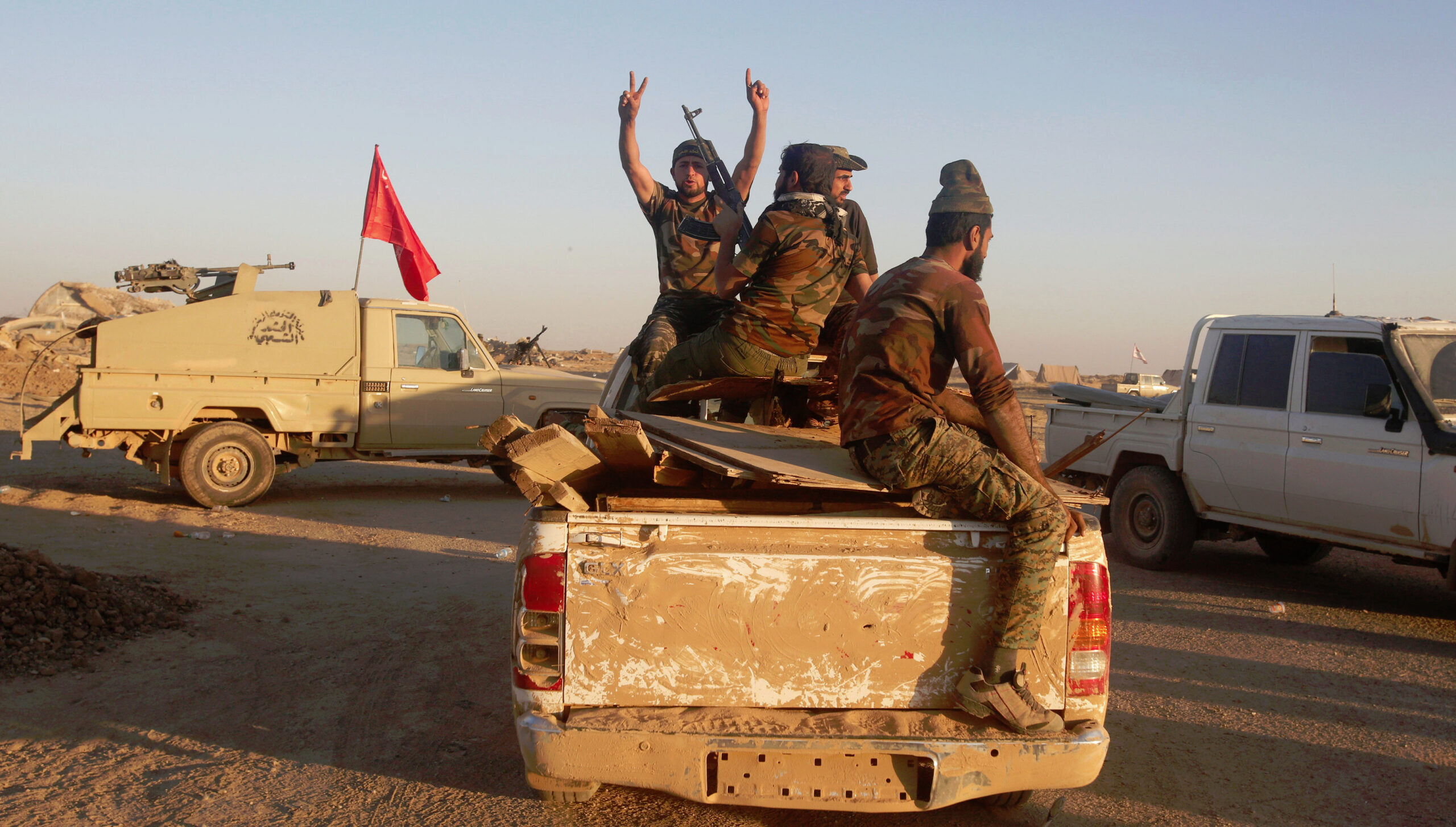
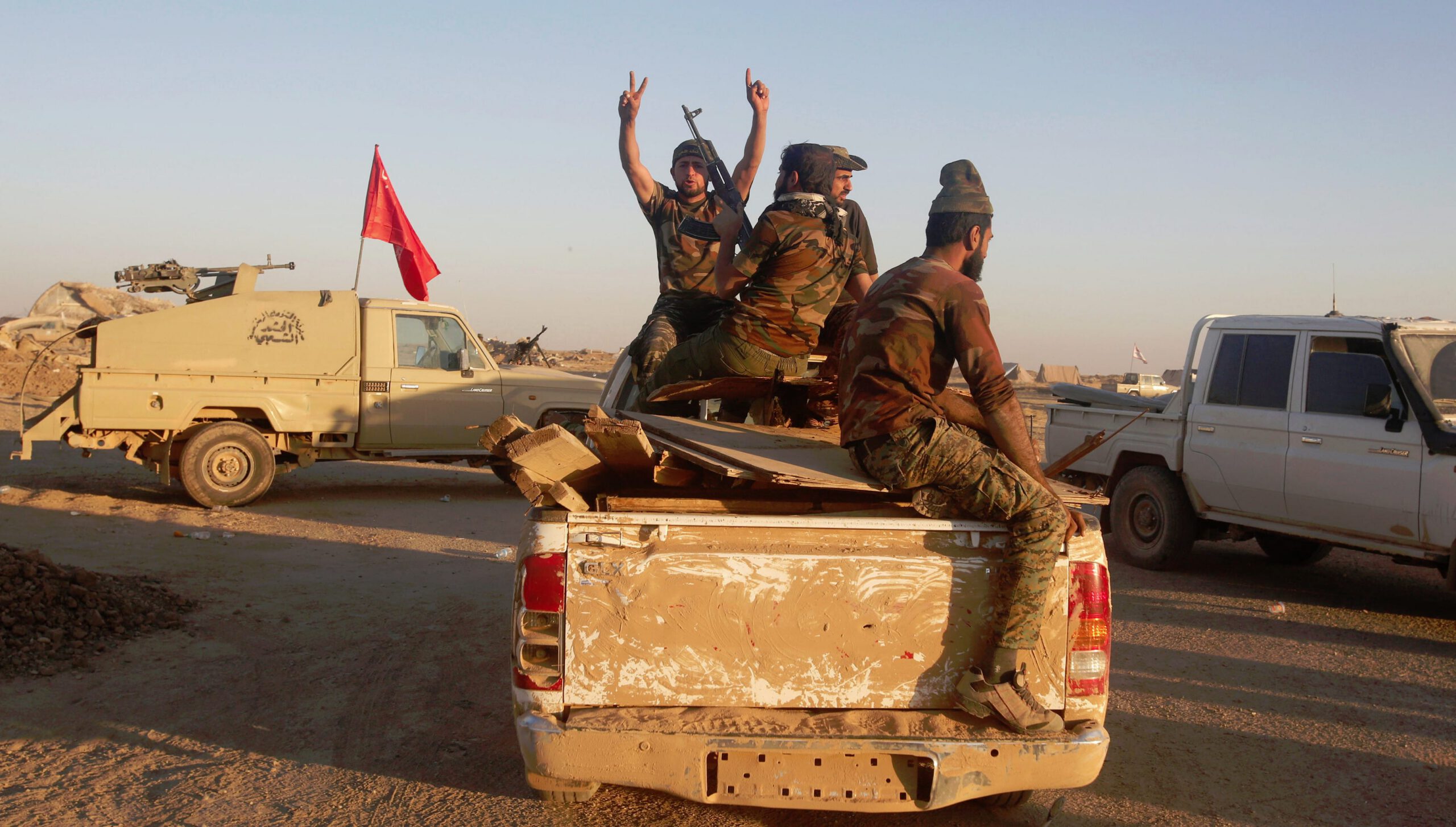
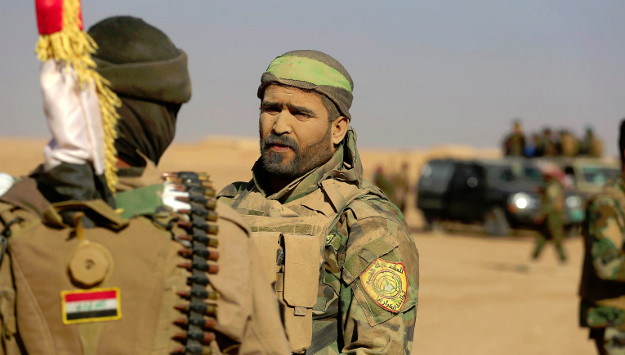
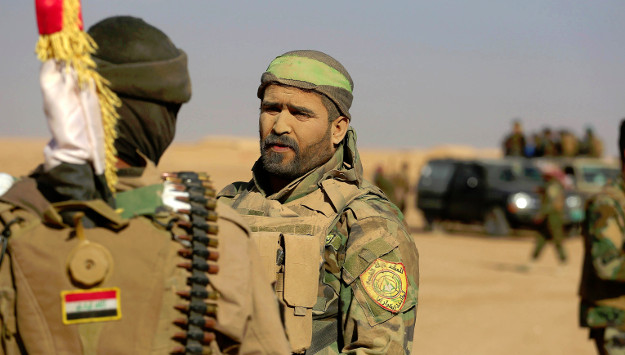
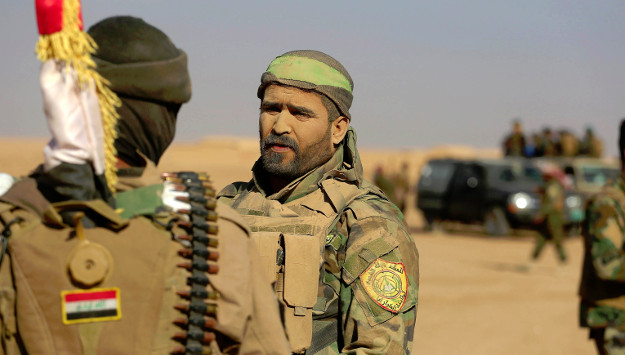
The Iraqi Hashd al-Shaabi – the paramilitary Popular Mobilization Forces (P.M.F.) – earlier today announced the launch of the second phase of the “Muhammad Rasulullah” operation in western Mosul of Iraq’s Nineveh Province.
Iran-Supported Militia Groups Eye Politics after Islamic State
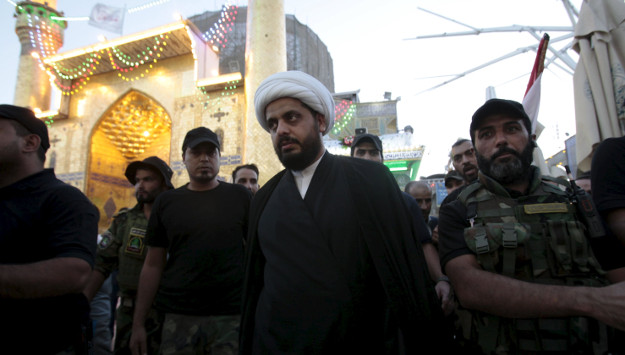
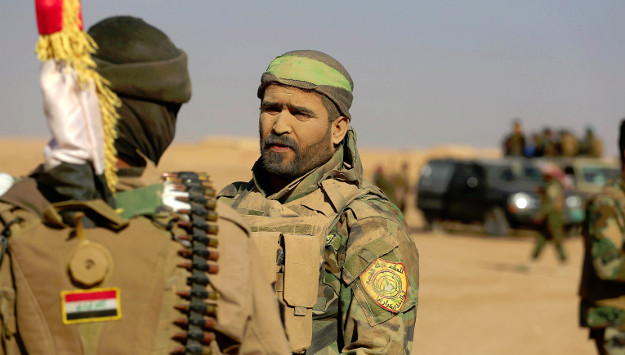
Muhammad al-Hattab, a commander of the Iraqi Popular Mobilization Forces (P.M.F.), has hinted that the paramilitary forces may enter politics and participate in elections after the Islamic State is defeated.
Iran-Controlled Militant Group Says Regional Alliance Will Create “Shiite Full Moon”
The leader of a prominent Iran-supported Shiite militia group has said that his organization aims to establish a “Shiite full moon” not a “Shiite crescent.” In a
Iran-Backed Iraqi Militia Commander Says His Forces Barred from Tal Afar Operation under Pressure from U.S. and Turkey
A prominent Iranian-backed Iraqi Shiite militia leader has confirmed that the Hashd al-Shaabi – the paramilitary Iraqi forces known as the Popular Mobilization Forces – will not take part in the military operation to recapture the strategic city of Tal Afar from the Islamic State.
Iraqi Vice President Reveals Iran’s Influence in Iraq through Proxies
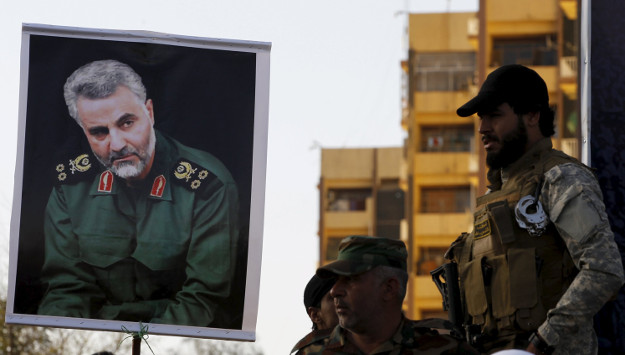
Iraqi Vice President Ayad Allawi has revealed that a leader of the Iraqi Popular Mobilization Forces (P.M.F.) has traveled to Iran to discuss the issue of internally displaced people of the strategic town of Jurf Al Sakhar near Baghdad.
Quds Force and Iraqi Allies Allegedly Setting up New Offices in Mosul
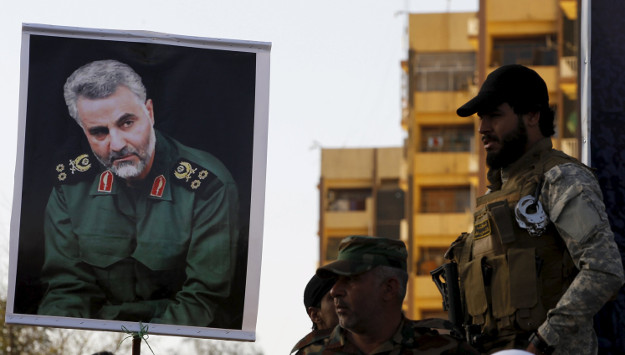
The Islamic Revolution Guards Corps (I.R.G.C.) has been setting up new offices in Mosul, the capital of Iraq’s Nineveh Province, according to a report in
Iran-Backed Iraqi Militia Forces Retake Ancient City of al-Hadar in Western Mosul
The Iraqi Popular Mobilization Forces (P.M.F.) today liberated the historic city of al-Hadar in western Mosul from the Islamic State, the Iranian media reports. Iraqi security forces cooperated with the P.M.F. in al-Hadar offensive.
Tehran’s New Envoy Calls for Expanding Ties with Baghdad in Meeting with Abadi
Brigadier General Iraj Masjedi, the new Iranian ambassador to Baghdad, met with Iraqi Prime Haider al-Abadi on Monday to discuss ways to further boost bilateral ties between the two countries, the
Iran-Backed Iraqi Mobilization Forces Urge Baghdad to Expel Turkish Ambassador
The Iraqi Popular Mobilization Forces (P.M.F.) – an alliance of largely Shiite militia groups dominated by Iran – has called on the Baghdad government to expel the Turkish ambassador from Iraq, Fars News Agency reported. The call came after President Recep Tayyip Erdogan called the P.M.F.
Iran-Supported Iraqi Militia Leaders Ramps up Anti-American Propaganda
A prominent Iran-backed Iraqi militia commander has accused the United States of providing weapons and food to Islamic State fighters trapped in western Mosul, according to Fars News Agency, an Iranian outlet affiliated with the Islamic Revolution Guards Corps (I.R.G.C.).
Iran-Controlled Militia Groups Playing Key Role in Operations in Mosul, Kirkuk
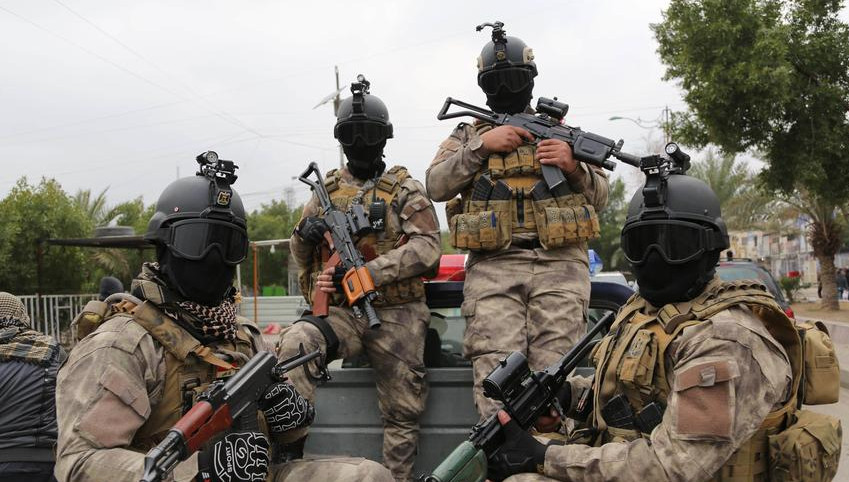
The spokesman of Iraq’s Popular Mobilization Forces (P.M.F.) reiterated today that its forces will play a leading role in military operations in the Iraqi provinces of Nineveh and Kirkuk – particularly in the strategic city of Tal Afar in western Mosul. “The Popular Mobilization Forces have a commanding and extensive presence and participation in operational zones in Nineveh Province,” P.M.F.