After the US-Israel-Iran war — and the strikes that followed the cease-fire — the Gulf states find themselves dangerously exposed. Host Alistair Taylor is joined by MEI Associate Fellow Gregory Gause to discuss the war’s impact on the Gulf, their partnership with the United States, and whether the turmoil of recent months will push Gulf leaders to reassess their alliances and international engagement.
With the US and Iran on a knife-edge, can Oman once again step in to mediate?
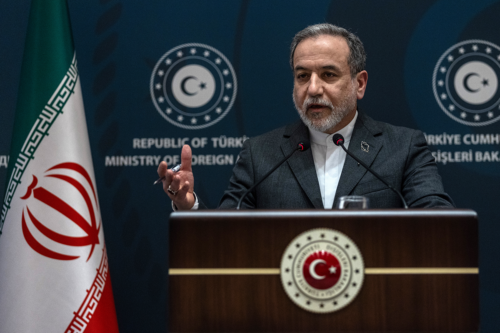
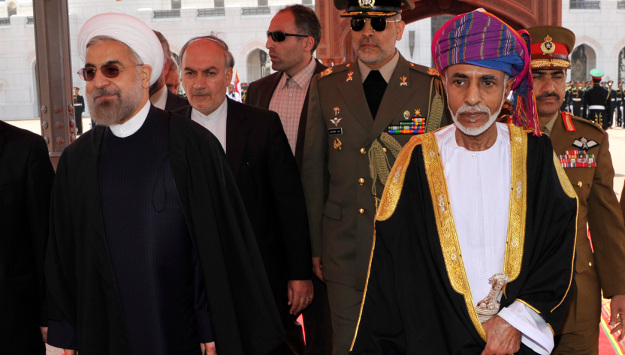
The decision by Washington and Tehran to shift their long-anticipated meeting, set for February 6, from Istanbul to Muscat is not merely a logistical detail. It is the latest reminder that when US-Iran diplomacy is on the verge of breaking down completely, Oman is the regional player the Iranian regime trusts the most to step in and mediate.
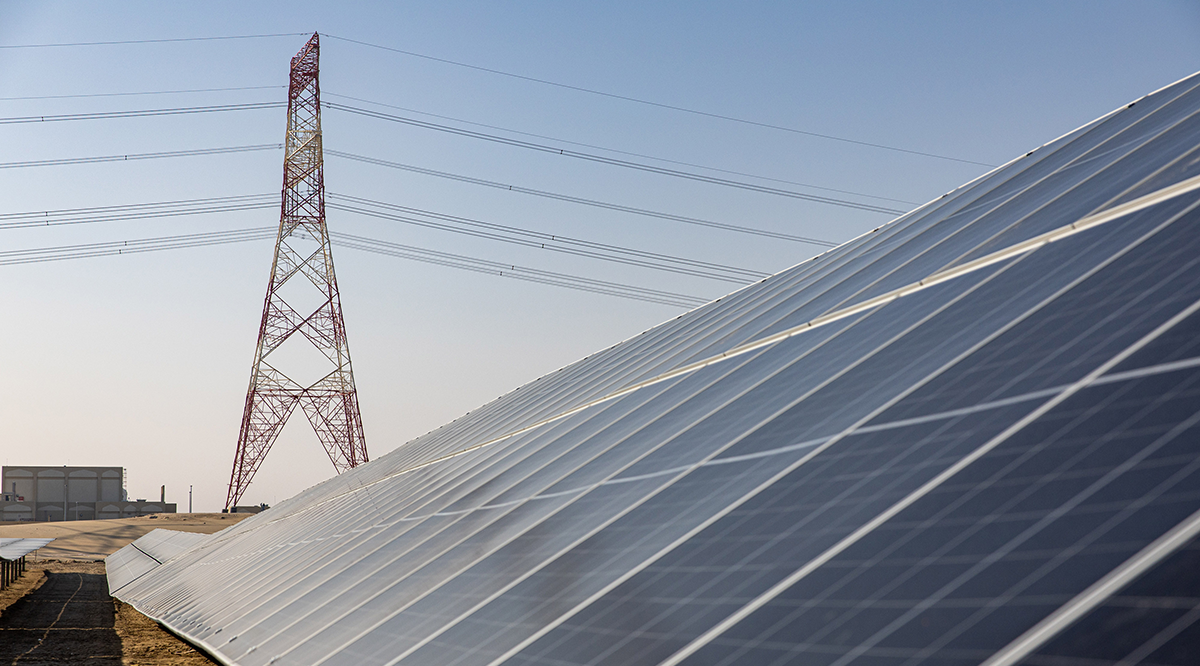
يوجد حالياً تباين بين الأهداف الاستراتيجية والظروف المواتية للطاقة الشمسية في الخليج ومستوى النشر الفعلي. على الرغم من الإمكانات الكبيرة للمنطقة كرائدة عالمية محتملة في مجال الطاقة الشمسية، بما في ذلك أحد أعلى مستويات الإشعاع الشمسي في العالم وظروف تشغيل داعمة قوية، لم تمثل الطاقة المتجددة سوى 2٪ من طاقة التوليد في عام 2022.
Saudi-Iran Tensions Place Pressure on Smaller GCC States
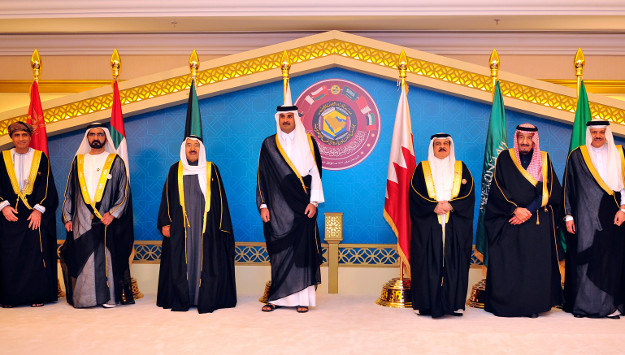
The recent escalation in tension between Saudi Arabia and Iran is throwing the GCC into a crisis of unity. Riyadh’s actions in particular are built on the frustration of the Yemen war and the perception of Iranian encroachment in Arab lands that the Saudi kingdom believes is its domain. King Salman and his son, Deputy Crown Prince Mohammad bin Salman, feel the kingdom is being ignored by the international community in other hot zones, namely Syria, where the outcome of the war is being determined by Washington and Moscow.
Immunizing Against Sectarian “Sickness”: The Case of Oman
The political culture in Oman seems to foster a pluralist intermeshing of national and sub-national identities that other diverse Arab states like Syria and Iraq were at pains to eliminate. This essay examines the Omani case to explore whether there are any lessons to be learned about sectarianism and how it can be confronted in the wider Middle East.
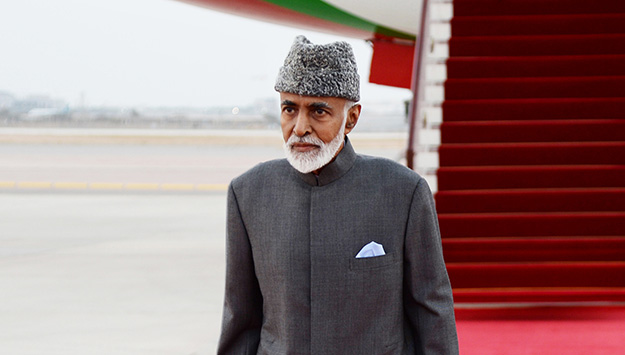
Oman’s government has declined to participate in the current Saudi-led military effort in Yemen. Instead, the country’s ruler, Sultan Qaboos, has called for “non-interference.” This position is an argument for internal political compromise that will eliminate the perceived need for Arab military intervention. To that end, Oman is offering a venue for talks with the hope of moving the political discussion forward.
Since the 1970s oil boom, the Gulf region has been one of the principal destinations for workers from South Asia, with the result that today Indians constitute a large percentage of the non-nationals living in the region. Indeed, at five million out of an estimated 15 million people, the Indian community forms the largest expatriate group in each of the Gulf countries. Most Indian immigrants are from the south Indian state of Kerala, while many of the rest originate from Tamil Nadu, Punjab, Uttar Pradesh, and Bihar.
When the young Shaykh Tamim bin Hamad al-Thani became ruler of Qatar last month after his father stepped aside in a seamless transition, one of his first official acts was to seal the generational shift by appointing a new prime minister.
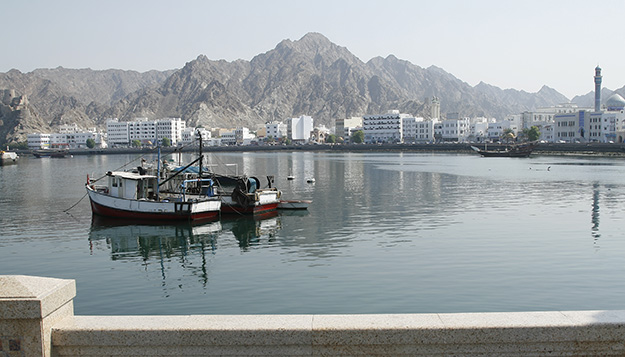
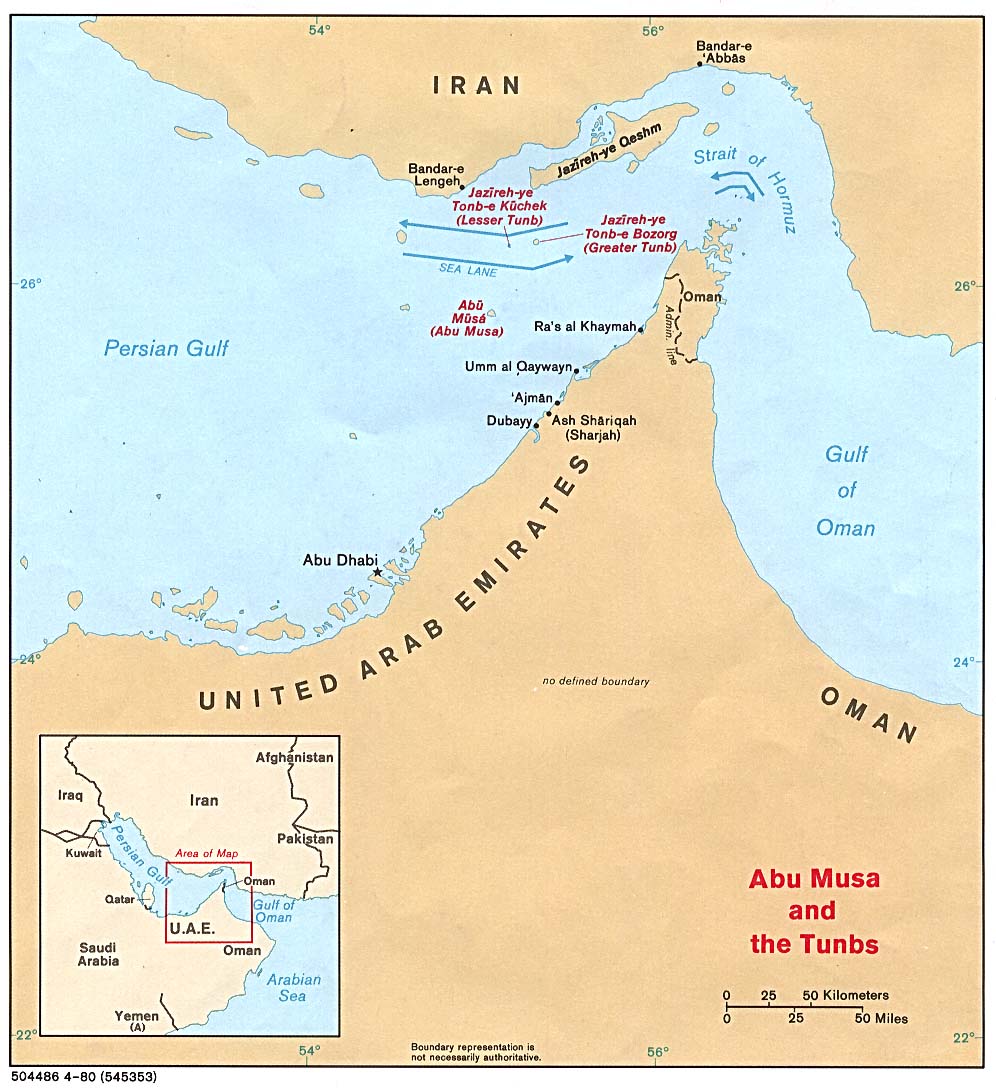
Oman is strategically positioned across the Gulf of Oman from Iran, north of Yemen, and east of Saudi Arabia. It has arguably been able to secure its rapid economic growth—spurred by oil riches—by maintaining neutral, if not friendly, relations with these neighbors, including Iran. Yet while Oman has successfully kept itself neutral, it still inhabits a precarious location. It shares with Iran the Strait of Hormuz, a waterway that Iran has threatened to close due to its charged relations with the GCC countries and the United States, who rely on the Strait to transport oil to world markets.
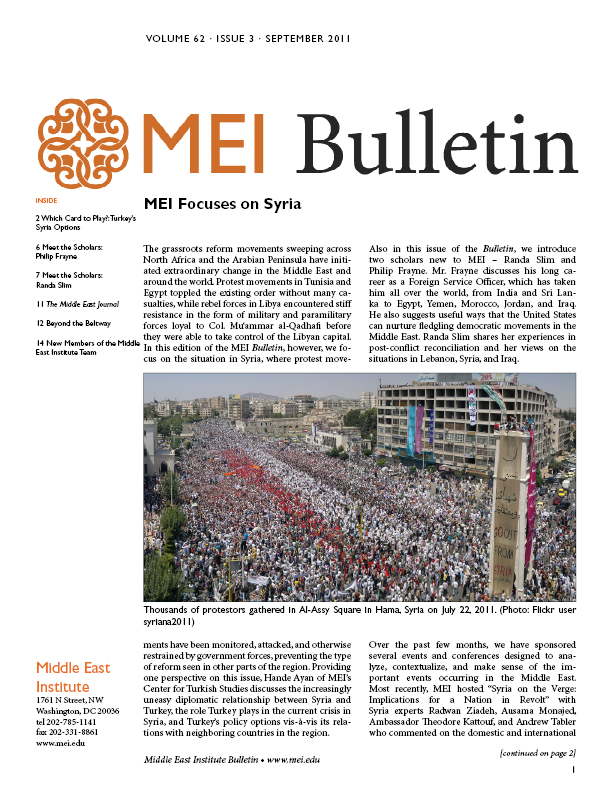
Amidst ongoing violence against protestors in Syria, Hande Ayan of the Center for Turkish Studies discusses the uneasy diplomatic relationship between Turkey and Syria and Turkey’s role in the political situation there. The September 2011 Bulletin also introduces MEI scholars Philip Frayne, who speaks on his Foreign Service career and offers his insights on how the US can support democratic transitions in the Middle East, and Randa Slim, who is interviewed on her experience in post-conflict reconciliation.