This article is part of a collection of short essays written by the Fellows of the Middle East Institute to explore aspects of the ongoing war with Iran. The intent of the collection is to help readers see new and unexpected elements of the dynamics and impact of the ongoing hostilities and to think harder, deeper, and broader about the implications of the conflict.
Turkey: Ankara’s Nuclear Ambitions in the Post-Iran War Environment
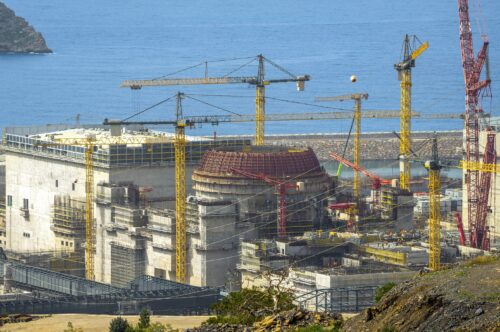
In February 2026, Turkish Foreign Minister Hakan Fidan suggested that shifting international dynamics could push Turkey to acquire nuclear weapons. That rhetoric, combined with Turkey’s civilian nuclear energy and research programs and its indigenous surface-to-surface missile development projects, has fueled concerns that these capabilities could eventually form the backbone of a Turkish nuclear weapons program.
When the US and Israel launched military action against Iran on February 28, 2026, it set in motion a chain of events that saw violence spread across the Middle East. Yet as the region found itself engulfed in conflict, Syria has experienced its most peaceful months in 15 years, and the government in Damascus appears determined to stay its course toward recovery.
Iran’s Unconventional Alliance Network in the Middle East and Beyond
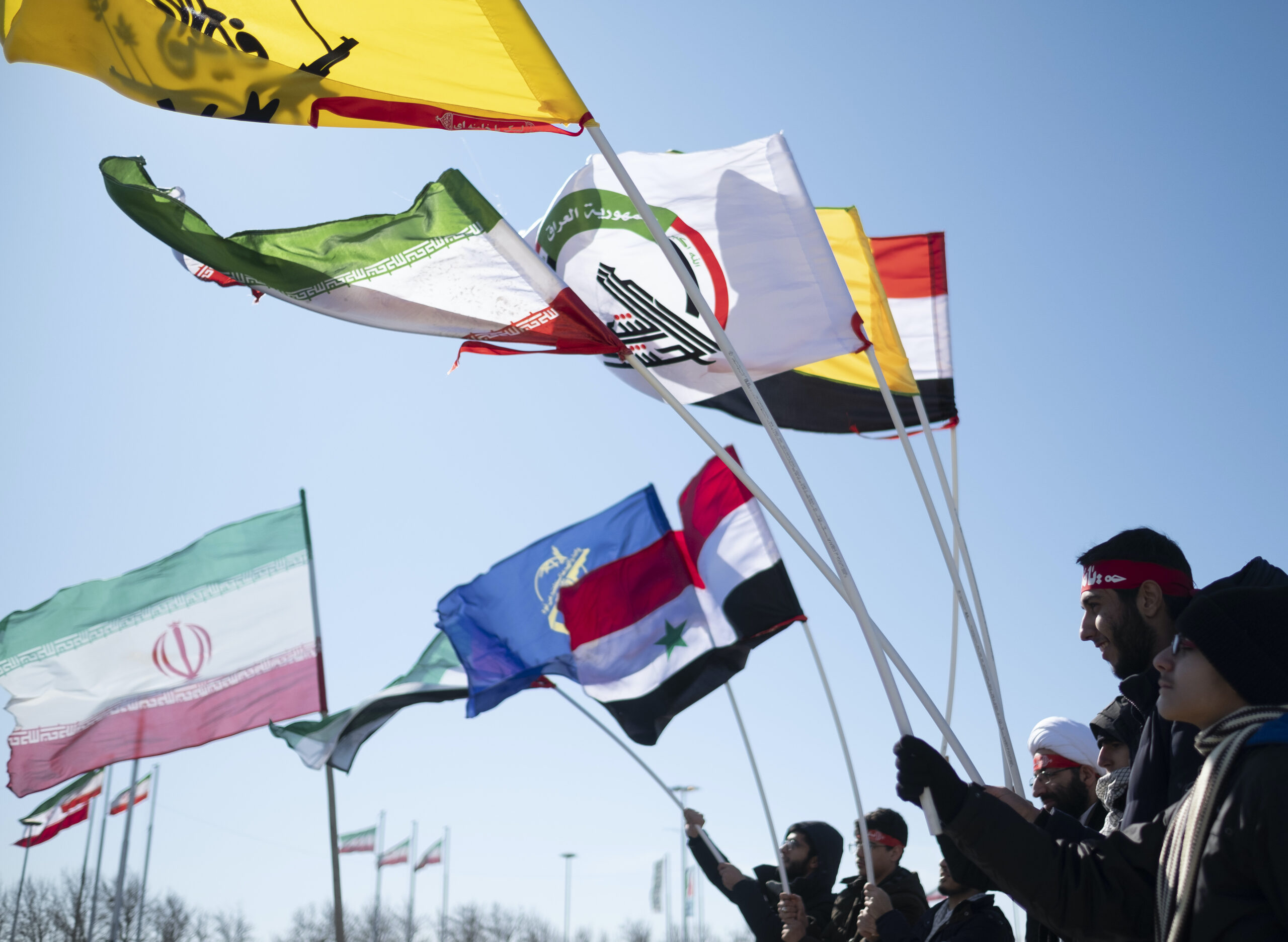
The Islamic Republic’s unconventional alliance network reaches far and wide, and its workings have only intensified since the killing of Gen. Qassem Soleimani in early January 2020. The systematic effort to consolidate these alliances, indicated by the swift appointment of Gen. Esmail Qaani and his new deputy Gen. Mohammad Hosseinzadeh Hejazi to lead the Quds Force, is about much more than just retaliation and revenge against the United States. It is also, and perhaps more importantly, a calibrated response to the Trump administration’s reckless and escalatory changes to the established “rules of engagement” between Washington and Tehran.
Blurring the lines: The case of the Nakhsa Warriors
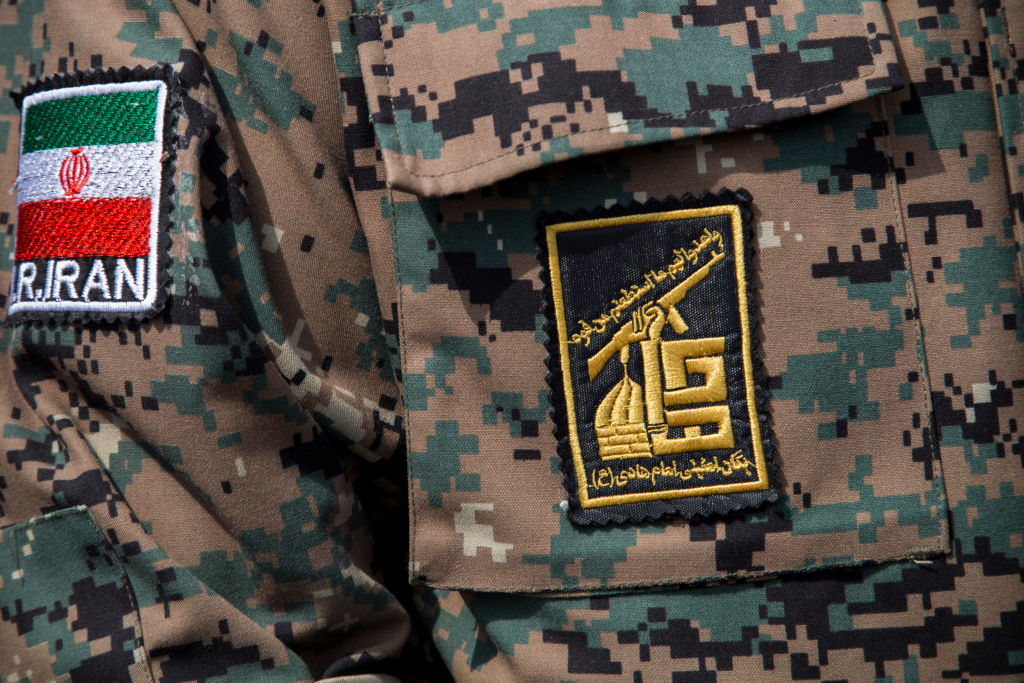
Blurring the lines between the physical world and the online one, the Iranian group known as the “Nakhsa Warriors” remains cloaked in mystery. Their identity and status are unclear. Are they a military force that carries out operations, an online group of like-minded individuals that share content, part of an Iranian disinformation campaign — or perhaps something else altogether?
Gonul Tol and Alex Vatanka join host Alistair Taylor to discuss how the coronavirus pandemic is affecting Iran, one of the first countries hit by the outbreak, and Turkey, where it arrived later but has since spread rapidly.
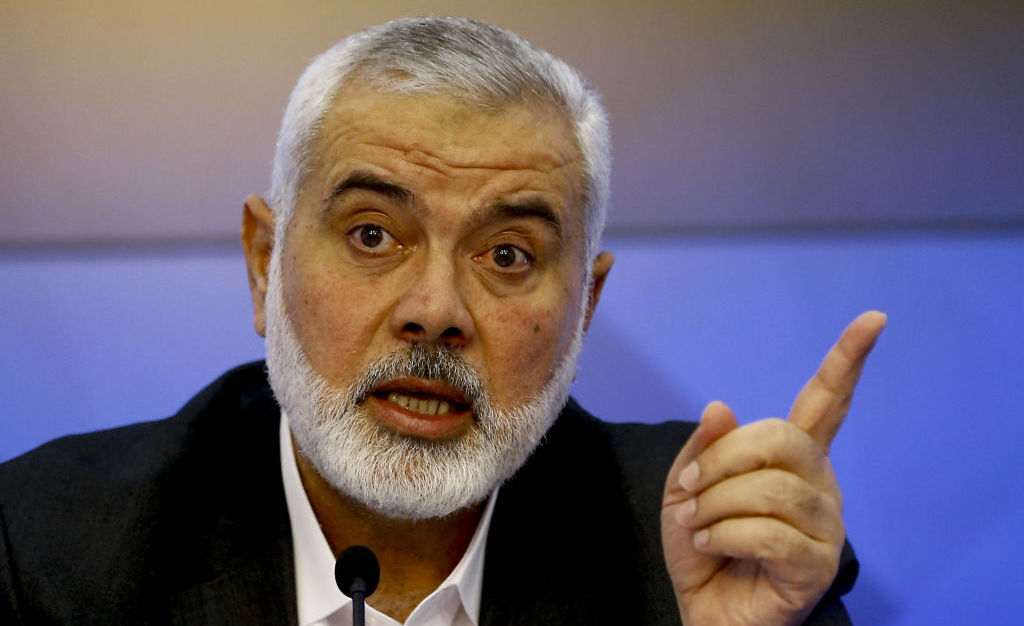
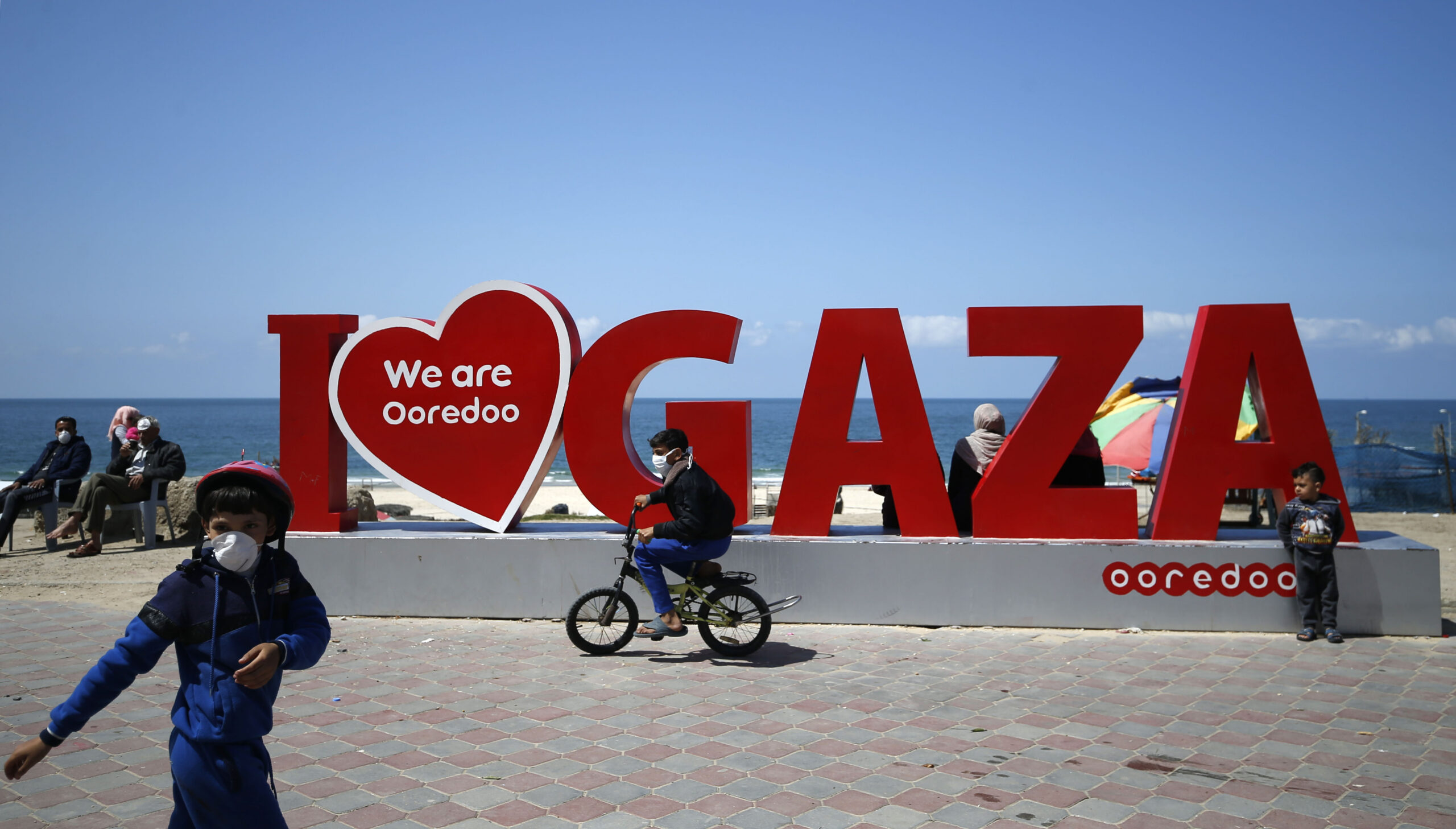
While much of the focus on Russia’s foreign policy toward the MENA region is on Syria and Libya, the dire situation in Gaza is another area where Moscow seeks to play a growing role. From Putin’s perspective, Moscow must involve itself in the Palestinian cause in order to further facilitate Russia’s “return” to the region. In practice, this has entailed Moscow and Hamas improving their relations, underscored by numerous visits and communications between high-ranking Russian government officials and Hamas representatives in recent years.
Whither the MFO? The US presence in Sinai has seen its best days
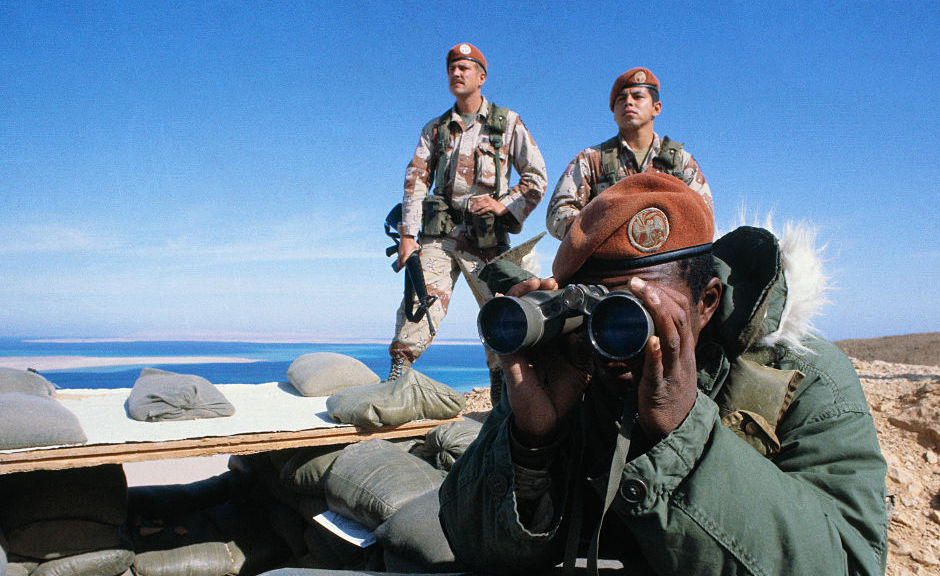
The Sinai-based Multinational Force & Observers (MFO) will soon celebrate its 41st anniversary. Like most of what the MFO does, recognition will be low key and understated. The MFO has always operated under the radar, but this may soon be changing.
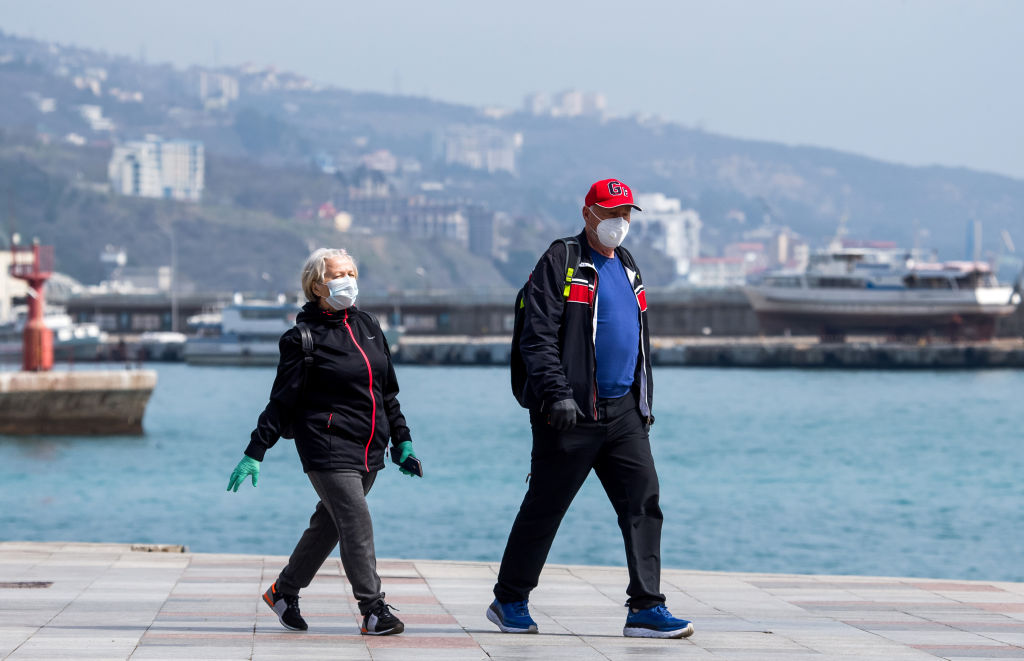
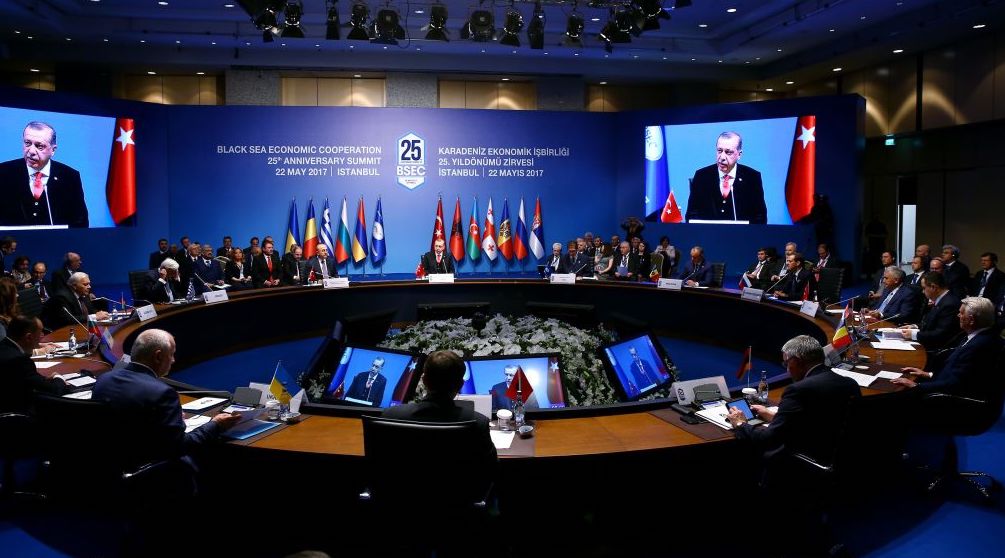
As with the rest of the world, COVID-19 is likely to wreak havoc across the Black Sea region in a very short period of time. With the outbreak projected to peak in April or May – and with some predicting the pandemic will last two years and infect 60 to 70 percent of the global population – it is difficult to fathom the potential consequences for this region.
How the coronavirus exposed Israeli occupation's green line
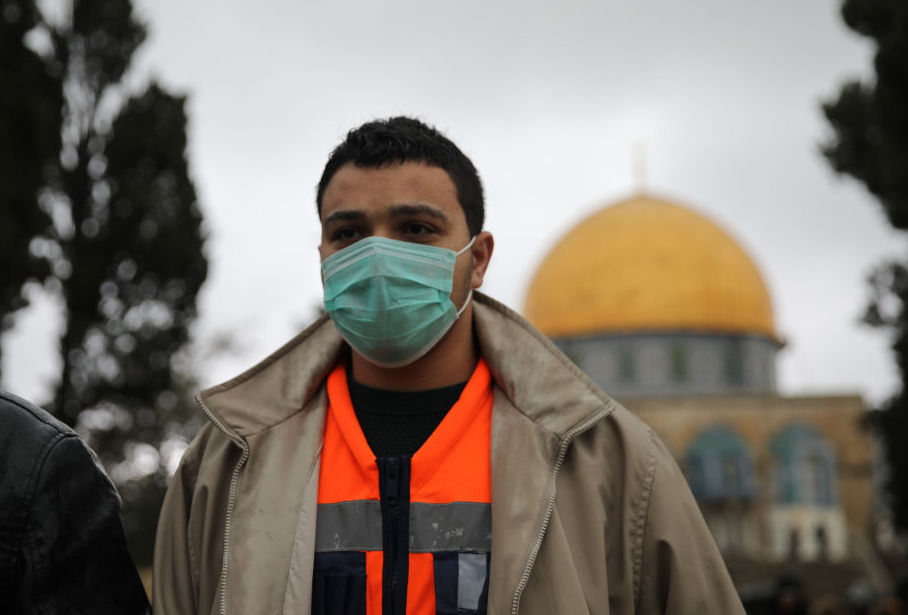
Less than a year after the U.S. State Department removed the term “occupation” from its 2019 human rights report, and just a few weeks after it stopped referring to the residents of East Jerusalem as Palestinians, the coronavirus has exposed the reality of Israel’s occupation of the Palestinian territories like never before.
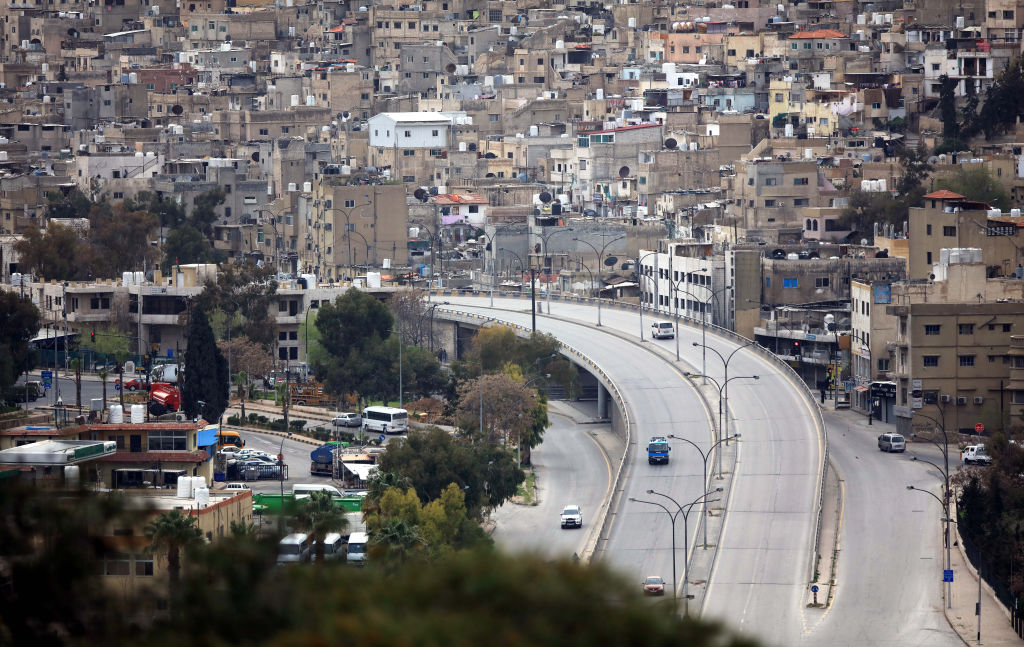
Since the establishment of the Hashemite Kingdom of Jordan a hundred years ago, many have argued at one point or another that the country is on the brink of political or economic instability. It seems increasingly true these days, however. The unexpected shock of the COVID-19 pandemic adds even more pressure to the already floundering economy.
MEI’s Paul Salem, Khaled Elgindy, and Fatima Abo Alasrar join host Alistair Taylor to discuss the coronavirus pandemic’s impact on the Middle East as nations scramble to contain the spread of COVID-19 and the massive humanitarian and economic toll it could take on already vulnerable populations.
The fight for Syria’s skies: Turkey challenges Russia with new drone doctrine
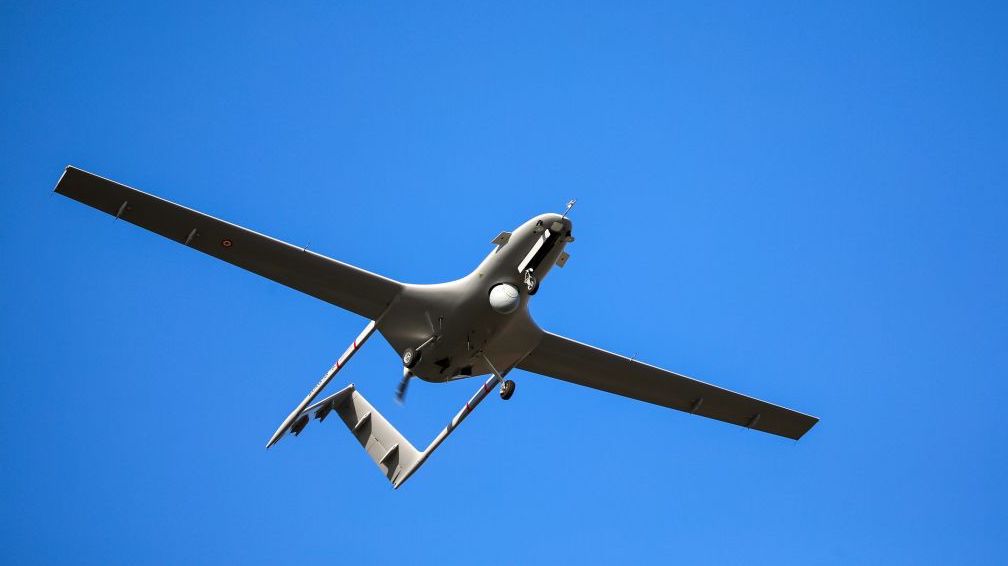
In retaliation for an airstrike that killed 33 Turkish soldiers at the end of February, Ankara launched “Operation Spring Shield” (OSS) against the Syrian regime and the pro-Iranian militias supporting it. Despite being unable to rely on its fleet of F-16s due to Russia’s control of the Syrian airspace over Idlib, Turkey managed to successfully wipe out a large portion of Assad’s army in the area within just a couple of days by making innovative use of drones.
Europe has a vested interest in a safe, secure, and prosperous Black Sea
The European Union’s interest in the Black Sea is based mainly on the fact that two of its members, Romania and Bulgaria, are littoral states. However, the organization is also closely linked with other non-EU Black Sea states, be it economically or politically. Ukraine and Georgia aspire to be EU members while Russia and Turkey both have their own unique and difficult relationships with the EU.
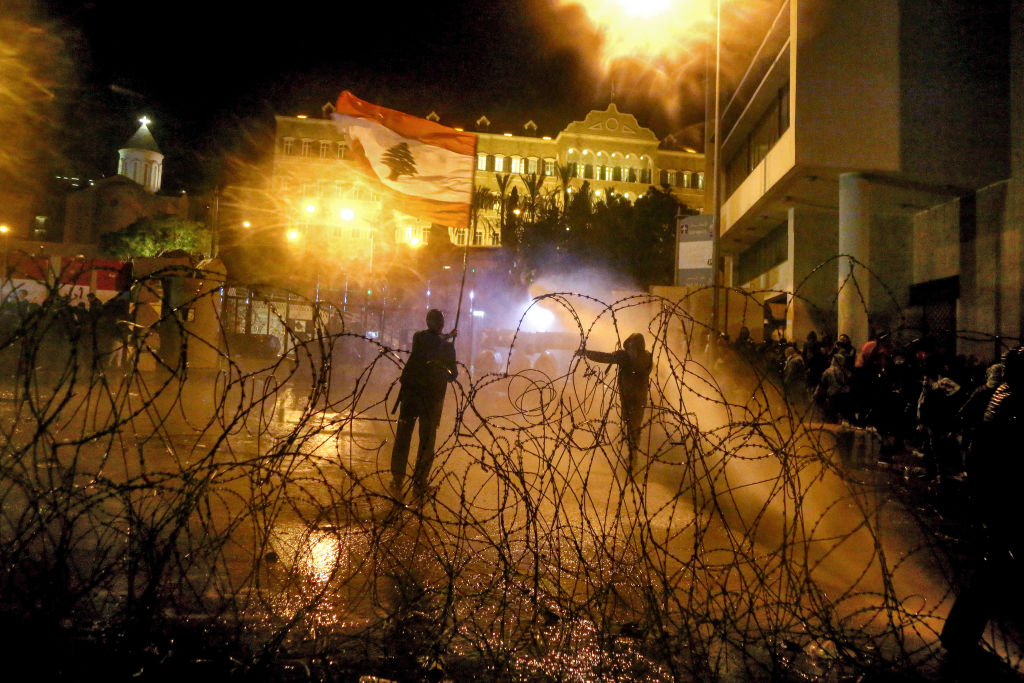
The best of a bad situation? Considering next steps for Lebanese leaders
The Lebanese are in trouble. Lebanese leaders have borrowed and spent money for decades without addressing fundamental flaws in their state, economy, and society — operating in an order that, while not the cause of every problem under the sun, aggravates their poor politics, policy, planning, and governance.
The oldest peer-reviewed publication dedicated to the study of the modern Middle East, MEI’s flagship journal covers politics, society, and culture in the region.