This article is part of a collection of short essays written by the Fellows of the Middle East Institute to explore aspects of the ongoing war with Iran. The intent of the collection is to help readers see new and unexpected elements of the dynamics and impact of the ongoing hostilities and to think harder, deeper, and broader about the implications of the conflict.
Turkey: Ankara’s Nuclear Ambitions in the Post-Iran War Environment
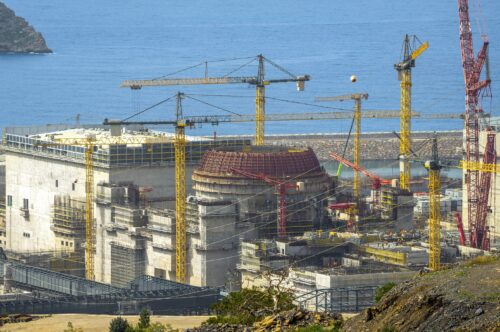
In February 2026, Turkish Foreign Minister Hakan Fidan suggested that shifting international dynamics could push Turkey to acquire nuclear weapons. That rhetoric, combined with Turkey’s civilian nuclear energy and research programs and its indigenous surface-to-surface missile development projects, has fueled concerns that these capabilities could eventually form the backbone of a Turkish nuclear weapons program.
When the US and Israel launched military action against Iran on February 28, 2026, it set in motion a chain of events that saw violence spread across the Middle East. Yet as the region found itself engulfed in conflict, Syria has experienced its most peaceful months in 15 years, and the government in Damascus appears determined to stay its course toward recovery.
Black Sea conflicts: Militarization and peacebuilding
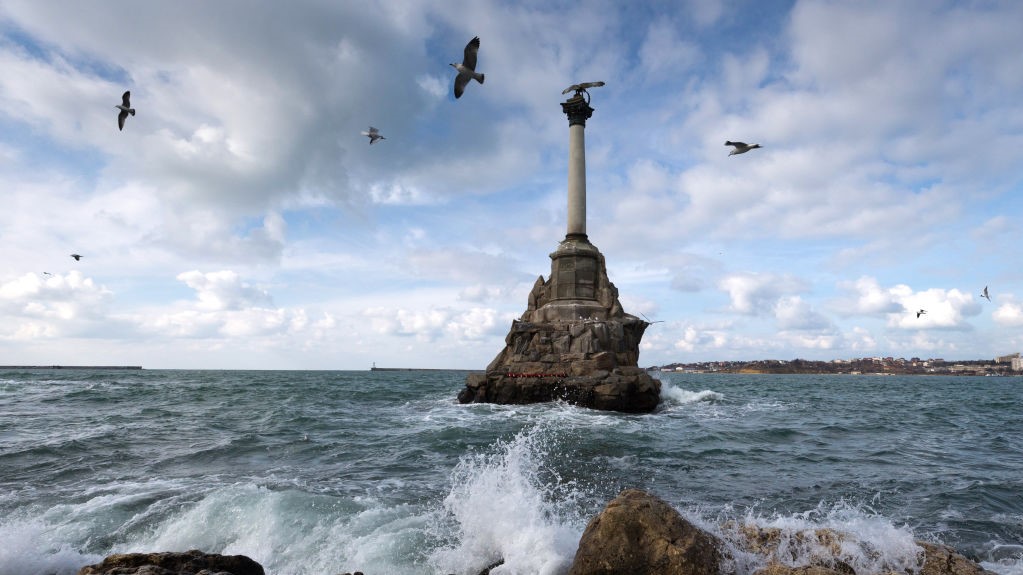
The sheer density of protracted conflicts in the Black Sea region makes it particularly exposed to the geopolitical ambitions of regional and global powers. The rapid militarization in Russia-controlled territories in recent years has only added fuel to the fire, dramatically increasing security concerns and underscoring the need for the West and its allies in the region to address the so-called frozen conflicts.
All eyes on Moscow as Erdogan and Putin meet for Syria talks
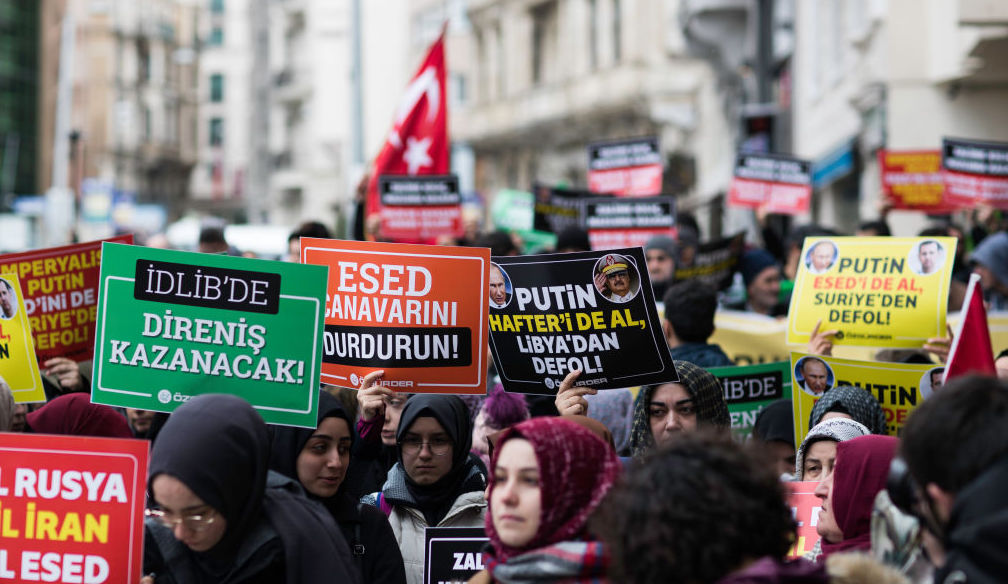
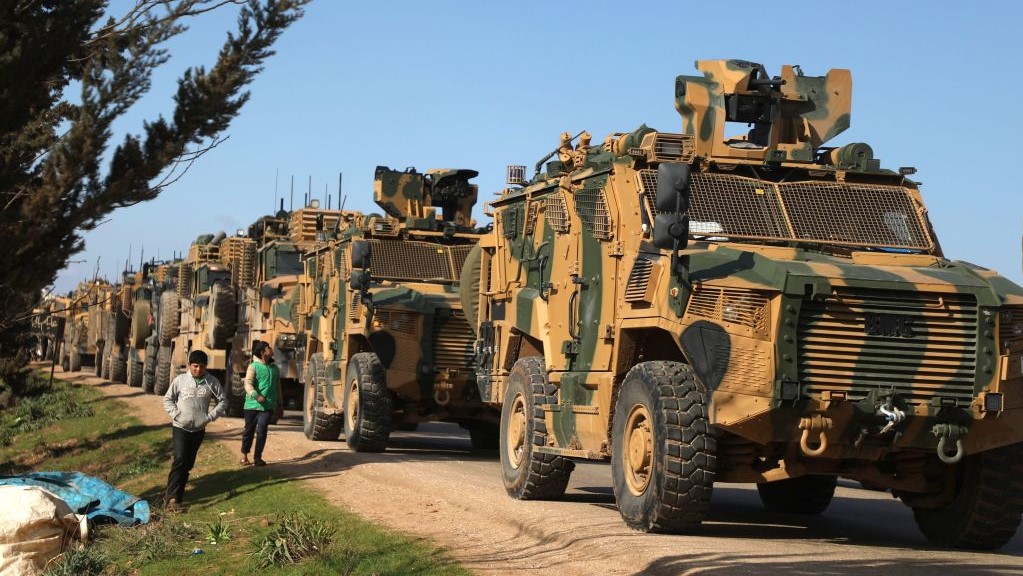
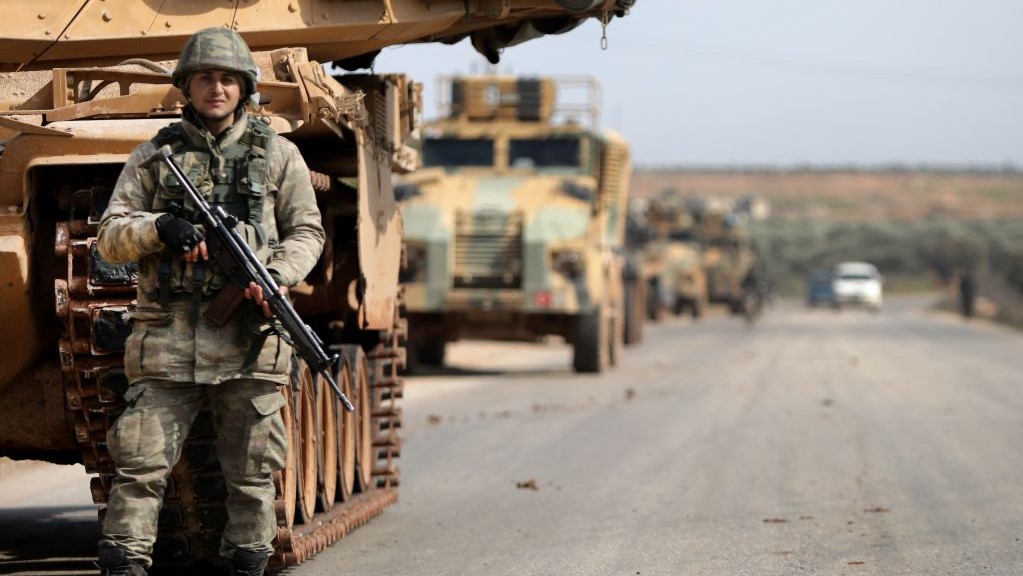
Turkish President Recep Tayyip Erdogan typically never misses an opportunity to appear in front of the cameras. But after the airstrike last week that killed dozens of Turkish soldiers in Syria’s Idlib Province, he was unusually quiet. The local governor of the south-eastern Turkish province of Hatay, just across the border from Idlib, did the talking instead, providing information to the outraged public about Turkey’s worst day in the Syrian conflict so far. As the death toll rose, so did the public anger.
Lebanon crisis: How the US can bypass Hezbollah and help the people
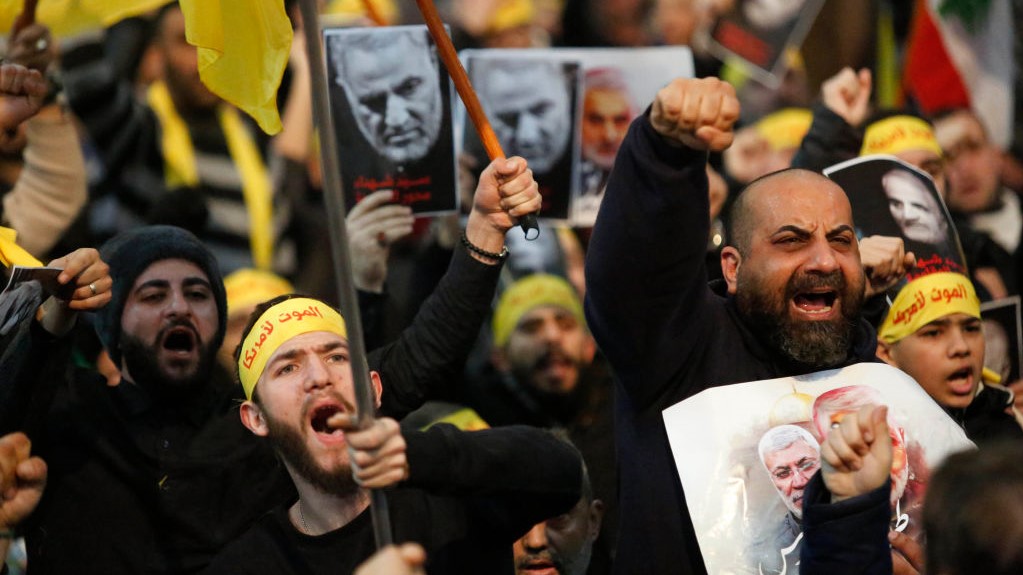
As Lebanon nears a breaking point due to its acute financial crisis, the Trump administration faces a policy dilemma: should it financially support a corrupt ruling faction that is allied with Hezbollah – Iran’s friend and Washington’s nemesis – or should it hold off on aid and watch the country fall apart?
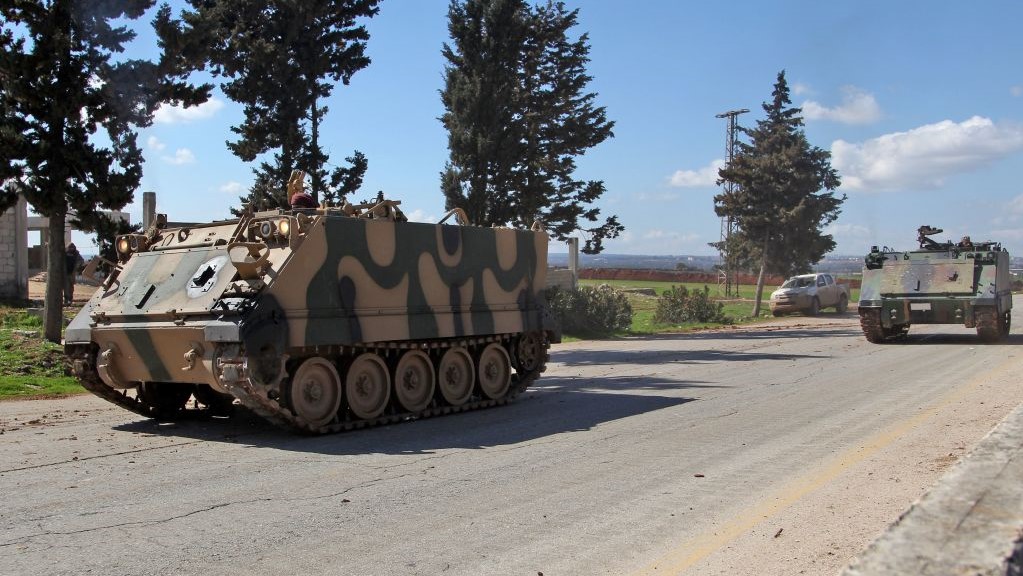
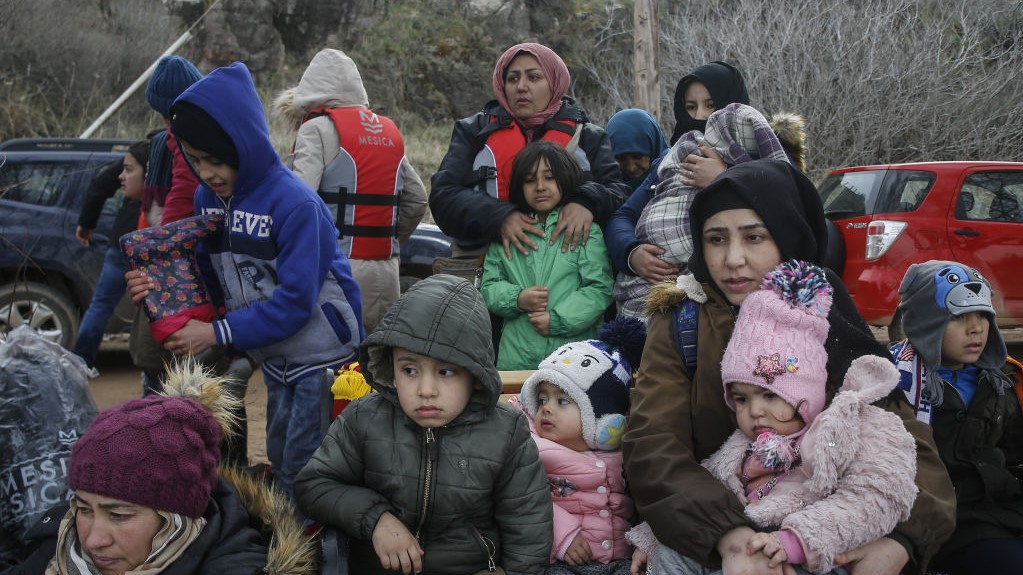
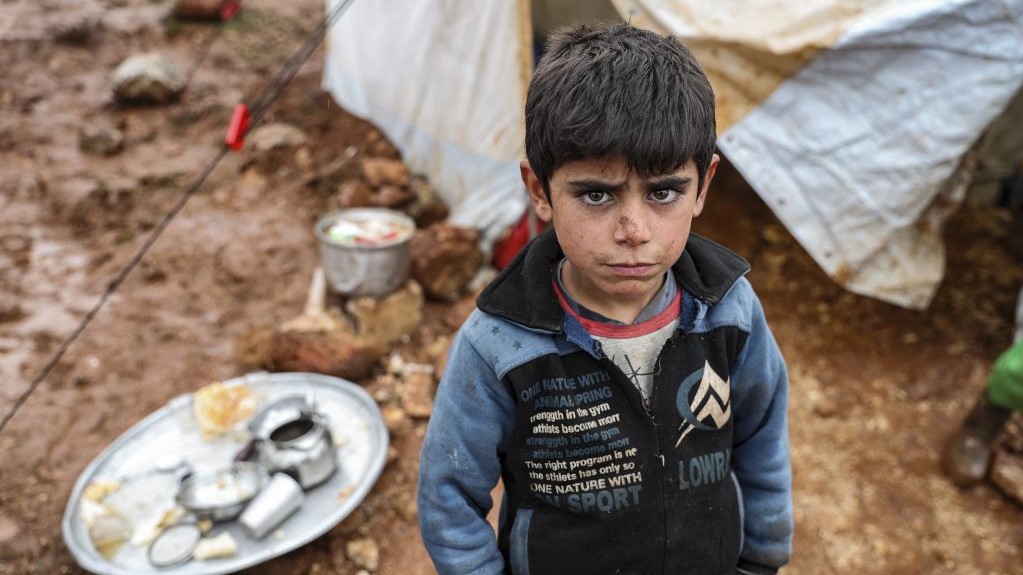
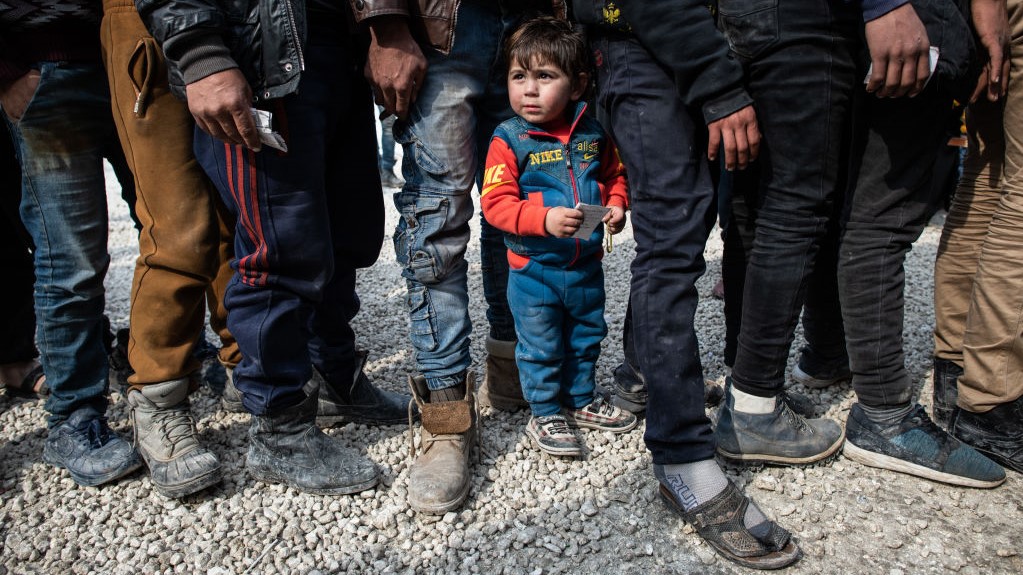
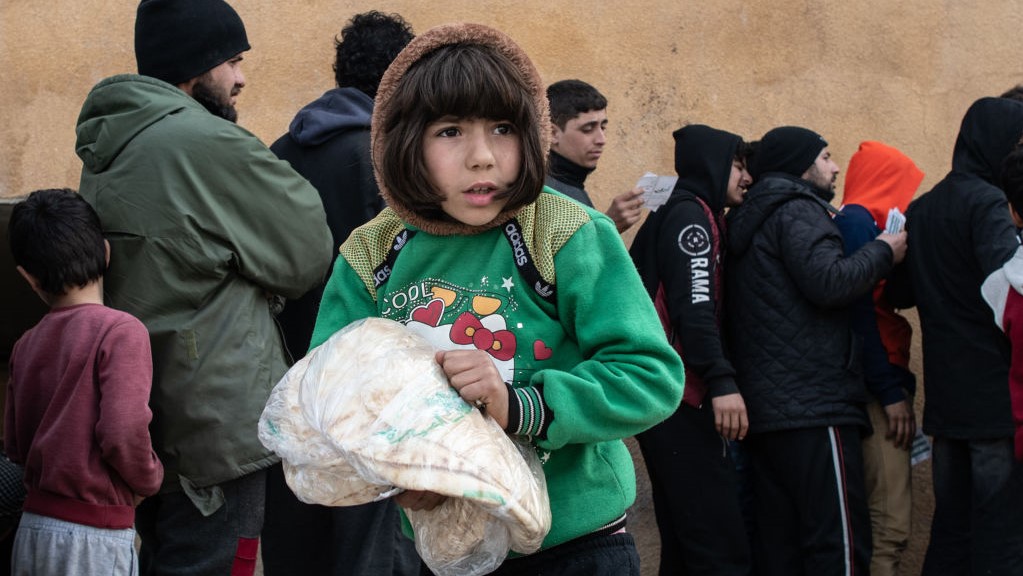
An airstrike last Thursday, which killed 33 Turkish soldiers and wounded 60 more, was a game-changing development in the Syrian conflict. In the days since, Turkey has unleashed a major military response, carrying out scores of drone attacks on Syrian Army units and facilities. All of this is taking place against the backdrop of a massive and growing humanitarian crisis, with nearly a million people fleeing toward the Turkish border. Charles Lister and Sasha Ghost-Siminoff join host Alistair Taylor to discuss how events are unfolding.
As its air campaign in Idlib continues, Turkey looks unlikely to stand down
The scale of Turkey’s intervention will have shaken Moscow and the losses incurred by pro-regime forces are serious and will further strain a Syrian Army that was already overstretched.
And now what? A realistic approach to the Israeli-Palestinian impasse
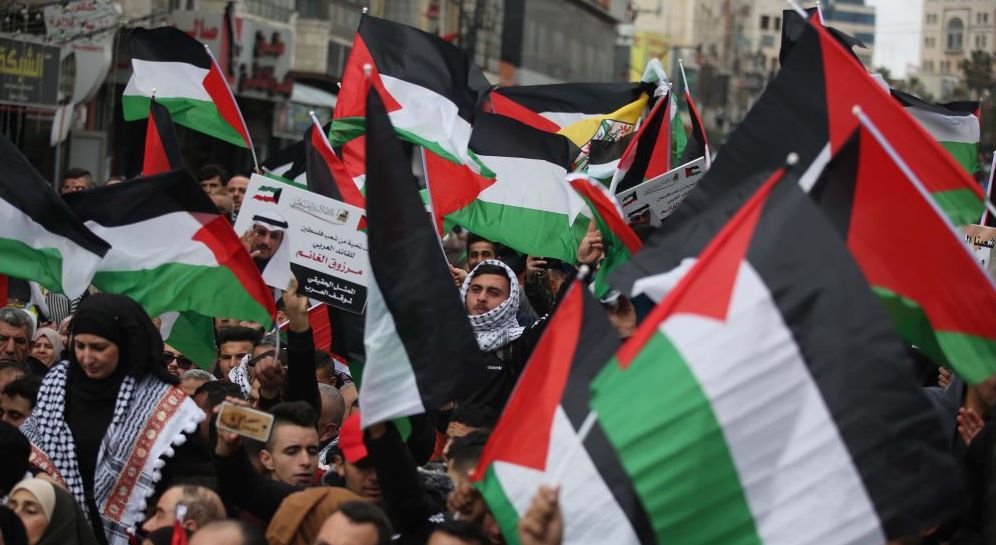
The announcement of Donald Trump’s “deal of the century” was a rude shock, roundly condemned by almost everyone concerned with peace and justice between Israelis and Palestinians. But it also presents an urgent challenge for all those who reject it because they realize the dire implications of what it portends for the future of any peaceful negotiated solution. If a genuine two-state solution is truly dead, and an equitable one-state solution is even harder to achieve, then where does that leave us? What is, or should be, the agenda for the foreseeable future for those concerned with the Israeli-Palestinian issue.
Turkey is running out of options in Idlib Province and in Syria. Aggressively taking on a task that is beyond its capabilities, the government in Ankara now is faced with doubling down on a high-risk gamble, hoping someone, somewhere will believe its bluff, or saving Turkey and the area from worse destruction. There are two things the U.S could do, working together with the EU, NATO, and the UN.
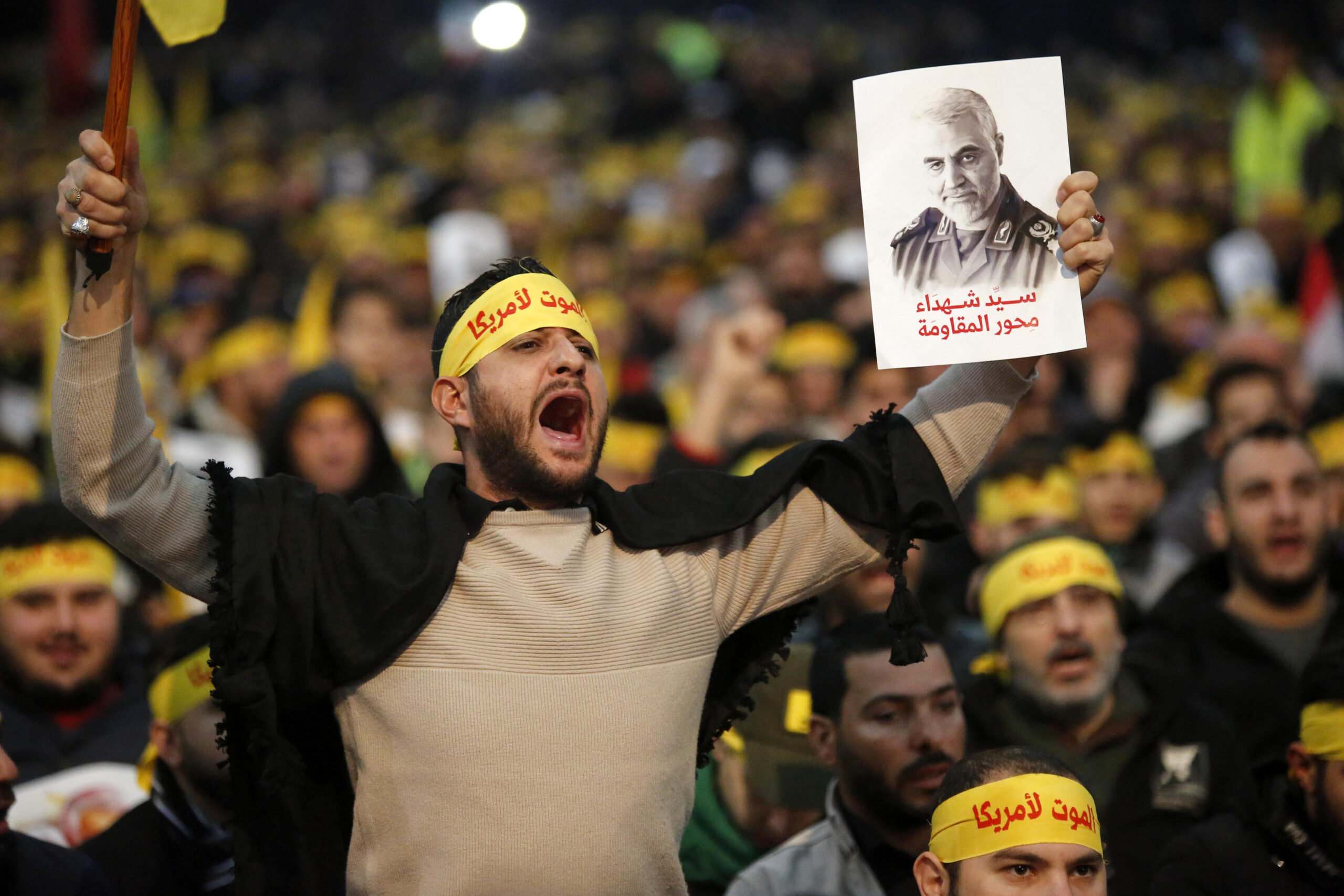
The past decade and a half have been a real whirlwind for Hezbollah, but the group seems to have weathered all of these storms, at least for now. However, it’s one thing for Hezbollah to survive and another altogether for it to thrive. In a special roundtable report from MEI, renowned Hezbollah analysts offer their perspectives on a series of key questions about the major upcoming challenges facing the group. This report includes contributions from Bilal Y. Saab, Nicholas Blanford, Nizar Hamzeh, Matthew Levitt, Magnus Ranstorp, Bruce Riedel, Randa Slim, and Michael Young.
“People can’t even afford to buy bulgur”: Discontent is on the rise as Syria’s economic crisis worsens
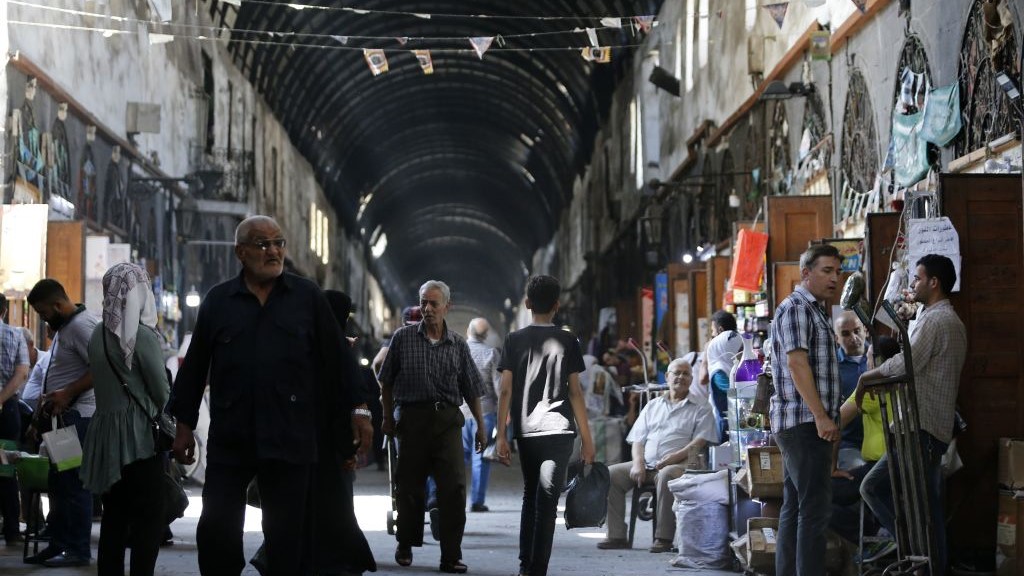
The latest economic crisis in Syria is hitting the population hard. Syrians have been beset by currency depreciation, soaring prices for basic goods, and energy shortages that have left people to freeze in the harsh winter, leading to growing and increasingly vocal discontent.
A wake-up call: The Idlib crisis and its effects look set only to worsen
The death of at least 33 Turkish soldiers and wounding of 60 more in Syria’s Idlib on Thursday night was a game-changing development. The crisis there and its effects represent an existential threat to Turkish President Recep Tayyip Erdogan and for now, it appears likely that Turkey will remain alone in dealing with the crisis. That presents us with two possible scenarios, both bleak. If the world wants to avoid a true nightmare from becoming reality, it needs to wake up and get engaged.
If the West leaves Idlib to Russia and Assad, it won’t be only Syrians who pay the price
If Assad and the Russians are not reined in and are instead allowed to conquer Idlib — and the more than three million people trapped there — the results could be catastrophic, leading to massive displacement and loss of life.
Why Erdogan can't afford to back down over conflict with Assad and Russia
Nearly a million civilians, 81 percent of them women and children, have been displaced from their homes in 90 days in Syria’s northwestern province of Idlib, amid a brutal military campaign by Syria’s Assad regime, Russia and Iran-backed militias.
The oldest peer-reviewed publication dedicated to the study of the modern Middle East, MEI’s flagship journal covers politics, society, and culture in the region.