This article is part of a collection of short essays written by the Fellows of the Middle East Institute to explore aspects of the ongoing war with Iran. The intent of the collection is to help readers see new and unexpected elements of the dynamics and impact of the ongoing hostilities and to think harder, deeper, and broader about the implications of the conflict.
Turkey: Ankara’s Nuclear Ambitions in the Post-Iran War Environment
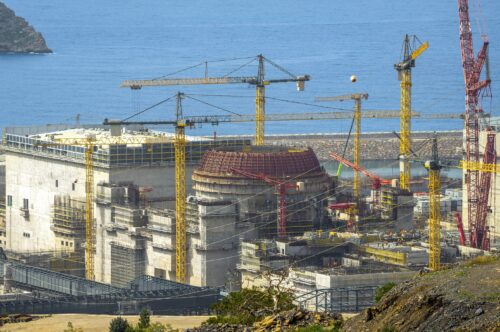
In February 2026, Turkish Foreign Minister Hakan Fidan suggested that shifting international dynamics could push Turkey to acquire nuclear weapons. That rhetoric, combined with Turkey’s civilian nuclear energy and research programs and its indigenous surface-to-surface missile development projects, has fueled concerns that these capabilities could eventually form the backbone of a Turkish nuclear weapons program.
When the US and Israel launched military action against Iran on February 28, 2026, it set in motion a chain of events that saw violence spread across the Middle East. Yet as the region found itself engulfed in conflict, Syria has experienced its most peaceful months in 15 years, and the government in Damascus appears determined to stay its course toward recovery.
The day after Soleimani: Israel contemplates “success leveraging”
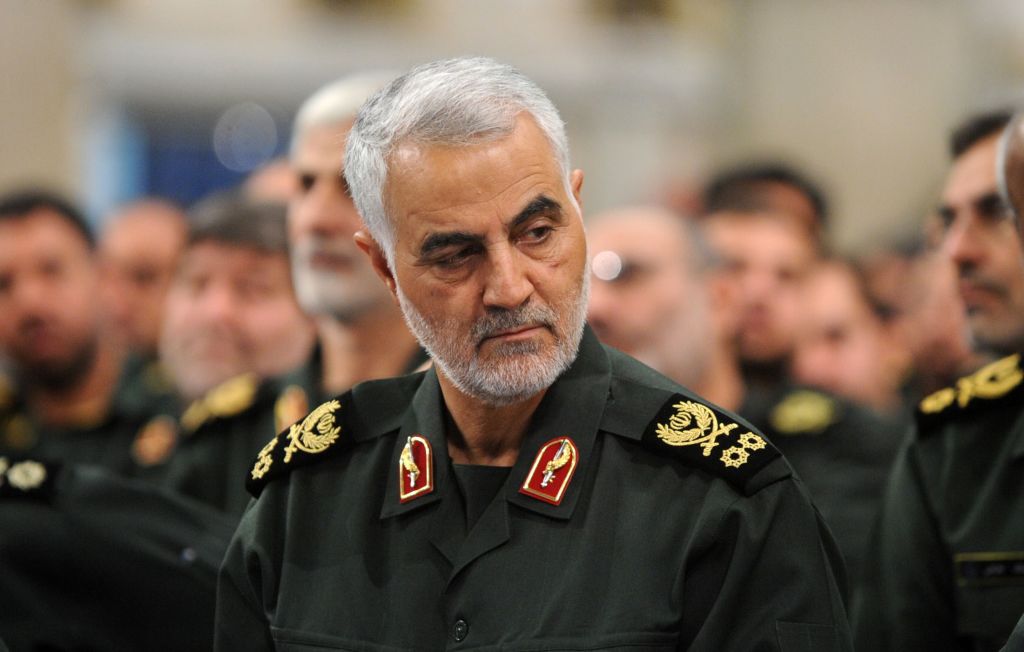
Iranian Gen. Qassem Soleimani was on Israel’s “most wanted” list for more than a decade. Israeli intelligence identified him as a looming threat early in his career, and with time he outperformed even the graver threat predictions, as he systematically built the Islamic Revolutionary Guard Corps’ (IRGC) Quds Force into a formidable regional stealth operation. Soleimani was a highly sophisticated executioner of Iran’s long-term strategy, which can be described as an effort to build a “double crescent.”
Trump’s “peace plan” aims to bury the two-state solution
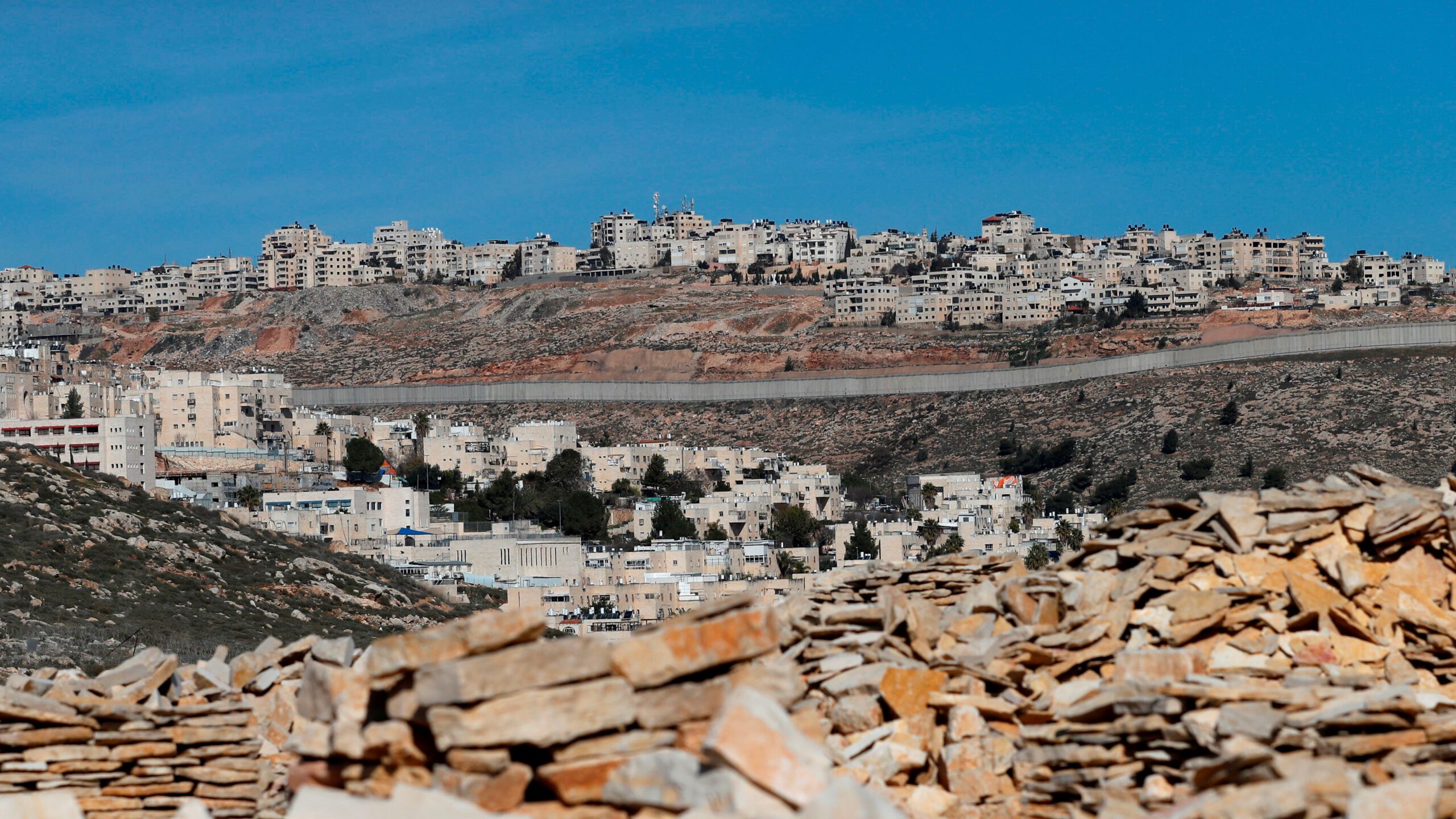
The notion that an American president, in consultation with two Israeli leaders, could decide on the future of Palestinians without any Palestinian involvement seems to epitomize Trump’s overall approach to the conflict.
It’s shameful to use Palestinians as props in Israel’s election
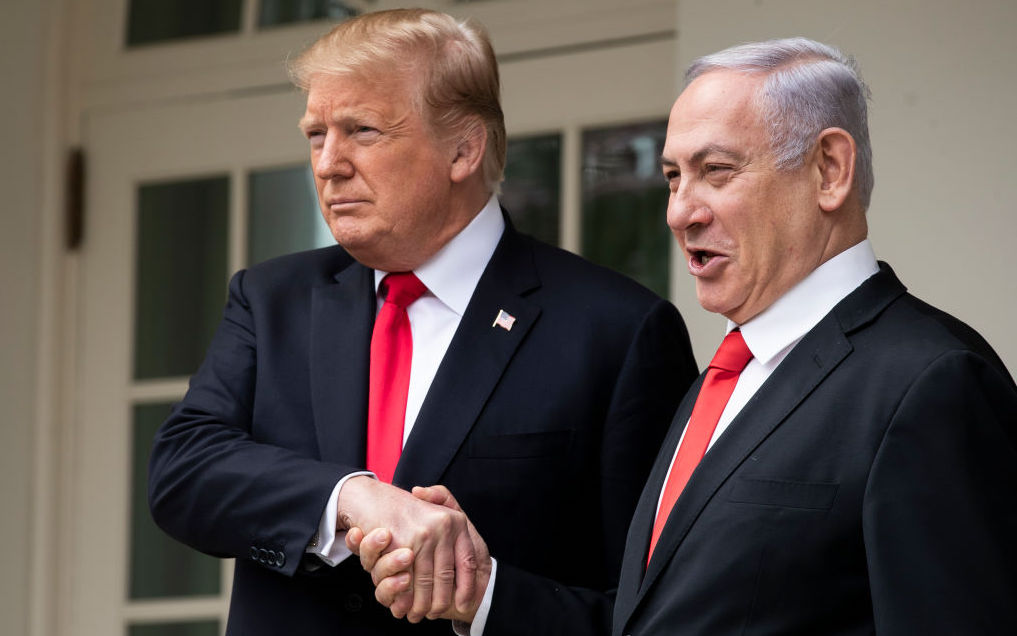
The upcoming visit to the White House by Israel’s caretaker prime minister has nothing to do with the Middle East conflict and everything to do with giving yet another political favor to Benyamin Netanyahu. While the Jan. 28 visit may be all about the Israeli elections, it is shameful and dangerous for American officials to be giving time and space for discussions that affect the Palestinian people without their involvement.
The ties that bind: The South Caucasus and the Middle East
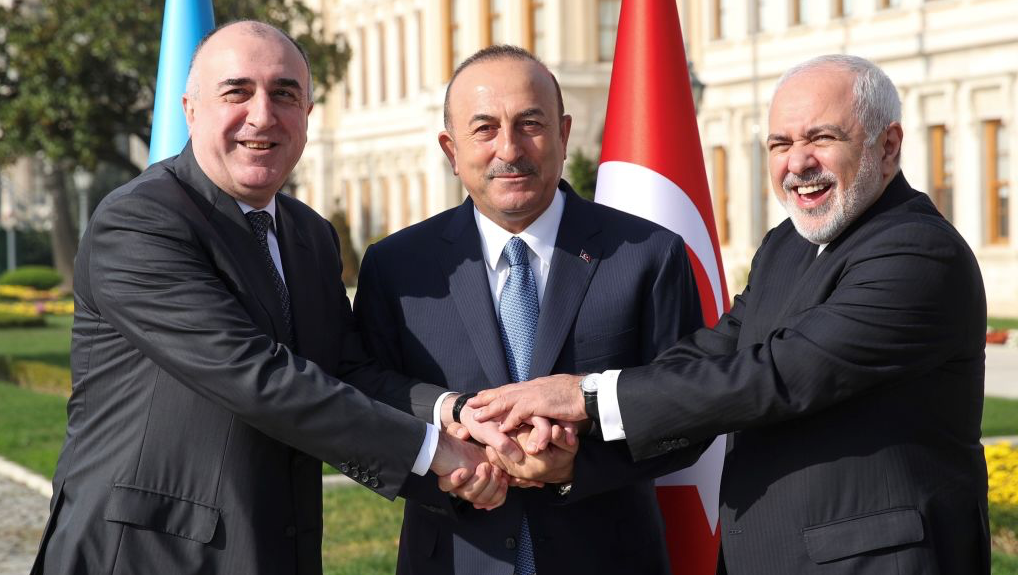
As neighboring regions, the South Caucasus and the Middle East are inextricably intertwined — so much so that the former is sometimes even considered part of the Greater Middle East. While geographical proximity is the strongest driver of interconnectivity between the two regions, geopolitics, business ties, and energy interests also link countries from the South Caucasus and the Middle East and form the basis for important bilateral and regional relationships.
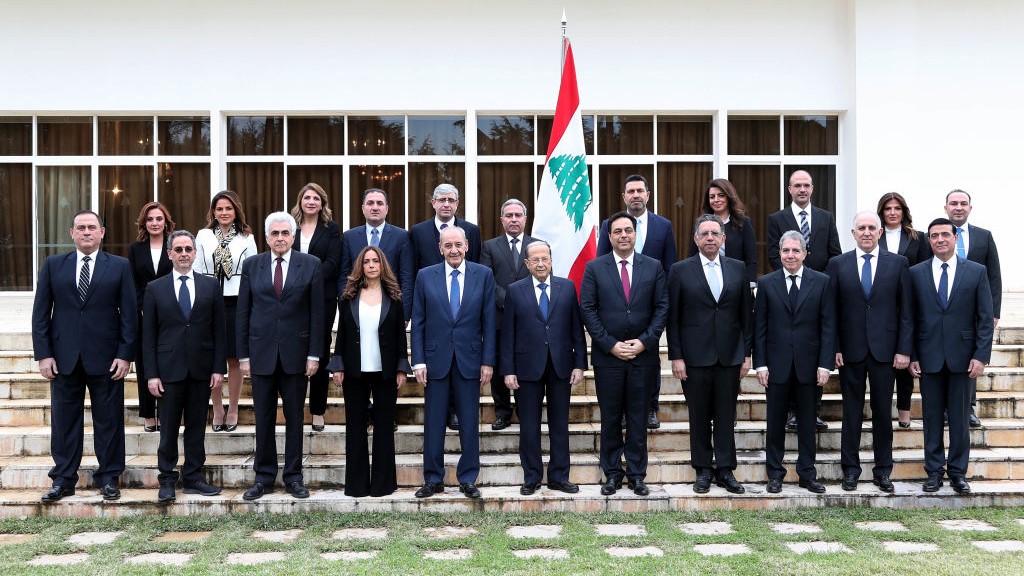
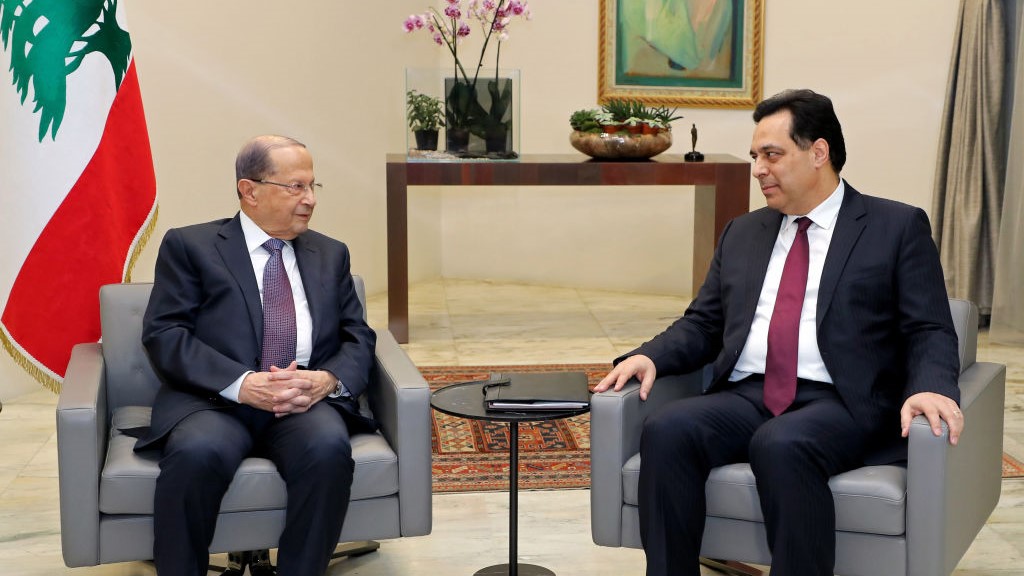
Against the backdrop of a massive economic and financial crisis and a now three-month-old nationwide protest movement, Lebanon swore in a new government on Tuesday — a technocratic cabinet that is widely seen as a “shadow government” for Hezbollah and other entrenched political leaders. MEI’s Paul Salem, Randa Slim, and Bilal Saab join host Alistair Taylor to discuss what lies ahead.
No amount of analytical nuance or ingenuity can challenge the conclusion that the newly formed government in Lebanon is Hezbollah’s creation. The only question left to answer is: why did Hezbollah do it?
Qassem Soleimani’s reign may be over, but his legacy in Syria will endure
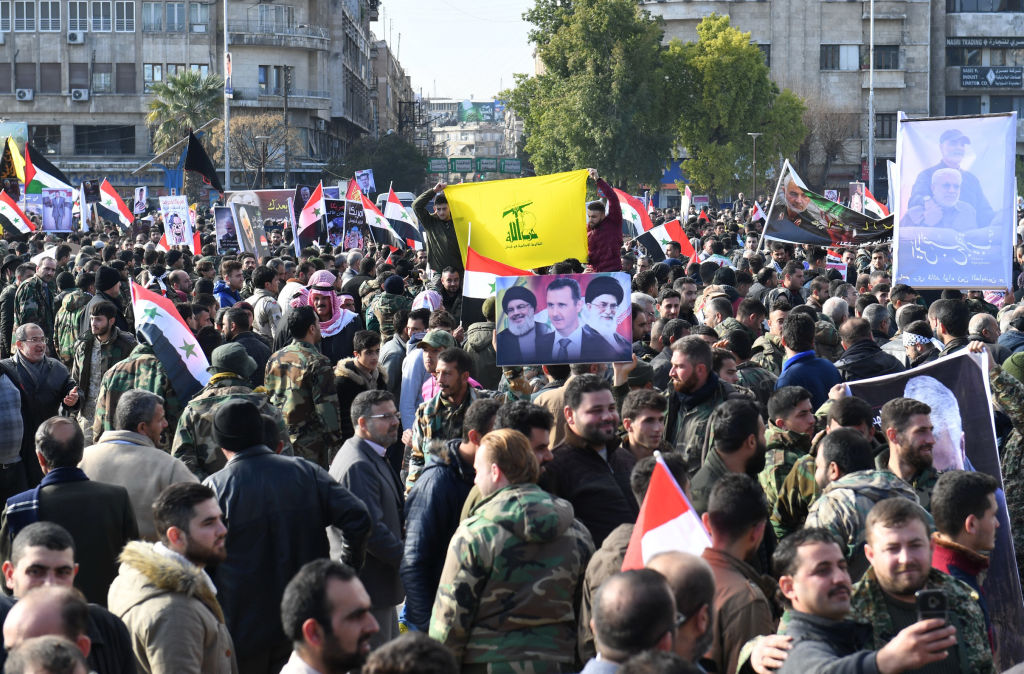
The U.S. assassination of Iranian Gen. Qassem Soleimani came as a seismic shock to the Middle East, not least to the embattled political system in Damascus that has reaped the benefits of Iran’s military involvement across the region. While his death will be a severe blow, it will not necessarily translate into a decline in Iran’s influence or military presence in Syria. Soleimani’s army of militias and supporters will outlast him, possibly by decades.
The next Israeli election: The triumph of the fringes?
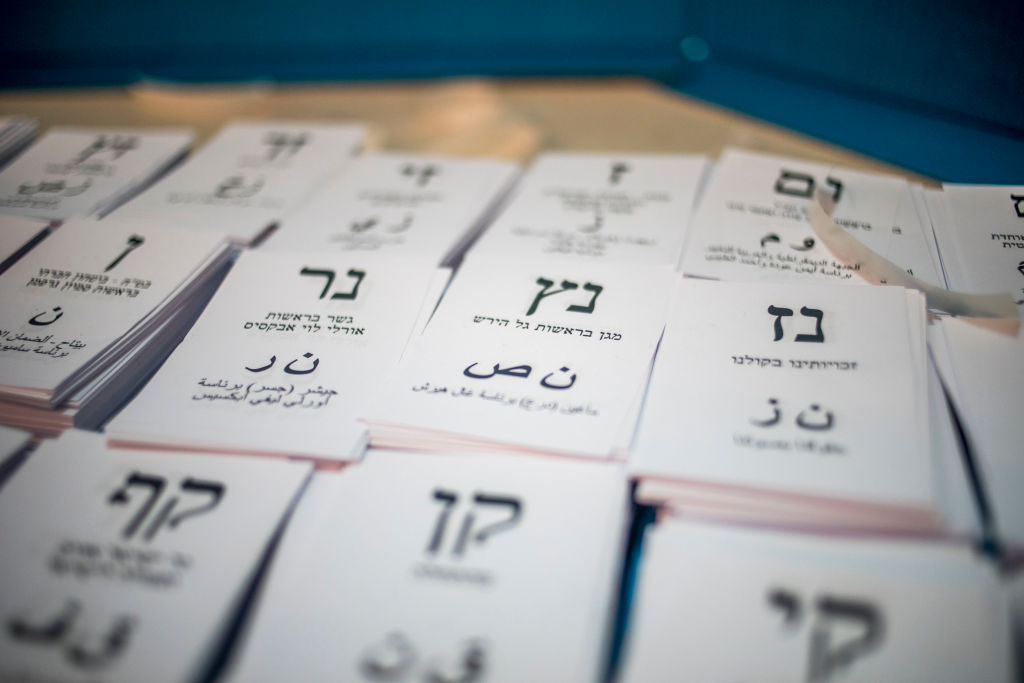
Jan.15, 2020 was the last date to submit electoral “lists” for the Israeli election scheduled for March 2. A flurry of parties on both ends were registered in the days before the Jan. 15 deadline, and some of their leaders may well be part of and influence the Israeli government that will (eventually) be formed.
Lebanese oligarchs approve technocratic shadow government
The new government is politically aligned with the pro-Hezbollah and pro-Syrian axis in Lebanon, and is very unlikely to drum up international and regional support.
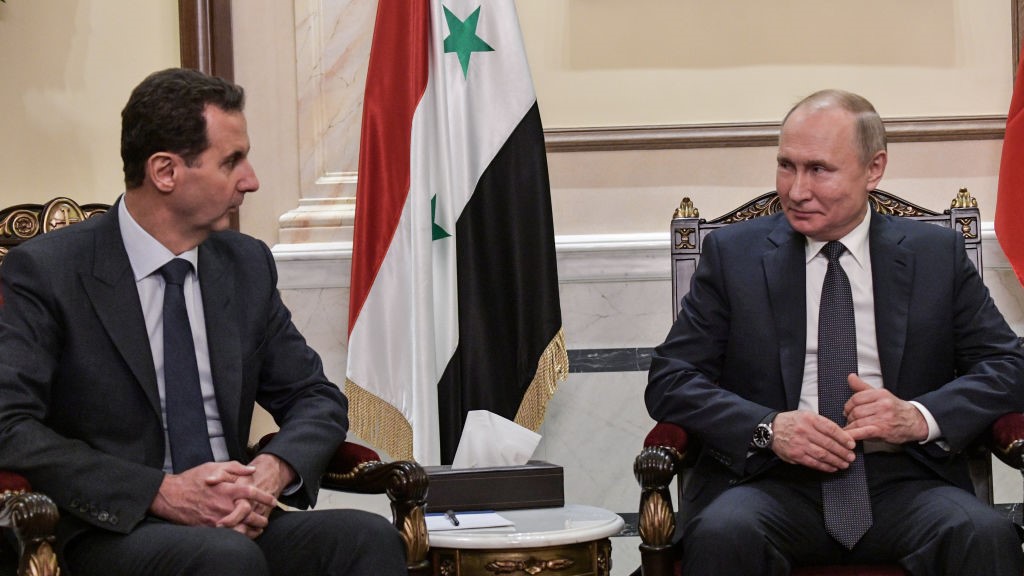
For Russia, Libya and Idlib are now part of the same gamble
Although Moscow continues to reap the benefits of its Syrian campaign, it is increasingly faced with diminishing returns. Despite its greater geopolitical involvement in the country, the Kremlin has so far failed to extract major economic dividends and may soon face increased competition from Tehran. With Syria’s future clouded in uncertainty and the unresolved issue of the Idlib region hanging like the sword of Damocles over any potential political settlement, Russia is now trying to bring the Libyan conflict into the equation as well.
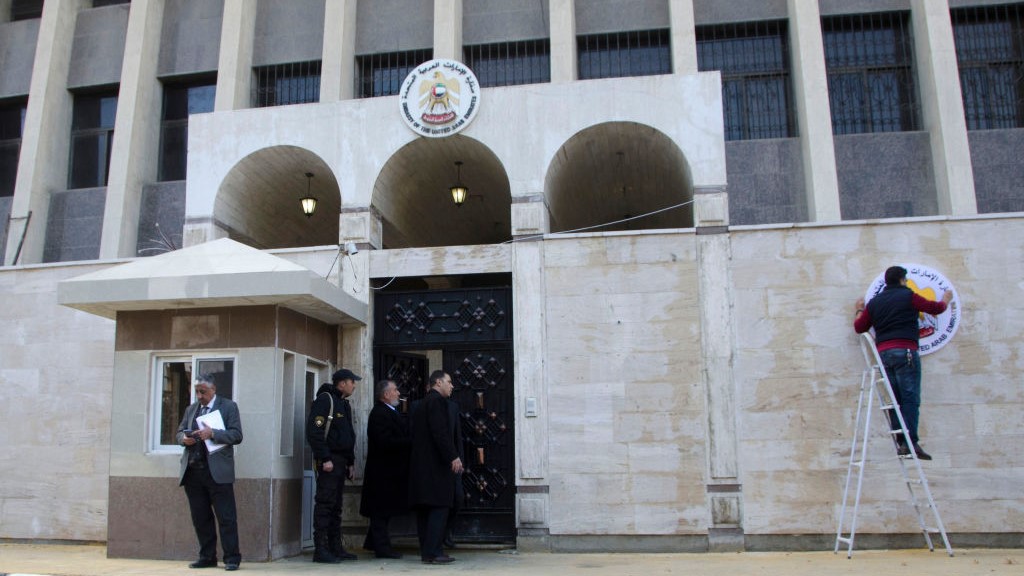
Foreign policy and commercial interests drive closer UAE-Syria ties
On Dec. 2, a series of public statements from Emirati and Syrian officials brought widespread attention to the UAE’s rapprochement with Syria. In a video circulated by Russian state media outlet RT, the UAE’s charge d’affaires in Syria, Abdul-Hakim Naimi, praised the “wise leadership” of Syrian President Bashar al-Assad and hailed the Syria-UAE relationship as “solid, distinct, and strong.” Syrian Deputy Foreign Minister Faisal Mekdad responded enthusiastically to Naimi’s comments by praising the UAE for standing by the Syrian government in its war against terrorism.
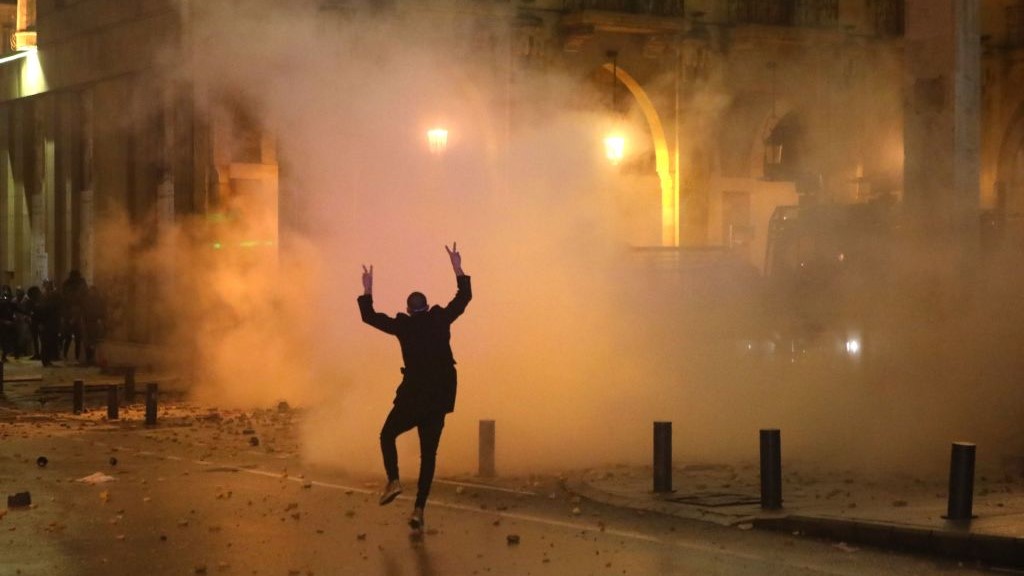
The sky is sliding: Why and how the Lebanese avoided catastrophe and aggravated challenges over time
Lebanon’s in trouble and the Lebanese may soon face the real reckoning that they’ve thus far avoided. Having bought time they’ve increasingly needed with money they’ve increasingly lacked, but somehow conjured, they’re running out of both. Its leaders must act, soon, to avoid a complete catastrophe. And, whether avoiding or coping with collapse, the Lebanese must well and truly consider how to shape a better future.
The oldest peer-reviewed publication dedicated to the study of the modern Middle East, MEI’s flagship journal covers politics, society, and culture in the region.