تمت ترجمة هذا النص بواسطة الذكاء الاصطناعي وقد يحتوي على أخطاء.
تخطي إلى المحتوى
Blue Wave, Regional Ripples: Turkey and Lebanon React to the Midterms
  • Podcast
  • Blue Wave, Regional Ripples: Turkey and Lebanon React to the Midterms

    The November 3 US midterms handed Democrats control of both chambers of Congress, a result many abroad read as a rebuke of President Donald Trump’s policies. How does the “blue wave” resonate among electorates and governments in Turkey and Lebanon, two key American partners in the Middle East? Ankara is weighing an early vote that could let President Recep Tayyip Erdoğan run again while his chief rival stands trial. Beirut, its elections postponed by war, is trying to restore state authority, including over Hizballah’s weapons. MEI Senior Fellows Gönül Tol and Fadi Nicholas Nassar join host Alistair Taylor to discuss how both countries read the results, how issues like corruption struck a chord in each, and what Ankara and Beirut expect from a Democratic Congress.

    November 12, 2026

    Syria’s SDF Integration: Progress, Obstacles, and Security Risks
  • التحليل
  • Syria’s SDF Integration: Progress, Obstacles, and Security Risks

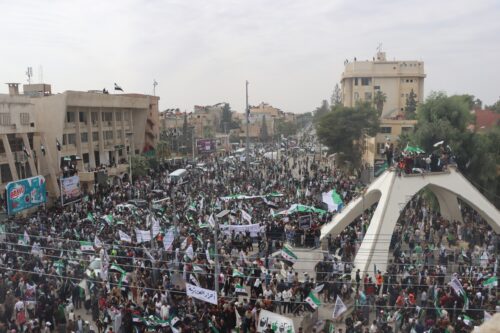
    On October 9, protesters in the northeastern city of Hasakah raised the Syrian flag and called for the extension of state authority, roughly six weeks after the Syrian Democratic Forces (SDF) announced their dissolution as an independent force. The protesters, who came from Ghwayran, al-Nashwa, al-Aziziyah, and the surrounding countryside, carried photographs of detainees. Alongside a stronger state presence, they demanded a say in how it would be exercised, from who is appointed to run local government to who is recruited into the security services.

    November 12, 2026

    The Human Story Behind Gaza: Jaser AbuMousa on the Costs of Survival for Palestinians
  • Podcast
  • The Human Story Behind Gaza: Jaser AbuMousa on the Costs of Survival for Palestinians

    Brian sits down with MEI Senior Fellow Jaser AbuMousa to assess the situation on the ground in Gaza three years after October 7 and a year into the ceasefire. Drawing on his own personal experience, Jaser explores the toll that the war and continued destruction have taken on Gaza’s residents, the implications of the recent Israeli and US elections, and the difficult path forward.

    الخبراء البارزون

    تصفية حسب
    3664 Results
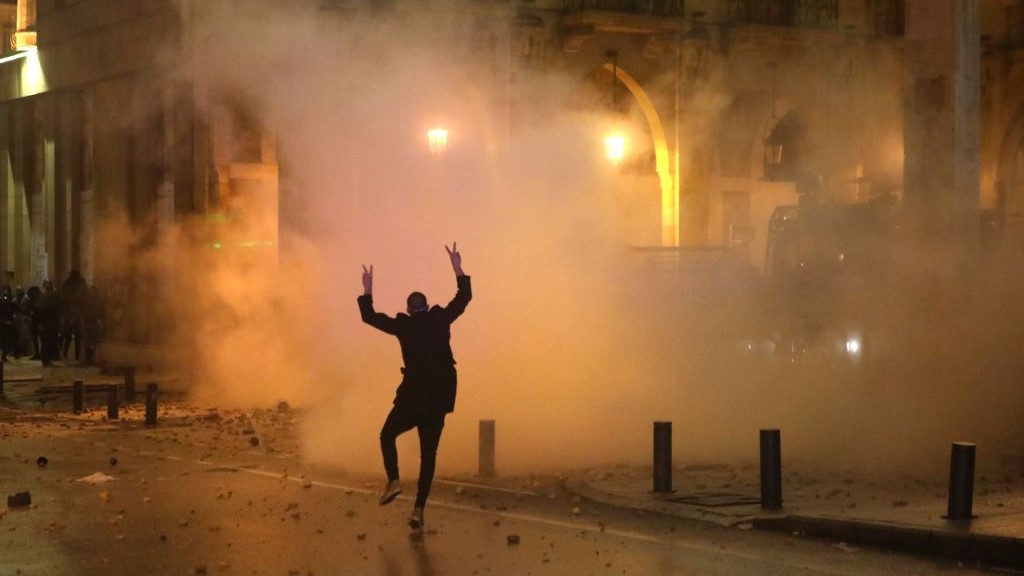
    The sky is sliding: Why and how the Lebanese avoided catastrophe and aggravated challenges over time
    A Lebanese protester gestures at riot police guarding a road leading to parliament in central Beirut on January 19, 2020 amid ongoing anti-government demonstrations. (Photo by PATRICK BAZ / AFP) (Photo by PATRICK BAZ/AFP via Getty Images)
  • التحليل
  • The sky is sliding: Why and how the Lebanese avoided catastrophe and aggravated challenges over time

    Lebanon’s in trouble and the Lebanese may soon face the real reckoning that they’ve thus far avoided. Having bought time they’ve increasingly needed with money they’ve increasingly lacked, but somehow conjured, they’re running out of both. Its leaders must act, soon, to avoid a complete catastrophe. And, whether avoiding or coping with collapse, the Lebanese must well and truly consider how to shape a better future.

    January 21, 2020

    Trends to Watch in the Middle East in 2020
    معهد الشرق الأوسط
  • Podcast
  • Trends to Watch in the Middle East in 2020

    MEI experts Robert S. Ford, Fatima Abo Alasrar, and Emad Badi join host Alistair Taylor to survey what lies ahead for the Middle East in 2020, with particular attention to Iran, Syria, Yemen, Libya, Iraq and Algeria.

    January 17, 2020

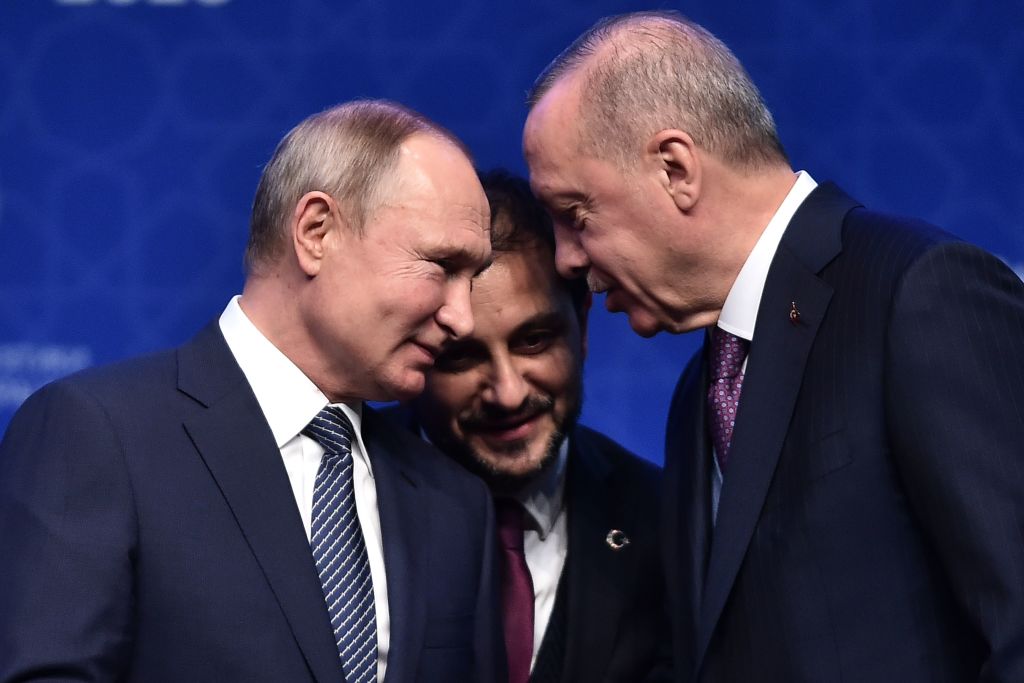
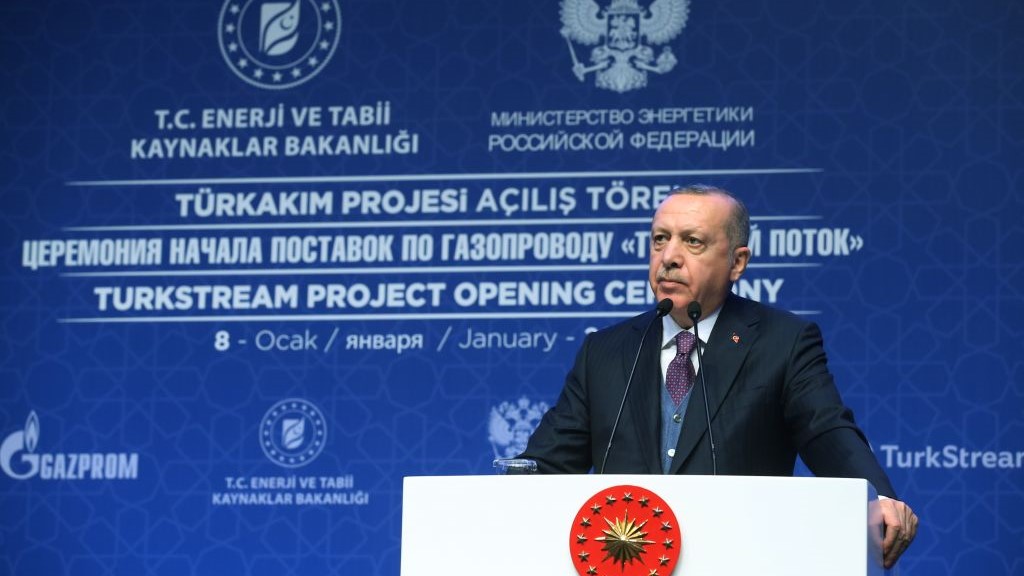
    Turkey’s westward energy shift
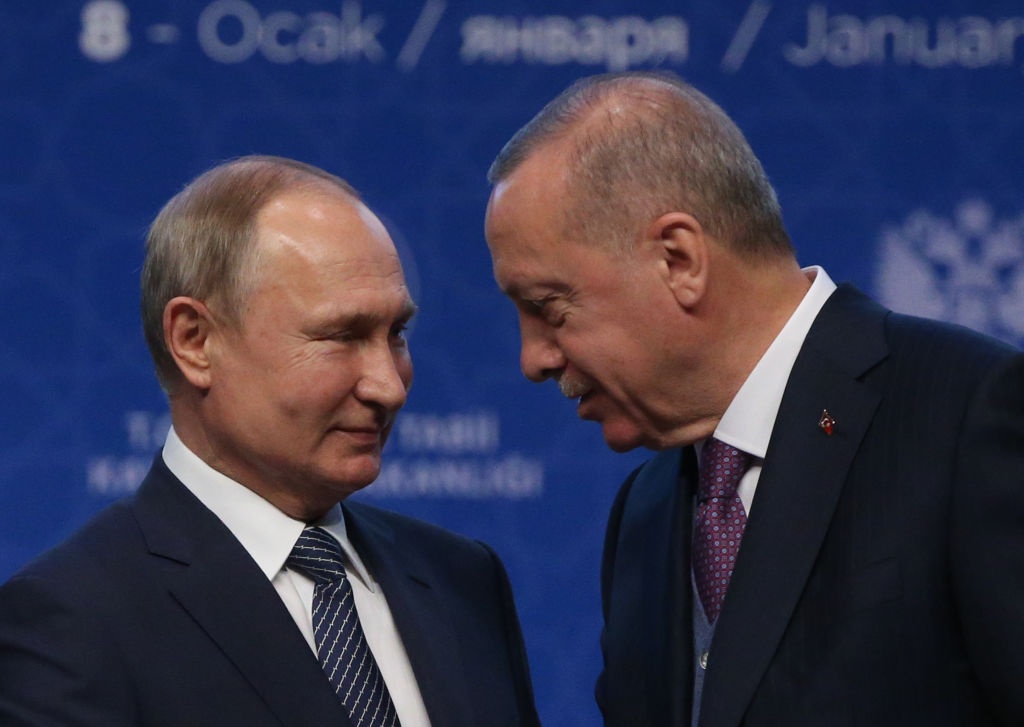
    President of Turkey Recep Tayyip Erdogan and his Russian counterpart Vladimir Putin (not seen) attend the opening ceremony of TurkStream natural gas pipeline project, at Halic Congress Center in Istanbul, Turkey on January 08, 2020.
  • التحليل
  • Turkey’s westward energy shift

    On Jan. 8, Turkey inaugurated the TurkStream natural gas pipeline from Russia, seemingly deepening Ankara’s ties with Moscow. However, a fuller analysis of Turkey’s current energy policies and consumption trends indicate a dramatic shift westward, away from Russia and Iran.

    January 15, 2020

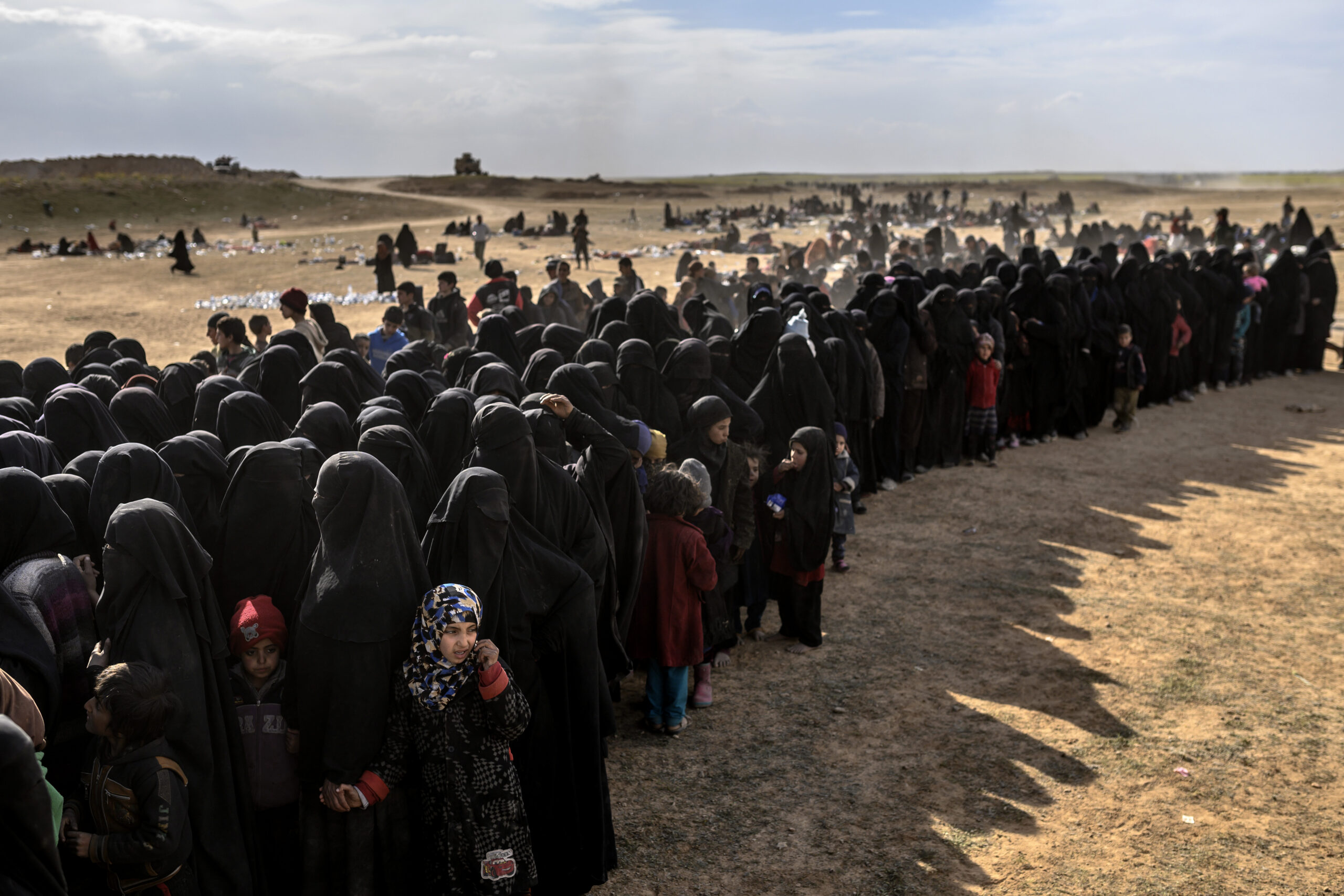
    The Humanitarian Disaster During the Battle for Baghouz
    Civilians evacuated from the Islamic State (IS) group's embattled holdout of Baghouz wait for bread and water at a screening area held by the Kurdish-led Syrian Democratic Forces (SDF), in the eastern Syrian province of Deir Ezzor, on March 5, 2019. - More than 7,000 people, mostly women and children, have fled the shrinking pocket over the past two days, as US-backed forces press ahead with an offensive to crush holdout jihadists. (Photo by Bulent KILIC / AFP) (Photo credit should read BULENT KILIC/AFP via
  • التحليل
  • The Humanitarian Disaster During the Battle for Baghouz

    It is unclear how many civilians were killed in February and March 2019, when the U.S.-led coalition and the Syrian Democratic Forces (SDF) pounded ISIS’s last enclave around the town of Baghouz. Presumably, the numbers reached into the thousands. Those who escaped found themselves in the desert, hundreds of kilometers away from lifesaving aid. The reasons for the failure of the humanitarian response were mainly political.

    January 14, 2020

    Cease-fires in Idlib and Libya as Turkey looks to buy time
    Russian President Vladimir Putin (L) and Turkish President Recep Tayyip Erdogan (R) attend the opening ceremony of the TurkStream on January 08, 2020 in Istanbul, Turkey.
  • تعليق
  • Cease-fires in Idlib and Libya as Turkey looks to buy time

    It is increasingly the case that the Russian-Turkish decisions on Idlib or Syria need to be understood as part of a broader Russian-Turkish partnership.

    January 13, 2020

    The Military-Security Dimension of Israel-Southeast Asia Relations
  • التحليل
  • The Military-Security Dimension of Israel-Southeast Asia Relations

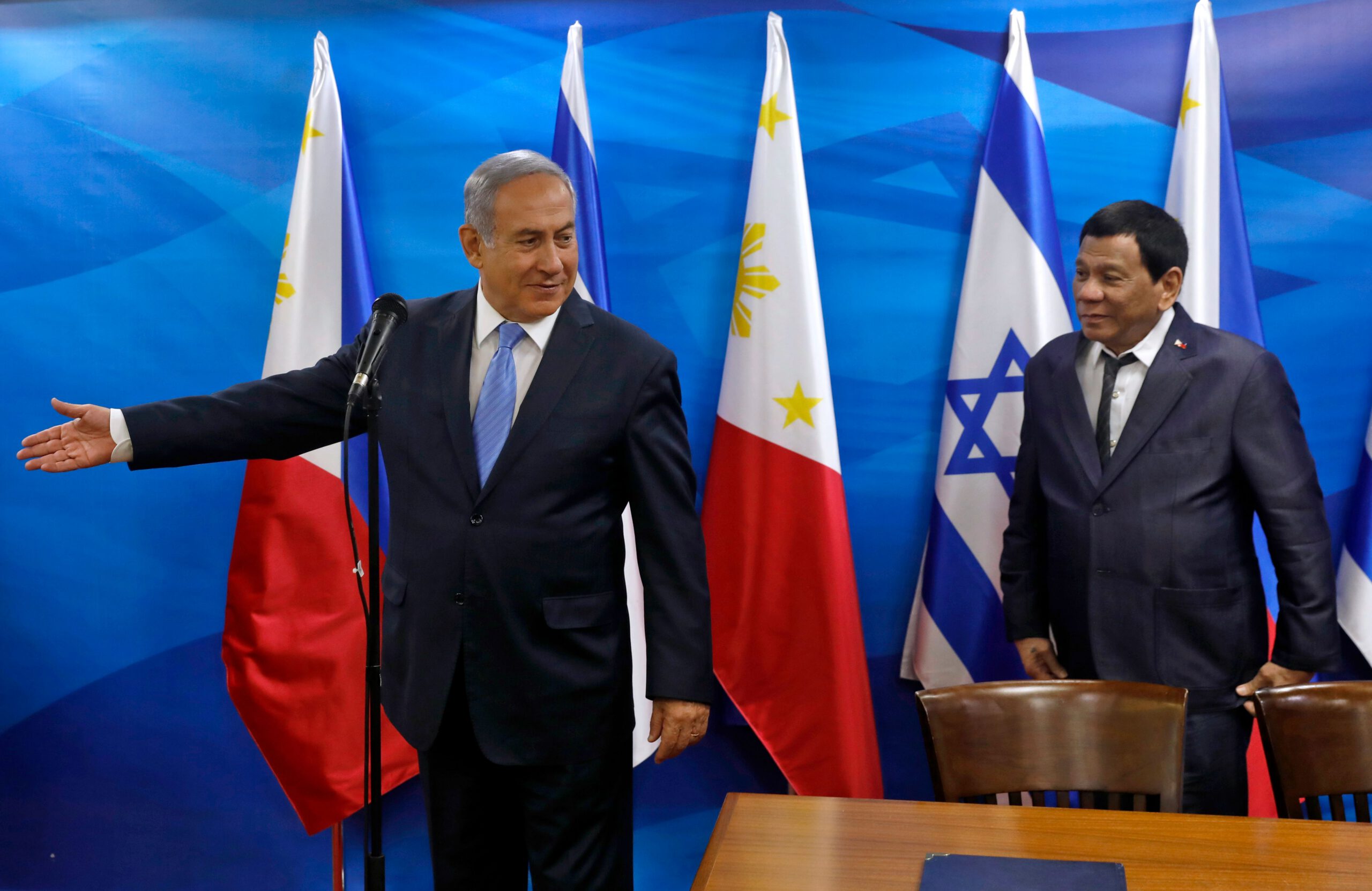
    Over the past two decades, Israel has developed robust bilateral relationships with China, India, and Singapore. Israel has also succeeded in forging ties with Japan and South Korea. More recently, Israel has devoted considerable attention to strengthening its relations with Southeast Asian countries, particularly Vietnam, the Philippines, Thailand and Myanmar. Military-security cooperation in the form of arms trade as well as technology transfer and licensed production has emerged as an important dimension of Israel’s relations with Southeast Asian countries.

    January 7, 2020

    The prospects for Syria in 2020 are grim
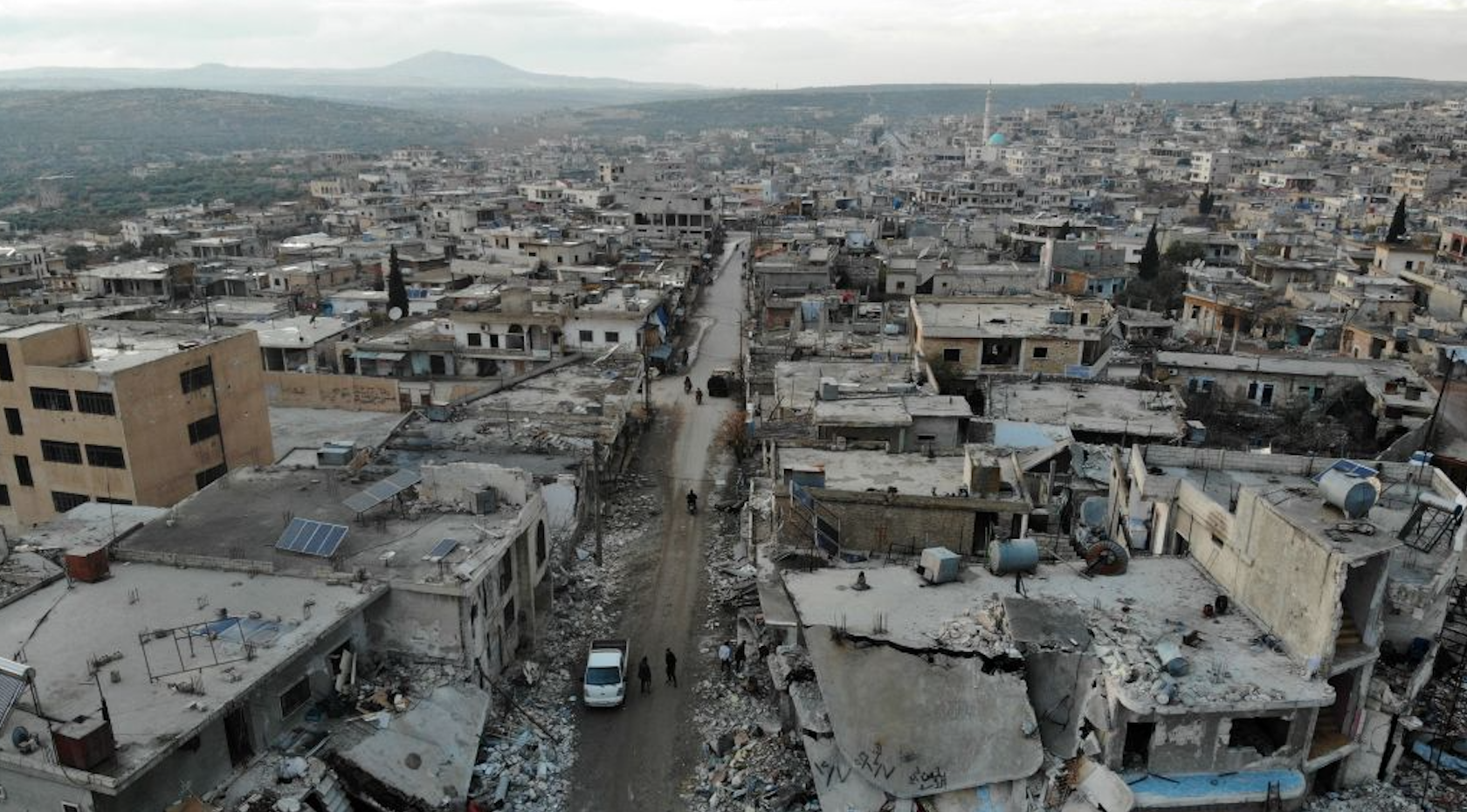
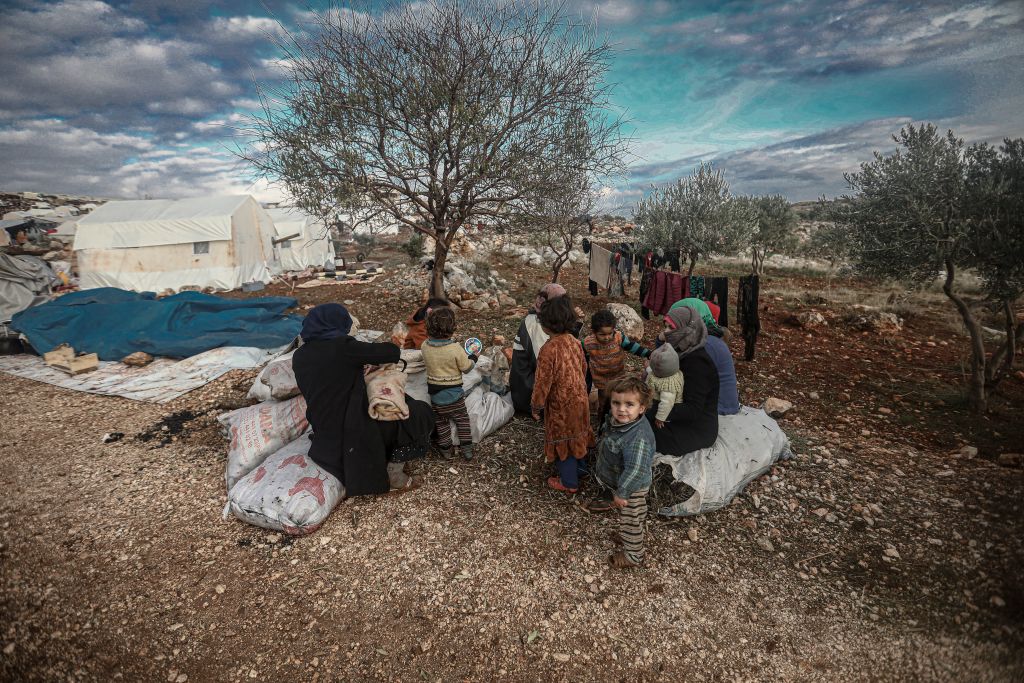
    An aerial view taken on December 8, 2019 shows the damage caused by reported Syrian regime and Russian air strikes the previous day in the town of Al-Bara in the south of Syria's Idlib province, that killed at least four civilans, including a child and wounding several others.
  • تعليق
  • The prospects for Syria in 2020 are grim

    Militarily, the most concerning issue remains the fate of Idlib, where at least three million people remain crammed in a killing-zone that encompasses just 3.5 percent of Syria’s territory

    Israel in 2020: Heading for yet another election
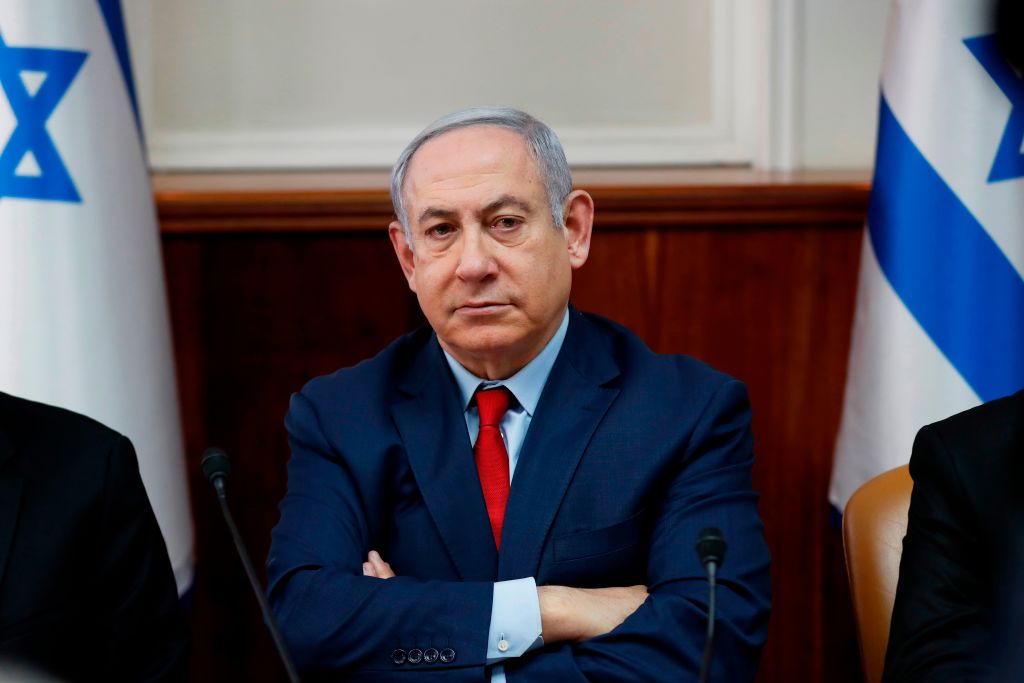
    Israel's Prime Minister Benjamin Netanyahu attends the weekly cabinet meeting in Jerusalem on January 5, 2020.
  • تعليق
  • Israel in 2020: Heading for yet another election

    Politically Netanyahu seems to be about as popular as before his long-awaited indictment, which portends another inconclusive election and a political system unable to break the deadlock.

    January 6, 2020

    Stalemate and violence in Israel-Palestine
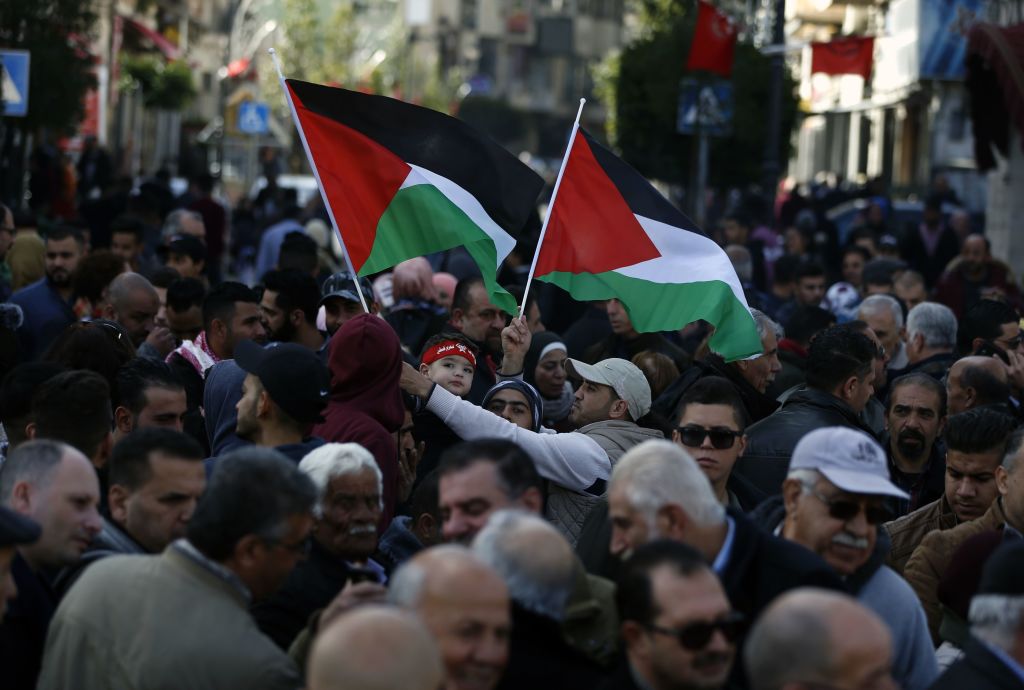
    Palestinians wave national flags as they march in the streets of the occupied West Bank city of Ramallah, calling for the cessation of divisions between Fatah and Hamas and the unification of the West Bank and Gaza Strip, on January 12, 2019.
  • تعليق
  • Stalemate and violence in Israel-Palestine

    Holding long overdue elections for the Palestinian presidency and the legislative arm of the Palestinian Authority could be a step toward redressing the Fatah-Hamas conflict.

    January 6, 2020

    The Syrian refugee crisis brings Turkey and Hungary closer together
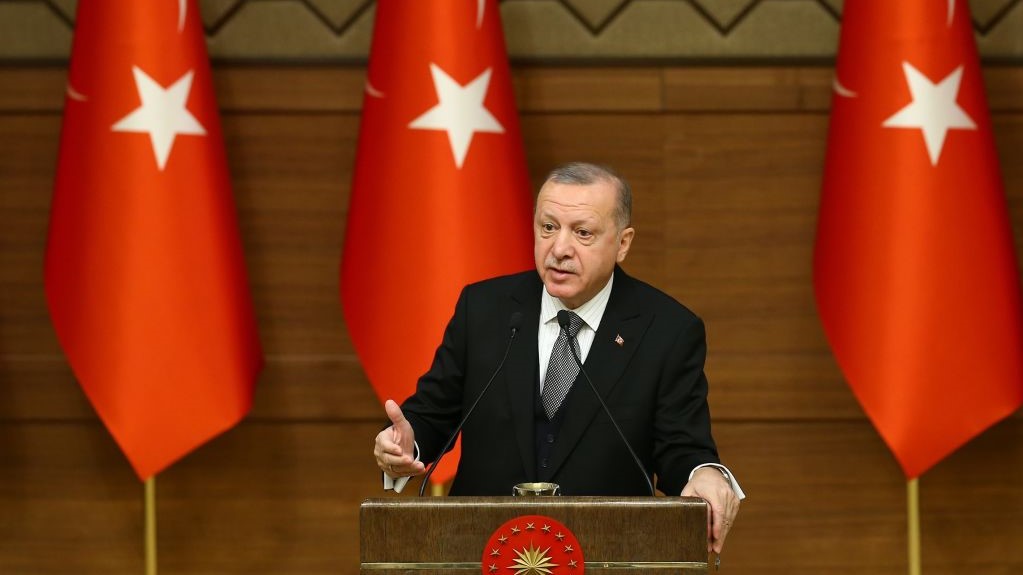
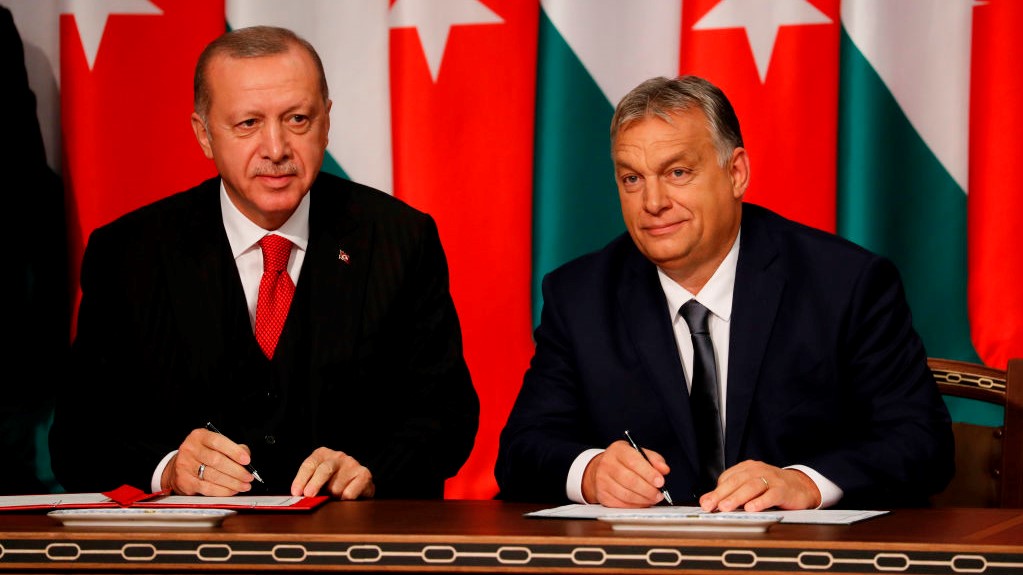
    Turkish President Recep Tayyip Erdogan (L) poses with Hungarian Prime minister Viktor Orbán after they met for discussions on Syria and migration on November 7, 2019 in Budapest, Hungary.
  • التحليل
  • The Syrian refugee crisis brings Turkey and Hungary closer together

    Having raised eyebrows among many European officials with rhetoric targeting Syrian and other Middle Eastern/North African refugees in Hungary, Hungarian Prime Minister Viktor Orbán sees the return of Syrian refugees to their home country as serving vital Hungarian and European interests. As Hungary continues to align closely with Russia while deepening its ties with Turkey and other non-Western governments, Budapest’s foreign policy is eroding an EU consensus.

    December 23, 2019

    Lebanon’s cybersecurity strategy emerges
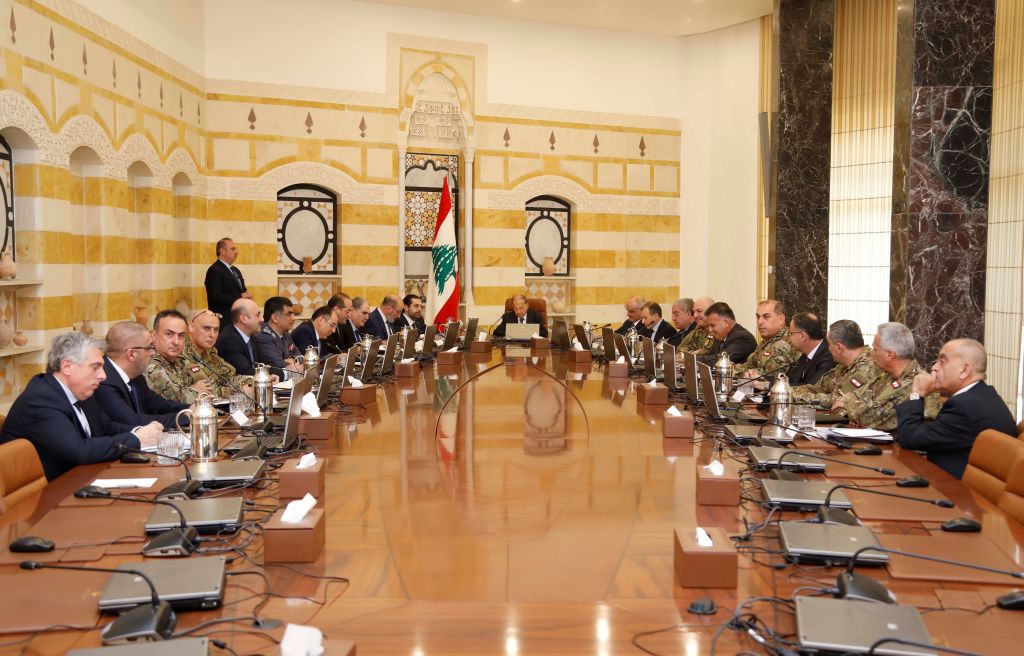
    President of Lebanon Michel Aoun, Lebanese President Saad Hariri, Lebanese Army Commander Joseph Aoun and other ministers and officials attend Lebanon's Higher Defense Council meeting on
  • التحليل
  • Lebanon’s cybersecurity strategy emerges

    Introduced in August and subsequently delayed due to the country’s political upheaval, the National Lebanese Strategy for Cybersecurity is composed of two main sections: 1) preparation of a cybersecurity strategy and 2) establishment of a national cybersecurity agency.

    December 19, 2019

    اقرأ مجلة الشرق الأوسط

    أقدم مطبوعة محكمة مخصصة لدراسة الشرق الأوسط المعاصر، تغطي مجلة MEI الرائدة السياسة والمجتمع والثقافة في المنطقة.