This article is part of a collection of short essays written by the Fellows of the Middle East Institute to explore aspects of the ongoing war with Iran. The intent of the collection is to help readers see new and unexpected elements of the dynamics and impact of the ongoing hostilities and to think harder, deeper, and broader about the implications of the conflict.
Turkey: Ankara’s Nuclear Ambitions in the Post-Iran War Environment
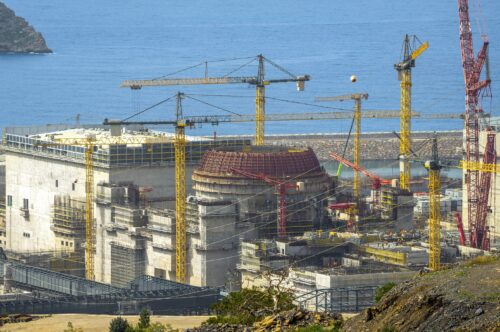
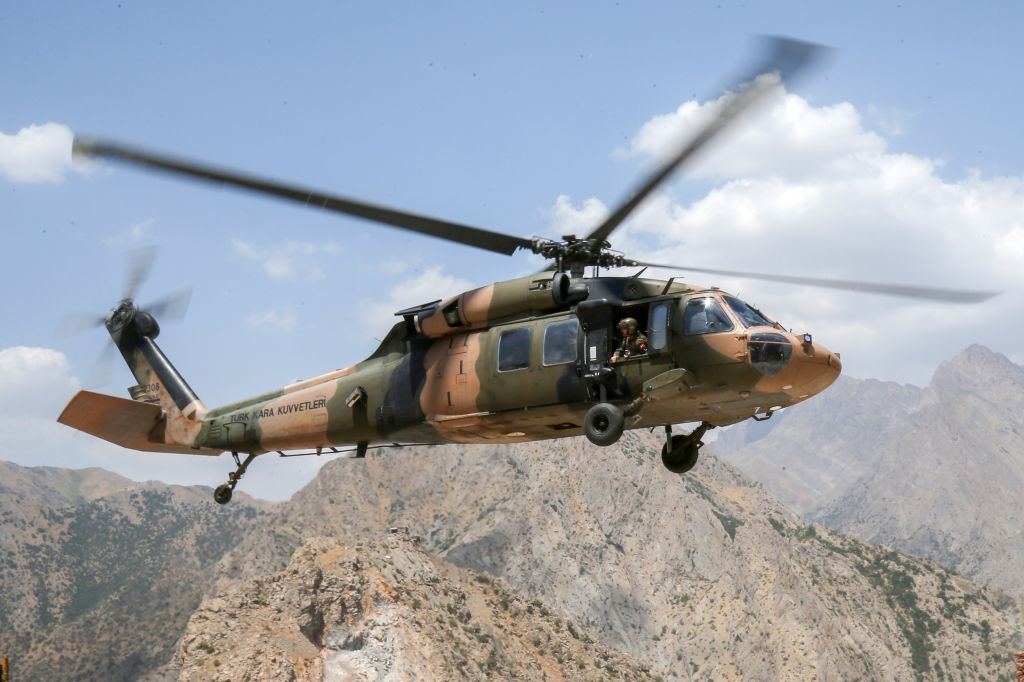
In February 2026, Turkish Foreign Minister Hakan Fidan suggested that shifting international dynamics could push Turkey to acquire nuclear weapons. That rhetoric, combined with Turkey’s civilian nuclear energy and research programs and its indigenous surface-to-surface missile development projects, has fueled concerns that these capabilities could eventually form the backbone of a Turkish nuclear weapons program.
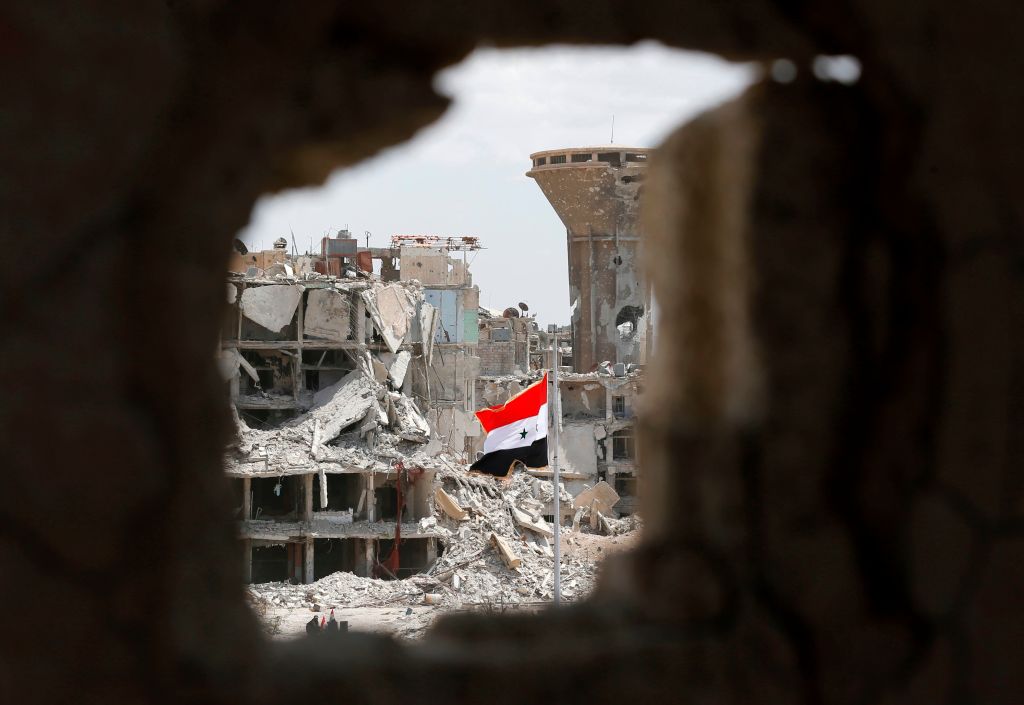
When the US and Israel launched military action against Iran on February 28, 2026, it set in motion a chain of events that saw violence spread across the Middle East. Yet as the region found itself engulfed in conflict, Syria has experienced its most peaceful months in 15 years, and the government in Damascus appears determined to stay its course toward recovery.
The uneasy triangle between Turkey, the US, and the YPG
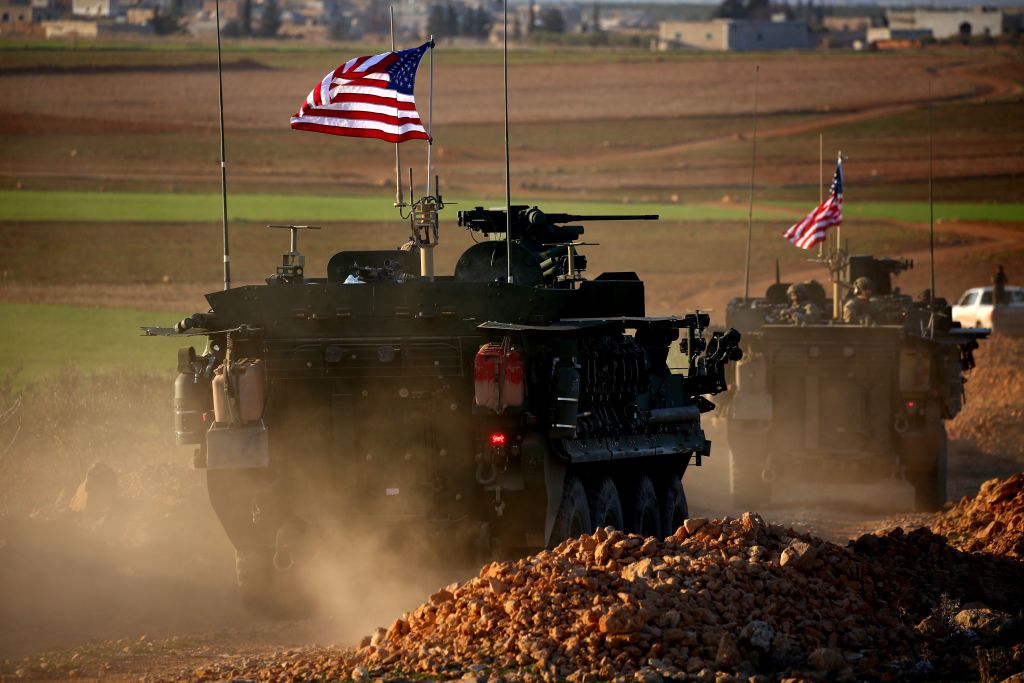
Turkey and the US recently announced an agreement for establishing a safe zone in northern Syria to serve as a buffer between Turkey and the YPG, which is seen by Ankara as a terrorist group and by Washington as a partner in the fight against ISIS. MEI’s Gonul Tol and Charles Lister join host Alistair Taylor to discuss how this policy may impact dynamics on the ground.
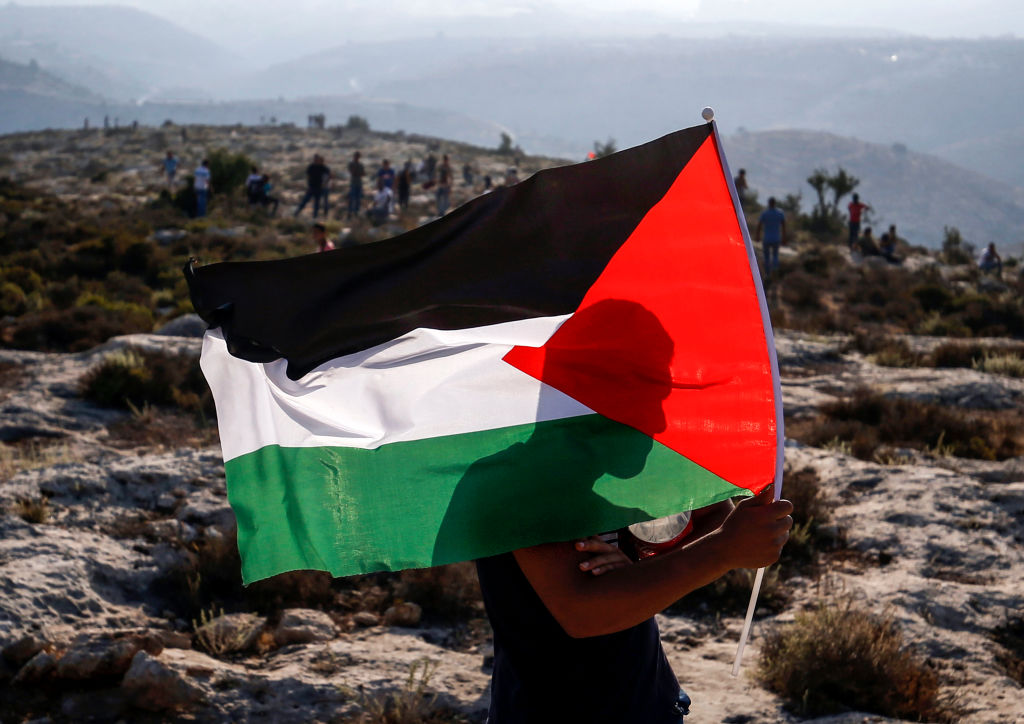
Ambassador Friedman: Palestinians already have autonomy
Autonomy is normally given to a specific cultural or national group as part of a political agreement. For Palestinians, the idea that autonomy is the goal of talks is unhelpful because they already have autonomy.
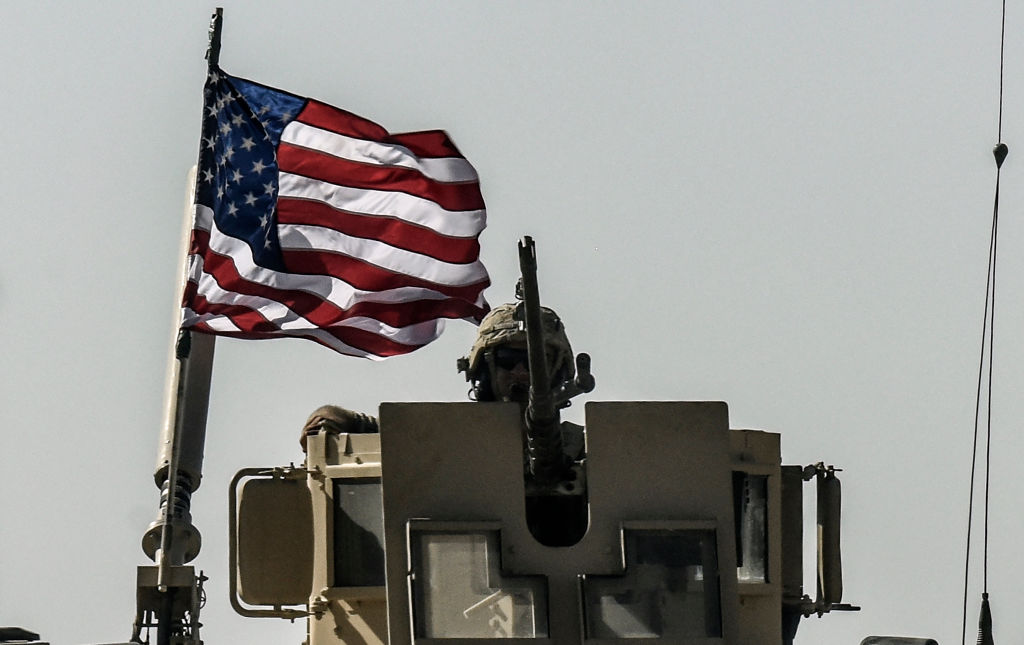
Leaving Syria won’t make things any better — for the US or Syria
Responding to Daniel Serwer’s “not so progressive case for withdrawing from Syria,” Charles Lister makes the case that the U.S. should remain in Syria — at the very least for long enough to secure conditions in which a realistic set of objectives could be achieved, including the existing counter-ISIS mission.
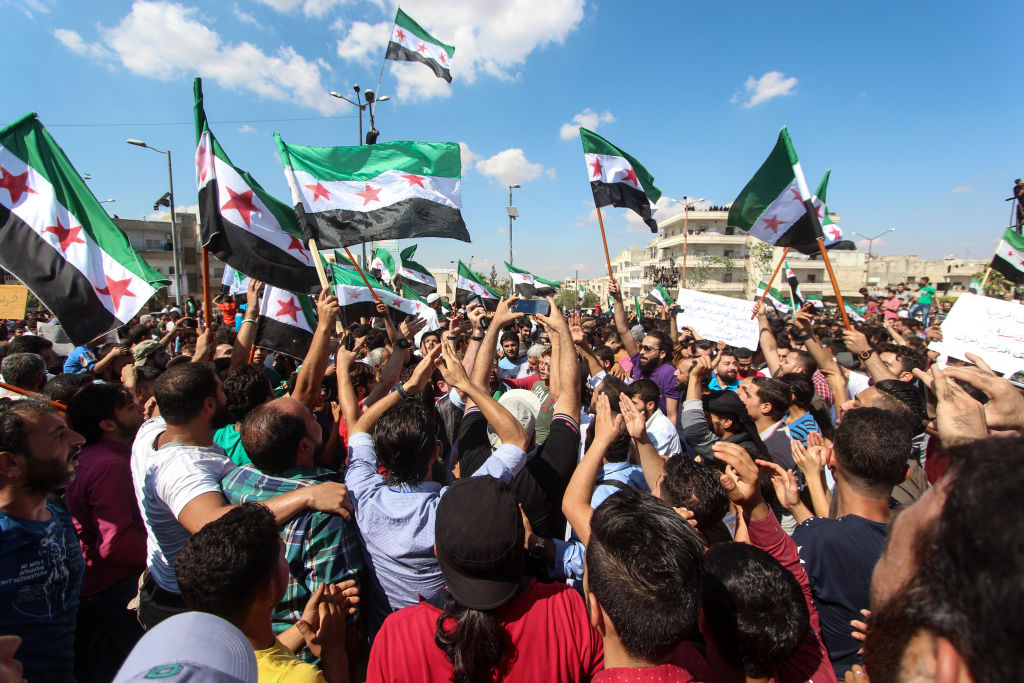
Over eight years ago, Syrian men, women, and children took to the streets, often holding hands or clutching roses, calling for political reform. Wahed, Wahed, Wahed, al-Shaab al-Suri Wahed, they chanted — “One, One, One, the Syrian People are One!” But the regime did not listen; instead, we were shot at, gassed, and later bombed. As regime violence escalated, the uprising gradually militarized and what had been a local movement driven by society soon became a vicious conflict driven in large part by foreign governments. Then came al-Qaeda, ISIS, and Hezbollah and soon enough, the lives, thoughts, and desires of ordinary Syrians mattered little.
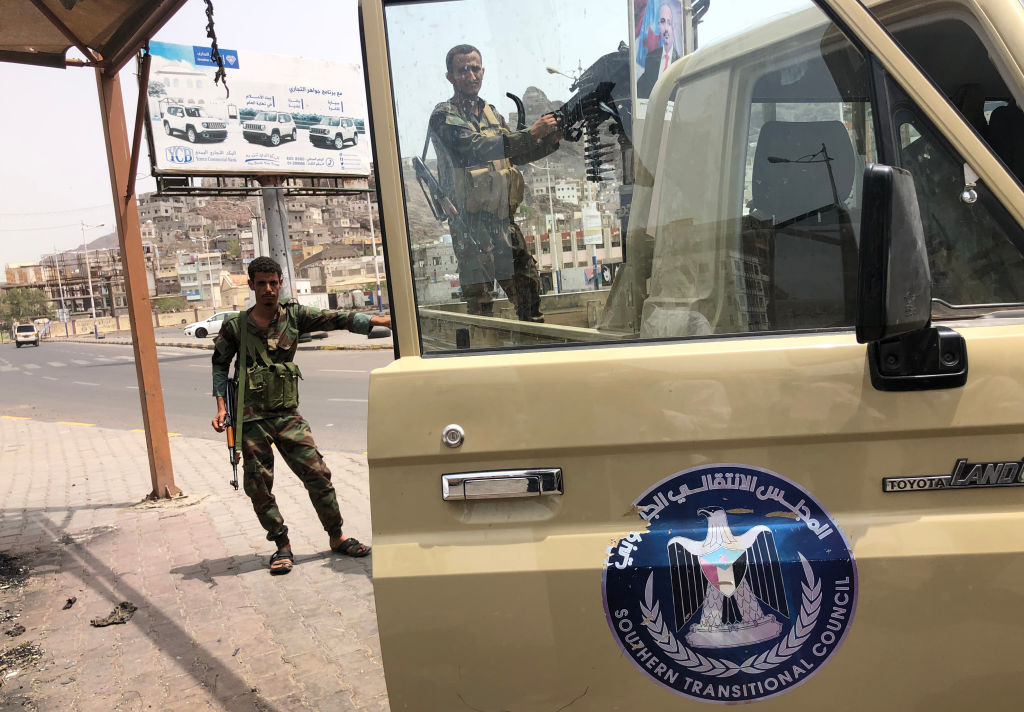
Monday Briefing: Fighting flares up in southern Yemen
This week’s briefing on recent news and upcoming events in the region featuring Fatima Abo Alasrar, Gonul Tol, Marvin G. Weinbaum, Randa Slim, and Michael Sexton and Eliza Campbell.
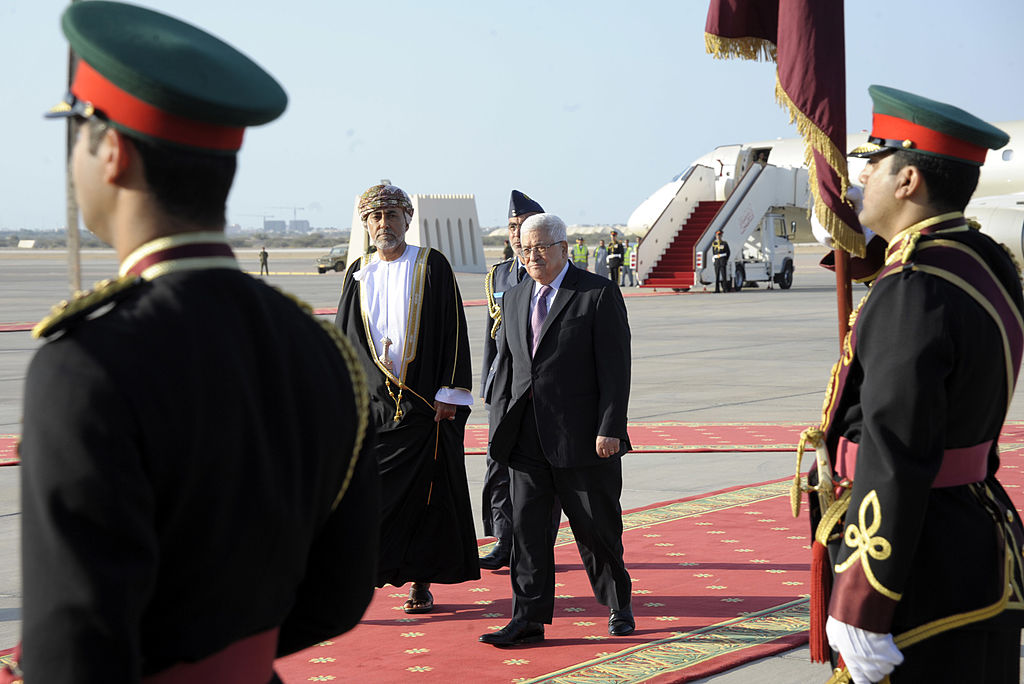
The news came eight months after Israeli Prime Minister Benjamin Netanyahu paid a visit to the Omani capital for surprise talks with Sultan Qaboos in October 2018, and four months after Minister Responsible for Foreign Affairs Yusuf bin Alawi bin Abdullah met with Netanyahu in Poland during the Trump administration’s “Peace and Security in the Middle East” summit.
A not so progressive case for withdrawing from Syria
Elizabeth Tsurkov has courageously put forward what she calls a progressive case for staying in Syria. I would regard myself as progressive but I’m not convinced, even if I would have supported many of her arguments in the past. In arguing for an indefinite presence in Syria, Tsurkov relies on the notion that staying gives the U.S. influence over Ankara and Moscow, serves as a counter to Tehran, and pressures the Assad regime, possibly even creating “internal fissures in its senior ranks” and causing “the Assad regime to institute reforms that would benefit all Syrians.” Those fissures and reforms have been desired for the past eight years but have not yet appeared. It would be easier to argue that withdrawal is more likely to cause them, and to pressure Ankara and Moscow into countering Tehran.
Assassinations could upset the status quo in Turkey-PKK conflict
Despite the fiery rhetoric, the long-time conflict between Turkey and the PKK has mostly been a controlled fight following tacit rules. But recent events, including Turkey’s increased efforts to assassinate PKK leaders and the targeted killing of a Turkish consulate official in the Iraqi Kurdish capital on July 17, risk overturning the status quo and ushering in a violent new era.
The progressive case for staying in Syria, for now
Ideally, the various sides of the Syrian civil war would seize the opportunity to reach an agreement. However, the Assad regime’s current intransigence and inability counter ISIS necessitate continued U.S. protection of northeastern Syria and efforts to stabilize it until such a deal can be made. This is not an ideal scenario, but the cost of a pullout at this stage will be immense.
Monday Briefing: US-Turkey dispute over Syria comes to a head
This week’s briefing on recent news and upcoming events in the region including the Turkish-U.S. crisis meeting in Ankara on Syria, the resumption of U.S.-Taliban negotiations, Trump’s creation of a new “dovish” line on Iran, a rise in Egypt’s poverty levels, Sudan’s democratic transition, the easing of female guardianship rules in Saudi Arabia, and the end of the ceasefire in Idlib, featuring Charles Lister, Marvin G. Weinbaum, Paul Salem, W. Robert Pearson, Mirette F. Mabrouk, Thomas W. Lippman, and Robert S. Ford.
In light of Turkey’s purchase of the Russian S-400 missile defense system, the United States and its other NATO allies have questioned Turkey’s commitment to the alliance. Retired Lieutenant General Ben Hodges, former commanding general of the United States Army Europe and Pershing Chair in Strategic Studies at the Center for European Policy Analysis, and MEI’s Gonul Tol join host Alistair Taylor to discuss the reasons for President Erdogan’s decision and what it means for the future of U.S.-Turkey relations.
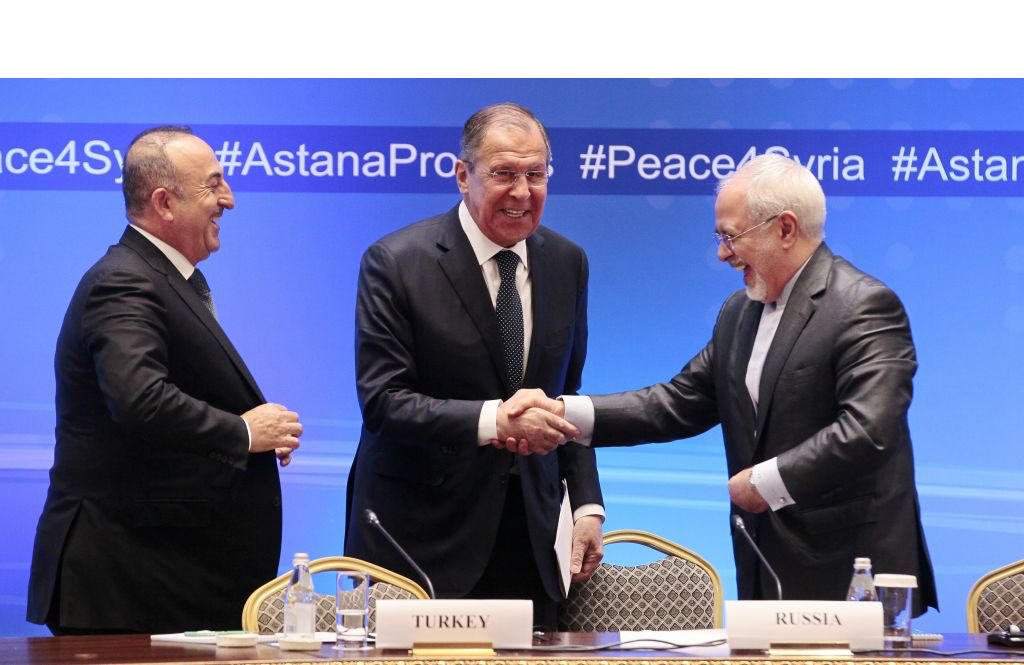
This week’s briefing on recent news and upcoming events in the region including Kazakhstan’s upcoming “Astana talks” on Syria, Jared Kushner’s planned visit to the Middle East, the shift in US-Pakistan relations, and Abbas’ announcement that the Palestinian Authority will halt all signed agreements with Israel, featuring Charles Lister, Gerald Feierstein, Marvin G. Weinbaum, and Khaled Elgindy.
The Gulf states, the “deal of the century,” and the Iranian threat
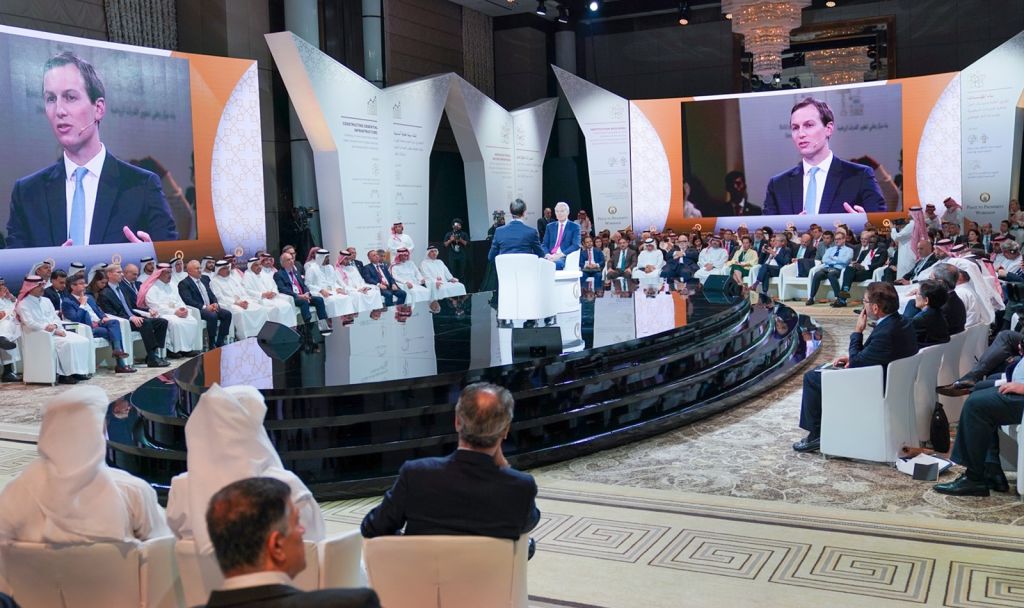
Many analysts have been dismissive of the plan’s prospects, but for Gulf states like Saudi Arabia, the UAE, and Bahrain, there’s at least one major reason to line up with Washington on the issue: Iran.
Divided over narratives: The new fault line in the Arab World
Many of the divisions in the Arab World today are ideological and revolve around narratives — carefully constructed ontological representations of both how the world works and how it is supposed to work conforming to clearly set out interests and values. While the old sectarian narratives might still play an underlying role, what divides Arabs from Morocco to Oman are different grand-strategic visions of the region’s future after the Arab Spring.
The oldest peer-reviewed publication dedicated to the study of the modern Middle East, MEI’s flagship journal covers politics, society, and culture in the region.