This article is part of a collection of short essays written by the Fellows of the Middle East Institute to explore aspects of the ongoing war with Iran. The intent of the collection is to help readers see new and unexpected elements of the dynamics and impact of the ongoing hostilities and to think harder, deeper, and broader about the implications of the conflict.
Turkey: Ankara’s Nuclear Ambitions in the Post-Iran War Environment
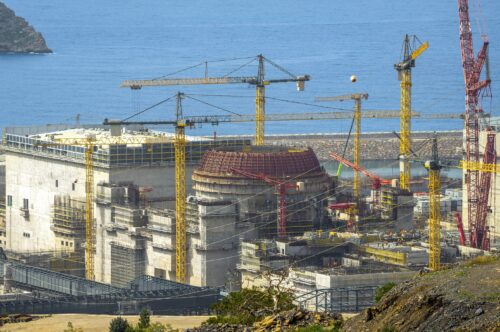
In February 2026, Turkish Foreign Minister Hakan Fidan suggested that shifting international dynamics could push Turkey to acquire nuclear weapons. That rhetoric, combined with Turkey’s civilian nuclear energy and research programs and its indigenous surface-to-surface missile development projects, has fueled concerns that these capabilities could eventually form the backbone of a Turkish nuclear weapons program.
When the US and Israel launched military action against Iran on February 28, 2026, it set in motion a chain of events that saw violence spread across the Middle East. Yet as the region found itself engulfed in conflict, Syria has experienced its most peaceful months in 15 years, and the government in Damascus appears determined to stay its course toward recovery.
Missile defense, spinach pastry, and fighter jets: The S-400 leaves Turkey looking for an F-35 alternative
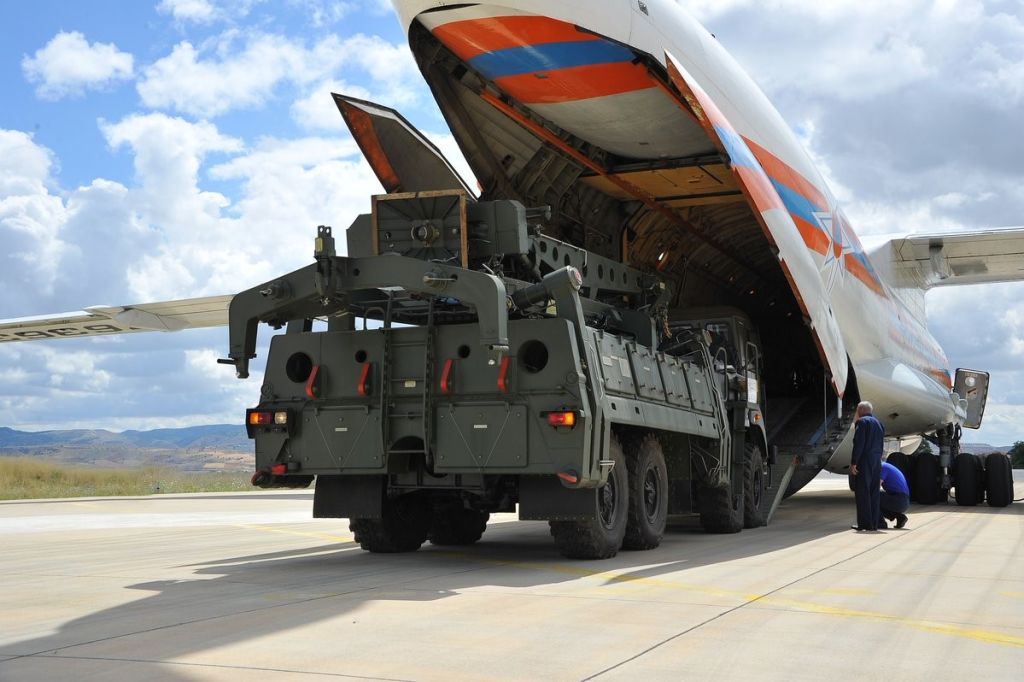
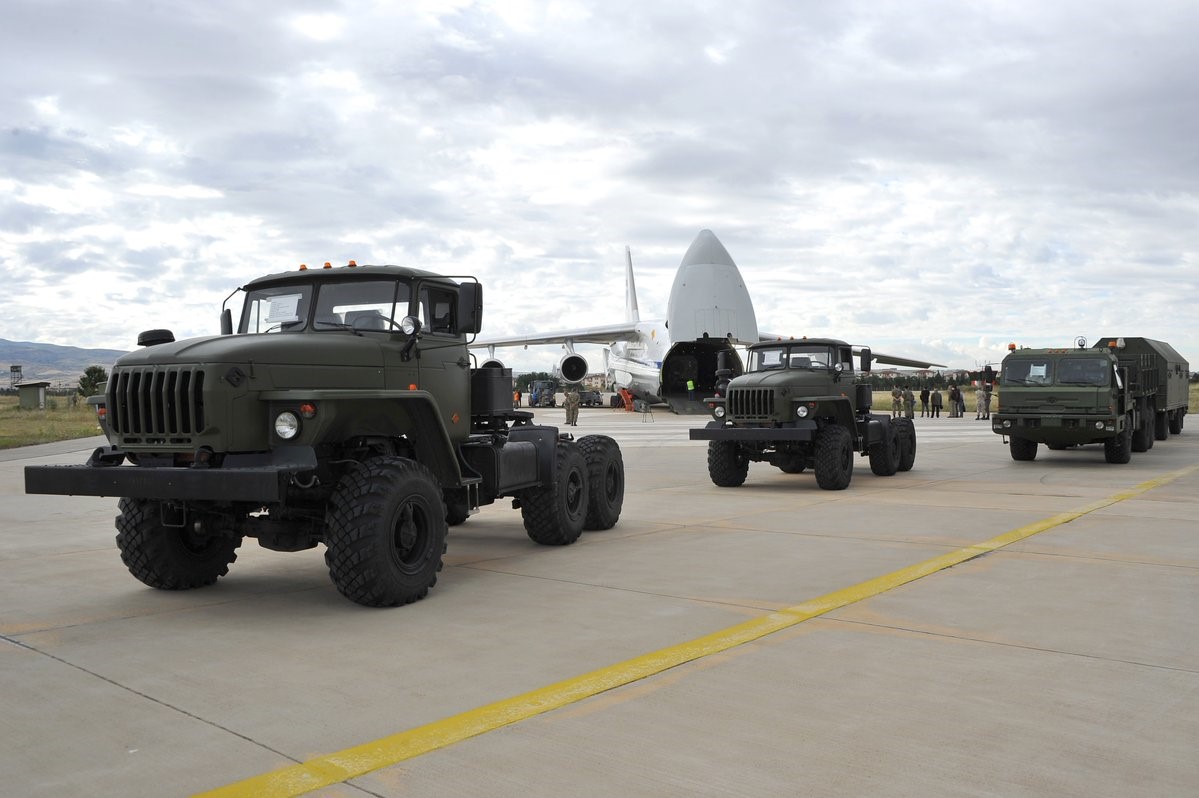
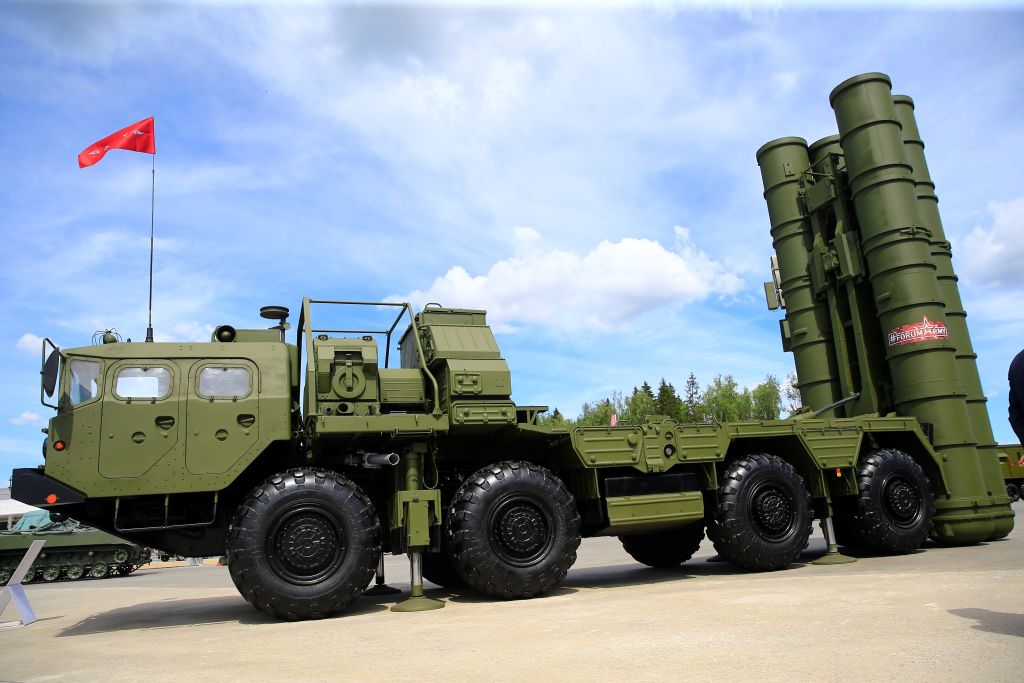
Turkey began taking delivery of the first Russian S-400s last week despite repeated warnings from the U.S., and the new missile defense system has received a warm welcome. Columnists, analysts, and TV commentators — pro- and anti-Erdogan alike — hailed the delivery of the missile system as the “country’s liberation from the West.” The U.S. response followed several days later, when it officially expelled Turkey from the F-35 stealth fighter jet program in retaliation. The U.S. announcement has not changed the jubilant mood in Ankara, although it has underscored the need for Turkey to find — or develop — an alternative.
Monday Briefing: Pakistani PM Khan heads to the White House
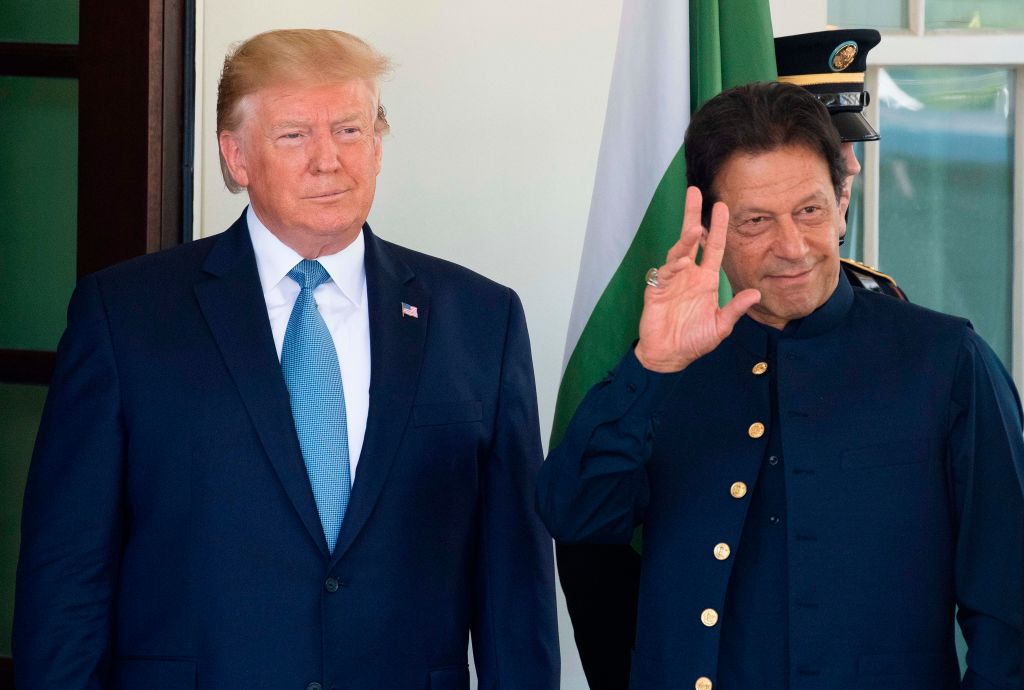
This week’s briefing on recent news and upcoming events in the region including Imran Khan’s visit to the White House, tensions between President Trump and Congress over Turkey’s new S-400 system, escalation in the Straits of Gibraltar and Hormuz, military restructuring in Iraq, increased collaboration on the region’s power supply, and changes to Egypt’s social safety net, featuring Arif Rafiq, Gonul Tol, Ruba Husari, Robert S. Ford, Dr. Ibrahim Saif, and Mirette F. Mabrouk.
As it combats continuing stagnant growth, Lebanon’s economy is facing a looming debt crisis. Omar Slim, senior investment manager and committee member with Lebanese International Finance Executives (LIFE), joins host Alistair Taylor to discuss the current threats to Lebanon’s economy and the need for financial consolidation.
The Lion and The Eagle: The Syrian Arab Army’s Destruction and Rebirth
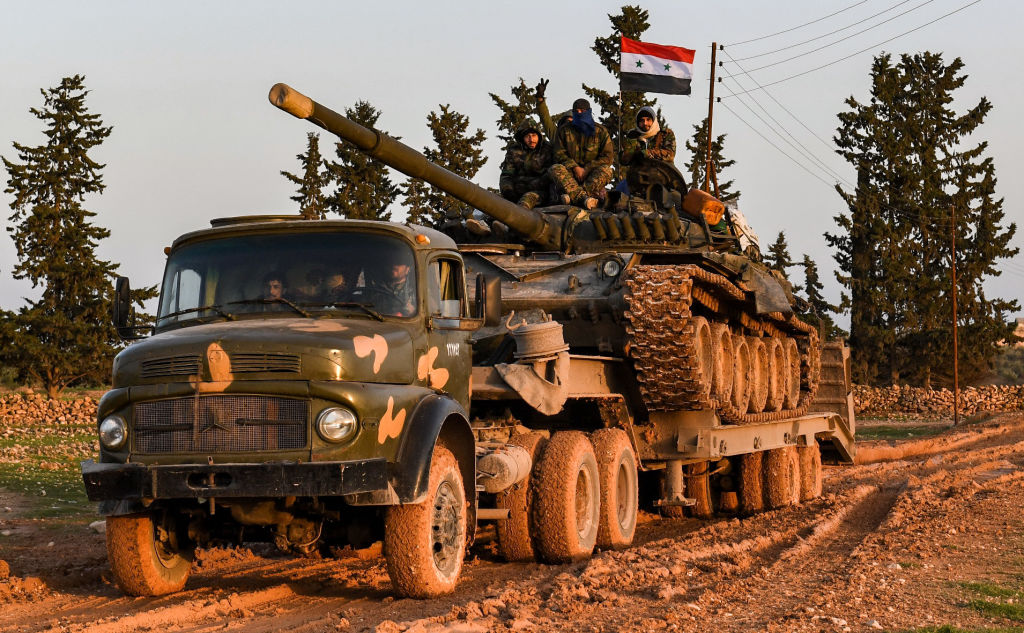
The Syrian Arab Army (SAA) has been decimated by eight years of civil war. Defections, deaths, and a lack of funding have gutted its ranks while heavy losses of armored vehicles have significantly reduced the mechanized capabilities of what was once the sixth-largest armor fleet in the world. The inability of Damascus to fully deploy its official army led to the rise of paramilitary militias and an influx of pro-regime foreign fighters. This report explores the causes of the collapse of the SAA and its attempted rebirth, and ends with a detailed examination of its current order of battle.
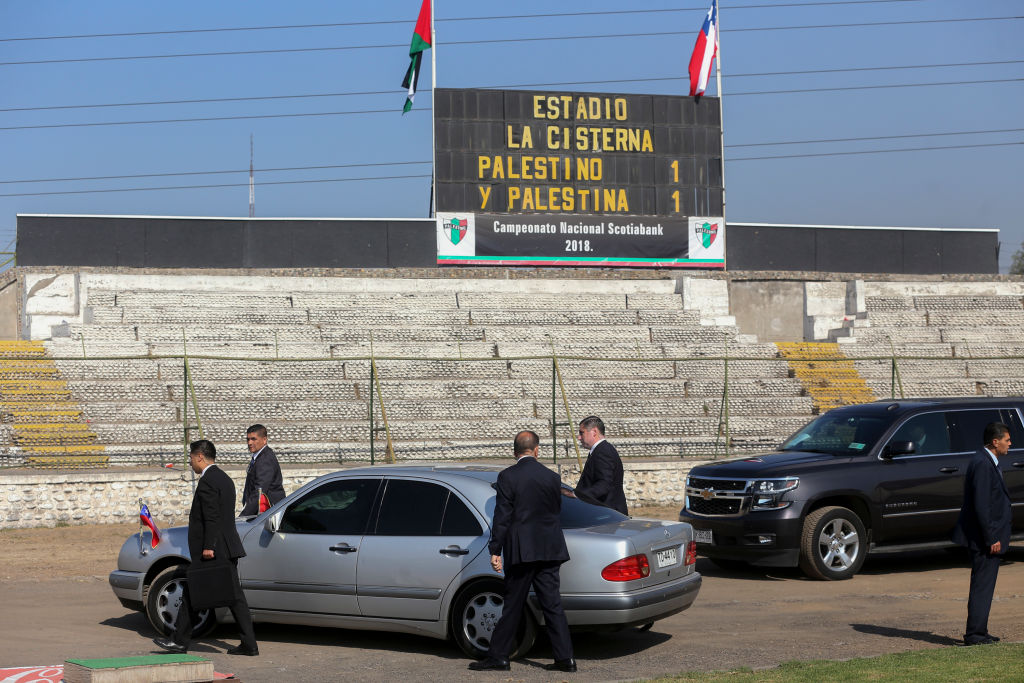
With the increased influence of right-wing populism and evangelicalism, Mahmoud Abbas has seen the region’s historic commitment to the Palestinian cause wane. These internal changes, along with a pivot toward Washington, have, in turn, aided Israeli Prime Minister Benjamin Netanyahu in making further inroads on the South American continent.
Monday Briefing: US and Turkey face S-400 confrontation
This week’s briefing on recent news and upcoming events in the region including Turkey’s confrontation with the U.S. over its S-400 defense system, the latest round of Afghan peace talks, the UAE’s drawdown in Yemen, Turkey’s media signaling on Syria, and the 21st consecutive week of protests in Algeria, featuring W. Robert Pearson, Marvin G. Weinbaum, Ibrahim Jalal, Guney Yildiz, and Robert S. Ford.
Although Syria’s civil war has largely wound down, fighting in Idlib in the country’s northwest has heated up in the last two months. Charles Lister, MEI senior fellow and Director of the Countering Terrorism and Extremism Program, and Sasha Ghosh-Siminoff, executive director and co-founder of People Demand Change, join host Alistair Taylor to discuss the ongoing conflict and what impact it might have on Syria’s future.
The idea of establishing a Levant Union — one not unlike the European Union (EU), but composed of the Levantine states of Lebanon, Syria, Iraq, Palestine, Jordan, and by extension, Egypt and Cyprus — is one that ought to be explored. Such an arrangement would offer untapped potential for trade, supported by the growing trend toward greater regionalization, fueled by the rise in protectionism, increasing multipolarity, and corporate regionalization.
With delivery of the Russian S-400 air defense system to Turkey looming, a new crisis in U.S.-Turkey relations is slowly emerging. While it is obvious that Turkey needs a new air and missile defense system given the security risks in its region, it remains unclear why Turkish President Recep Tayyip Erdogan seeks to acquire the capability from a historical rival and potential adversary instead of through NATO. This decision will likely have major consequences for Turkey and its future geopolitical orientation.
Freshwater Resources in the MENA Region: Risks and Opportunities
A reliable supply of freshwater is a prerequisite for sustainable socioeconomic development, as well as for sociopolitical stability and human prosperity, especially in semi-arid and arid regions of the world. The Middle East and North Africa’s freshwater resources are under immense pressures and are facing significant risks to their sustainability due to overexploitation, climate change, and interstate competition over their use that extends beyond the region’s boundaries.
Interconnected: Trade, food security, and stability in the GCC and MENA
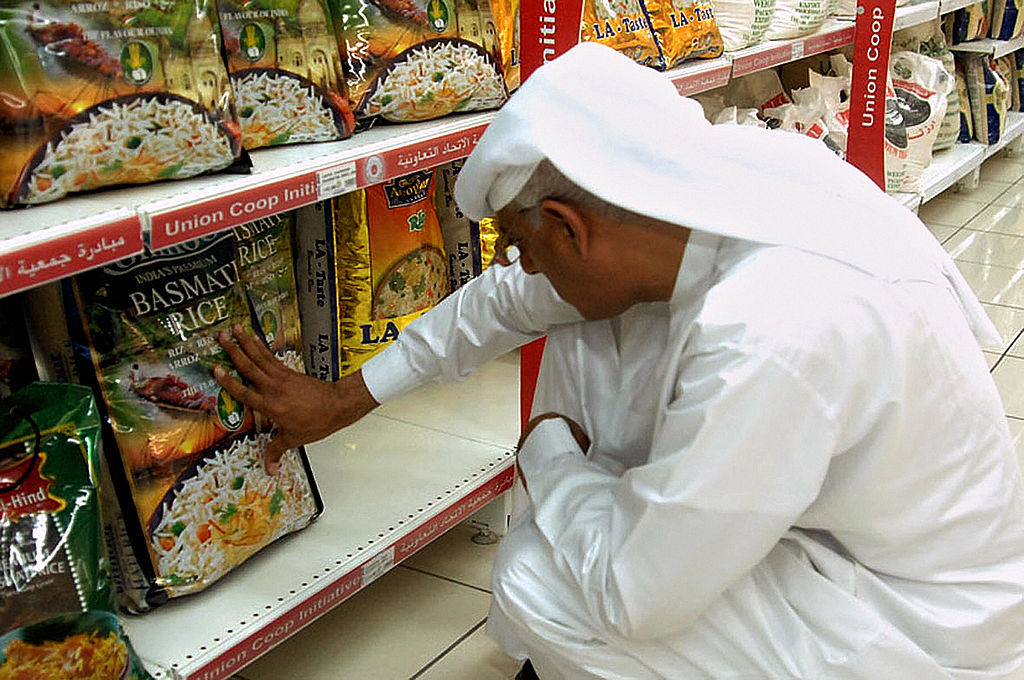
It is easy to overlook the fact that food security could be an issue of concern in the Gulf Cooperation Council. After all, its member states have some of the world’s highest per capita income levels. Food supplies in the Gulf are normally abundant and stable. Were they to be disrupted, however, it could lead to food security challenges and a chain of adverse consequences for human security throughout the region.
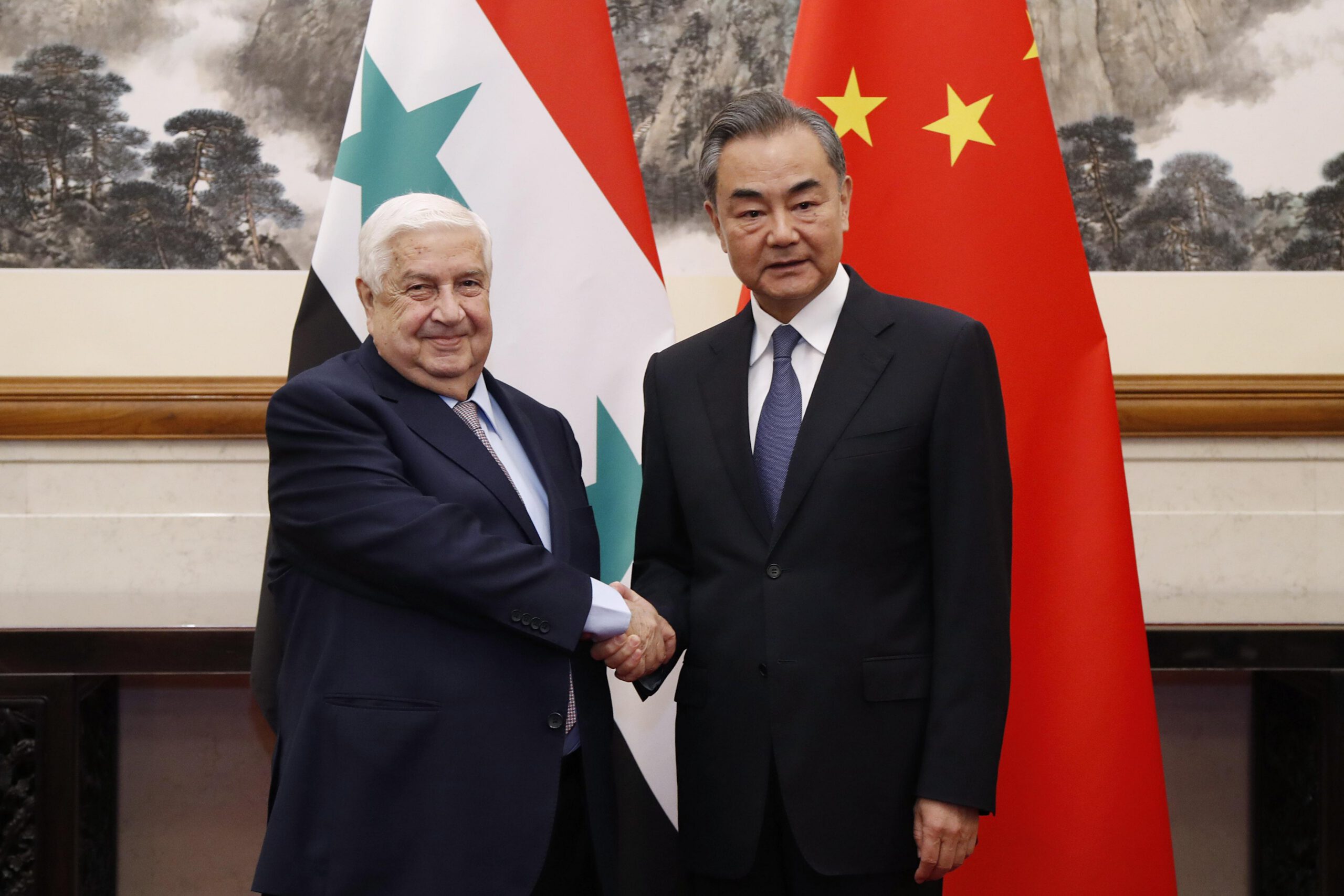
Traditionally, Syria has not been a strategic priority for China. Nor is it today. However, this does not mean that Beijing has been indifferent to the wide-ranging adverse effects of Syria’s disastrous civil war or to the opportunities that its postwar rebuilding might present. China’s Syria policy derives from its broader security and economic interests in the region. Accordingly, China’s two primary policy aims are 1) maintaining a constructive relationship with a government in Damascus that is stable, friendly, and capable of preventing the spread of transnational jihadist activity from its territory; and 2) developing an economic partnership that is compatible with and in furtherance of the Belt and Road Initiative (BRI). This article examines how China has pursued these aims during the eight-year Syrian conflict.
Monday Briefing: Strengthening Egypt’s ties with Africa
In this week’s Monday Briefing, MEI experts Mirette F. Mabrouk, Charles Lister, Gonul Tol, and Alex Vatanka provide analysis on recent and upcoming events including Egypt’s engagement with Africa to boost trade and investment, the reshuffling of leadership of Syria’s security apparatus, the firing of Turkey’s central bank governor, and Russia’s positioning to act as mediator between Iran and the Gulf states.
Becca Wasser, policy analyst at the RAND Corporation, and NPR national security correspondent and MEI scholar Greg Myre join host Alistair Taylor to discuss Moscow’s growing political, economic, and military footprint in the region.
As violence flares up in Daraa, control can be an illusion
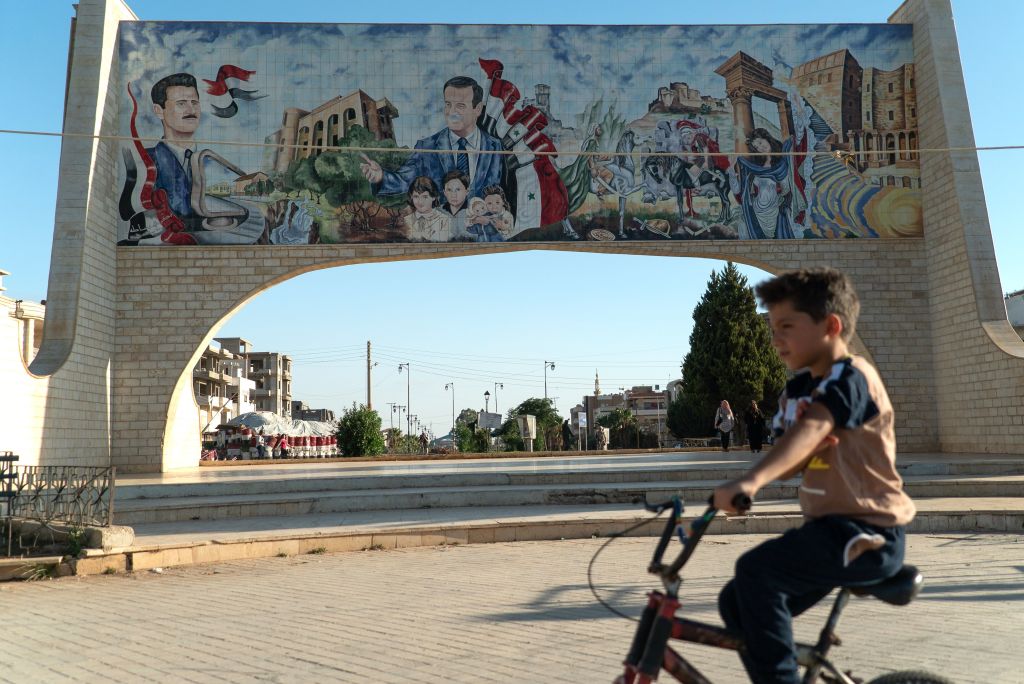
Violence has been flaring up at an alarming rate in the southern Syrian province of Daraa, amid dozens of unclaimed attacks by gunmen. Over the last three months, assassinations, checkpoint attacks, fires, and sporadic clashes have wreaked havoc in the area and signaled a potential return of conflict.
The oldest peer-reviewed publication dedicated to the study of the modern Middle East, MEI’s flagship journal covers politics, society, and culture in the region.