Unlocking the Levant: Why the United States and Syria Must Pursue a Bilateral Trade and Investment Agreement
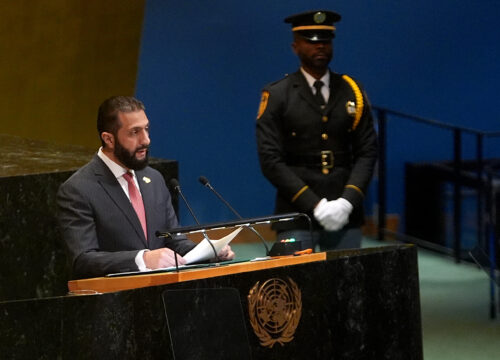
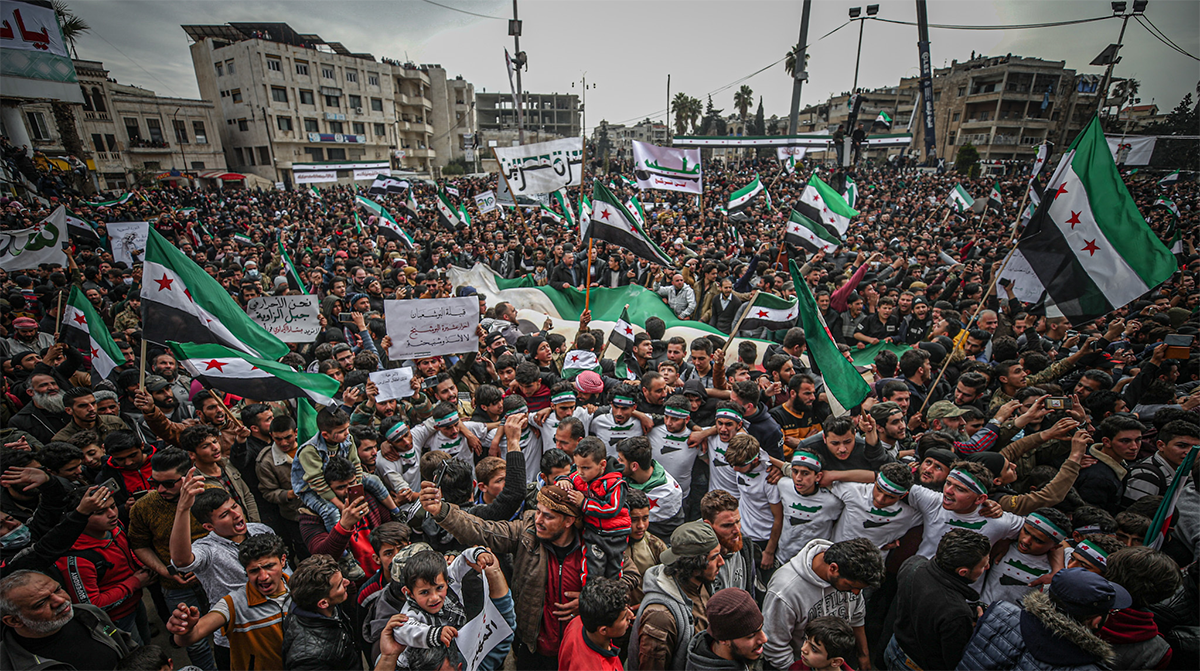
Apart from the brief honeymoon period between 1961 and 1963 under President John F. Kennedy and President Nazim al-Qudsi, US-Syria relations have never held such optimistic potential as they do today. Today, following the fall of Bashar al-Assad regime and the rise of a new government under President Ahmad al-Sharaa at the end of 2024, a new geopolitical window has opened.
Consolidating Sovereignty, Security and Peace: Time to Step up the Game
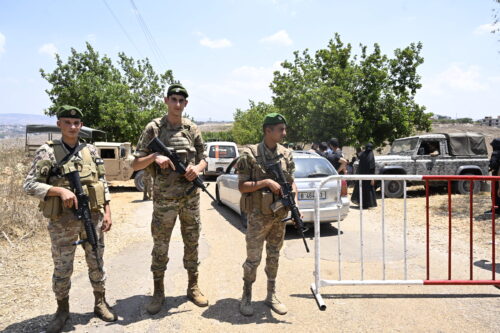
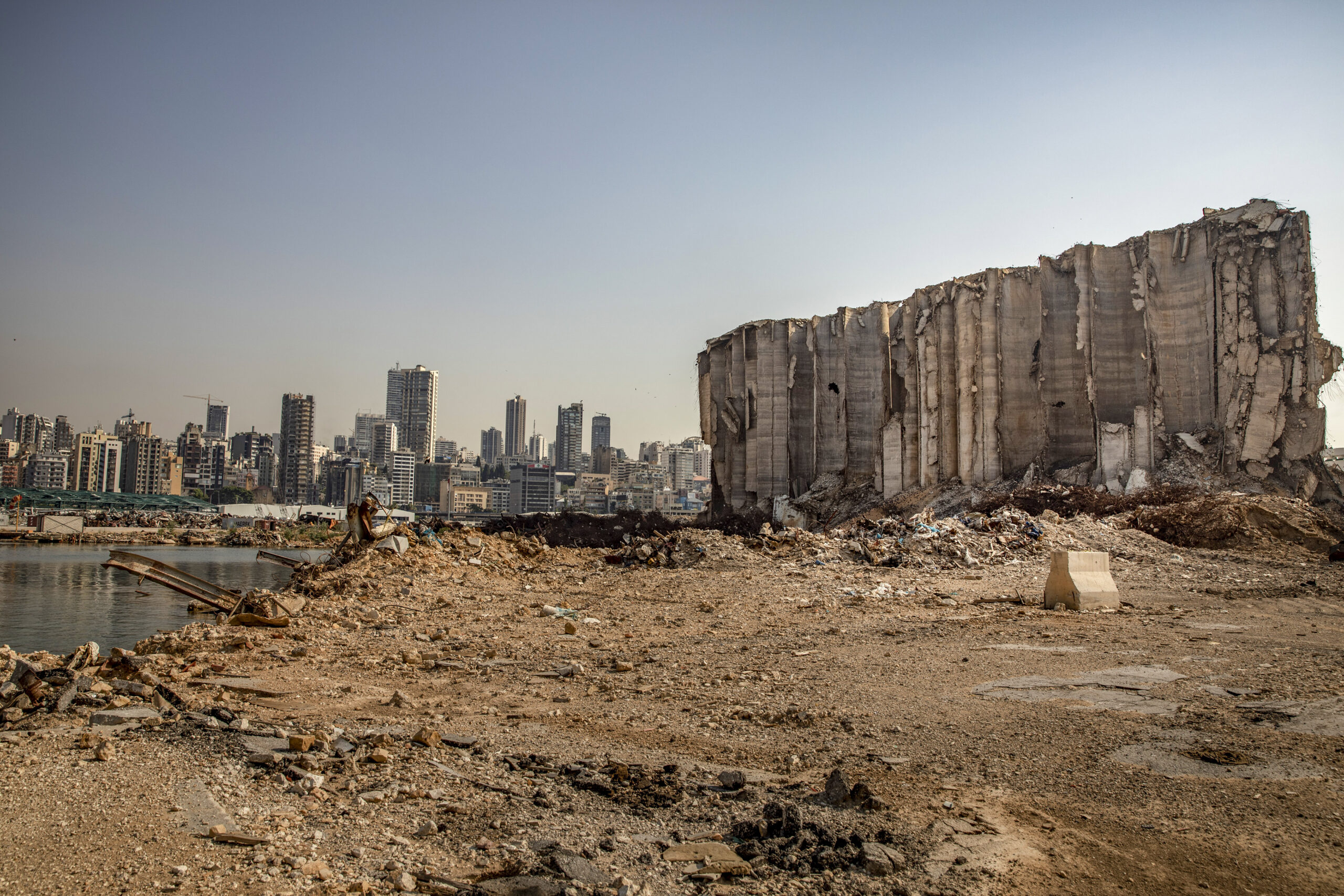
Although it has been a frustrating summer, Lebanon remains on the right track. My observation after a ten-day visit to Beirut and Jerusalem this month is that leaders in both capitals remain strongly committed to a shared objective.
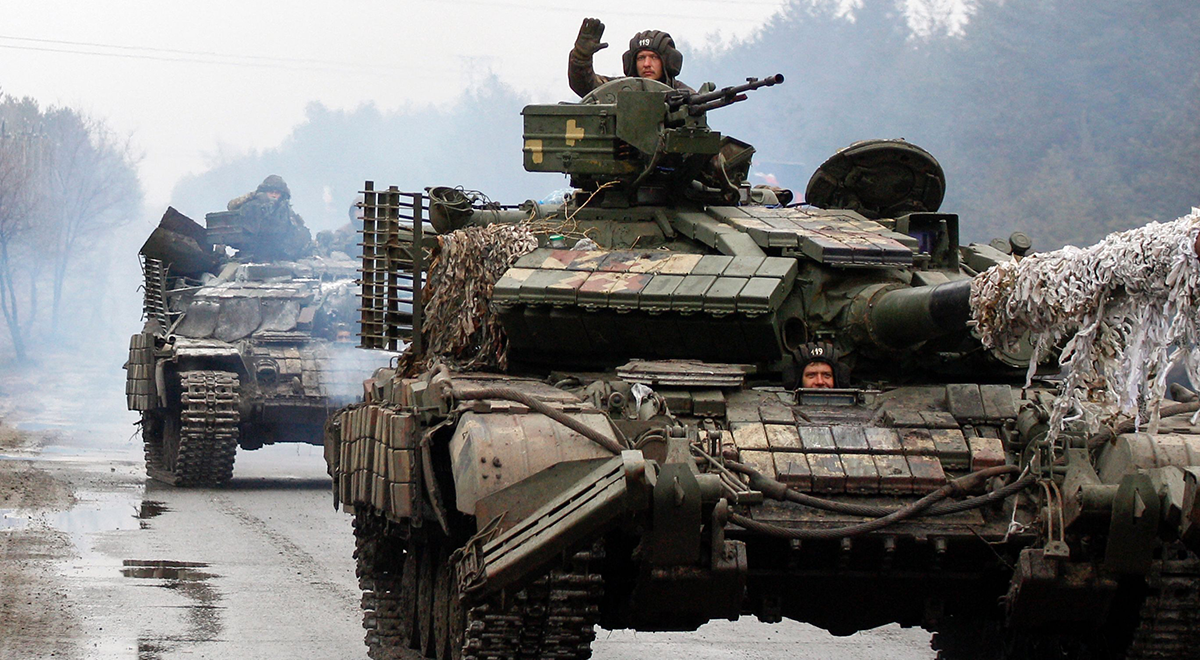
Russia’s invasion of Ukraine and the resulting collapse of U.S. and European diplomatic relations with Moscow mean Syria diplomacy is now all but dead. Small signs that diplomacy may have been poised for renewed investment in early 2022 now feel like a distant memory.
Most of the reporting on Russian recruitment in Syria has involved half-truths, if not outright lies. While it does appear that some Syrians have signed contracts to fight in Ukraine, there is no guarantee these fighters will actually be sent there. The coverage of this topic has also missed a key aspect of who would actually be involved if Syrians really do deploy to Ukraine.
“Get them to the conflict zone”: Russia turns to Syrian fighters for support in Ukraine
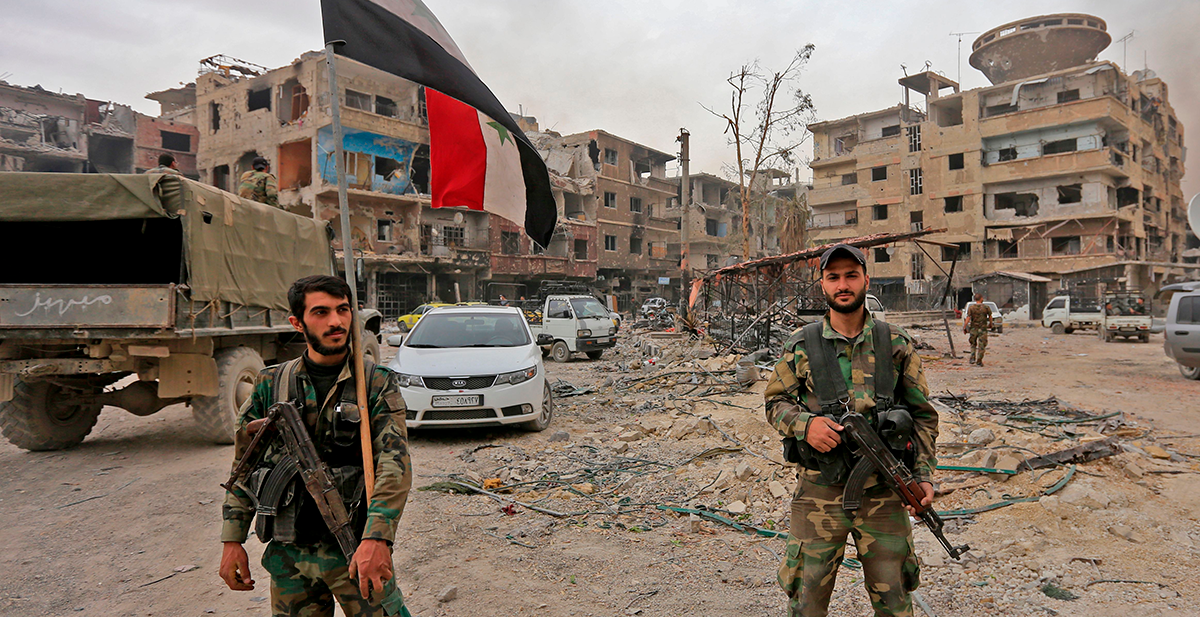
Doesn’t Russia’s egregious invasion of Ukraine look familiar? Whether it’s the flagrant attacks on civilians, the hospital bombings, siege tactics, or rampant disinformation, Ukraine’s parallels with Syria are just about everywhere one cares to look. However, yet another feature of Syria’s grueling war now appears set to be repeated amid reports that Russia is already recruiting Syrian fighters to join combat units on the frontlines in Ukraine.
Will Iran’s heavy-handed approach to deterring Israel backfire?
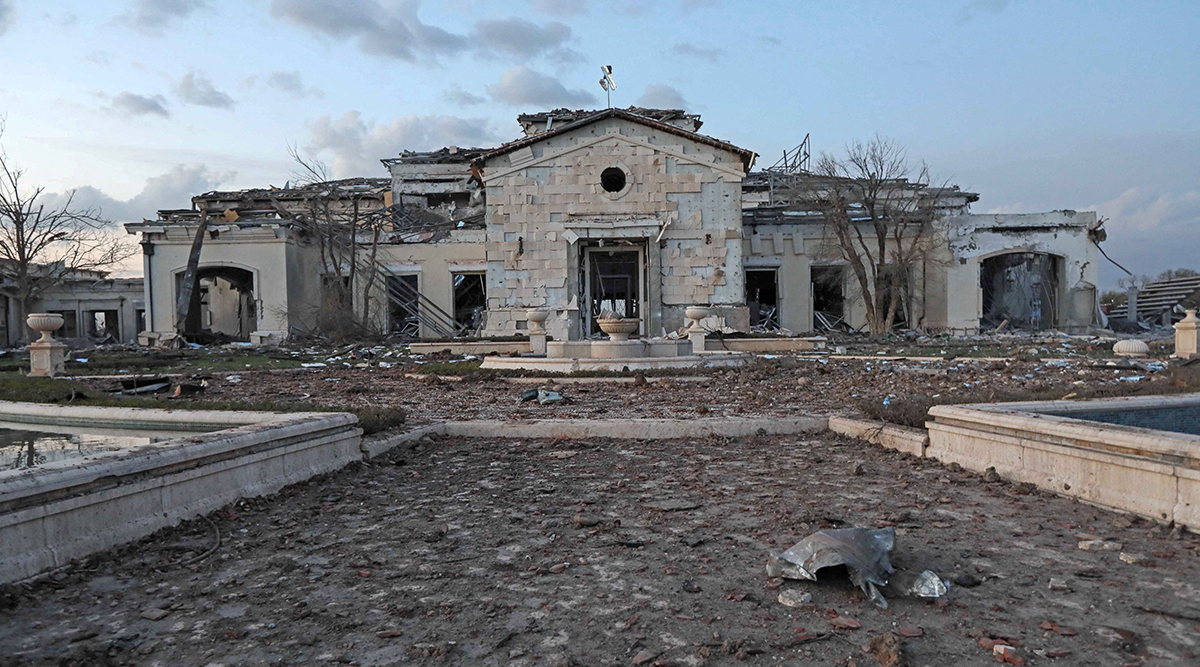
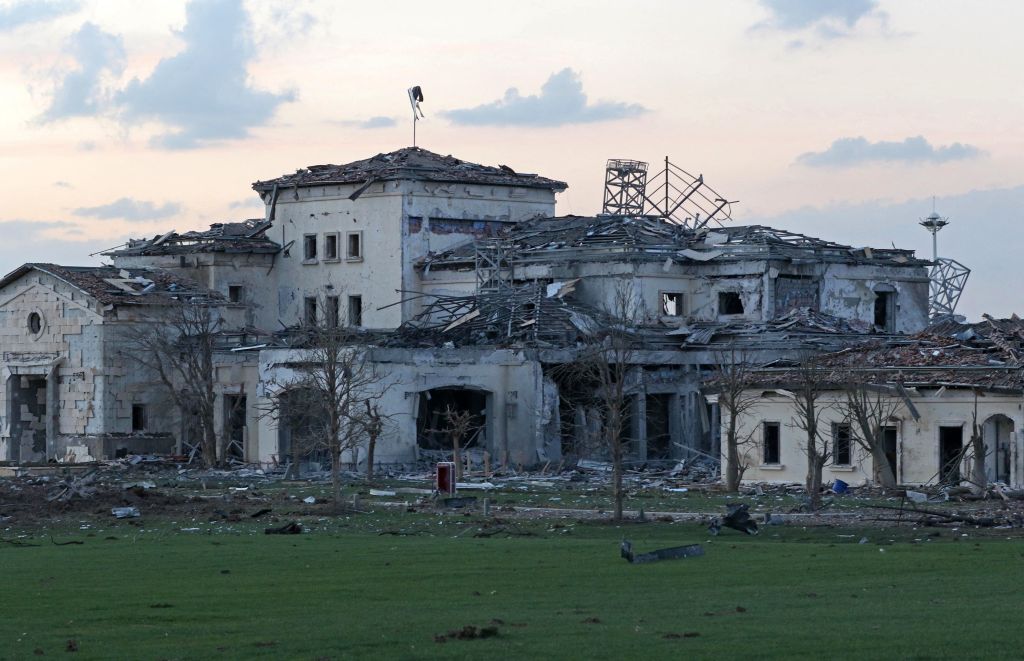
On March 13, Iran’s IRGC fired missiles at targets in the Iraqi Kurdish city of Erbil. While Tehran’s threat of force might shape the calculations of regional states that are weighing the pros and cons of establishing closer ties with Israel, the Iranians will inevitably have to reckon with the possibility that this heavy-handed approach may backfire.
In two months, Lebanon is scheduled to hold parliamentary elections in the midst of a continuing economic meltdown and total failure of governance. The outcome of the vote is likely to be disappointing for anyone expecting to elect new leaders capable of reforming Lebanon.
Once again, Israel throws up an unlawful barrier to Palestinian family reunification
On March 10, Israel’s parliament enacted a bill denying naturalization to Palestinians from the occupied West Bank and Gaza who marry Israeli citizens. While most foreign nationals who marry Israelis can live in Israel and eventually become citizens, Palestinians and certain other Arabs cannot.
Freeze and Build: A Strategic Approach to Syria Policy
While Syria diplomacy may have appeared poised for a period of renewed investment in early 2022, Russia’s invasion of Ukraine and the resulting collapse in U.S. and European diplomatic relations with Moscow mean Syria diplomacy is now all but dead. An unprecedented humanitarian crisis now appears to be imminent. To adapt to this new environment, the international community must consider a comprehensive change in approach, prioritizing the freezing of conflict lines and a more strategic use of aid, stabilization, and targeted rebuilding in areas free of Assad regime rule.
Lebanon is running out of time to avert starvation
As Russia’s two-week-old war against Ukraine has brought Lebanon’s wheat imports from the besieged Black Sea nation to a complete standstill, the government in Beirut is racing against the clock to avert a catastrophic food crisis.
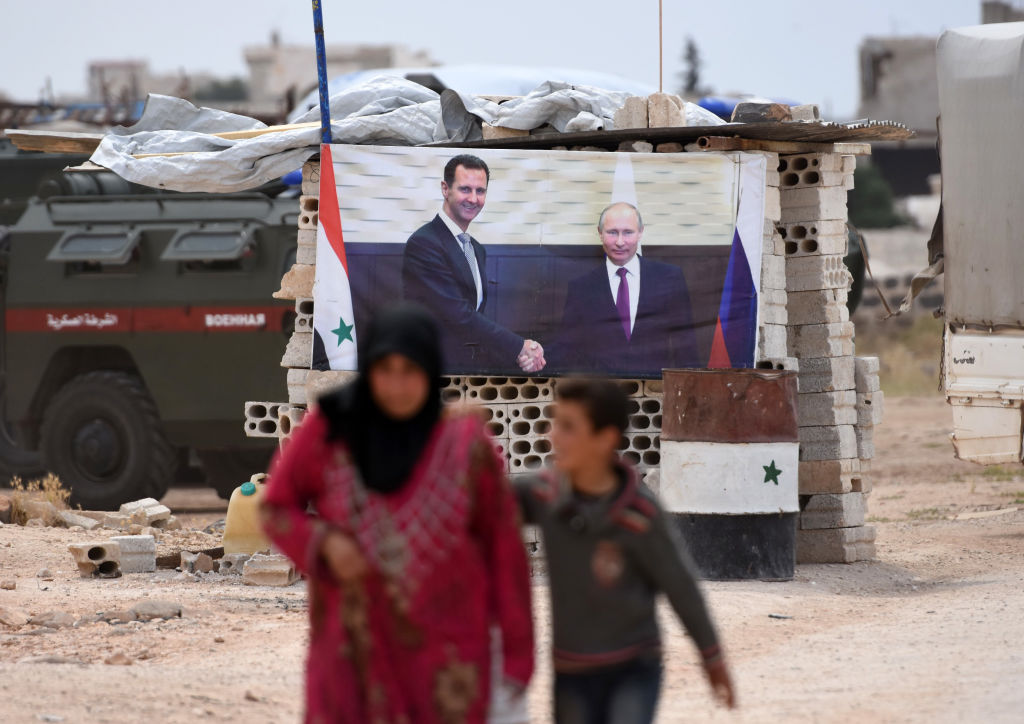
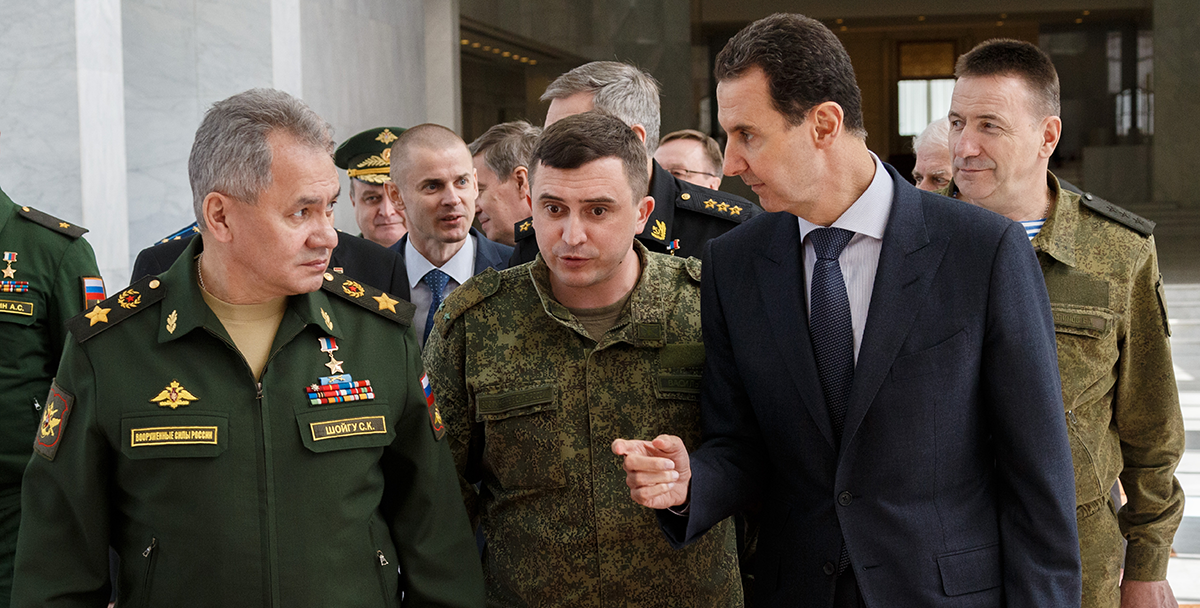
As Russia pushes on with its relentless invasion of Ukraine, Damascus has done more than toe the proverbial Kremlin line — it has shown complete solidarity with its superpower patron.
Oman Library Digital Exhibition Highlights the Work of Sa‘dallah Wannous and Rare Syrian Journals
Sa’dallah Wannous revolutionized the Syrian stage with his existential, and often political, work. In the journal al-Ḥayāh al-Masraḥīyah he fostered discussions on art, politics and the future of Arab theater. Learn more about the Oman Library’s Digital Exhibition on his work.
Drones are re-engineering the geopolitics of the Middle East
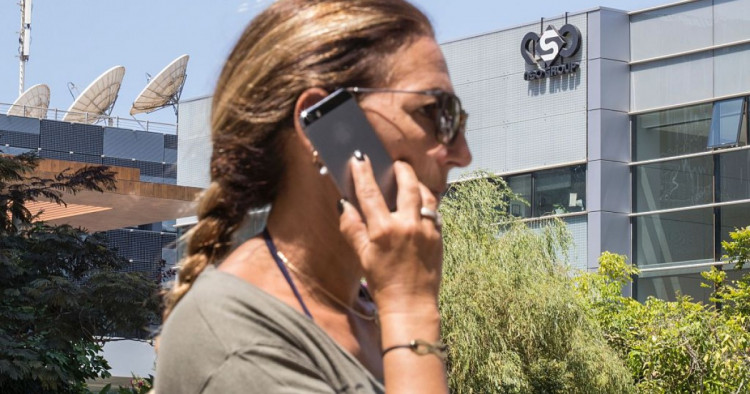
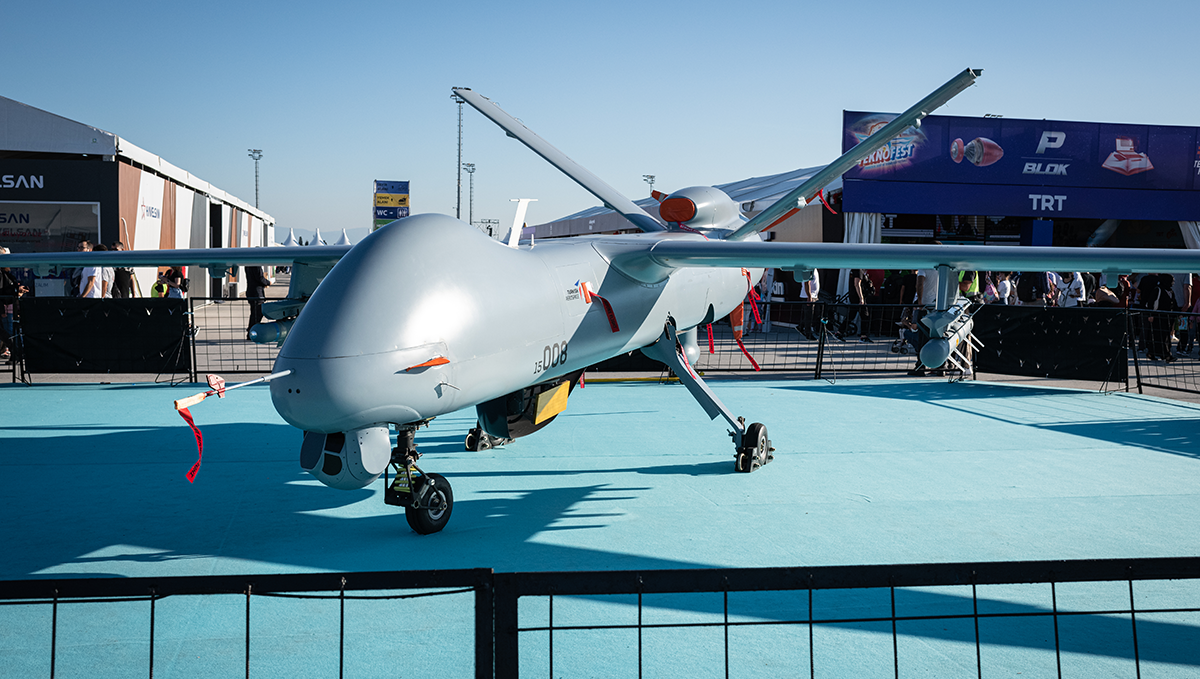
The Middle East is experiencing a seismic shift in its geopolitics: the dawn of the era of drones. From Syria to Libya and from Yemen to Iraq, UAVs have altered the dynamics on the battlefield. Agile and affordable, drones aren’t just a menace to remote conflict zones, but also to states far removed from theaters of war.
Randa Slim and Amb. Edward Gabriel discuss the daunting trifecta of economic, financial, and political crises Lebanon currently faces and what they anticipate for the country’s future.