Unlocking the Levant: Why the United States and Syria Must Pursue a Bilateral Trade and Investment Agreement
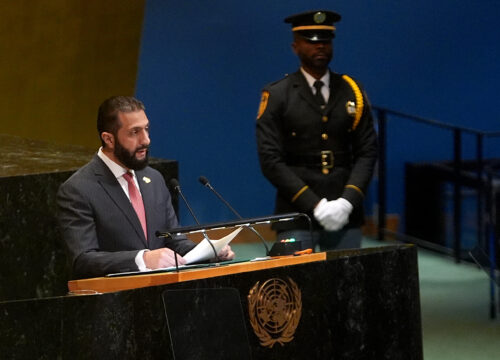
Apart from the brief honeymoon period between 1961 and 1963 under President John F. Kennedy and President Nazim al-Qudsi, US-Syria relations have never held such optimistic potential as they do today. Today, following the fall of Bashar al-Assad regime and the rise of a new government under President Ahmad al-Sharaa at the end of 2024, a new geopolitical window has opened.
Consolidating Sovereignty, Security and Peace: Time to Step up the Game
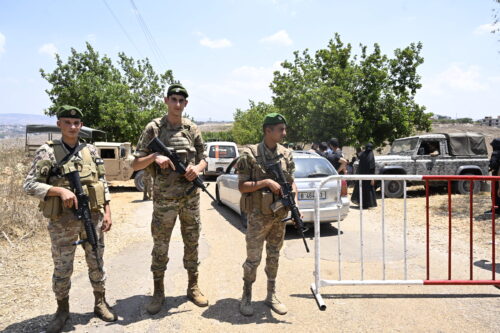
Although it has been a frustrating summer, Lebanon remains on the right track. My observation after a ten-day visit to Beirut and Jerusalem this month is that leaders in both capitals remain strongly committed to a shared objective.
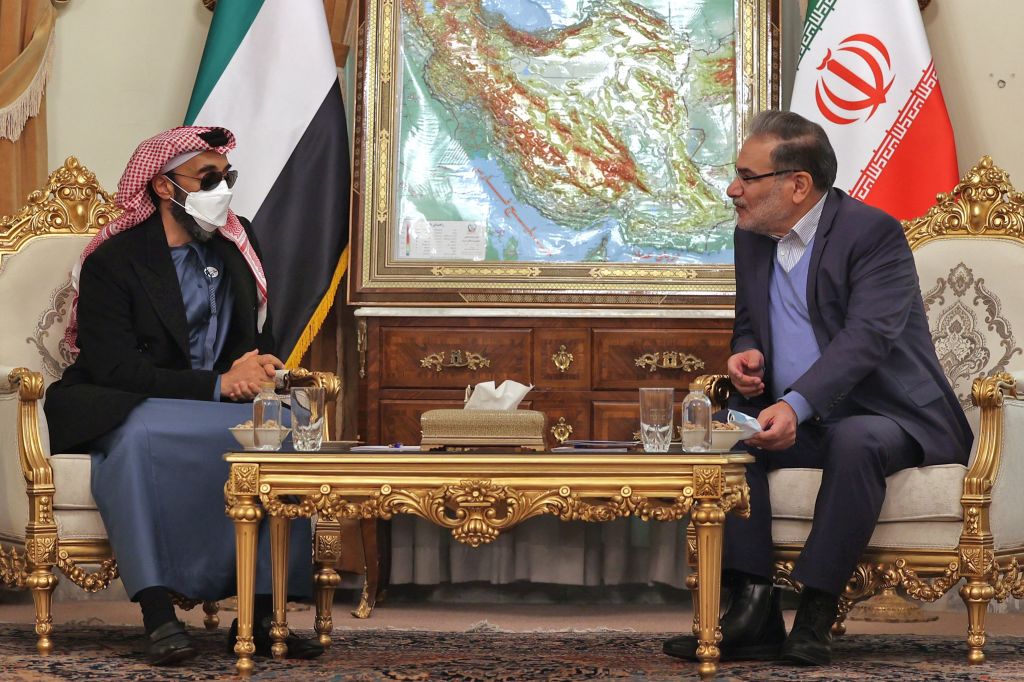
Recently, the Iranian regime’s anti-Israel campaign scored an own goal when various hard- line regime news outlets targeted former Iranian national soccer team captain Mehdi Mahdavikia with severe criticism and condemnation. Mahdavikia’s crime? Wearing a jersey at an international exhibition soccer match arranged by FIFA in Qatar that featured the flags of all 211 FIFA members, including Israel.
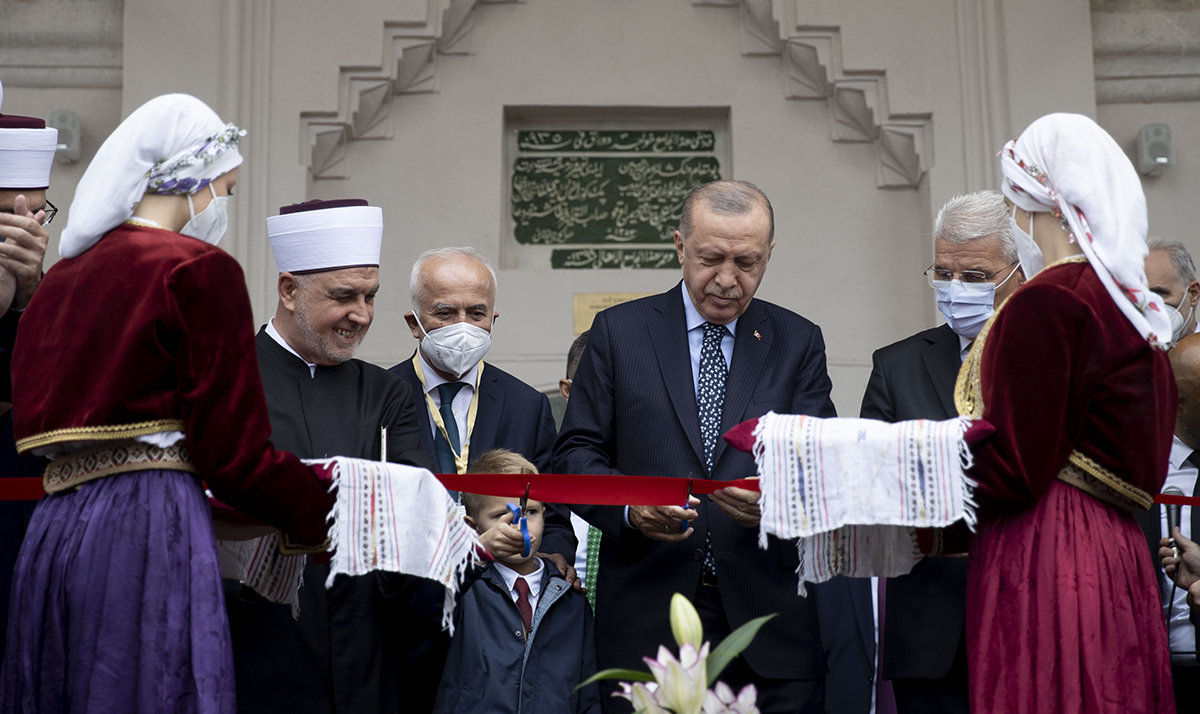
Competing over Islam: Turkey, Saudi Arabia, and Iran in the Balkans
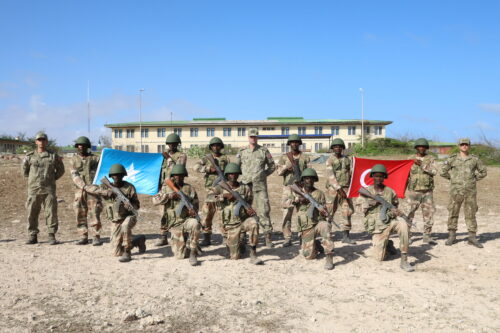
Turkey, Saudi Arabia, and Iran have been the main competitors in a struggle over who — and in what manner — should act as the patron of Muslims in the Balkans. These three countries are very different in terms of their historical footprint, economic and political presence, and local networks. What they share, however, is the use of Islam to exert soft power. This paper will discuss how they are seeking to wield influence, how regional actors respond to their overtures, and whether these three countries are meeting their objectives in the region.
Exploring the feasibility of the Jordan-Israel energy and water deal
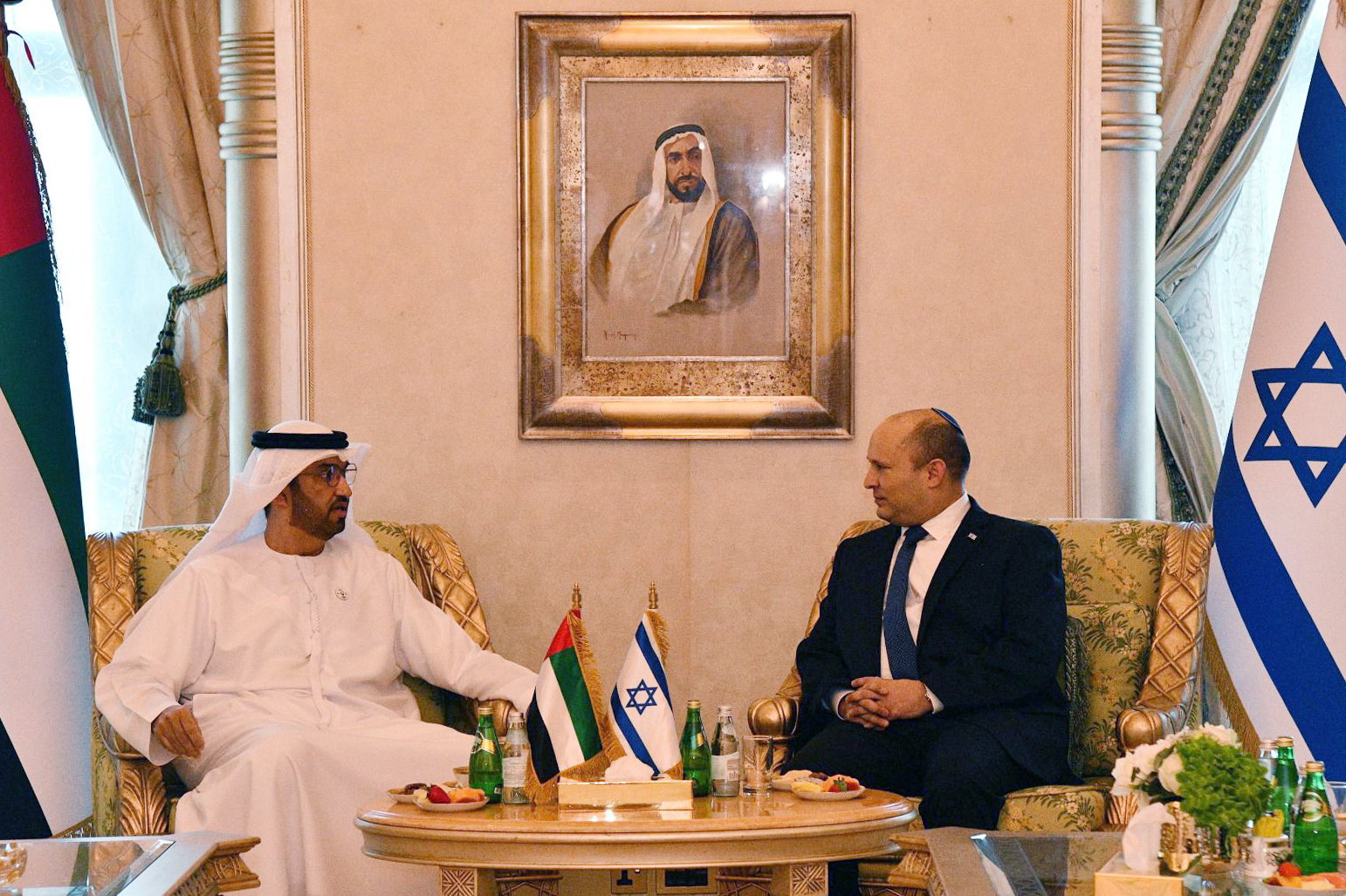
On Nov. 22, the Dubai Expo hosted an event where the United Arab Emirates (UAE), Jordan, and Israel signed a cooperation agreement that would broker an exchange of renewable energy and water between Jordan and Israel. The signing of the agreement between the respective minsters of the three countries took place in the presence of Abu Dhabi Crown Prince Mohammed bin Zayed and U.S. Climate Envoy John Kerry, who played a role in getting the deal done.
Three signs of impending famine in Syria absent immediate action
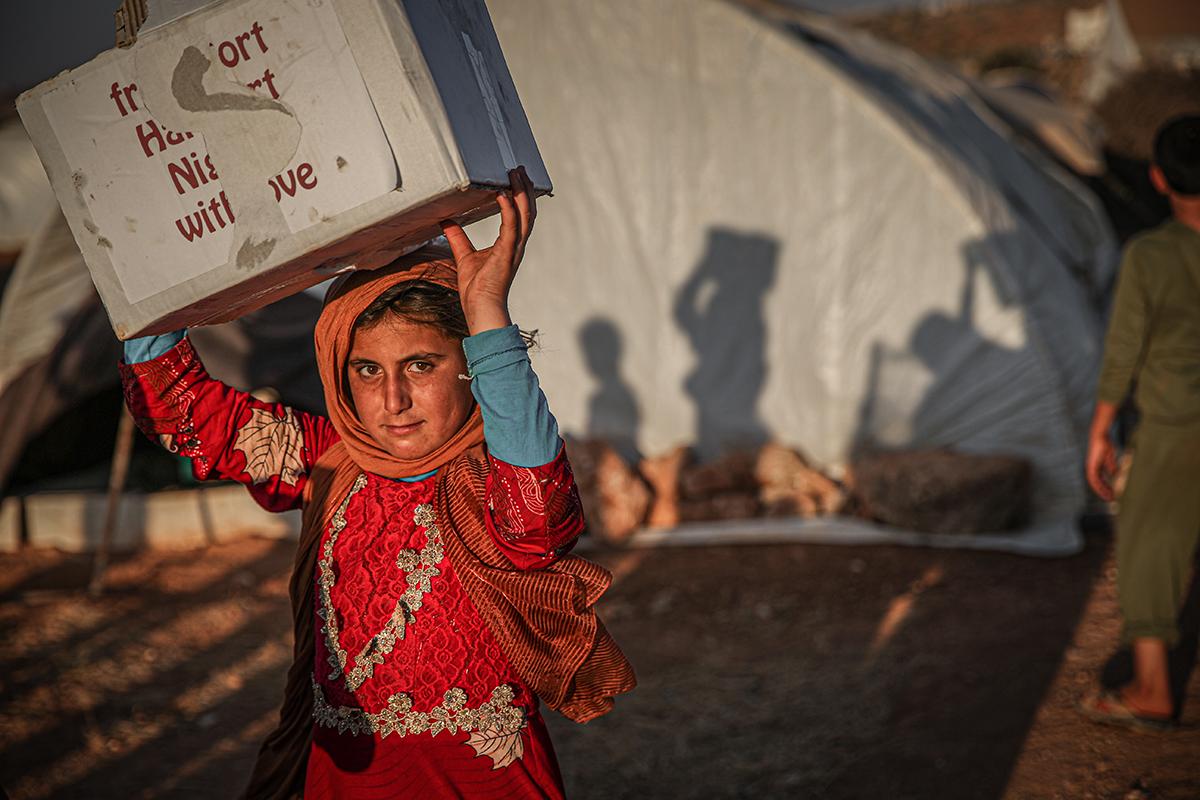
The pace of military action in Syria has plateaued. With the assumption of a frozen conflict comes the attendant assumption that humanitarian conditions are also likely to be stable. This could not be further from the truth. Humanitarian conditions continue to deteriorate, driven by three factors, and urgent action is now needed to avoid a famine.
The case for COVID-19 public inquiries for the Arab world
The COVID-19 pandemic has revealed a number of weaknesses in government response, including a fragmentation of the decision-making process, inadequate consultation with experts, opacity of epidemiological data, as well as a lack of health care capacity, collective action, and general preparedness. Perhaps above all though, the pandemic has highlighted the inadequacy of communication with the public and their lack of involvement in the decision-making process. While the novel coronavirus caught all governments by surprise, some governments, especially those that enjoy high levels of trust (and not necessarily the wealthiest ones), have fared better than others. This has prompted some countries to hold public hearings to gain more insight into decision-making during the pandemic and rebuild trust in institutions. Strikingly but unsurprisingly, no country in the Arab world has yet called for a public inquiry into COVID-19. While this is even more relevant for countries that have traditionally enjoyed democratic governance and for countries that have suffered disproportionately rom the pandemic, this exercise could be useful for all Arab countries in regaining the trust needed to better respond to future crises.
عقب استقالة وزير المالية واستبداله بأحد الموالين للرئيس رجب طيب أردوغان في الثاني من ديسمبر/كانون الأول، واصلت الليرة التركية تراجعها المطرد أمام الدولار، لتصل خسائرها خلال العام إلى قرابة 50٪. من جديد تقع العملة التركية تحت وابل من المضاربات، على غرار الحلقات السابقة في يوليو/تموز 2018 وأكتوبر/تشرين
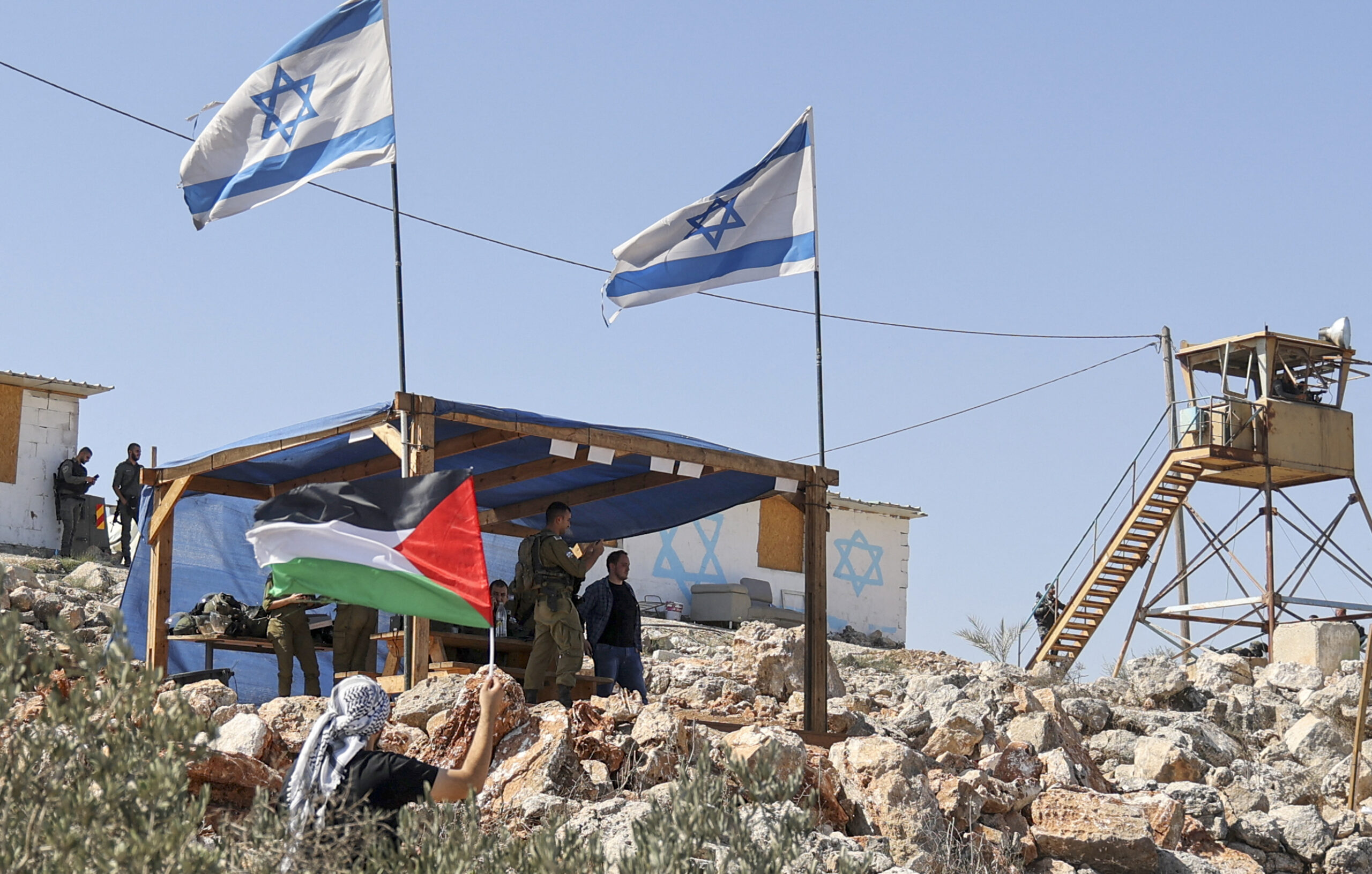
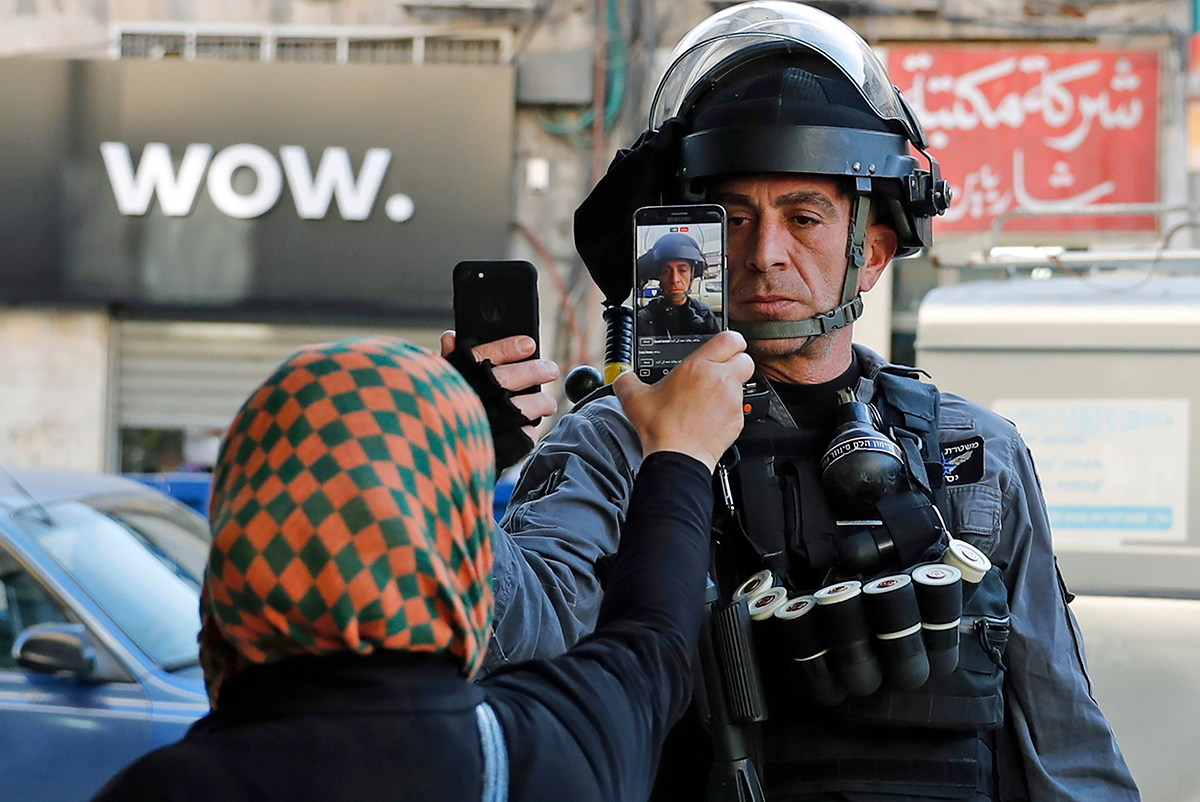
The 4.8 million residents of the occupied Palestinian territories live in two simultaneous and vastly different realities. In the physical world, Palestinians are captives, crammed into Gaza or West Bank enclaves and blockaded by Israeli military checkpoints. But on the internet, the checkpoints disappear.
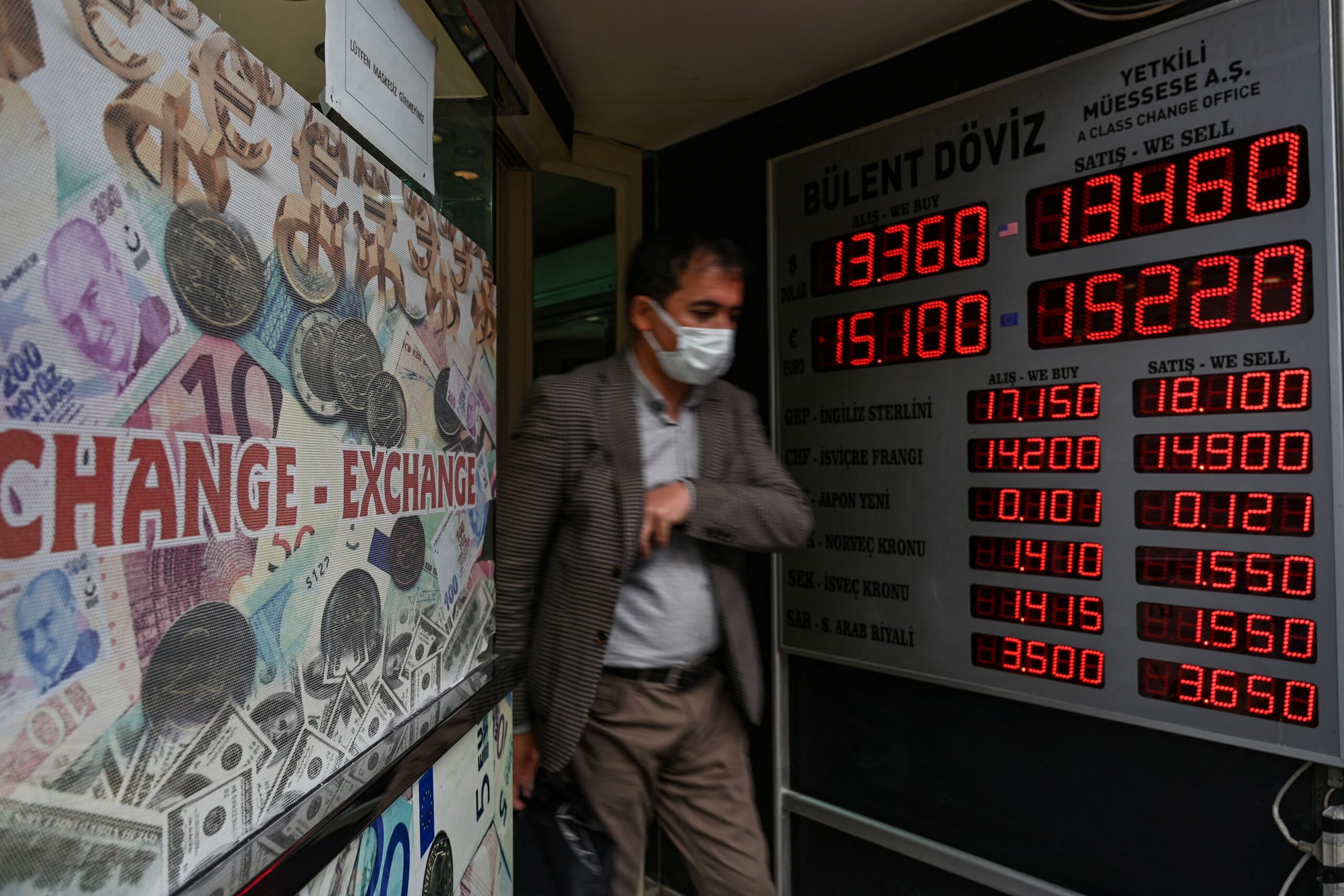
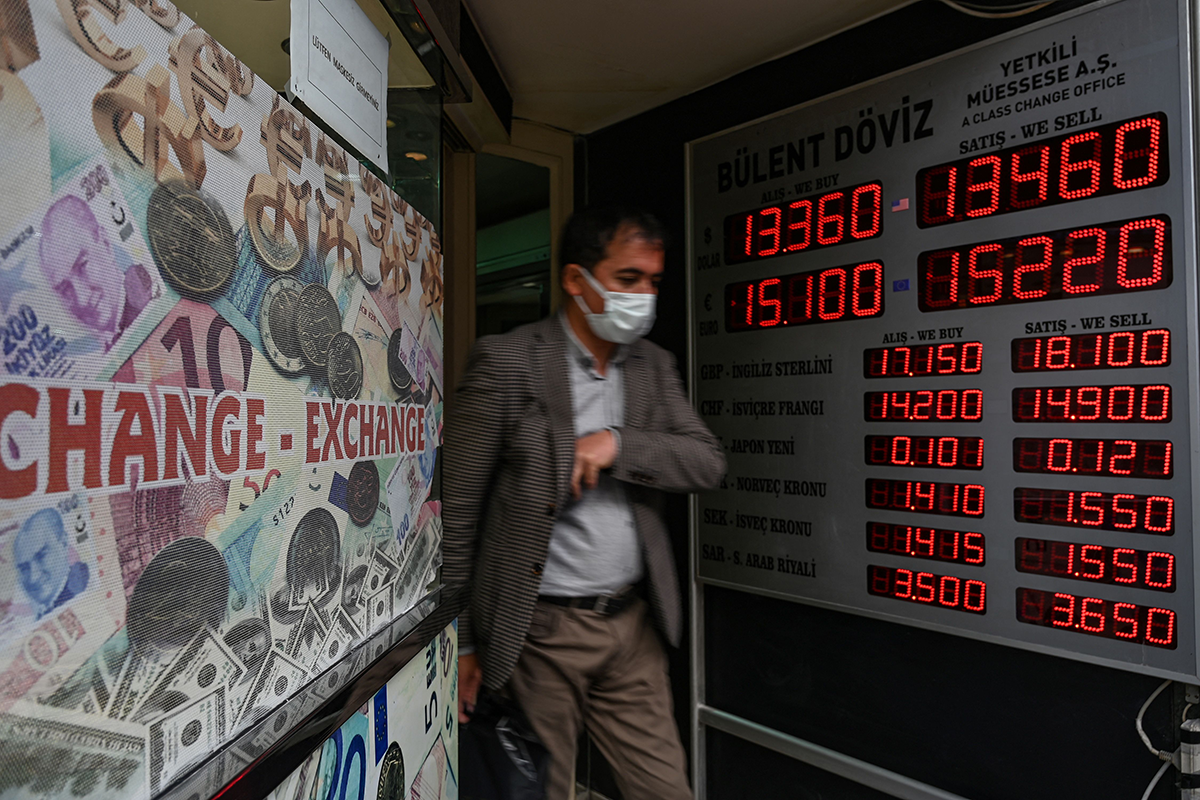
Following the resignation of the finance minister and his replacement by a loyalist on Dec. 2, the Turkish lira continued its steady decline against the dollar, bringing its losses for the year to nearly 50%. The Central Bank of the Republic of Turkey’s early cuts to the policy rate since September have resulted in an exodus of foreign capital and a rush in demand for foreign exchange among domestic investors.
The existential challenge of Jordan’s unquenchable thirst
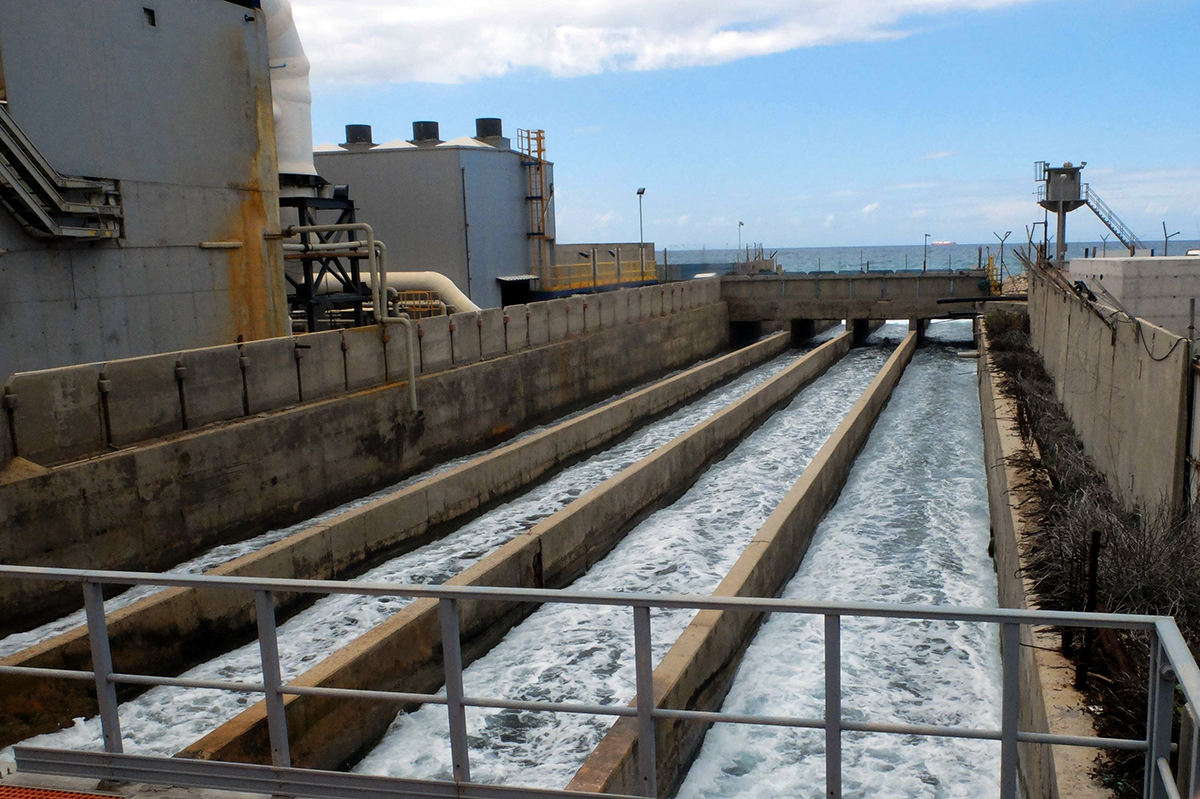
Jordan is facing an existential challenge and it has nothing to do with the deadlocked Israeli-Palestinian peace process, the war in neighboring Syria, or the threat of militant Islamists. The challenge is climate change, which is responsible for poor rainy seasons over the past few years. The situation has become so bad that in the past few weeks the government admitted that six of the kingdom’s 14 active dams have now completely dried up, exacerbating endemic shortages of water used for drinking, irrigation, and industry.