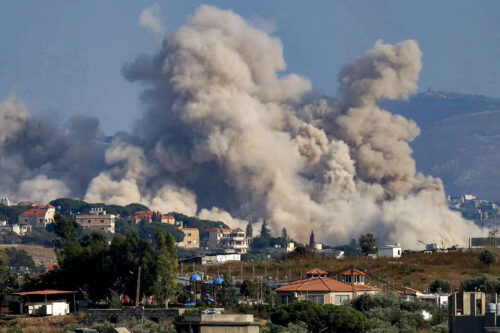
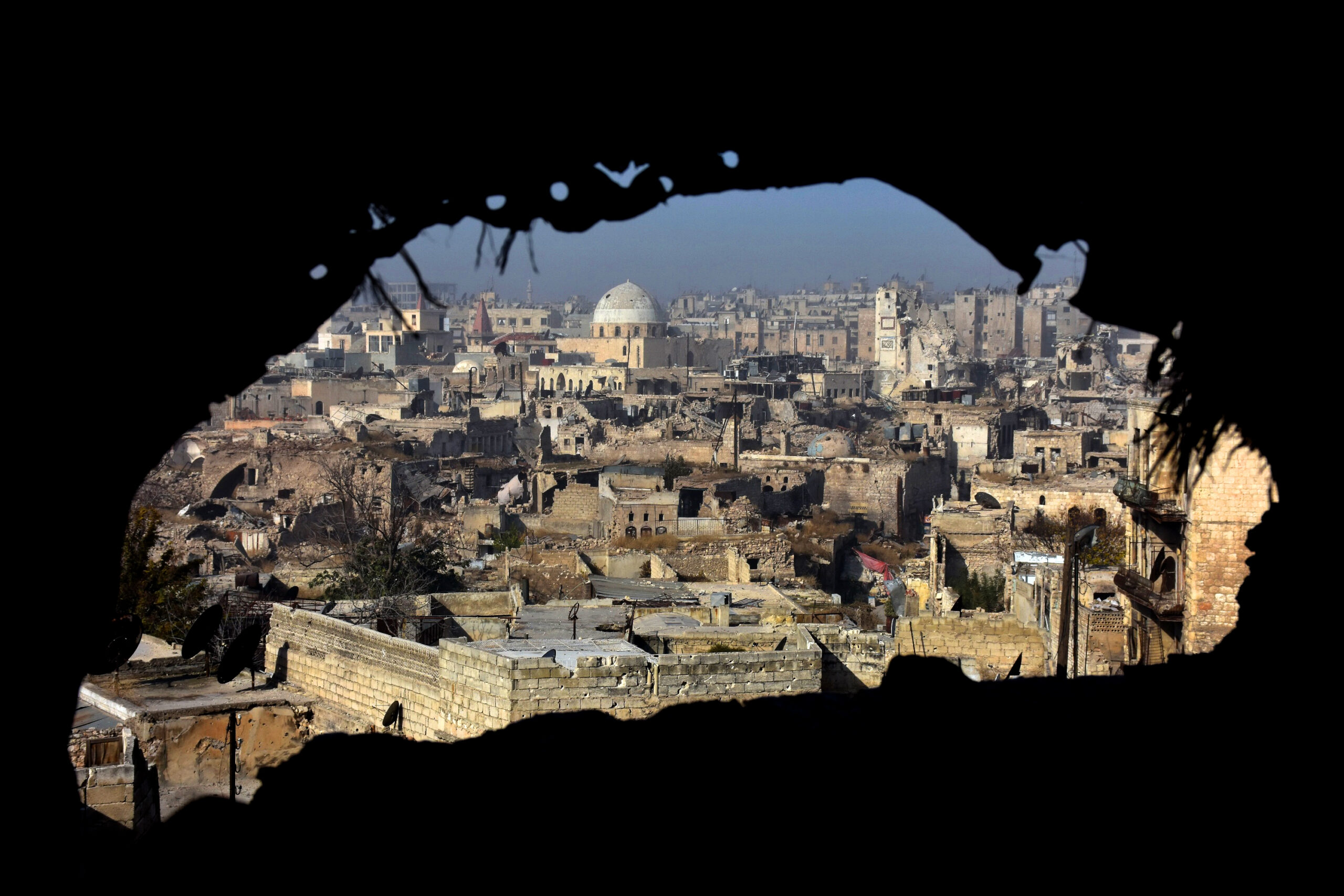
Though it has fallen out of the headlines because of the Iran war, Syria has had a dramatically consequential summer. Hosts Alistair Taylor and Matthew Czekaj are joined by MEI Senior Fellow Charles Lister to take stock of recent developments: the dissolution of the Kurdish-led Syrian Democratic Forces, Israeli strikes and the friction with Turkey they have exposed, the standoff in Sweida, as well as Damascus’s bid to turn Syria into a trade corridor between the Mediterranean and the Gulf. Is the transition consolidating or fragmenting nearly two years after the fall of the Assad regime?
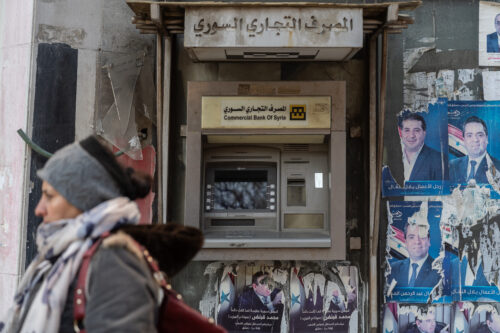
With sanctions repealed, Syrian policymakers must ensure that growing volumes of credit reach beyond the narrow political and commercial networks that have generally dominated Syrian finance. That will require a credit strategy aimed at sectors and regions historically excluded from formal finance. Syria’s specialized state banks offer an imperfect but ready-made mechanism to do so.
In many ways, the U.S.-Israeli war against Iran and the war in Gaza that preceded it seem transformative. After decades of shadow warfare, Iran and Israel have now attacked each other’s homelands directly. And Israel and the United States have joined forces in a genuinely novel way to wage war against Iran.
MEI’s Syria Initiative seeks to provide insightful and grounded research and analysis on all things Syria in order to better inform a wide range of audiences and to help sustain and shape a more meaningful policy-oriented discussion.
The Middle East Institute, The Atlantic Council, and European Institute of Peace collaborate with subject matter experts and policymakers in the US, Europe, and the Middle East to develop a holistic strategy to sustainably forge a pathway to resolving Syria’s crisis.
Russia's relations with Syria – even under the Assad regime – have been more troubled than current press accounts of Moscow-Damascus ties indicate. But despite the internal and external opposition to the Assad regime that has risen up over the past year, the Russian government has defended it staunchly via its Security Council veto and other means. In his talk, Mark Katz will discuss why Moscow supports the Assad regime so strongly as well as why it is willing to incur the costs of doing so.
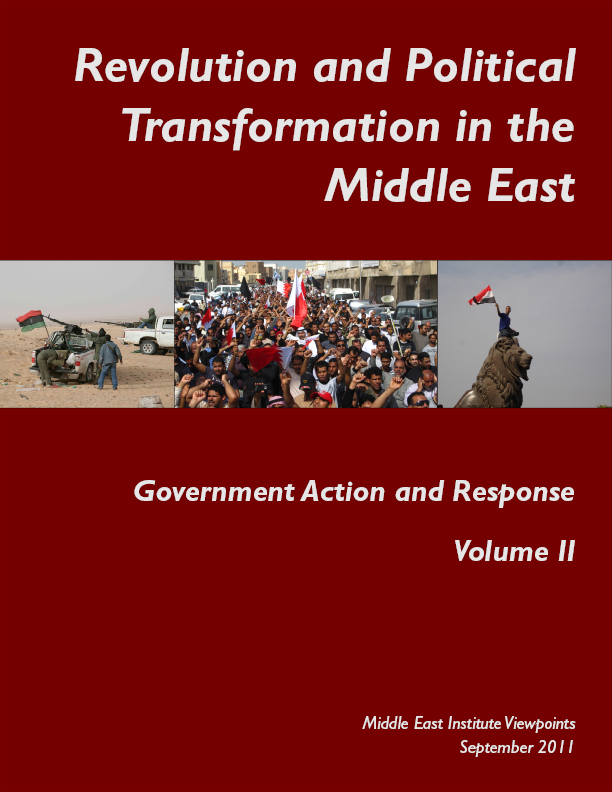
Introduction to Revolution and Political Transformation in the Middle East: Government Action and Response
Originally posted September 2011
On August 21, 2011, rebel forces in Libya rolled into the capital Tripoli, seemingly finishing off months of armed combat and foreign intervention and bringing down yet another Arab head of state. At the same time, sporadic but violent repression of protests in Syria continues, while other states remain calm or have seen their protest movements fizzle. We open this second volume of our series, Revolution and Political Transformation¸ at a time of uncertainty and transition for the region.
In his article for NPR.com, Middle East Institute scholar Greg Myre examines the new dynamics of war reporting. As the nature of warfare shifts from traditional army-to-army combat to more assymetrical government vs. non-state opposition warfare, journalists are having to embed – alone – with rebels groups in order to get the story. In the wake of multiple journalist deaths in Syria, Myre looks at the increasing risk faced by war correspondents in covering the front lines of conflict.
Following last week's Russian-Chinese veto of an Arab-backed U.N. resolution, the international community is struggling to find ways to stem the ongoing violence and bloodshed. European states are considering a fresh round of sanctions, while Turkey says it's preparing a new initiative to address the crisis. Nerguizian, Slim and Yacoubian will discuss the international community's options, as well as examine the status of the Syrian opposition and the role of regional players.
MEI’s Syria Initiative seeks to provide insightful and grounded research and analysis on all things Syria in order to better inform a wide range of audiences and to help sustain and shape a more meaningful policy-oriented discussion. Drawing on the expertise of over a dozen renowned scholars, the Syria Program covers all aspects of Syria and its ongoing crises – from political, economic, legal, social, ethnic and religious dynamics, to conflict, insurgency and terrorism and the country’s history and possible futures.