Turkey’s Nuclear Ambitions in the Post-Iran War Environment
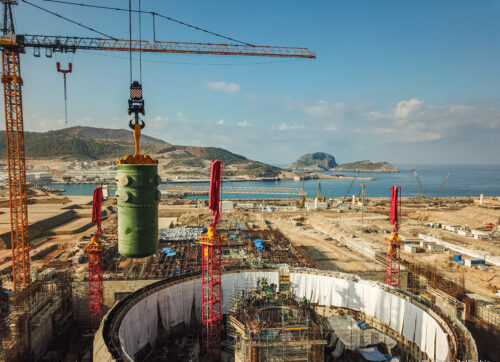
Turkish ambitions to develop nuclear weapons are not new, but the changing security environment is strengthening Ankara’s motivations and rationale for moving away from its longstanding role as a champion of nonproliferation and toward a strategy of preserving the option to build nuclear weapons without actually pursuing them. The challenge for Washington is to manage the nuclear trajectory of regional powers such as Turkey and Saudi Arabia rather than preventing them from acquiring greater nuclear capabilities altogether.
A Turkish court has taken a dramatic step that could reshape the country’s political landscape. It annulled the results of the CHP’s 2023 party congress, effectively overturning the election of Özgür Özel as leader of Turkey’s main opposition party and potentially paving the way for former chairman Kemal Kılıçdaroğlu to return.
Trade, Reform, and Revitalization: Toward a US-Egypt Free Trade Agreement
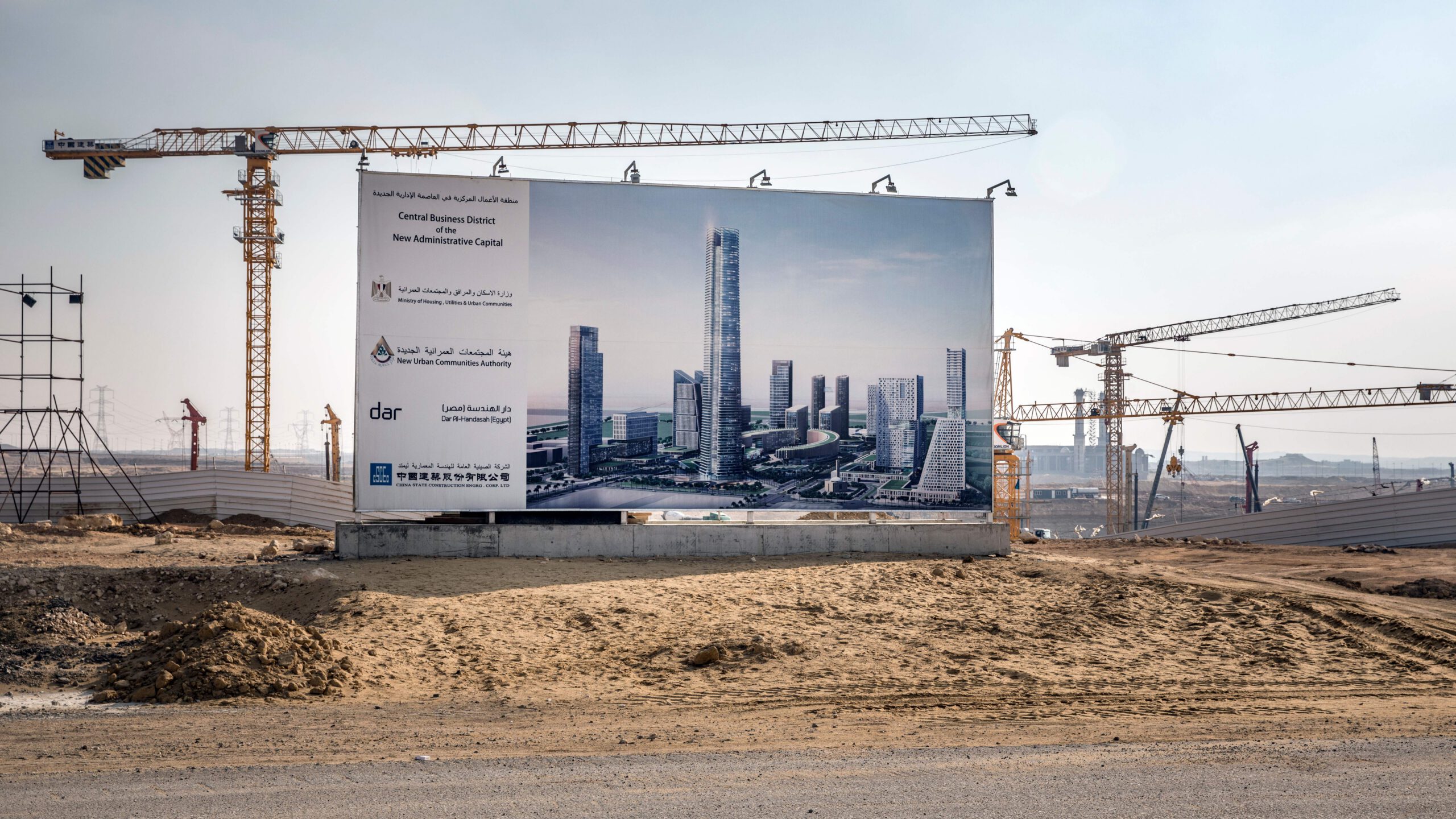
A question as to the value of a U.S.-Egypt Free Trade Agreement (FTA) misses the point. The question should not be whether an FTA would be in the interest of both parties since there is abundant evidence that it would. The question is what kind of FTA would best suit the needs, both short and long term, of the two parties: shallow integration or deep integration? This report argues that notwithstanding several hurdles, it is in the interest of both countries to move swiftly and decisively toward a deep FTA.
Trump greenlights Turkish incursion into northeastern Syria
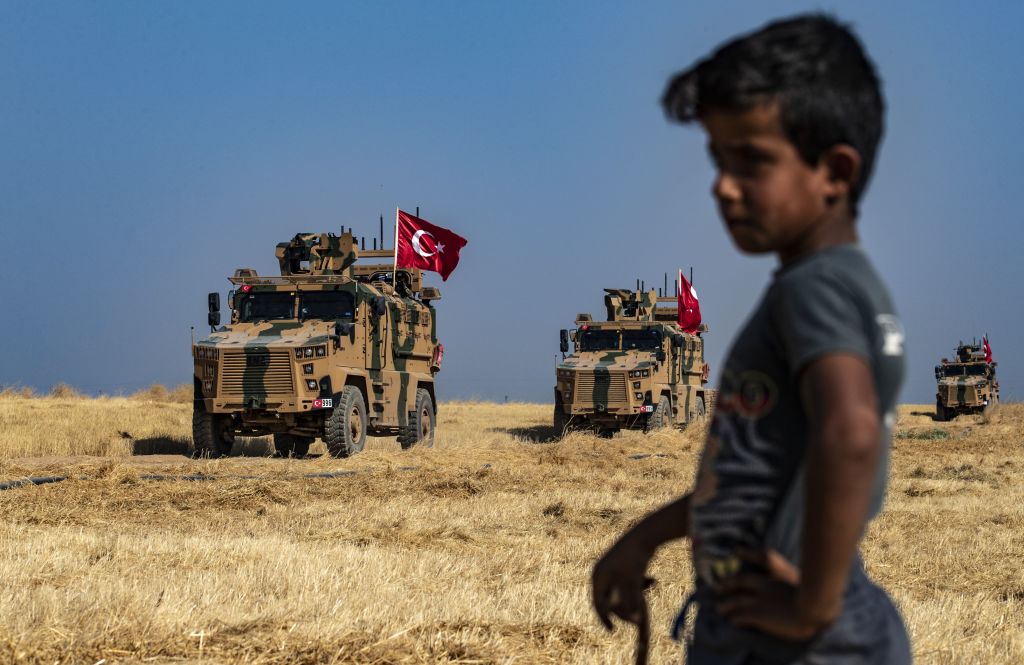
A unilateral Turkish military operation will worsen the already toxic mood vis-à-vis Erdogan on the Hill and might prompt a new round of sanctions at a time when Trump was trying to convince the Congress to hold off on punishing Turkey.
Turkish-backed Syrian armed opposition groups to unite under one banner
After a long-drawn-out series of negotiations, Turkey has successfully convinced more than 40 armed opposition groups in northern Syria to unite under a single umbrella, directly under the command of the Syrian Interim Government’s Ministry of Defense.
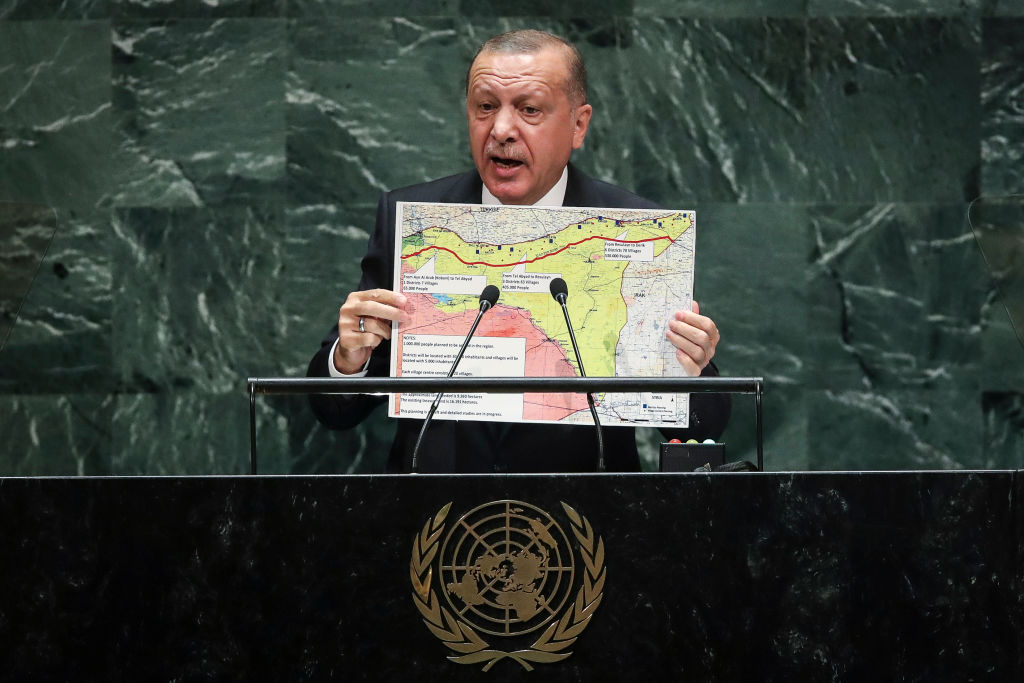
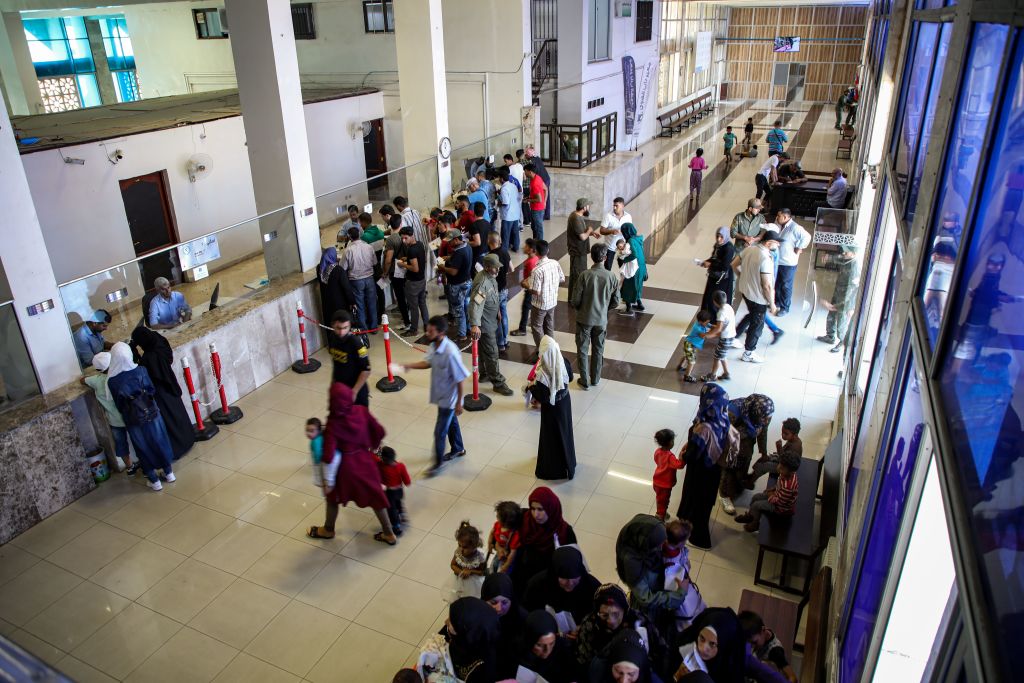
Turkish President Recep Tayyip Erdogan used his speech at the UN General Assembly to advocate for a plan that would see the return of over one million Syrian refugees from Turkey to a strip along the Turkish border in northeastern Syria. While Turkey should not have to indefinitely host its 3.6 million Syrian refugees, the plan proposed by Erdogan would entail large-scale deportations of refugees, demographic re-engineering, and the destabilization of northeastern Syria. A better path forward would be to facilitate the return of refugees from northeastern and eastern Syria to their homes by investing in reconstruction of the area and encouraging political reforms.
Erdogan pins his hopes on a meeting with Trump at UNGA
The Turkey-U.S. relationship has been going through one of the most difficult periods in its history. Yet, Turkish President Recep Tayyip Erdogan is still hopeful. He has put all his eggs in President Trump’s basket and thinks it will pay off. He pinned his hopes on a meeting with Trump on the sidelines of the UNGA to iron out differences.
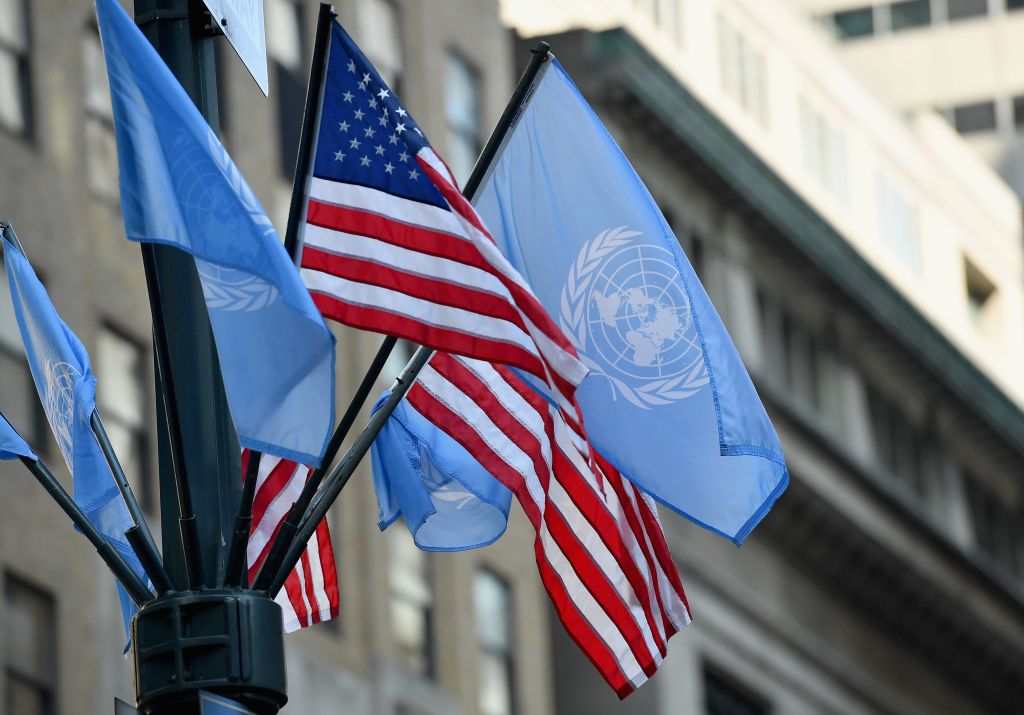
Monday Briefing: Middle East takes center stage at UNGA
This week’s briefing on recent news and upcoming events in the region featuring Gerald Feierstein, Alex Vatanka, Eran Etzion, Gonul Tol, Amal Kandeel, Marvin G. Weinbaum, Michael Sexton and Eliza Campbell.
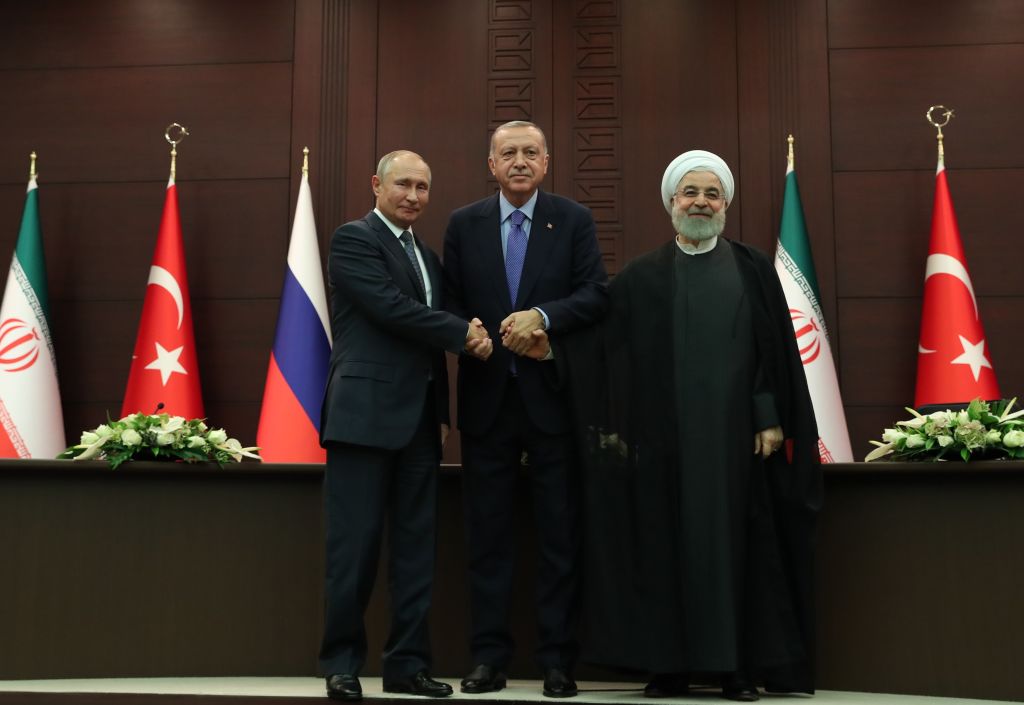
From regime change to rapprochement? Turkey’s shifting Syria policy
At a trilateral summit in Ankara earlier this week, President Recep Tayyip Erdogan sat back and ate treats as Iranian President Hassan Rouhani told the world that efforts to topple the Assad regime have failed. The scene was a stark reminder of how far Turkey’s Syria policy has shifted.
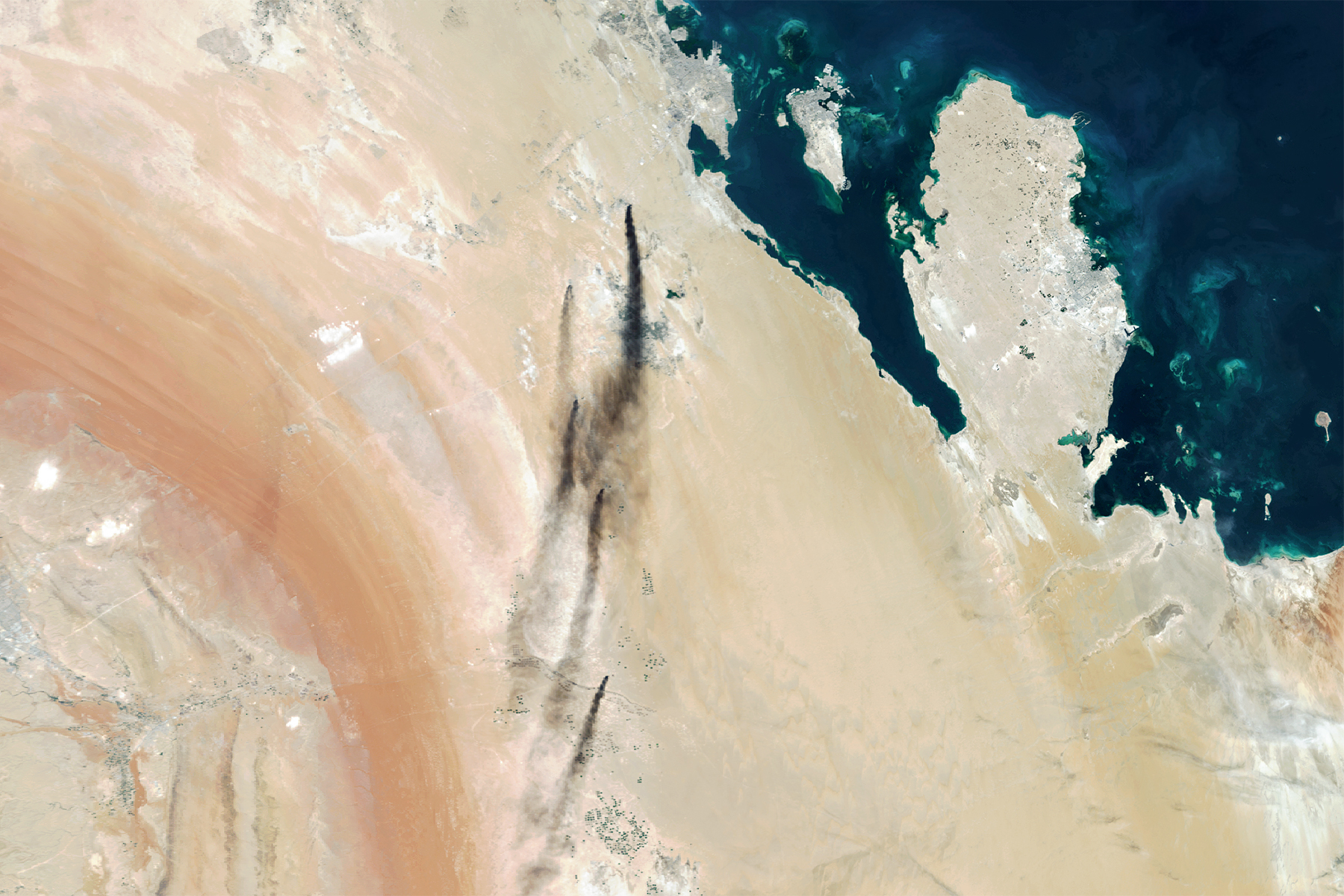
Monday Briefing: Attack on Saudi oil facilities has an impact far beyond the kingdom
This week’s briefing on recent news and upcoming events in the region featuring Ruba Husari, Paul Salem, Gerald Feierstein, Amal Kandeel, Grace Wermenbol, Robert S. Ford, Charles Lister, and Gonul Tol.
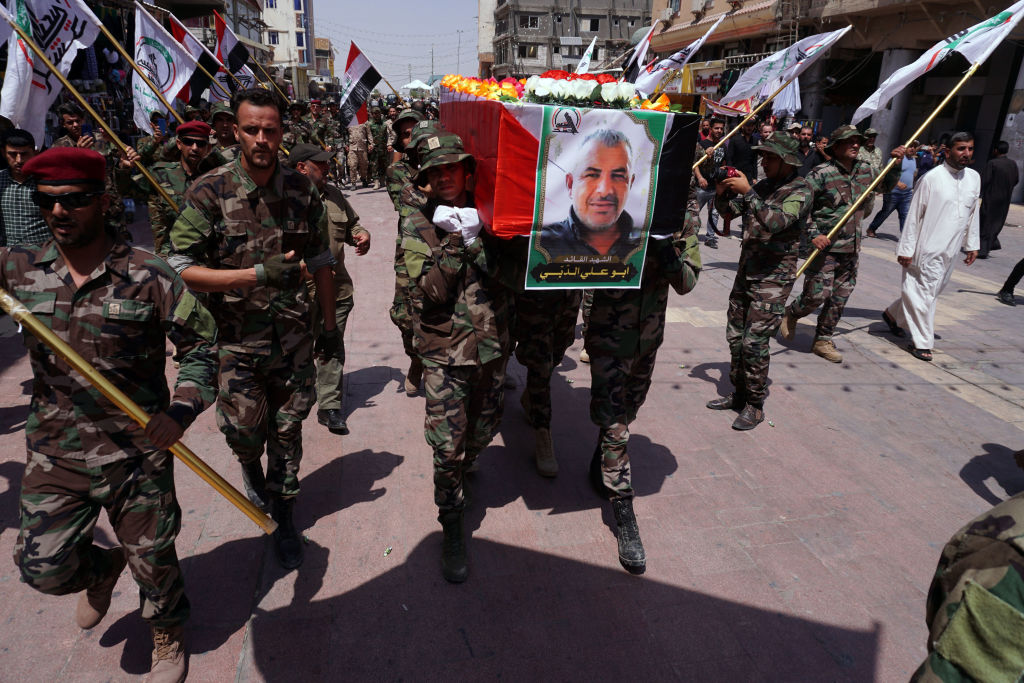
Monday Briefing: Drone strike thrusts Iraq into Iranian-Israeli military confrontation
This week’s briefing on recent news and upcoming events in the region featuring Randa Slim, Gerald Feierstein, Alex Vatanka, Robert S. Ford, and Michael Sexton.
Debates about populism often lump Turkey’s President Recep Tayyip Erdogan together with Donald Trump in the US, Vladimir Putin in Russia, and Viktor Orban in Hungary. All four are kindred spirits who have used the same tactics to gain and hold onto power. They stir up fear, divide societies, fuel social conflict, criminalize the opposition, and create internal and external enemies. On the issue of refugees, however, Erdogan has been the epitome of liberalism, setting him apart from his fellow populists.
The uneasy triangle between Turkey, the US, and the YPG
Turkey and the US recently announced an agreement for establishing a safe zone in northern Syria to serve as a buffer between Turkey and the YPG, which is seen by Ankara as a terrorist group and by Washington as a partner in the fight against ISIS. MEI’s Gonul Tol and Charles Lister join host Alistair Taylor to discuss how this policy may impact dynamics on the ground.
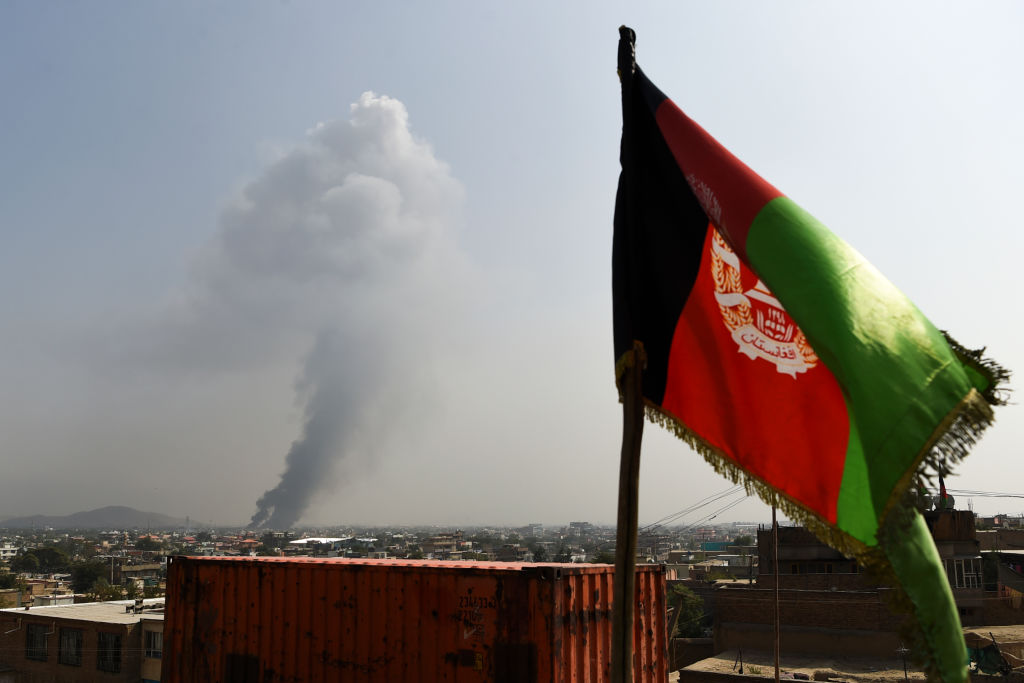
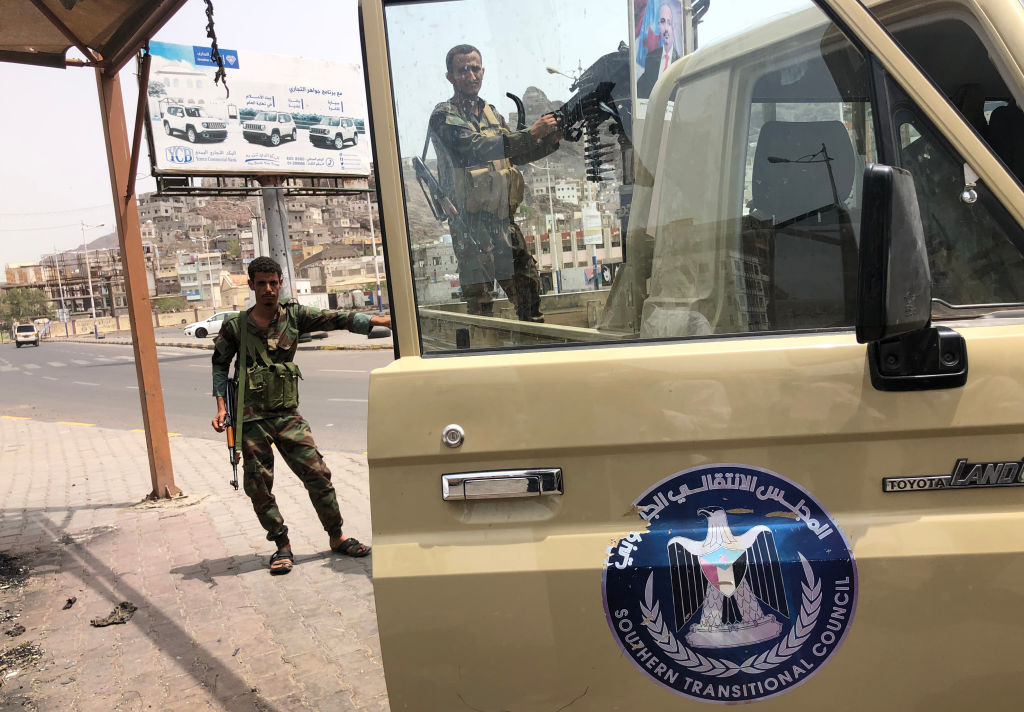
Monday Briefing: Fighting flares up in southern Yemen
This week’s briefing on recent news and upcoming events in the region featuring Fatima Abo Alasrar, Gonul Tol, Marvin G. Weinbaum, Randa Slim, and Michael Sexton and Eliza Campbell.
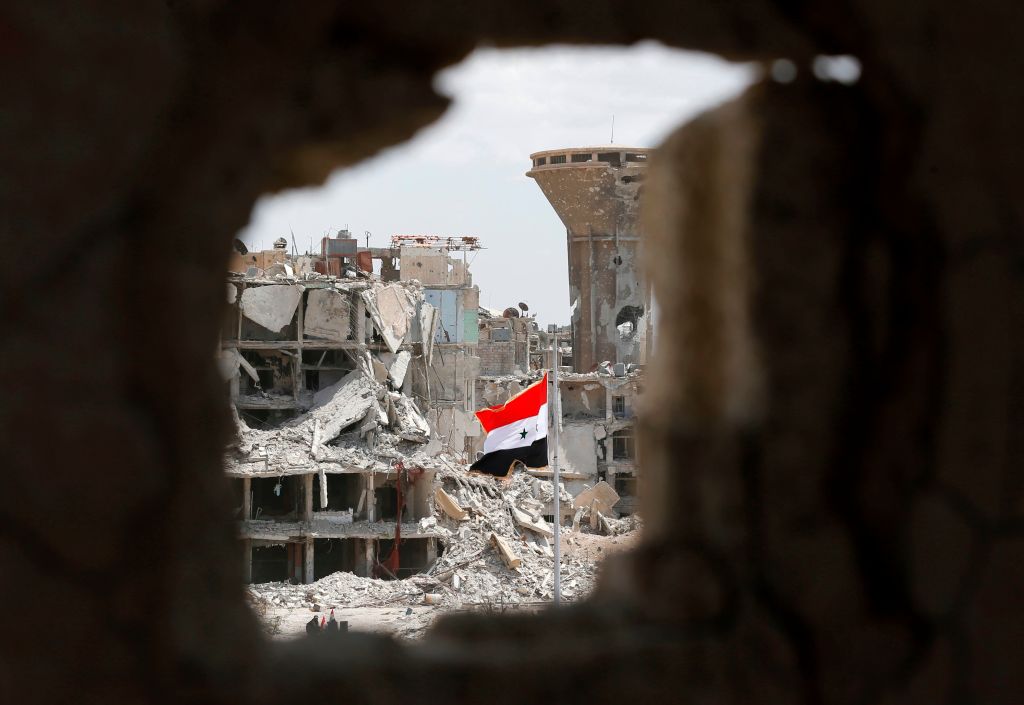
A not so progressive case for withdrawing from Syria
Elizabeth Tsurkov has courageously put forward what she calls a progressive case for staying in Syria. I would regard myself as progressive but I’m not convinced, even if I would have supported many of her arguments in the past. In arguing for an indefinite presence in Syria, Tsurkov relies on the notion that staying gives the U.S. influence over Ankara and Moscow, serves as a counter to Tehran, and pressures the Assad regime, possibly even creating “internal fissures in its senior ranks” and causing “the Assad regime to institute reforms that would benefit all Syrians.” Those fissures and reforms have been desired for the past eight years but have not yet appeared. It would be easier to argue that withdrawal is more likely to cause them, and to pressure Ankara and Moscow into countering Tehran.