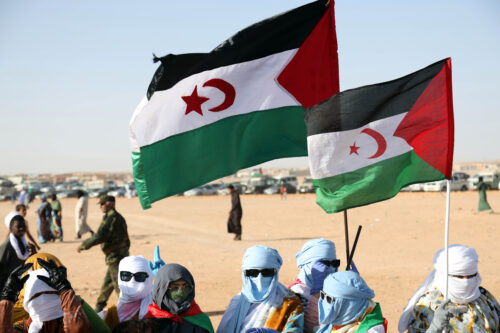
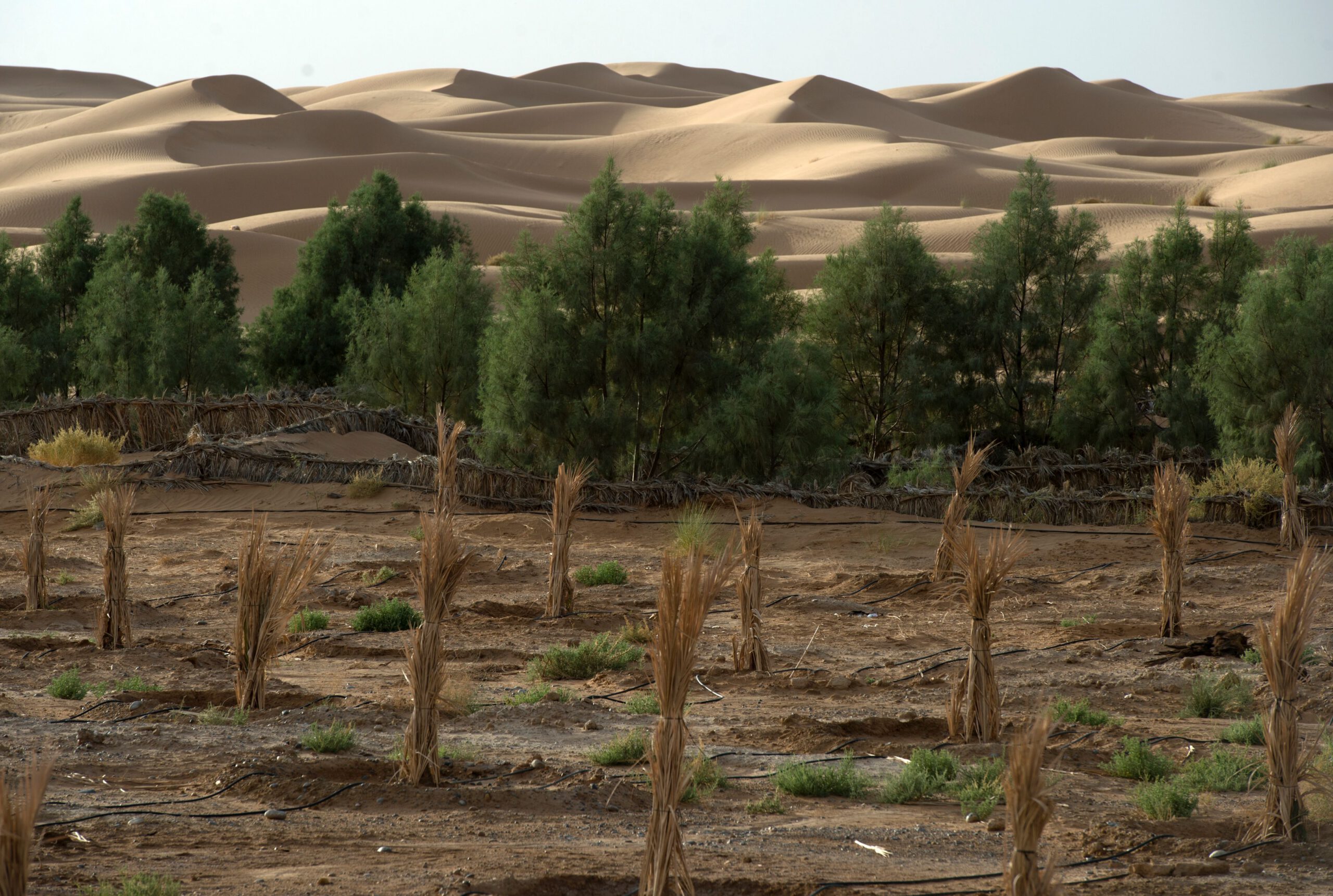
Western Sahara, a sparsely populated territory on the Atlantic coast of northwest Africa, is the site of one of the continent’s longest-running territorial disputes. The conflict dates to Spain’s withdrawal from the territory in 1975, after which Morocco and Mauritania asserted control over different parts of the former colony.
This article is part of a collection of short essays written by the Fellows of the Middle East Institute to explore aspects of the ongoing war with Iran. The intent of the collection is to help readers see new and unexpected elements of the dynamics and impact of the ongoing hostilities and to think harder, deeper, and broader about the implications of the conflict.
Egypt: How the Iran War Has Affected Egypt’s Calculations
Egypt, which is not party to the war on Iran, has become a target as well as an intermediary in the conflict. As a result, the war has affected Egypt’s future calculations, particularly in three major areas: its economy, its security, and its regional alliances.
Monday Briefing: Egypt Faces New Wave of Terrorist Attacks
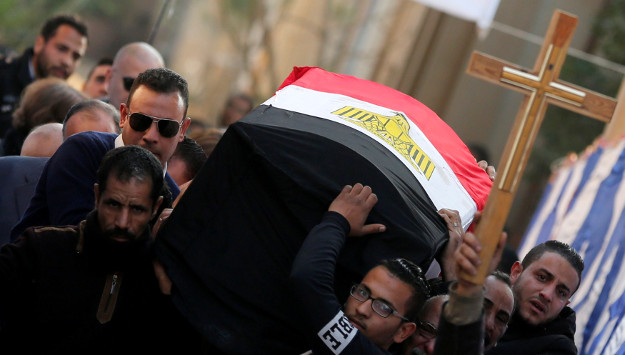
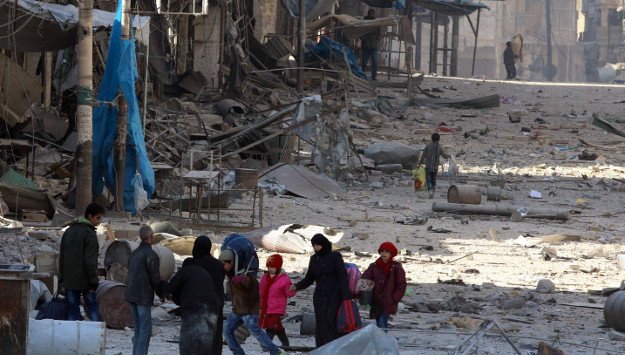
In this week’s Monday Briefing, MEI experts Paul Salem, Randa Slim, Charles Lister, Jean-François Seznec, Eran Etzion, and Marvin G. Weinbaum provide analysis on recent and upcoming events including yesterday’s terrorist attack on the Coptic Christian Cathedral in Cairo, the Sryian regime’s progress in retaking Aleppo, the continued threat presented by ISIS, the potential selection of Rex Tillerson as the next Secretary of State, Ash Carter’s farewell trip to Israel, and new Congressional pressure for Pakistan to crack down on the Haqqani Network.
Toward a Regional Framework for the Middle East: Takeaways from other Regions
Regional Cooperation Series
This Policy Paper is part of the Middle East Institute’s Regional Cooperation Series. Throughout 2016, MEI will be releasing several policy papers by renowned scholars and experts exploring possibilities to foster regional cooperation across an array of sectors. The purpose is to highlight the myriad benefits and opportunities associated with regional cooperation, and the high costs of the continued business-as-usual model of competition and intense rivalry.
Islamists in Government: Lessons from their Successes and Failures
The question of whether Islamist groups are compatible with democracy has been a topic of serious discussion for some time, especially considering the claims that Islamists have structural impediments when it comes to adapting to various social and political contexts.
In this week’s Monday Briefing, MEI experts Charles Lister, Yousef Munayyer, and Mabrouka M’Barek provide analysis on recent and upcoming events including the Assad regime’s advances in Aleppo, Fatah’s annual conference, and Tunisia’s upcoming conference for its economic plan.
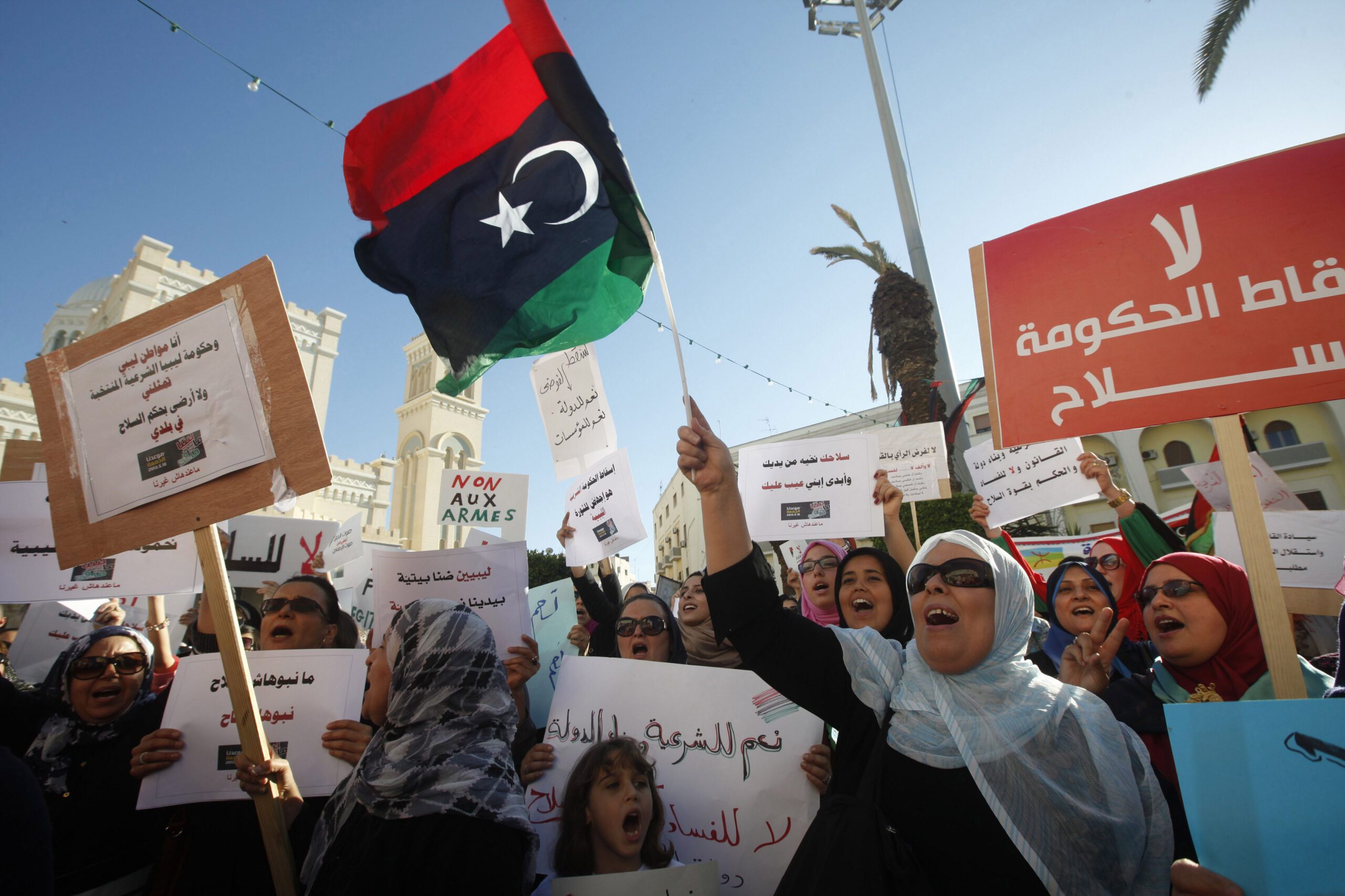
This essay, which draws upon extensive field research in Libya over the period 2011-2013, seeks to shed light on an under-theorized area of research, namely the forces that challenge an emerging civil society during a political transition. In doing so, the essay makes two contributions to knowledge, first by arguing the value and inevitable role of civil society in a divided or conflict-ridden society, and second by helping readers better understand and unpack the case of Libya’s disrupted and dispersed civil society.
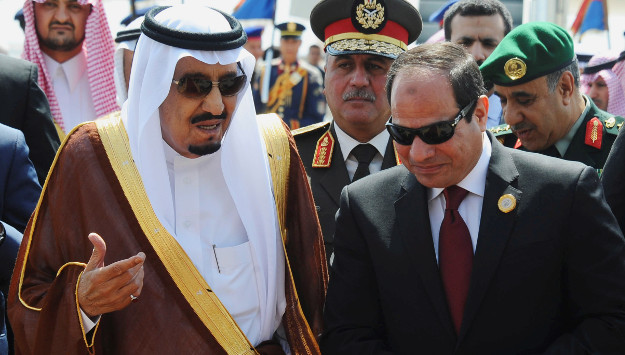
Iran Trying to Exploit Cairo-Riyadh Rift for Political Gains
On November 21, Iran’s Foreign Ministry Spokesman Bahran Ghasemi praised Egypt as a leading country in the Arab world and stressed that Tehran sought closer ties with Cairo.
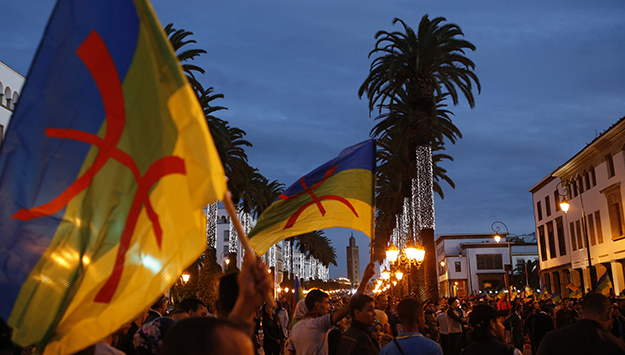
Screams and gruesome images mar the graphic video of a young man being crushed to death in the back of a garbage truck. Late Friday night, October 28, Mouhcine Fikri, a fish vendor from the northern town of Imzouren, desperately tried to retrieve his 500 kgs of swordfish, which authorities threw away because of a fisheries law that bans the fishing of swordfish during this time of year. The incident unfolded in the coastal city of Hoceima, located in the historically socioeconomically marginalized Rif region.
To be a cinephile in Tunis is a patriotic act. Tunisians came out in droves to last year’s Carthage Film Festival, which occurred a day after a terror attack targeting security forces.
“Everyone came out in defiance of the situation, to show their solidarity and love of cinema,” Tunisian journalist and festival staffer Yosr Hazgui said.
Monday Briefing: Shiite Militias to Join Mosul Battle
In this week’s Monday Briefing, MEI experts Randa Slim, Robert S. Ford, and David Mack provide analysis on recent and upcoming events including updates on the battles for Mosul and Aleppo, and the potential meeting of Libyan factions currently locked in a stalemate.
“Together for Tunisia”: Tribal Structures and Social and Political Mobilization
This essay demonstrates that national unity was constructed and utilized as a tool by the Tunisian state for the purpose of consolidating power, and that traditional kin-based and family ties have existed parallel to the formal structures of both the state and civil society as frames for social and political activity.The essay shows that these historical frames for organization were revitalized and renewed after the popular uprising in 2011.
Monday Briefing: Huge Humanitarian Challenges in Mosul
In this week’s Monday Briefing, MEI experts Randa Slim, Gonul Tol, Charles Lister, and Paul Salem provide analysis on recent and upcoming events including potential fallout from the battle for Mosul, how the row between Turkey and Iraq will complicate the operations in Mosul, the implications of ISIS’ loss of Dabiq, and recent military cooperation between Egypt and Russia.
I.M.F. Reforms Not Enough to Repair Egypt’s Economy
Addressing Egypt’s economic woes remains a matter of urgency for the stability of the government and the country as a whole. Egypt’s economic recovery plan, which was spearheaded by President Abdel Fattah el-Sisi in 2015, promised an improvement in living standards and social justice in the Middle East’s most populous nation. More than two years since the president assumed power, living standards have yet to see much improvement.
تُعد المجلة الرئيسية لمعهد الشرق الأوسط أقدم مطبوعة محكّمة مكرّسة لدراسة الشرق الأوسط الحديث، وتغطي المجلة الرئيسية في المعهد السياسة والمجتمع والثقافة في المنطقة.