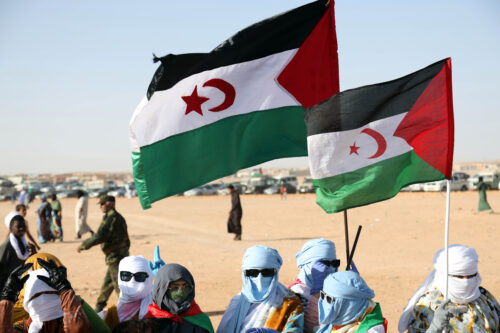
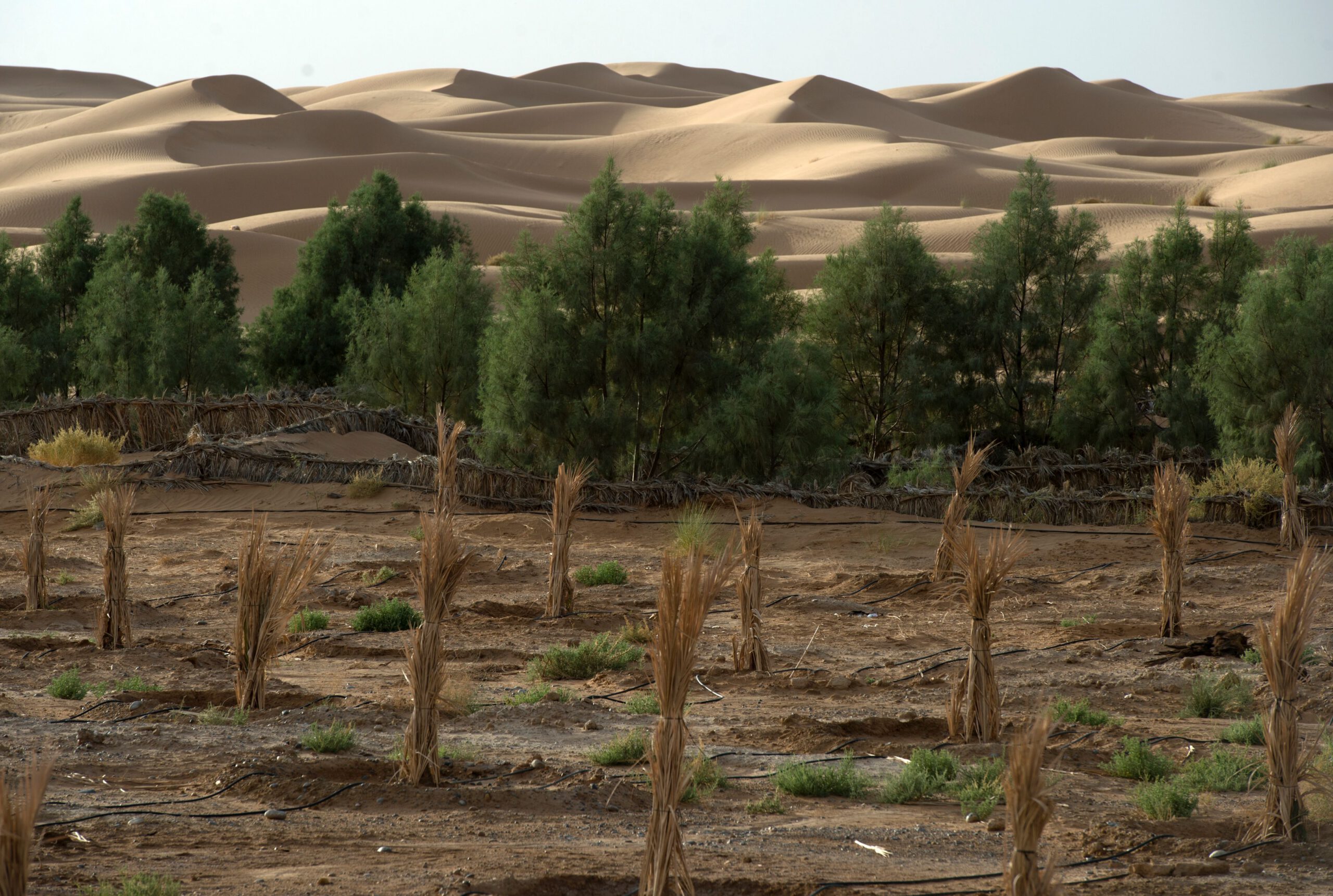
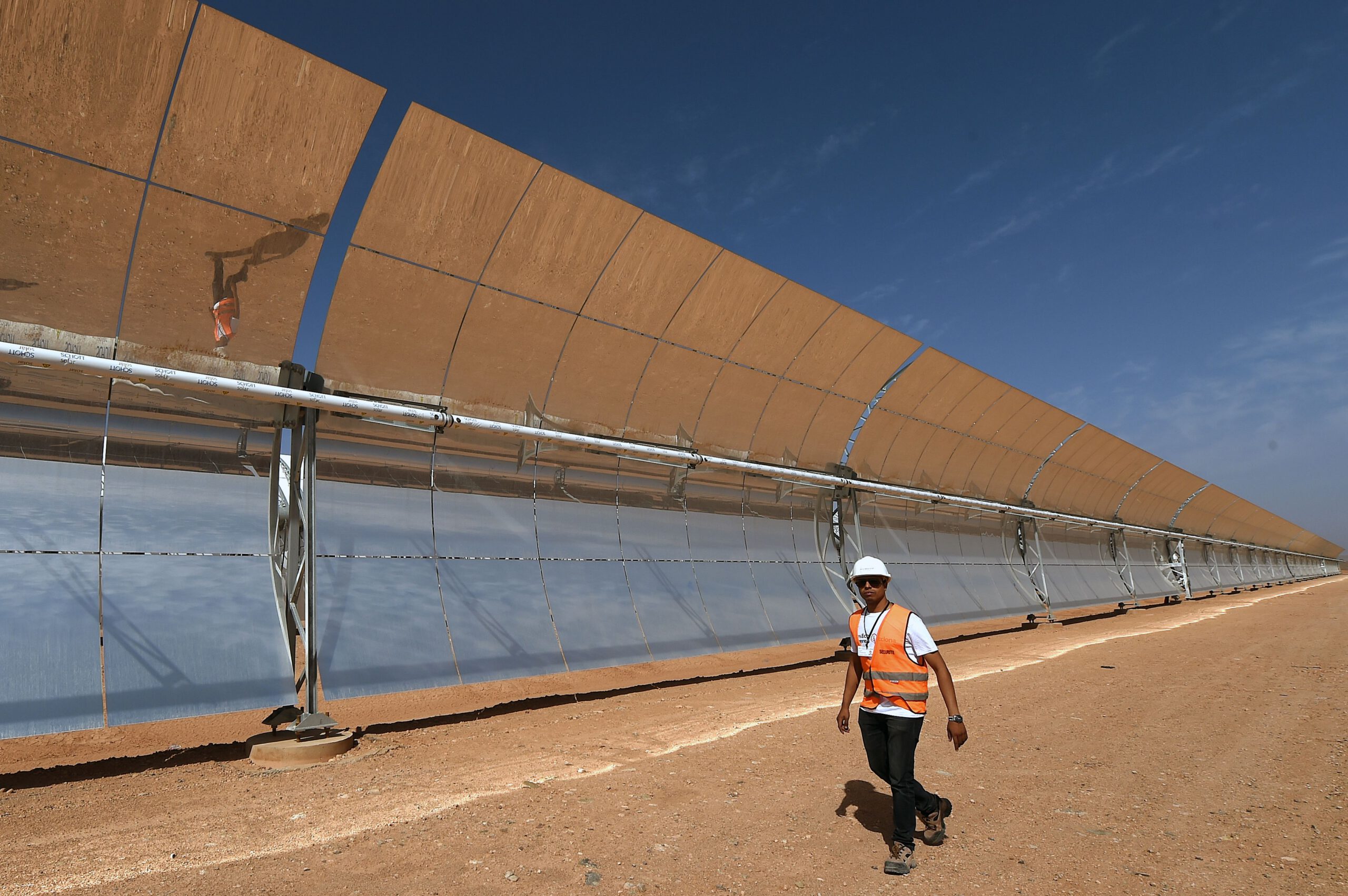
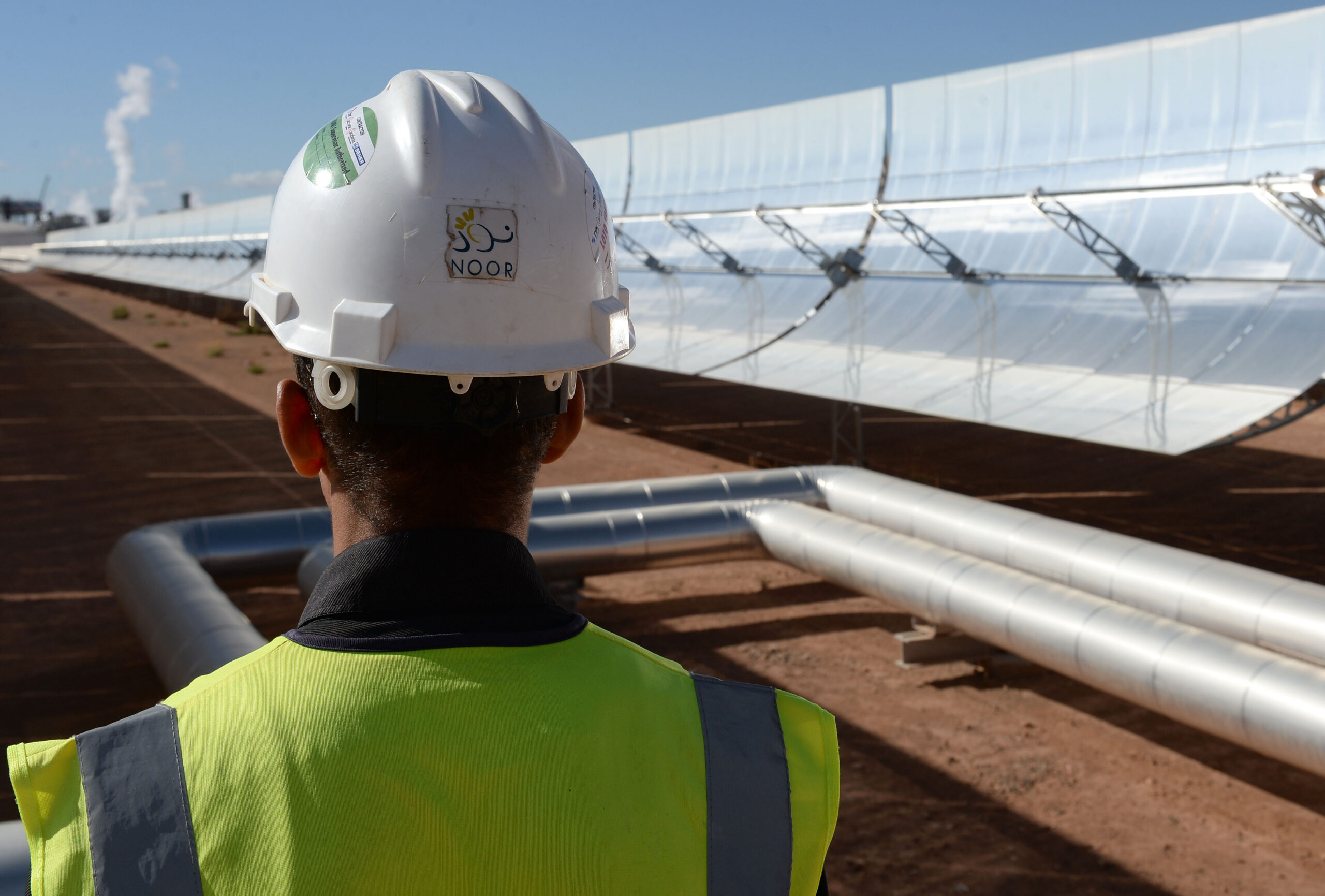
Western Sahara, a sparsely populated territory on the Atlantic coast of northwest Africa, is the site of one of the continent’s longest-running territorial disputes. The conflict dates to Spain’s withdrawal from the territory in 1975, after which Morocco Algeria, and Mauritania vied for control over the former colony.
This article is part of a collection of short essays written by the Fellows of the Middle East Institute to explore aspects of the ongoing war with Iran. The intent of the collection is to help readers see new and unexpected elements of the dynamics and impact of the ongoing hostilities and to think harder, deeper, and broader about the implications of the conflict.
Egypt: How the Iran War Has Affected Egypt’s Calculations
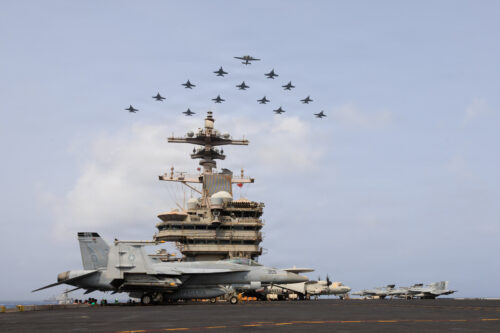
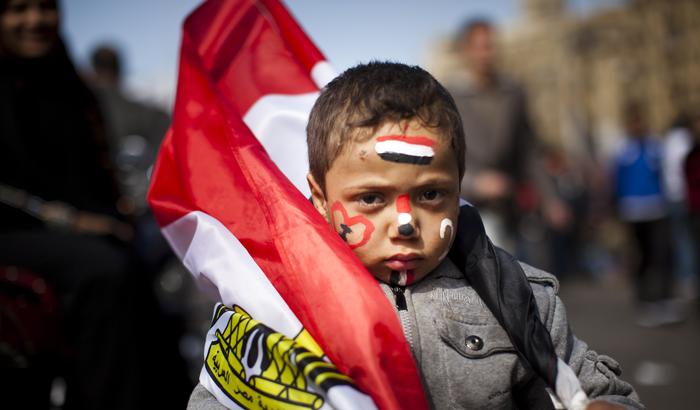
Egypt, which is not party to the war on Iran, has become a target as well as an intermediary in the conflict. As a result, the war has affected Egypt’s future calculations, particularly in three major areas: its economy, its security, and its regional alliances.
Panel II: Working Toward a National Reconciliation
Panel II: Working Toward a National Reconciliation 11:00am-12:30pmModerator: Thomas Friedman, New York TimesNader Bakkar—co-founder, al Nour PartyDina Guirguis—Tahrir Institute for Middle East PolicyWael Haddara—former senior advisor to Mohamed MorsiHani Sarie Eldin—al Dostour Party
Panel I: Forging A Viable Political PathModerator: David Rothkopf, Foreign PolicyKhalil al Anani, Middle East Institute Graeme Bannerman, Middle East instituteKarim Haggag, National Defense UniversityTarek Masoud, Harvard University’s John F. Kennedy School of Government
Panel I: Forging A Viable Political PathModerator: David Rothkopf, Foreign PolicyKhalil al Anani, Middle East Institute Graeme Bannerman, Middle East instituteKarim Haggag, National Defense UniversityTarek Masoud, Harvard University’s John F. Kennedy School of Government
Panel I: Forging A Viable Political PathModerator: David Rothkopf, Foreign PolicyKhalil al Anani, Middle East Institute Graeme Bannerman, Middle East instituteKarim Haggag, National Defense UniversityTarek Masoud, Harvard University’s John F. Kennedy School of Government
Panel I: Forging A Viable Political PathModerator: David Rothkopf, Foreign PolicyKhalil al Anani, Middle East Institute Graeme Bannerman, Middle East instituteKarim Haggag, National Defense UniversityTarek Masoud, Harvard University’s John F. Kennedy School of Government
Panel I: Forging A Viable Political PathModerator: David Rothkopf, Foreign PolicyKhalil al Anani, Middle East Institute Graeme Bannerman, Middle East instituteKarim Haggag, National Defense UniversityTarek Masoud, Harvard University’s John F. Kennedy School of Government
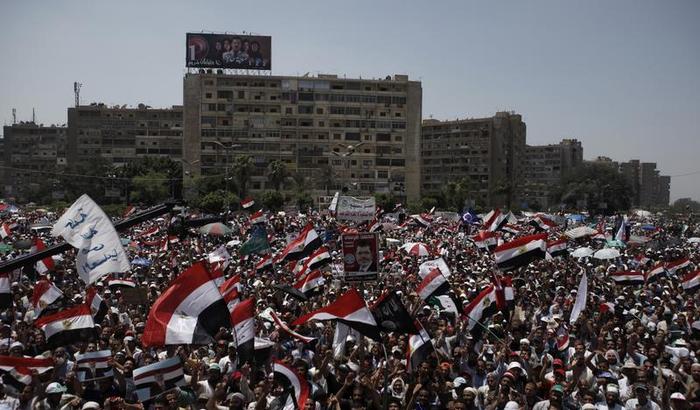
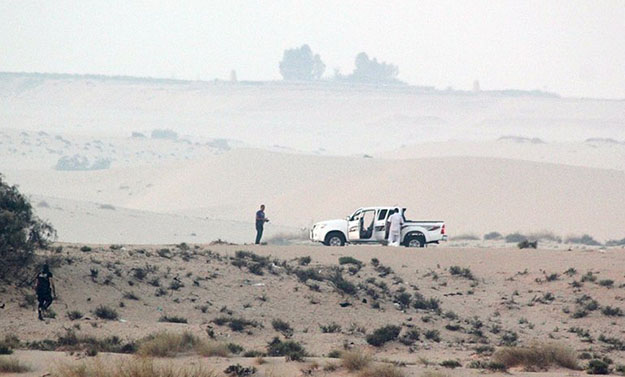
Much of the analysis on the causes for the military’s ouster of Mohamed Morsi focuses on the Muslim Brotherhood’s performance, or lack thereof, in domestic affairs. Glaringly absent, however, is an examination of the preeminence of Sinai in the military’s decision to intervene in otherwise civilian political disputes between the burgeoning liberal parties and the veteran Muslim Brotherhood and its Islamist allies.
The Lessons of Benghazi: One Year Later, Never More Urgent
The situation in Libya one year after the attack on the U.S. Special Mission in Benghazi on September 11, 2012 is chaotic, dysfunctional and disheartening. It remains not as abjectly horrible as it could be—the General National Congress did this summer finally approve a framework (however imperfect) for electing a constitutional assembly, and UN-backed efforts are under way to create an unofficial dialogue of national reconciliation—but these advances paper over ever-deeper failings, many of which were not inevitable.
The oldest peer-reviewed publication dedicated to the study of the modern Middle East, MEI’s flagship journal covers politics, society, and culture in the region.