This article is part of a collection of short essays written by the Fellows of the Middle East Institute to explore aspects of the ongoing war with Iran. The intent of the collection is to help readers see new and unexpected elements of the dynamics and impact of the ongoing hostilities and to think harder, deeper, and broader about the implications of the conflict.
Egypt: How the Iran War Has Affected Egypt’s Calculations
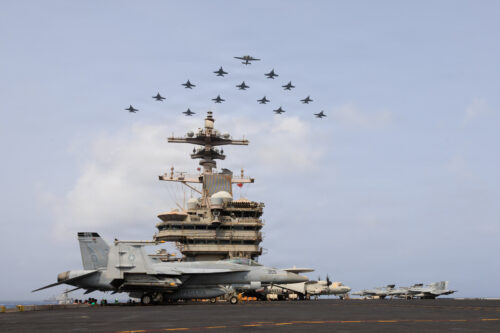
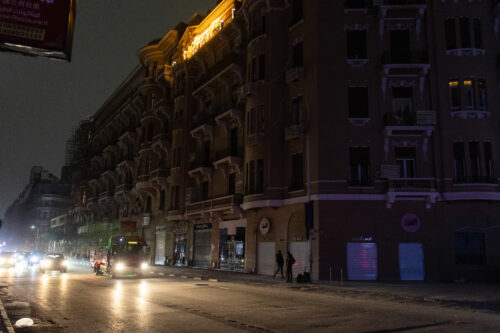
Egypt, which is not party to the war on Iran, has become a target as well as an intermediary in the conflict. As a result, the war has affected Egypt’s future calculations, particularly in three major areas: its economy, its security, and its regional alliances.
Algeria and Morocco have long been at odds, but recent diplomatic moves may signal a widening geopolitical split in North Africa. Hosts Alistair Taylor and Matthew Czekaj are joined by MEI Senior Fellow Intissar Fakir to unpack Algeria’s decision to sever diplomatic ties with the United Arab Emirates and Morocco’s warming relations with both the UAE and Israel. They also explore linkages between these diplomatic shifts and the Western Sahara conflict, Moroccan domestic concerns, particularly in light of this week’s elections, as well as broader regional stability.
مواجهة كوفيد 19 في المغرب: الرضى عن الوضعية الاقتصادية لا يحجب طلب مزيد من فرص الشغل ومحاصرة الفساد
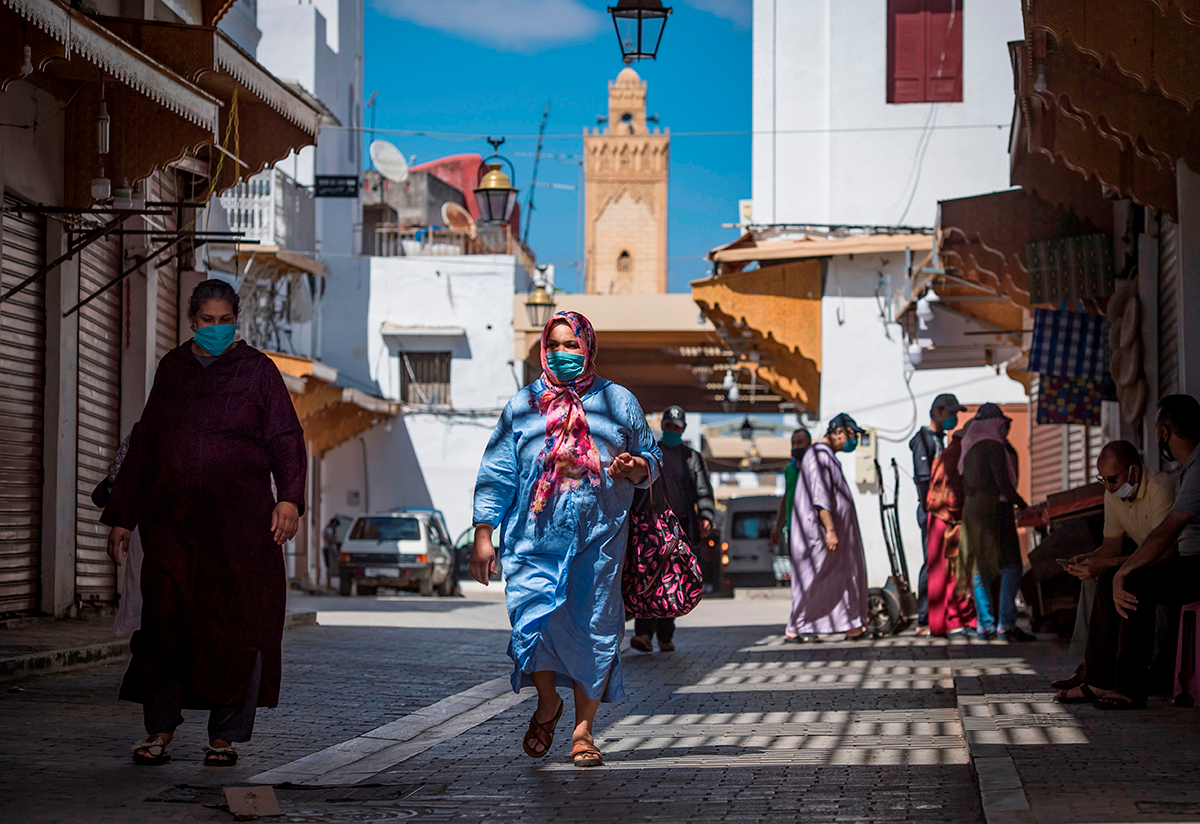
مجرد ظهور العلامات الأولى للأزمة الصحية الناجمة عن فيروس كورونا المستجد في شمال إفريقيا، اتخذ المغرب إجراءات سريعة وحاسمة، حيث نفذ تدابير صحية واقتصادية وأمنية واجتماعية بدءا من نهاية فبراير 2020. تفسر هذه الإجراءات إلى حد كبير تصور المواطنين الإيجابي لتعامل الدولة مع هذا الوضع الصعب، وهو تحد لم يسبق له مثيل منذ الربيع العربي في 2011.
Facing COVID-19 in Morocco: Satisfaction with the economy does not preclude the need for more jobs and anti-corruption efforts
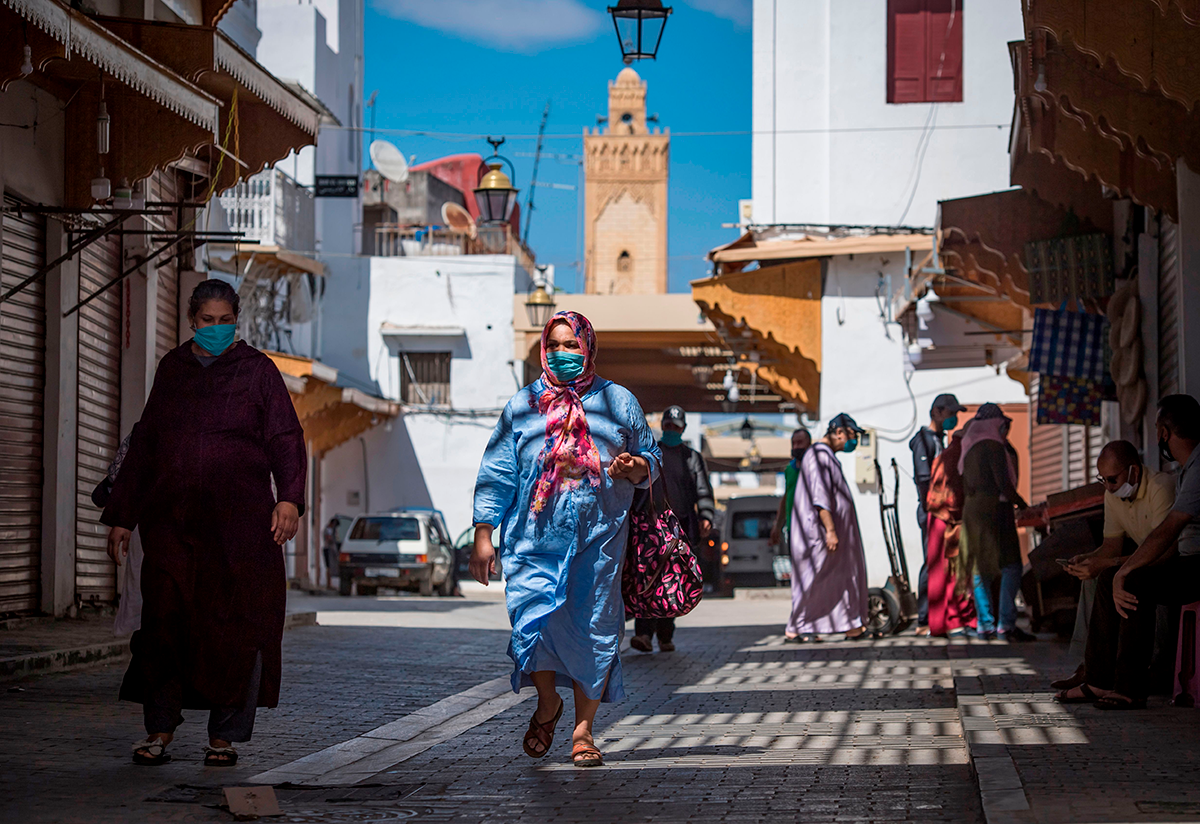
As soon as the first signs of the health crisis caused by COVID-19 appeared in North Africa, Morocco took swift and decisive action, implementing health, economic, security, and social measures at the end of February 2020. These actions explain the largely positive perception among Moroccans of the state’s handling of this difficult situation, a challenge unlike any since the Arab Spring in 2011.
The findings of the fourth part of the Arab Barometer survey’s sixth wave, carried out in May 2021, confirm that the spread of COVID-19 (43% of respondents) and the economic situation (33%) are still the main challenges for Moroccans.
In surveys, Tunisians tell of continuous economic grievances
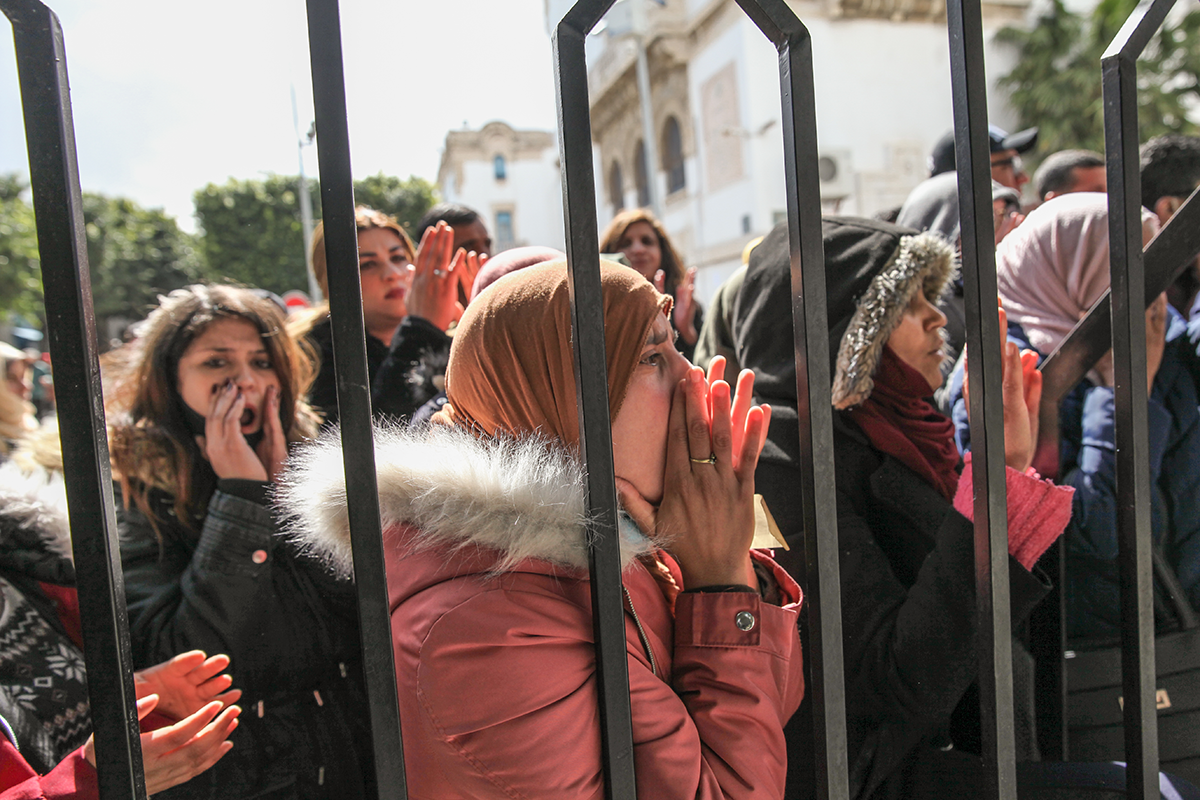
The latest round of public opinion surveys conducted by Arab Barometer confirms that the deterioration of the economy — or more specifically a continuing collapse in living standards — has been at the forefront of people’s minds in Tunisia.
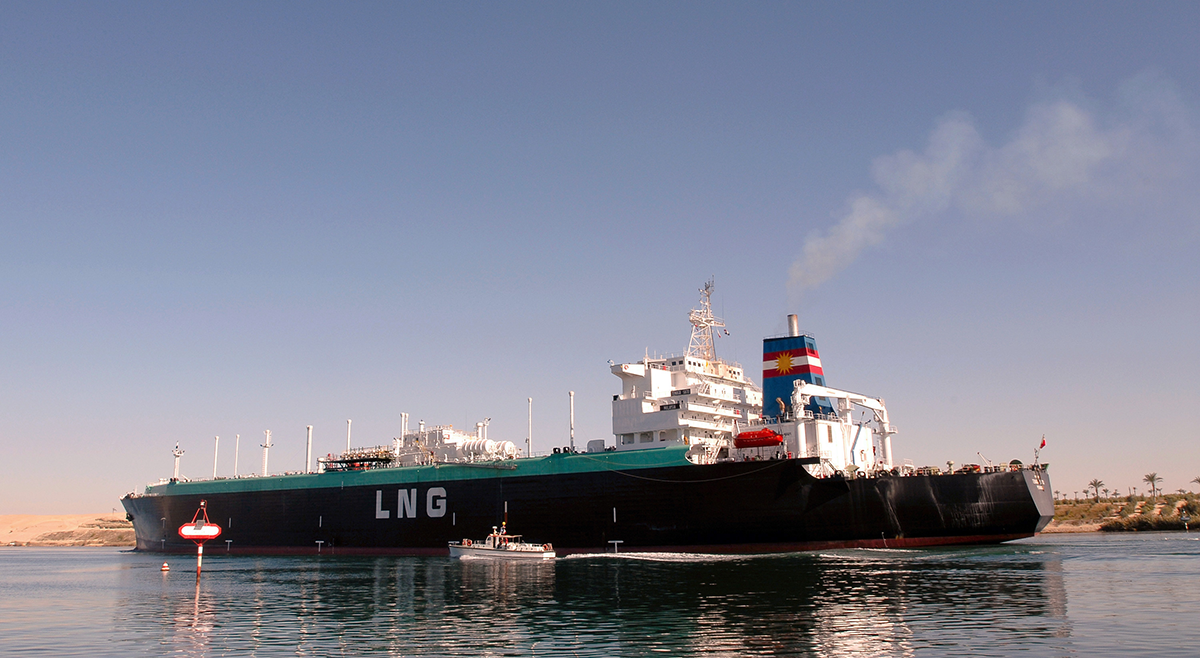
Egypt is currently the fastest-growing Arab exporter of liquefied natural gas (LNG), according to a report released by the Organization of Arab Petroleum Exporting Countries on Aug. 16. The report showed that Egypt exported around 1.4 million tons of LNG in the second quarter of 2021, having not exported any LNG during the same period in 2020.
The return of the pharaohs: The rise of Egypt’s civilization-state
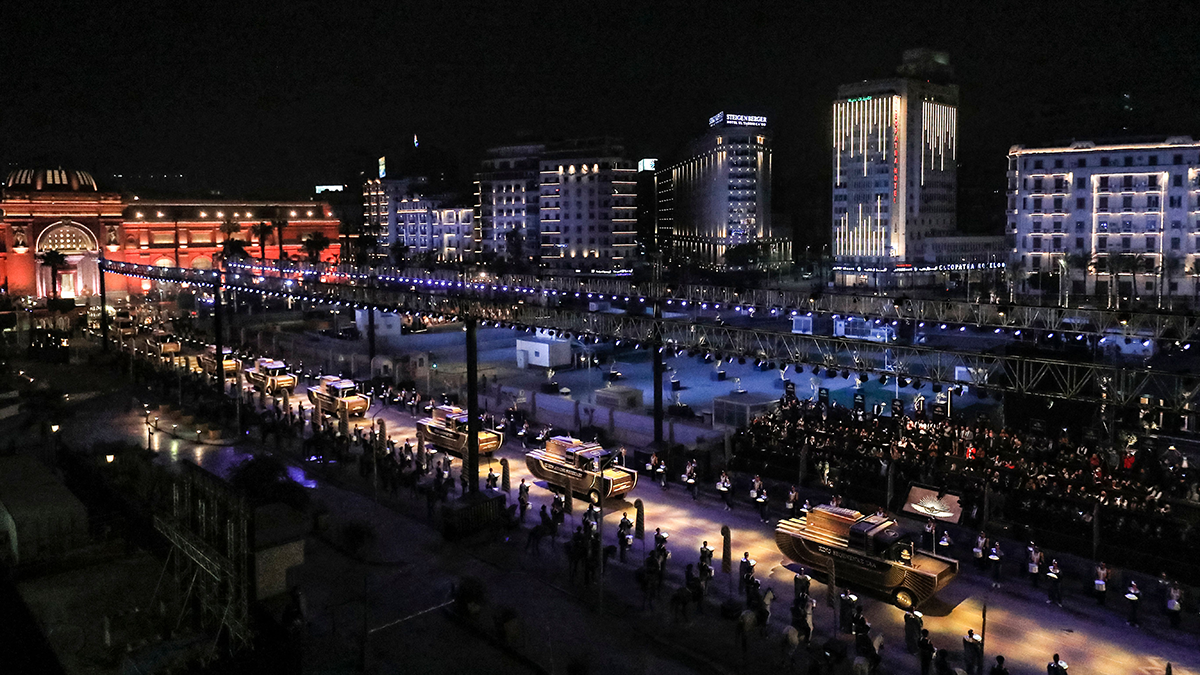
After decades of soul searching to define itself as a state, Egypt is building its own civilization-state and seeks to join an emerging club of nations that center historical and cultural tradition in their policy and governance structures and reject the West’s cultural dominance. The civilization-state is the prism through which Western capitals should view and understand Egypt’s domestic and foreign policy moves.
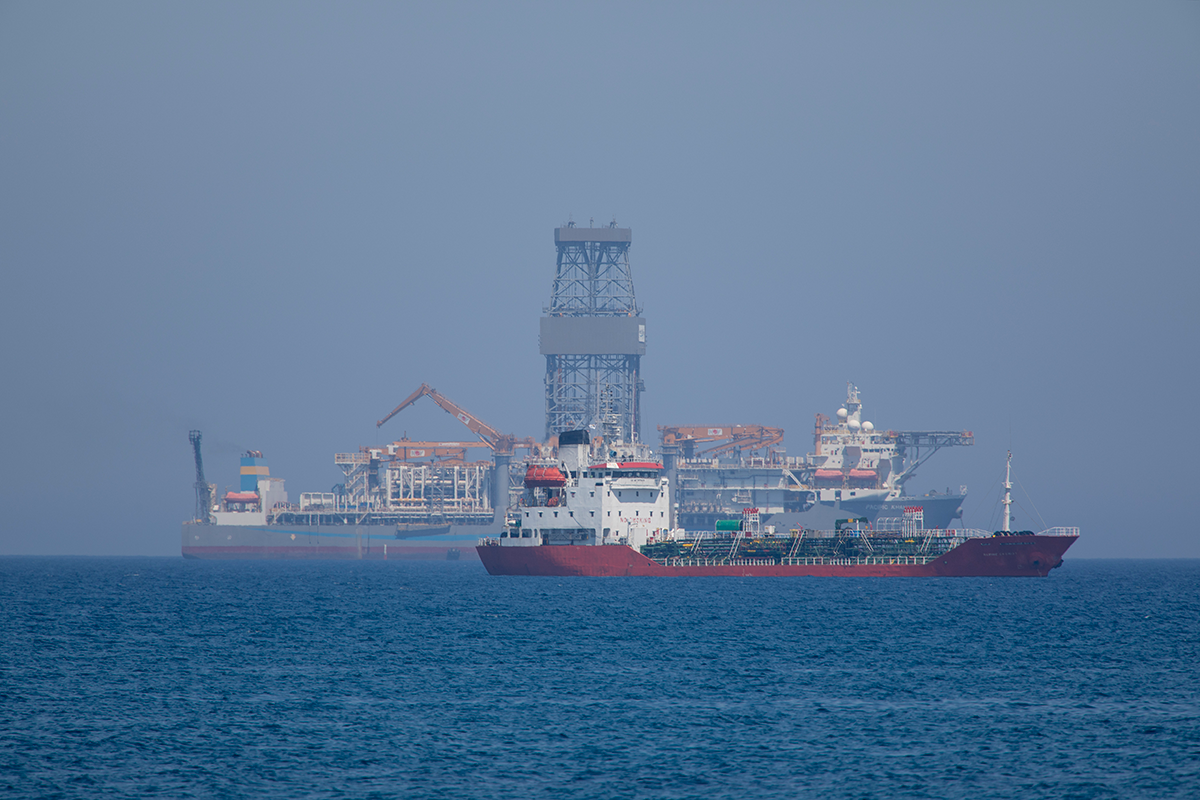
East Med gas needs clean tech and regional integration to support investment case
The viability of Eastern Mediterranean natural gas resources has long been a source of debate for reasons including cost considerations, market demand, and regional geopolitical tensions. The past couple of years have further complicated the debate, introducing new questions about the role of these resources in supporting post-pandemic economic recovery or helping more advanced markets achieve net-zero policies by replacing coal and other fuel sources (a particularly relevant topic of debate given Europe and Asia are key export targets for East Med gas).
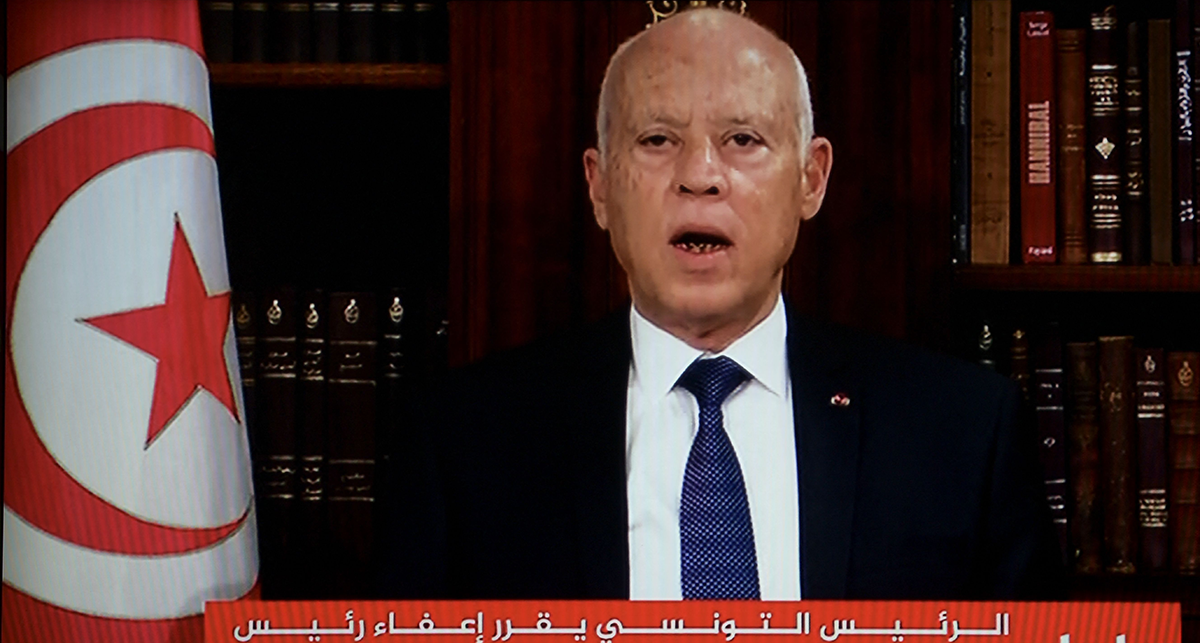
Rida “Lenin” Cheheb Mekki: The ideologue of Tunisia’s July 25 power grab?
Tunisia’s July 25 hirak was in the making since 2011, but perhaps we researchers were simply looking in the wrong place. This article presents a simplified account of the ideological roots of President Kais Saied’s July 25 power grab. Drawing on original and previously unused data as well as diverse sources, including a book recently withdrawn from stores, it offers a snapshot of the concept-map of ideas that have thus far remained hidden from the public domain.
Maati Monjib and Rachid Aourraz join guest host Intissar Fakir to discuss the results of Morocco’s Sept. 8 general elections, their context and why they are important, and what they signal about political trends in the country moving forward.
تُعد المجلة الرئيسية لمعهد الشرق الأوسط أقدم مطبوعة محكّمة مكرّسة لدراسة الشرق الأوسط الحديث، وتغطي المجلة الرئيسية في المعهد السياسة والمجتمع والثقافة في المنطقة.